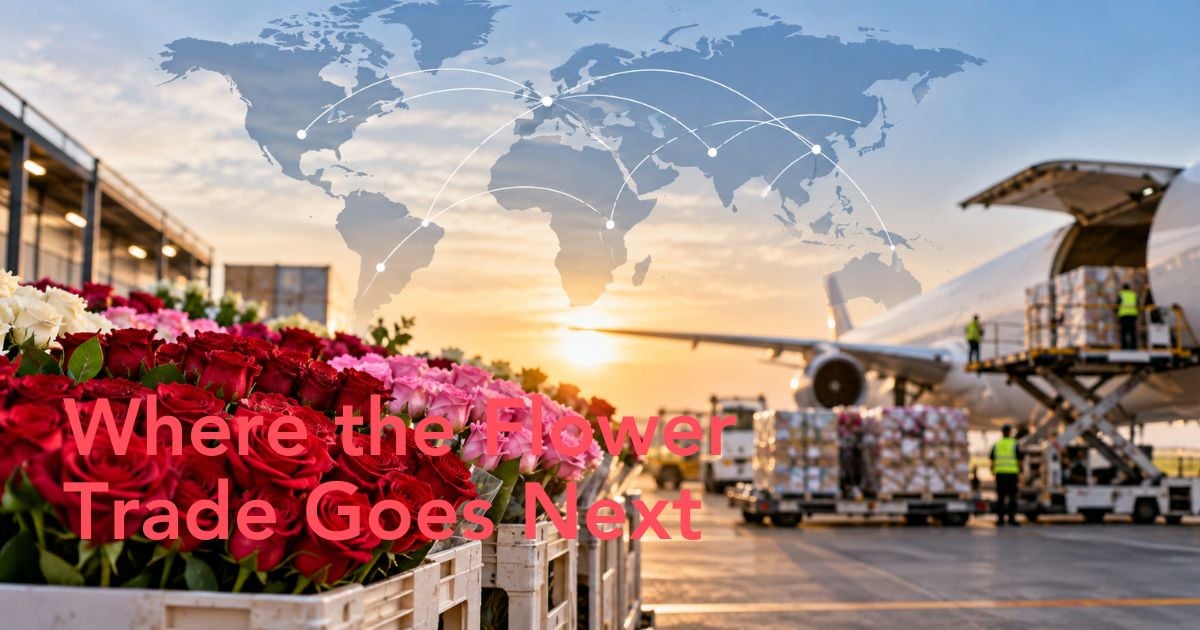
Trade barriers, logistics costs, and geopolitics dominate the news. Ruud van der Vliet reads the long-term numbers instead – and finds a sector most industries would envy: structural global demand.
Growers, florists, and buyers reading the news this year have plenty of reasons to feel uneasy – tariffs, freight costs, and currency swings all show up directly in margins. So when one of the sector's most closely followed financial voices publishes an analysis arguing the opposite, it's worth a close read. Ruud van der Vliet, CEO of Van der Vliet & Van der Oost, recently laid out why he thinks the long-term picture for floriculture is stronger than the short-term noise suggests. Here's what his numbers actually show, and where the argument holds up best.
The Case Against the Mood
Van der Vliet doesn't dispute what's in the headlines. Geopolitical tensions, trade barriers, rising logistics costs, and economic uncertainty are all real, he acknowledges – but he argues they don't tell you what this industry is worth in ten years. His trigger was an article in Floriculture Kenya, which he says sparks the exact conversations the industry should be having about its future. His response isn't a mood piece. It looks at the numbers.
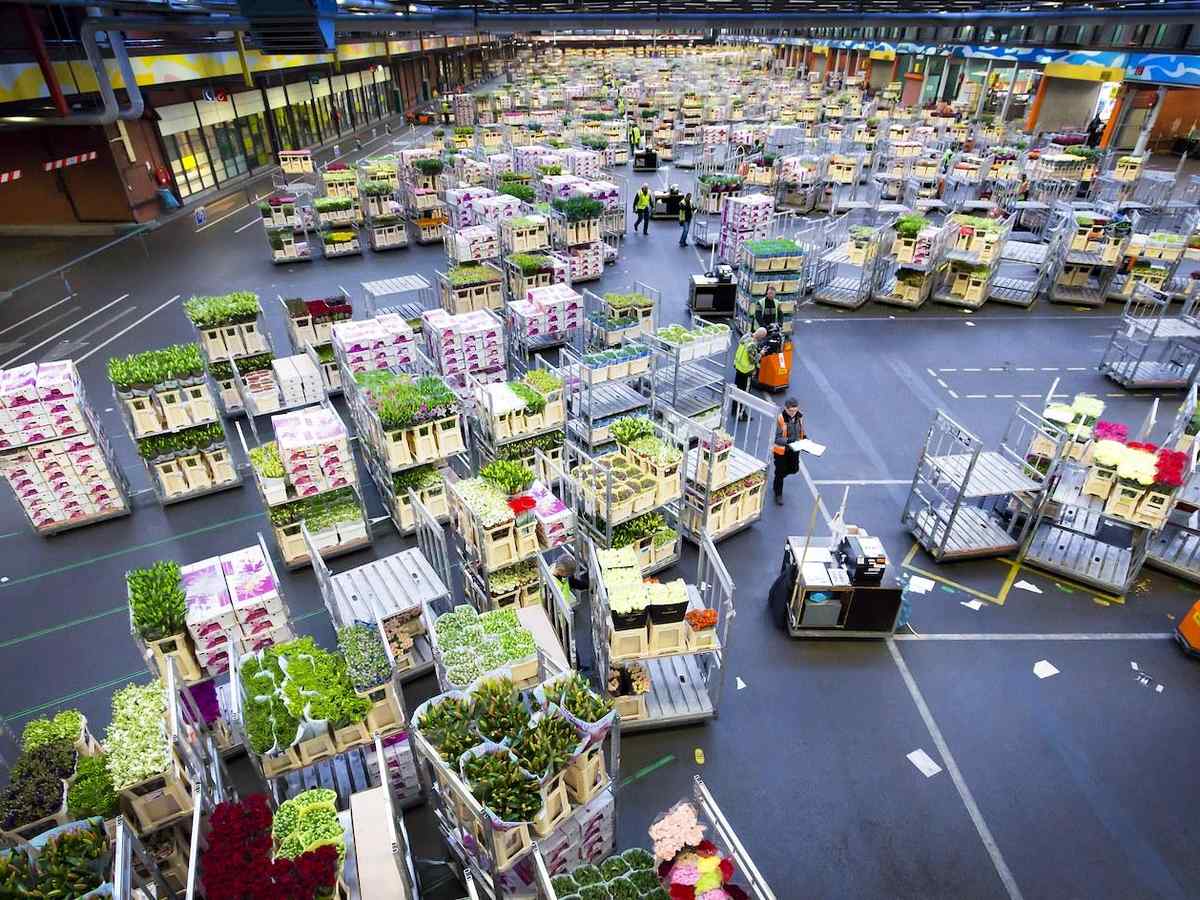
The figures come from Global Market Insight and are presented as estimates, not certainties. On that basis, the worldwide floriculture market sits at approximately USD 70 billion in 2025 and grows to more than USD 110 billion by 2035 – a compound annual growth rate of almost 5 percent. The global cut-flower market alone is estimated at more than USD 45 billion. Those aren't spectacular numbers by tech-sector standards, and that's the point: a market growing at nearly 5 percent a year for a decade, in a product category that has existed for centuries, isn't a hype cycle. It's a base load – the kind of steady growth that makes long-term investment in genetics, greenhouses, and logistics financeable in the first place.
Where the Growth Actually Comes From
Asia-Pacific is becoming an increasingly important engine of consumption, and this is where the analysis gets uncomfortable for anyone still reading the flower world as a European story with export markets attached. On the same estimates, the region's cut-flower market is forecast to grow from approximately USD 18 billion in 2025 to more than USD 30 billion by 2035, with China leading in absolute size and India showing particularly strong growth. Van der Vliet points to rising disposable incomes, growing cities, and online distribution as the forces creating entirely new groups of consumers there.
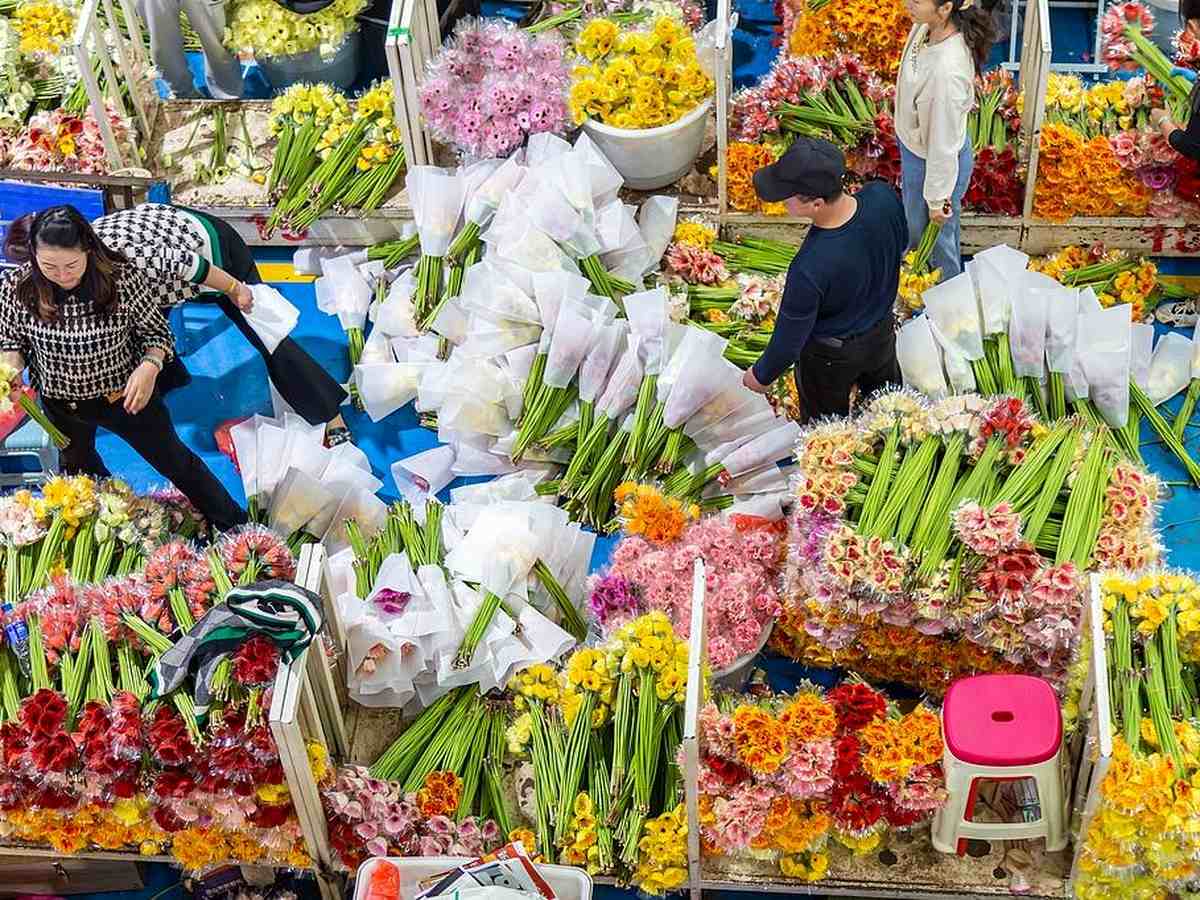
Sit with the proportions: if the global cut-flower market is estimated at more than USD 45 billion, and Asia-Pacific already accounts for roughly USD 18 billion of it, the region isn't an emerging side market – it's already a large share of the whole, and the fastest-growing part. Product assortments, packaging, pricing, and digital trading platforms built around European and North American florists aren't automatically the right tools for a consumer in Shanghai or Bengaluru buying flowers through a phone. That's a real gap for anyone building commercial infrastructure over the next decade.
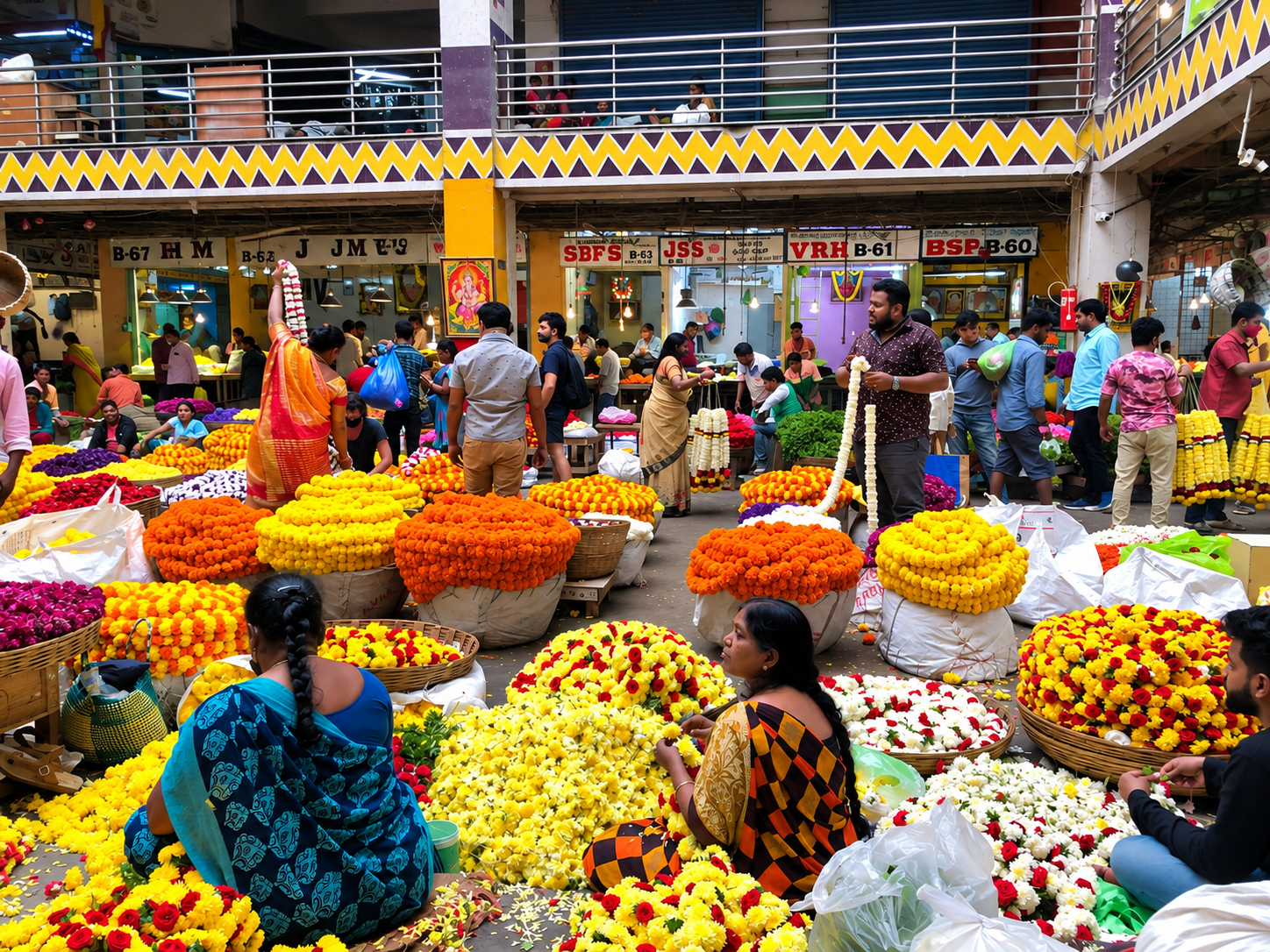
Van der Vliet is careful not to overcorrect, though. Established markets in Europe and North America remain highly relevant, he writes, while production keeps spreading internationally across the Netherlands, Kenya, Ethiopia, Colombia, Ecuador, and increasingly Asia. The picture isn't a shift of gravity away from the old markets – it's a widening of the map on both the consumption and production sides.
Sustainability as a Competitive Edge, Not a Cost
The second shift Van der Vliet flags is on the demand side, and it carries the sharpest commercial edge: sustainability, transparency, longer vase life, lower footprints, and efficient logistics are becoming competitive differentiators rather than nice-to-haves.
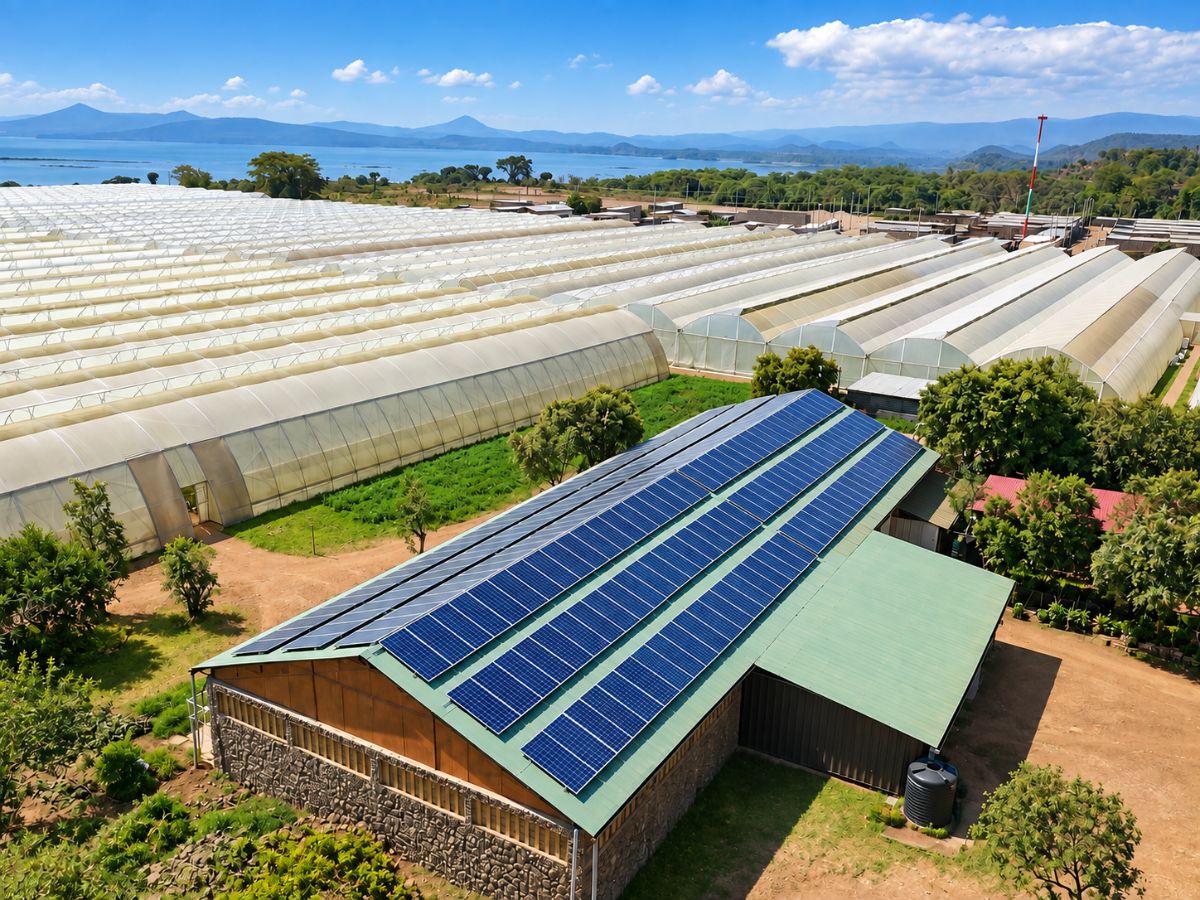
It's not a moral argument he's making – it's a competitive one. The grower who can prove a lower footprint and deliver longer vase life isn't being virtuous in his framing. That grower is winning shelf space. And proof costs money: continued investment in genetics, sustainable cultivation, greenhouse technology, automation, robotics, AI, logistics, and digital trading. It's a long list, which is exactly why the capital question and the sustainability question in floriculture are now the same.
The Honest Caveat
Then Van der Vliet does something unusual for a financial analyst: he concedes the hard part before making his case. Geopolitics will create volatility. Supply chains will change. Margins will remain under pressure. No hedging, no softening – and then the turn: people across cultures continue to buy flowers and plants for something fundamentally human – beauty, emotion, celebration, and wellbeing. That gives this industry something many sectors would envy: structural global demand.
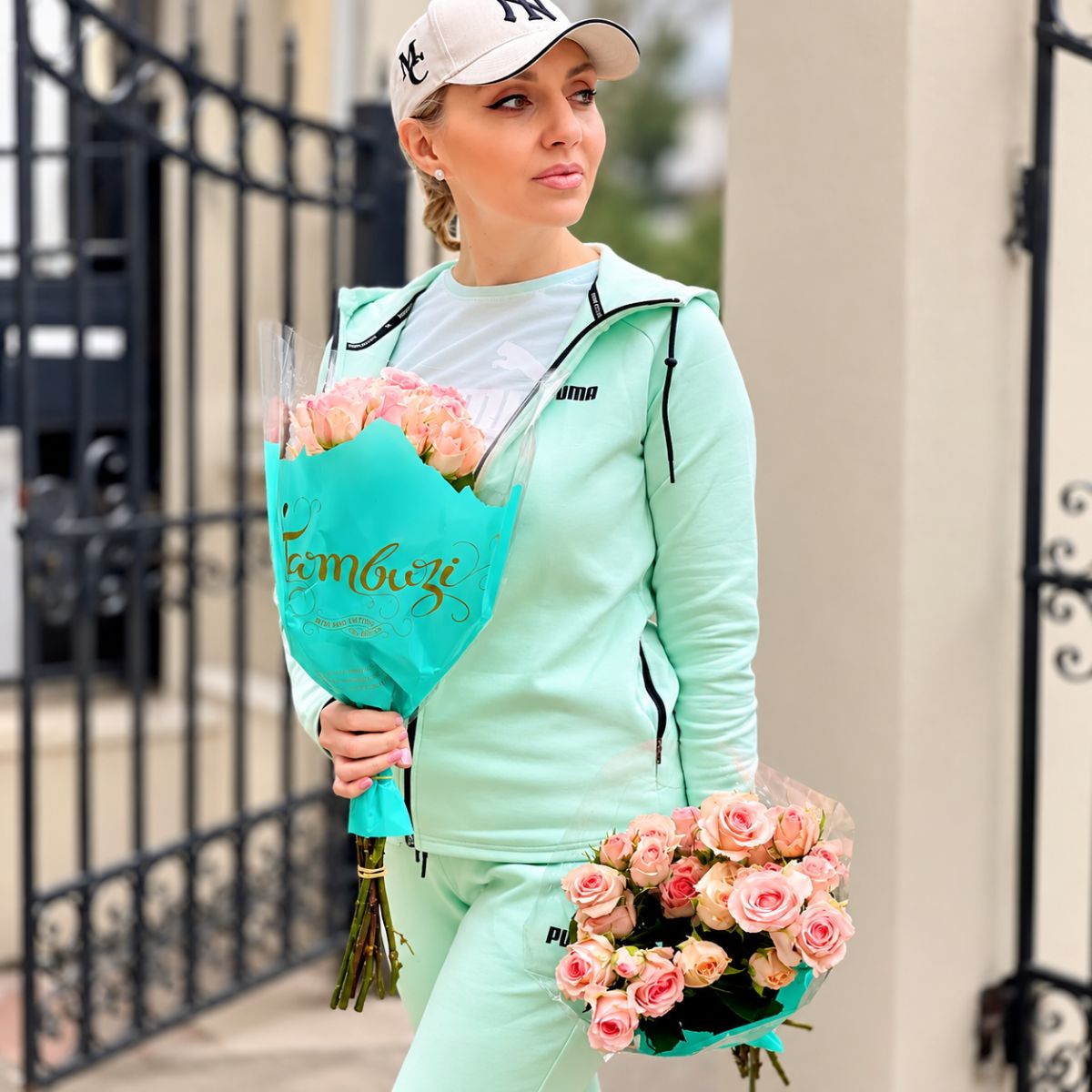
It's a precise phrase, worth taking literally. Demand that doesn't depend on a technology cycle, a subsidy regime, or a single generation's taste. Weddings, funerals, birthdays, apologies, and ordinary Tuesday afternoons happen in every culture and every economy. Volume moves with the economy; the reason people buy does not. That's the asset underneath the volatility – and it's why Van der Vliet can read the same headlines everyone else reads and land on a different conclusion.
The Open Question
He doesn't end on comfort. The opportunity is there, he writes – the challenge is making value chains smarter, more sustainable, and truly global. "Truly global" is the demanding word. Not global in the sense of exporting to more countries, which floriculture has done for decades, but global in the sense of building chains, assortments, and digital infrastructure that work as well for a buyer in Asia as for a florist in Amsterdam or a supermarket buyer in Texas.
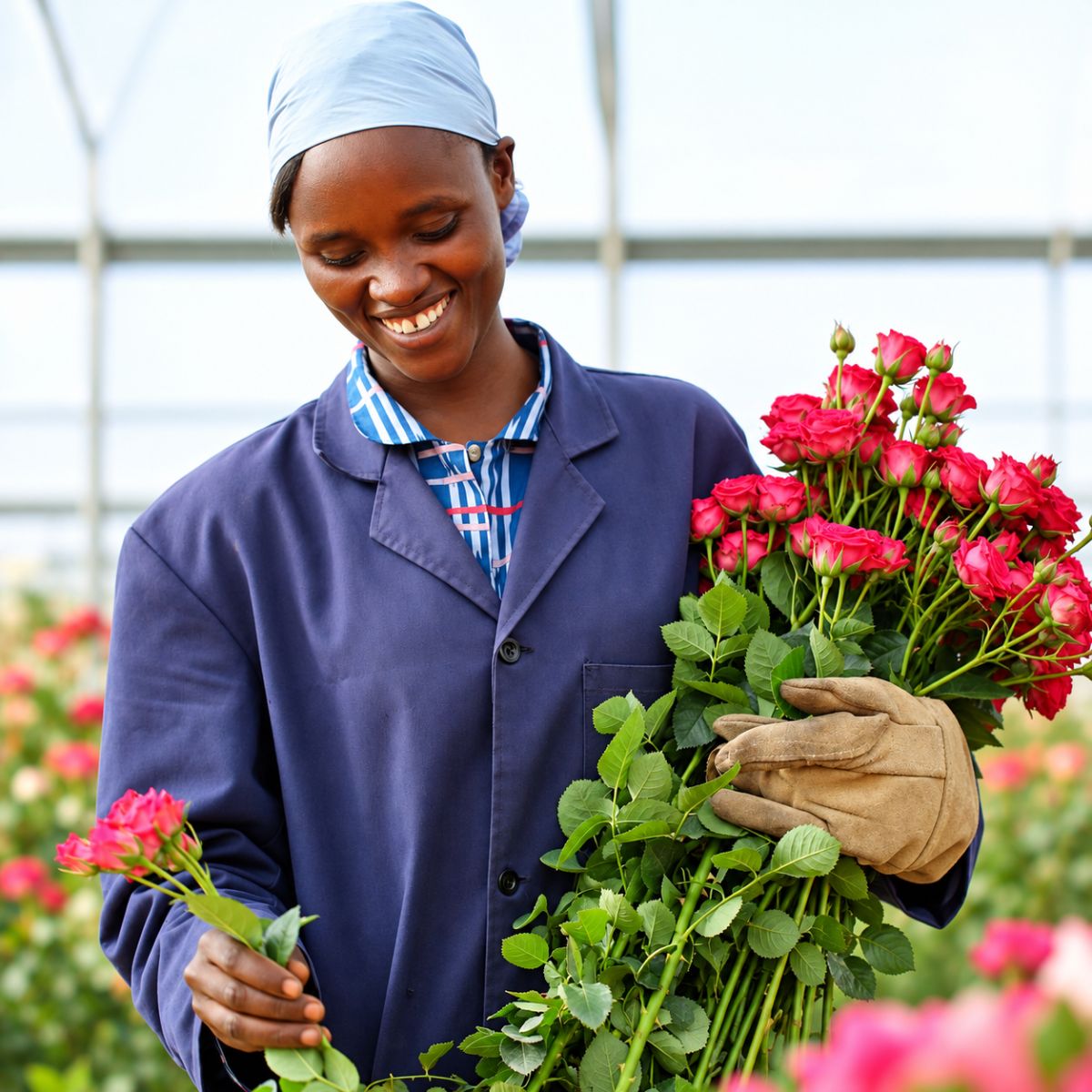
The market is forecast to grow by more than USD 40 billion over the next decade. The forecast doesn't decide where that growth lands. It's decided by which parts of the chain move first – and that's the question worth watching, regardless of where you sit in it.