Historically recognized as the 'Queen of Climbers,' Clematis (Clematis spp.), a rambling woody vine that covered garden trellises, arbors, and walls, was always considered a landscape plant. For years, using it as a commercial cut flower was deemed non-viable due to a combination of reasons, including its thin, climbing stems, twining leaf petioles that tangled when harvested, and delicate petals that bruised easily.
But the past few years have seen a transformation driven by visionary hybridizers and master growers who have redefined this flower. Breeders have crossed wild, herbaceous shrub species with large-flowered garden cultivars, creating a new class of non-climbing, straight-stemmed cut Clematis. Today, these varieties are among the most sought-after, high-value accents in luxury floral design. Here's how the whole process works.
Botanical and Genetic Mechanics of Clematis Breeding
Clematis belongs to the Ranunculaceae family and encompasses at least 300 named species, ranging from large-flowered climbing vines to compact, non-climbing herbaceous perennials. The genus is highly heterozygous, meaning controlled crosses produce offspring with a wide range of traits rather than a predictable outcome, making hybridization across types difficult.
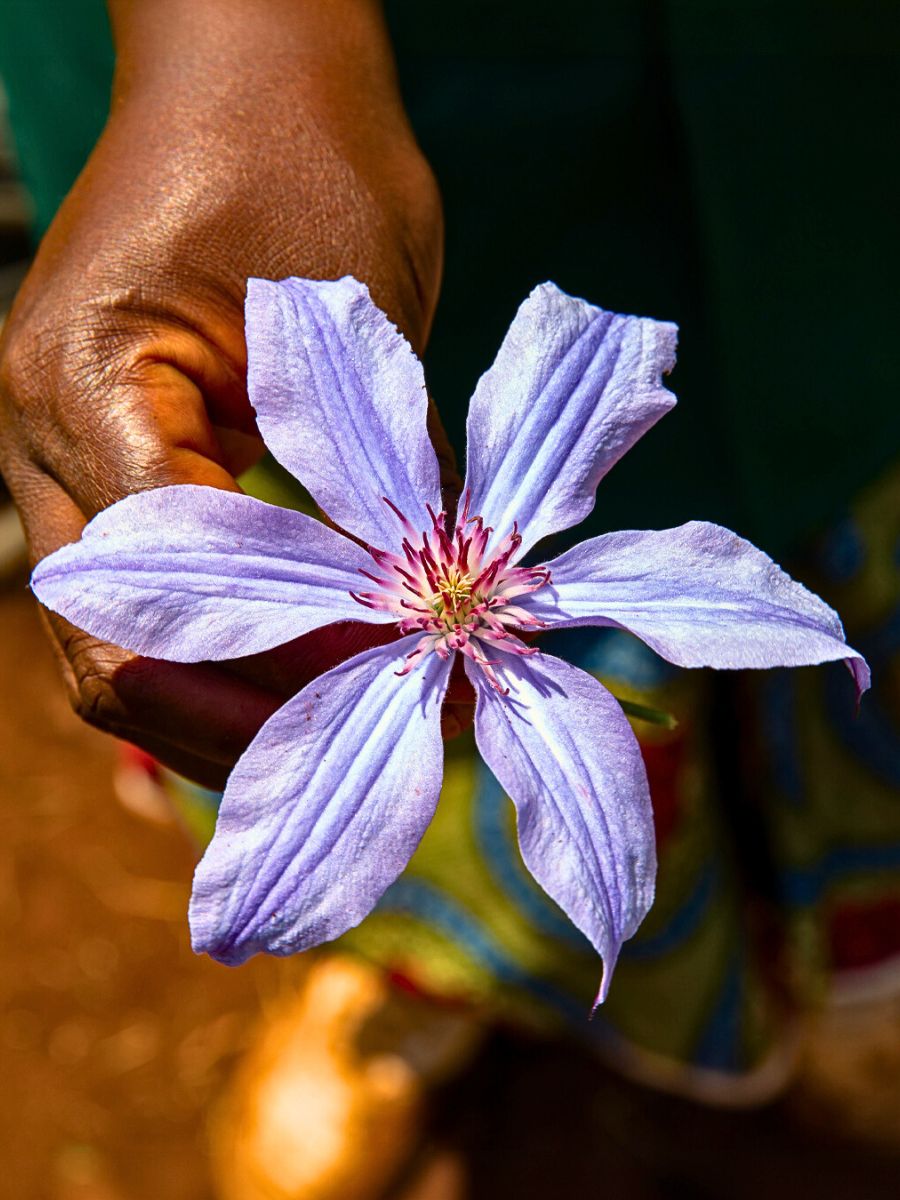
What most Clematis used in breeding share, however, is a characteristic that has created the biggest obstacle to cut flower development: the climbing habit. Wild and garden Clematis climb using leaf tendrils that grip any available support, so stems are virtually impossible to harvest at commercial scale.
Developing varieties featuring large, upward-facing flowers and long vase life, without the clinging behavior that makes harvesting impractical, was therefore the biggest challenge of the Clematis cut flower story. So, to transform this climbing garden vine into a commercial cut flower, breeders had to overcome some anatomical challenges unique to the Ranunculaceae family.
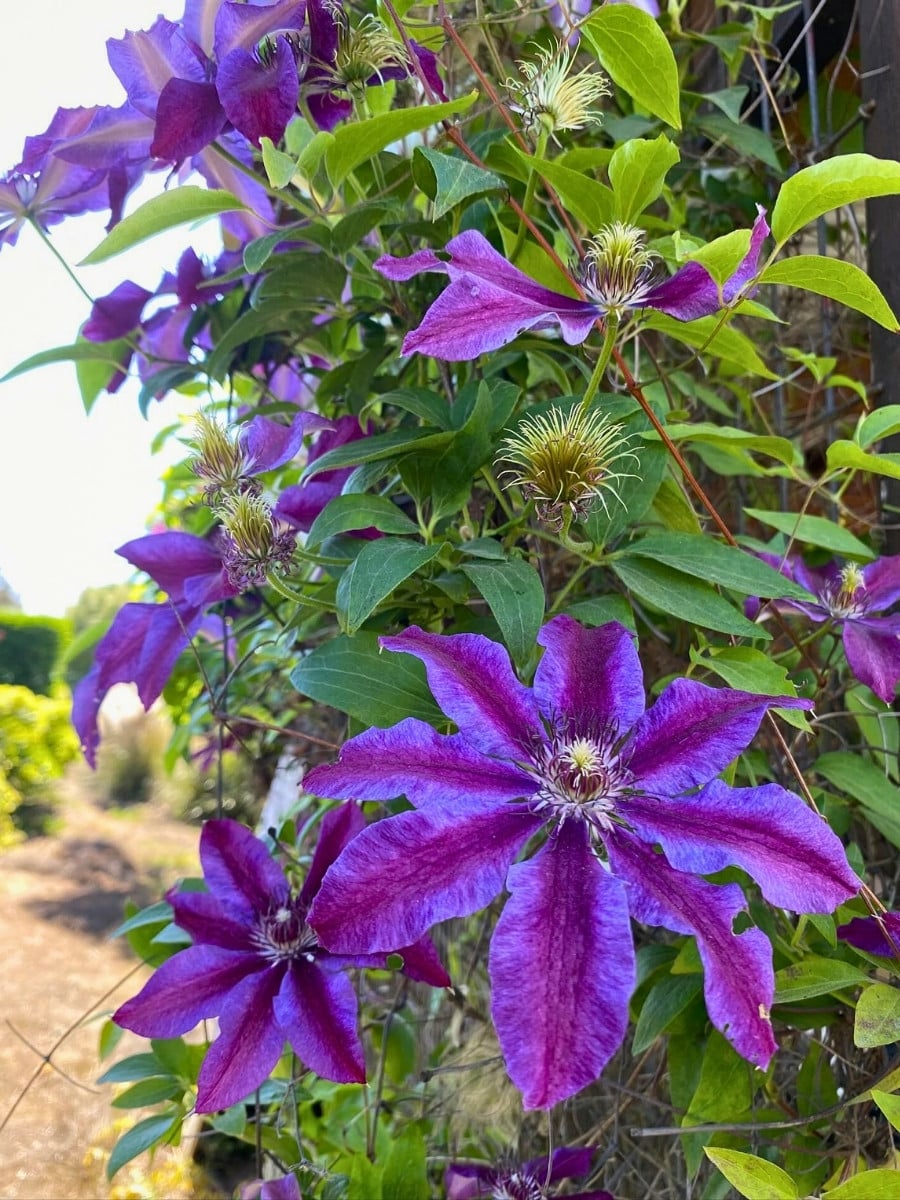
Re-Engineering Stem Habit (Clematis Integrifolia Genetics)
Wild climbing Clematis relies on twining leaf petioles (leaf stems) that wrap around supporting structures. In a commercial cut-flower field or greenhouse, this climbing habit isn't good since stems entangle each other, making damage-free cutting practically impossible.
To eliminate this, cut-flower breeders crossed climbing varieties with Clematis integrifolia, a non-climbing, herbaceous perennial native to Central and Eastern Europe. C. integrifolia has two crucial genetic traits.
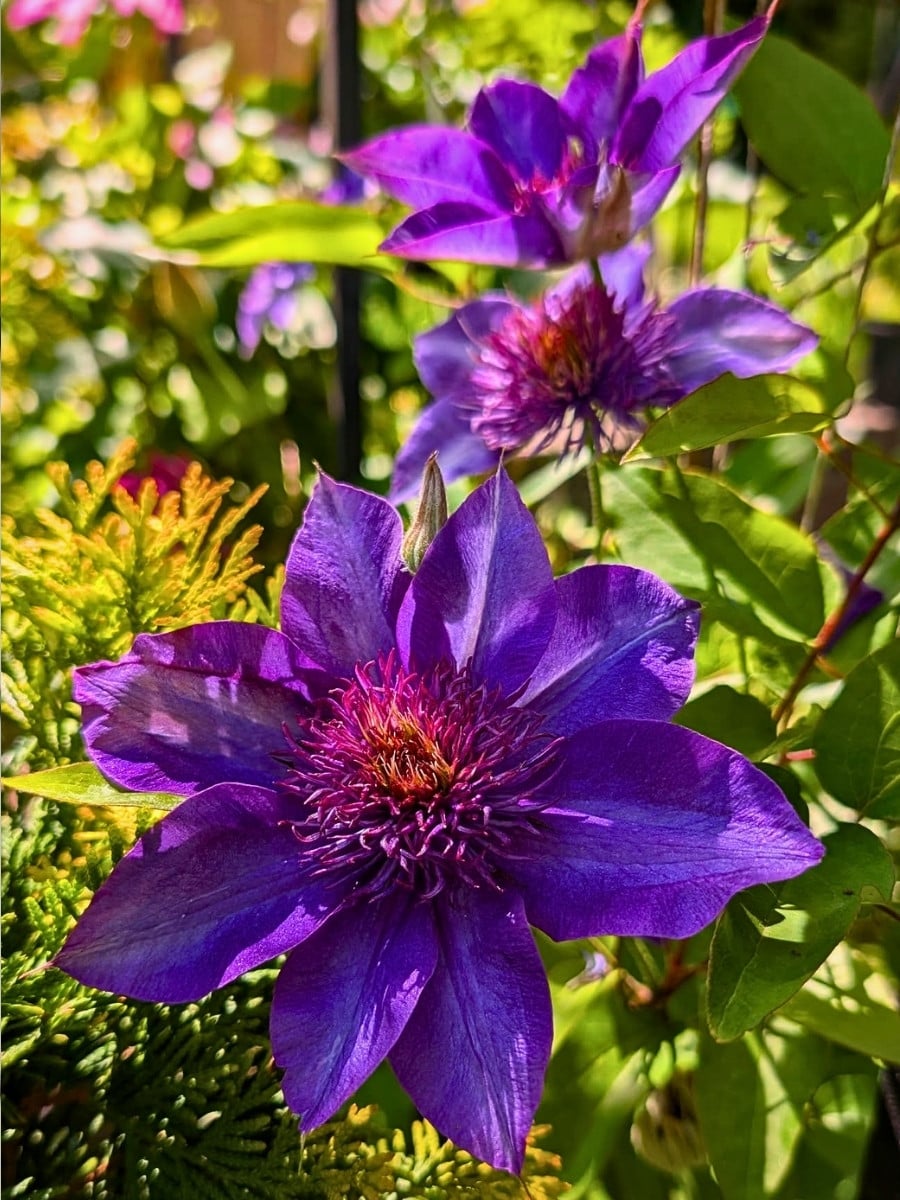
These traits include its erect, non-twining stems that grow vertically without wrapping around neighboring plants and nodding bell-shaped flowers hanging in elegant, pendulous bells with thick, durable tissue.
Sepal Biology and Substance
What floral designers call petals on a Clematis flower are botanically sepals (petaloid sepals). In traditional garden varieties, sepals are paper-thin and drop quickly after pollination. So, breeding for cut flowers requires selecting for sepal substance: thick, leathery, or waxy cell walls that resist dehydration, mechanical bruising, and premature shedding during transit.
What Clematis Breeders Work Toward
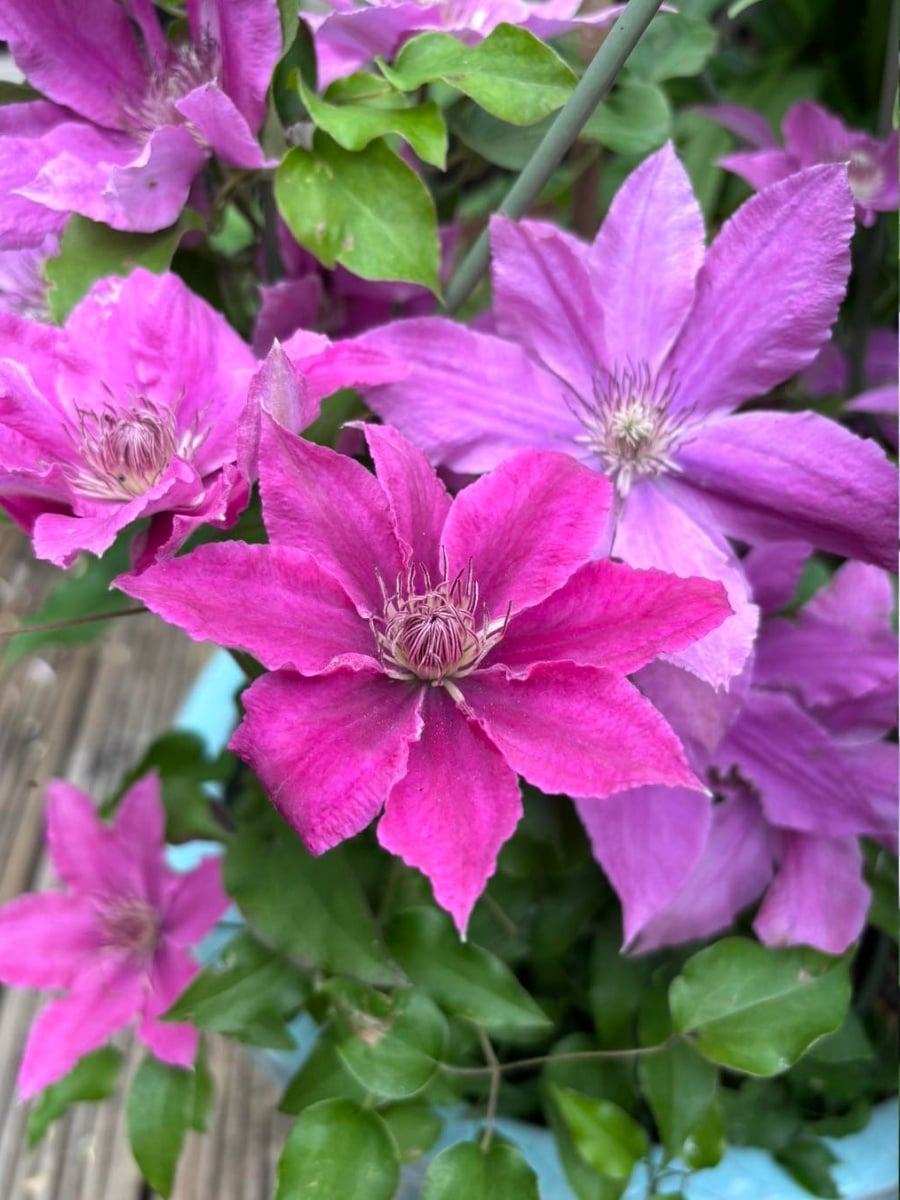
For cut flower programs, as noted, breeders target large, upward-facing flowers with broad, well-formed tepals, strong stems that do not tangle or cling for commercial harvesting, and a vase life that meets the market threshold. The minimum for inclusion in the Clematis Amazing® series is 10 to 14 days, with the best performers reaching three weeks.
Resistance to powdery mildew and Botrytis is essential for tropical high-altitude production. Sterility, where the variety produces no viable seed, is also often cited for Clematis cut flowers. It focuses plant energy into flower production and ensures growers return to the breeder for propagation material.
For garden programs, however, objectives move toward re-blooming habit, cold hardiness, compact or non-clinging growth, and colors outside of the established large-flowered hybrid palette.
Cross-Pollination and the Genetics of Selection
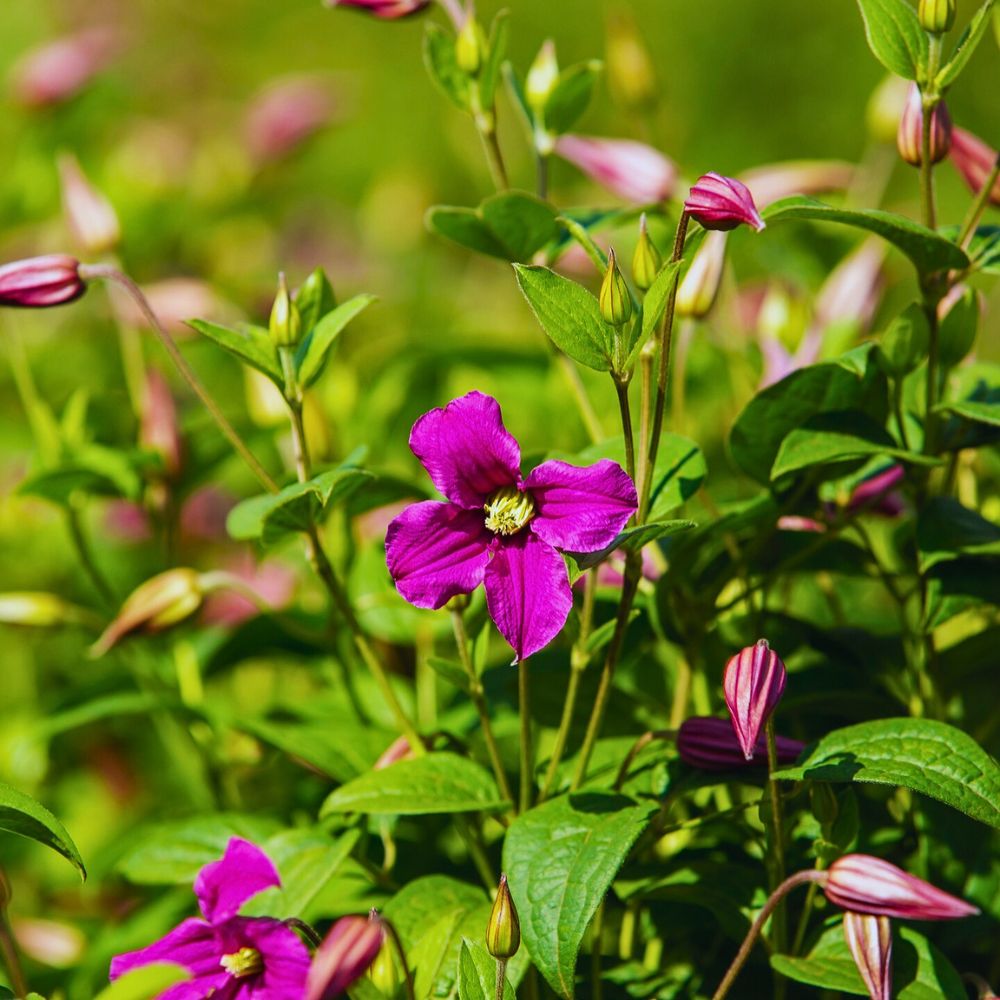
Clematis hybridization begins with the deliberate transfer of pollen from a selected male parent to the emasculated female parent's stigma. Clematis breeder Jan van Zoest acknowledged that "breeding Clematis does not work like Mendel's laws". The outcome of any cross is difficult to predict. The only reliable way is to make large numbers of crosses and evaluate the resulting population patiently… and ruthlessly!
Fertilization is done carefully by hand, with a goal of getting better and stronger flowers, and above all, something not yet available in the market. Seeds are collected, sown, and germinated, and the seedlings then grow to first flowering, a one-to-two-year process during which no commercially relevant traits can yet be evaluated.
Recent molecular research across 103 Clematis accessions confirmed that horticultural cultivars carry significantly higher genetic diversity than wild populations, a result of decades of artificial hybridization. This richness gives breeders the material to work with, but it also means every seedling population is a lottery.
Selection and the 0.01% That Makes It Through
At J. van Zoest BV, around 300 experimental varieties are produced each year, and only two or three become new cultivars. Jan van Zoest describes it as "99.9% of your work leading to nothing". Only the 0.01% that is really extraordinary is worth continuing with.
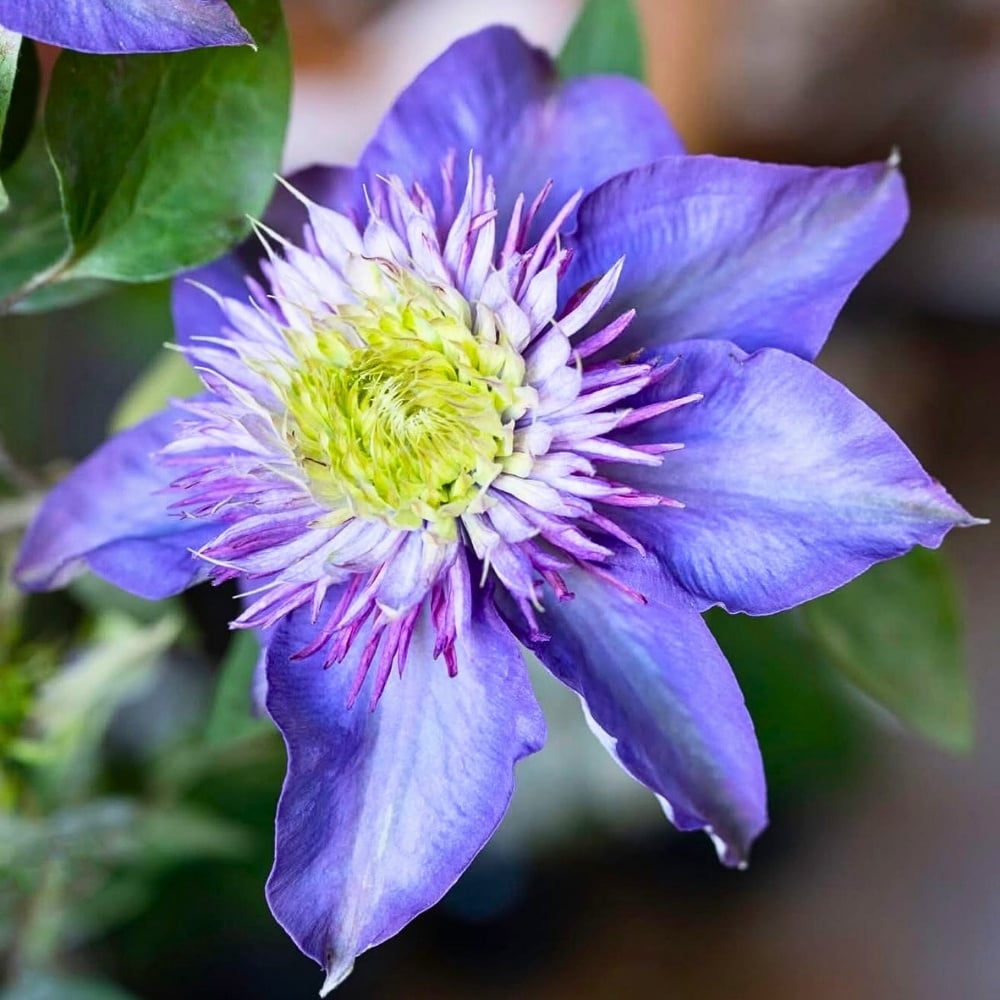
Selection criteria are evaluated concurrently. Flower orientation must be upward-facing, as a nodding flower is not good for florists. Stem length must reach 50 to 70 cm or more. Fungal disease resistance is observed under trial conditions. The flower itself must offer something new: color, a bicolor combination, or a structural characteristic not yet in the market.
Plant patents from J. van Zoest BV describe varieties characterized by upright-facing flowers with stable color, good cut flower vase life, and sterility with no seed production, and those three properties (color stability, vase life, and sterility) are the commercial fingerprint of a successful Clematis cut flower.
Multiplication and Commercial Production
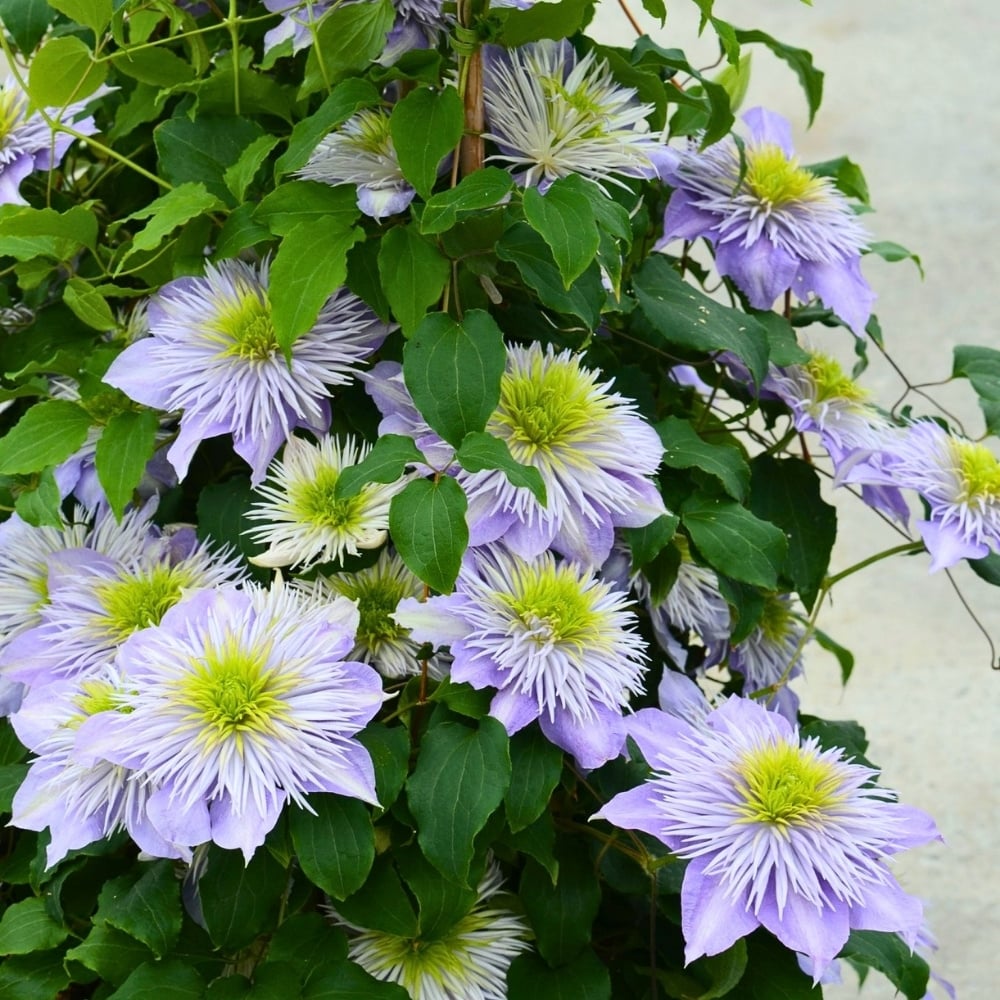
After a selection clears the initial evaluation, it enters a two-year multiplication phase via internodal stem cuttings. Asexual reproduction by internodal cuttings maintains genetic consistency across the commercial crop, ensuring every plant reaching a production grower is genetically identical to the original selection.
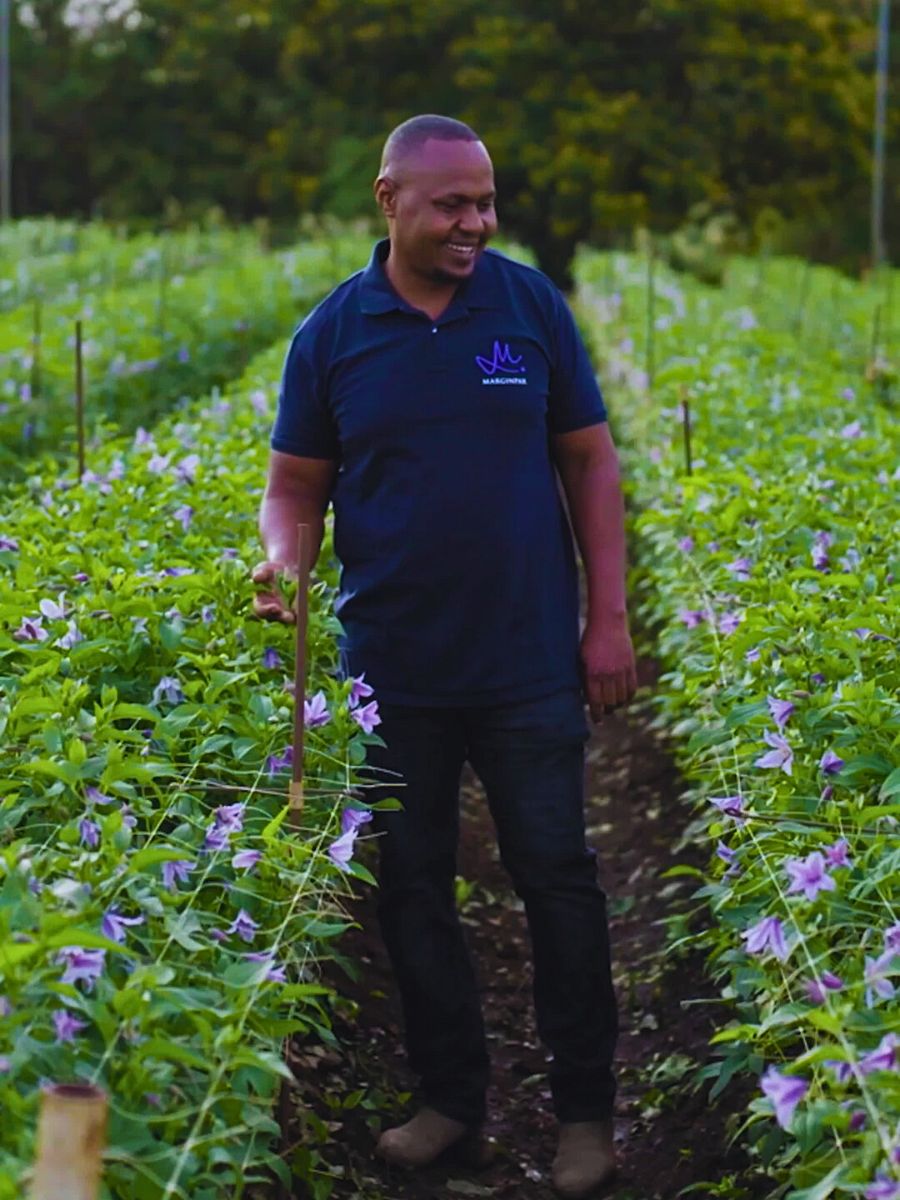
After two years of propagation, the material goes to a grower. For J. van Zoest BV, this is exclusively Marginpar. It continues at their farm in Tanzania, for trial under African growing conditions. Jos van Zoest travels regularly to evaluate candidates in the field, testing disease resistance, ease of multiplication, and vase life at the production site. Varieties that perform poorly in Africa are eliminated even if they performed well in the Netherlands. Only those that pass on both continents advance to commercial launch.
Breeders Who Bring You Varieties Like Clematis Amazing® Series and Others
The story of commercial Clematis as cut flowers is, by and large, the story of J. van Zoest BV, the exclusive breeder of this flower for Marginpar. The breeder visited Japan in the 1990s, where he observed Clematis grown as a cut flower, a practice with pre-World War II roots maintained there after disappearing elsewhere. He spent the following decade solving vase life while finding a production partner willing to grow a new crop type.
After ten years of breeding and trialing, Clematis Amazing® Blue Pirouette became the first Clematis cut flower traded at Royal FloraHolland in 2006. Kyiv followed in 2011, Star River in 2012, winning the Glass Tulip Award from FloraHolland in 2014. Introductions then accelerated with London, Geneva, Rome, and Oslo in 2015; Miami in 2017; Tokyo and Kibo in 2018; Shira in 2019; Havana in 2020; Vienna, the first white variety, at the end of 2020; and Sevilla, the first bicolored variety, in 2022.
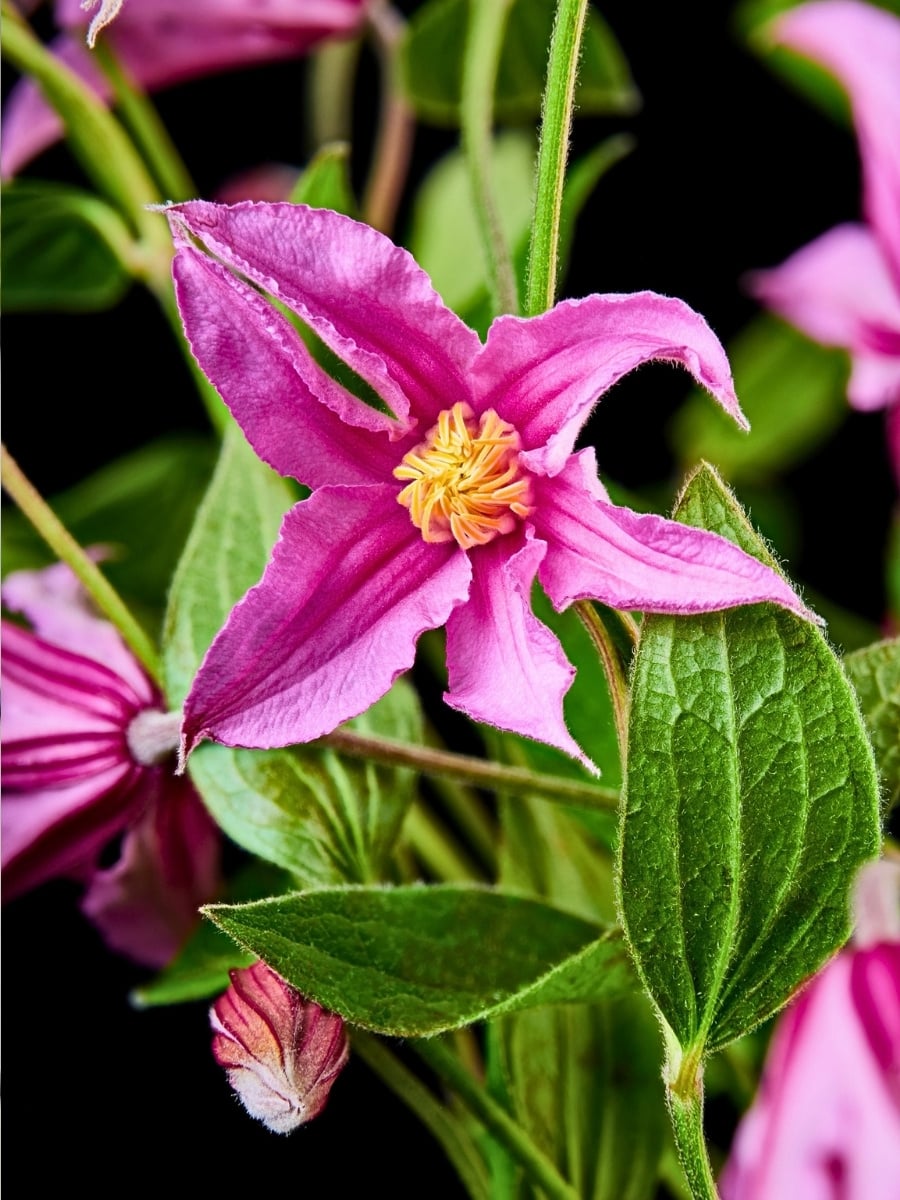
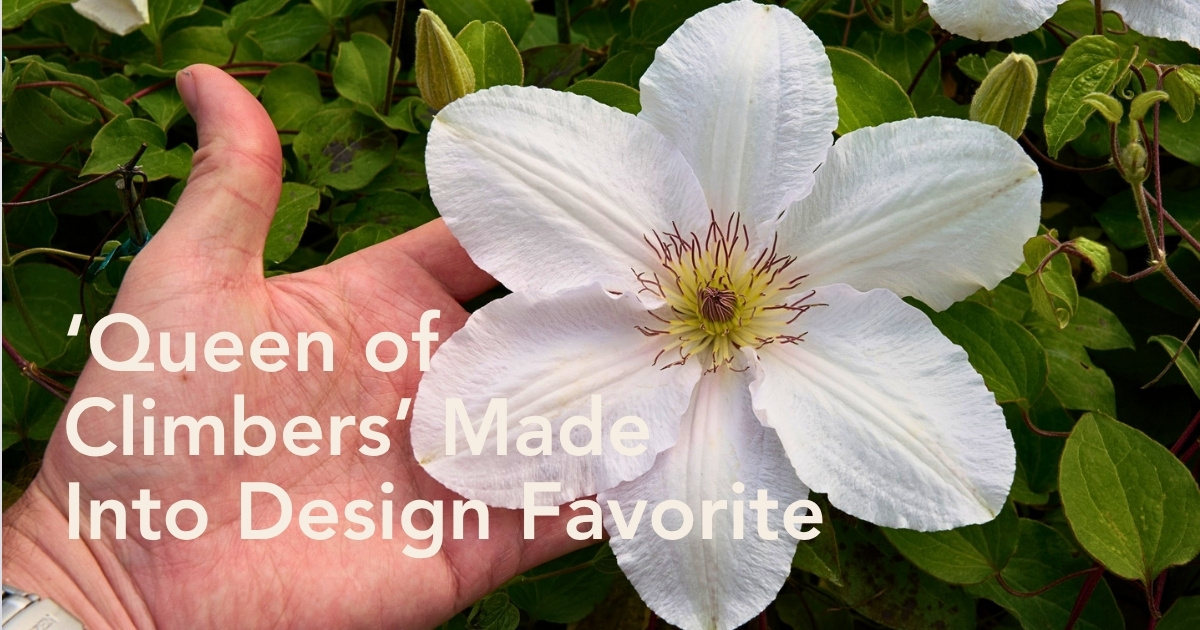
Clematis Amazing® Kibo is named after a peak of Mount Kilimanjaro in Tanzania, acknowledging the country where the series is trialed and produced. Vienna represented a particular achievement: while white Clematis is not rare in gardens, producing a white variety with upward-facing flowers and a reliable commercial vase life took years of targeted selection. Marginpar now produces approximately 99.9% of all cut Clematis available commercially, mainly distributed through Royal FloraHolland.
But J. van Zoest BV is not the only one in the Clematis breeding business. Kolster BV, based in Boskoop, exemplifies a complementary breeding strand across both cut flower and garden plant segments through its Magical Garden Plants and Magical Cut Flowers concepts. Through cross-fertilization and selection, Kolster holds plant variety rights or has applied for protection on more than 100 varieties, sending parental material to production nurseries in Kenya, Ethiopia, Ecuador, and Colombia.
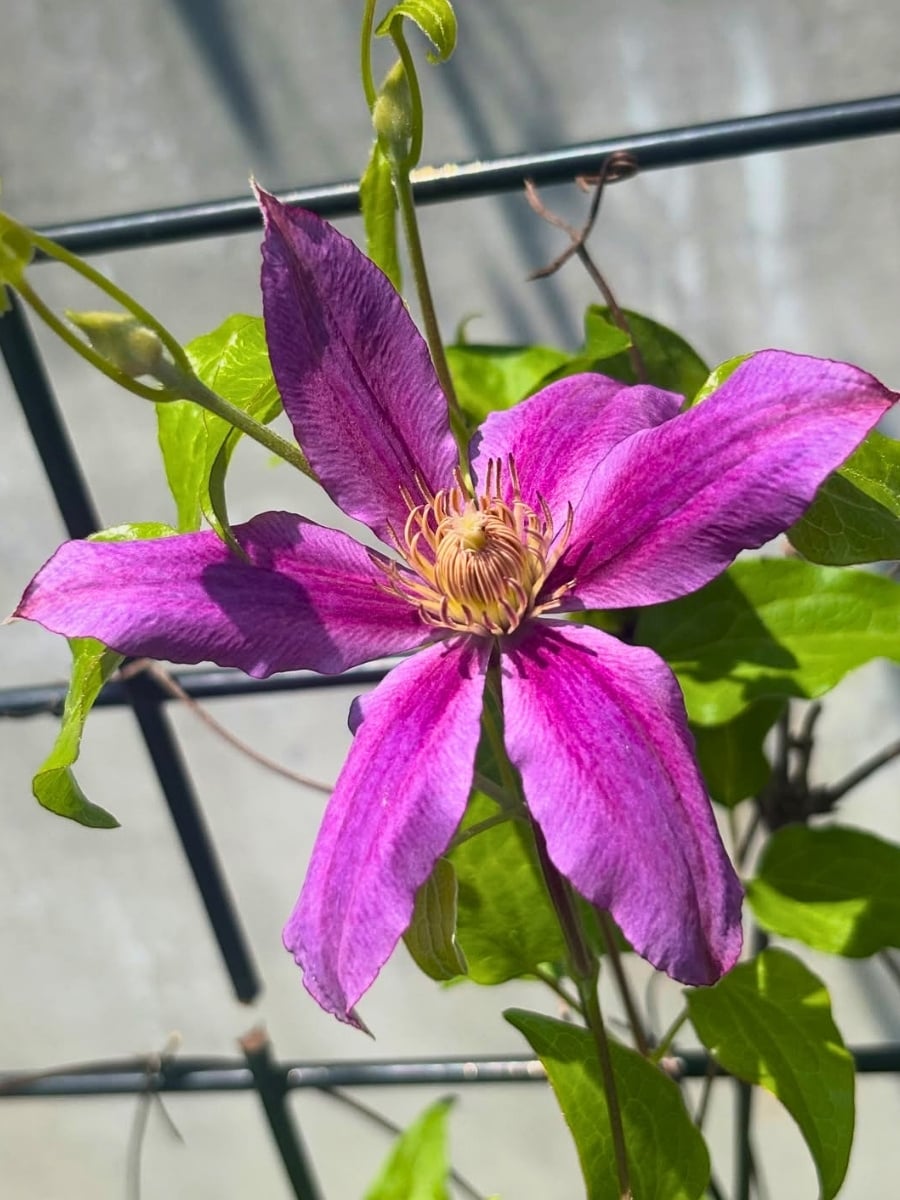
Their Clematis Magical Milou, entered in the Green Retail Awards at Plantarium 2024, is a free-flowering, burgundy-red variety blooming from May to September and resistant to leaf spot. Their non-clinging types have also opened access for North American small-scale cut flower growers to varieties that work similarly to the Amazing® series.
Wim Snoeijer, the veteran hybridizer who until some years ago produced many internationally recognized Clematis cultivars at J. van Zoest, developed the variety Fascination in 1992 from a cross between Clematis integrifolia Olgae and Clematis fusca, selecting the single viable candidate in 1996 before Jan van Zoest propagated and introduced it in 2002. The four-to-ten-year gap between cross and introduction is characteristic of this flower.
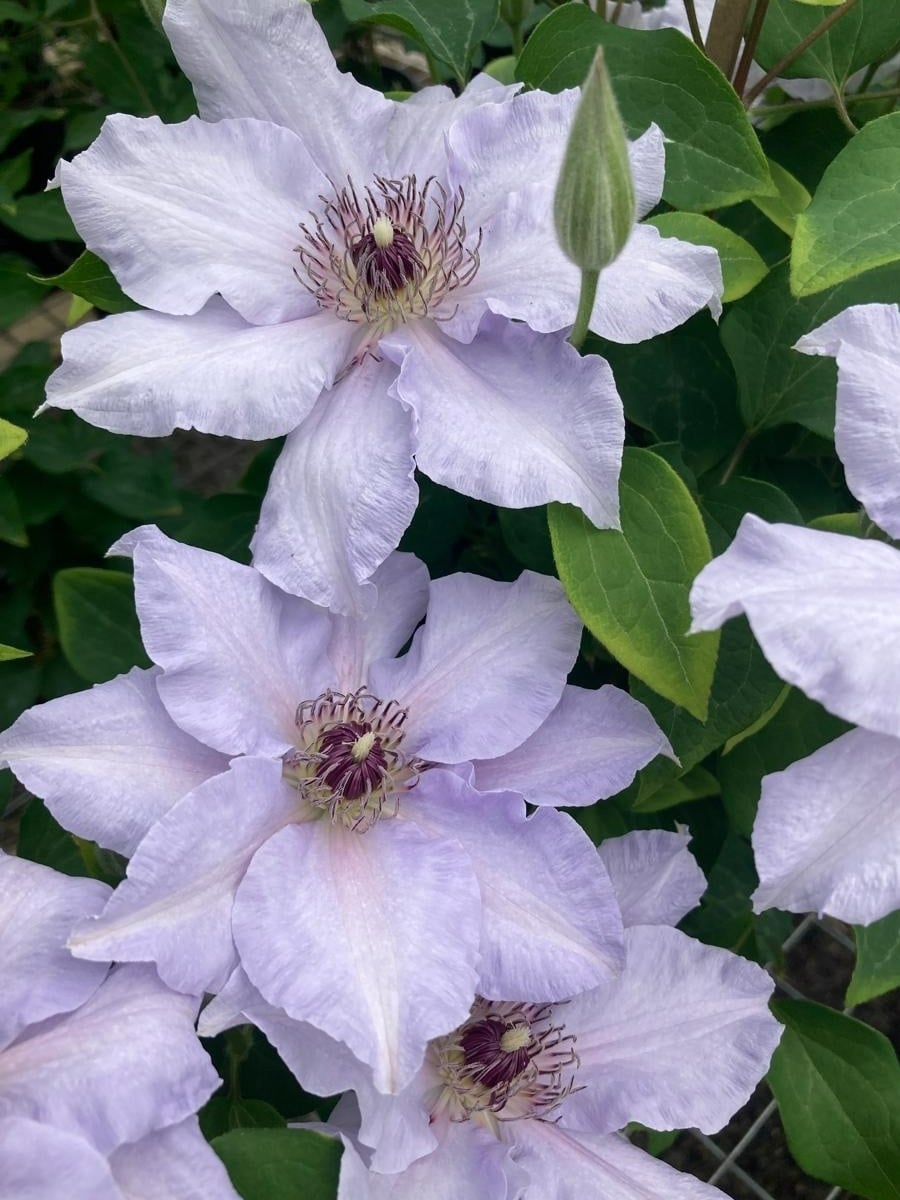
Further proof of this flower’s long-game reality can be seen at Roogoja Farm in Estonia, recognized as the world's northernmost Clematis breeding nursery, operating at the 58th parallel north. Founded by Uno and Aili Kivistik, whose first Clematis crosses were made in 1978, the program was shaped by climate: low-height varieties that flower richly on annual shoots, since these shoots rarely survive an Estonian winter and are cut to 5 to 15 cm in autumn.
Between 1979 and 1992, more than 1,000 cross combinations produced more than 6,000 hybrids, from which 140 were ultimately named and introduced. Aili received the Golden Clematis Award for this work in 2013. Roogoja's varieties are popular across Finland, Sweden, the Baltic States, and northern Russia, where cold hardiness is not optional, and where the Dutch-African commercial model has not reached. Clematis breeding is, after all, driven as much by climate constraints as by market ambition!
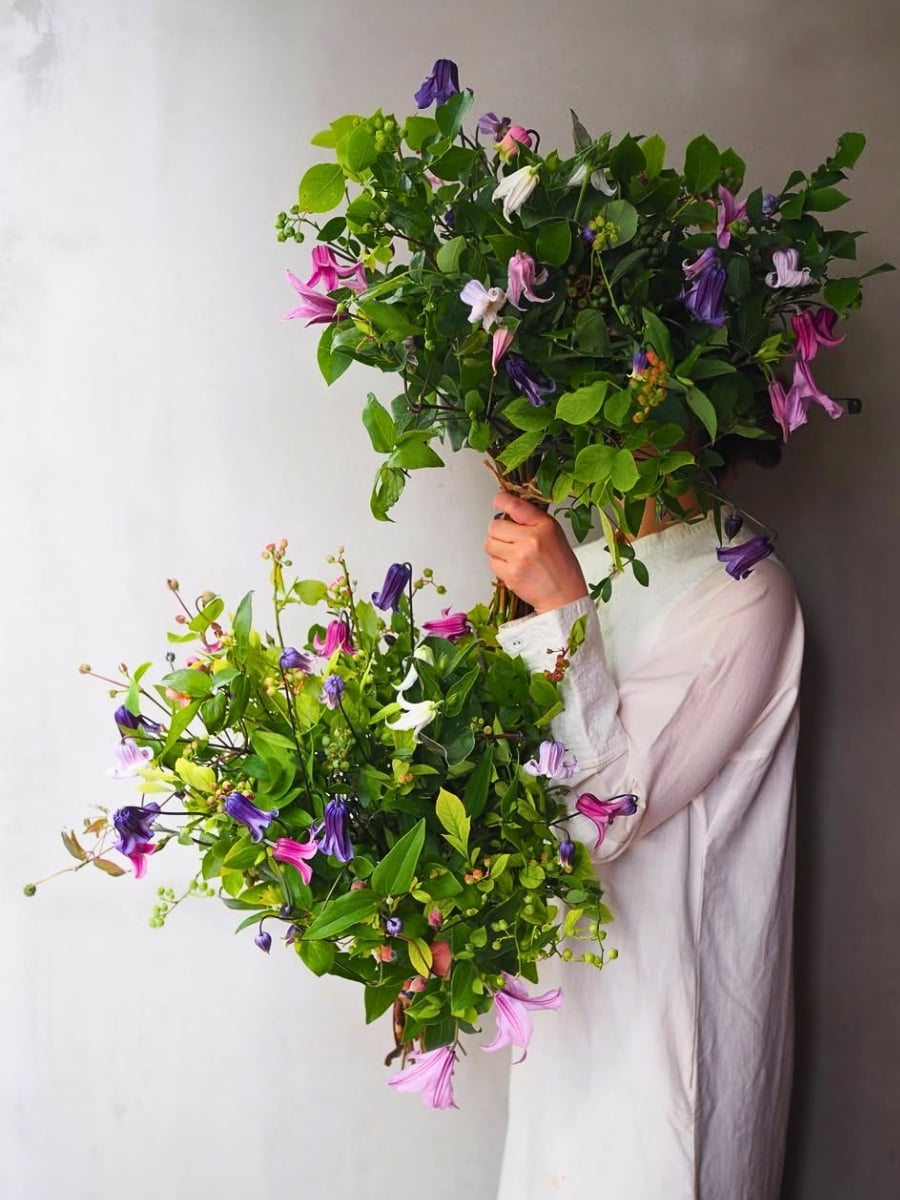
Elsewhere, Raymond Evison offers the global benchmark for landscape and garden Clematis breeding. Operating from the island of Guernsey, they run breeding programs (such as the Boulevard® series) that focus on compact, repeat-flowering habits designed for small gardens, patios, and containers. His work pioneered free-flowering traits from the base of the plant upward, setting aesthetic standards that cut-flower breeders strive to replicate on single flowers.
Renowned Polish breeder Szczepan Marczynski is another specialist who has developed dozens of award-winning garden Clematis varieties bred for extreme cold hardiness, large double flowers, and unusual color patterns. Marczynski’s work provides rich genetic diversity for breeders seeking novel color combinations and disease-resistant parent stock.
Commercial Growing (Mainly in Africa) and Postharvest Routine
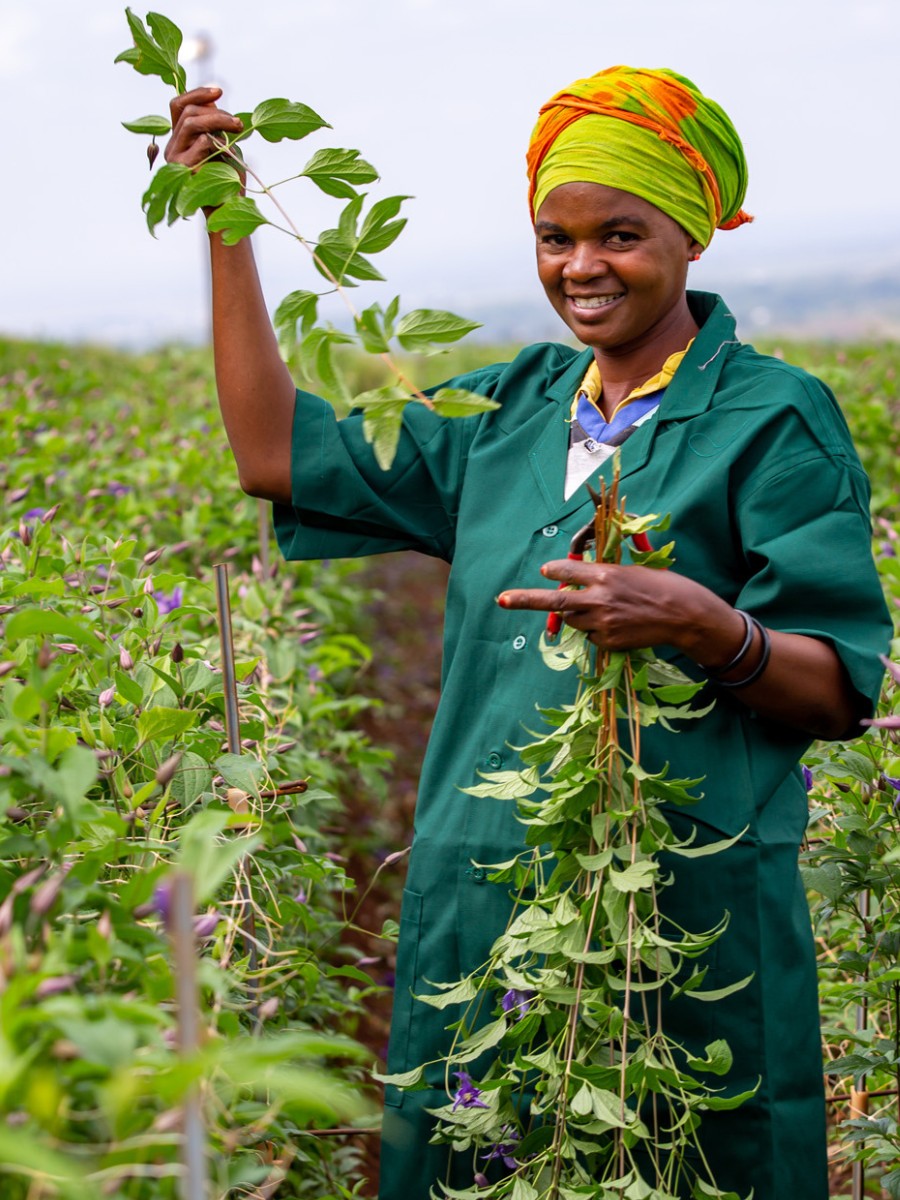
Marginpar, which has achieved 100% FSI compliance across all its farms, is perhaps the largest sole grower of Clematis for commercial cut flower purposes. The high-altitude equatorial conditions across East and Southern Africa, where the grower’s farms are located, provide cool nights, stable temperatures, and consistent light, supporting the color uniformity, stem structure, and vase life. This makes their Clematis Amazing® series commercially reliable in all these metrics and loved by florists and designers all over.
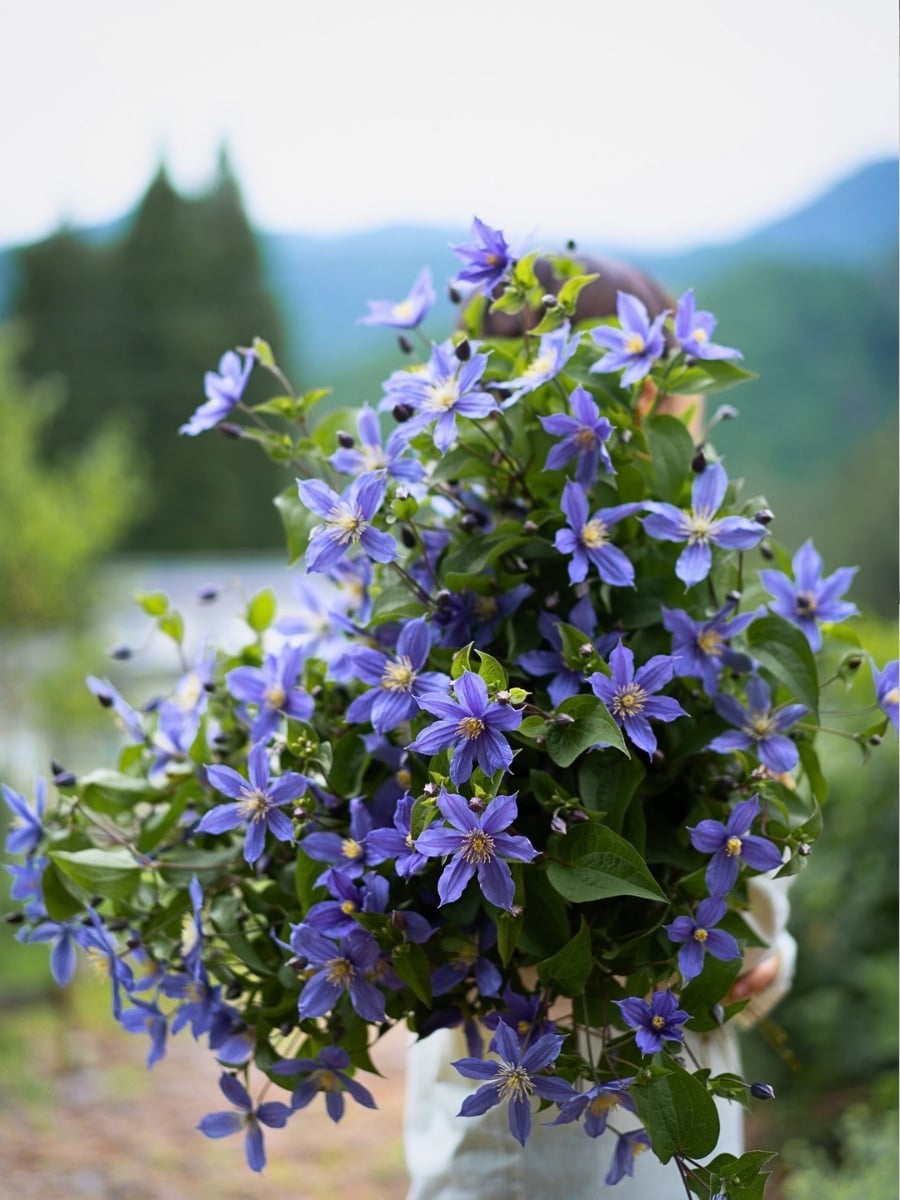
But for a florist, a few things matter greatly. Clematis is a heavy drinker and thrives in fresh, cold water and dislikes small water tubes or floral foam. A universal flower food, perhaps from Chrysal, is recommended. Recut the flowers with sharp scissors and place them in deep, clean water. In a cool, well-lit room, the flowers can last up to three weeks.
Also, the geotropic behavior of this cut flower, where flowers orient upward regardless of stem angle, allows Clematis to be laid flat, draped diagonally, or suspended horizontally, unlike many cut flowers. Clematis Amazing® Tokyo at 90 cm, placeable horizontally with flowers turning upward, is among the most design-forward flowers in the specialty cut flower market.
What the Future of Clematis Breeding Holds
The demand for specialty cut flowers is growing among floral designers. So, Clematis breeding is also advancing. Some key goals include:
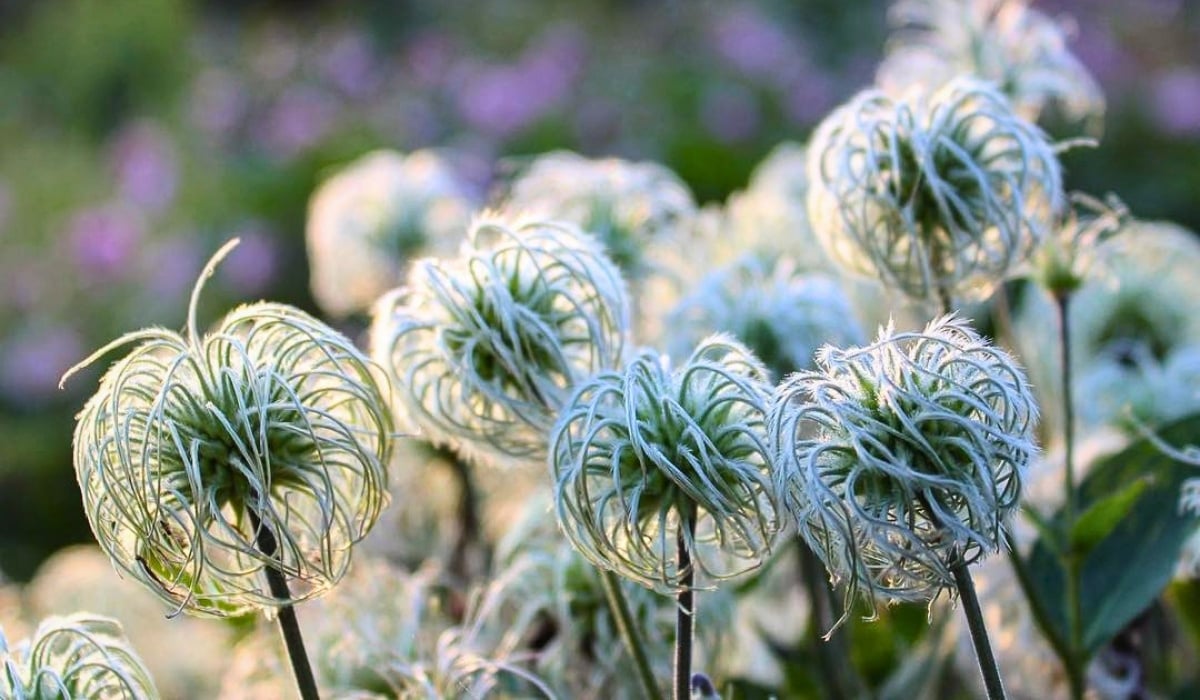
Dual-purpose seed head selection: After the sepals drop, many Clematis varieties produce feathery, silky seed heads (achenes). Breeders are selecting cultivars whose seed heads remain firmly attached and golden-silky, offering florists a secondary textural product from the same flower.
Clematis wilt resistance: Phoma clematidina (Clematis wilt) causes sudden stem collapse. Integrating wild resistance genes into cut-flower lines ensures long-term perennial crop health in protected greenhouse soil.
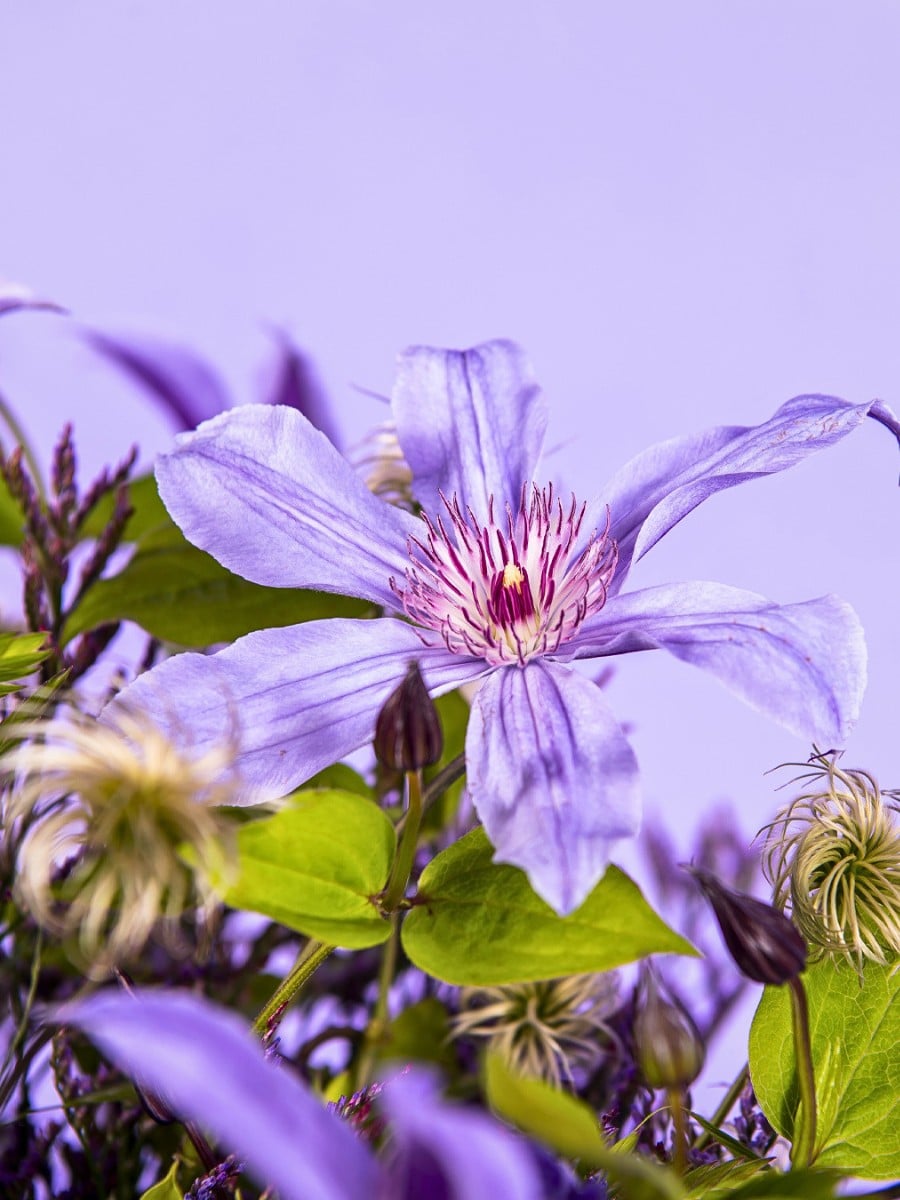
Expanded color palettes: Breeders are also working to introduce true scarlet reds, soft peach, and warm yellow tones into the upright, non-climbing integrifolia cut lines, which currently lean heavily toward blue, purple, pink, and white.
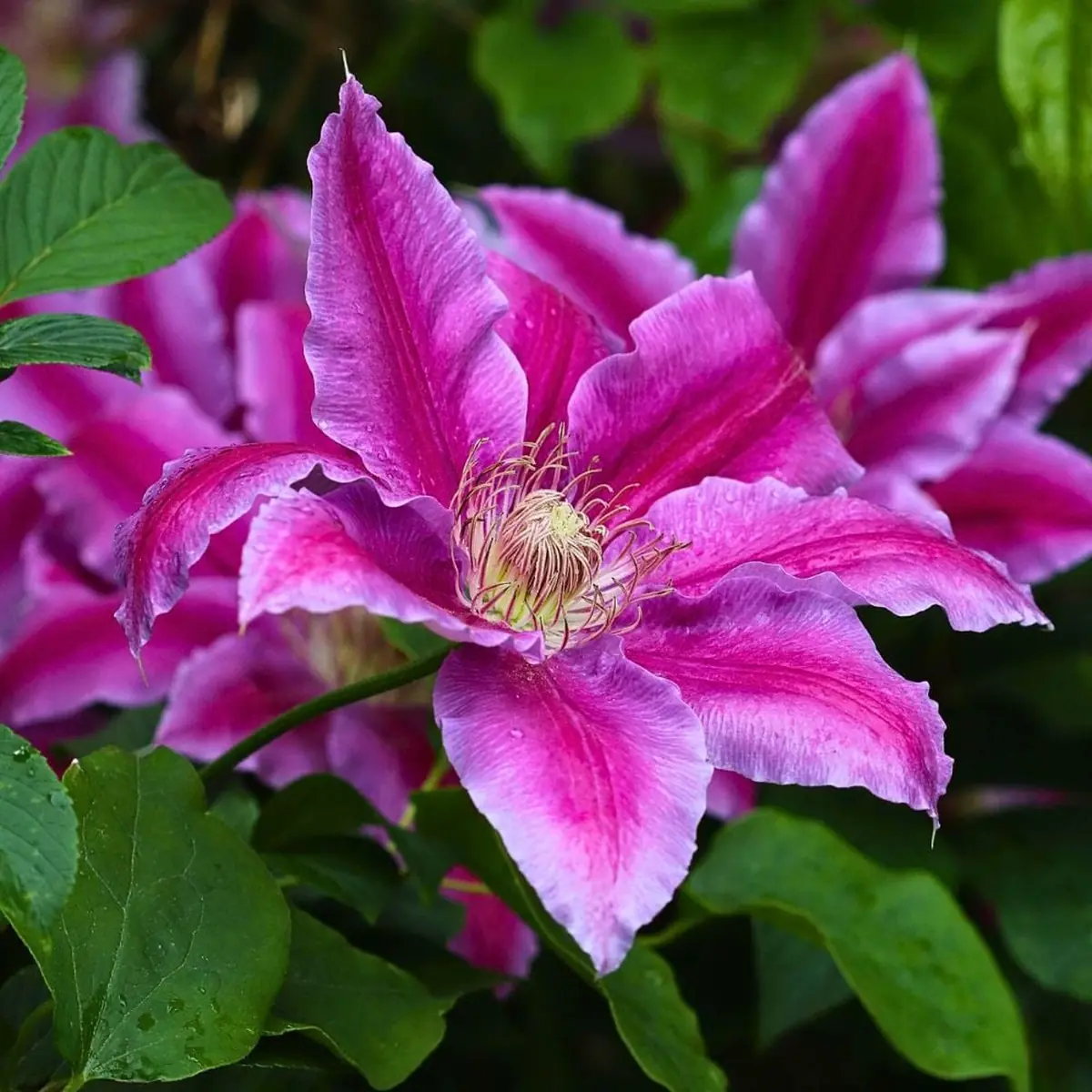
Featured and header image by @raymondevisonclematis.