For more than three decades, Marginpar has been growing specialty cut flowers in Africa and delivering them to markets across Europe and elsewhere. In that time, the grower has cultivated a reputation for producing flowers that stand out. They come in a world of varieties and of reliable quality.
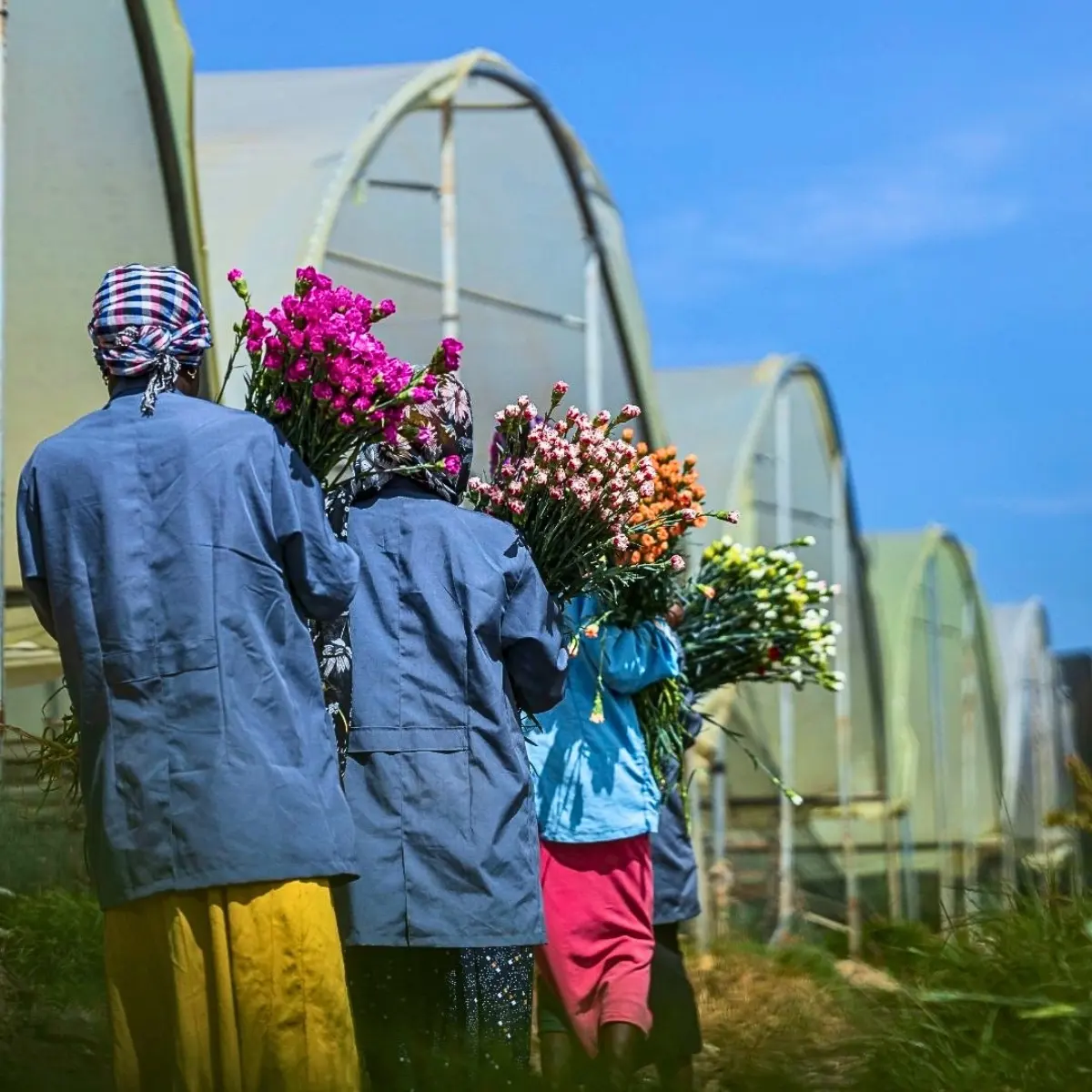
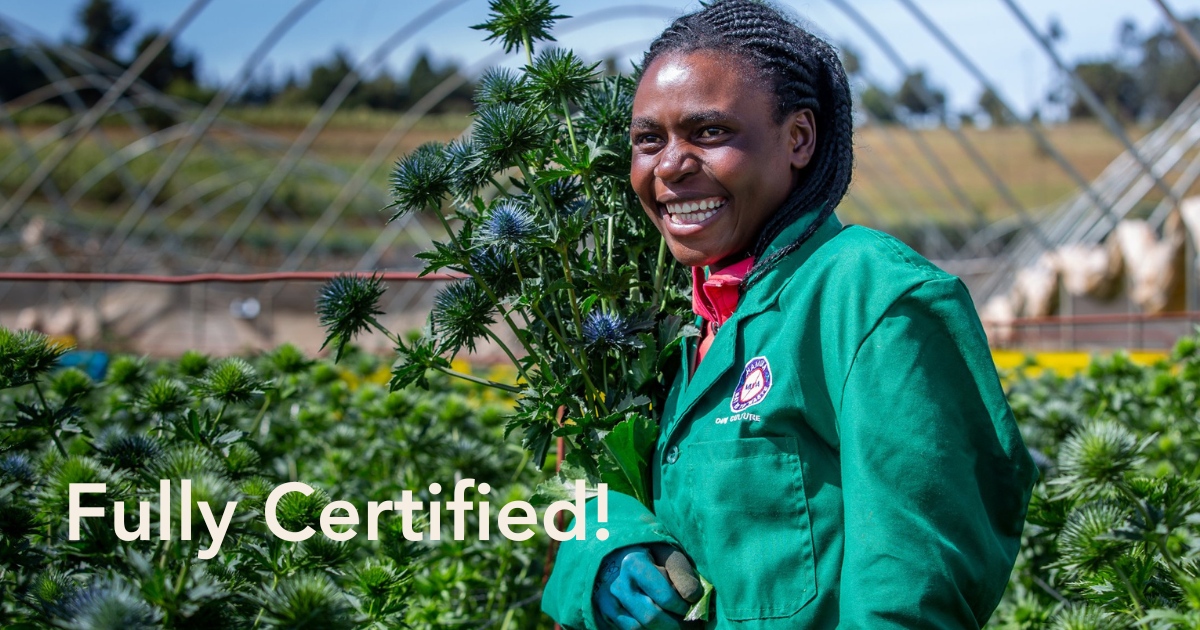
Marginpar's sustainable supply chain spans its farms (and partner farms) in Kenya, Ethiopia, Tanzania, and Zimbabwe. Now, with each of the farms and partner farms fully certified under the Floriculture Sustainability Initiative (FSI), the grower has achieved a milestone that shows how much sustainability is ingrained into its floriculture operations.
What Is FSI and Why Does It Matter So Much?
FSI is a global, market-driven program that brings together growers, traders, retailers, and industry organizations since 2013. Its key tool is a ‘Basket of Standards’ consisting of voluntary sustainability certifications, each one independently benchmarked against international requirements and legislation.
To be FSI compliant, a farm must hold at least one recognized certification in each of the three pillars, which are Good Agricultural Practices (GAP), environmental, and social responsibility. For farms operating in countries designated as higher-risk by bodies such as Amfori BSCI, a specific social certificate is also required. Every certification involves independent third-party audits, transparent record-keeping, and ongoing performance review.
Widely accepted certifications within the FSI basket include GlobalG.A.P., MPS-ABC, MPS-GAP, MPS-SQ, Kenya Flower Council (KFC) Silver and Gold, and Ethiopian Horticulture Producers and Exporters Association (EHPEA) certification, among others.

The FSI framework is being adopted more and more as a baseline requirement across the industry. The goal is for all suppliers supplying to Royal FloraHolland, the world's largest flower auction, to be FSI compliant in 2027.
Marginpar’s Road to Full Compliance
Marginpar has been an FSI member for years, and the groundwork for full compliance was laid even before the final certification was secured. Across its own farms in Kenya and Ethiopia, the grower had already achieved recognized status through KFC Silver, KFC Gold, GlobalG.A.P., and MPS certifications covering environmental, social, and agricultural practice standards.
The Kenyan farms, spread across several locations and altitudes ranging from approximately 1,600 to 2,770 meters above sea level, each carry their own certification profiles. Five of the grower's Kenyan farms hold KFC Gold, while the remaining two are set to reach the Gold Standard by the end of this year.
The Ethiopian operations, clustered near Holeta in the Oromia Region at around 2,500 meters elevation, are certified with MPS-ABC and MPS-SQ, and meet EHPEA and GlobalG.A.P. standards.
Partner farms in Tanzania were also MPS certified with MPS A, MPS-GAP, and MPS-SQ. The final piece of the puzzle was the one partner farm in Zimbabwe, which recently completed its certification process, an achievement that closed the loop.
As Marginpar stated upon announcing the milestone:
"This means that every stem we grow, at our own farms and at our partner farms, comes from a place that's certified according to internationally recognized environmental and social standards."
What This Means for Flower Quality
A direct, if sometimes overlooked, relationship between sustainable farming practices and the quality of the flowers that end up with florists and buyers, has always existed. The FSI framework is not just an administrative element, but requires the flower farms to systematically track and manage their use of crop protection agents, fertilizers, water, and energy. Independent research has shown that farms improving their coordination around these inputs greatly reduce crop protection agent use, with corresponding improvements in the environmental impact.
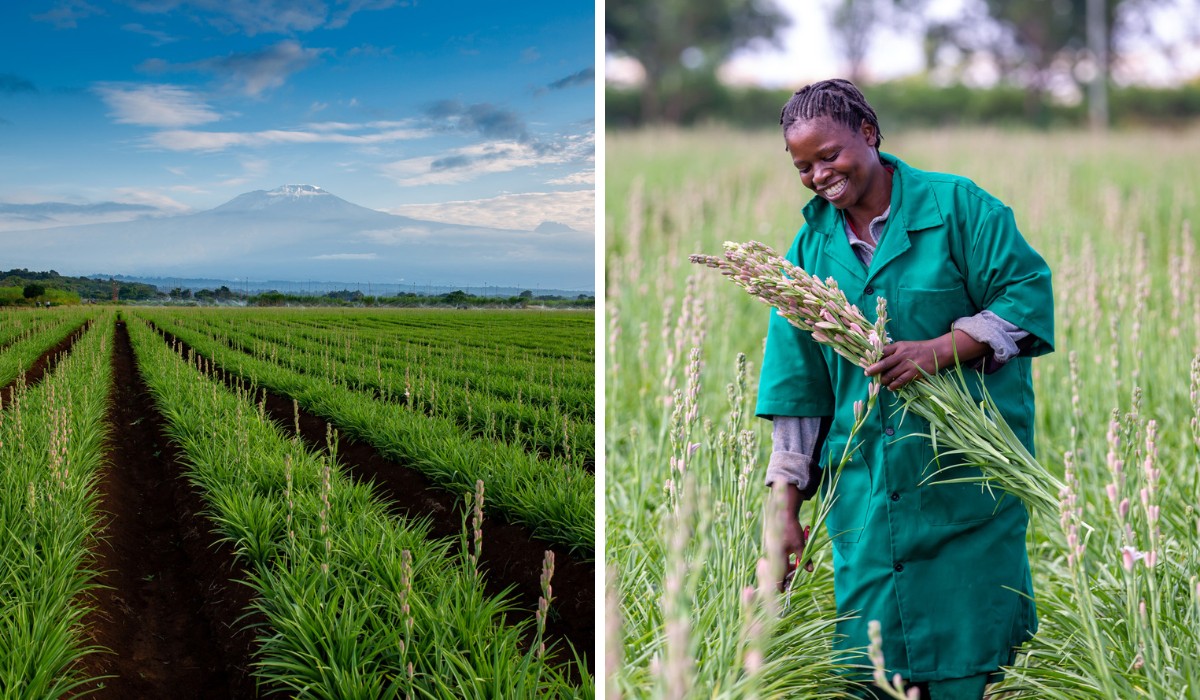
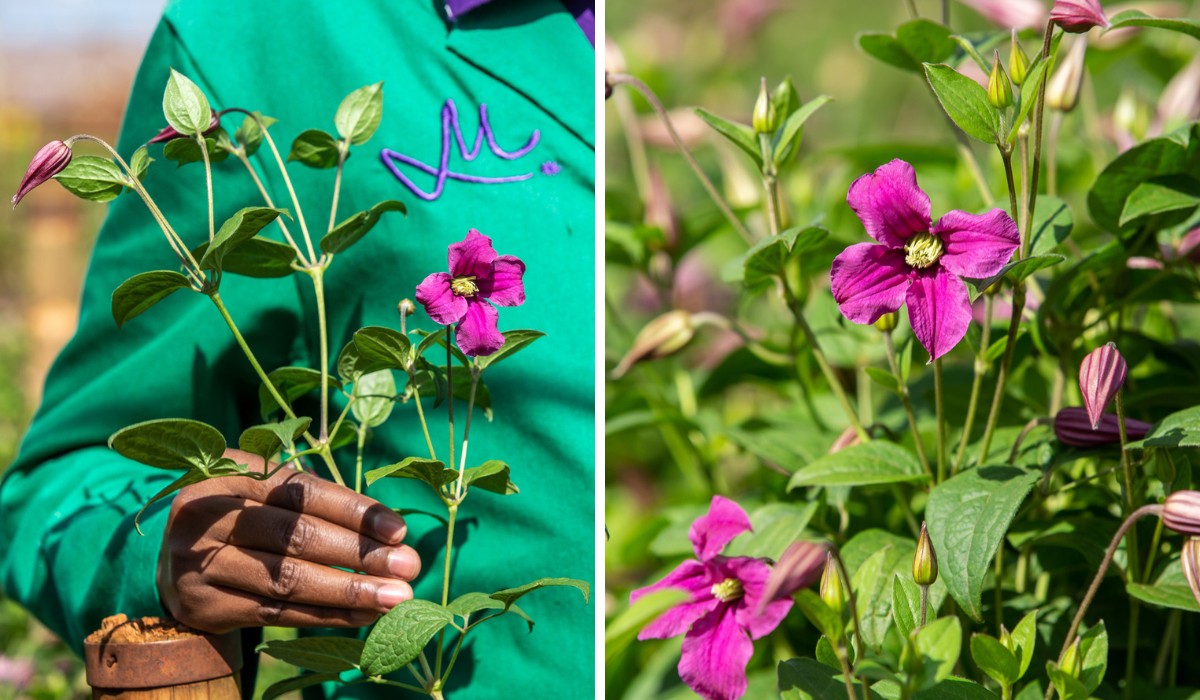
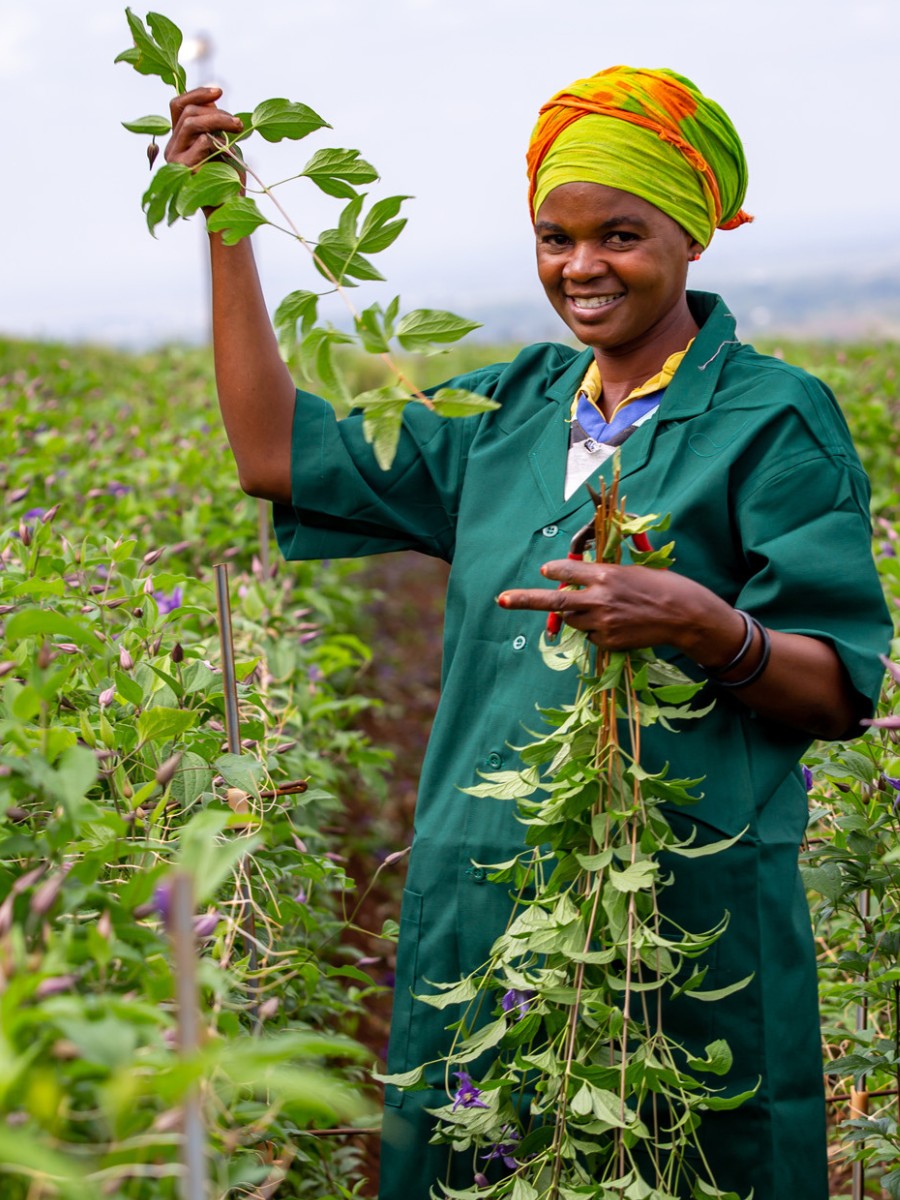
For Marginpar, this is very important as the grower produces almost 100 varieties of specialty cut flowers, including the well-known Eryngium Questar® series, Astrantia Star® series, Clematis Amazing® series, and many others. These unique flowers require precise cultivation. Maintaining certified agricultural practices is part of how the farms ensure their reliable flower quality, color reliability, and vase life across all those varieties.

The growing conditions in the grower countries contribute naturally to these qualities, with cool nights, stable temperatures, and equatorial light giving the flowers time to develop properly. FSI-aligned farming practices protect and enhance those natural advantages. For anyone who, therefore, uses Marginpar flowers, FSI compliance means that what they get has been grown under conditions that have been externally verified and validated, and not just claimed.
Marginpar:
“[For us] sustainability is not a separate project. It is part of how we grow flowers every day. Across our farms in Kenya, Ethiopia, Tanzania, and Zimbabwe, we work with internationally recognized certification programs that verify our practices and continuously push us to improve.
Reaching 100% FSI compliance means that all our farms and partner farms are certified under schemes recognized by FSI. These certifications cover both environmental and social standards and are independently audited.”
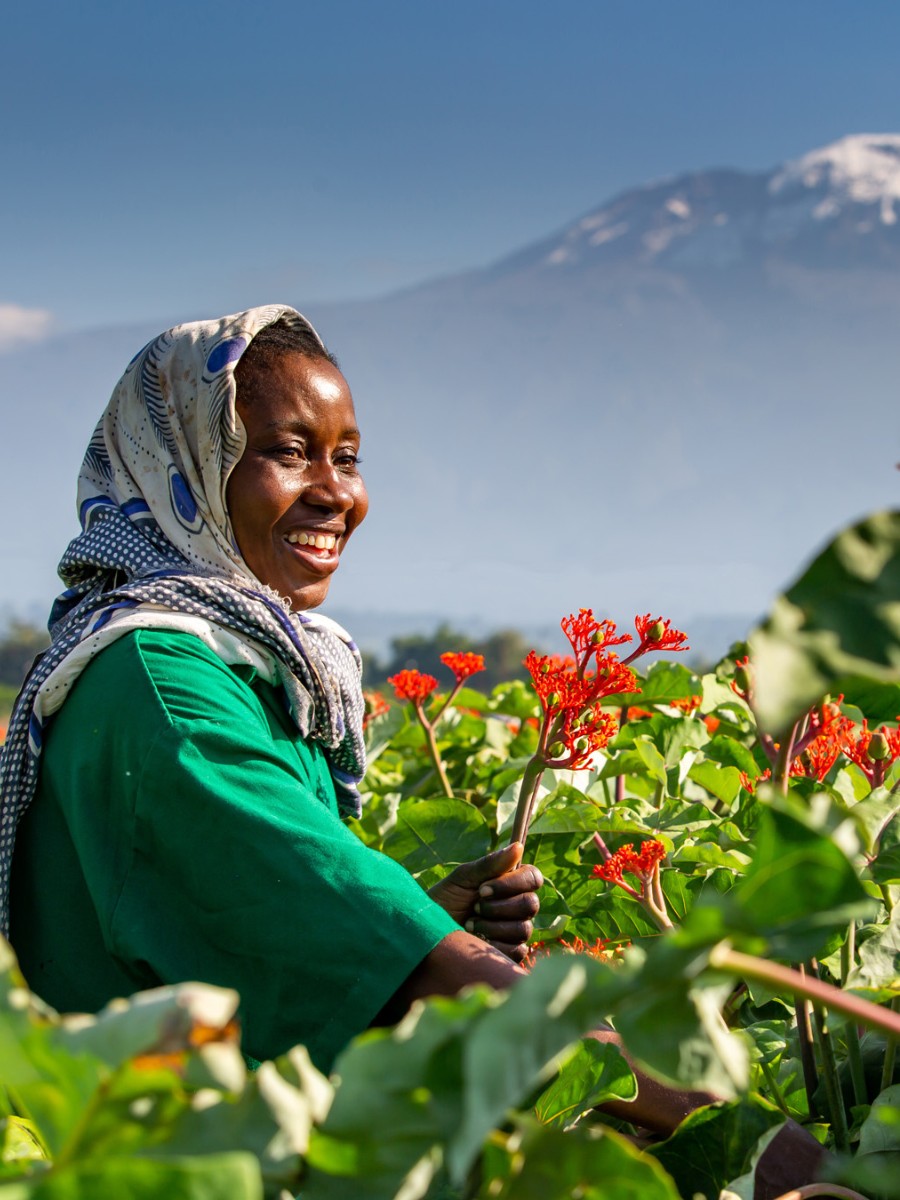
Naturally, for the Marginpar teams (on the farms), this shows their ongoing efforts to create a safe and fair working environment, protect natural resources such as water and soil, and grow flowers with care for biodiversity and ecosystems.
What This Means for Florists and Buyers
Transparency in supply chains has grown into a concern for florists, particularly those working with clients who care about where the floral products come from and how they are produced. Being fully FSI compliant means that every Marginpar flower, from whichever farm it originates, can be sourced with confidence that independent certification covers its environmental and social production contexts.
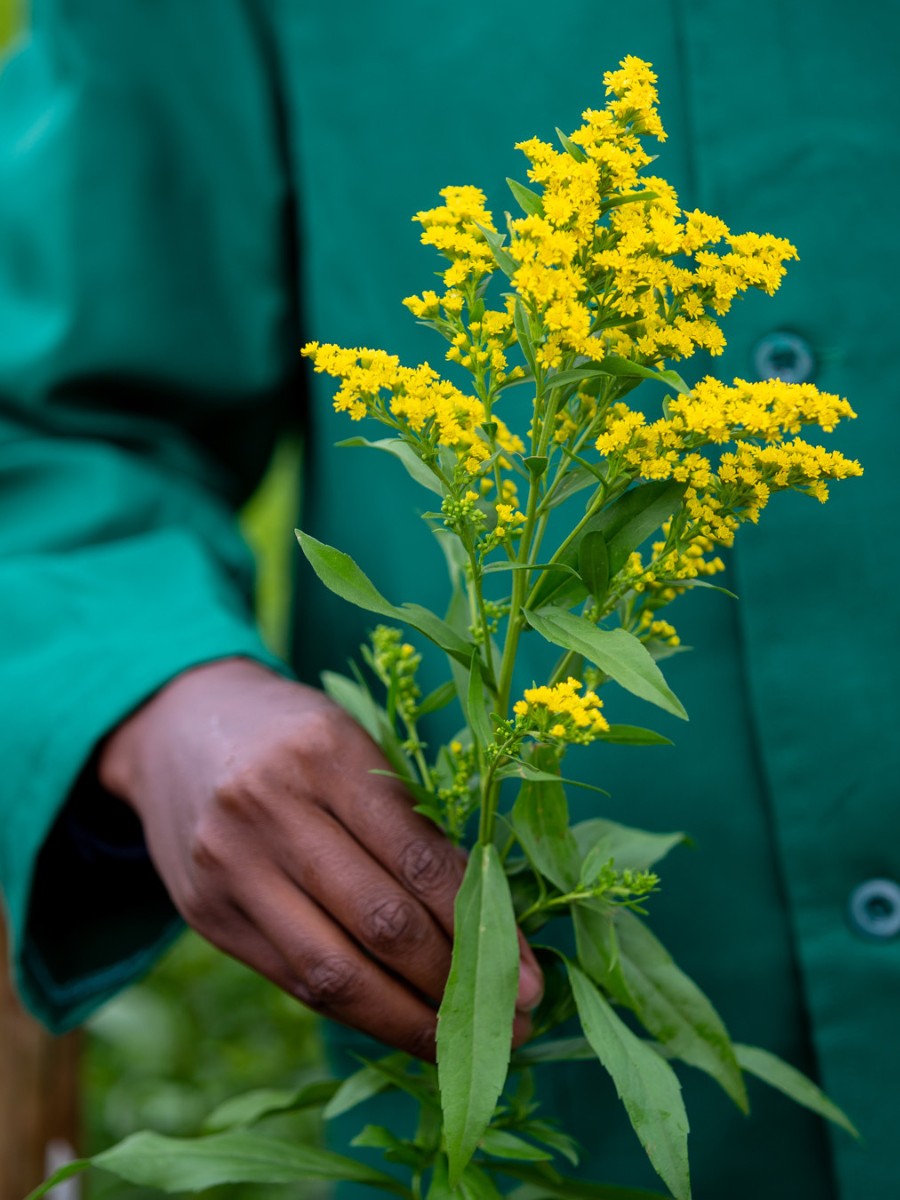
This is important at both ends of the professional relationship. For florists building their identity around responsible sourcing, full FSI compliance provides a clear, audited basis. For buyers and wholesale distributors, it simplifies due diligence and aligns with the increasing regulatory and market pressure for documented supply chain responsibility.
Marginpar:
“It (the 100% FSI compliance) also supports the comprehensive transition of the floriculture sector towards more sustainable practices, something we believe benefits everyone involved in the chain, from grower to florist to consumer.”
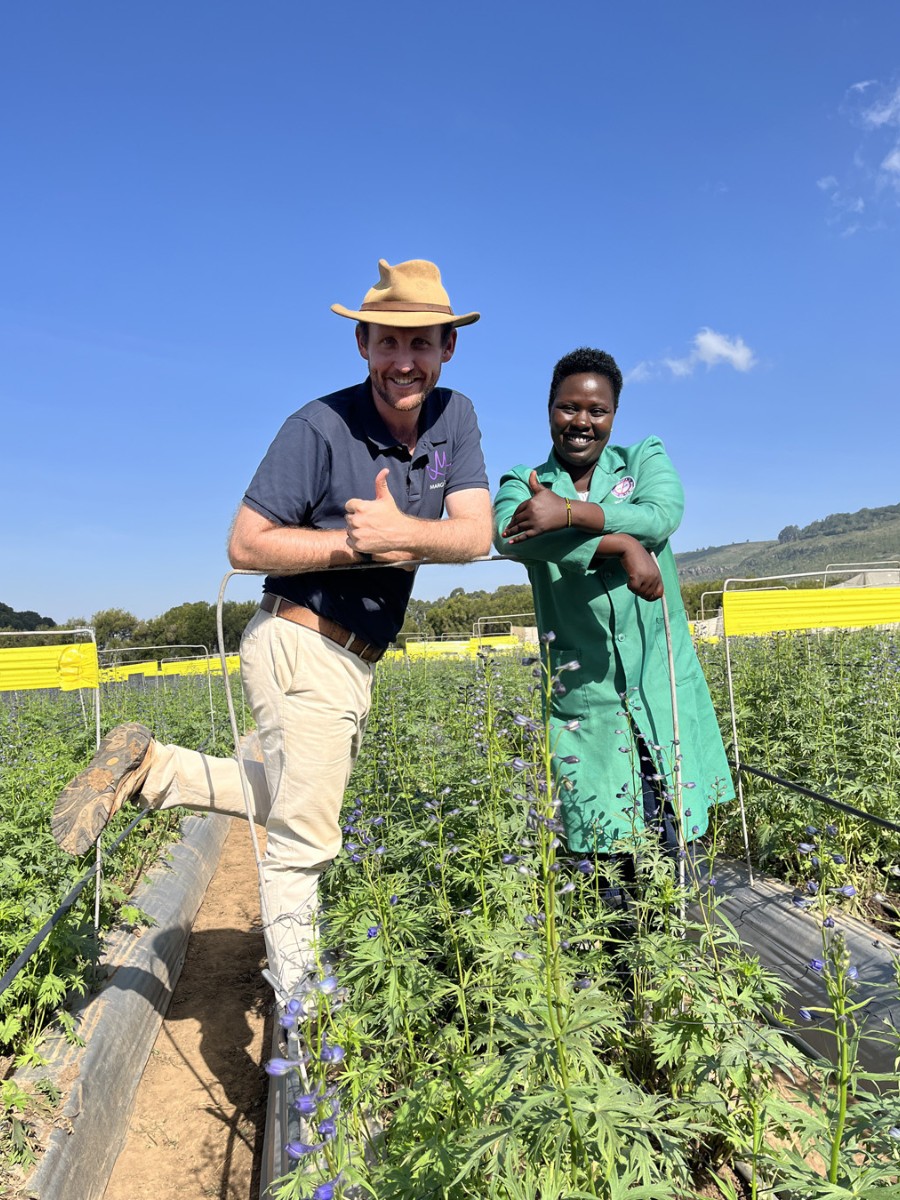
Part of a Journey, Not the Finish Line, Yet!
For Marginpar, as the grower says, reaching 100% FSI compliance is not where the work ends. This, they describe, as a step in a longer process, that is guided by the Kaizen (Hamuka) philosophy, an emphasis on continuous improvement built on recognition, development, and trust, applied to their agricultural methods as well as the people (value adders) working across all their operations.
In practical terms, this includes ongoing efforts to reduce environmental impact, strengthen social programs in and around farm communities, and improve transparency about how their flowers are grown. The Marginpar Foundation, established to invest in villages and communities near its farms, is part of that wider obligation.
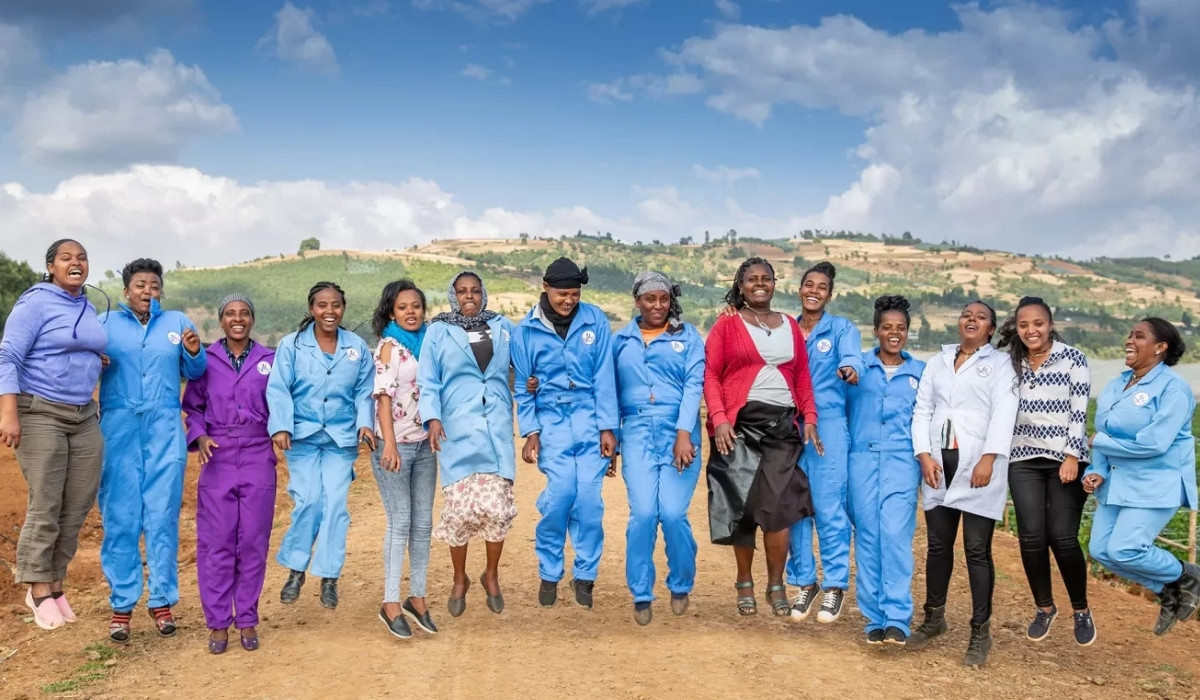
Essentially, the grower sees themselves still doing a lot more sustainability-wise. The 100% FSI compliance is, however, a great step that shows how Marginpar ensures top flower quality through established (proven) approaches, staff (value adders) support, ecosystem protection, and hence strengthening their market position.
Photos by Marginpar (@marginpar).