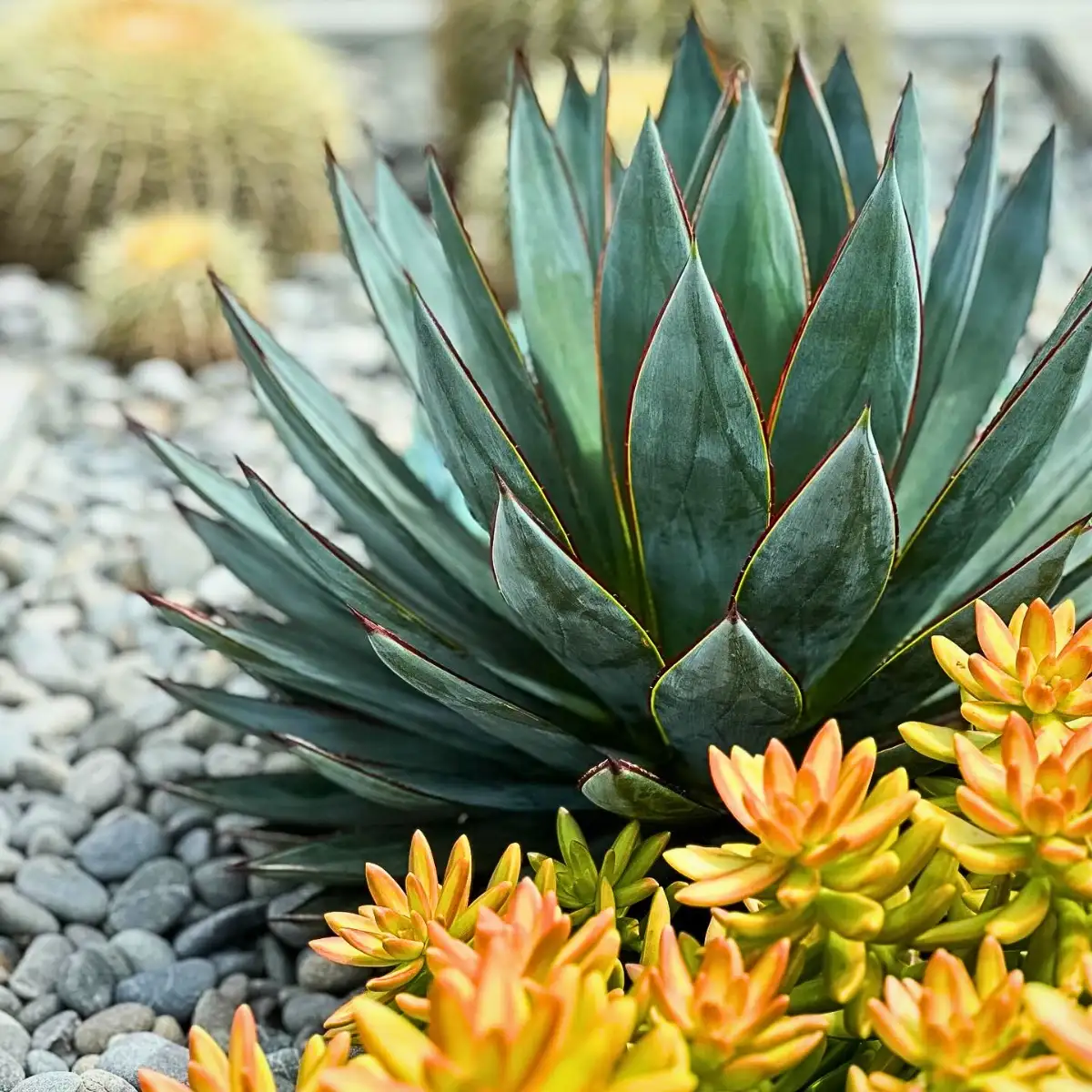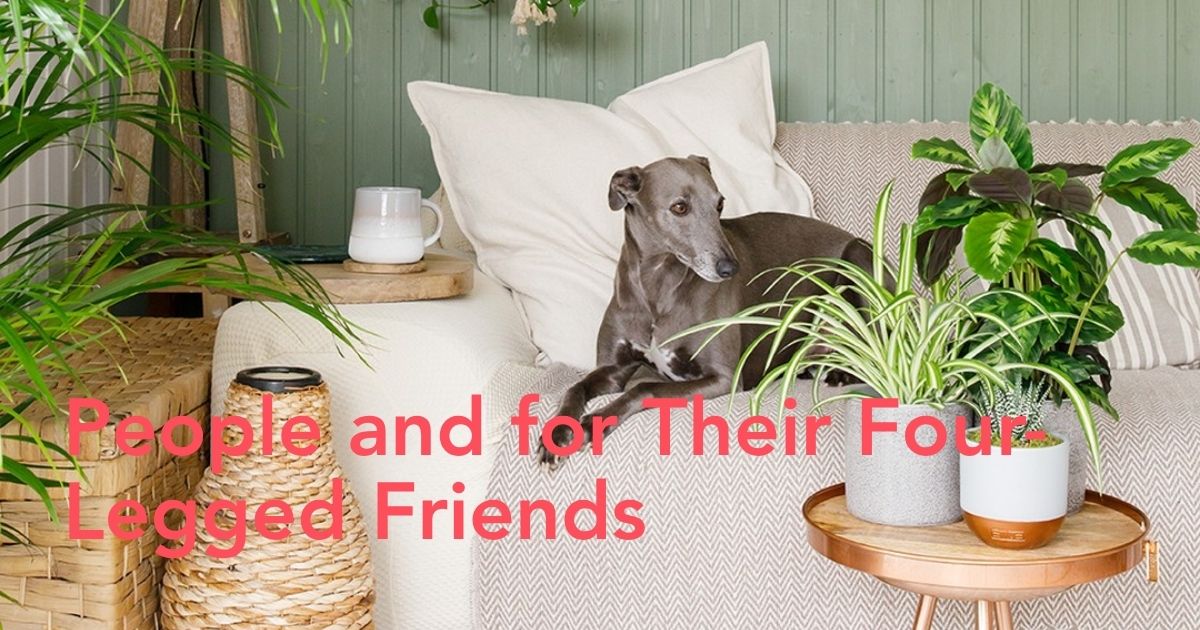
Flower garden design will beautify the yard, creating a charming place to relax both for people and for their four-legged friends. But such a garden does not necessarily have to be ideal for dogs to run around because they can dig out the plants, eat their leaves, walk over flowers, and check everything put in the environment by the owner. Taking all these features into consideration during the garden design will help to create an area convenient both for the owner and his/her pet. The choice of appropriate plants, appropriate fence, and pet furniture will provide the maximum benefit from the yard.
Choosing Suitable Plants
Selecting the plants is one of the essential parts of designing a dog-friendly flower garden. Most of the decorative species are poisonous to animals, and a pet owner must invest time and effort into studying the characteristics of each plant before they buy it. The information can be obtained from local nurseries, a veterinarian, or reliable resources on the internet. It is also crucial to remember that the plants bought should have the ability to grow big, as a thick bush can provide shelter and digging space for a dog.
The flower bed’s structure should also be considered when selecting pet-friendly vegetation. The area should not have many delicate blossoms that can be broken easily by a pet walking constantly through it. Instead, hardy plants and shrubs should be prioritized, as they will resist the owner’s animal better than tender perennials or annuals. In addition, a novice gardener should not place precious flowers at the front line but use borders and hedges to secure them. This method will allow having a wide variety of vegetation without making pets avoid the territory.
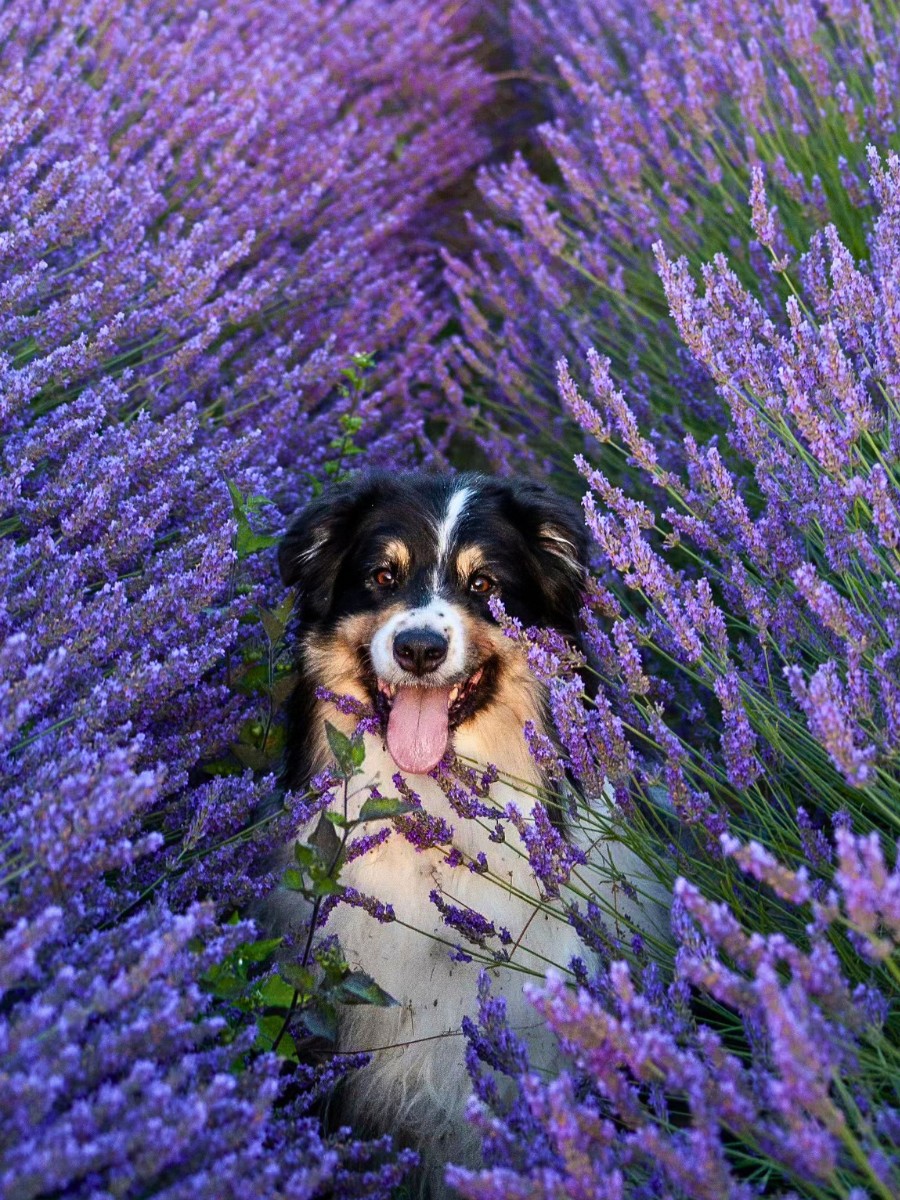
Creating Clear Garden Boundaries
Garden fences can help to delineate the areas that should be left alone by dogs and those that can be freely explored by them. At the same time, low decorative fences that will divide the flower beds from the pathways and other areas should be constructed in such a way that the dog cannot jump or dig their way through them. Furthermore, the fence should not have protruding elements that can injure the dog. Its height and overall design can be chosen based on the size and breed of the pet.
Another solution to this problem would be to delineate the paths that the dog can take using lawns, paving stones, or any other convenient material. This would allow the owners to prevent the pets from walking on flower beds while giving them a sense of freedom of movement. The paths should be wide enough to accommodate the dog comfortably. In addition, this solution would make tending to the flower beds much easier for the owners since they would not have to work around the animal’s territory.
Providing A Dog Friendly Outdoor Space
A dog-friendly flower garden must have areas for dogs to rest in that do not interfere with the plants. It is important to provide shade in which the dog can lie on the ground and relax after being outside. It is also vital to have access to water on hot days, especially when the dog is playing in the yard. Giving these things can encourage your dog to spend more time in the garden instead of digging up flower beds.
It can also be helpful to provide a place to play and explore. Dogs like to dig, smell, and move around, so it can be helpful to provide an area for them to do that in order to prevent them from digging up your flower beds. Having a small area with the correct dirt for your dog to dig in if they feel like it can be very helpful. Keeping pet items nearby can be important as well. This can make it much easier to provide water for your dog or to feed them the best dog food available while you are outside and they are exploring.
Maintaining A Safe Garden
Regular care is especially important if the dogs have access to a flower garden. The fallen leaves, broken branches, various tools, fertilizer bags, and other detritus must be removed. The products used to treat the plants need to be chosen with care and stored in places that are hard to reach for pets. Remember that animals are naturally curious and may be tempted to taste-test the plants recently treated with chemicals.
It is also vital to inspect the plants and the borders regularly. A broken fence or a damaged border is all a dog needs to make a break for the garden. The chewed plants should be checked to see if they need to be removed or relocated. Besides tending to the garden, it is essential to remember to stock the pet supplies in healthy places. Some households have both pets at home, so the best cat food and best cat litter would be stored away from curious paws.
Designing Comfortable Garden Paths
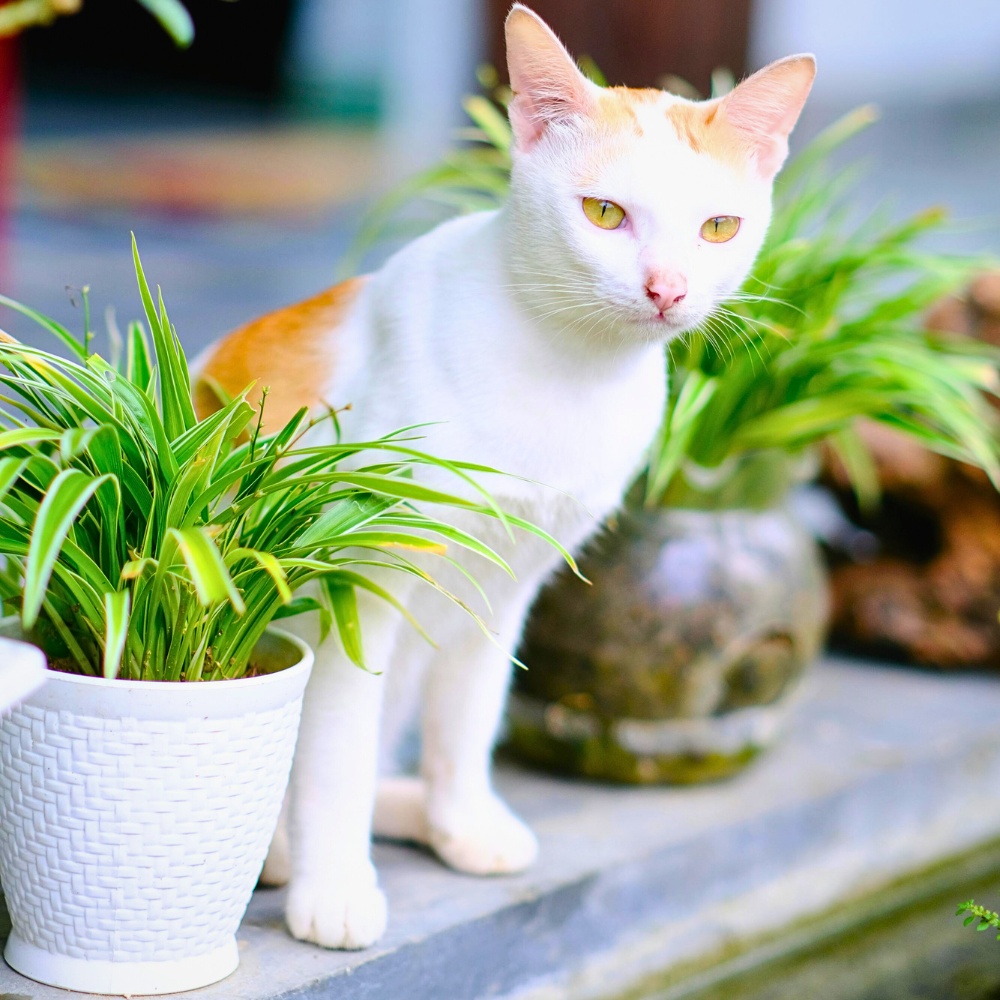
The surfaces of the flower garden are essential for the pet’s comfort and safety. It is crucial to construct paths of smooth surfaces because they are comfortable for walking. It is vital to avoid creating surfaces that slip and slide underfoot. The surface must not become unbearably hot during warm weather or create sharp edges when broken up. The trails should be spaced out to give the dog and the owner enough room so neither has to walk through beds of flowers.
The paths of the flower garden can be an essential element in the design. Trails can be created using curves to draw the eye away from the beds. Other trails can be created in the middle of the area to lead the eye to where the main attractions are. The beds need to be placed at a distance from the trails. It makes tending to the flowers easier by making watering and pruning simpler. All things considered, the placement of these elements within the garden requires much thought. Their positions must be chosen with consideration to what will make maintaining the space simpler during the year.
A flower garden can be both beautiful and safe for a pet, if pet-friendly conditions are created there. The plants that are not dangerous for animals, flower beds of simple shape that can be reached by the pet, and the field of vision, from which the owner can observe the movements of his pet, are some of the solutions for this task. The removal of possible sources of injury, the creation of convenient pathways, and consistent care will help to ensure the safety of the garden and the pet.