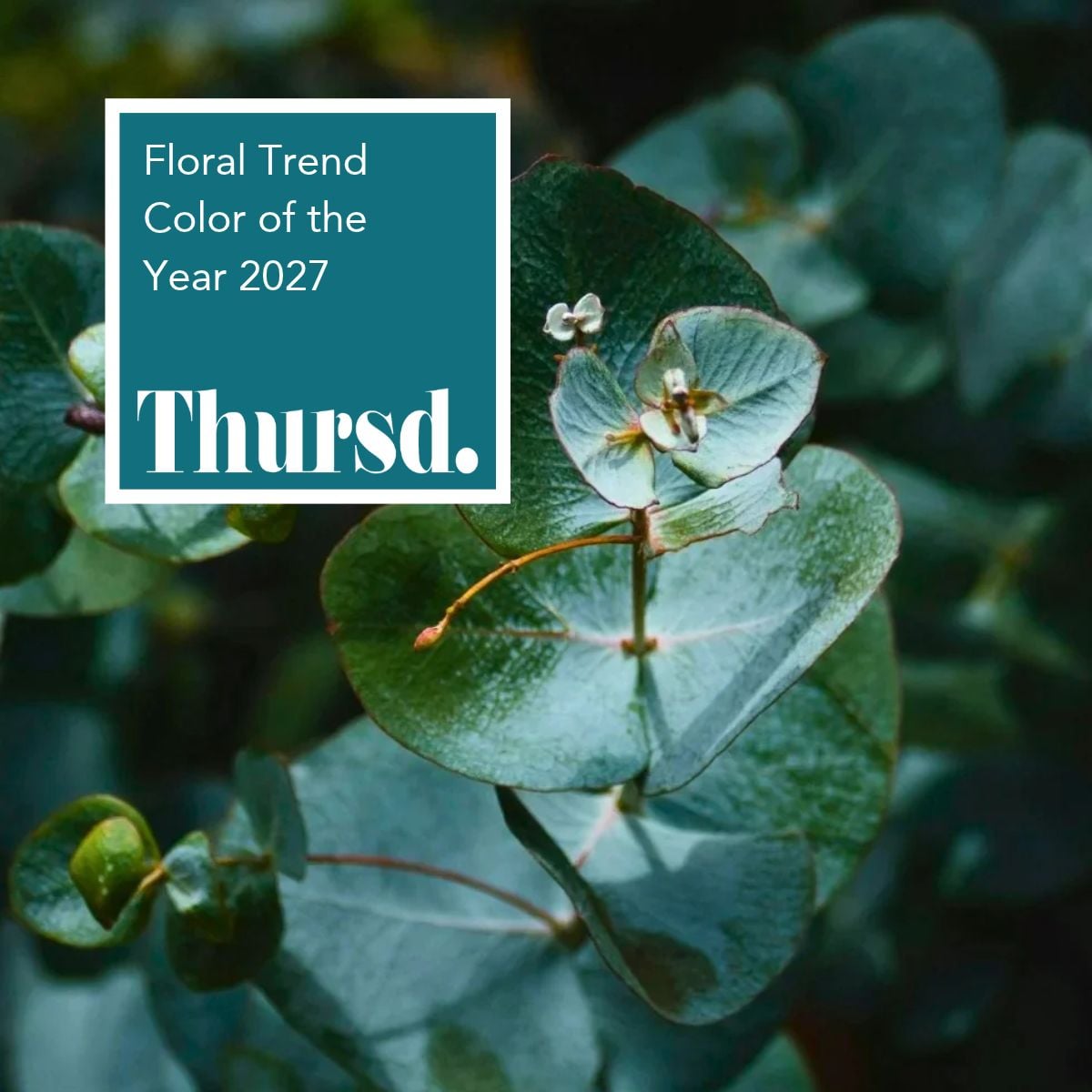
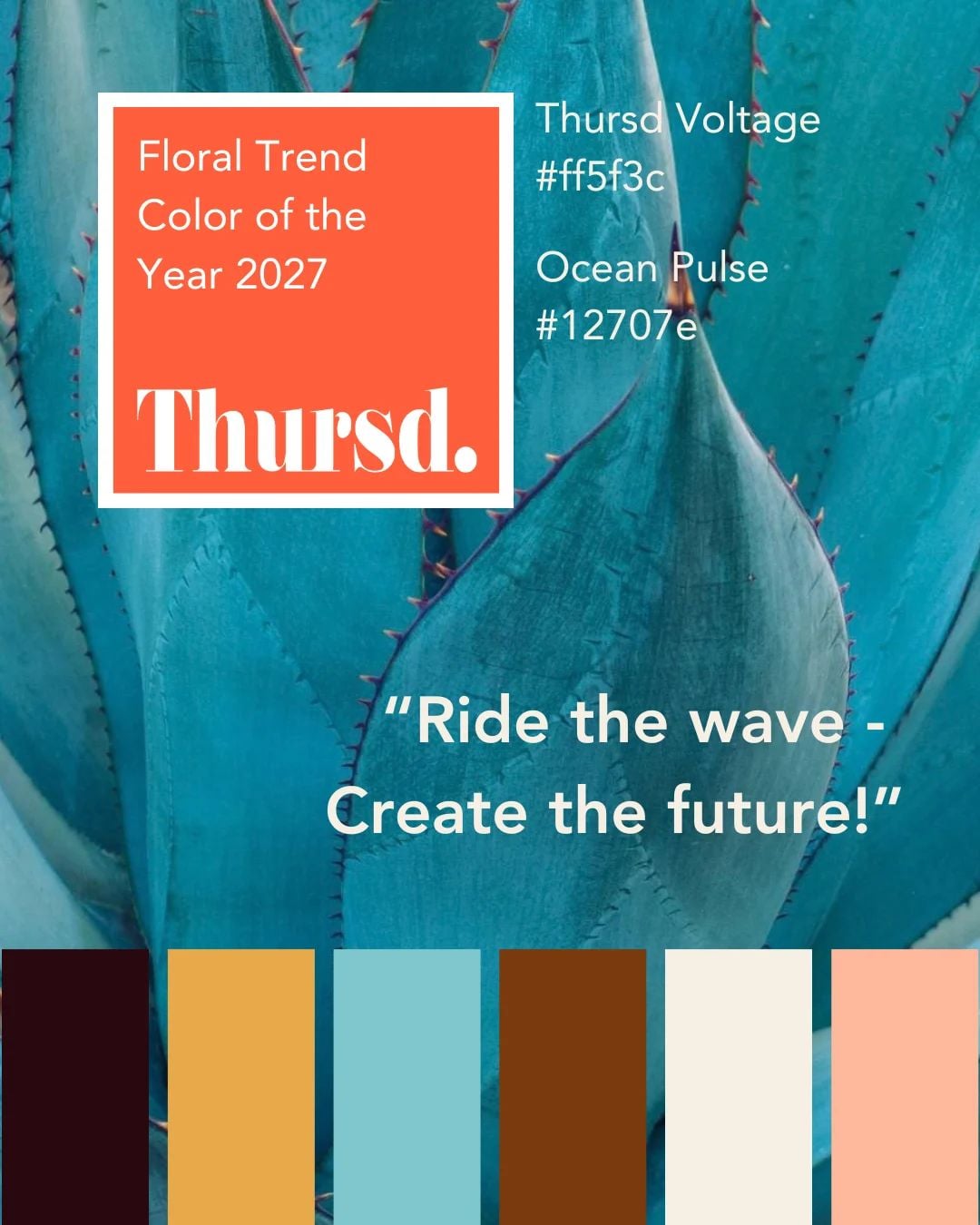
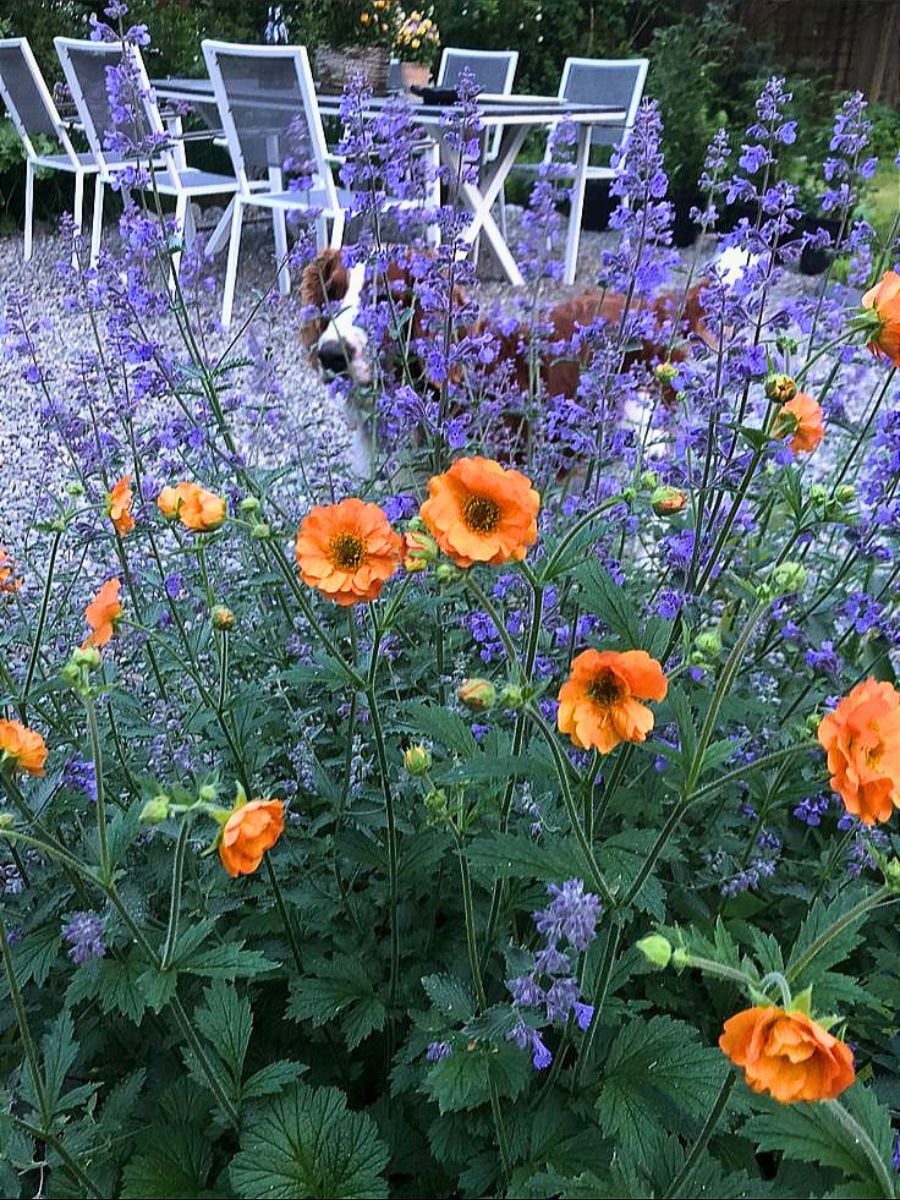
Thursd's Trend Color for 2027 pairs a deep, water-like teal that sits between blue and green with a warm, sunlit orange with a soft coral undertone, and anyone who has seen copper sedge beside a steel-blue grass will easily recognize the effect. In Ocean Pulse and Thursd Voltage, cool meets warm, and either one of them makes the other look better. Ocean Pulse is the calm held within, and Thursd Voltage is the spark rising within.
From the fallen leaves of early fall or persimmon, the color of ripe fruit hanging on a leafless tree in late autumn, to a glowing orange with a remote hint of coral, alongside the teal blue of several plants, combining these colors in landscaping is sure to bring out beautifully unexpected results.
How These Color Combinations Work Together and Which Plants Are Ideal?
Orange and blue are opposite each other on the color wheel, and teal inclines toward blue, so the pairing is a classic complement because opposites sharpen each other. British garden designer and horticulturist Gertrude Jekyll observes that blues look more purely blue beside a well-placed complementary color. Warm tones also feel generous and close, while cool blues tend to recede, adding depth to a planting.
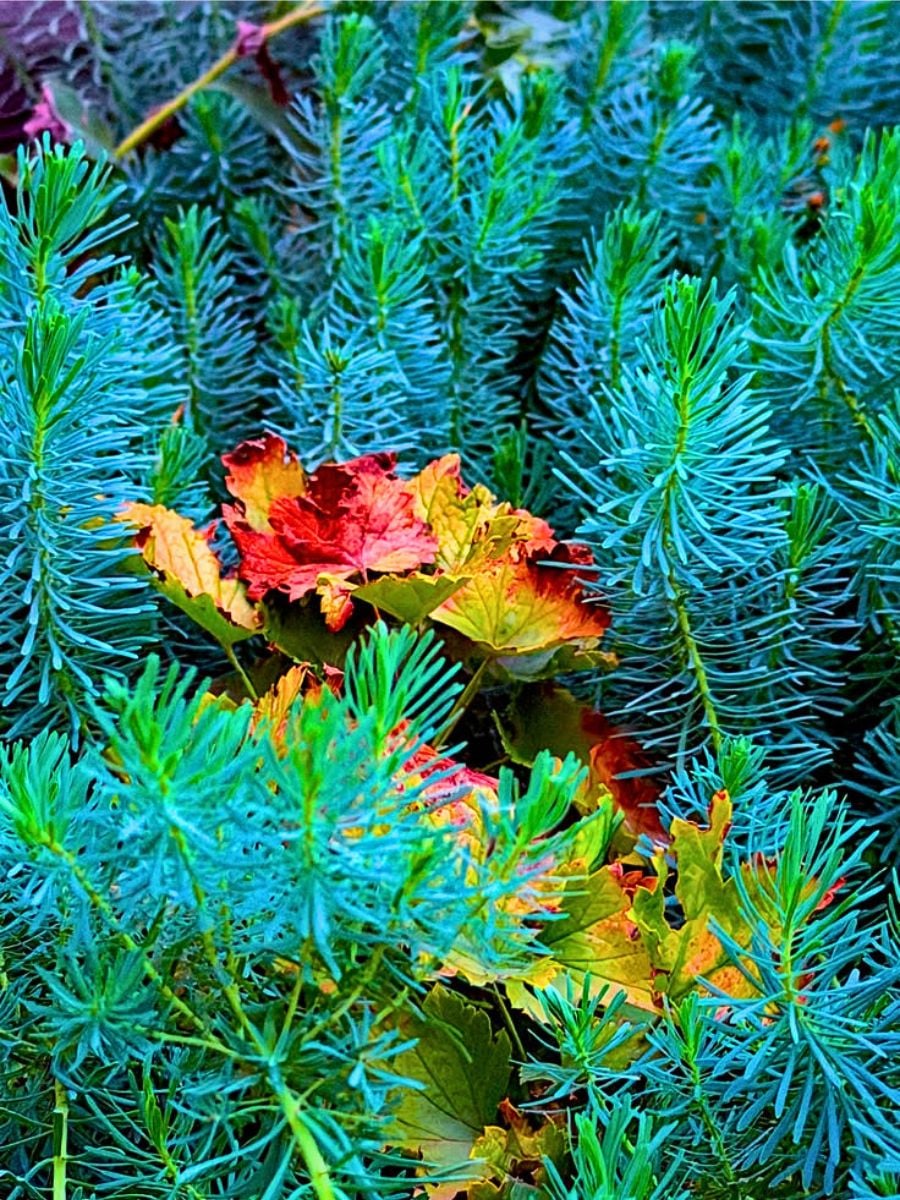
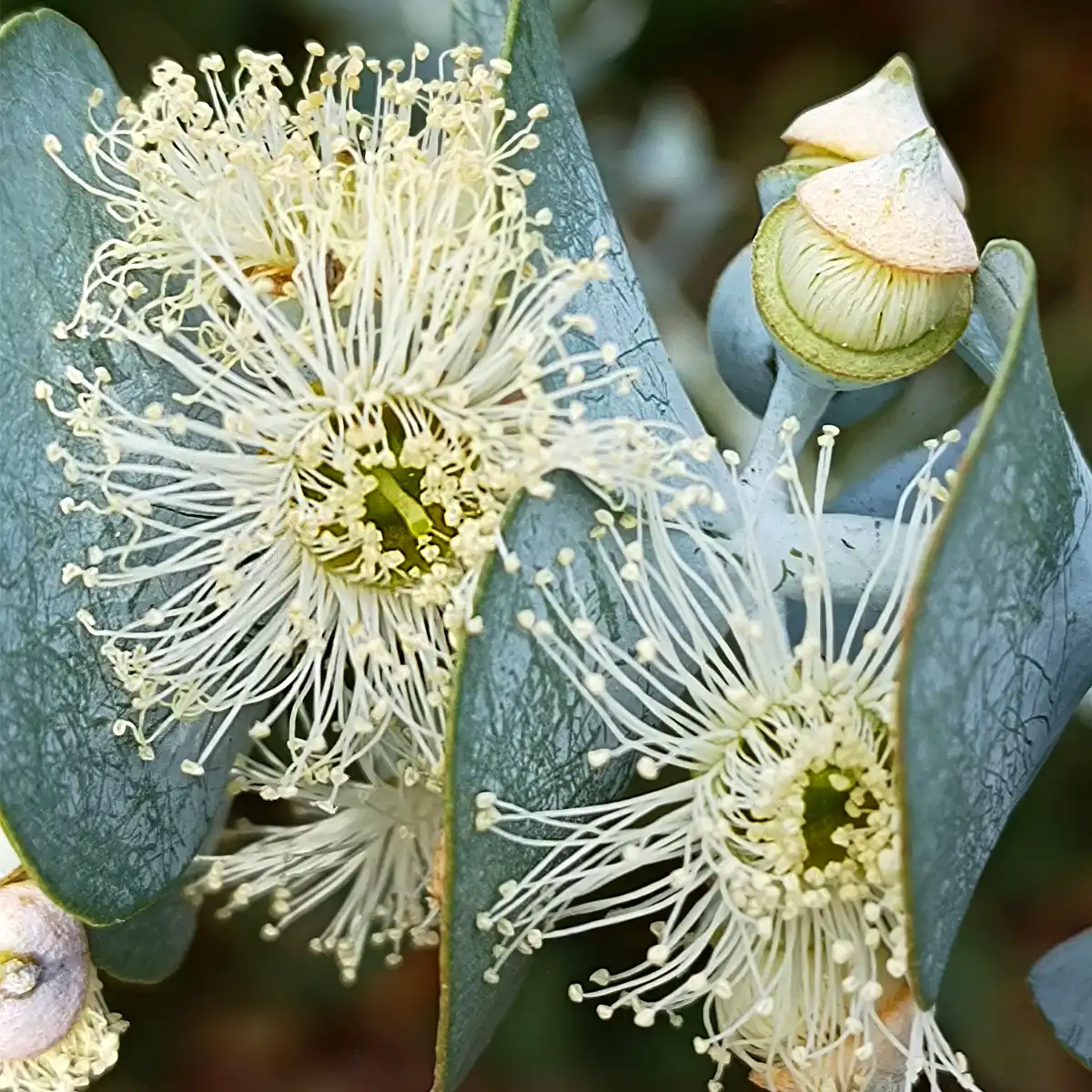
Teal appears mainly in foliage. Most blue-green leaves have a waxy white coating, and rubbing a leaf wipes it away, revealing the green underneath. Truly teal flowers are rare and sometimes artificially colored, so foliage is the dependable approach. Good choices include blue fescue 'Elijah Blue', a small grass with fine metallic blue leaves, and the cider gum, Eucalyptus gunnii, with dusty teal round leaves.
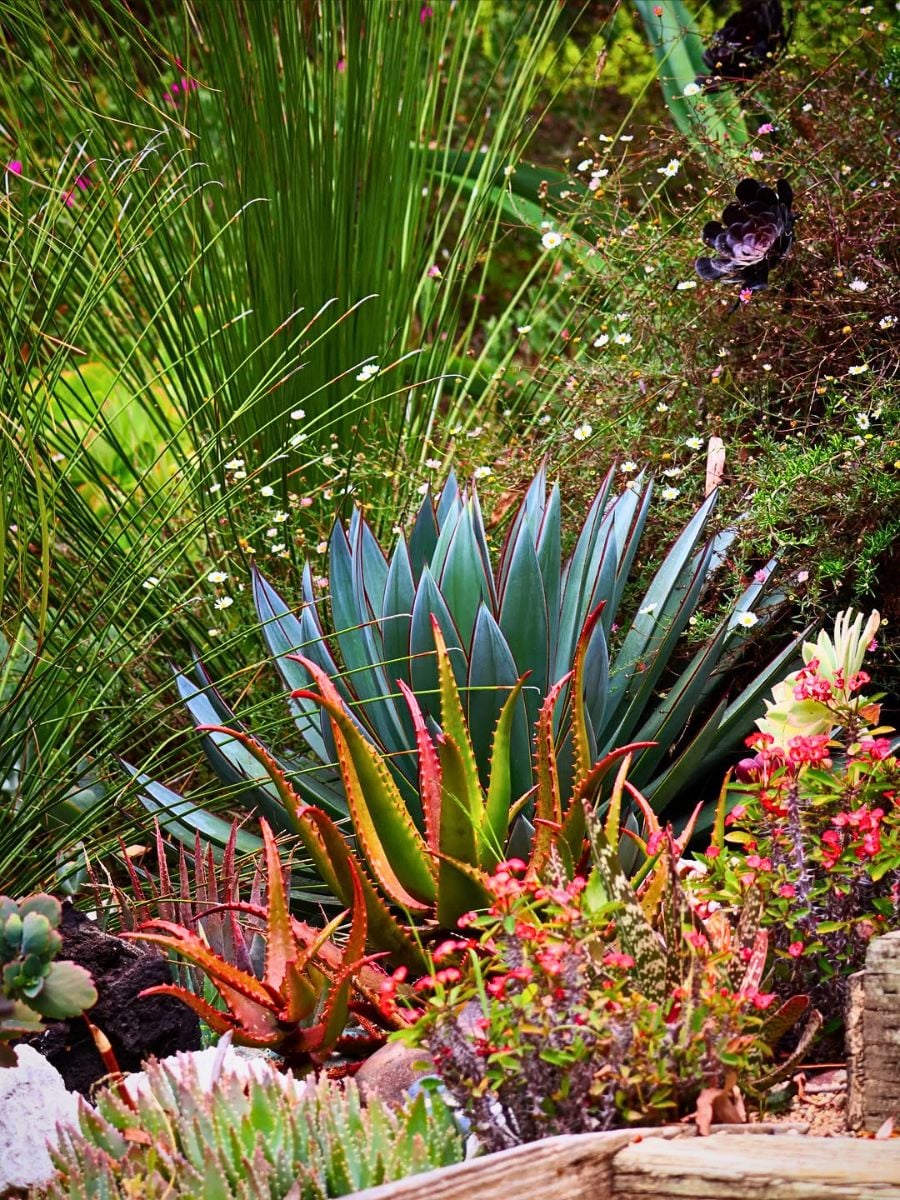
But for structure, there are blue agave, Yucca rostrata with a dome of steel-blue foliage, and the evergreen juniper 'Blue Star'. Shaded spaces call for hostas like Halcyon or Waterslide, while sea holly, on the other hand, adds sculptural, metallic blue flower cones.
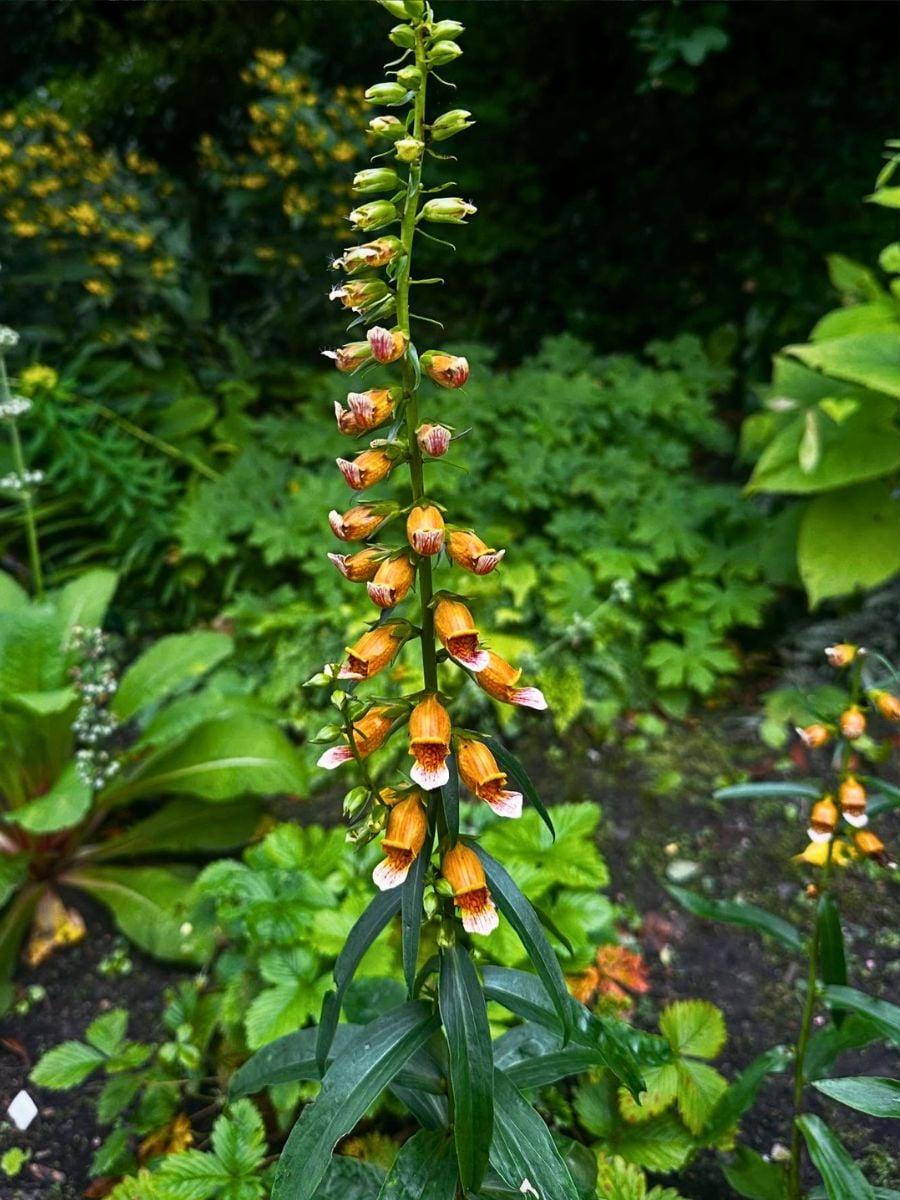
For the warm side, think of foliage, seed heads, and a few reliable flowers. Rusty foxglove (Digitalis ferruginea) sends up tall spires of creamy yellow-to-pale-brown flowers veined in rust, and its seed heads feed birds and add structure in winter. It is toxic if eaten, so position it with that in mind. Orange New Zealand sedge (Carex testacea) forms a copper-toned fountain, and amber-toned caramel coral bells (Heuchera Caramel) make low mounds.
Flowers that come in the Thursd Voltage color are easy to grow, too. Examples include orange and coral garden roses, Dahlias, Ranunculus, and Chrysanthemums. In autumn, sedum turns copper and bronze, and the Dahlias and Chrysanthemums come in rust and burgundy. The same palette combination also works harmoniously in a vase.
Combining Them and How It All Looks in Different Spaces
Let one color lead. University of Illinois Extension suggests making one color dominant, roughly 70% to 80%, with the other as a 20% to 30% accent. The palette itself describes both directions: teal as the base with orange as the accent, or the reverse for a warmer piece. Think of teal as the structure, in this case, and a deep persimmon color as the accent.
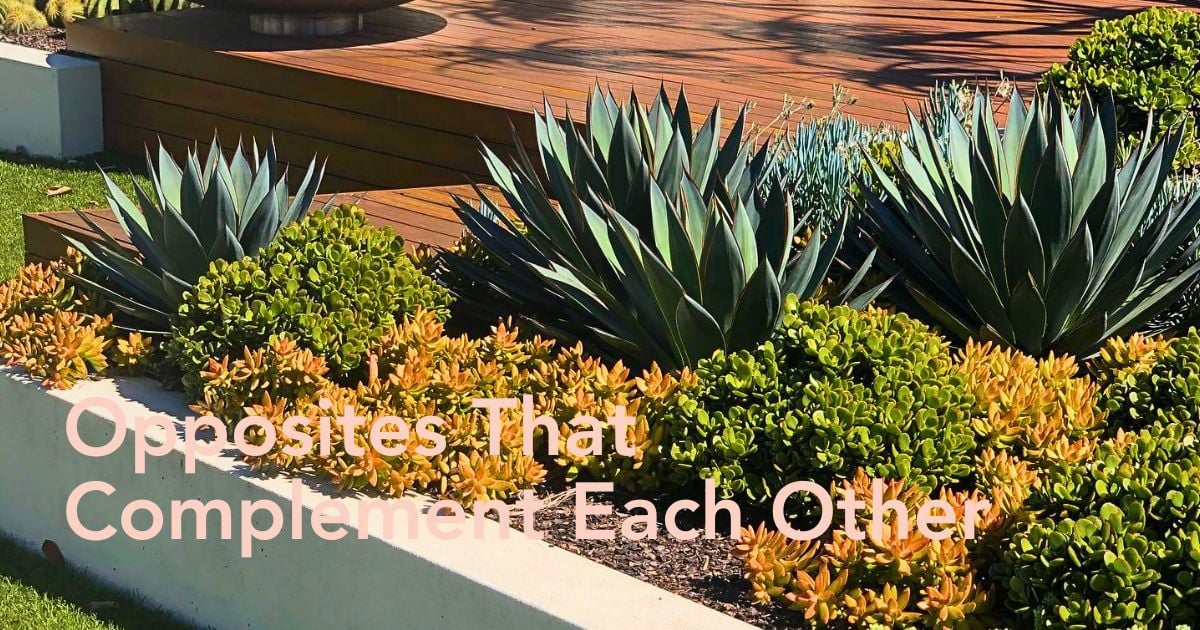
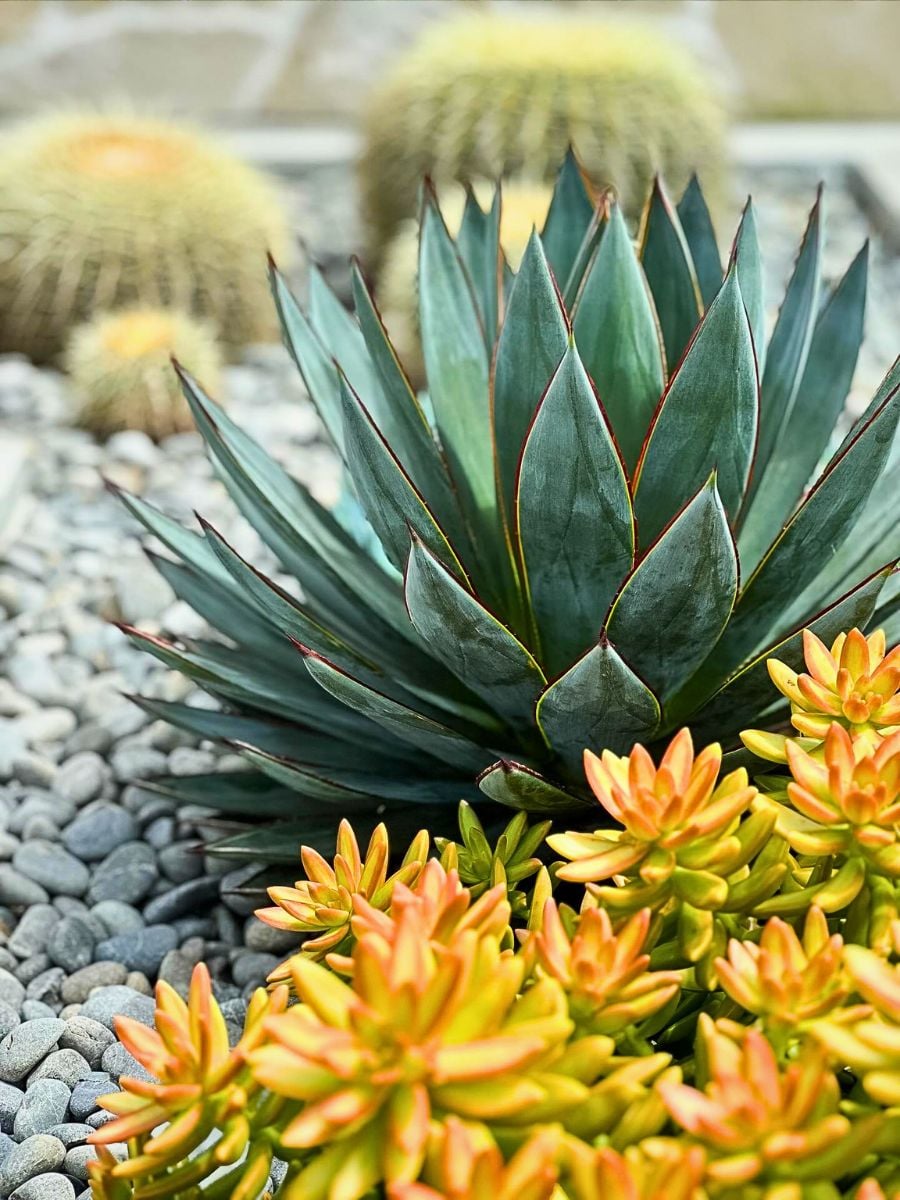
In a garden setting, this could mean a bed of blue fescue and silvery foliage with a few rust colored accents, or a copper border with one cool teal anchor. In colder regions, blue spruce, creeping juniper, or sea holly can create a cool base. And in warm, dry climates, Agave and eucalyptus do the same job with sculptural leaves. Place these in broad drifts or large masses first, so the eye perceives calm before the contrast. Agave ‘Blue Glow’ shows how the colors meet in one plant, with blue-gray leaves edged in red and gold.
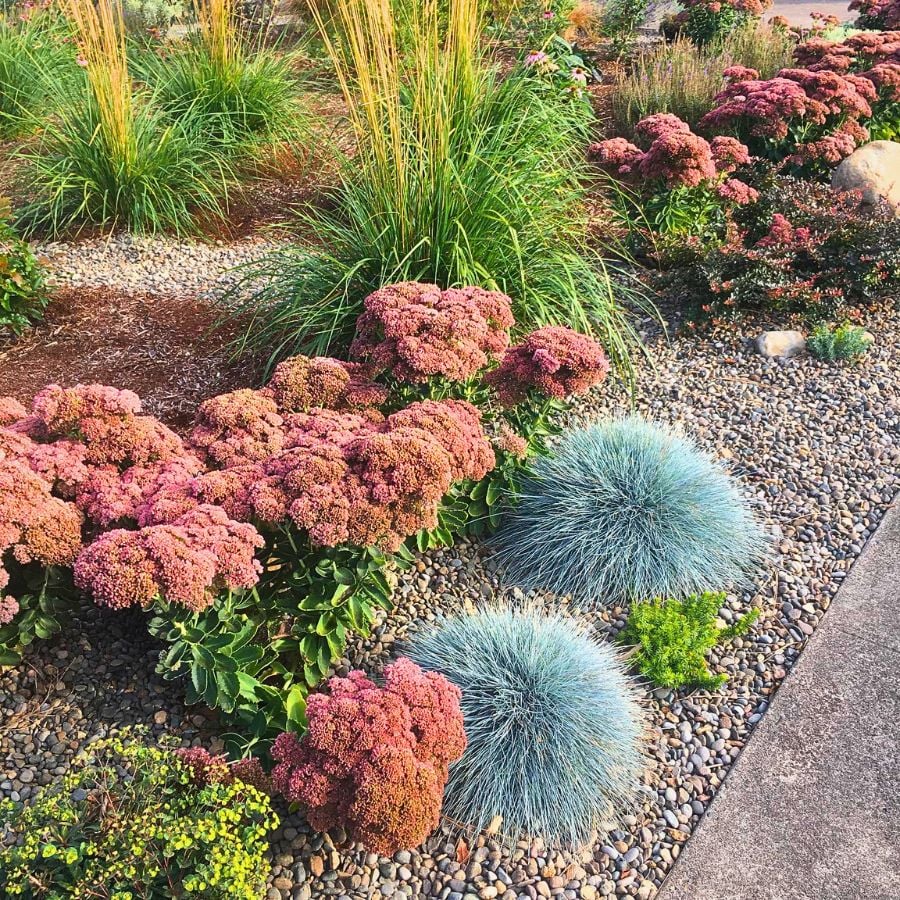
Add the supporting colors for balance. Caramel coral bells are an easy start. They open apricot, settle into amber, and turn salmon red in fall, which echoes the coral undertone of Thursd Voltage. Pair it with the blue fescue at the front of a border, and the contrast will be clear, yet not too overt.
Flowers add the spark. For height, choose red-orange flowers like red hot poker (Kniphofia) in late summer, and Tithonia, also called Mexican sunflower, in warm climates. Winter, too, has its options. The coral bark maple ‘Sango-kaku’ has coral-orange stems that glow against evergreen teal, and a fruiting persimmon tree holds its orange fruit on bare branches even after the leaves fall.
In autumn, a pot of orange and coral Chrysanthemums is a near-natural fit, and they tolerate light frost, which keeps the pairing going when most annuals fade. Dahlias, Rudbeckia, Gaillardia, and Helenium in the Thursd Voltage color have the same warmth from midsummer. Set them in front of blue-gray backdrops (alongside golden grasses) so their petals glow. Repeating the colors in rhythm makes the composition look intentional.
Combinations look more natural with a few supporting tones. So, use chestnut brown through bark, seed heads, and dried stems to link the Thursd Voltage to the soil. Little Bluestem (Schizachyrium scoparium) helps here, since it moves from blue-green in summer to copper and bronze in autumn. Add a sea glass effect using silvery foliage like dusty miller or lamb’s ear to soften the transition from deep teal to warm color.
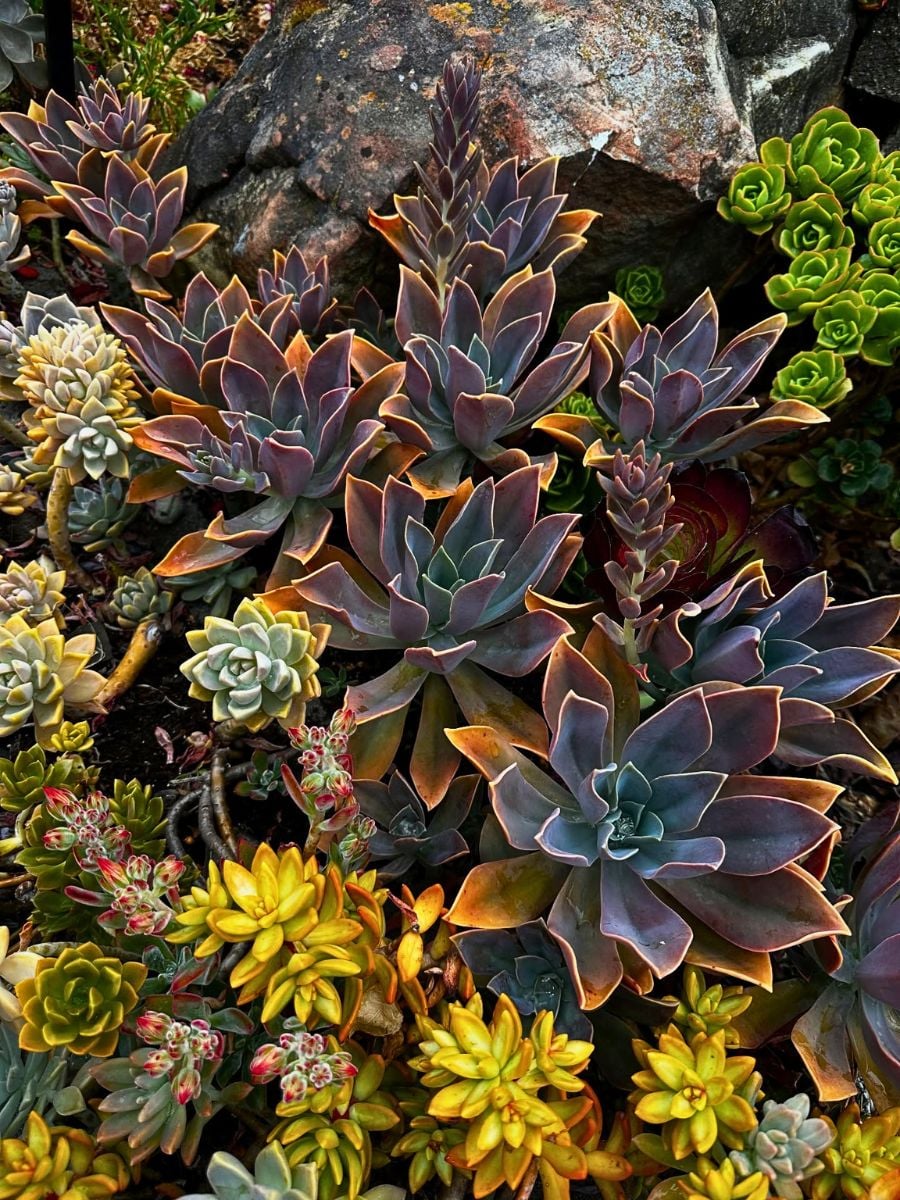
Worth noting is that this palette suits several garden settings. In a front entry, a teal-glazed pot filled with persimmon-toned Chrysanthemums creates a focal point. In a mixed border, repeat clumps of blue fescue and red-orange crocosmia so the colors echo. In a sunny gravel patch, combine sea holly, blue fescue, and orange sedge, since all three like sharp drainage. And in a shady corner, set blue hostas in front of rusty foxglove. For a patio, a pot holding Agave and a copper sedge works.
Shade gardens can use coral bells against blue-green hostas, and even a small balcony works: a pot with a plant in Thursd Voltage beside a teal-colored plant in a pot suffices. A courtyard, too, achieves depth when weathering steel planters, whose rust patina bridges the persimmon or rufous color and chestnut brown, have blue-green Agave or junipers planted in them.
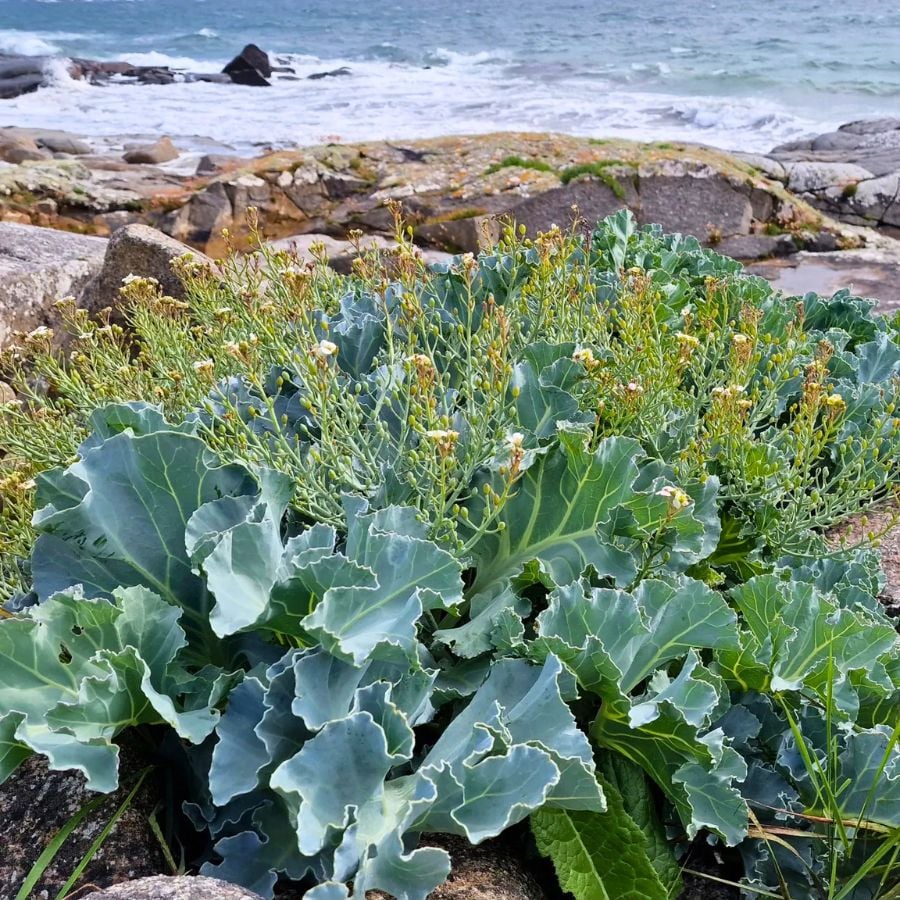
You could also plant a sweeping ribbon of teal grasses and let a line of orange flowers meet them along a shared edge, like surf meeting sand. In such a case, a weathered terracotta urn or a teal-glazed pot echoes the colors through hardscape.
How Do You Keep the Colors Looking Their Best?
Enhance the colors by matching the plants to their requirements. Silvery blues like agave and fescue want sun (and good drainage), while hostas need shade, since strong sun can turn them green. Rain also wears away waxy coatings, so shelter those that need it under trees.
Choose plants suited to your region instead of forcing exotic ones; sustainable gardens, after all, fit the spirit of Ocean Pulse and Thursd Voltage. Planting times matter just as much, and also plan for the whole year.
Festuca glauca Elijah Blue can, for instance, be planted from February to May or September to November, and for winter, teal evergreens, coral stems, grasses, and a few brown seed heads keep the scheme alive even after flowers are gone.
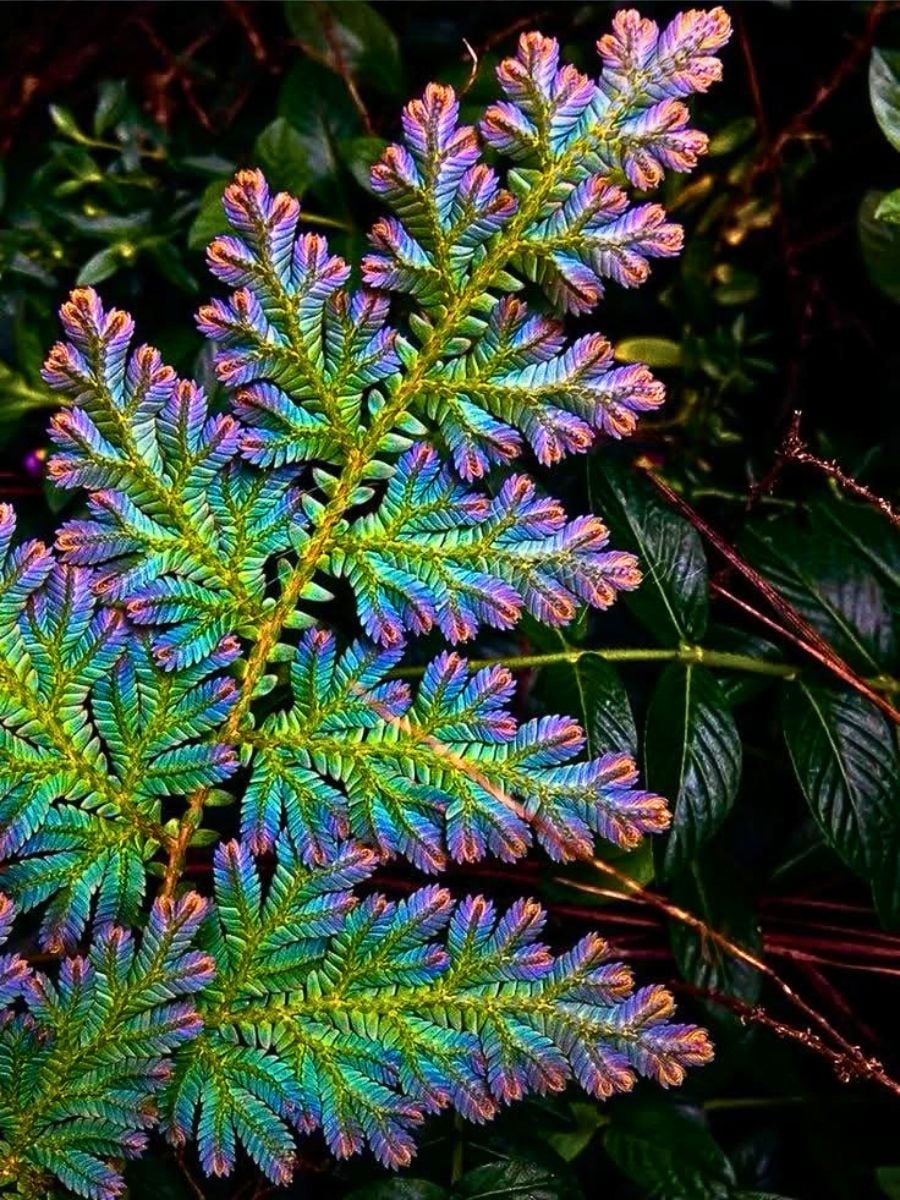
Essentially, with a handful of well-placed suitable plants, a landscape design can achieve both the calm of deep water and the spark of the sun all year.
Featured image by @exotic_nurseries. Header image by @architecturalbynature_.