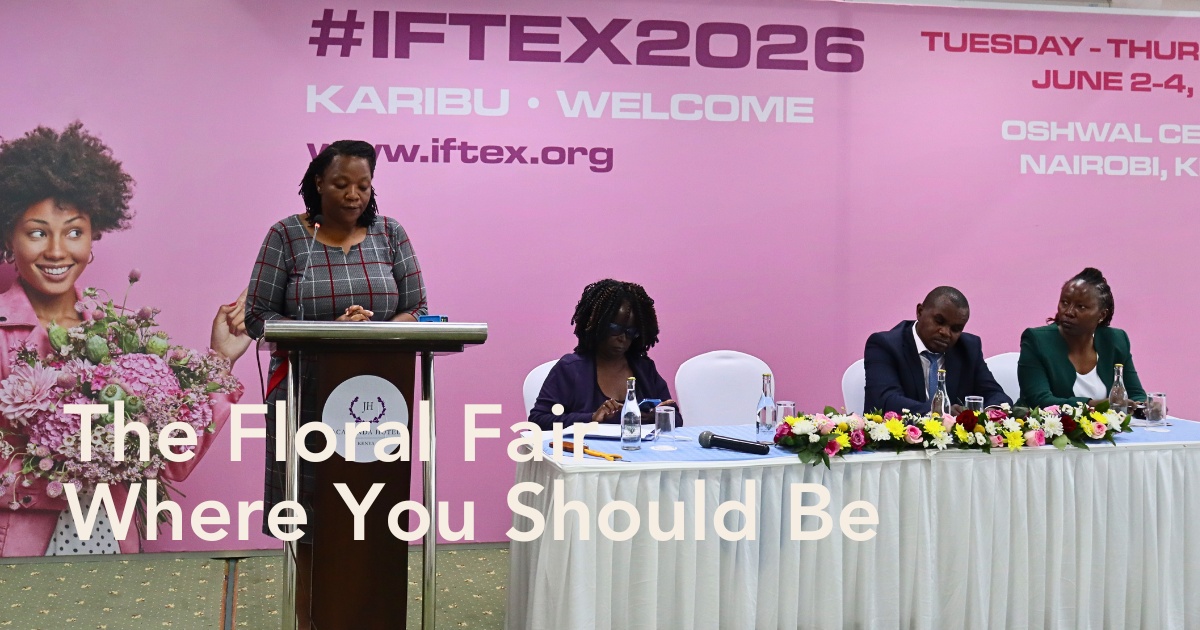
Kenya's floral sector is heading into June with great momentum. The International Floriculture Trade Expo (IFTEX) 2026, scheduled for June 2 to 4 in Nairobi, is here, and this year’s event (the 13th in its history) is expected to be the largest yet, with a record number of exhibitors confirmed.
And even though it comes at a time when the global flower trade faces pressure from factors like freight disruptions and geopolitical instability, the industry looks upbeat, maintaining its forward growth. So what is it about this edition that makes it this important?
IFTEX 2026 Is a Record-Breaking Edition
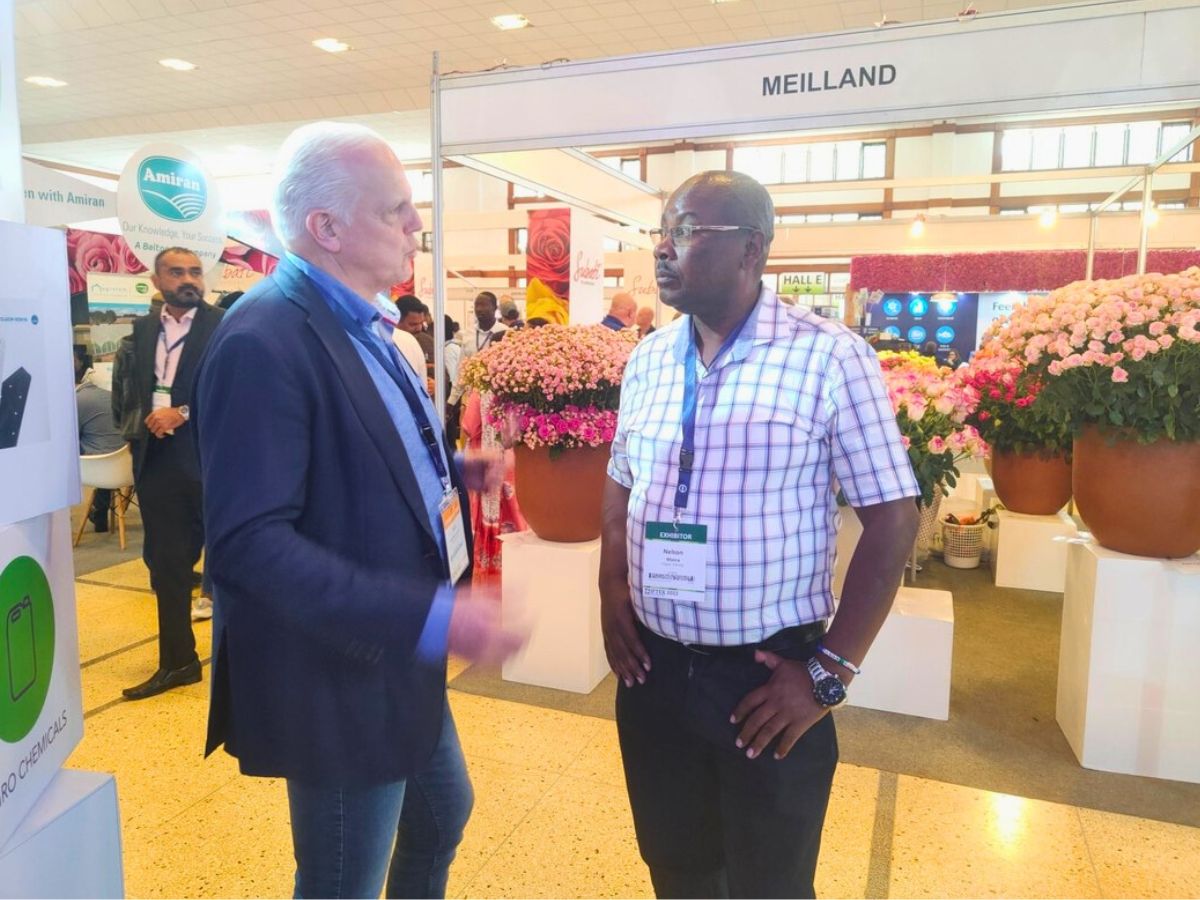
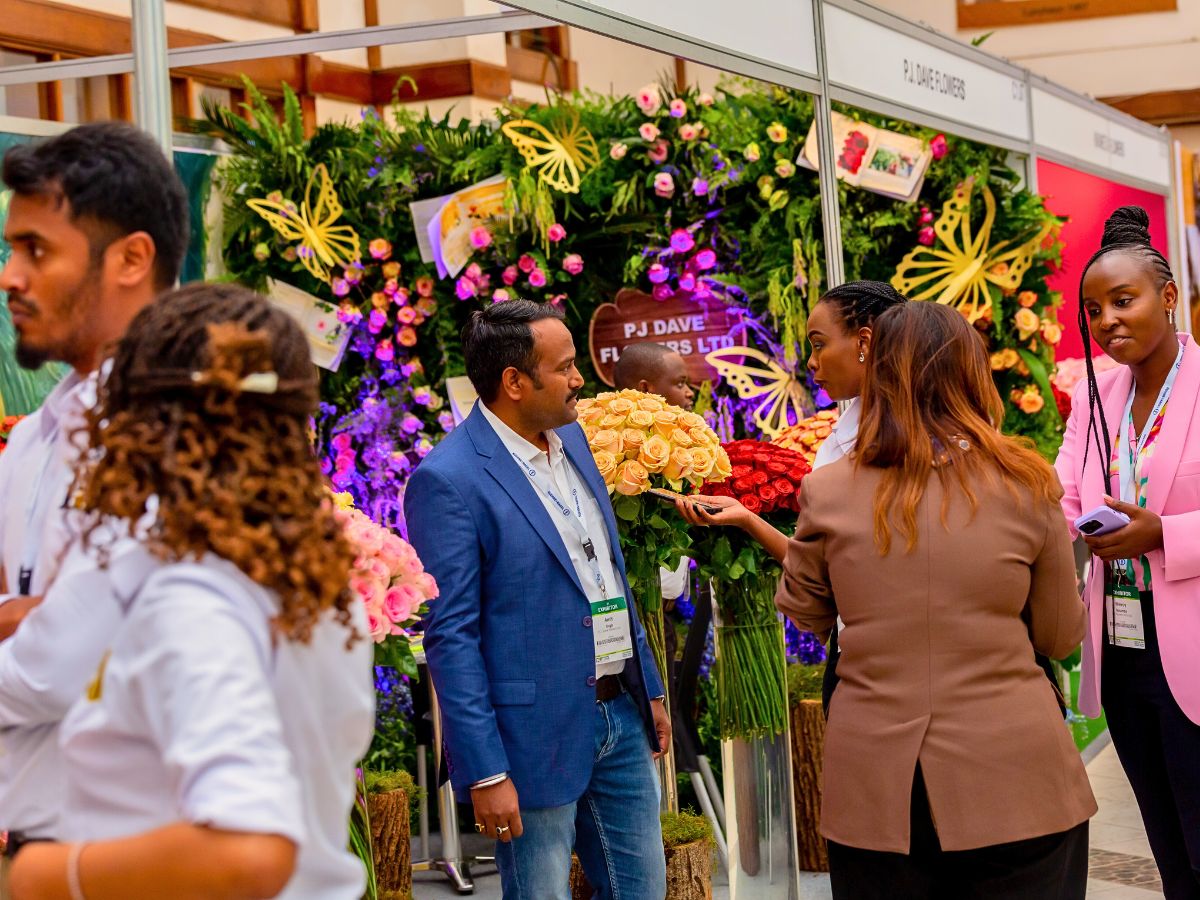
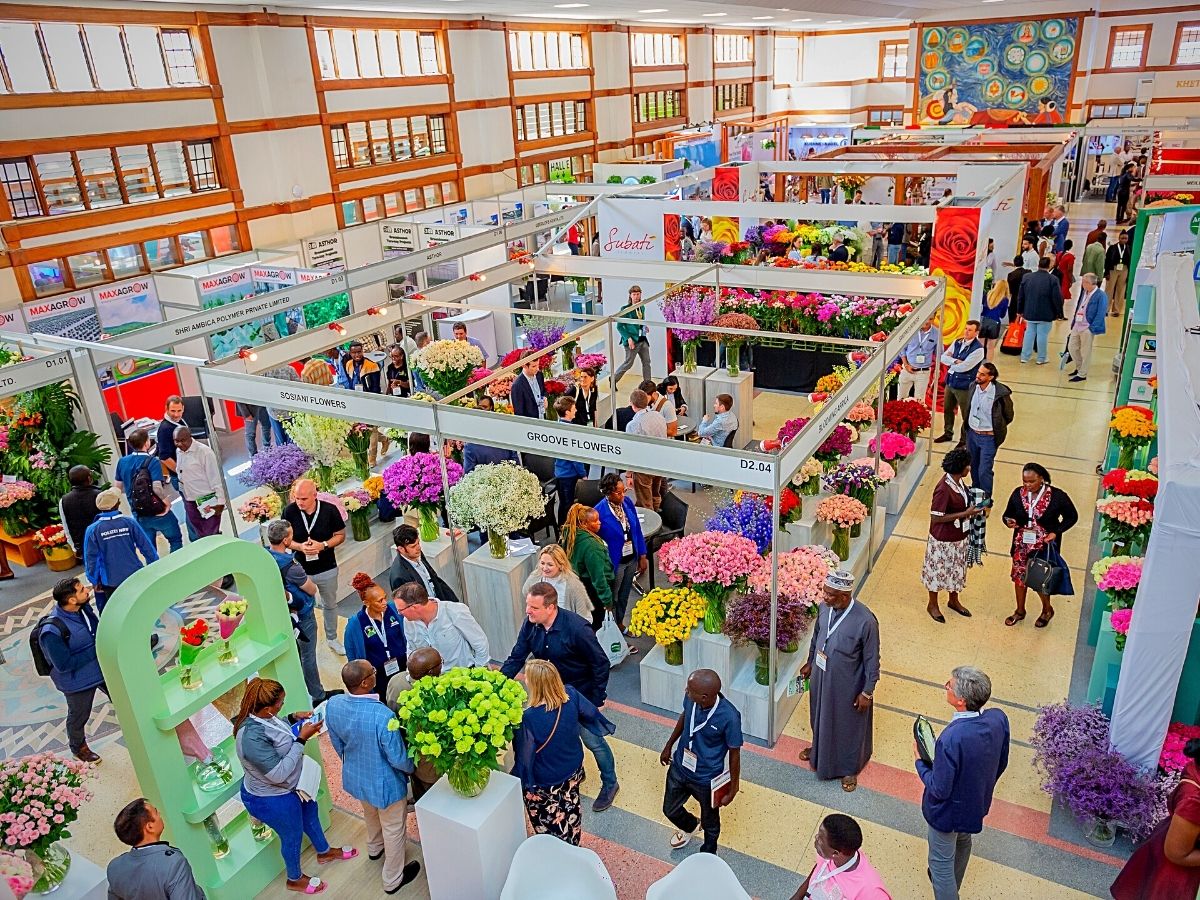
Now in its 13th year, as you already know, IFTEX has grown into one of the world's most important specialized cut flower trade fairs. The 2026 edition hosts at least 210 exhibitors, up from 189 in 2025, making it the highest-participation event in the expo's history.
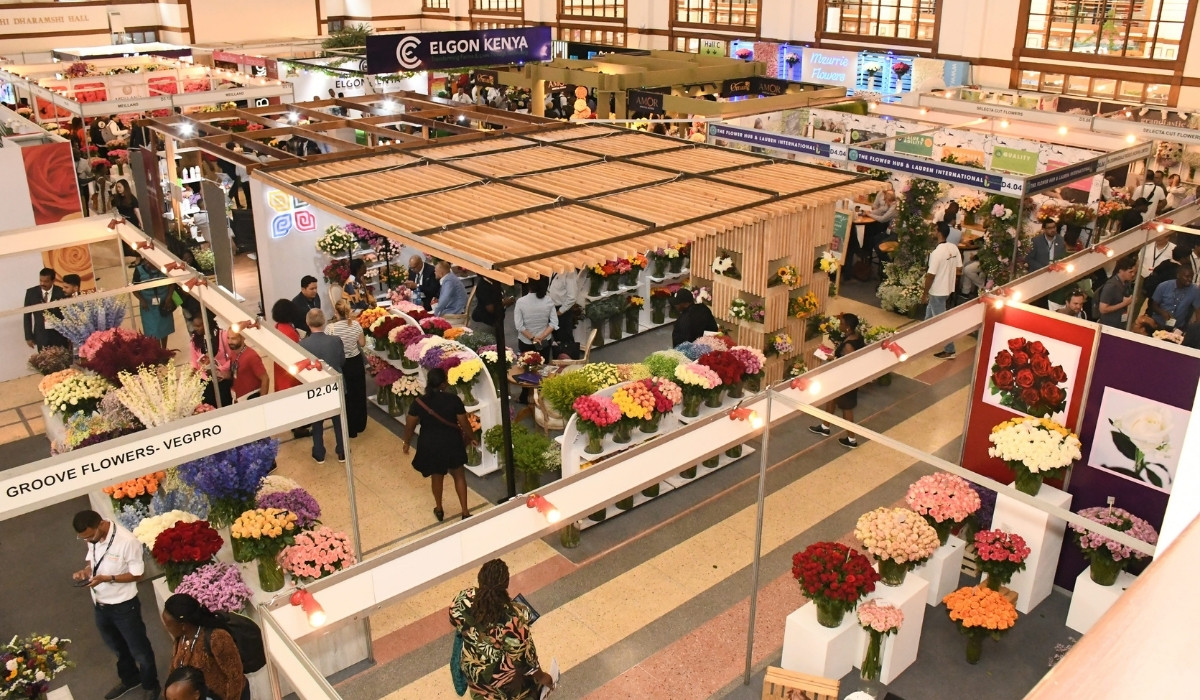
In his statement, Dick van Raamsdonk, the CEO of HPP International and the leading organizer, describes IFTEX as ‘a true barometer for the global flower trade.’ The growth in the number of participants is much more than purely incremental, given that 20% of (new) exhibitors are first-time participants. This shows that fresh growers and new operations are confidently entering the market.
Dick van Raamsdonk:
“In a year when many industries are cautious, this participation at IFTEX sends a very different message. This sector is resilient, confident, and forward-looking. IFTEX no longer only showcases flowers, but also showcases the future of the industry.”
Since the post-pandemic recovery in 2023, when exhibitor numbers stood at 159, IFTEX has grown by more than one-third in just three years, a trend that says a lot about where Kenya stands in the global floriculture landscape.
Kenya’s Flower Industry by the Numbers
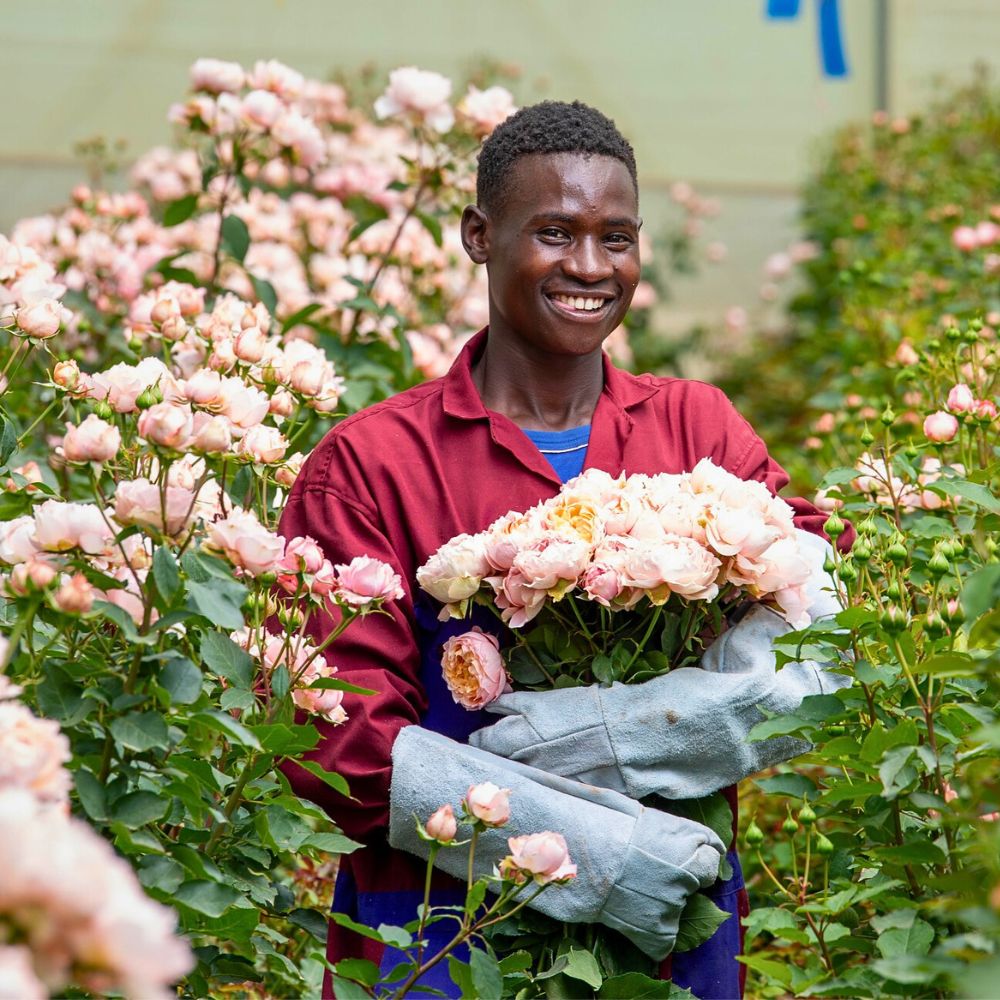
Kenya is indeed one of the world's leading cut-flower exporters, and the statistics speak for themselves. According to the Kenya Flower Council (KFC), the sector’s umbrella body, the flower industry in the country generated approximately KES 110 billion (about USD 845 million) in export earnings in 2025, directly contributing 1.5% to Kenya's GDP and supporting more than one million livelihoods across the value chain. More than 60% of the workforce is made up of women.
Kenya’s Agriculture and Food Authority (AFA) also reports that the country exported horticultural produce worth KES 143.78 billion in 2025, with cut flowers accounting for 62% of that total export value. Roses dominate the mix, representing approximately 69% of all flower exports, and Kenya shipped flowers to 143 destinations across the world in 2025.
Perhaps most noteworthy is the Kenyan flower industry's position in Europe. The East African country currently holds approximately 38% of the European Union's rose cut flower market, according to the Kenya Plant Health Inspectorate Service (KEPHIS).
Freight Costs and Operational Pressure
But even in this success story, the industry faces quite a few challenges. KFC has flagged mounting operational pressure driven by the recent (and ongoing) geopolitical instability in the Middle East, supply chain disruptions, and sharply rising (air freight) costs.
Air freight rates have climbed from roughly USD 3.10 per kilogram to nearly USD 5.00 per kilogram in recent weeks, pushing logistics expenses to as much as 60% of total export costs during peak periods. Fertilizer prices have also surged by 25% within just a few weeks, and some farms have reported revenue declines of up to 75% due to shipment delays and perishability losses.
KFC estimates that approximately USD 4 million worth of flower exports are at risk every week under these current conditions. And if the disruptions continue without intervention, industry projections suggest export losses could exceed USD 15 million per month and put up to 50,000 (or even more) jobs at risk.
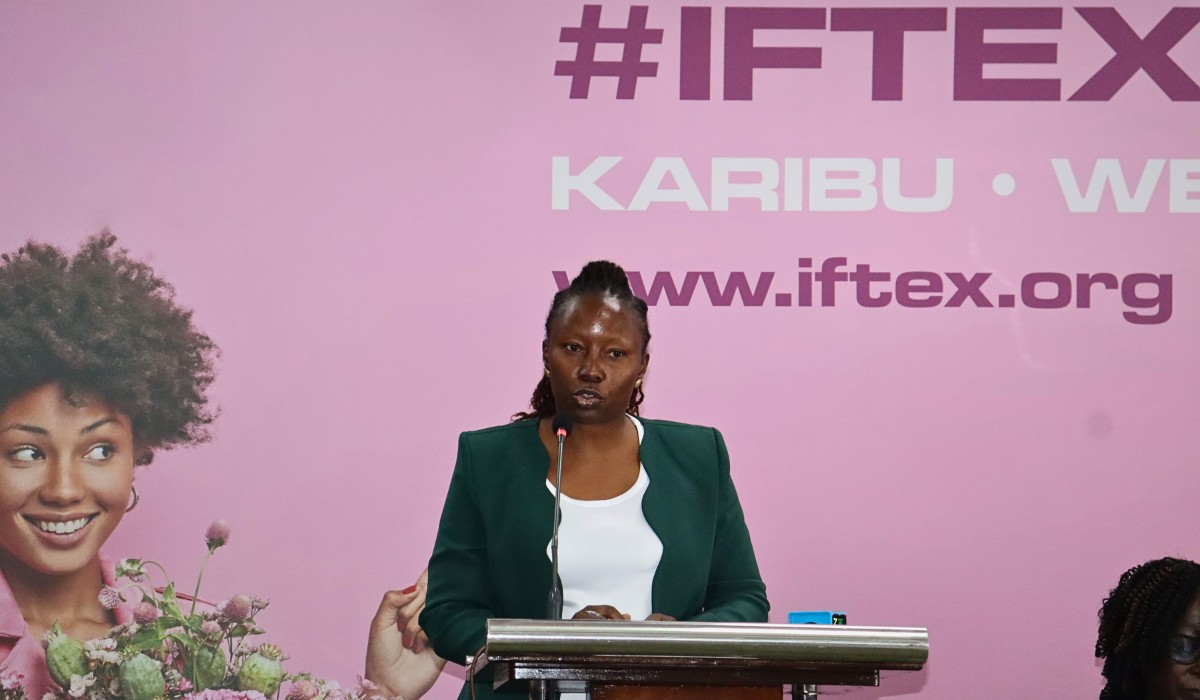
In remarks delivered on behalf of KFC CEO Clement Tulezi by Lina Jamwa, KFC's Membership Engagement and Communications Manager, the industry calls for the right partnerships, supportive policies, and strategic investments to help Kenya consolidate its position as the global leader in sustainable floriculture. In that case, the message at IFTEX 2026 is not just about optimism, but also the need for urgency in addressing (or putting measures in place to address) these ongoing disruptions.
Lina Jamwa:
“With the right partnerships, supportive policies and strategic investments, Kenya can become the undisputed global leader in sustainable floriculture.”
Sustainability, Compliance, and Market Diversification
But aside from the trade capacities, IFTEX 2026 also presents a strategic platform and forum for discussions on important topics like sustainability standards, phytosanitary compliance, and market diversification, which (more than being considered peripheral concerns) are important for the industry’s long-term growth and development.
KEPHIS Director Dr. Isaac Macharia emphasized that Kenya's compliance infrastructure, which includes automation, advanced laboratory systems, and pest management, gives the country a competitive edge. Paying attention to market demands is, therefore, not just a regulatory necessity but Kenya's premier competitive advantage.
Dr. Isaac Macharia:
“As we look forward to IFTEX 2026, adherence to market requirements is not just a regulatory necessity but Kenya’s premier competitive advantage. KEPHIS remains fully prepared to facilitate business, support industry expansion, and protect the global integrity of Kenyan flowers.”
Furthermore, on market diversification, Kenya is actively pursuing growth opportunities in Asia, Australia, and the Middle East, aiming to reduce dependence on established European markets. The organizers say IFTEX 2026 is expected to facilitate introductions between Kenyan growers and buyers from other regions like North America, Southeast Asia, Eastern Europe, and the Middle East.
So, What Does This IFTEX Mean for the Global Flower Trade?
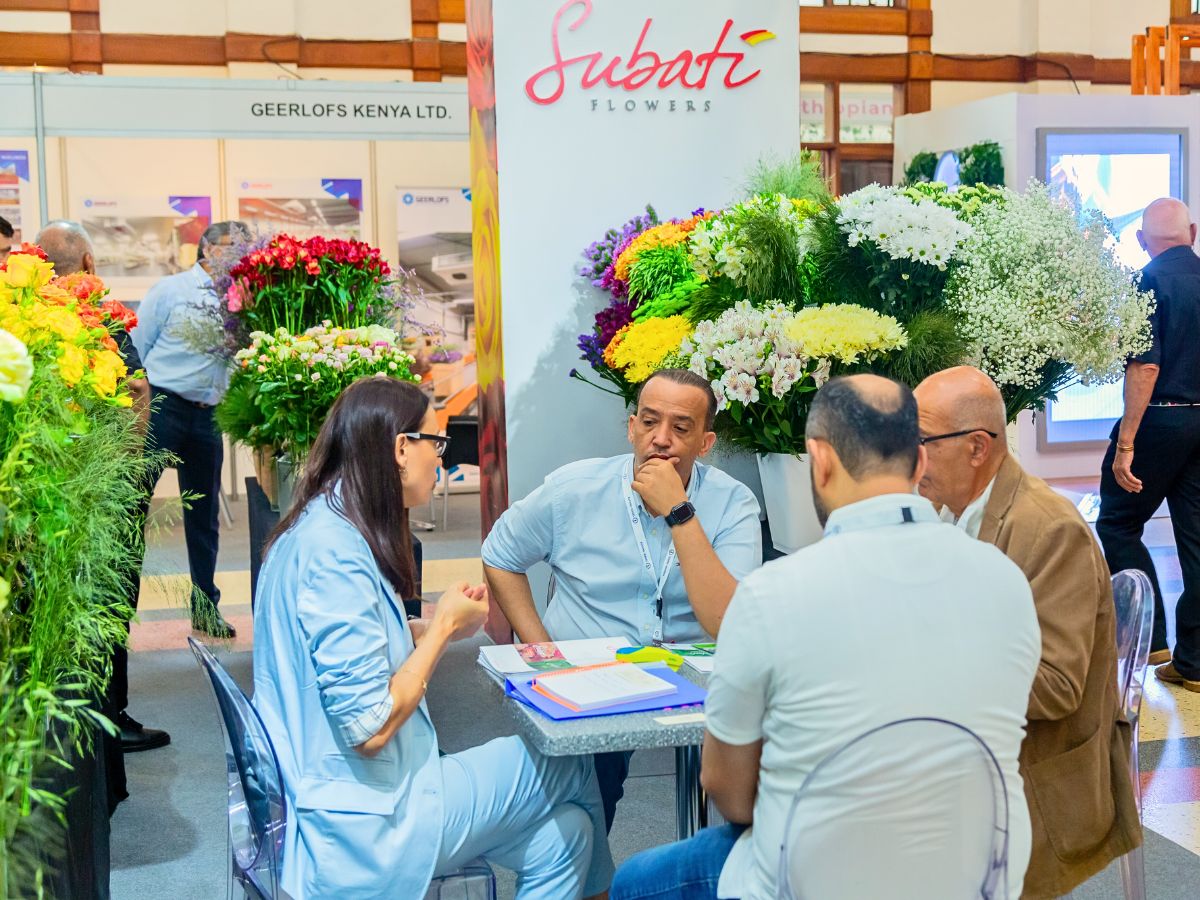
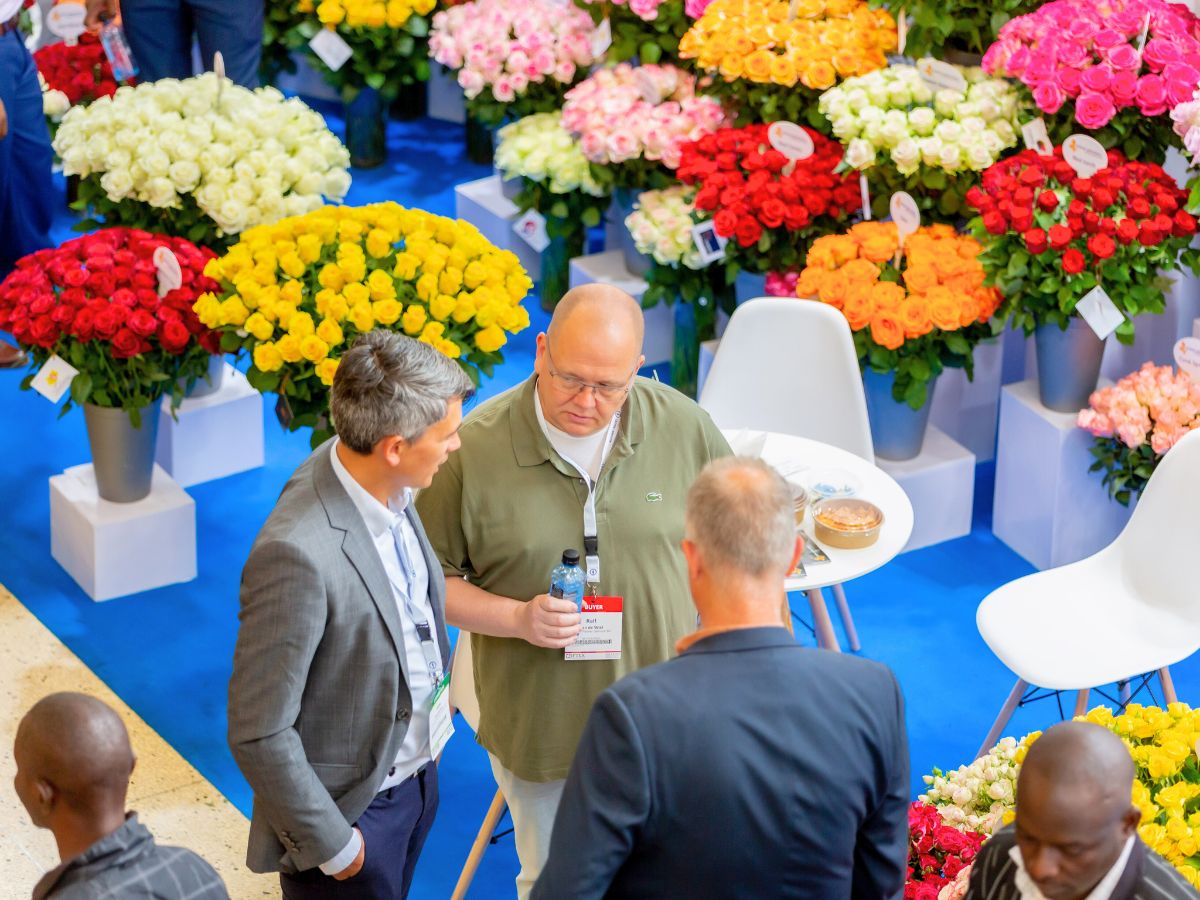
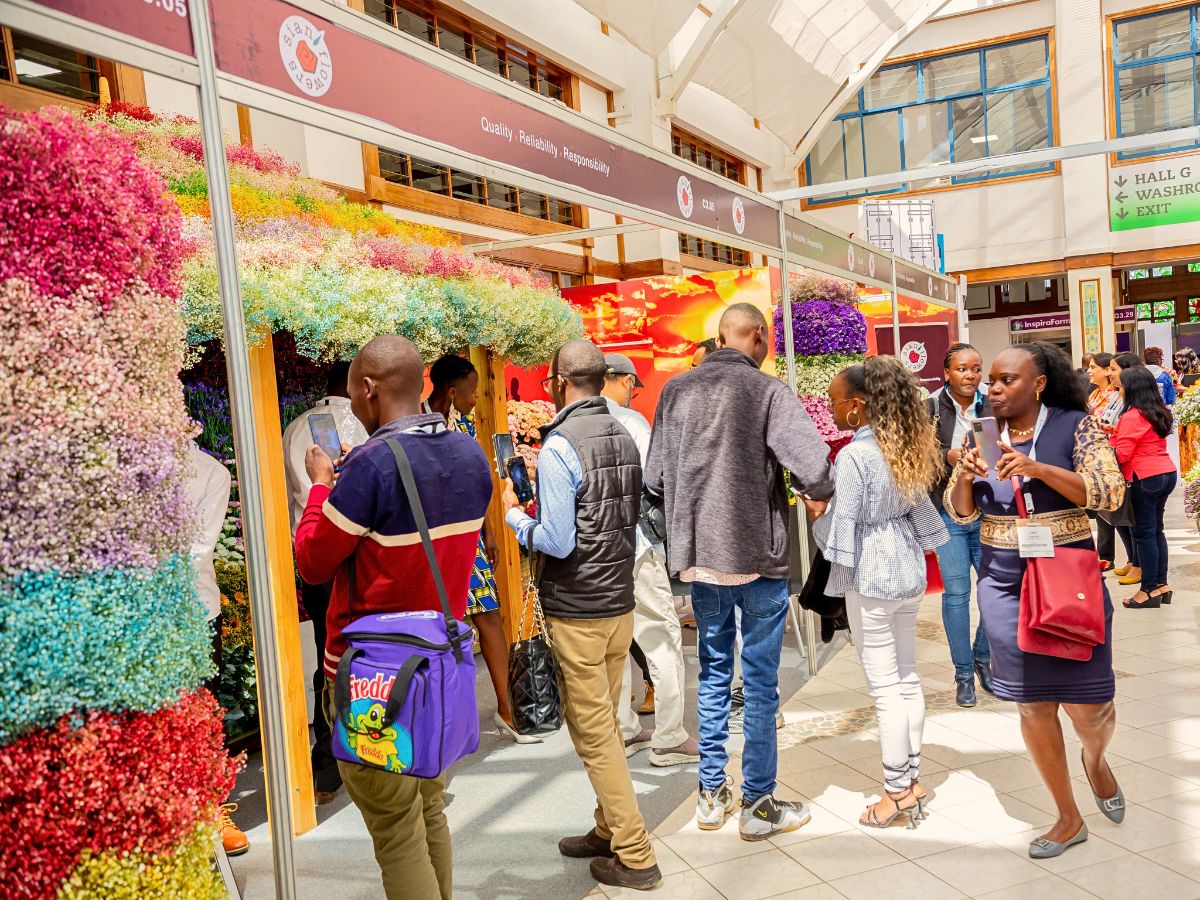
IFTEX 2026 means quite a lot. For industry professionals, it is an opportunity for building relationships, setting trends, networking, and generally supporting the flower trade. The expo draws growers, breeders, logistics players, exporters, wholesalers, retailers, florists, and international buyers under one roof, which makes it uniquely efficient in what it does.
In his speech, delivered by Isdorah Odundo, their Principal Market and Product Development Officer, Acting AFA Director General Calistus Kundu describes the expo as a strategic platform to showcase Kenya's global leadership in floriculture and strengthen confidence in the country's horticultural sector, while also highlighting it as a space for stakeholders to collaborate on industry-wide challenges.
With 210 exhibitors, a record number of first-time participants, and a packed agenda that covers logistics, compliance, sustainability, and market access, by all means, IFTEX 2026 is shaping up to be the most important edition yet. For anyone involved in the global flower trade, Nairobi from June 2 to 4 is the place to be!