Kenya's floriculture sector is among the most important industries, not just for the country, but globally. It supplies at least 40% of the European Union's cut flowers and reaches export markets in many more countries. Yet it should not go without saying that the Kenya Flower Council (KFC), the country’s flower industry's governing body, has, since its founding, been at the forefront of advancing a case study of how the industry is moving from rhetoric to structural reforms. The Council is advancing the welfare and professional standing of women workers in the flower supply chain.
Women’s Participation in Kenya’s Flower Sector
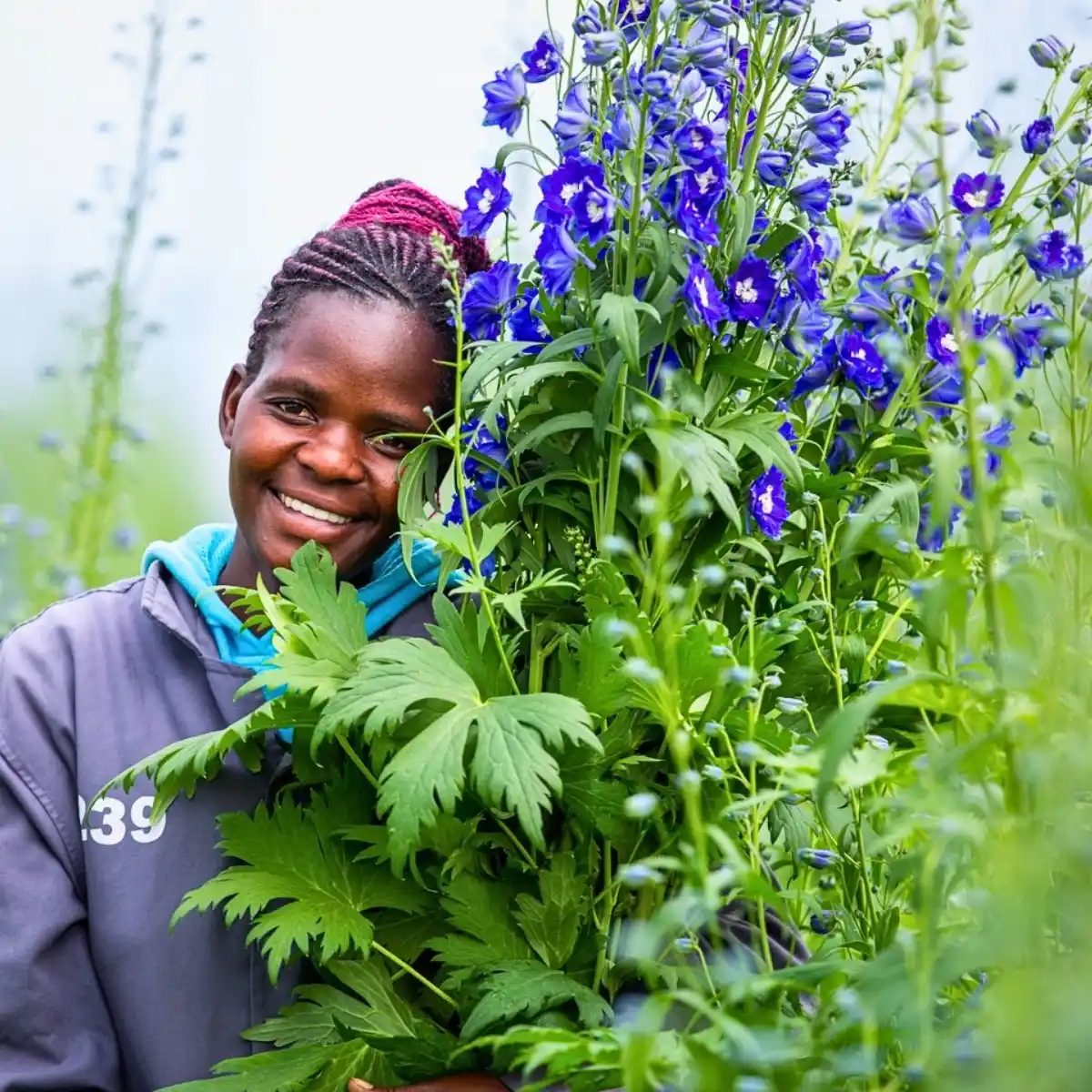
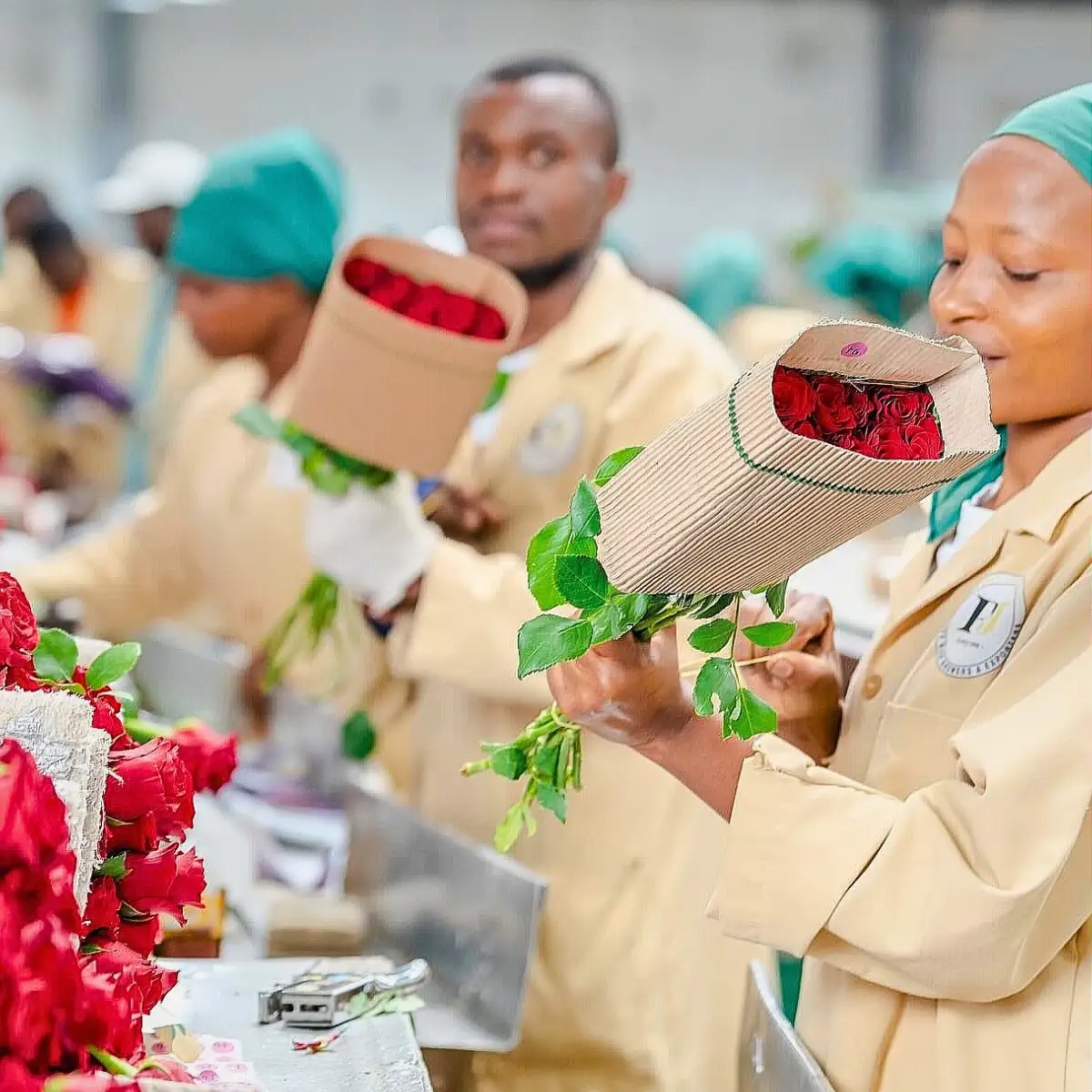
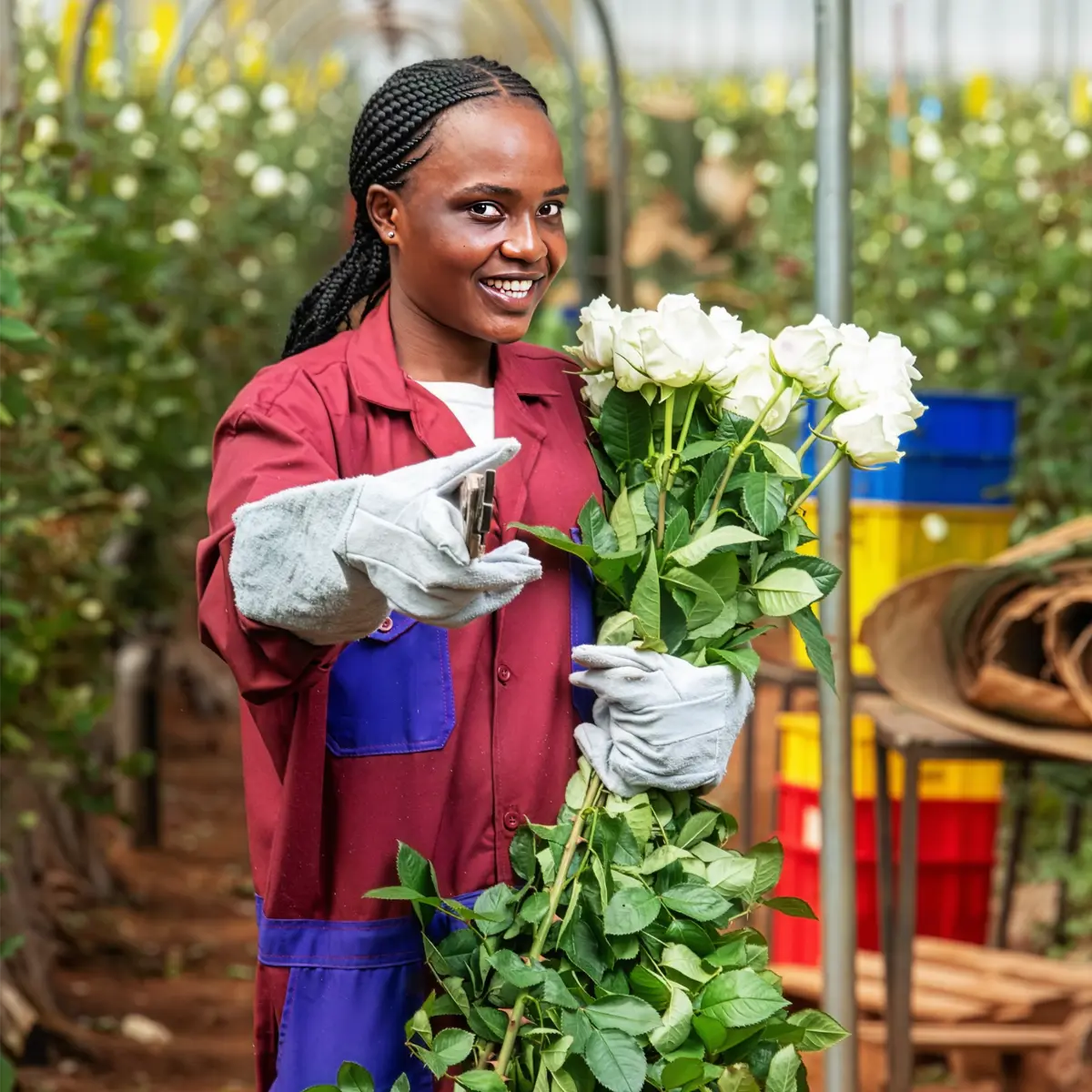
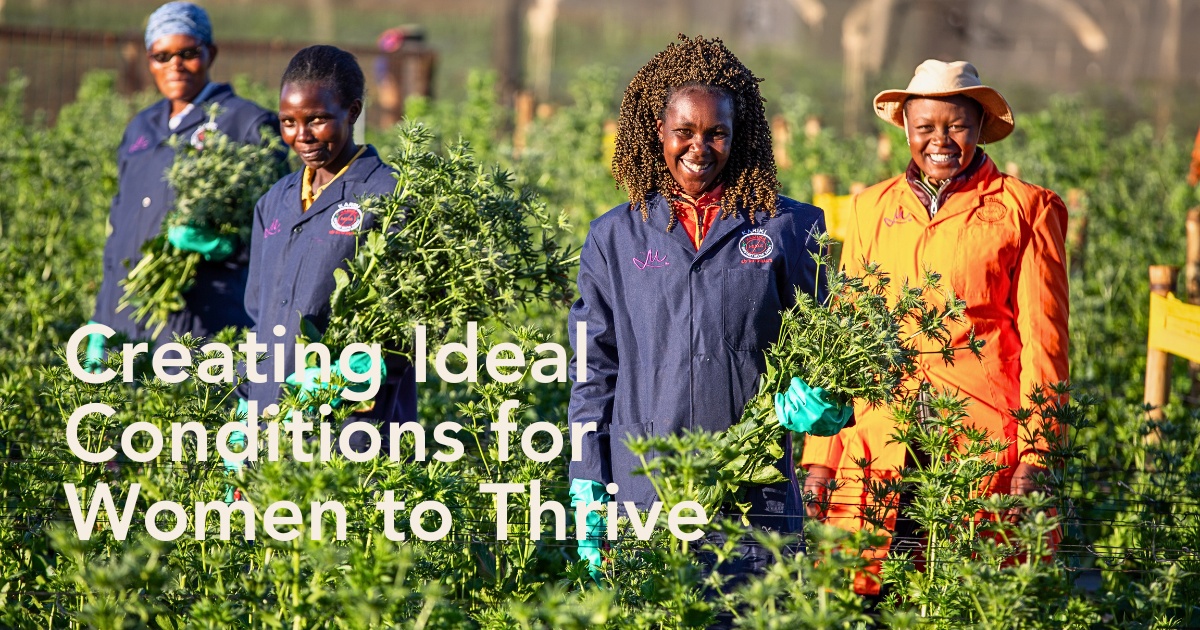
The empirical and numerical dominance of women in Kenya's floriculture workforce is well proven. Womenfolk account for an estimated 55% of workers at the production level. Their input is much more than just working in the farm greenhouses. They are particularly concentrated in post-harvest handling, where technical requirements of sorting, grading, and packaging cut flowers to meet international quality standards are at their highest.
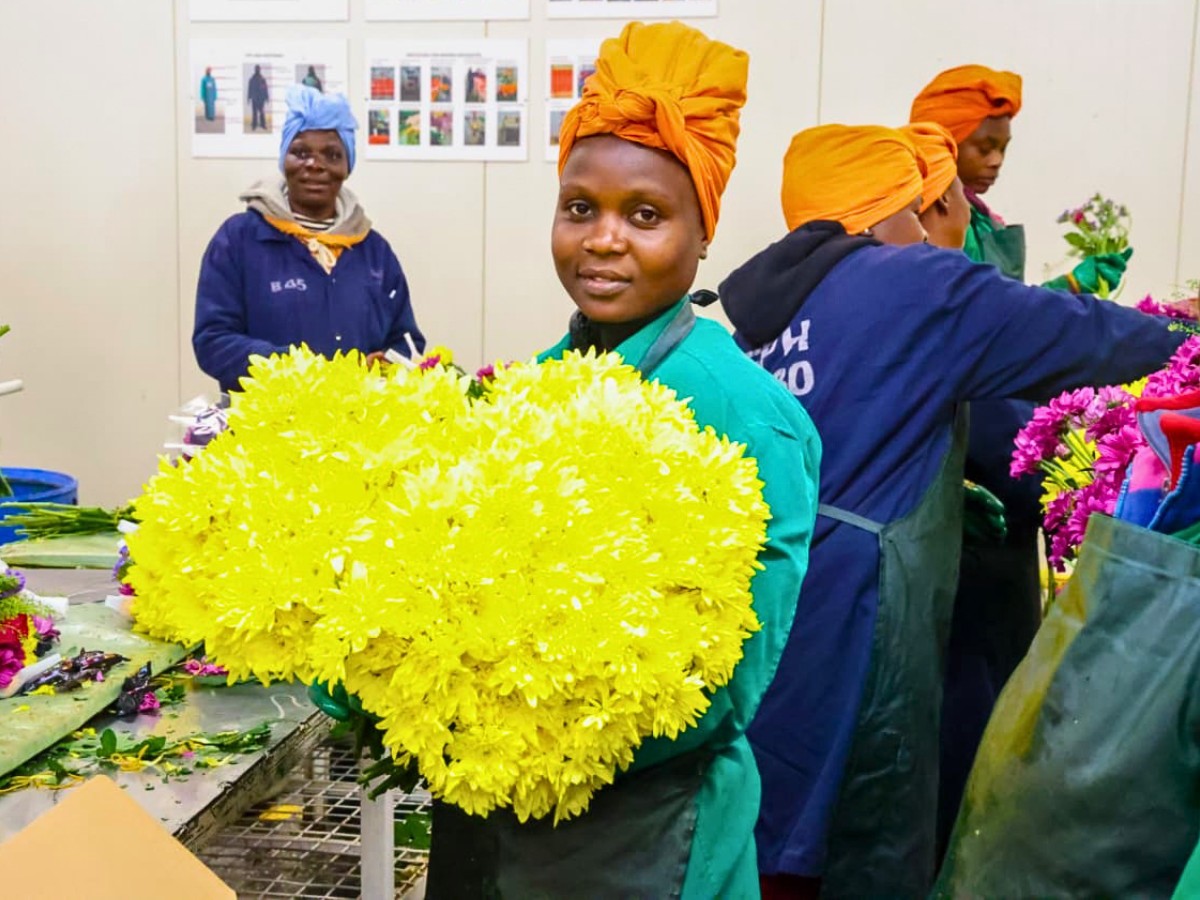
Research indicates that care and precision during harvest and post-harvest can extend cut flower vase life by as much as 30%, which is an important consideration for export value and waste reduction across the supply chain. Women are good at this, and no one can argue against it.
The economic significance of women's participation in the sector is also great. For many rural households in Kenya's major floriculture regions, including areas around Lake Naivasha, Nakuru, Nanyuki, Meru, Nairobi, Thika, and others, a woman's income from a flower farm makes for an important part of funding for household education, healthcare, and food security.
The sector currently provides direct employment to more than 200,000 people, with indirect employment figures reaching considerably higher. The social returns of this employment are invested mainly in family welfare, which makes a case for KFC's sustained efforts to improve conditions for everyone within the industry.
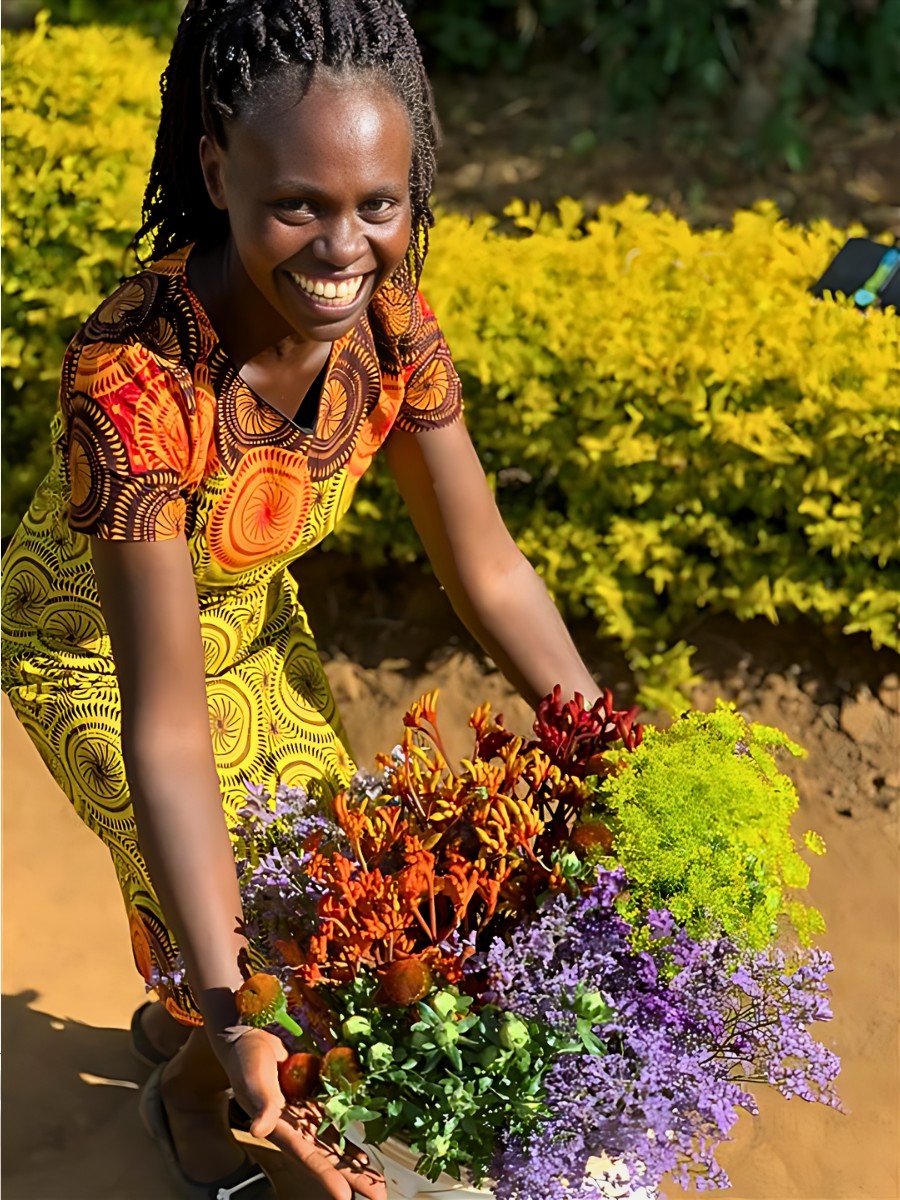
KFC’s Institutional Commitment to Gender Equity
Founded in 1996 by Kenyan growers and exporters of cut flowers, KFC has grown from an initial small membership to a body representing more than 130 large, medium, and small flower producers, alongside more than 30 associate members. And as the organization heads towards marking its 30th anniversary, its record on gender and social accountability has been one of its most substantive areas of institutional development.
KFC's primary vehicle for embedding social standards across its membership is the Flowers and Ornamentals Sustainability Standard, known as KFC FOSS. This is not just an environmental or agronomic framework, but a social accountability charter that addresses staff wages, worker welfare and safety, freedom of association, and working conditions. The standard has been continuously refined since the Council's founding, and its development speaks to the considered efforts to make gender-specific protections operational, not just aspirational.
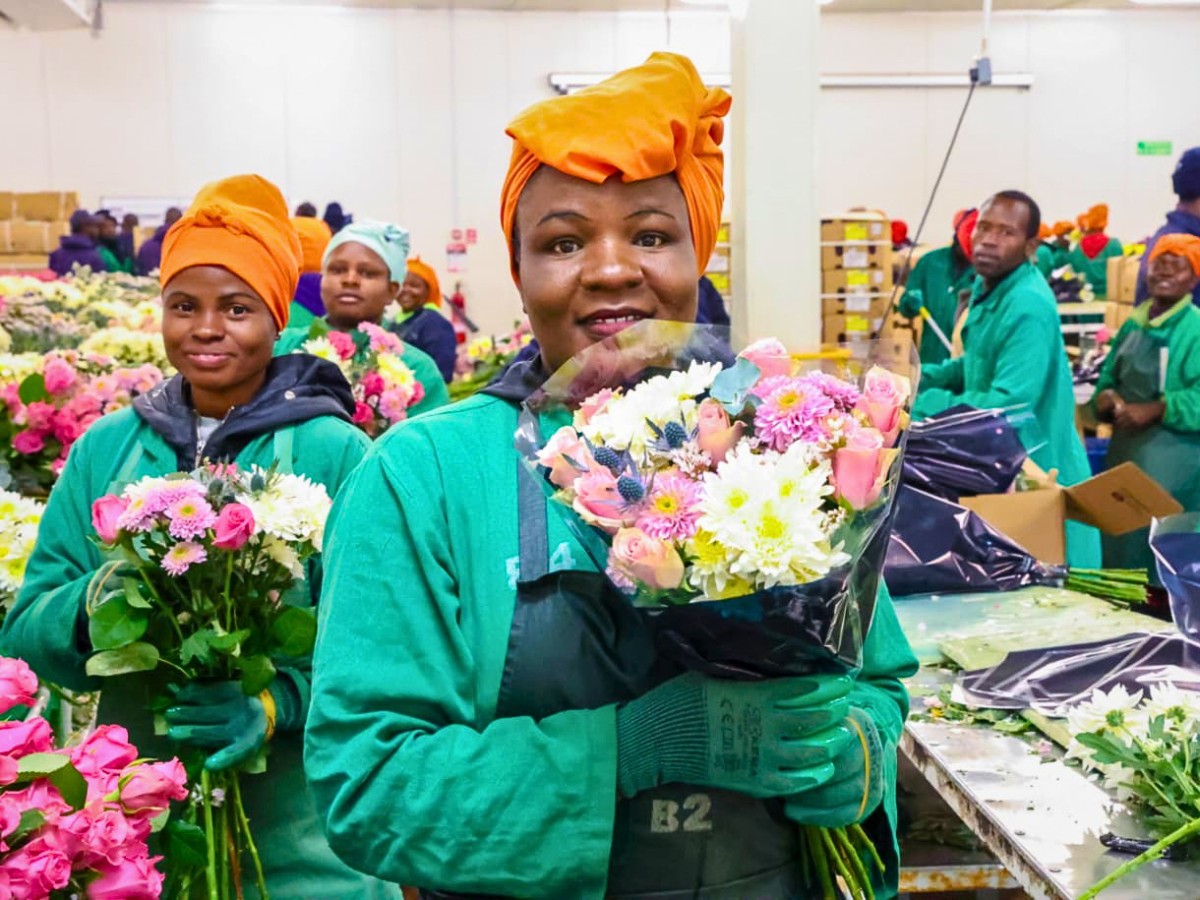
A result of this process has been the incorporation of an anti-harassment policy within FOSS certification requirements. A collaboration campaign between KFC and other institutions, like Haki Mashinani, piloted the relevant program on member farms, which eventually influenced the policy’s formalization within the FOSS standard, in effect positioning KFC as a coordinating institution for partners working across relevant areas in the flower industry, including gender mainstreaming and living wages, collaborating with member farms.
Women Are Rising Through Industry Leadership Roles
The professional trajectory of women in Kenya's flower industry has changed considerably over the past few decades, and KFC's compliance and capacity-building frameworks have contributed significantly to this. In the sector's earlier years, women were concentrated in provisional employment roles with limited job security and few formal channels for professional growth.
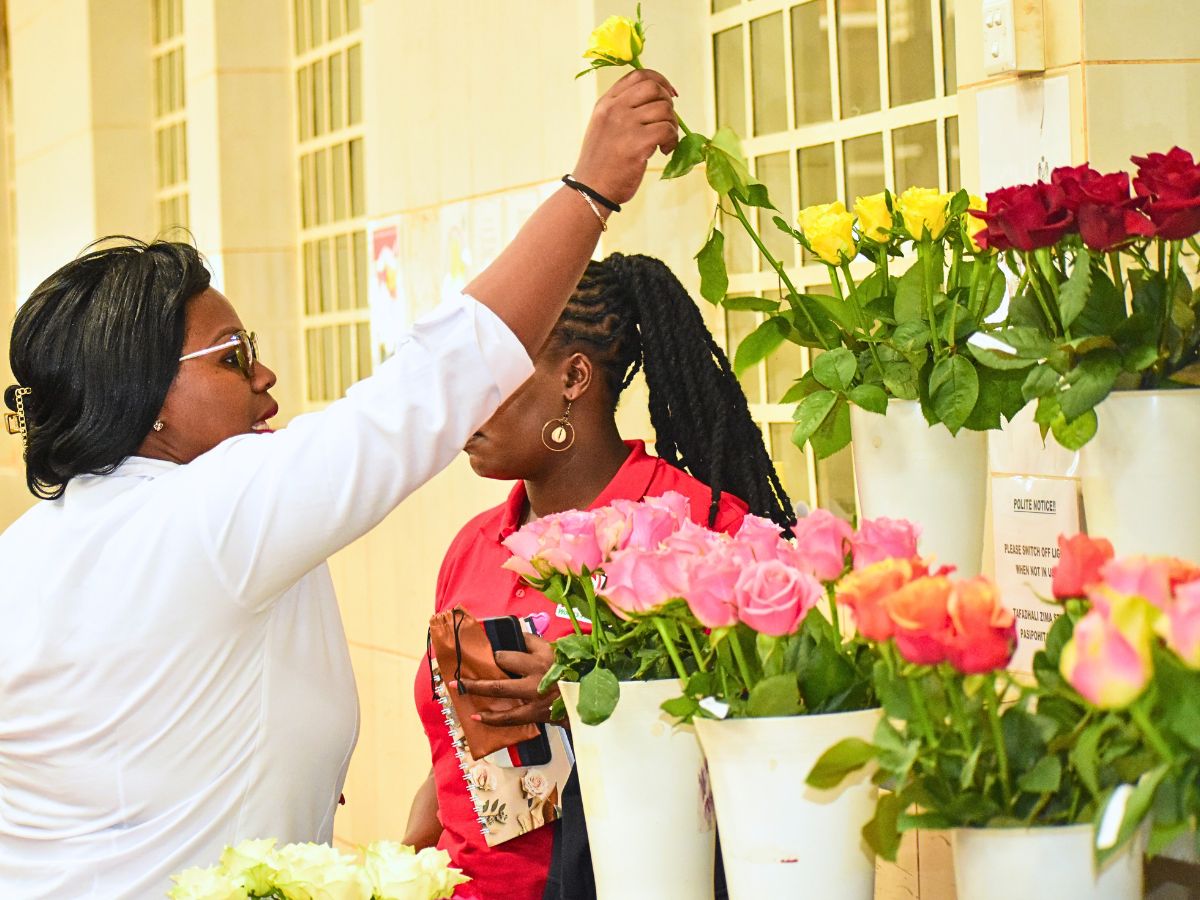
A key operational change has been the sector-wide move toward permanent employment contracts, a development encouraged by the ethical sourcing requirements of major international buyers and reinforced by KFC's certification standards. Permanent contracts now confer job security, union membership, access to grievance mechanisms, and employment continuity that allows workers to build savings, access credit, and hence longer-term personal planning.
There are also gender committees established across member farms, providing women with the right institutional channels to raise concerns and participate in decisions affecting their working conditions. These governance mechanisms, while varying in their effectiveness across the sector, are a departure from the earlier norm in which these concerns were rarely formalized.
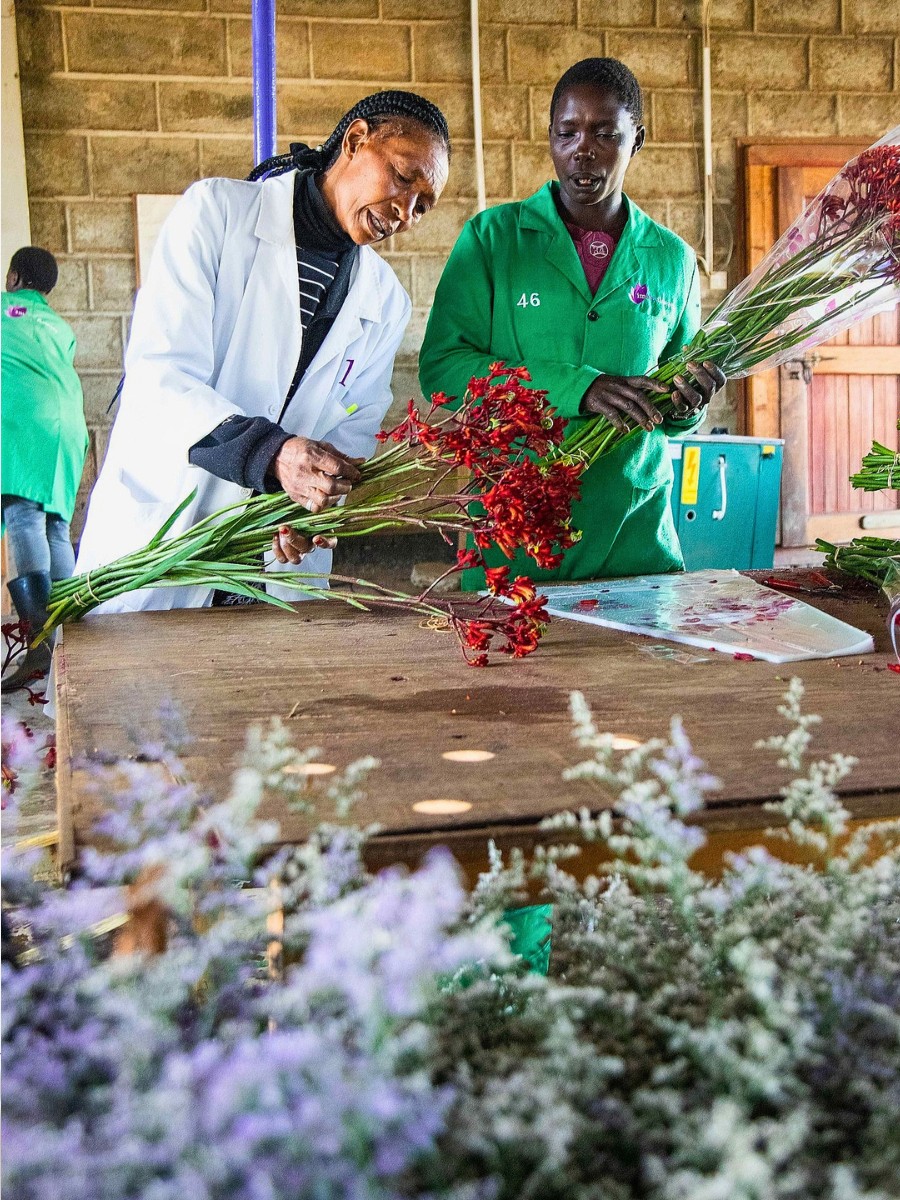
Leadership development has, likewise, emerged as a recent (and deliberate) aspect of KFC's work. Relevant workshops, regional training sessions, virtual programs, and tailored in-house curricula for growers, exporters, auditors, and sector professionals, including leadership modules alongside technical and compliance content, are becoming the norm. Access to such structured professional development is important for women seeking advancement into supervisory and managerial roles in an industry historically dominated by men at the leadership level.
Thus, the rise of women in senior management roles is no longer uncommon. Miriam Kimani, the Farm Manager at Marginpar's Kariki Juja operation, is an example. Having joined the farm in 2004 as a pack-house manager, she rose through the ranks to oversee operations across the entire facility, leading teams and managing production systems, including the farm's continuous improvement program. Her tenure is just one among numerous others that show how career progression is possible when farm culture, industry standards, and individual ambition match.

Industry Standards, Community Investment, and Their Wider Impact
While KFC's direct influence on women's lives in Kenya's flower sector is noteworthy, it is worth noting how the surrounding communities also benefit. Member farms operating under the FOSS framework have implemented community development programs that address issues like education, healthcare, nutrition, housing, and transport. These benefits are particularly relevant for women workers who often face domestic and logistical burdens.
KFC-allied grower Kisima in Timau, Meru County, is, for instance, known for its community-focused initiatives; an illustration of this approach. The farm funds school scholarships for girls from vulnerable backgrounds; delivers mid-morning nutrition programs to its locally funded primary school, and has contributed to infrastructure improvements.
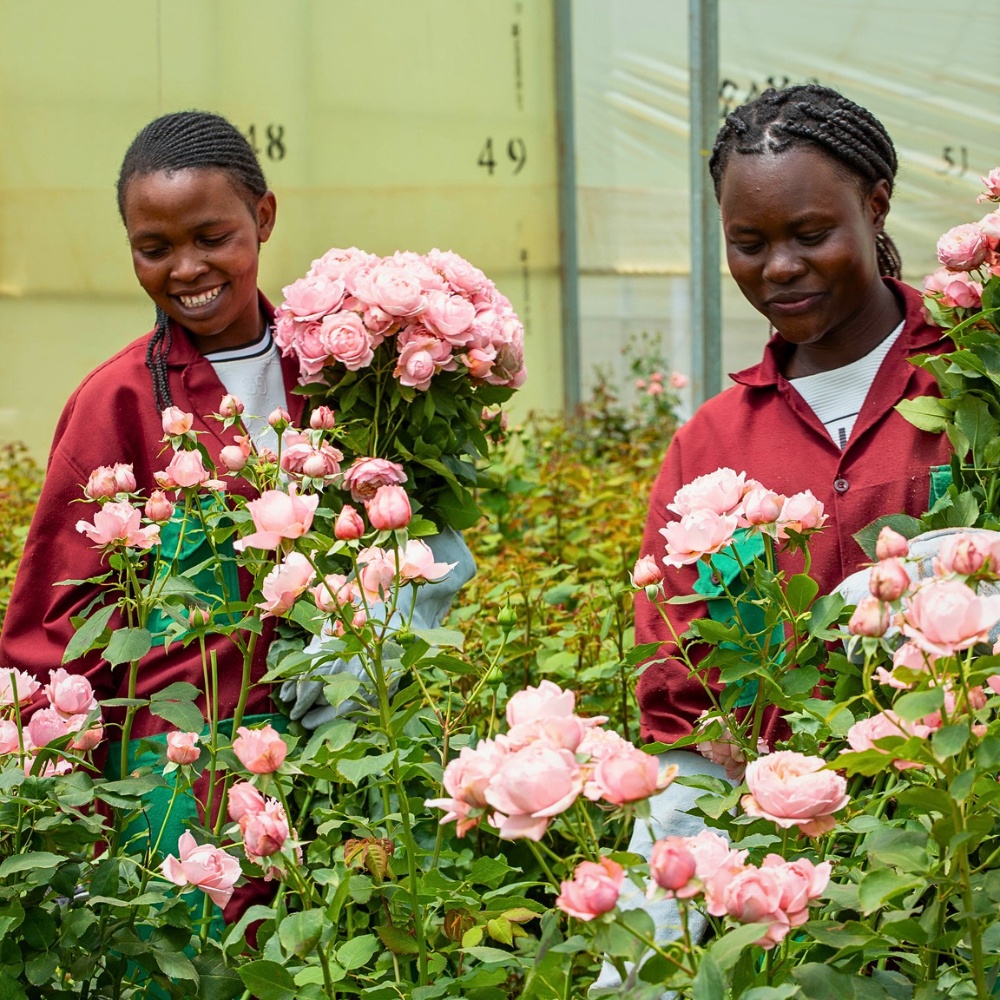
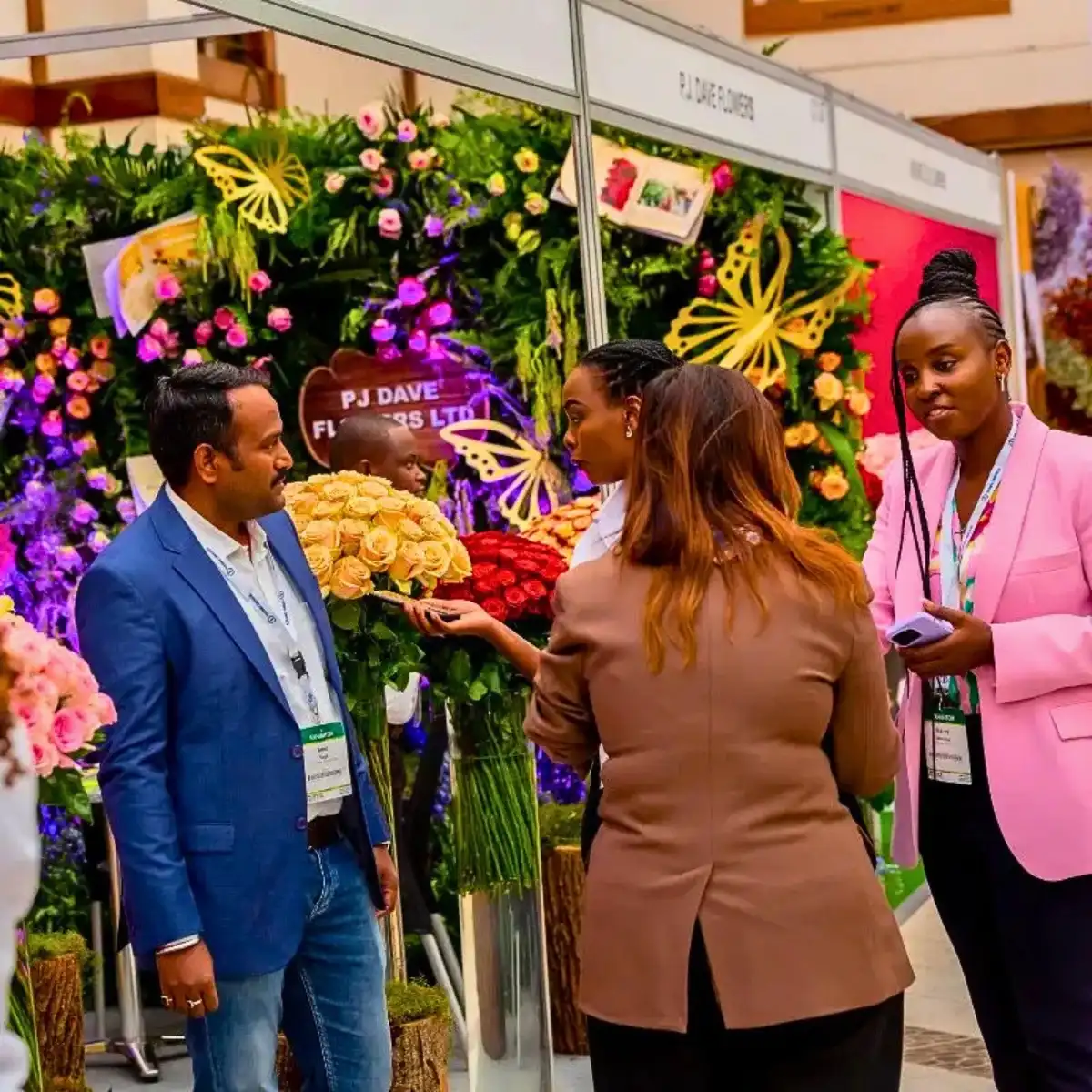
Most other growers have a similar approach in place. Sian Flowers, Red Lands Roses, Marginpar’s several farms, Kikwetu Flowers, PJ Dave Flowers Group, and hundreds of others spread across the country have related programs in their localities, with the benefits extending to other provisions, showing the philosophy shared by KFC and its more progressive members that the obligations of a flower farm extend to the communities that depend on it.
Across the sector, flower farms with higher levels of KFC certification have established programs providing maternal healthcare, safe childcare facilities, clean water, food crop farming, transport support for flower farm workers with long commutes, and even housing subsidies. Such measures address hurdles that have historically prevented women from accessing and retaining stable formal employment in rural Kenya.
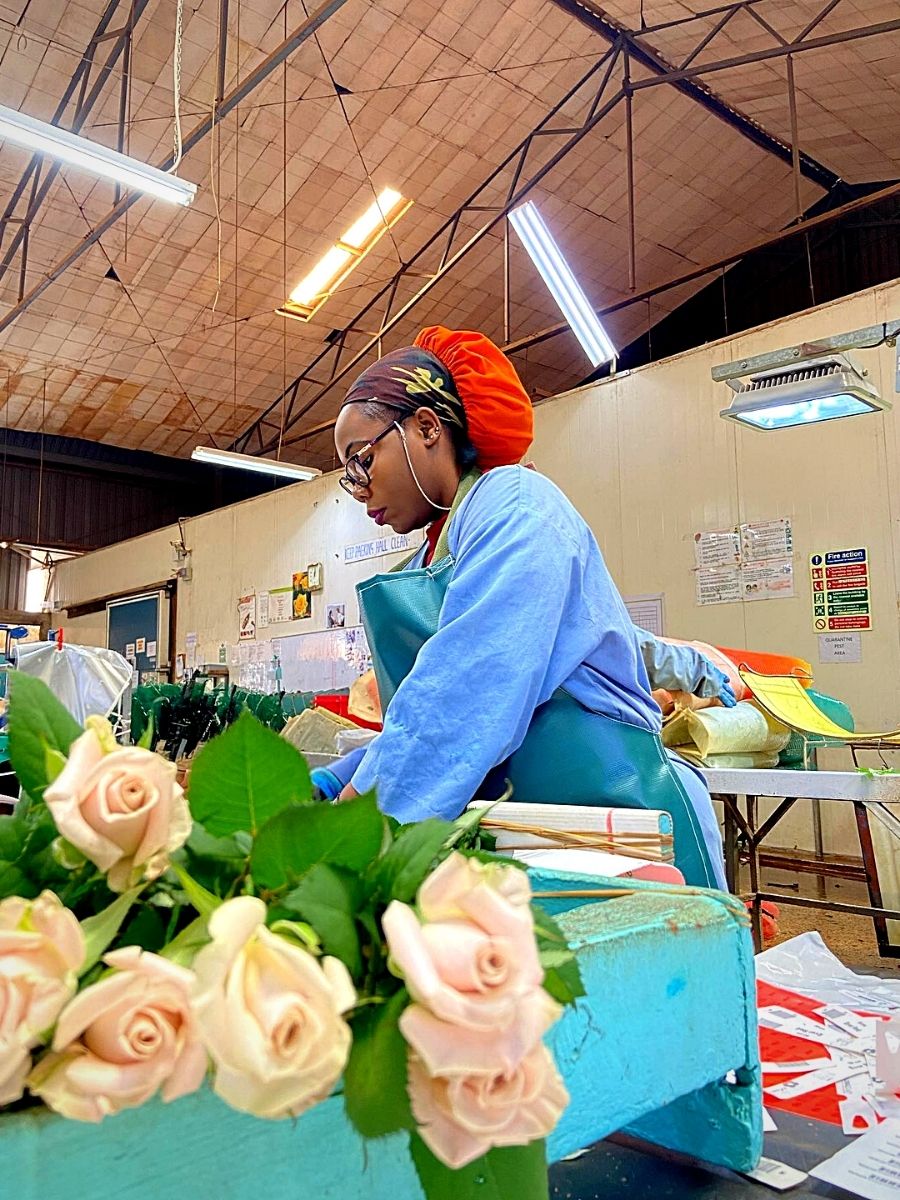
Furthermore, KFC has also strengthened its accountability mechanisms by working with international partners to advance social auditing practices, ensuring that commitments made in certification documents correspond with conditions on the ground. Gender-sensitive auditing, which considers women-specific workplace issues including privacy, maternity provisions, and freedom from harassment, has become increasingly set in the standards governing Kenya's floriculture sector.
Looking at the Sector Holistically
KFC is sincere about the fact that progress is not always uniform, and that not every member farm achieves the Gold Standard. There may still be gaps, including in the access to finance for small-scale women producers, the reach of training programs, and women's representation in senior governance. There is also informality in parts of the sector that fall outside KFC's affiliation, where women workers sometimes face labor conditions that characterized the industry in its early decades.
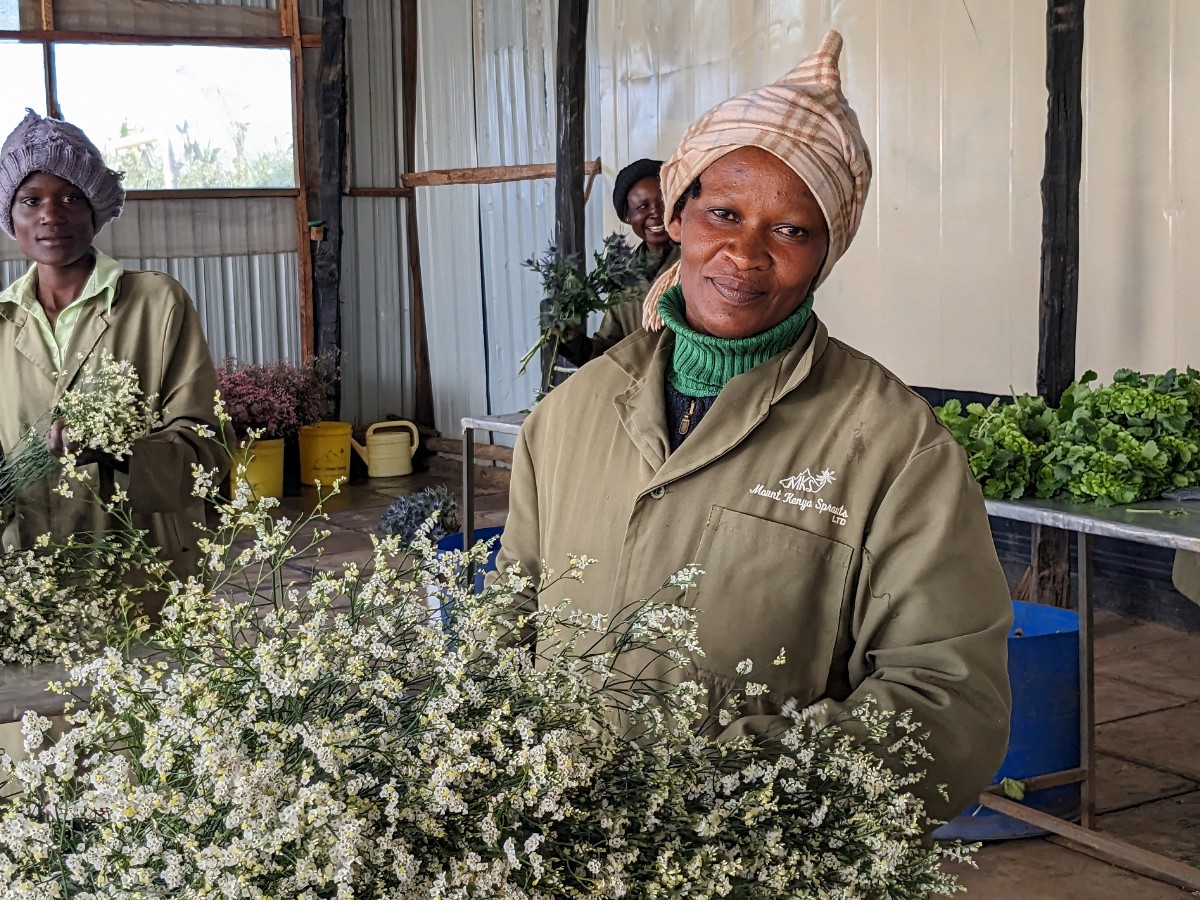
The direction of institutional effort is, nonetheless, defined within KFC's strategic pillars covering advocacy, compliance, data management, trade facilitation, innovation for sustainability, communication, and capacity building. These provide a coherent framework through which gender equity is addressed as an agenda that is part and parcel of the industry governance.
So, as international markets continue demanding ethical sourcing alongside quality, and EU regulatory frameworks increasingly require human rights due diligence across supply chains, KFC's approach, one would easily say, positions the Kenyan flower industry perfectly to meet all sets of expectations.
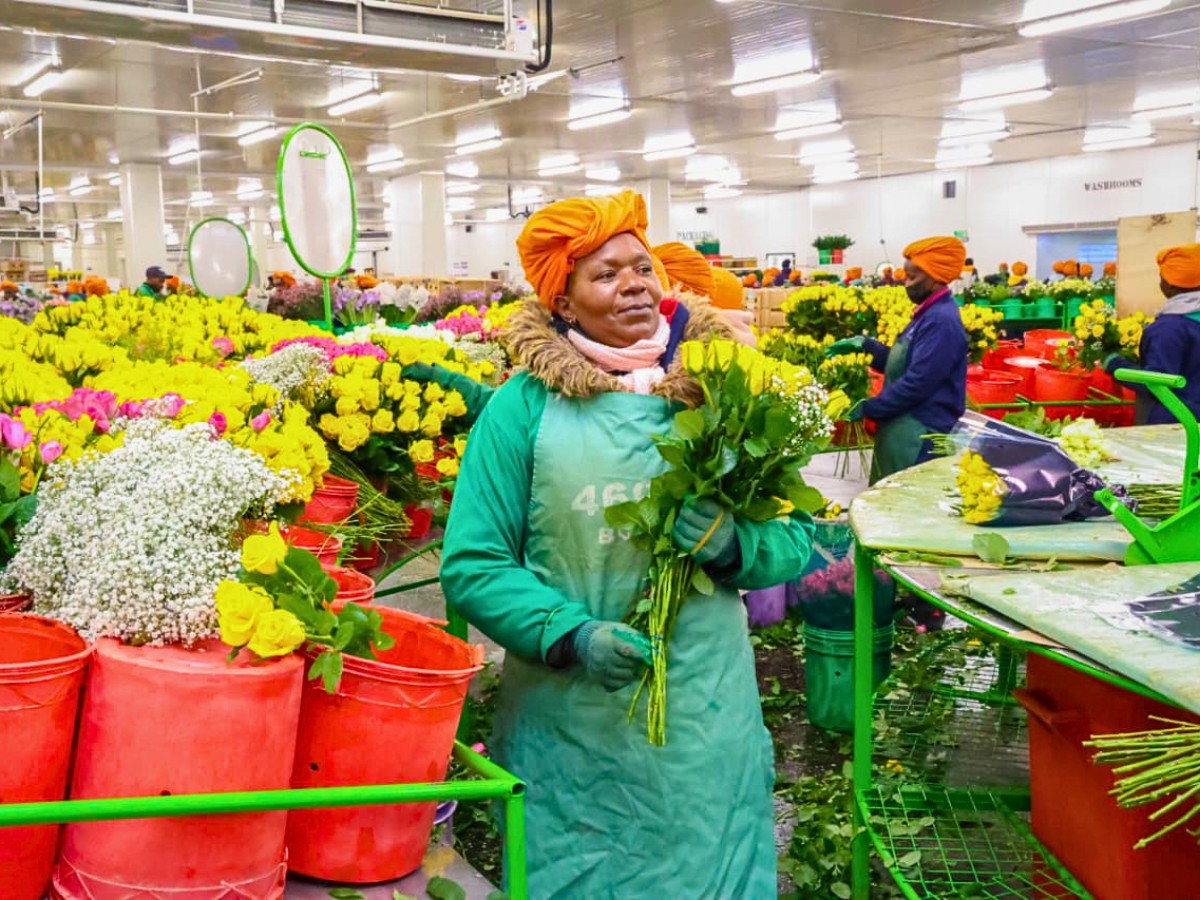
And yes, Mother's Day is here. Thousands of cut flowers are gifted globally, and they all have a supply chain backstory to them. Some of these are from a Kenyan flower farm, and in most cases, there is a mother in the supply chain picture.
Unless otherwise indicated, photos are by the Kenya Flower Council.