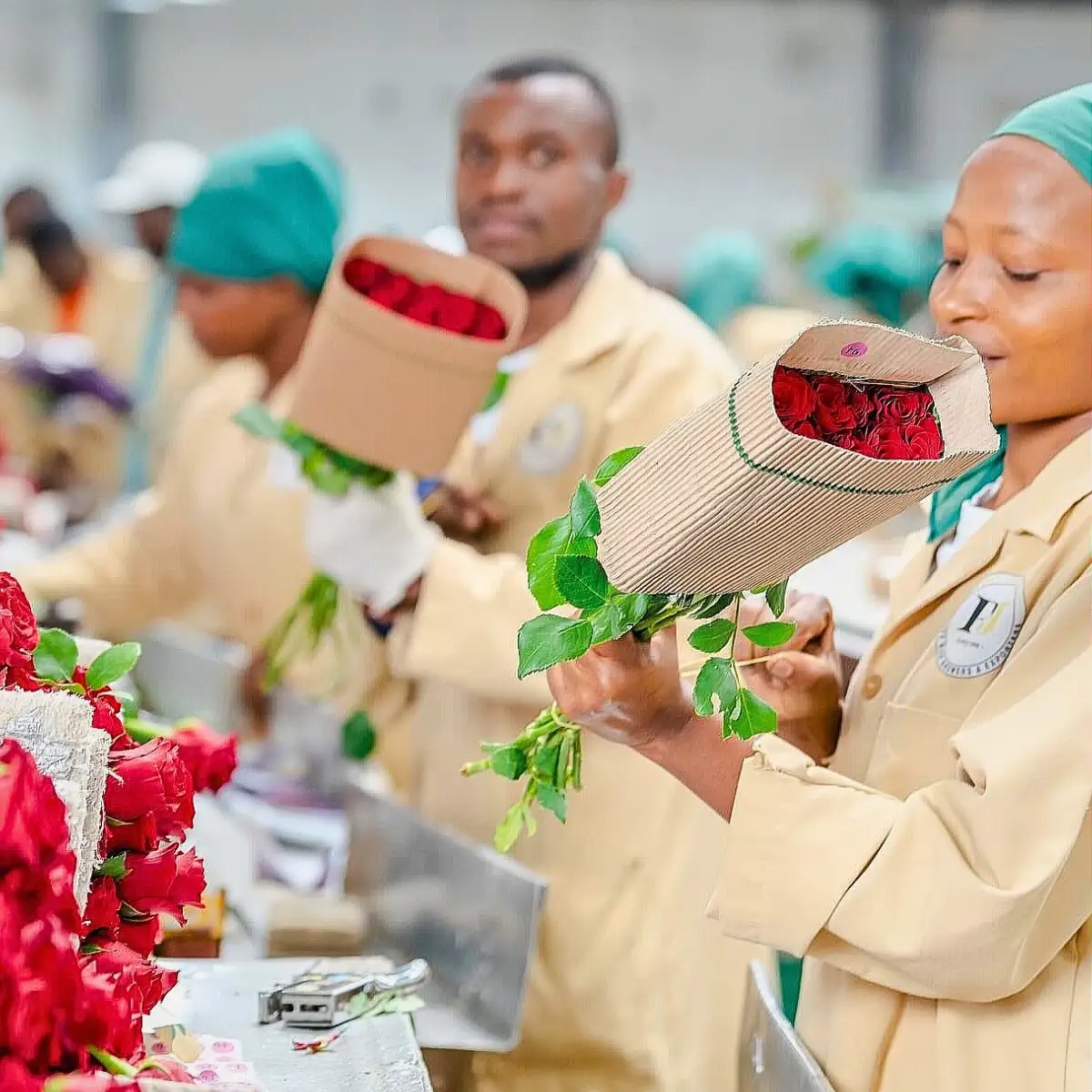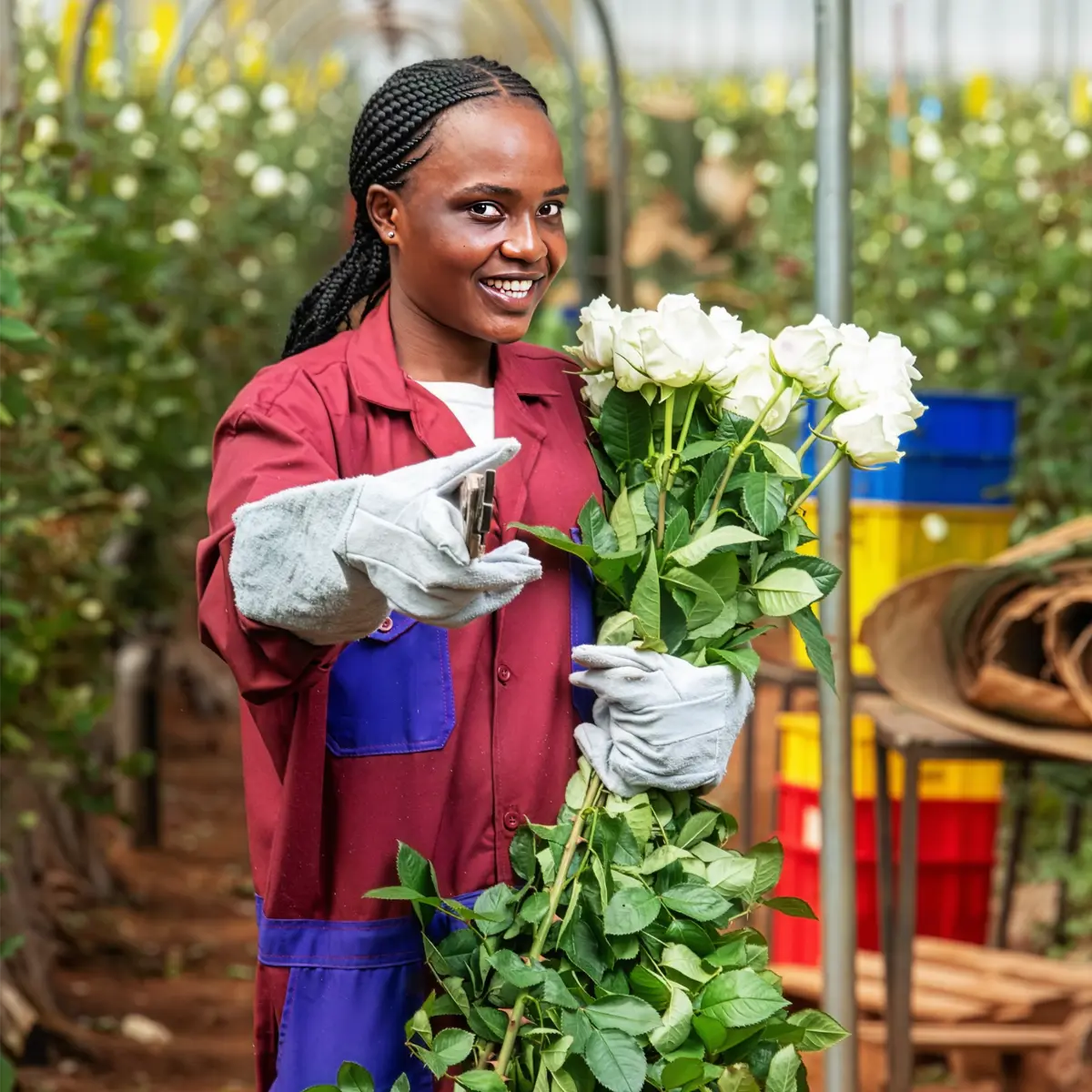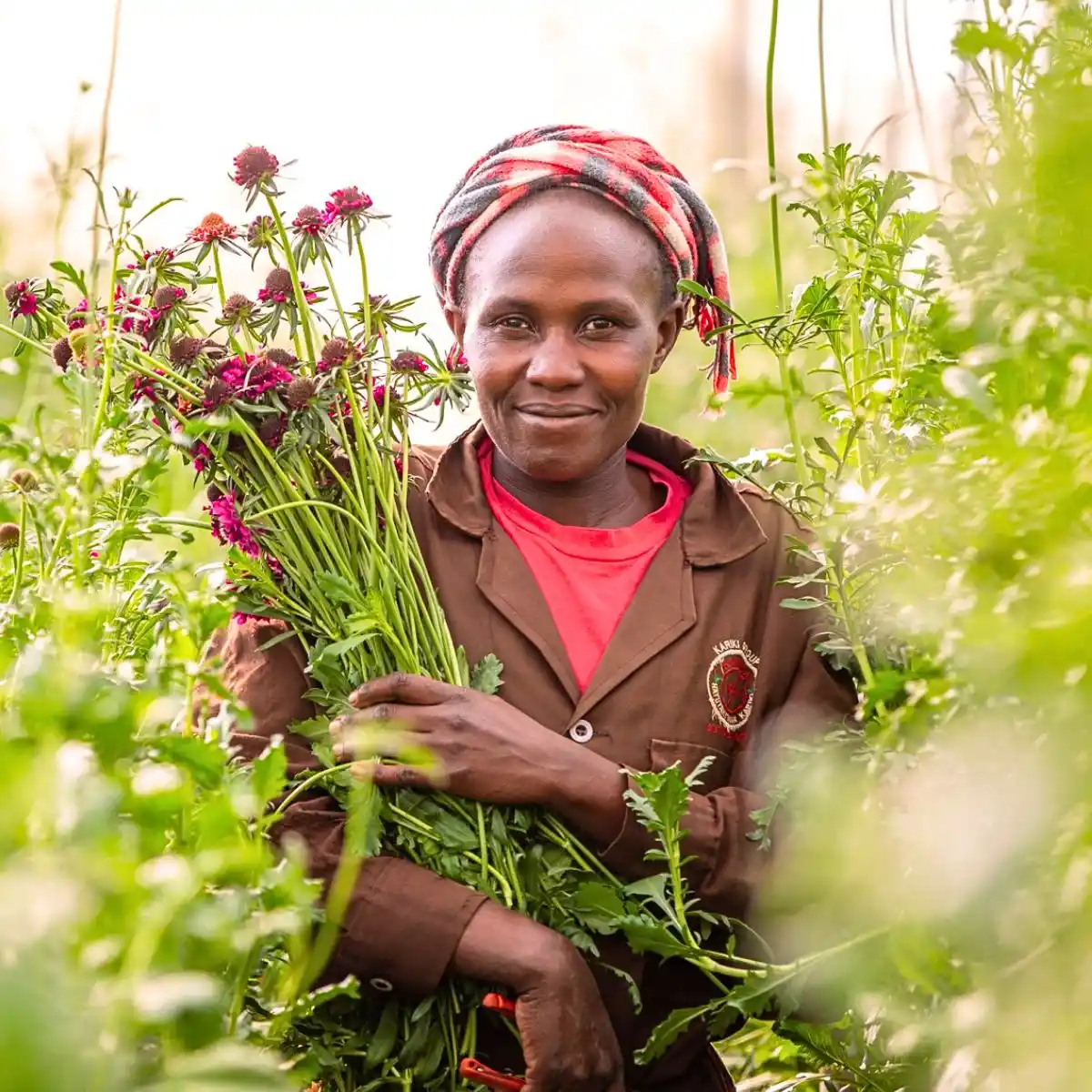
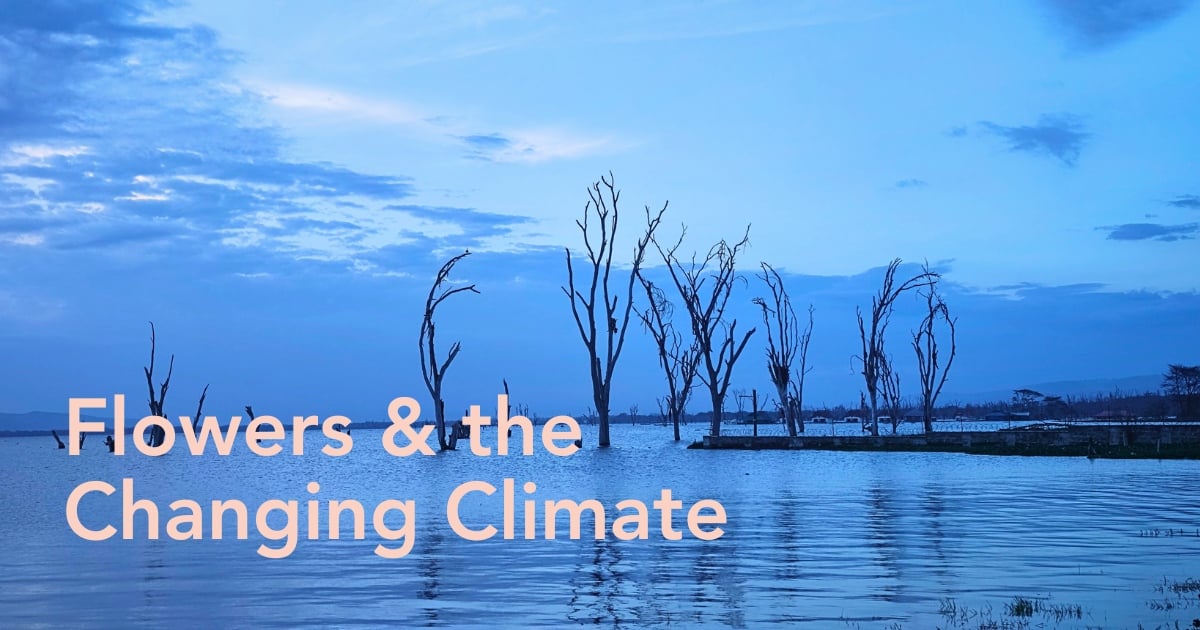
Many of Kenya's flower farms are located along the shores of Lake Naivasha, a lake that sometimes considerably ‘breaks its banks’ after heavy, incessant downpours. And while the ballooning lake presently often does not totally inundate the flower farms, large sections of some of these farms are affected. It reads quite like a paradox that a sector largely reliant on water is sometimes threatened by too much of it, plus pests, and rains that come and go with little warning.
An Industry Built on Natural Advantages
Kenya's floriculture industry grew (and continues to grow) on deserved merits. The Rift Valley offers high altitude, near-constant sunshine, volcanic soils, and freshwater from its lakes, including Lake Naivasha. European growers hardly match these conditions. Over several years, this combination turned Naivasha into one of the world's most productive flower-growing basins, supplying roughly 38% of the European Union's rose market.
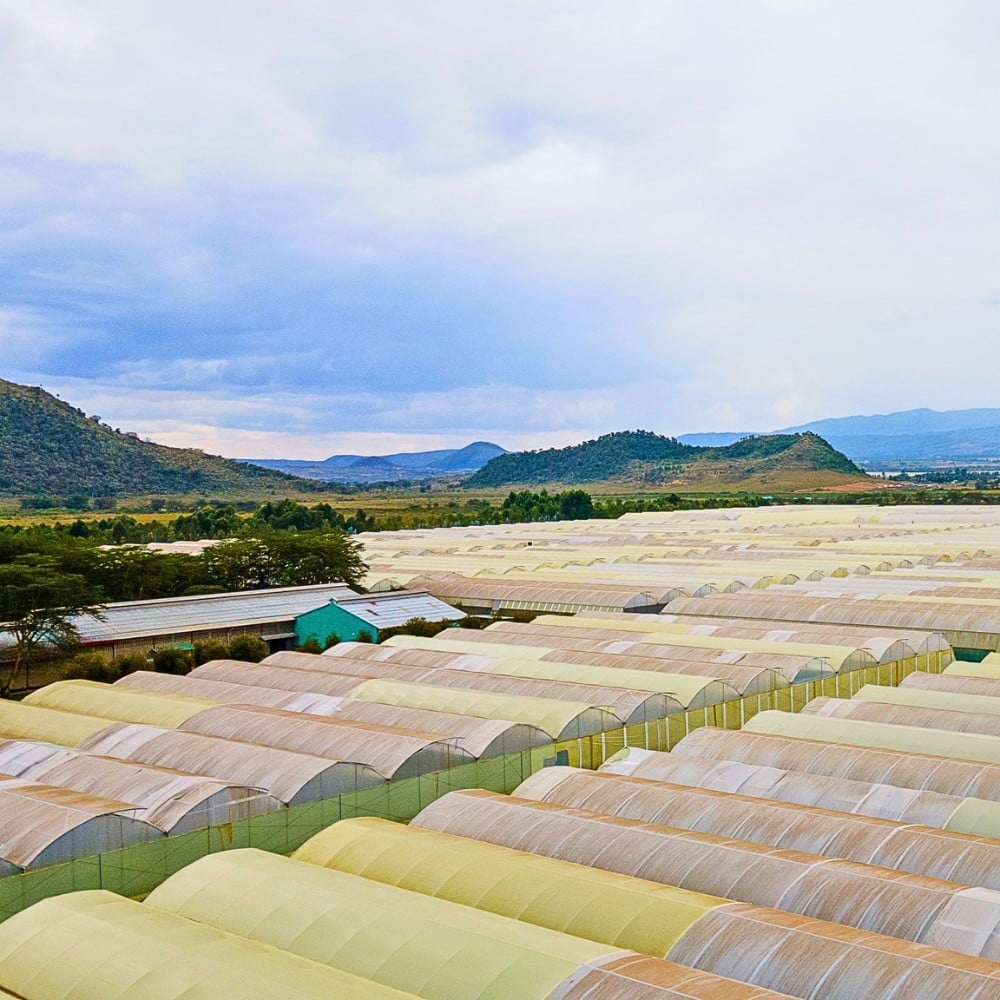
The floriculture sector, in turn, contributes significantly to Kenya’s economy. Through specialty cut flower exports, it accounts for more than 1.5% of the GDP and 62% of total horticultural exports by value. It supports more than 200,000 direct and many more indirect jobs. Women make up a significant share of the workforce. All these are an economic identity of an industry built on natural advantages. But climate change threatens it if it worsens.
The Hydrological Squeeze of Swelling Lakes
Perhaps one of the most evident manifestations of climate vulnerability is the physical expansion of the closed-basin lakes that dot the Great Rift Valley. The horticultural sector around Lake Naivasha has gradually expanded into the outer margins of the historical lake bed, treating the receding shoreline as cultivation land.
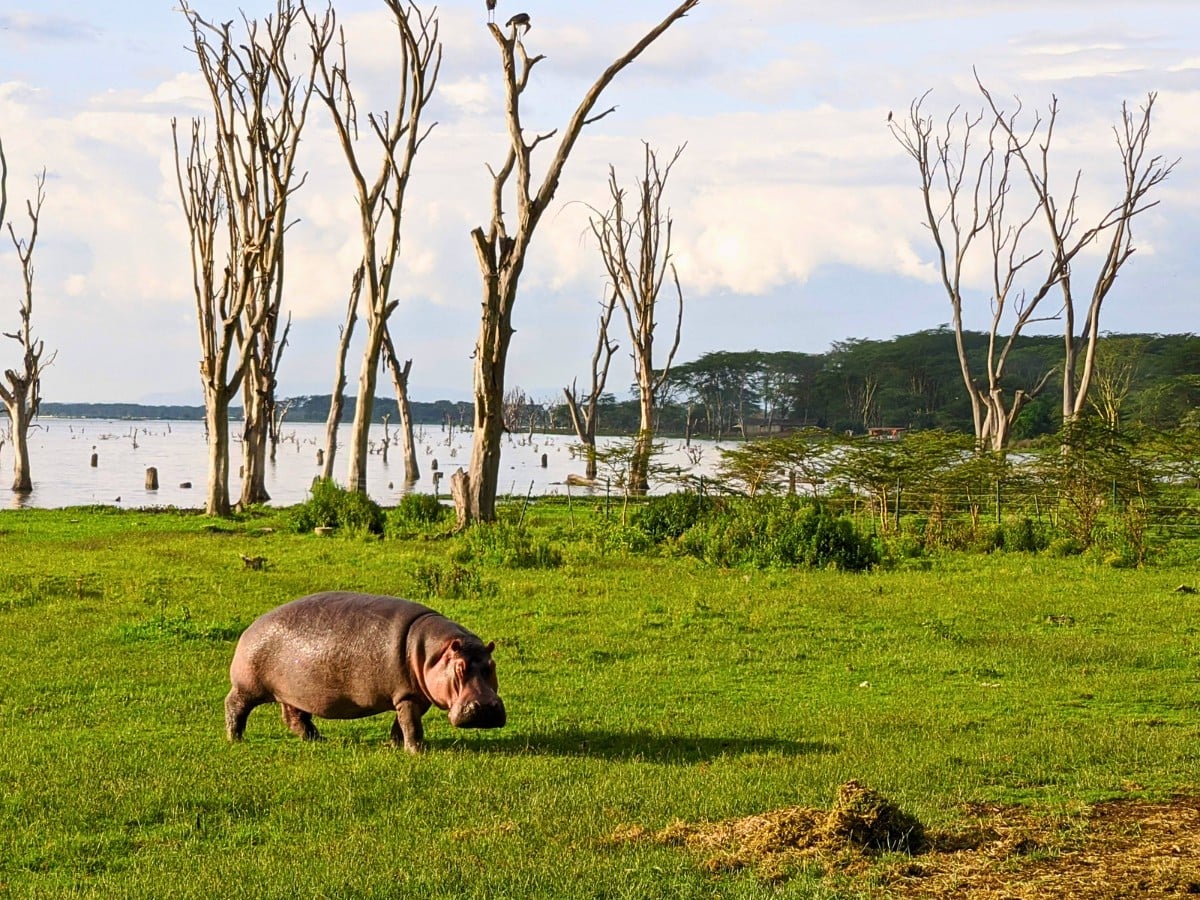
On the other hand, long-term regional data indicates a reversal since 2010. Driven by a combination of factors like intense regional precipitation, heavy sedimentation from degraded upstream catchments, and subtle tectonic changes, the lake surface area has stretched by more than 20% over a decade.
Since around 2011, Lake Naivasha's shoreline has been advancing inland, submerging flower farm infrastructure near the shore and homes that had been on dry land in previous years. By the mid-2020s, these rising waters reached higher benchmarks, sometimes causing a literal submergence of some high-value industrial infrastructure. Multi-span commercial greenhouses, specialized research facilities, and advanced irrigation pumping stations have often been inundated by the advancing shoreline.
The rising water table also altered the local cartography, forcing some commercial growers to abandon hectares of highly fertile riparian land, disrupting production plans and prompting a costly retreat to higher ground, where infrastructure had to be rebuilt.

Still, NASA Earth Observatory satellite data shows the lake’s depth has increased by roughly seven meters since 2010, while its surface area stretched out by about 40%, adding an estimated 50 square kilometers of water to the basin. Reports describe how the lake ballooned at the height of its expansion and how it had engulfed up to three-quarters of some flower farms along its shoreline.
The Pattern Repeats Across the Region
Lake Naivasha’s expansion is not an isolated event but part of the climate impacts across Kenya's Rift Valley lakes. Lake Baringo, Lake Bogoria, Lake Nakuru, and Lake Turkana have all been rising, and the pattern goes even outside of the country’s borders, including in Ethiopia, where Rift Valley lakes exist.
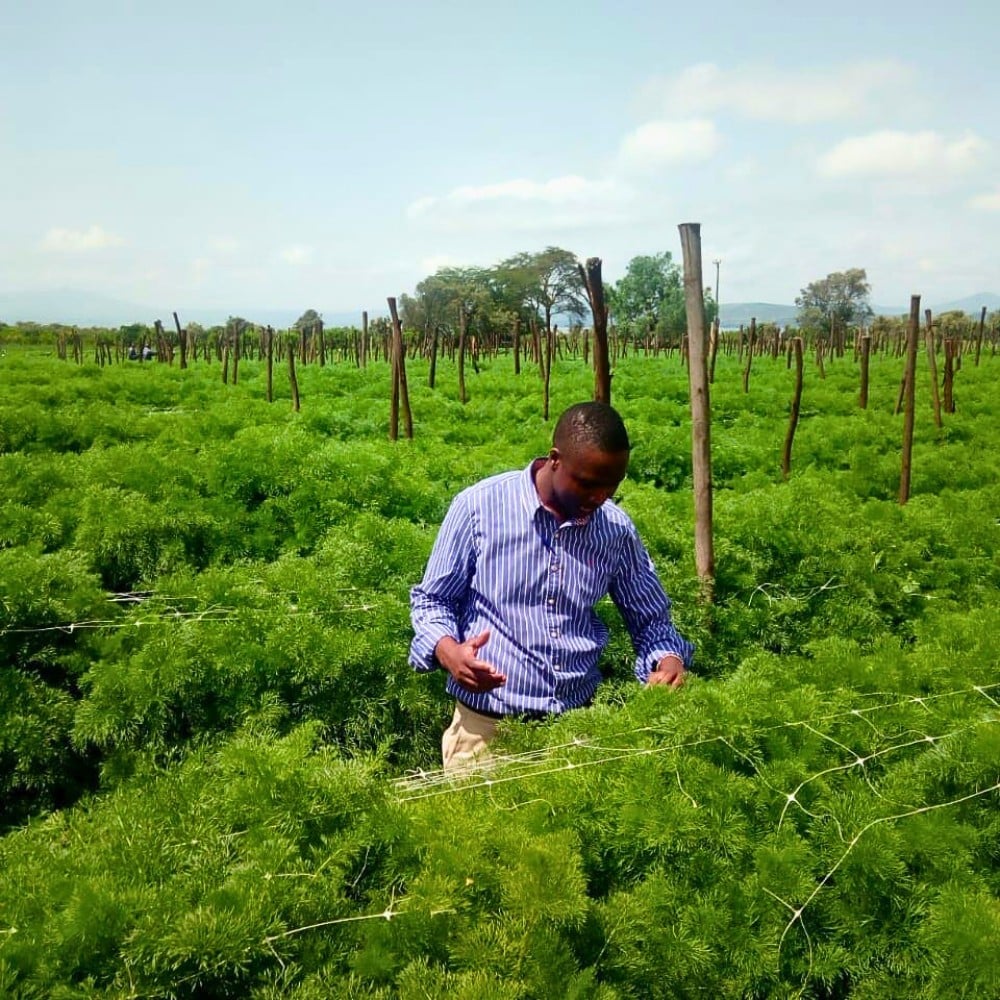
Scientists point to several causes acting together, including positive phases of the Indian Ocean Dipole, a climate pattern driven by temperature differences across the Indian Ocean, which have repeatedly pushed heavy rainfall onto East Africa, a dynamic often intensified by El Niño. A study published in the Journal of Hydrology found that lake surface areas across East Africa increased by roughly 71,822 square kilometers between 2011 and 2023.
Deforestation in water towers like the Mau Forest Complex has also reduced the land's ability to absorb rainfall slowly, sending water rushing into rivers feeding the lake basins instead. Sedimentation from degraded farmland has also clogged underground drainage channels that often helped regulate lake levels. In all these, the human toll has been severe.
Heat, Drought, and Disrupted Growing Cycles
While flooding around Lake Naivasha says one side of the story, in other growing areas, and even within Naivasha between flood events, the opposite of the problem is taking hold. Higher temperatures and changing rainfall patterns are disrupting growth cycles and increasing pressure on irrigation systems across the flower belt.
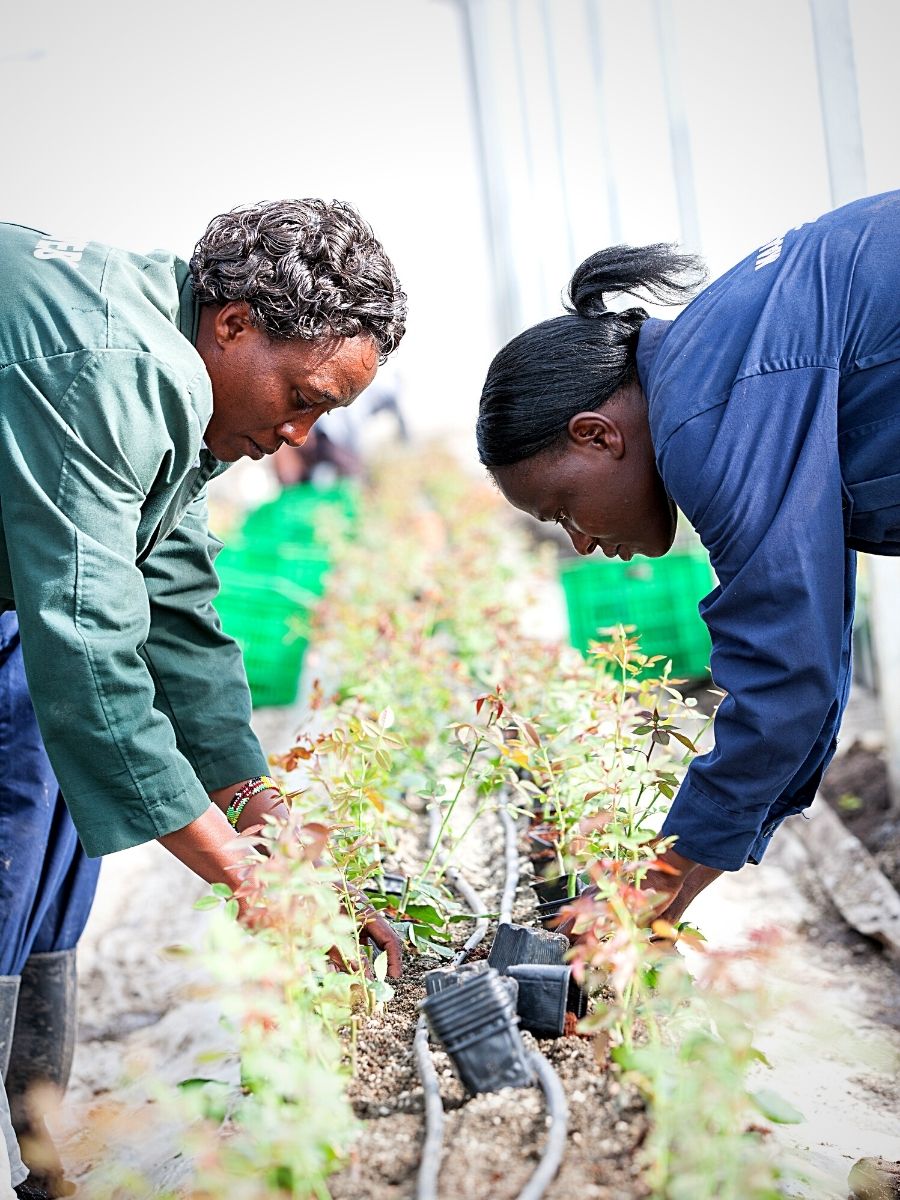
Roses are sensitive to temperature swings. Higher day temperatures accelerate the developmental cycle of the flower bud, while unusually hot spells push plants to flower too early, which shortens stem length and reduces vase life. Because these flowers require sufficient water almost always, scarcity is becoming a problem in some growing regions.
Still, because rose cultivation is water-intensive, prolonged dry spells strain irrigation systems, forcing some farms to prioritize which blocks of crops receive water. Erratic rainfall, meaning rain that arrives later than expected, in shorter and more intense bursts, or not at all during traditionally reliable months, also makes planting and harvest planning considerably harder.
Emboldened Pest Threat
But there is more. Warmer, more erratic conditions have also changed the pest landscape. The False Codling Moth has emerged as one of the most serious threats to flower farms, and its spread has been widely linked to changing climatic conditions. It has been described as a pest with changing behavior, which was barely a concern only a few years ago.
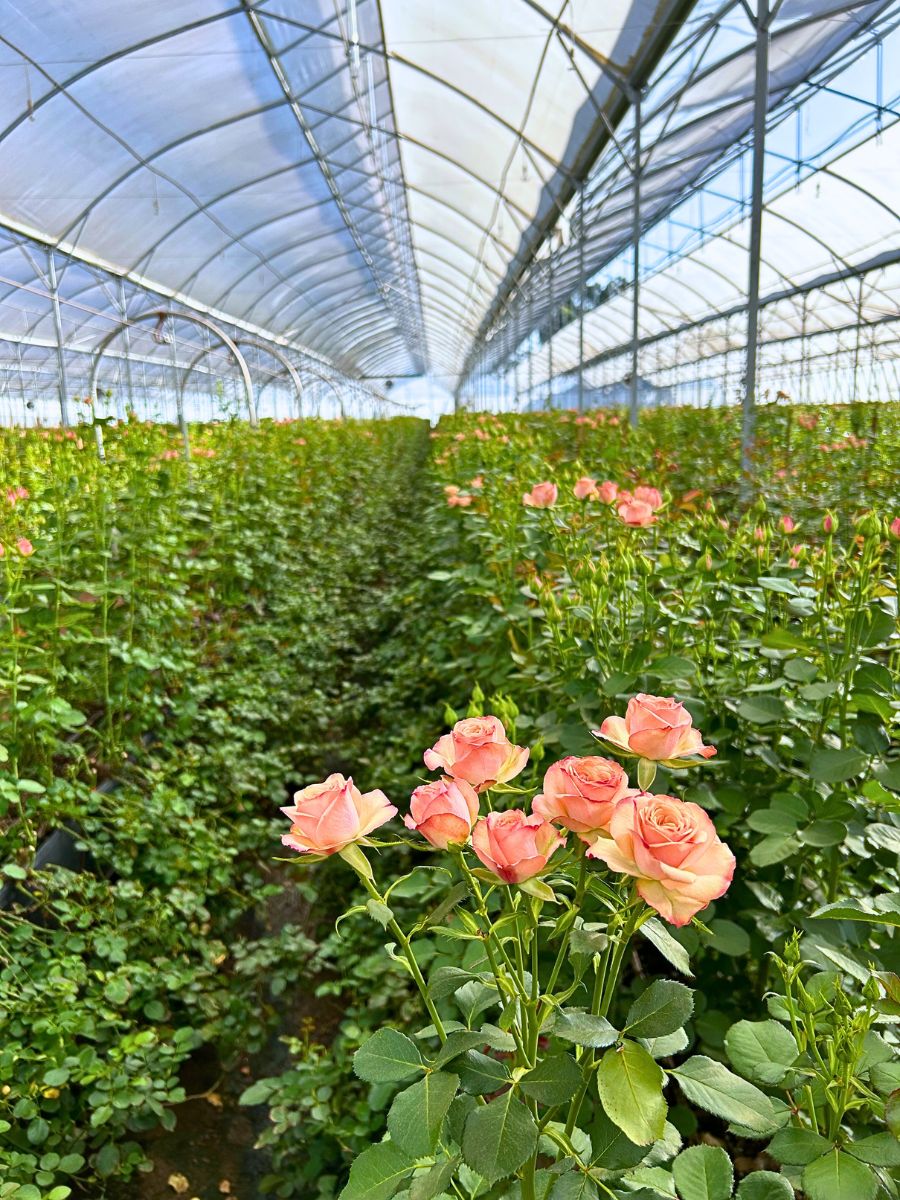
Because many export markets maintain strict phytosanitary standards, a pest threat has quite some trade implications. But Kenya’s Plant Health Inspectorate Services (KEPHIS) has, in response, developed the Rose False Codling Moth Systems Approach; a farm-level management framework built on active surveillance, farm inspections, and integrated pest management (IPM).
This initiative has strengthened its regional support facilities in Naivasha, Timau, Nakuru, Eldoret, and at Jomo Kenyatta International Airport (JKIA). The vast majority of Kenyan flower growers have now adopted IPM systems, using beneficial insects and organic approaches to fight this pest, which reduces the need for chemical pesticides.
Escalation of Phytosanitary Challenges
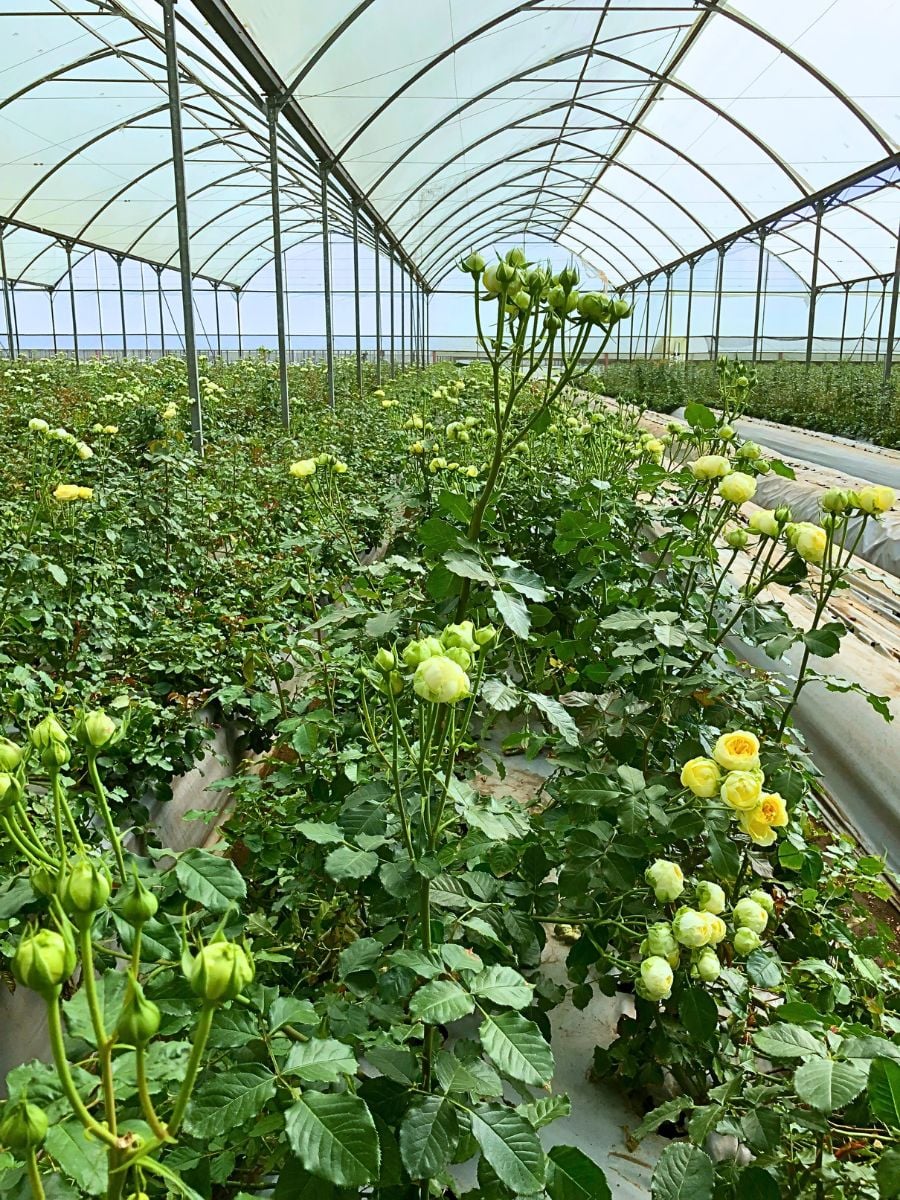
A warmer, more humid environment also creates an ideal breeding ground for pathogens, and Kenya’s flower exporters must adhere to stringent maximum residue limits and zero-tolerance policies for specific quarantine pests enforced by regulatory bodies. Managing these rising biological pressures has become a primary operational necessity.
- Fungal pathogens: Increased ambient humidity inside greenhouses triggers fast outbreaks of Downy Mildew (Peronospora sparsa) and Grey Mold (Botrytis cinerea), which quickly ruin the aesthetic quality of leaves and petals.
- Insect vectors: Warmer baseline temperatures accelerate the reproductive cycles of destructive pests such as Thrips (Thysanoptera) and Red Spider Mites (Tetranychus urticae), leading to faster infestations that require continuous monitoring.
- Resistance management: The necessity for more frequent crop protection interventions complicates resistance management programs and increases production overheads.
Logistics, Cold Chain Integrity, and Carbon Footprints
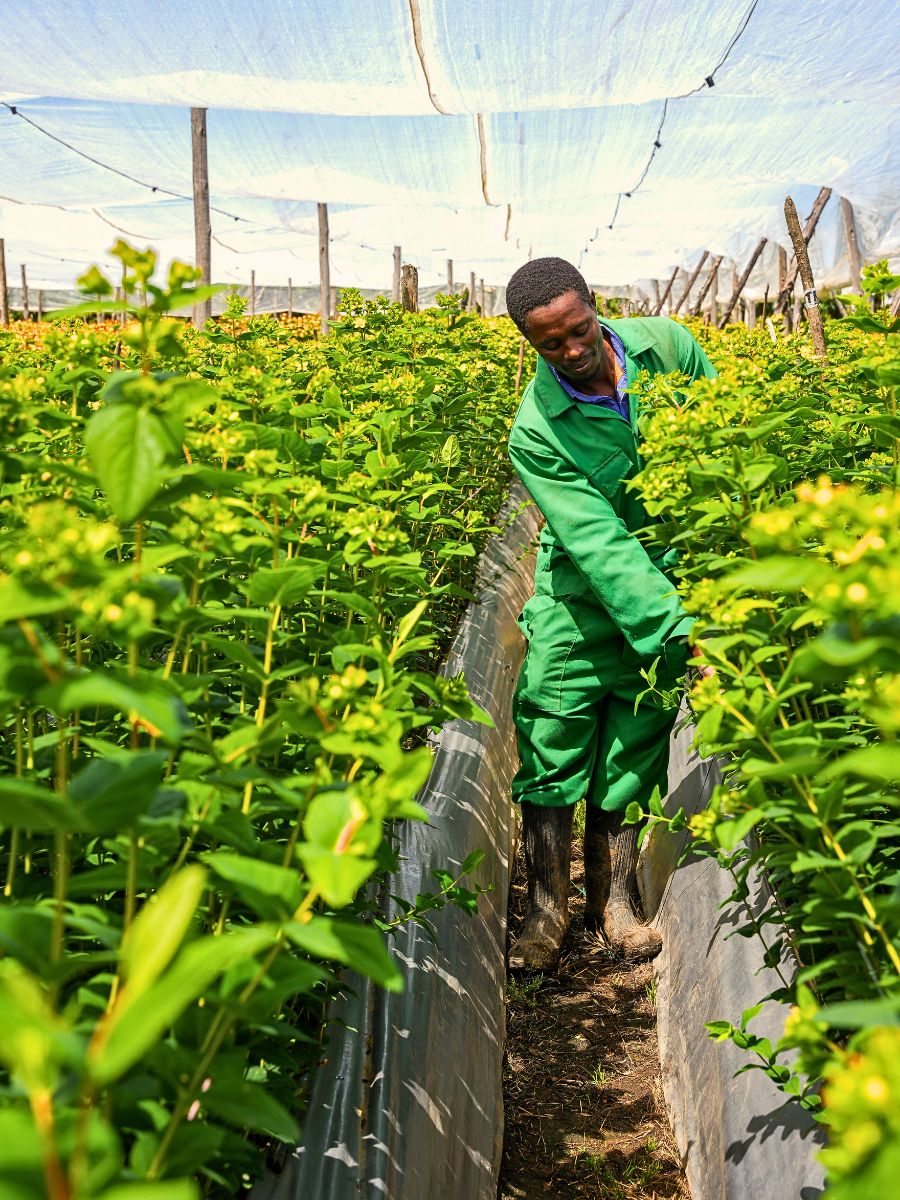
The vulnerability of the flower industry to climate shocks also extends to the domestic transport and air freight logistics network. Cut flowers are highly perishable and require an uninterrupted cold chain from harvest to the final destination.
Extreme weather events, like flash floods triggered by intense storms, frequently damage regional road infrastructure, delaying transport from processing hubs to JKIA in Nairobi, yet a few hours of exposure to ambient tropical temperatures during a transit delay could drastically reduce flowers’ shelf life. Also, the industry faces pressure regarding its carbon footprint.
While studies show that growing flowers under natural sunlight means lower lifecycle emissions than in heated greenhouses elsewhere during winter, reliance on air freight has always been at the center of environmental scrutiny. As carbon tax frameworks evolve internationally, the sector is forced to explore more efficient transport options, including sea freight in temperature-controlled reefers.
The Economic Veracities and How the Industry Is Adapting
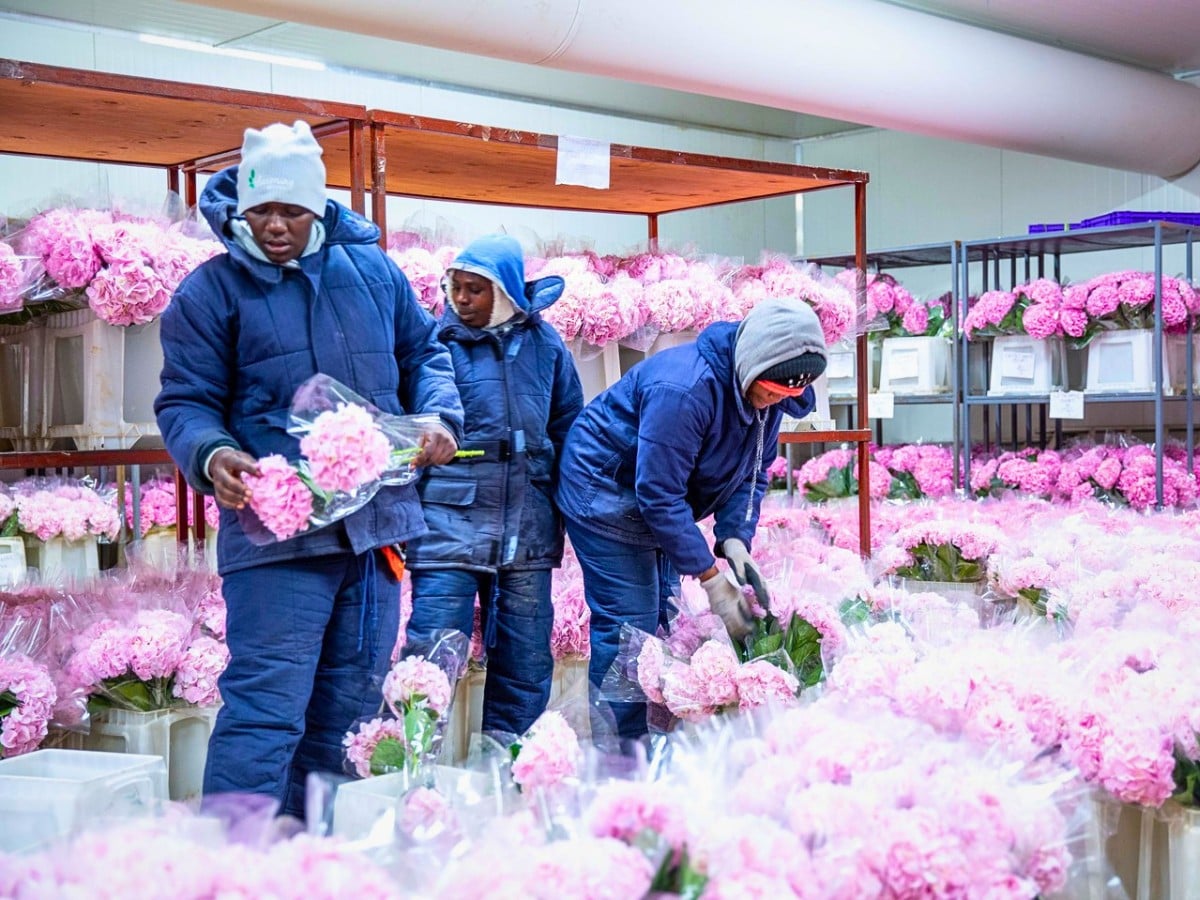
The economic stakes could not be higher for the East African country. Floriculture is a significant contributor to its economy and supports many livelihoods. Yet the loss of arable land and increased investment required for technological upgrades put significant financial pressure on small and medium-scale producers, leading to consolidation within the industry.
Addressing these prevailing realities requires cohesive policy interventions tying together economic ambition and ecological preservation. The Kenyan flower industry has been putting in place adaptive measures. Drip irrigation, water recycling mechanisms, and formal water management programs are now more common across farms seeking to conserve water during dry spells while managing flood risk during wet seasons.
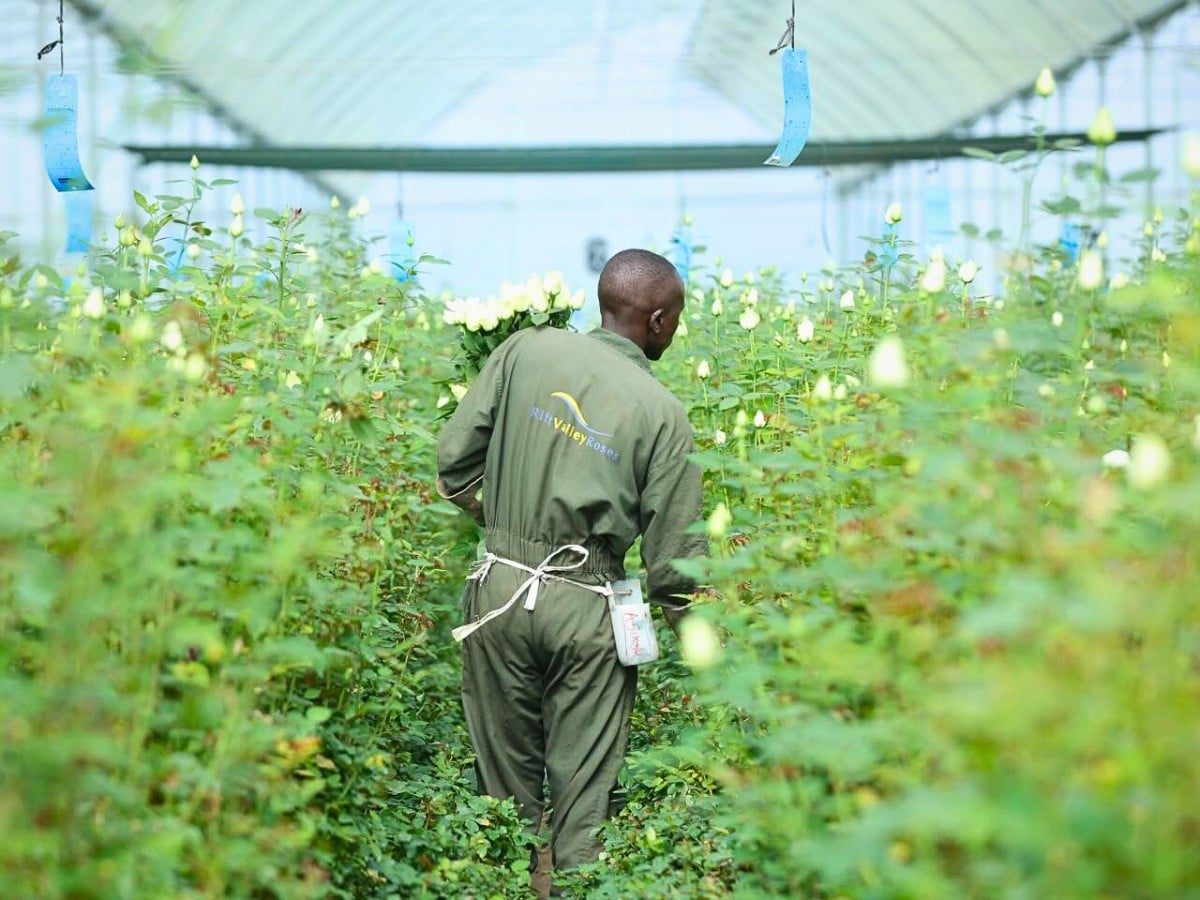
The sector has also moved toward greater transparency around its environmental footprint. In partnership with sustainability organizations like MPS, the Kenya Flower Council (KFC) is, for instance, developing applicable mechanisms that provide suitable data as European buyers, who purchase the bulk of Kenya's flower exports, put more emphasis on sustainability attributes.
Kenya's Climate Smart Agriculture Strategy also aims to build resilience to temperature and rainfall changes across agriculture while reducing emissions and strengthening supporting policy. Digital soil mapping, satellite monitoring, and solar-powered irrigation are increasingly deployed to help growers make better decisions under unpredictable conditions, though adoption costs remain a barrier for smaller operations.
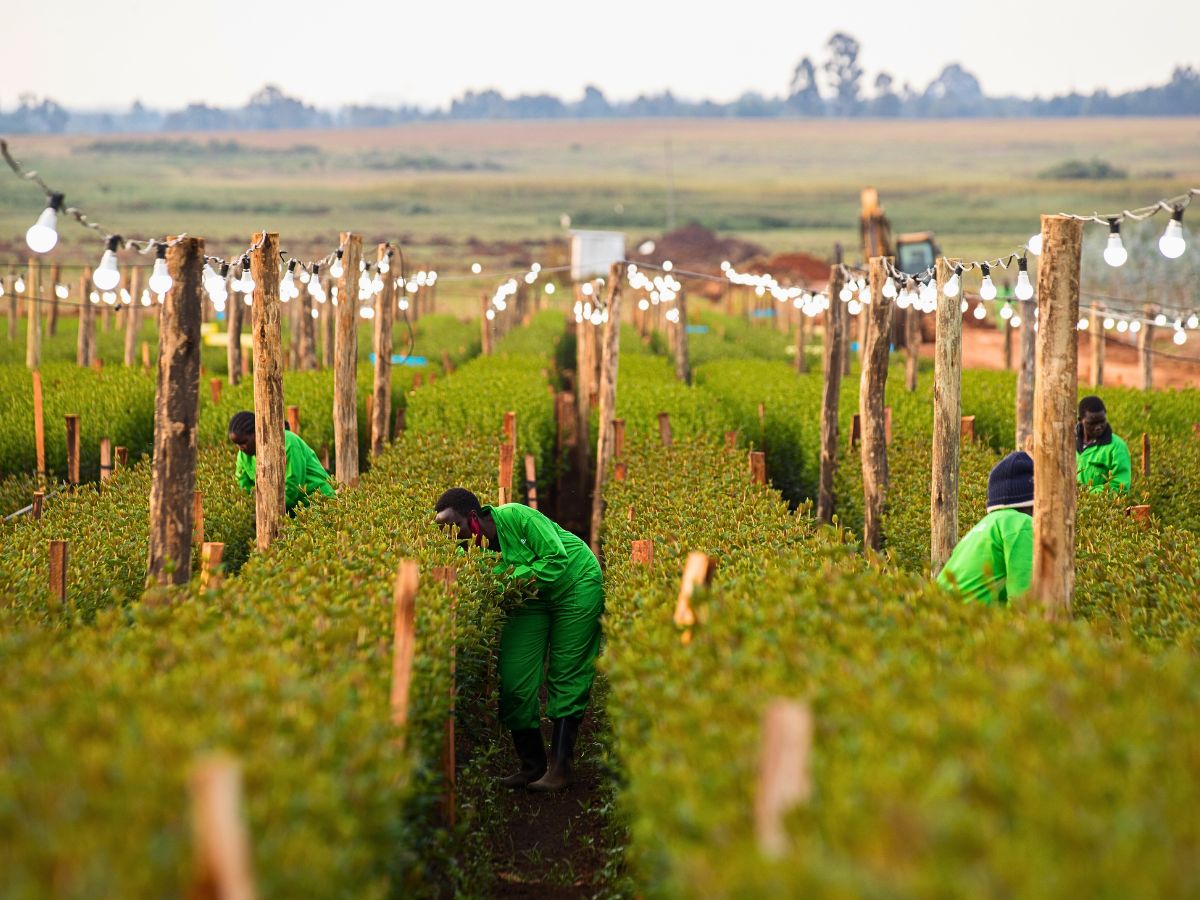
But for the expanding lakes, there are more proposed solutions, including creating clearer demarcations of riparian boundaries based on long-term historical water marks, enforcing buffer zones that allow the lake to fluctuate without damaging infrastructure, and moving away from hard engineering responses toward natural buffer systems.
For the flower industry specifically, this would mean relocating vulnerable greenhouse blocks away from the immediate shoreline, investing in flood-resilient infrastructure for facilities that remain, and diversifying growing sites across different regions to reduce dependence on any one water body.

Meteorological officials also stress the need for conservation agriculture and reduced land disturbance in catchment areas that feed the Rift Valley lakes system, which addresses root causes and not the symptoms. Implementing specific landscape initiatives that protect natural water towers like the Mau Forest Complex would, for instance, regulate downstream runoff into the lakes. Such interventions guarantee that the industry remains strong amid the prevailing impacts.
Featured image by @theflowerhubkenya. Header image by silas tarus.