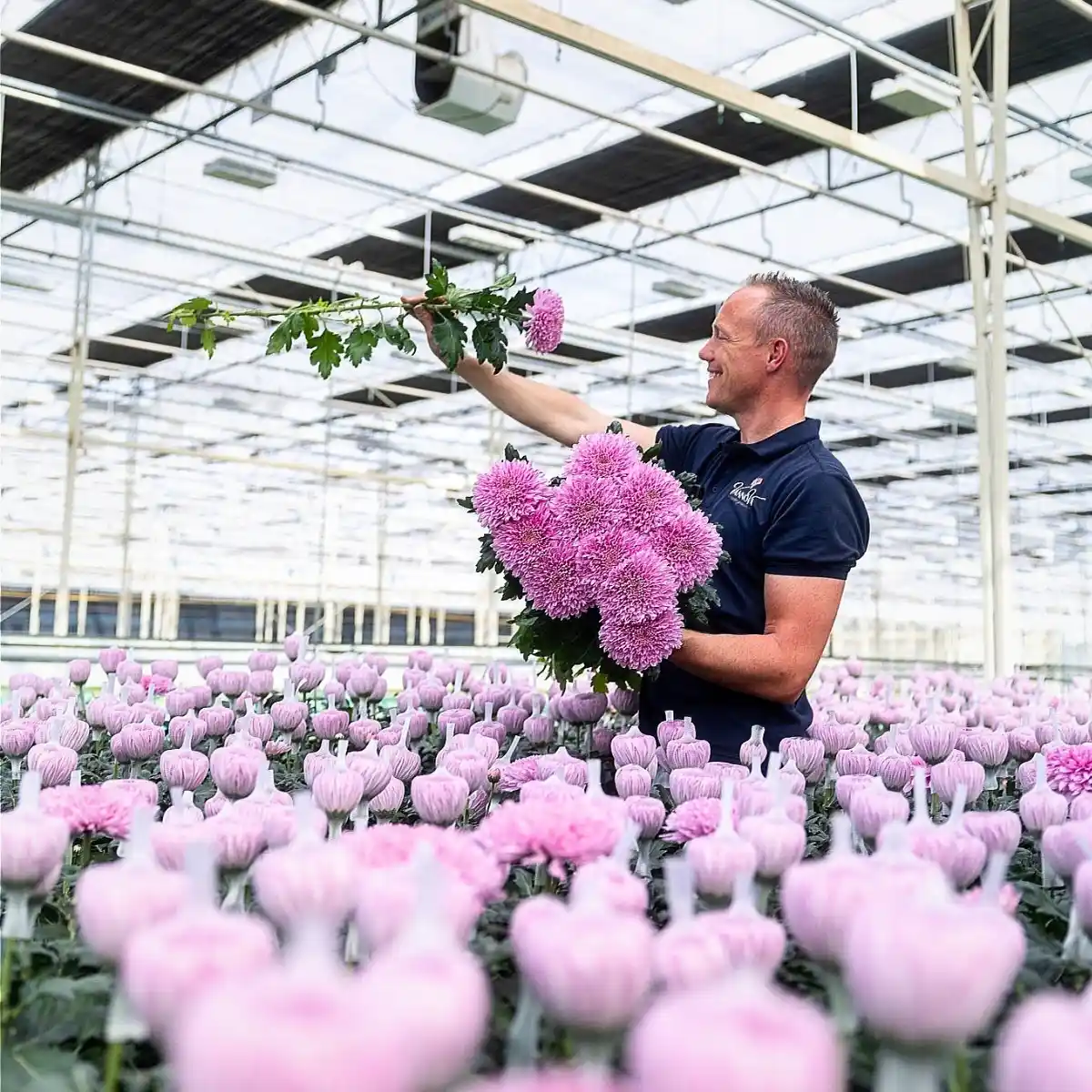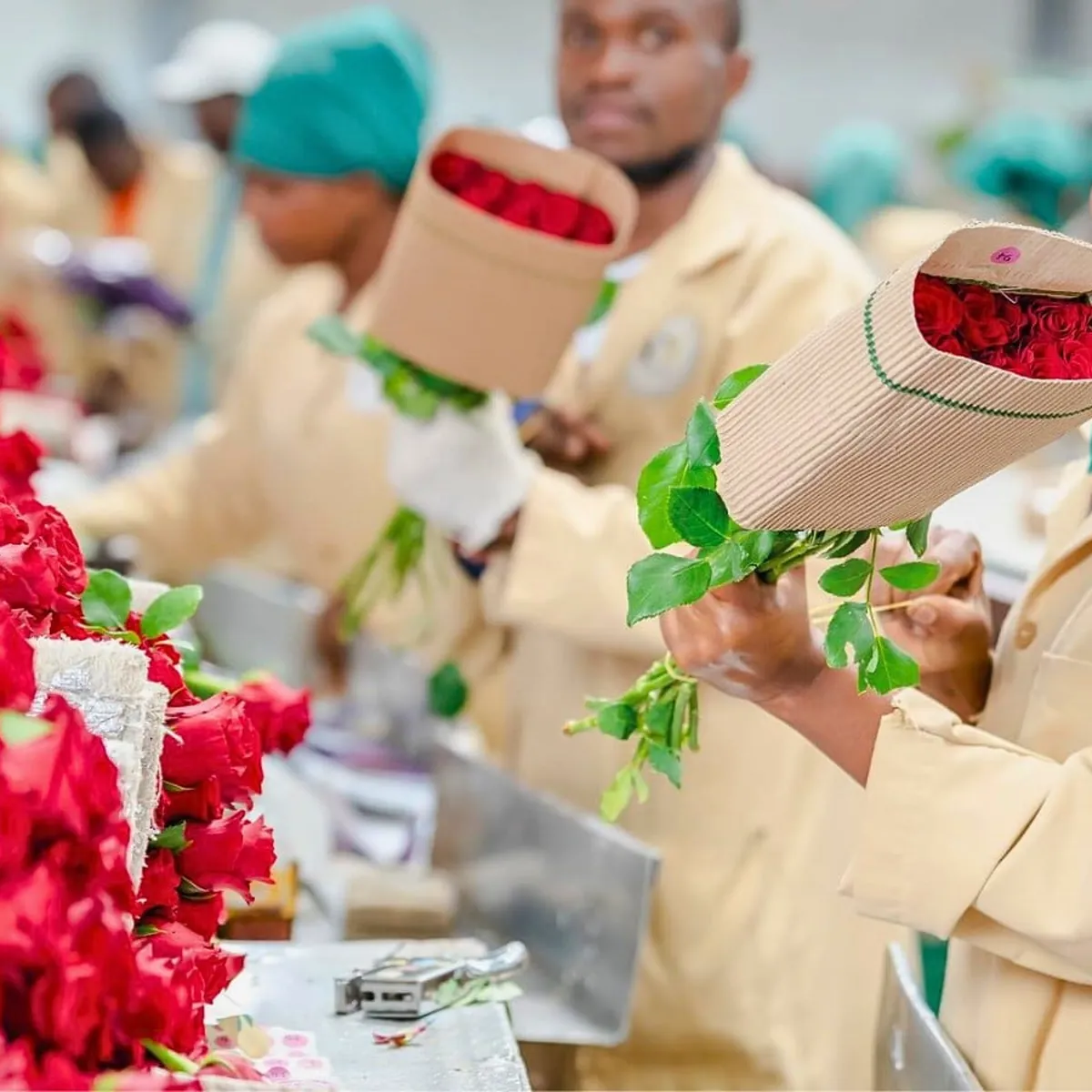
Floriculture is a thriving global industry, but it grapples with the persistent challenge of pest infestations. These pests threaten flower health, reduce yields, and compromise quality. Growers have often relied on chemical pesticides to fight these pests, but this approach often came at a cost: environmental degradation, pesticide resistance, and risk to human health.
While there have been many solutions proposed in response to this challenge, perhaps none works as sustainably as integrated pest management (IPM). The nature of the flower trade, after all, calls for more and more sustainable practices and interventions. And IPM presents a game-changing yet sustainable approach, blending ecological wisdom with practical solutions.
Integrated Pest Management (IPM) in Floriculture
IPM is a science-based, comprehensive approach to pest control that prioritizes long-term prevention and minimal harm to ecosystems. Unlike conventional methods that default to chemical sprays, IPM deploys a multi-pronged strategy tailored to the needs of the plants and environment. It emphasizes monitoring, prevention, and targeted interventions.
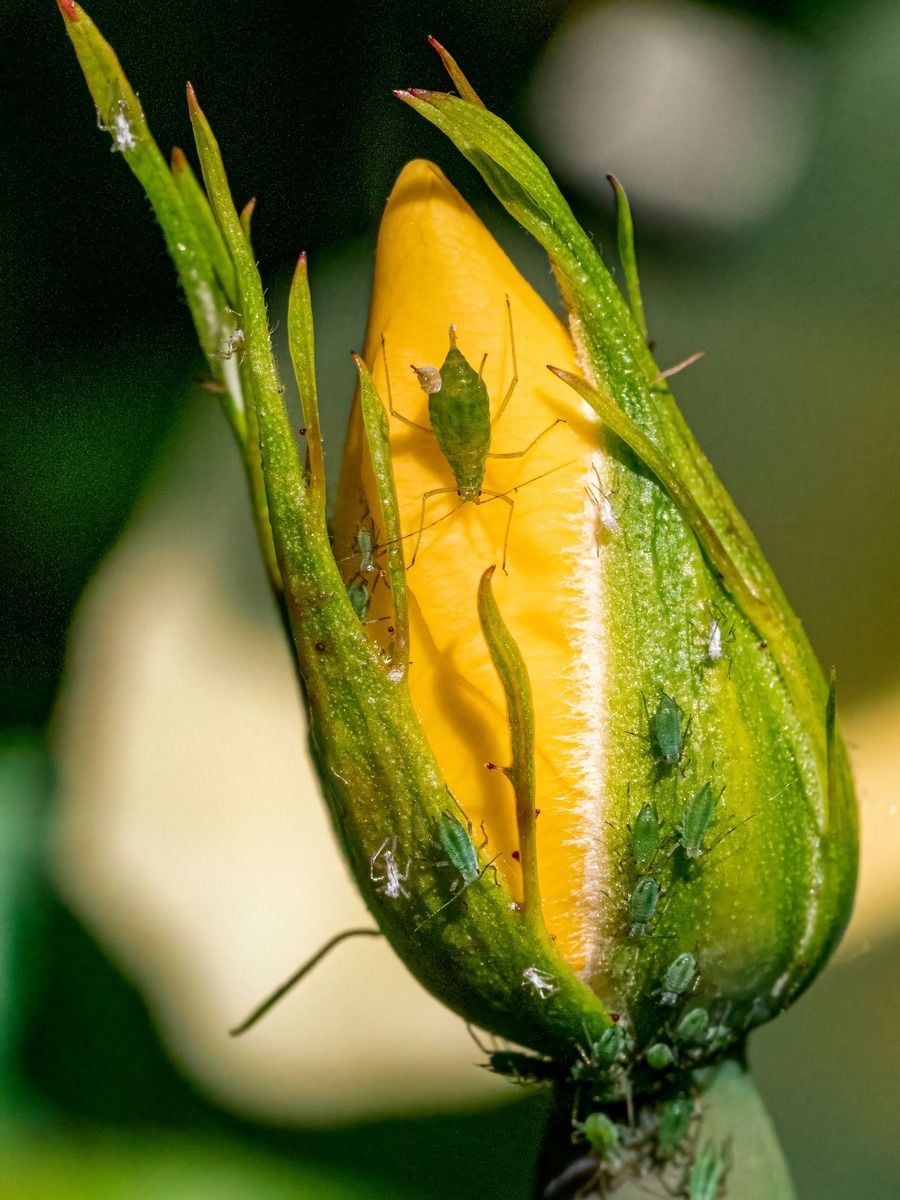
This approach incorporates the careful consideration of all available pest control techniques and subsequent integration of appropriate measures that discourage the development of pest populations, combining biological, physical, and crop-specific (cultural) management strategies and practices to grow healthy plants while minimizing pesticide use. This reduces risks posed by pesticides to human health and the environment.
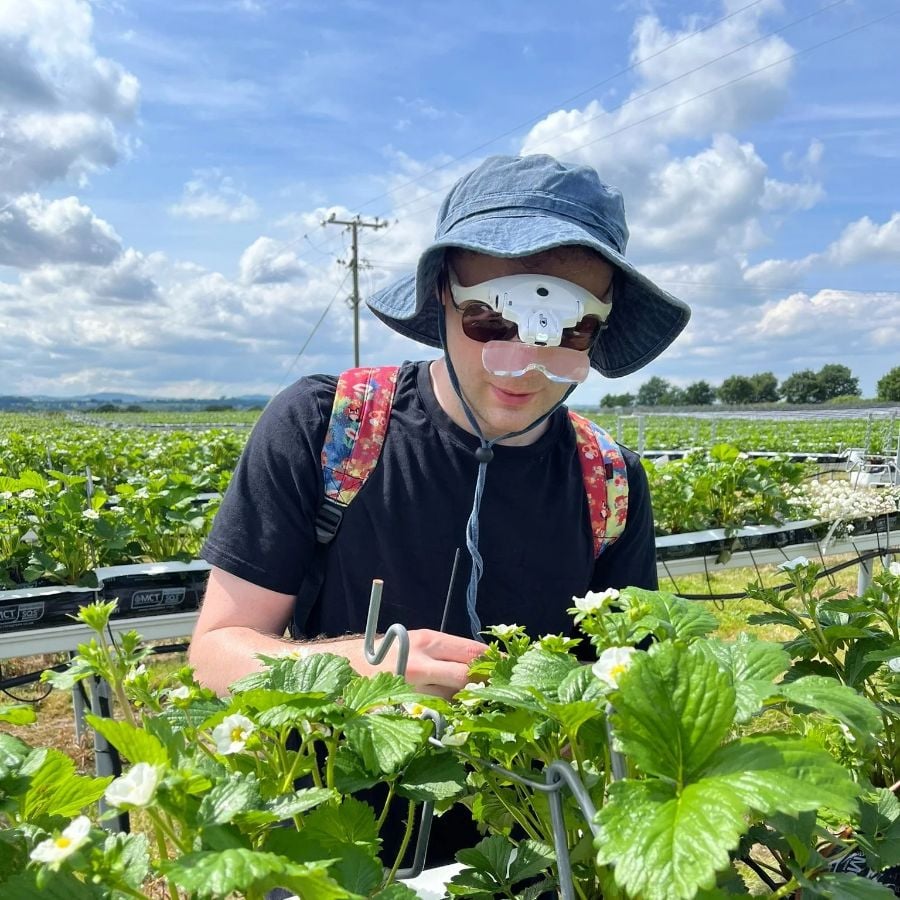
The process begins with monitoring and identification, where growers regularly inspect their flower crops to detect pests early and accurately identify species, ensuring targeted responses. Prevention, then, forms the next action taken, involving cultural practices like crop rotation, sanitation, and even selecting pest-resistant plant varieties to reduce vulnerabilities.
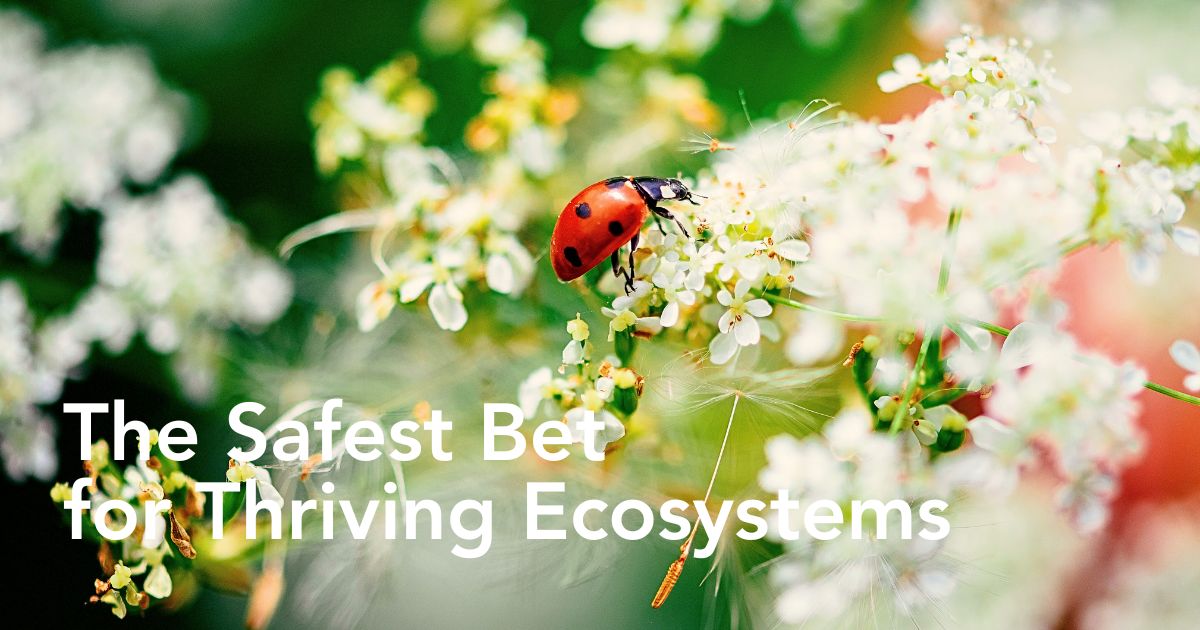
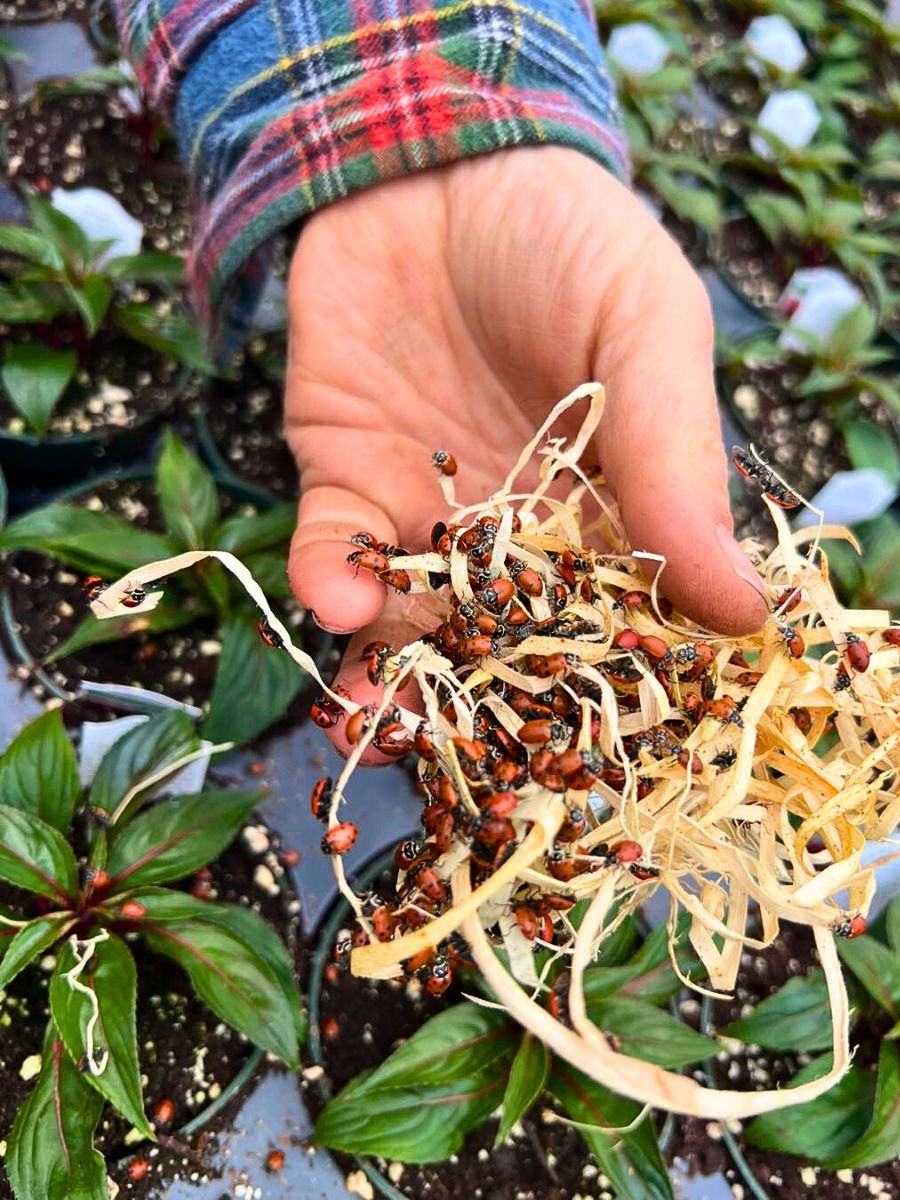
When intervention becomes necessary, IPM emphasizes a hierarchy of control methods. Biological control takes precedence and introduces natural predators like ladybugs to combat aphids or parasitic wasps to target whiteflies. Mechanical controls, like traps, barriers, or manual removal, follow.
Chemical pesticides are used sparingly and strategically, only when pest populations exceed established economic thresholds and only after considering options. Also, this is often when the other methods fail to yield the required outcome.
The Four Pillars of IPM
The IPM framework works under four pillars, which, if duly followed, offer sustainable results when dealing with pest challenges. For the effectiveness of the approach, each pillar is unique and essential in its own way.
1. Biological Controls
Natural predators and parasites are the first line of defense in IPM systems. The parasitic wasp named Encarsia formosa could be deployed against whiteflies in flower greenhouses, achieving up to 80% infestation reduction without chemicals.
Similarly, predatory mites like Phytoseiulus persimilis suppress spider mite populations, especially in Chrysanthemum flowers, ensuring petal integrity. These biological agents could be complemented by microbial control agents like Beauveria bassiana, a fungus targeting thrips and aphids, sparing beneficial insects.
2. Cultural Practices
When biological control is not as effective as one would expect, practices like crop rotation, sanitation, and resistant cultivars can be used to disrupt the pests’ life cycles. Growers across different flower cultivation regions often use this approach; they rotate flowers with other non-host crops to starve soil-borne nematodes.
This practice could cut pest larval survival rates by 60%, significantly reducing their populations. In many flower farms, this approach has proven to be successful. For instance, resistant Gerbera varieties with thickened cuticles have been used to lower aphid damage by up to 45% in some nurseries.
3. Mechanical and Physical Methods
Barrier systems, traps, and manual removal provide a non-chemical solution and can also control pests in floriculture. UV-absorbing nets have, for instance, shown great success in the control of pests like aphids in flower farms. UV-reflective mulches are also one of the most recent additions to the mulch industry and have proven to be successful in delaying pest infestations. Using these approaches, many growers often deter pests like thrips by altering their visual navigation, cutting infestations by about 70%.
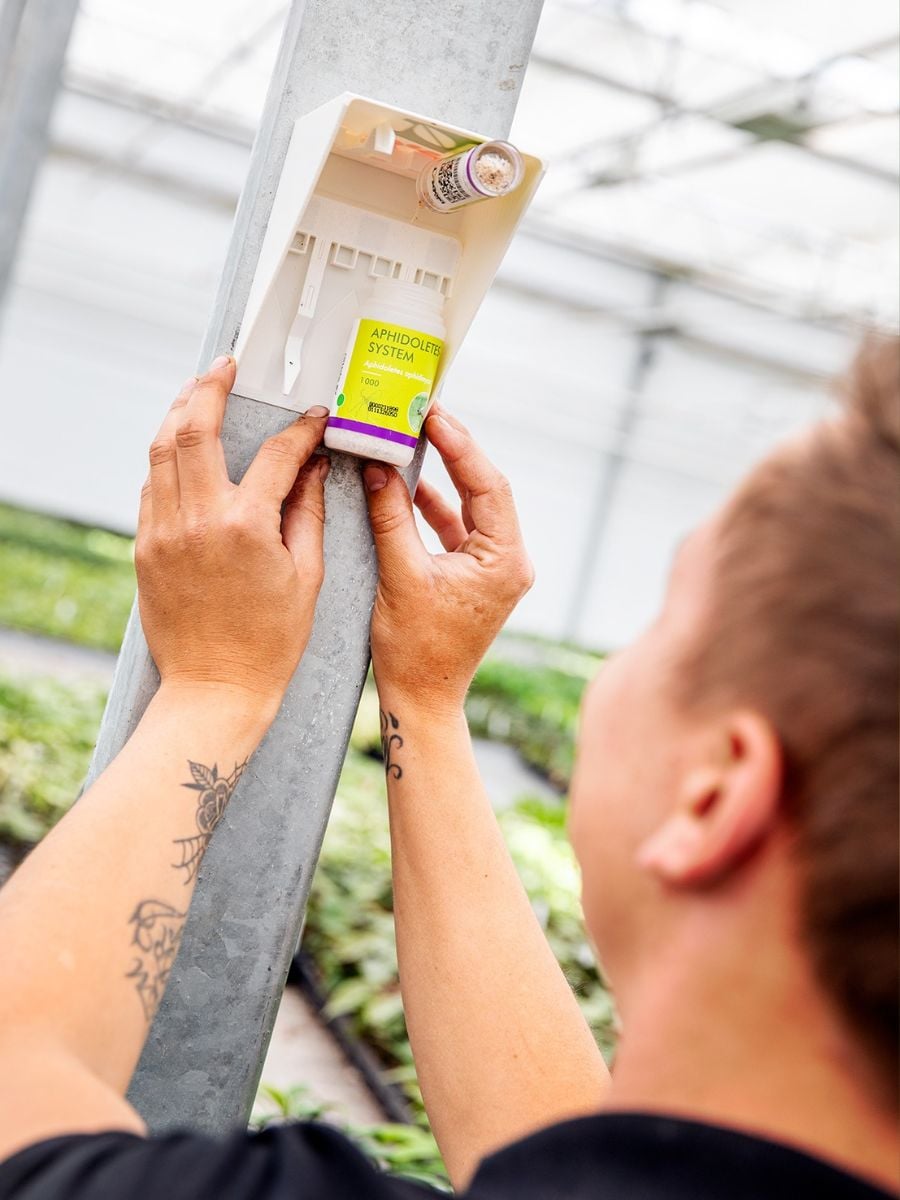
Furthermore, sticky traps equipped with pheromones in greenhouses capture most of the emerging pests before they colonize a greenhouse. Pheromone traps can also be used to bait and catch male insects with sexual attractants that contain a sticky part with a sex pheromone, attracting male pests (essentially to their demise!) in the hope of finding a female to mate. While these traps do not eliminate all pests 'immediately' (the females remain alive), they do control their numbers, and in the end (with no mating and reproduction) the pest colonies finally die out.
4. Judicious Chemical Use
When necessary, IPM employs selective pesticides with minimal non-target effects. For instance, while chemical use in flowers may be carried out, it is done rationally and judiciously, and the products used have the least toxicity. Insect growth regulators (IGRs) like Pyriproxyfen, which disrupt molting in whiteflies without harming pollinators, are also used, while precision sprayers, which reduce chemical volumes by 40% compared to broadcast methods, are deployed.
Imperatives of IPM in Sustainable Floriculture
For a sustainable floriculture industry, the move toward IPM is not just a fad but a necessity. As the global demand for sustainably grown flowers rises, driven by eco-conscious consumers and stringent international regulations, IPM offers an approach that aligns productivity with planetary health. And this comes with numerous benefits.
Environmental Management and Benefits
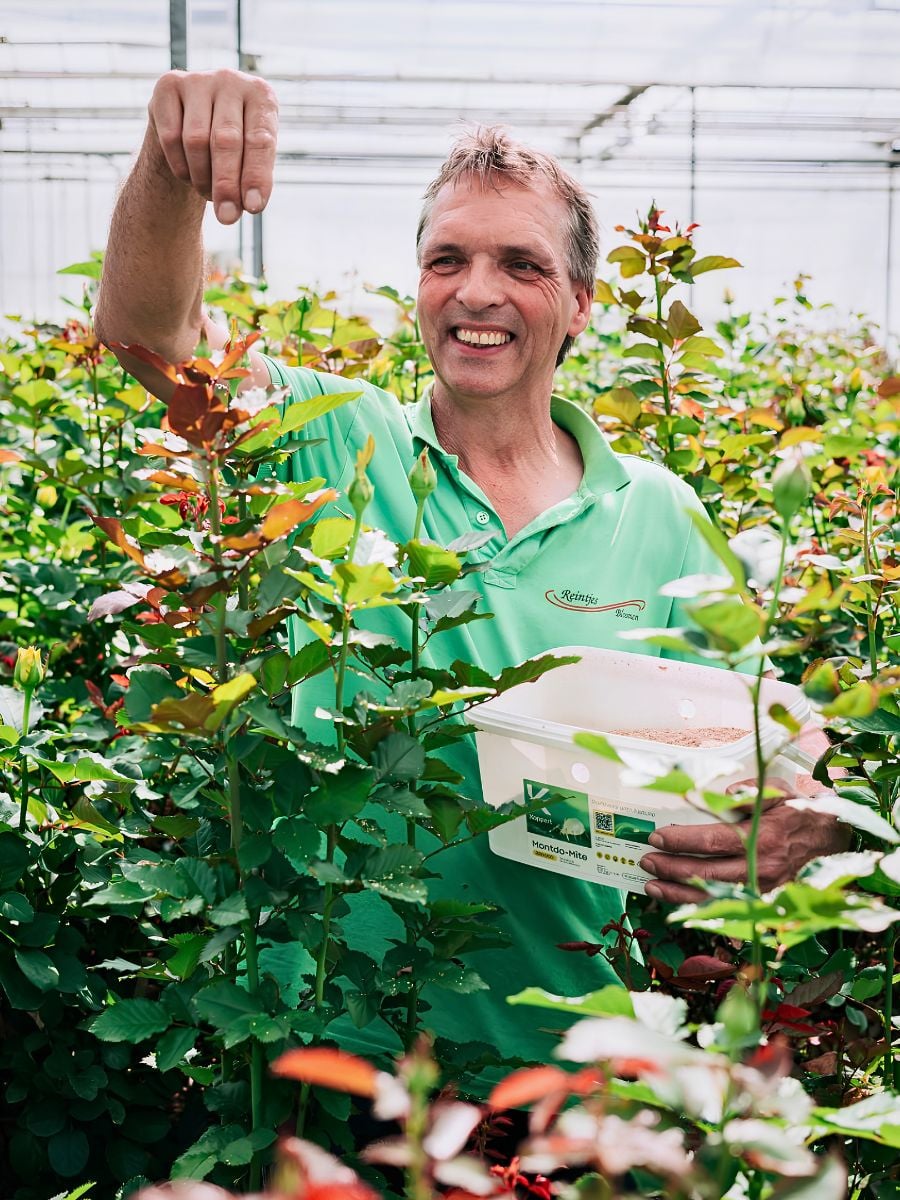
Chemical pesticides, while effective in the short term, often leach into soil and waterways, harm non-target species like pollinators, and contribute to biodiversity loss. IPM’s reduced chemical use safeguards soil health, protects aquatic ecosystems, and preserves beneficial insects critical for pollination. Also, by cutting synthetic pesticide use, IPM guarantees the protection of beneficial soil microbiomes.
In Kenya’s Lake Naivasha region, the country's flower production capital, farms adopting IPM have seen rebounds in local wildlife populations, including birds and aquatic animals like fish, showing a restored ecological balance. Elsewhere, because most Florverde® Sustainable Flowers-certified (FSF) farms use IPM, the results have been positive.
FSF-certified farms are, essentially, barred from using pesticides banned nationally and internationally by the U.S. Environmental Protection Agency (US EPA), the European Union (E.U.), and the Pesticide Action Network (PAN), as they are deemed harmful to human health and the environment.
As Daniela España, former FSF director, puts it:
“Florverde farms actively preserve ecosystems and protect native species. The floriculture sector is committed to pollinator conservation, and integrating IPM practices that reduce pesticide use and promote pollinator-friendly environments. As a result of these efforts, the protection of wetlands and natural reserves within farms now provides critical habitats for over 170 bird species, like Tingua moteada, which is a conservation priority in Colombia.”
Economic Viability and Resilience
Pesticides account for a significant portion of production costs in floriculture, and IPM’s cost-effectiveness stems from reduced input costs and premium market access. Its adoption, generally, cuts pesticide costs by more than 40%, with no decline in yield or flower quality. This is a win-win for profitability and sustainability.
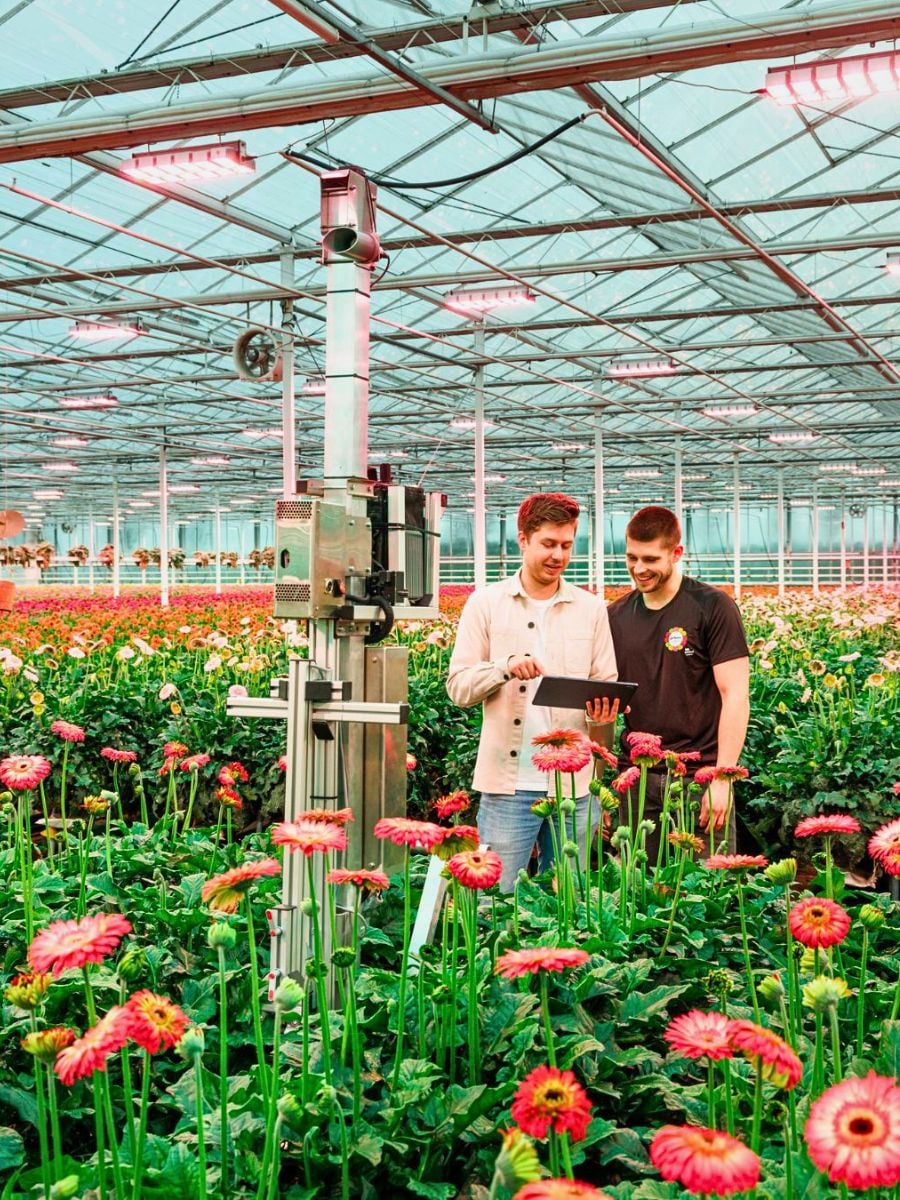
Because IPM minimizes chemical inputs, it also lowers expenses while maintaining crop quality. Preventive measures, like planting pest-resistant varieties or using row covers, further reduce losses from infestations. The overall benefit is that it affords growers premium prices in markets because the flowers are verified as low-residue under IPM protocols.
Human Health and Safety Impacts
Pesticide exposure poses acute risks to floriculture industry workers, particularly in developing nations where protective equipment is lacking. Flower employees, often exposed to hazardous pesticides, face heightened risks of respiratory conditions, skin conditions, and chronic poisoning. IPM’s emphasis on non-chemical controls guarantees safer workplaces.
Flower farms with IPM protocols in place often see a significant reduction in pesticide-related health complaints among laborers, which emphasizes the approach’s human-centric benefits. Plus, IPM advancements are in line with the Floriculture Sustainability Initiative’s (FSI) ultimate goal of ensuring 100% responsibly sourced flowers.
Market Competitiveness
Sustainability certifications linked to IPM are increasingly a prerequisite for accessing premium markets. European retailers prioritize flowers certified under these programs, reflecting consumer preferences for ethically produced goods. Kenyan growers adhering to Kenya Flower Council (KFC) FOSS, which mandates IPM practices, have often secured lucrative contracts with global suppliers, retailers, and supermarkets, showing how much sustainability influences market access.
Challenges in the Implementation of IPM
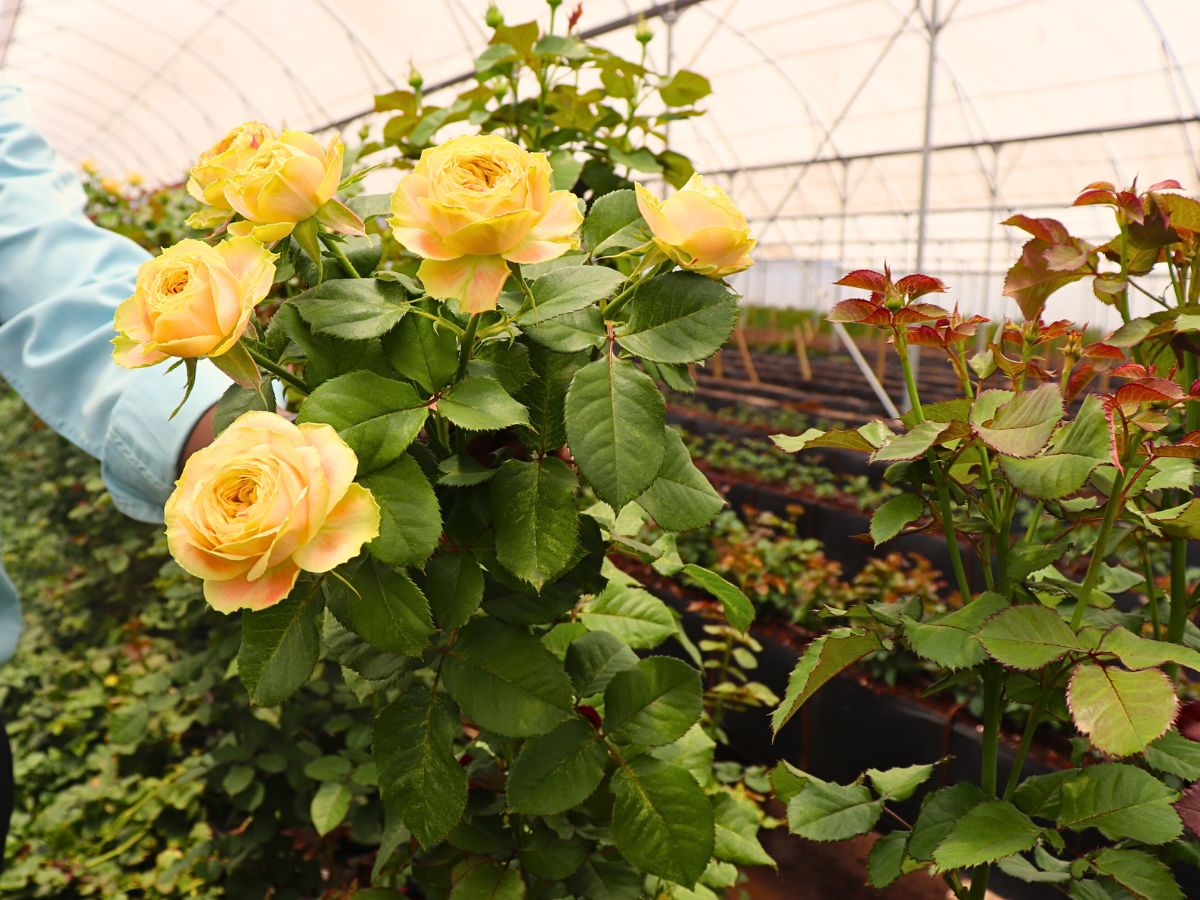
Despite its promise, IPM faces some hurdles, which, when addressed, could see the approach attain 100% success. For starters, transitioning from chemical dependence requires upfront investments in training, monitoring tools, and biocontrol agents. Knowledge gaps also persist; many smallholder growers lack expertise in pest ecology or fear that reducing pesticides will compromise yields.
Climate change is also an issue as warming temperatures alter pest lifecycles and distribution. Likewise, chemical pesticide subsidies in some countries are a disincentive to biocontrol adoption. Overcoming these challenges demands innovation and collaboration. Emerging technologies such as AI-powered pest detection drones and blockchain-based certification systems could enhance IPM implementation.
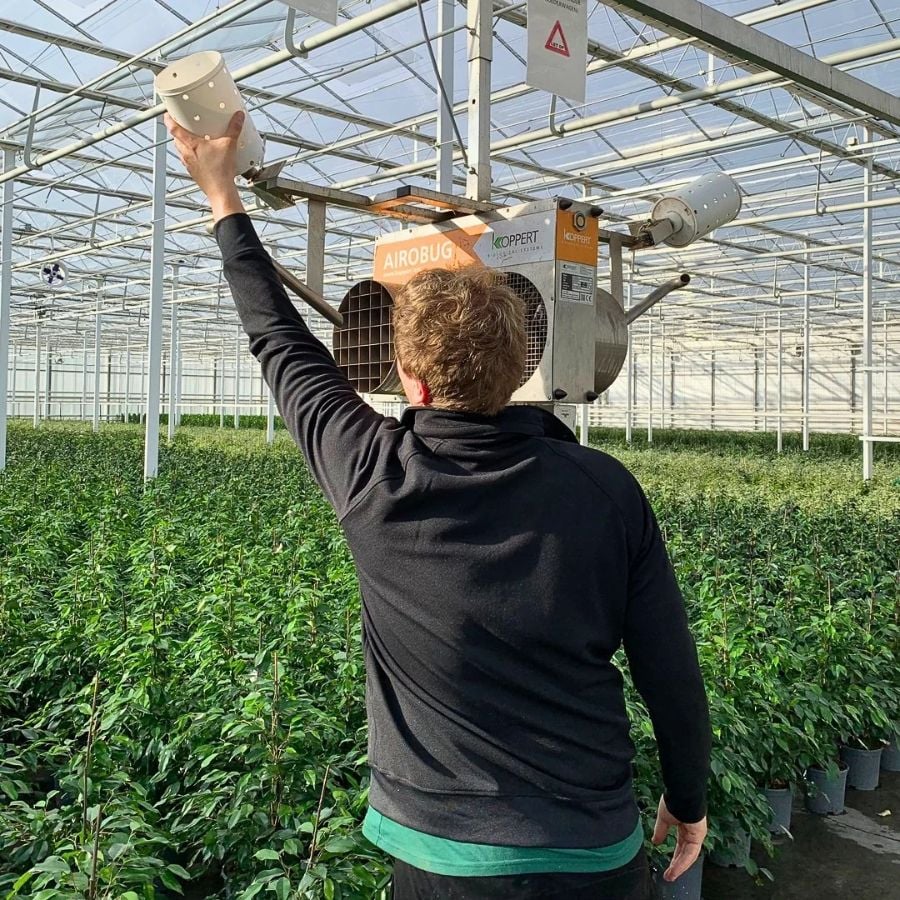
There, for instance, are autonomous drones that can identify pest hotspots with 95% accuracy, enabling precision biocontrol releases, or RNAi-based sprays that control whitefly genes, offering species-specific control; and blockchain-enabled traceability systems that track and ensure IPM compliance from farm to florist.
Policy interventions, like subsidies for biopesticides or tax breaks for certified farms, can also ease financial burdens. And, above all, education and training for growers remain crucial. Sustainabloom, an initiative keen on helping businesses embrace sustainability in the world of floriculture, for instance, provides individuals with research-based educational tools and resources, presented simply and understandably.
Sustainabloom notes:
"We believe that sustainability should be accessible to everyone in the industry. The floriculture industry continues to evolve rapidly with increasing demands for sustainable products and practices. For growers and cultivators, IPM is about more than just combating pests, it is about understanding and working with the ecosystem to manage pest populations responsibly."