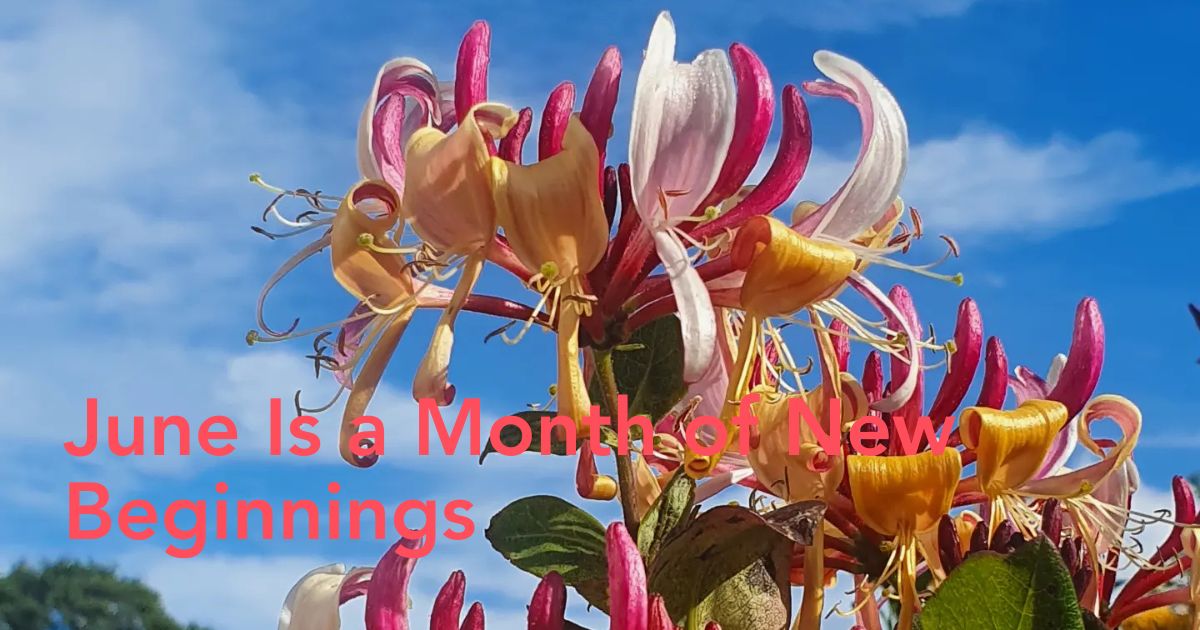
June marks the real start of summer, the point where gardens hit their stride and the evenings finally turn warm. It's also one of the few months with two birth flowers rather than one. Anyone born in June gets to claim both the rose and the honeysuckle – two fragrant flowers that could hardly be more different in personality.
Both come with a long backstory and a tangle of meanings attached to them, which is part of what makes them such fitting symbols for a June birthday.
Why June Has Two Birth Flowers
June isn't the only month with a pair of birth flowers, but its two are an unusually good match. The rose – the flower most people picture first, and the one often called the queen of flowers – speaks to love and passion.

The honeysuckle plays a quieter role. Its sweet-smelling, intricately shaped blooms have long stood for affection and the simple sweetness of everyday life.
One is bold and formal, the other loose and a little wild. Put them together, and you get a fair picture of early summer itself, which is exactly the season June babies are born into.
The Historical and Cultural Significance of Rose and Honeysuckle
Roses are old - far older than most people assume. They were first cultivated in Asia around 5,000 years ago and were prized garden plants by the time of ancient China. The ancient Egyptians grew them as well; Cleopatra is said to have carpeted entire rooms in rose petals to welcome Mark Antony. And fossil evidence shows wild roses growing on Earth long before any human civilization existed.
In Greece and Rome, the flower belonged to Aphrodite - Venus, to the Romans, the goddess of love. Romans scattered roses at feasts and laid them on the tombs of the wealthy as a sign of eternal love and remembrance.
By medieval times, the rose had taken on a religious meaning across Europe, where it stood for the Virgin Mary and appeared constantly in church art. It also became a quiet symbol of secrecy, something that's detailed further down.

The Victorians took rose symbolism furthest. Under floriography, the so-called language of flowers, a carefully chosen rose could say what its sender couldn't say out loud.
Honeysuckle's history runs along a different track. People planted it close to their houses partly for the scent and partly for luck – a vine by the door was thought to keep bad spirits away.
It grows wild across the Northern Hemisphere, and almost everywhere it's found, people have put it to use. In traditional Chinese medicine, it was valued as a remedy for inflammation and infection long before anyone could explain why it worked.
To the Victorians, honeysuckle meant devoted affection and a contented home – a gentler message than the rose's, but no less heartfelt.
The Essence of June Birth Month Flower #1 - The Rose
If June has a headline act, it's the rose. Few flowers carry as much history or as wide a fan base, and fewer still look at home in both a formal bouquet and a roadside hedge. That timeless appeal is why it keeps showing up at weddings, funerals, and everything in between.
Part of the rose's staying power is its sheer range. It comes in countless shapes and sizes and in nearly every color - from the soft pink of an English rose to the deep red of an American beauty. Breeders have even coaxed it into unlikely shades like blue, purple, and near-black. Each bloom is built from layers of soft petals on a thorny stem, and that contrast of delicacy and defense is part of the flower's character.
The Symbolic Meaning of the Rose
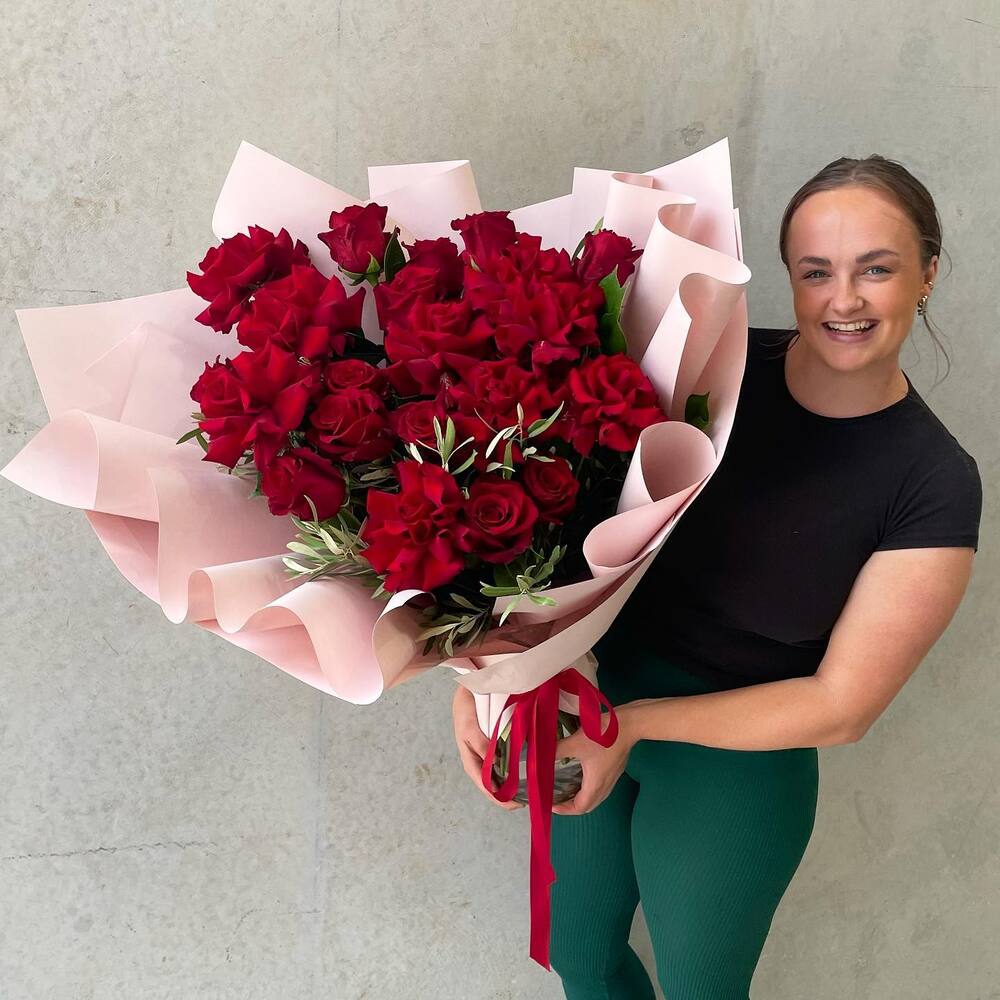
At its core, the rose has always stood for love – but not just one kind. It has signaled romantic passion, divine love, devotion, and grief, depending on who was giving it and why. That flexibility is unusual; most flowers mean one thing, while the rose has been asked to mean almost everything.
Even its thorns picked up meaning. In Christian imagery, they came to represent sacrifice and suffering, set against the bloom as a sign of grace. A rose, in other words, was rarely just a rose.
Color changes the message entirely. A red rose reads as romance, a yellow one as friendship, and so on.
Color Varieties and Their Significance in Roses
Roses are rich in symbolism, varying by color and context:
- Red Roses: The universal symbol of love and passion, red roses are the classic choice for Valentine's Day, anniversaries, and other romantic occasions.
- White Roses: Standing for purity, innocence, and new beginnings, white roses are a common sight at weddings and christenings.
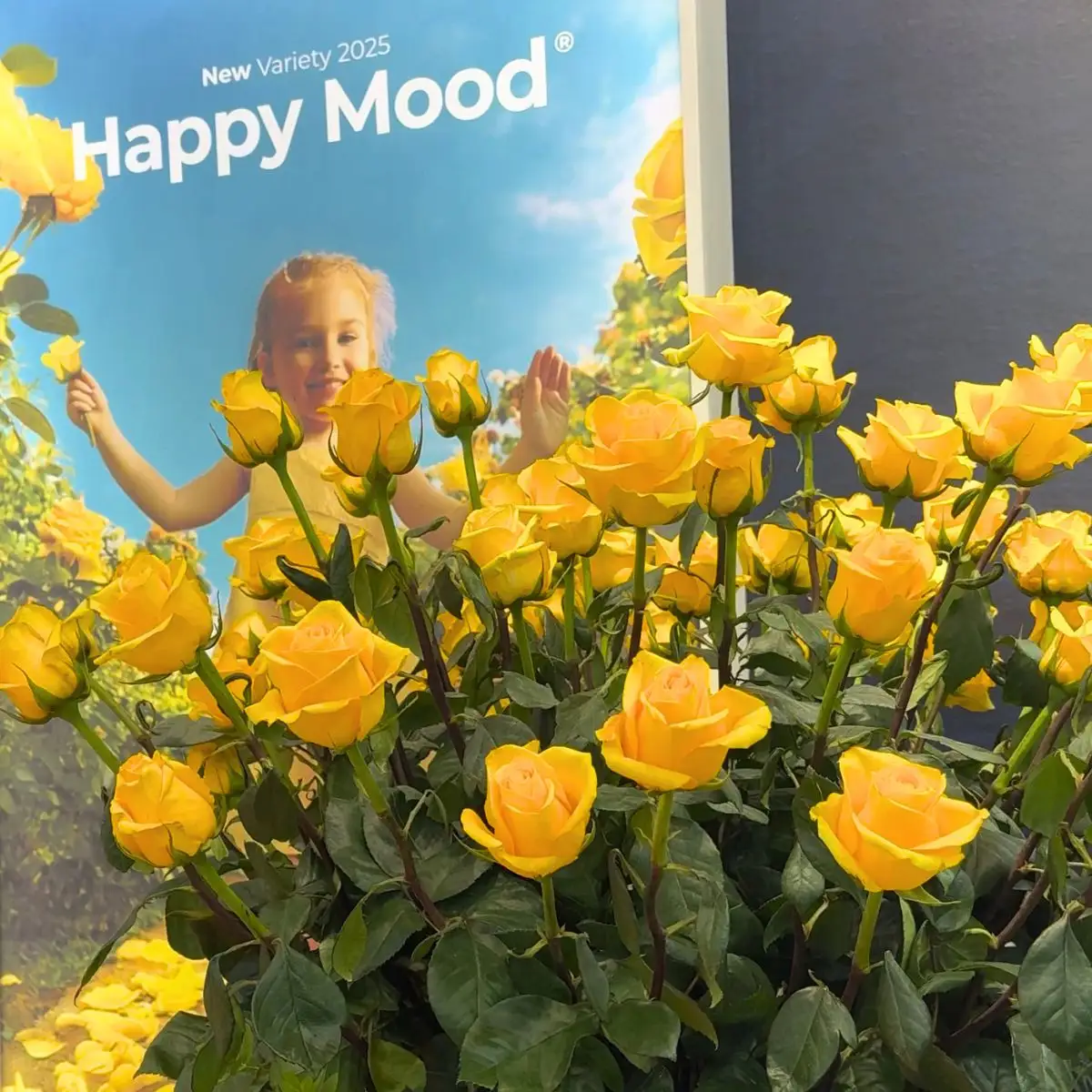
- Yellow Roses: A symbol of friendship and joy, yellow roses suit a cherished friendship or any happy occasion.
- Pink Roses: Softer in tone, pink roses convey admiration, gratitude, and grace - ideal for expressing gentler emotions.
- Orange Roses: Bright and warm, orange roses signal enthusiasm and excitement, and are often given to mark an achievement.
- Blue Roses: A symbol of enchantment and love at first sight, blue roses carry a sense of wonder and mystery.
Because the color does so much of the talking, a bunch of roses can be tailored fairly precisely to the occasion - and to the person receiving it.

Fascinating, Interesting, and Unknown Facts About Roses
The oldest known rose fossil was found in Colorado and is roughly 35 million years old. Roses were blooming on Earth tens of millions of years before the first human turned up to admire them.
Roses are also edible. Many varieties have petals that end up in jams, jellies, syrups, and teas, and rose hips - the small fruit left behind after the bloom fades - are so rich in vitamin C that they've long been used in home remedies.
Ancient Persians were distilling rosewater as far back as the 7th century. It became a serious trade good, turning up in perfumes, cosmetics, cooking, and religious rituals across various regions.
Remember the secrecy symbolism from earlier? This is where it comes from. In Roman times, a rose hung above a meeting table meant everything said beneath it stayed private - sub rosa, "under the rose." If you've read Dan Brown's The Da Vinci Code, you've already met the phrase.
The earliest known rose garden was planted in the 6th century BC by Cyrus the Great, the Persian king, as part of his royal complex at Pasargadae - a sign of how much the flower already mattered in ancient Persia.
Roses haven't only been decorative. England's War of the Roses took its name from the rival emblems of two royal houses, and through the medieval period, rose-based preparations were prescribed for everything from low mood to digestive trouble.
The world's oldest living rose climbs the wall of Hildesheim Cathedral in Germany and is said to be more than a thousand years old, with records pointing back to around 815 AD.
Rose oil, especially from the Damask rose, is one of the most expensive essential oils there is. It takes something like 10,000 pounds of petals to distill a single pound of oil, which goes a long way toward explaining the price.
In 1998, a miniature rose flew aboard the Space Shuttle Discovery so scientists could study how long gravity affects its scent. The fragrance it produced in orbit turned out to be noticeably different from the one it gave off on Earth, useful information for the perfume industry back home.
And while roses come in nearly every shade, the green rose is genuinely odd. Rosa chinensis viridiflora has been grown since the 18th century, and its "petals" are actually modified leaves, which is why it stays green.
The Charm of June Birth Month Flower #2 - The Honeysuckle
Honeysuckle, botanically known as Lonicera, is a genus comprising over 180 species of deciduous and evergreen shrubs and vines. These plants are predominantly found in the Northern Hemisphere, thriving in temperate climates.
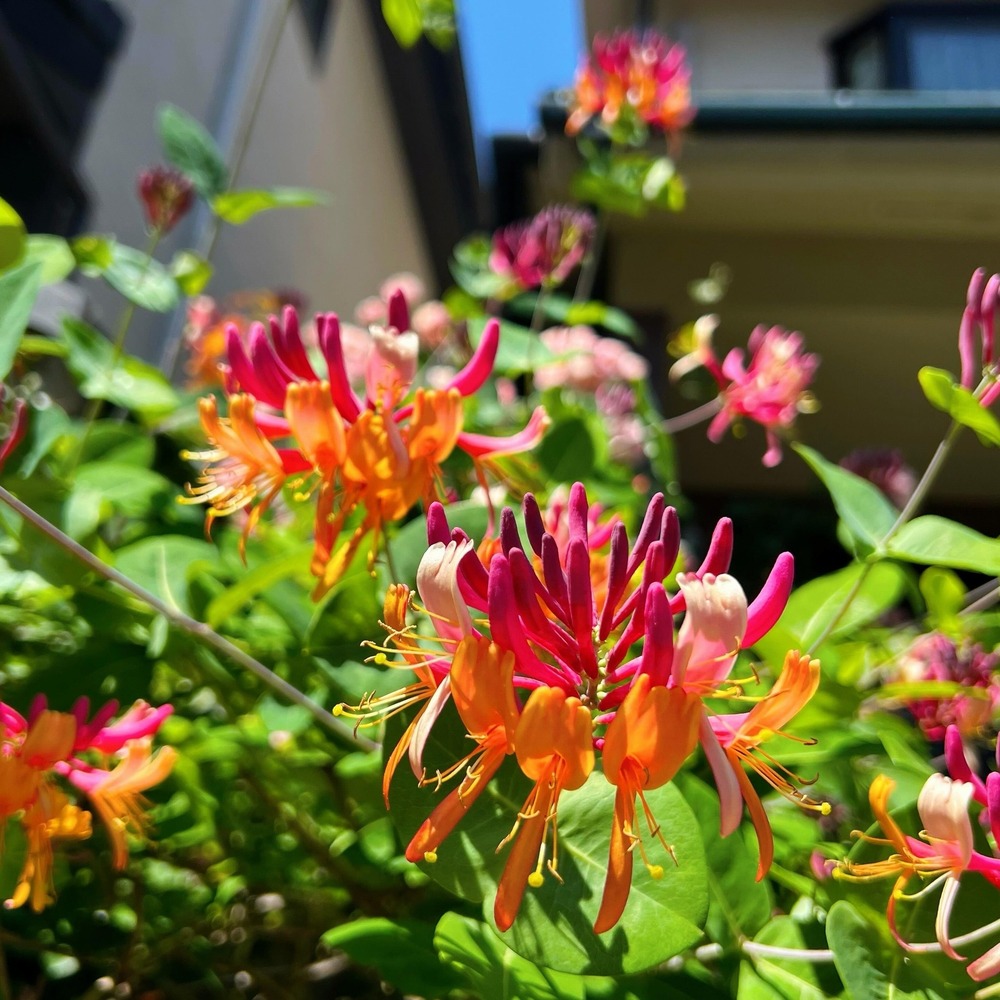
The flowers themselves are worth a close look. Each one is roughly two-lipped, splitting into an upper and lower lobe, with five stamens and a single style standing out prominently - the detail that gives these delicate flowers their slightly lacy look.
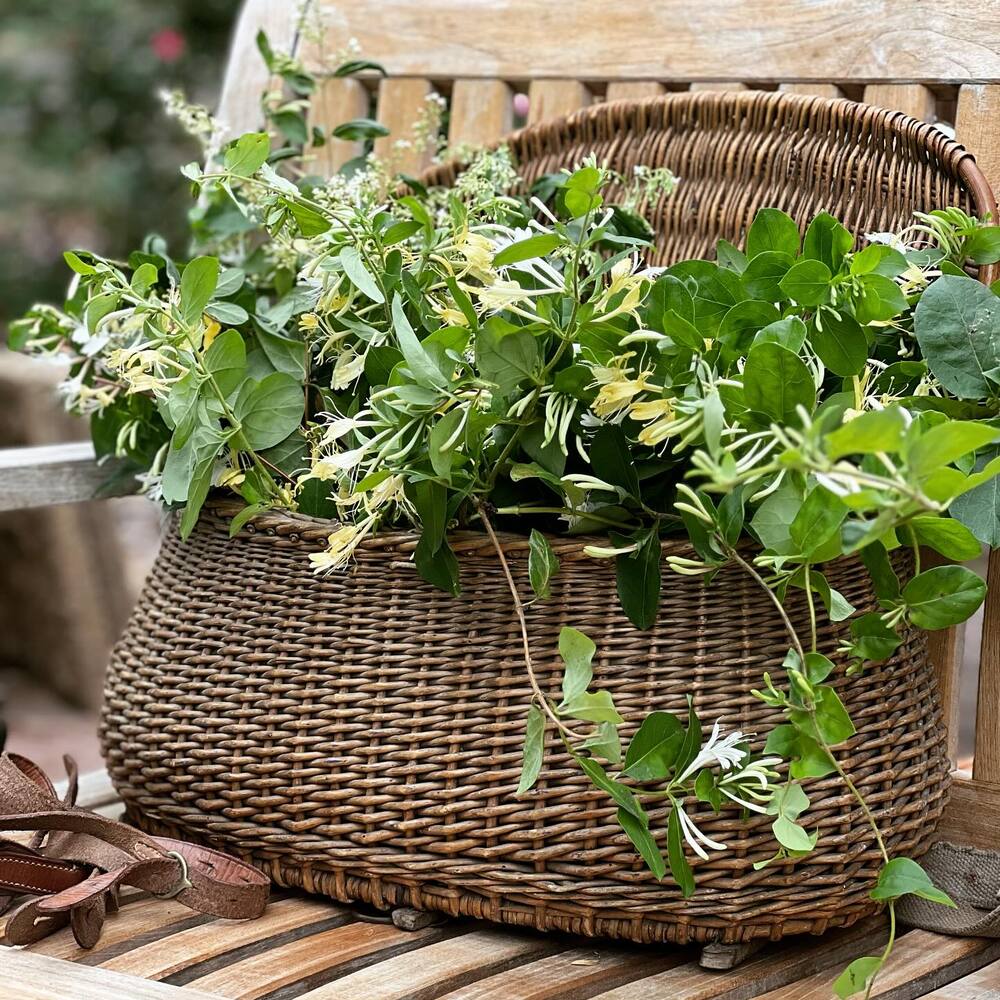
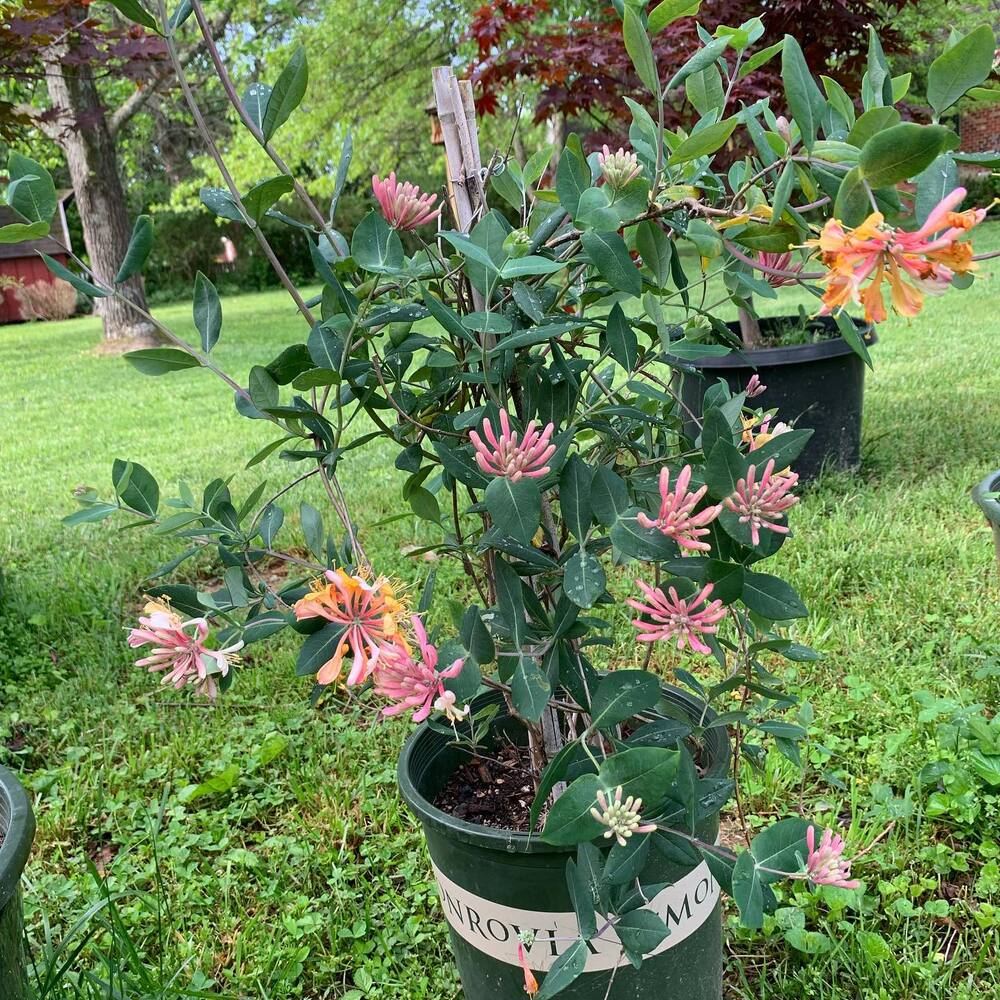
Many honeysuckles climb, winding their stems around whatever support they can find. That habit makes them a favorite for trellises, fences, and arbors, where they'll cover a structure in a season or two.
Their best-known feature, though, is the captivating fragrance - a sweet, heavy scent that grows stronger as the evening cools. It draws in bees, butterflies, and hummingbirds, which makes a honeysuckle vine a small wildlife magnet.
The Symbolic Meaning of Honeysuckle
Like the rose, honeysuckle is tied to love, but it expresses it differently. Its vines literally cling and intertwine, and that habit became an easy metaphor for affection, loyalty, and bonds that don't come apart easily.
In the Victorian language of flowers, honeysuckle carried a specific message: devoted, lasting love. Given as part of an arrangement, it was a quiet promise.
It also stands for plain happiness. Honeysuckle blooms hardest in the warm months, and that burst of flower and scent came to represent happiness and the easy mood of summer itself.
In several cultures, it was thought to be protective. Celtic tradition held that honeysuckle planted by the home kept evil spirits away, and parts of the American South kept similar folk uses alive, treating the plant as something that could cleanse or purify.
Color Varieties and Their Significance in Honeysuckle
Honeysuckle offers a delightful array of colors, each bringing its unique charm to gardens and landscapes.
- Yellow: Often found in varieties like ‘Halliana’ (Hall’s Honeysuckle), yellow honeysuckle flowers symbolize warmth and happiness. Their golden tones light up gardens, creating a sunny and inviting atmosphere.
- White: Representing purity and new beginnings, white honeysuckle flowers exude a delicate and calming beauty. They often transition to yellow as they age, adding a dynamic element to their visual appeal.
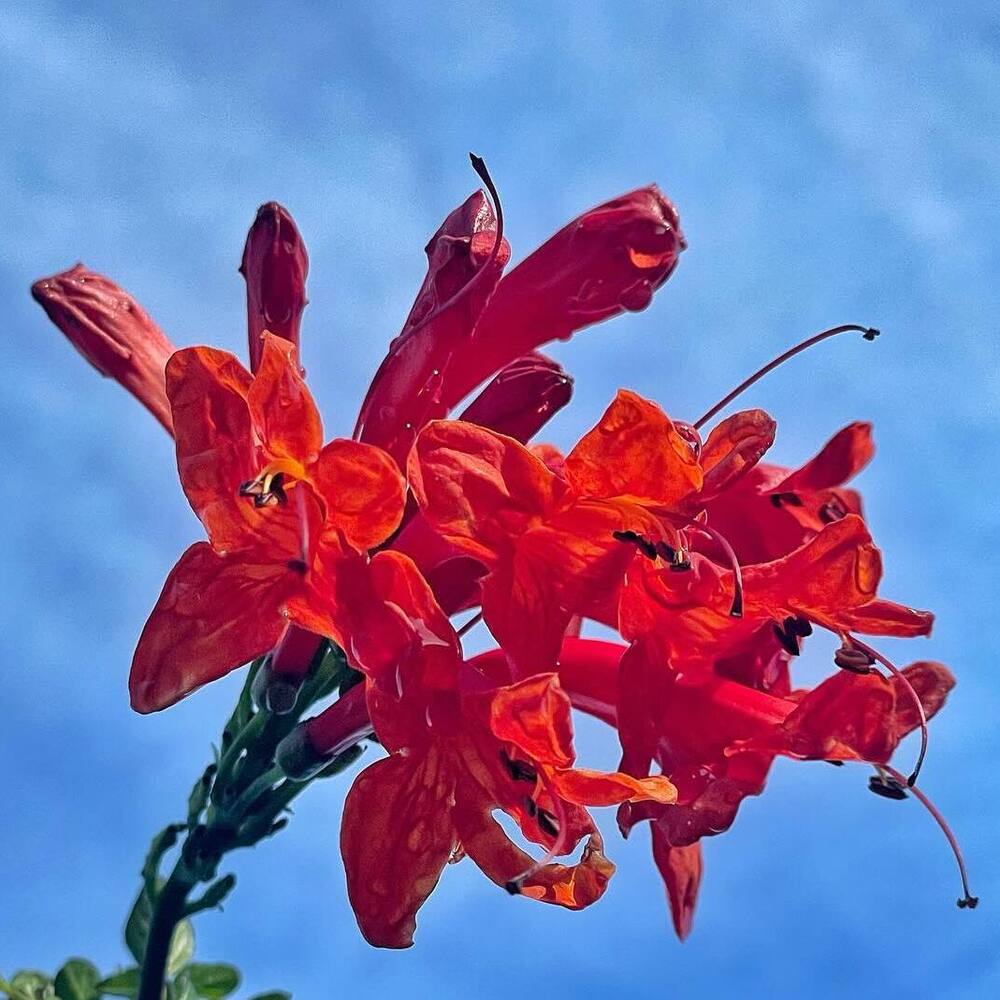
- Pink and Red: Varieties like (Coral Honeysuckle) showcase vibrant pink and red blossoms. These colors are associated with love and passion, making them popular choices for romantic garden settings.
- Orange: (Orange Honeysuckle) displays striking orange flowers, symbolizing enthusiasm and energy. These flowers bring a bold splash of color to any landscape, making them a standout choice for garden enthusiasts looking to make a statement.
Fascinating, Interesting, and Unknown Facts About Honeysuckle
Honeysuckle has been admired since antiquity. In Greek tradition, it's linked to the story of Daphnis and Chloe as a symbol of love that endures, and both Greeks and Romans used it medicinally – and, they believed, to keep evil spirits at bay.
Those 180-plus species are spread remarkably widely, native to Asia, Europe, and North America. Each region's honeysuckles bring their own flower shapes and fragrances, which is why no two gardens' honeysuckle smells quite the same.
One small pleasure of honeysuckle is its sweet nectar. Pull a flower from the vine, pinch the base, and you can taste a drop of mild, honey-like sweetness – a trick plenty of people remember from childhood.
Honeysuckle has a long medicinal record. In Chinese medicine, it's called 'Jin Yin Hua' and used against fevers, infections, and inflammation, drawing on antibacterial and anti-inflammatory properties that modern research has taken seriously.
Because it's such a draw for bees, butterflies, and hummingbirds, honeysuckle does real work in a garden beyond looking good. Planting it is an easy way to support local pollinators and biodiversity.
Its climbing method is unusual, too. Rather than gripping with tendrils or roots like many vines, honeysuckle twists its whole stem around a support – and depending on the species, it'll spiral either clockwise or counterclockwise.
That symbolism of devoted love is why honeysuckle still turns up in bridal bouquets and wedding gardens, where it stands in for fidelity and a bond meant to last.
Honeysuckle is also forgiving. It copes with full sun or partial shade and isn't fussy about soil, handling everything from free-draining ground to heavy clay, which makes it a low-stress choice for less experienced gardeners.
Finally, scent varies a lot from one species to the next. Japanese honeysuckle is famous for a powerful, sweet evening perfume, while others are far more subtle – worth knowing before you plant one under a bedroom window.
Artistic Representations of June Birth Flowers in Tattoos
For those who want a more permanent way to celebrate their birth month, a June birth flower tattoo is a great option. A rose tattoo is a classic and timeless choice and can be customized to suit your style and personality.
The rose tattoo can represent love, beauty, and passion, or it can be customized with a meaningful quote or symbol.
Tattoo artists can create intricate designs that capture the beauty and essence of the rose, making it a unique and personal piece of art.
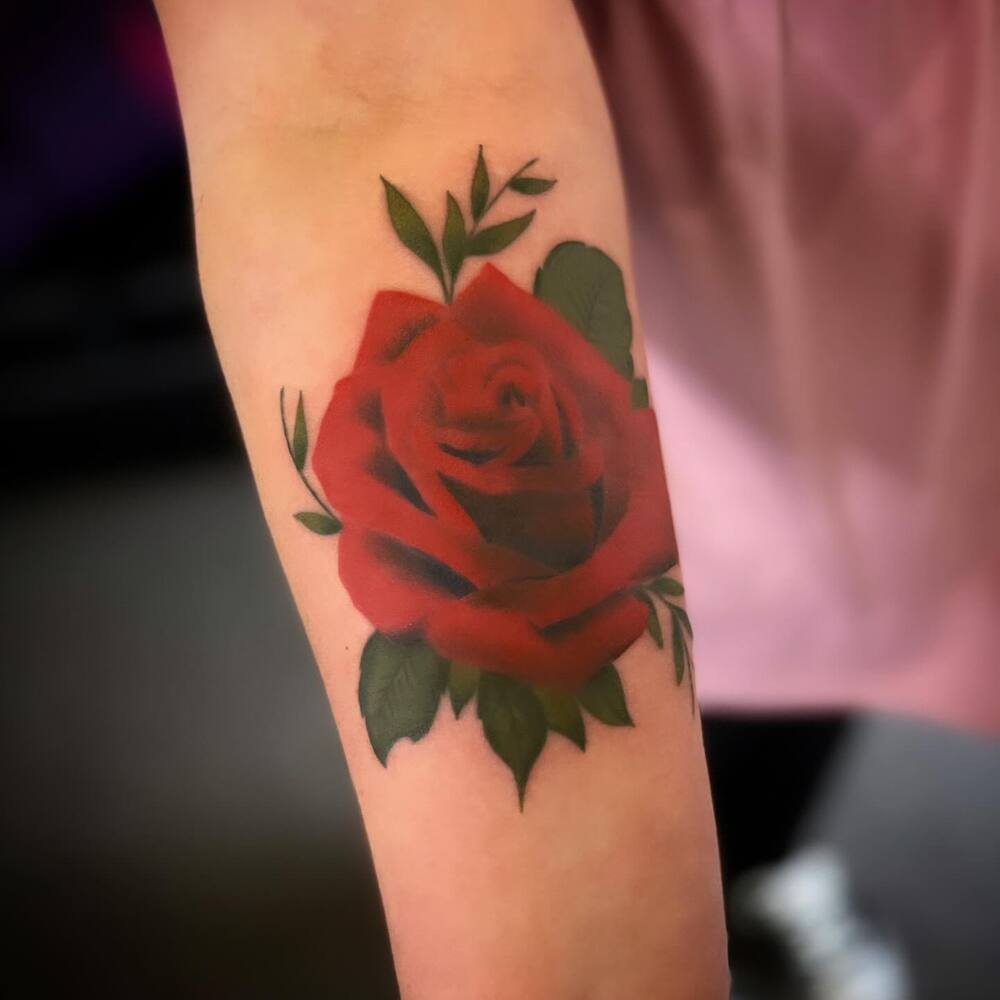
Whether you opt for a small and subtle rose tattoo on your wrist or a bold and colorful rose tattoo covering your entire back, a rose tattoo is a beautiful and meaningful way to celebrate your love for this iconic flower.
On the other hand, the Honeysuckle tattoos are rich in symbolism, often representing love, affection, and the sweetness of life. The intertwining vines and blossoms signify strong bonds and enduring connections, making it a popular choice for couples, family members, or close friends to express their deep ties and mutual support.
Honeysuckle tattoos are highly versatile, allowing for a range of artistic interpretations. They can be rendered in various styles, from realistic and botanical to abstract and stylized.
By combining meaningful symbolism, aesthetic beauty, and design versatility, honeysuckle tattoos offer a deeply personal and visually striking form of body art.
Gardening Tips for Growing June Birth Flowers
Here are some tips on how to grow and care for these June birth flowers:
Roses
Roses want sun - six to eight hours of direct light a day, with enough space around each plant for air to move freely, which keeps fungal disease down. Most roses do well in USDA hardiness zones 4 through 9, though it varies by variety.
Give them well-draining, loamy soil enriched with compost or other organic matter, and aim for a slightly acidic pH of 6.0 to 6.5.
Prune in late winter or early spring, cutting out dead and weak stems to push healthy new growth. Through the growing season, deadhead spent blooms regularly – it's the simplest way to keep a rose flowering.
Feed with a balanced or rose-specific fertilizer through the season. Keep an eye out for aphids, black spot, and powdery mildew, and treat them early. Encouraging beneficial insects into the garden does some of that work for you.
Honeysuckle
Start by choosing a variety suited to your climate, and check its growth habit. Japanese honeysuckle is vigorous to the point of being invasive in some regions, so a better-behaved native species is often the safer pick.
Plant in full sun to partial shade, and give climbing types a sturdy trellis or fence to work with. Honeysuckle likes well-drained soil and steady moisture – water regularly in dry spells, but don't let the roots sit waterlogged.
Prune after flowering to control size and shape, taking out any dead or damaged stems as you go. A general-purpose fertilizer in early spring is plenty; go easy on nitrogen, since too much pushes leafy growth at the expense of flowers.
Stick to those basics, and both plants will reward you - roses with their structured, fragrant blooms, honeysuckle with its scent and easy sprawl. For a June baby, a garden with both is a fitting way to mark the month.