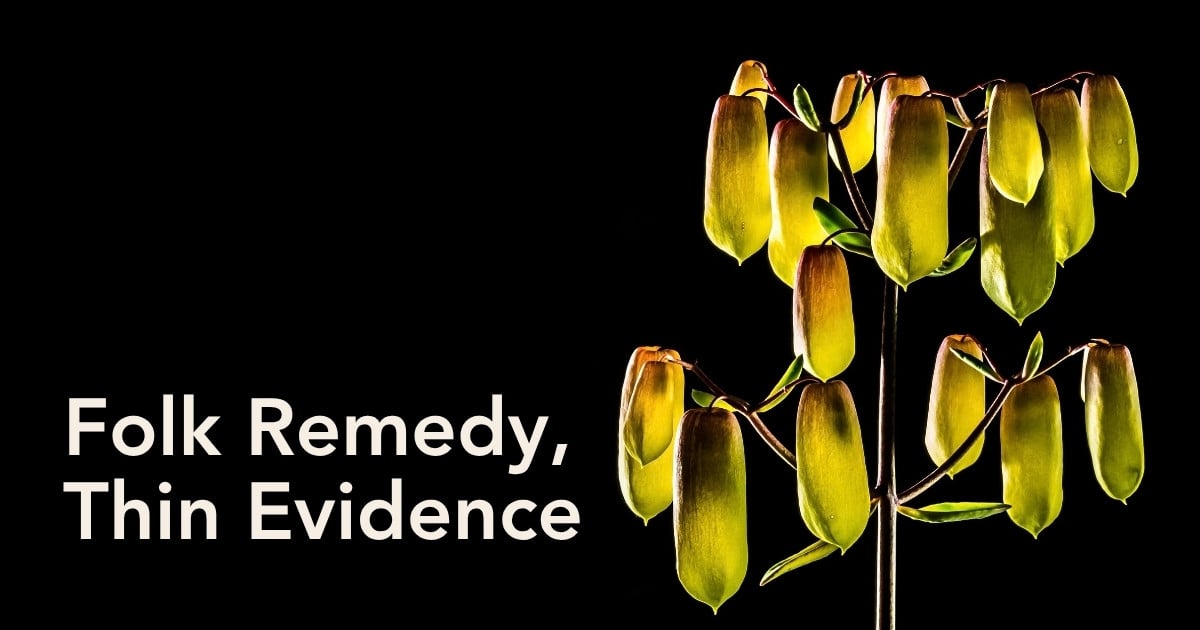
Search for Kalanchoe pinnata benefits, and you get long lists. Asthma, burns, kidney stones, infections, even cancer. The plant behind them, also known as mala madre, life plant, or miracle leaf, really does have a long history in folk medicine. Most of the rest has never been tested in people.
So here is the honest version of the Kalanchoe pinnata medicinal uses story, from the folk remedies to the lab results. And why a plant that poisons cattle and pets deserves more caution than those lists give it.
What Is Kalanchoe Pinnata?
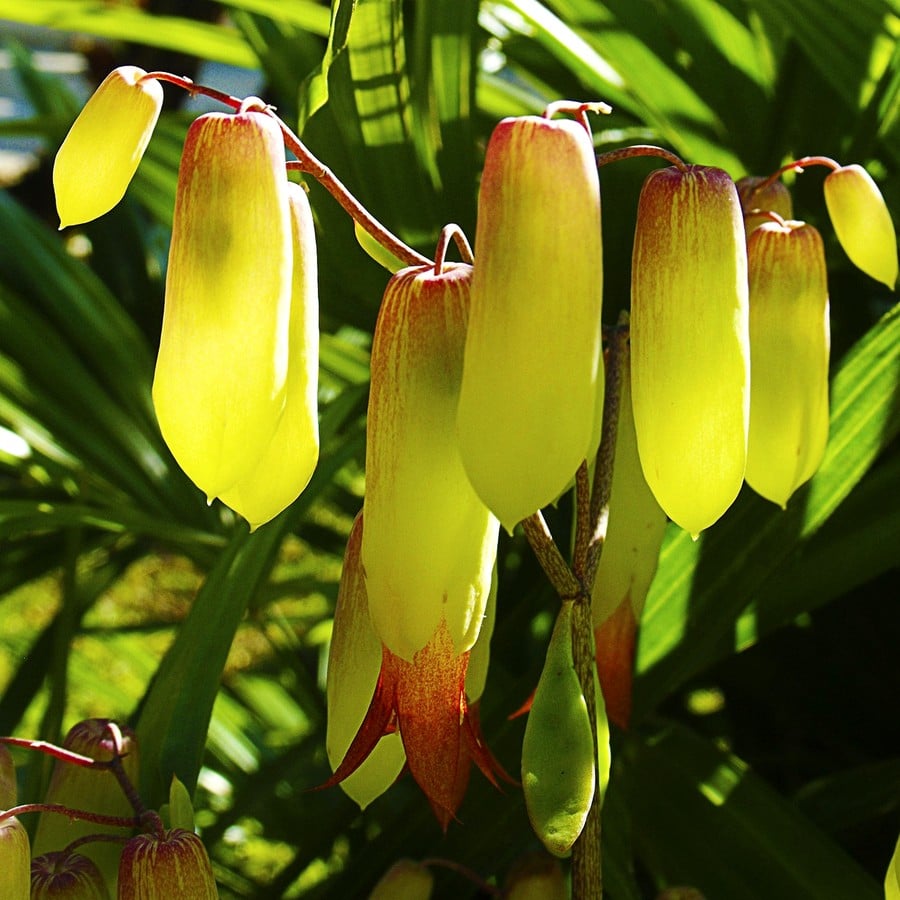
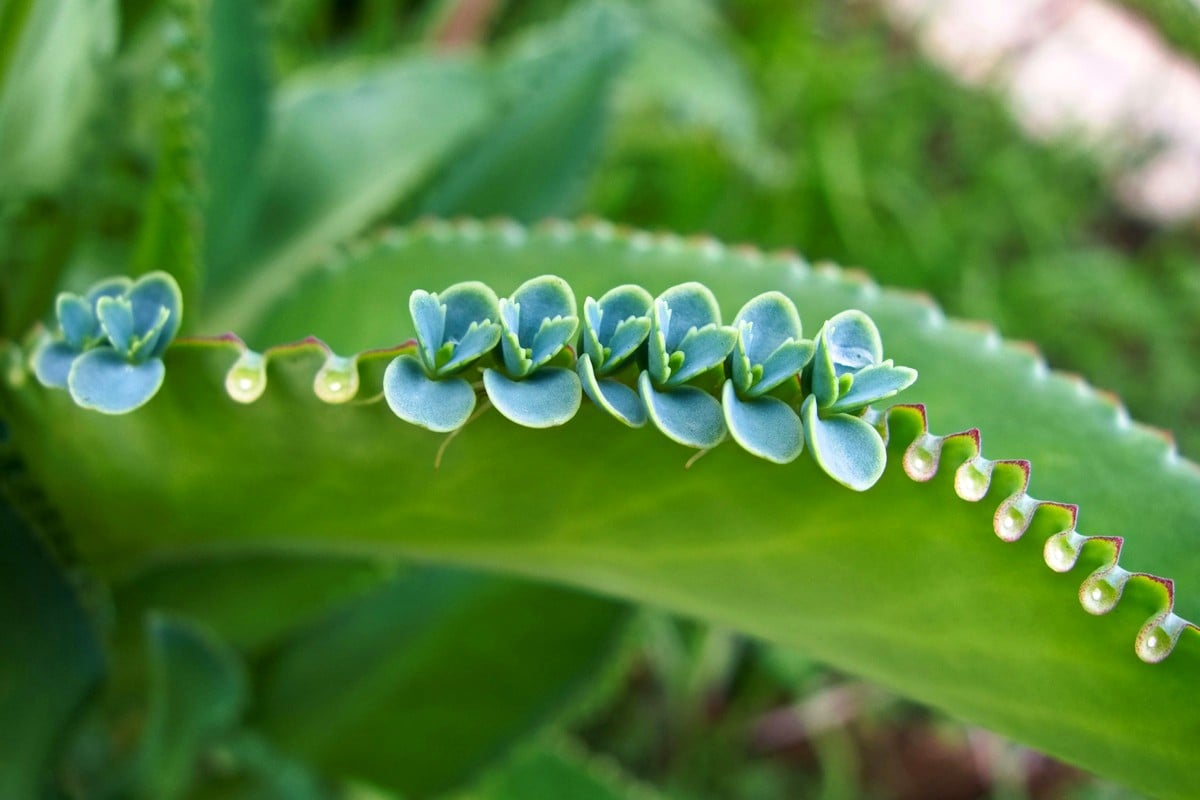
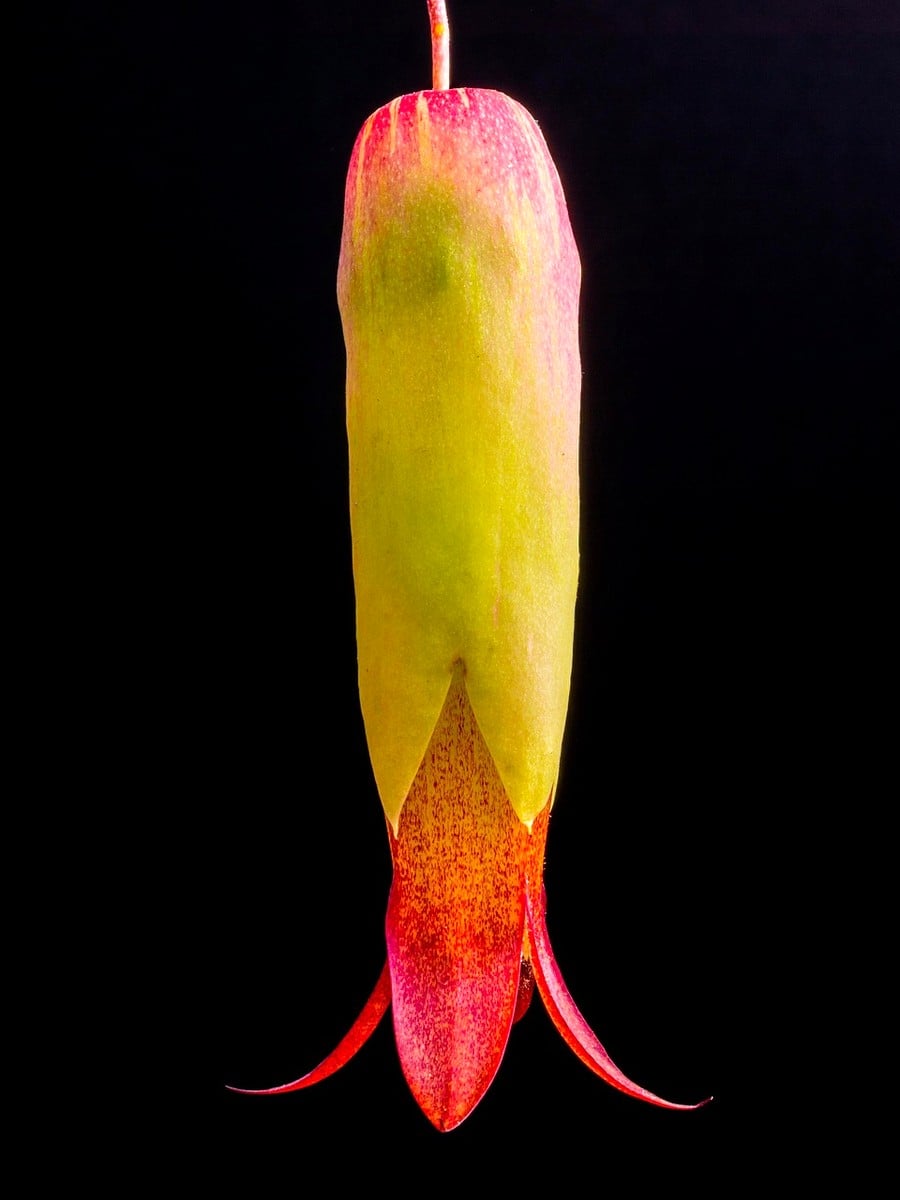
Kalanchoe pinnata, also known by its older name Bryophyllum pinnatum, is a succulent from Madagascar. It has thick, oval leaves with scalloped edges, often split into three to five leaflets, and tall stalks of hanging, lantern-shaped flowers that earned it the name cathedral bells. Small buds form in the notches of the leaves and grow into new plants. The Kalanchoe pinnata plant profile shows how to recognize it and keep it safe.
The names cause trouble. In Spanish, both K. pinnata and Kalanchoe daigremontiana go by mala madre, and both get sold as mother of thousands. K. daigremontiana is the one with long, pointed leaves edged with rows of tiny plantlets, like the Pink Butterfly variety that Winco Holland grows. Many plants labeled K. daigremontiana turn out to be its hybrid, Kalanchoe × houghtonii. Almost all the medicinal research below is on K. pinnata. For the other two, there is very little.
What Kalanchoe Pinnata Is Traditionally Used For
The plant spread across the tropics, and its folk uses traveled with it. Researchers at the University Hospital Zurich list the main ones in a 2023 review: leaves on wounds, bruises, and insect bites; preparations for stomach complaints such as diarrhea and vomiting, and remedies for high blood pressure and urinary problems, as in Trinidad and Tobago. African, Brazilian, and Indian traditional medicine use the leaves crushed, as juice, or as extracts.
There is also a formal medical use, in a small corner of Europe. Anthroposophic medicine took the plant up for premature contractions in pregnancy in the 1970s. In Germany, a network of 38 anthroposophic doctors wrote 4,038 prescriptions for Bryophyllum preparations between 2004 and 2010, most often for mental and behavioral complaints and skin conditions. In Switzerland, tablets made from the pressed leaf juice are prescribed today, mostly in gynecology and obstetrics. The researchers who mapped German prescribing concluded that such wide use urgently needs more clinical trials.
What the Research Has Actually Tested
Here is where the bold claims online come from, and how far each one actually goes.
In the Lab
- Asthma. In mice, a leaf extract and quercetin, one of its flavonoids, reduced allergic inflammation in the airways. That is a mouse model of allergy, not a treatment for asthma in people.
- 'Antitumor.' In 2001, Japanese researchers found that bufadienolides from the leaves blocked a tumor-promoter reaction in cultured cells. These are the same heart-active compounds that poison livestock. A cell test is where drug research starts, not a cancer treatment.
- Leishmaniasis. A leaf extract worked against this skin parasite in mice, and one patient in Brazil ate fresh leaves for two weeks while his lesion stopped growing. One patient.
- Bladder. Fractions of the leaf juice relaxed strips of pig bladder muscle in the lab.
With People
- Preterm labor. A 2006 Zurich study compared 67 pregnant women given Bryophyllum by drip with 67 matched women given standard beta-agonist drugs. Pregnancies lasted about as long in both groups, and the Bryophyllum group had fewer side effects such as palpitations. But the study looked back at hospital records instead of assigning treatments at random. Two randomized trials that followed were stopped early because too few women could be recruited, so their results are descriptive only.
- Overactive bladder. In a randomized, placebo-controlled trial with 20 postmenopausal women, the Bryophyllum group went to the toilet a little less often after eight weeks. The difference with placebo was not statistically significant.
- Sleep. Twenty cancer patients with sleep problems reported better sleep after three weeks on Bryophyllum tablets. There was no control group.
Worth knowing: much of this human research used one manufacturer's product, and several authors declared research funding from that company. That does not make the results wrong. It does make independent trials more important.
What Is Not Proven
None of the popular claims, from asthma and burns to kidney stones, diabetes, and cancer, has been confirmed in large, independent trials in people. The Swiss use rests on small studies and long clinical habit, with standardized tablets and a doctor who decides the dose. A leaf picked from a windowsill plant is a different thing. Nobody knows how much of the active compounds, or of the toxins, it carries.
Why the Plant Itself Is a Risk
Toxic to Pets and Livestock
The compounds that make Kalanchoe pinnata interesting to researchers also make it toxic. The plant contains bufadienolides, heart-active substances similar to digitalis. In Queensland, Australia, this plant and its relatives caused 41 recorded poisoning incidents affecting 379 cattle between 1960 and 1984, all between May and October, when the plants flower. In another Australian case, two cows died within 48 hours of being fed a large amount of K. pinnata from a house garden. The ASPCA lists Kalanchoe as toxic to dogs and cats, and if you are looking for safer choices, see the list of pet-friendly houseplants.
A 2020 study tested an ethanol extract of the leaves, the most popular form of Kalanchoe preparation over the past decade. It caused a weak genotoxic response, a sign of possible DNA damage, in two standard tests, and the authors concluded that its use should be restricted.
- Do not treat yourself, your children, or your pets with homemade leaf juice, tea, or extracts.
- If you are pregnant, have a heart condition, or take heart medication, talk to your doctor before using any Bryophyllum product.
- Keep the plant out of reach of cats and dogs, as with other indoor plants that are toxic to cats and plants that are poisonous to dogs. If a pet chews it, call your vet or the ASPCA Animal Poison Control Center at (888) 426-4435.
Invasive Where It Escapes
Kalanchoe pinnata is a Category II invasive plant in Florida, an environmental weed in Queensland and New South Wales, and invasive in the Galápagos Islands. A 2022 study of Kalanchoe in Ecuador links its spread around the tropics to its use as a medicinal plant. So never put fallen leaves on the compost heap or in a wild spot: they root.
So What Are the Real Benefits?
As a pot plant, they are simple and real. Kalanchoe pinnata is easy on a sunny windowsill with the usual succulent care, it flowers, and the way it grows new plants from its leaves is a living lesson in how plants can reproduce without seeds. As a medicine, it is a research subject with a few interesting leads and no proven cure.
Sources: Zurfluh et al., Frontiers in Pharmacology (2023); Fürer et al., Planta Medica (2016); Lans, Journal of Ethnobiology and Ethnomedicine (2006); Simões-Wüst et al., Forschende Komplementärmedizin (2012); Cruz et al., Phytomedicine (2012); Supratman et al., Bioscience, Biotechnology, and Biochemistry (2001); Torres-Santos et al., Phytotherapy Research (2003); Bachmann et al., Planta Medica (2017); Plangger et al., European Journal of Obstetrics and Gynecology (2006); Simões-Wüst et al., Complementary Medicine Research (2018); Betschart et al., Phytomedicine (2013); Simões-Wüst et al., Integrative Cancer Therapies (2015); McKenzie and Dunster, Australian Veterinary Journal (1986); Reppas, Australian Veterinary Journal (1995); ASPCA; Saravanan et al., Mutation Research (2020); Florida Natural Areas Inventory; Brisbane City Council; Vargas et al., Plants (2022).
Header image and featured image by josch13 on Pixabay.
About the author: Brian Okinda is an editor at Thursd and a trained journalist specializing in agriculture, science, and sustainable floriculture. He covers the flower industry from the inside, from farms and expos to the people behind the flowers. Connect with Brian on LinkedIn.