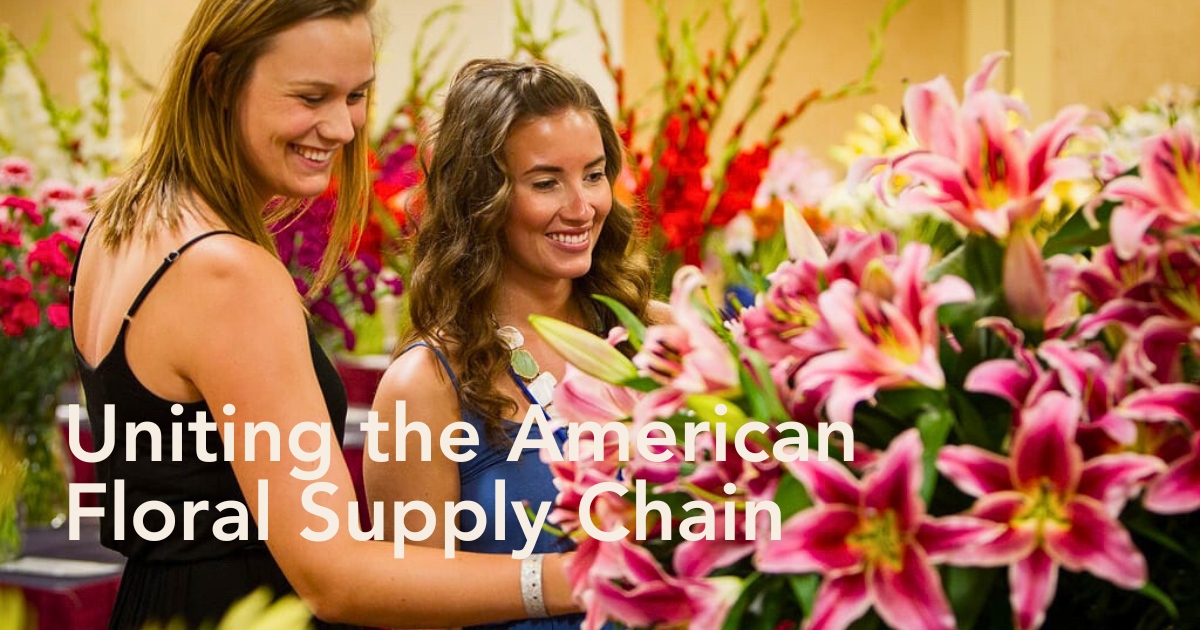
When you think about the floral industry in America, you might just picture lovely flower shops, sprawling greenhouses, large retailers, or busy wholesale markets. However, there is also the Society of American Florists (SAF), which has been the spine of the American floral community since 1884.
SAF has been working to connect, support, and advocate for flower professionals for more than 140 years, helping everyone from small-town florists to large-scale growers, wholesalers, and retailers navigate the dynamic marketplace.
SAF's Beginning Was Rooted in Practical Needs
Commissioned by an act of Congress in 1884, the Society of American Florists was formed in Chicago, Illinois, by 21 practical-minded members of the American Association of Nurserymen, Florists, and Seedsmen. They figured they needed an institution more focused. Back then, their immediate concern was to provide hail insurance for members.
Yes, the very first goal of what would be one of America's longest-serving trade associations was to protect members from weather-related crop damage. Back then, annual dues were just two dollars. So invitations went out to florists across the country.
That same year, coincidentally, the Statue of Liberty arrived from France. Within a year, SAF had grown to 400 members, and hail insurance remained the hot topic at meetings. There, even, is an amusing irony in the fact that the first person to collect on the insurance was also the first to join, and he had done so reluctantly because he lived far from what was considered the hail belt.
In 1901, SAF's founders' resolve paid off when President William McKinley signed the organization's national charter, officially recognizing their purpose. The congressional charter gave the society a special status and cemented its role as the voice of the American floral industry. A lot more happened between then and now.
What SAF Stands For Today
SAF is the sole national trade group for every part of the U.S. floral scene. Think retailers, growers, wholesalers, importers, suppliers, even educators and students, and related organizations. That's a pretty big tent! It essentially brings together the entire American floral supply chain, equipping members with career resources, sharing future trends, and boosting operations. It is all about practical help that fits real daily floral work!
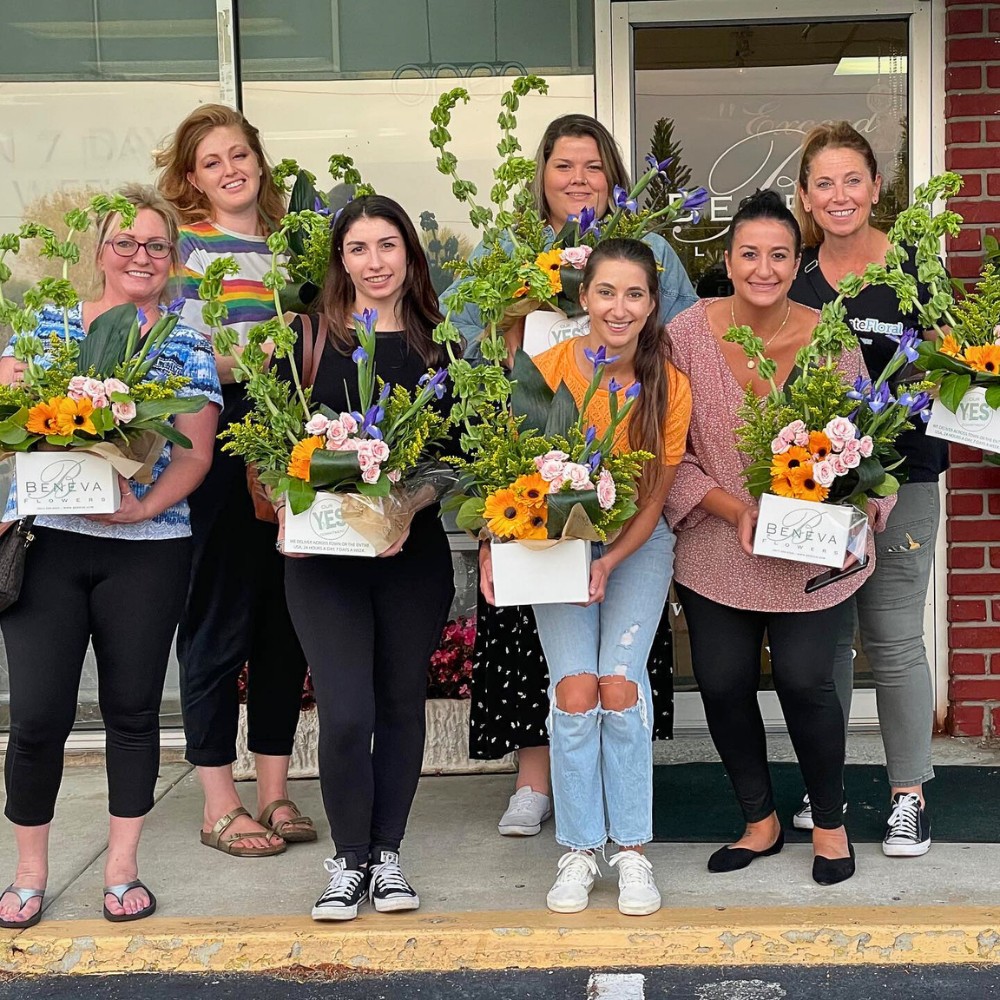
Based in Alexandria, Virginia, their mission remains focused on connecting people and building a strong community, with a vision of flowers in every aspect of life. Membership opens to anyone in the field, bringing perks like data, education, and networking.
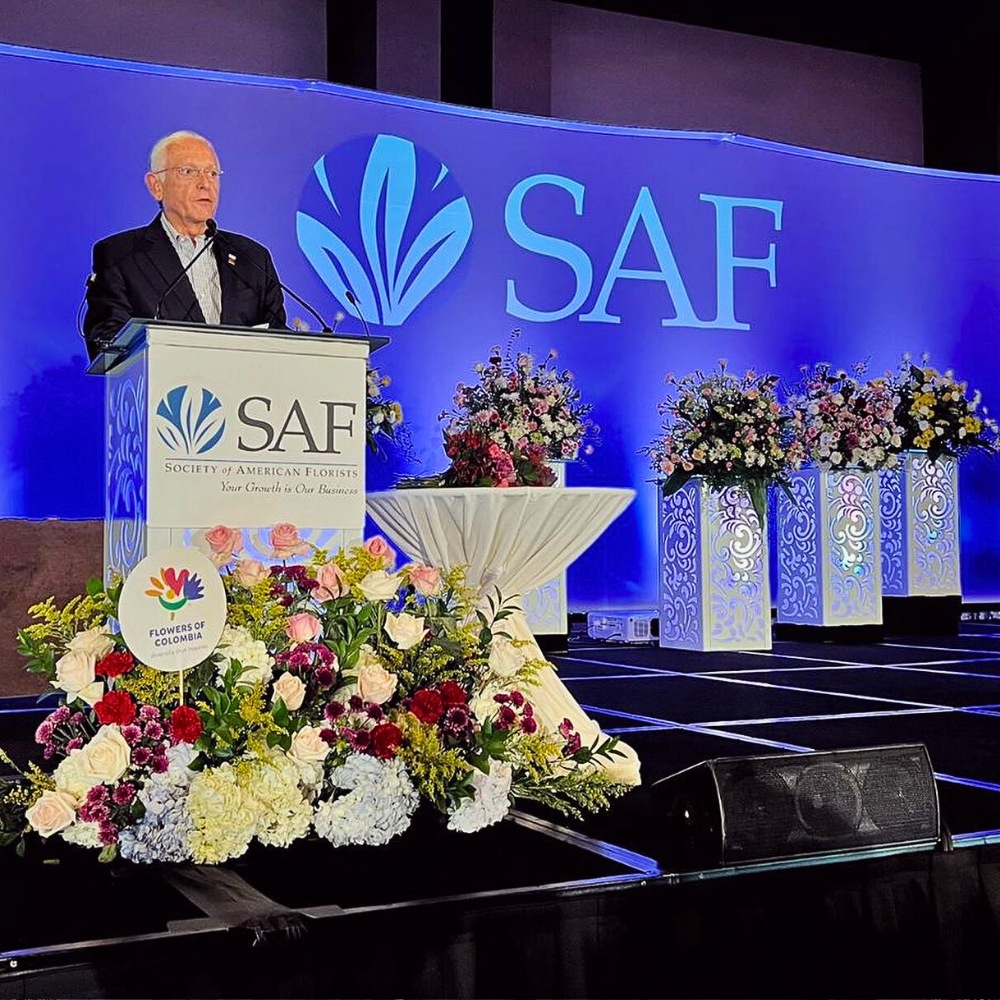
Their focus is on four main areas. First, there's government advocacy, where SAF maintains a presence in Washington, D.C. Here, it is the unified voice of the floral industry. Every March, members gather for Congressional Action Days, meeting with legislators to discuss issues affecting their businesses, from trade policies to labor concerns.
Second, SAF provides marketing support and consumer education. One of their most successful initiatives is Petal It Forward, which began in 2015 as a single event in New York City and has grown into a nationwide promotion where florists give away flowers to spread joy and remind people of the emotional power of fresh flowers. The organization also runs a consumer website that offers floral advice and promotes professional florists.
Third, SAF delivers industry intelligence and research. They publish reports on market trends, conduct studies on consumer behavior, and provide members with the data they need to make informed business decisions. Their publication, Floral Management magazine, is the industry's leading source for business trends, management tactics, marketing strategies, and design trends.
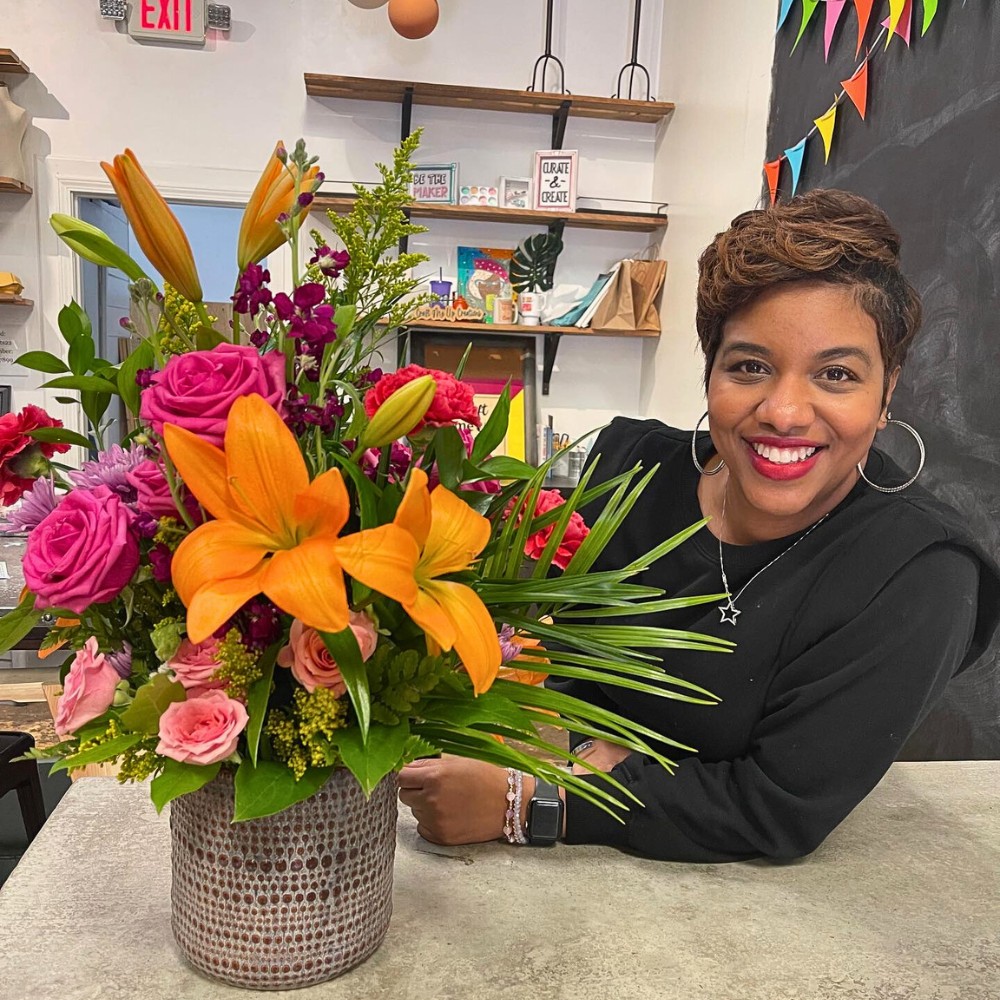
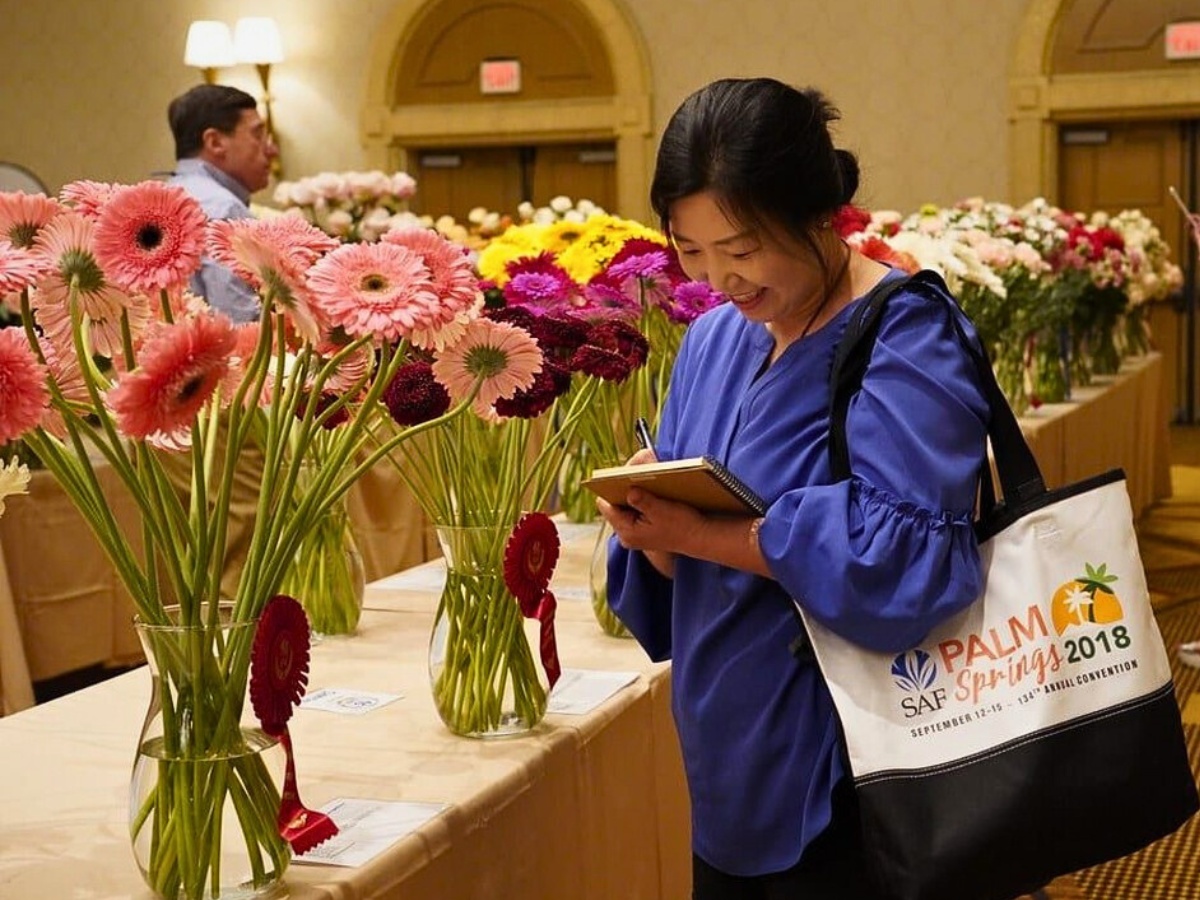
Fourth, SAF offers extensive education and networking opportunities. The annual SAF Convention brings together hundreds of floral professionals for several days of learning, inspiration, and connection. They also offer Profit-Blast events held in various cities, and Next Gen LIVE!, designed specifically for younger industry professionals under 45.
The People Leading the Way at SAF
SAF's current CEO is Kate Penn, who started out as a writer and editor, fresh out of college with a journalism degree. Over the decades, her role evolved through editor-in-chief, publisher, and various vice president positions before she became CEO. Her long tenure at SAF gives her comprehensive institutional knowledge and strong relationships throughout the industry. Kate often describes her job and that of her team as more about listening.
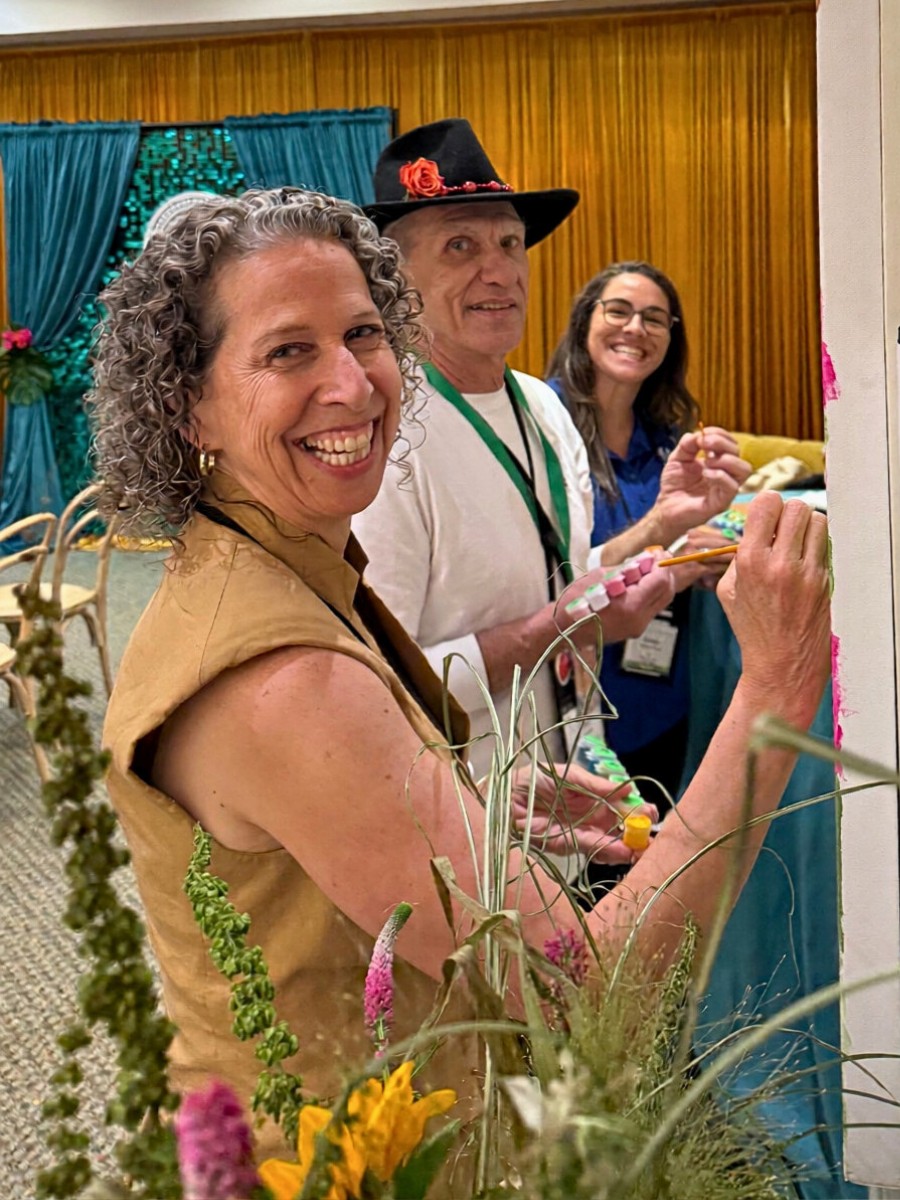
SAF also operates with a strong volunteer leadership structure. Their Board of Directors includes an executive committee and representatives from different industry segments. There's a Growers Council, a Retailers Council, and a Wholesalers Council, ensuring that each segment's particular needs are heard and addressed.
Key Milestones and Achievements That Have Defined SAF
SAF's more-than-140-year history is full of those moments that show the organization's adaptability and commitment to the floral community. In the 1920s, they adopted the famous slogan "Say It with Flowers," which became one of the most successful marketing campaigns in the industry's history. By 1927, they had increased their promotional budget to $2 million, a substantial sum for that era.
The organization has also weathered significant challenges. During World War I, when fuel shortages threatened to close greenhouses deemed non-essential, SAF negotiated a compromise with the government, ordering members to cut fuel consumption by one-third rather than closing entirely. During World War II, when flowers couldn't be delivered in rubber-tired vehicles due to rationing, SAF pitched in on the Victory Gardens program and received national recognition for its efforts.
In 1957, SAF moved its headquarters from Chicago to Washington, D.C. This strategic relocation occurred during a time when the organization was addressing industry-wide issues, such as the 'in lieu of flowers' trend and transportation damages. The move also recognized the importance of being close to the center of government. This strategic transfer strengthened the organization's advocacy capabilities.
The 1960s brought several long-lasting honors. The Floriculture Hall of Fame was founded in 1962, the American Academy of Floriculture in 1965, and the Professional Floral Commentators-International (now Professional Floral Communicators-International) in 1967. These initiatives recognized merit and encouraged professional development across the industry.
Following the September 11, 2001, terrorist attacks, SAF coordinated with FTD, Teleflora, and other industry organizations to provide flowers for weeks to comfort victims' families and relief workers. This response showed the industry's capacity for compassion and quick mobilization.
In 2009, SAF celebrated its 125th anniversary, marking more than a century of service to the American floral community. The society has continued to evolve, launching initiatives like Seed Your Future to attract young people to careers in horticulture and floriculture, and creating educational platforms like Career Connections to help professionals develop their skills throughout their careers.
Why SAF Holds Greater Importance Today
Today's floral scene is dynamic. It is fast-changing, with many things happening. There is global competition and shifting consumer preferences. In such cases, having a unified voice matters, so SAF provides individual florists, growers, and suppliers with the resources and advocacy power they could never achieve alone.
The association also tackles issues ranging from international trade agreements that affect flower imports to labor policies that impact hiring, environmental sustainability standards, and marketing strategies for reaching younger consumers.
The research by SAF also helps members understand their customers better. For instance, a behavioral study SAF partnered on with Rutgers University revealed that flowers help senior citizens cope with the challenges of aging, providing scientific backing for what florists often observed anecdotally. This kind of research gives the industry credibility and provides talking points for promoting the value of flowers.
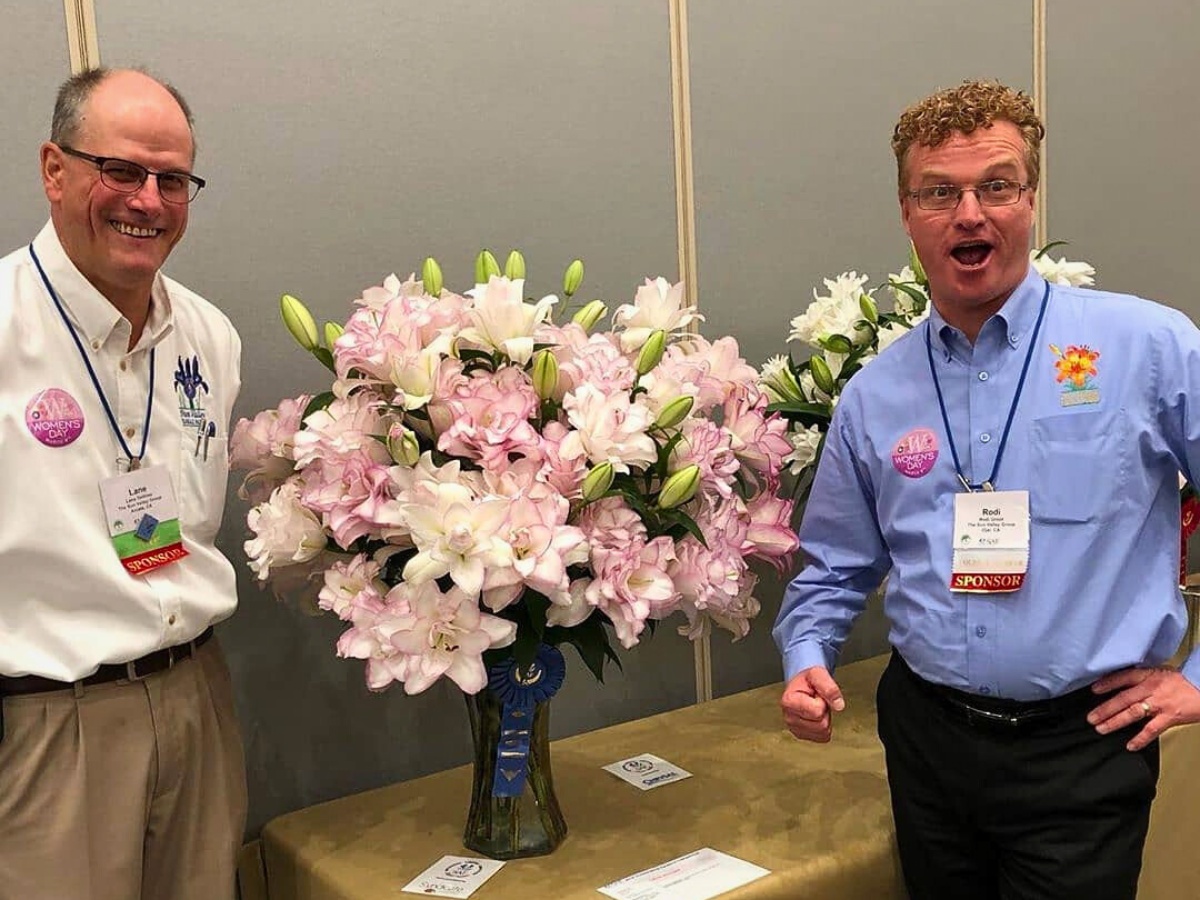
SAF's educational programs, as well, help floral businesses stay competitive. Be it social media marketing, understanding financial management, mastering design trends, or navigating supply chain challenges, this society brings expert knowledge to its members in accessible formats.
Moreover, the organization creates a sense of community. The floral industry can be isolating, with individual florists, flower-shop owners, or growers facing similar challenges but lacking peers to consult. SAF's events, online forums, and publications build connections that lead to relationships, mentorships, and business partnerships.
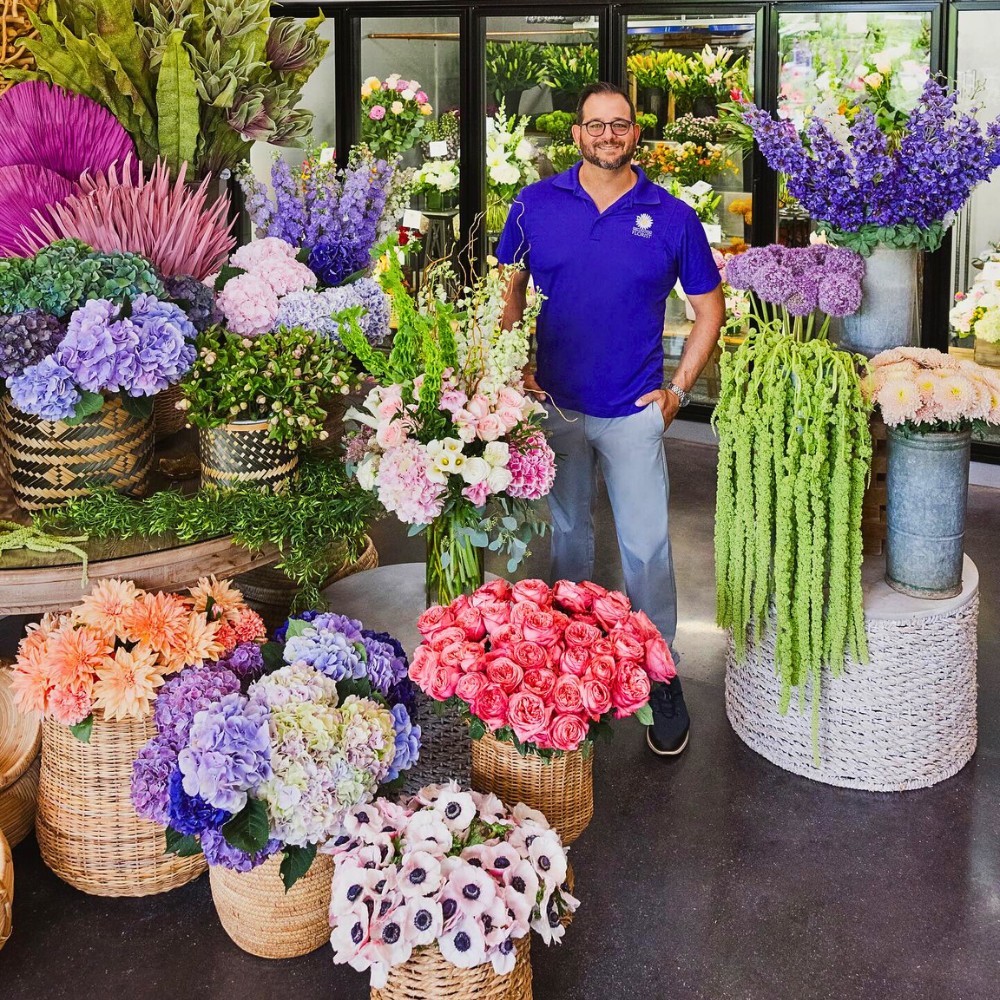
Looking at it more pragmatically, while the floral industry is built around beauty, emotion, and celebration, it is also a business that requires knowledge, strategy, and support. It thrives when united, and SAF makes that happen. Their reliable hand through wars, depressions, and tech booms shows the society's worth. To members, it almost feels like family.
Feature image by @societyofamericanflorists. Header image by @societyofamericanflorists.