Kenya’s cut flowers may still be flourishing, but getting them to market has all of a sudden become a much tougher challenge, as the Middle East conflict escalates. The geopolitical conflict is tearing through the air cargo networks that carry flowers, and for the industry, the damage is already in the tens of millions of dollars.
Unless a solution is found, the Kenya Flower Council (KFC), the country’s flowers industry's representative body, warns that the damage will keep spiraling as flight routes become erratic, airfreight costs increase, cargo space gets minimal, and fresh flowers fall at risk of delays. Essentially, the stakes could not be higher.
One of the Sectors That Keep Kenya Running
Floriculture is a key sector supporting Kenya’s export economy. It generated about 835 million US dollars in export earnings in 2024 and continues supporting hundreds of thousands of jobs, both directly on farms and indirectly along the supply chain. When this sector stumbles, the impact spreads quickly: foreign exchange inflows weaken, employment prospects diminish, and livelihoods fall under pressure.
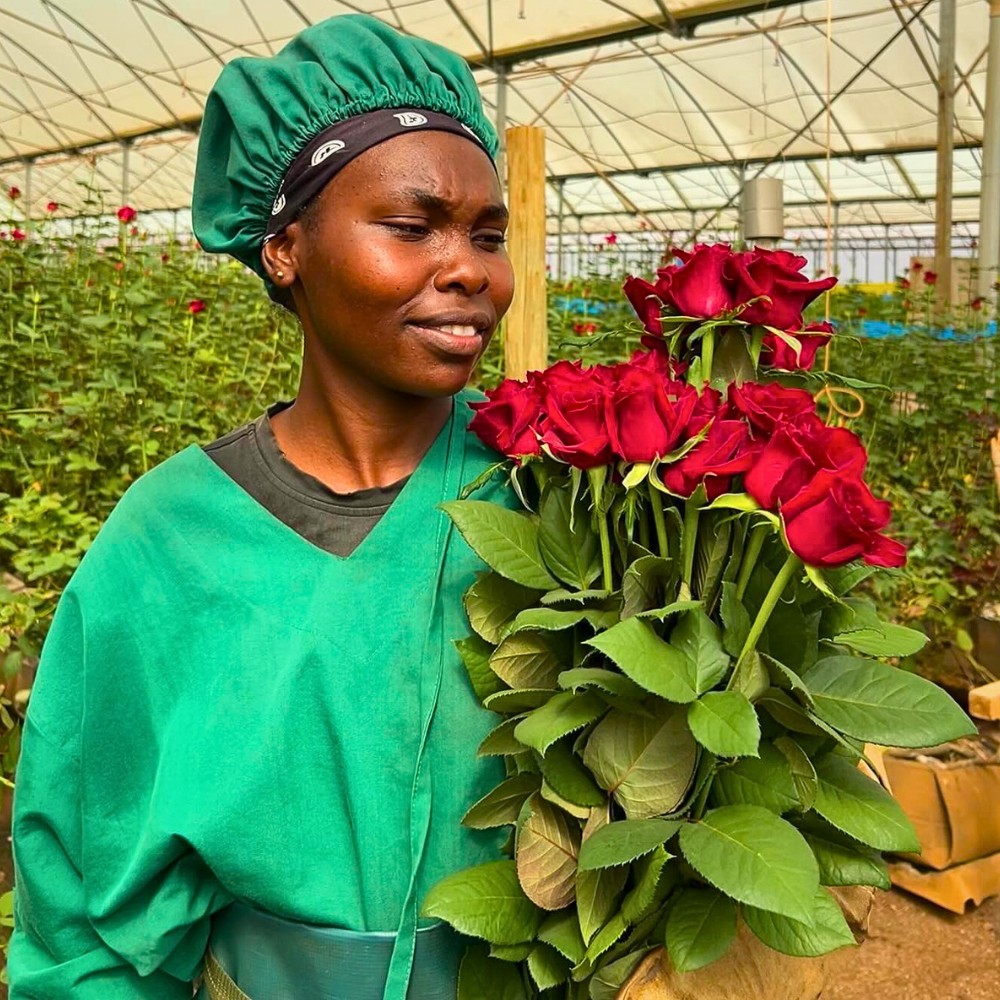
If the conflict and resulting disruptions drag on, KFC cautions that air freight capacity is likely to remain tight, and rates on some routes could double or even triple. Sea freight is not a realistic alternative, either (for most flower shipments), as it adds 10 to 15 days to transit times, which is way past the practical lifespan of many cut varieties. The current situation has strong echoes of the COVID-19 logistics crisis, with its combination of limited capacity, unstable pricing, and unyielding uncertainty.
Why the Middle East Is Important
For KFC, the conflict is a threat to one of the country’s most important export sectors and a major source of jobs. The Middle East is, to the Kenyan flower industry, just as valuable a market as it is a key logistics channel, according to a statement by KFC CEO, Clement Tulezi. Between 10% and 15% of Kenya’s flower exports go to Middle Eastern markets, especially the UAE and Saudi Arabia.

In addition, five Gulf countries account for about 13.35% of export value, estimated at 722.9 million US dollars. Airlines based in the Gulf move a large share of global air cargo, including a significant volume of Kenya’s highly perishable flowers headed to Europe and other key destinations. This means disruptions to Middle Eastern airspace and hubs not only affect direct shipments to the region, but also interfere with the wider network linking Kenyan flowers (and growers) to markets globally.
What the Disruption Looks Like on the Ground
Since the conflict escalated, a lot has changed. Air cargo capacity on routes serving Kenya has fallen by as much as 30% on some corridors. Globally, an estimated 18% to 20% of air freight capacity has been removed from service. Shipment delays of up to 48 hours have become routine, accompanied by flight cancellations, last-minute rerouting, and incessant rescheduling. For flowers, 48 hours means the difference between a fresh product that can be sold at full price and one that arrives wilted and unsellable.
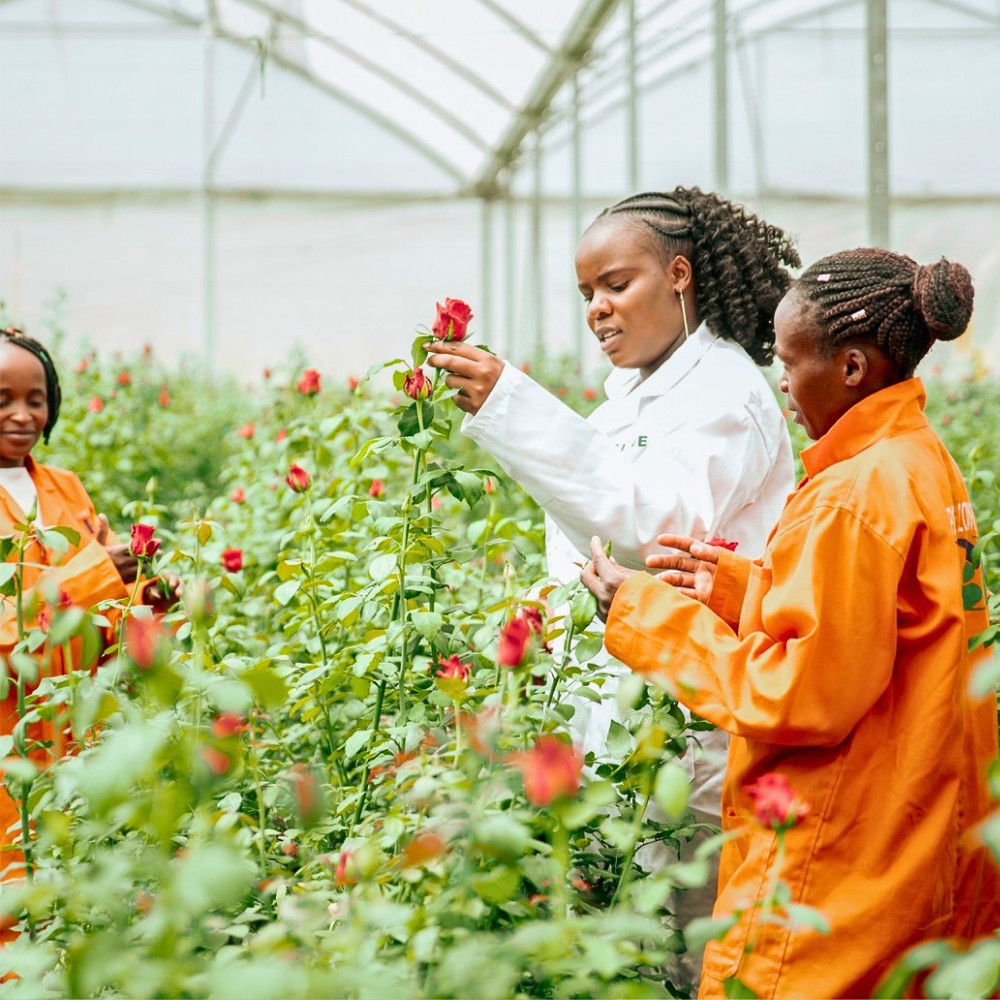
Freight rates have also acutely climbed, and exporters are facing costs of up to USD 5.30 per kilogram, driven by longer flight paths, higher fuel prices, and war-risk surcharges. On some key trade routes, cost increases have exceeded 20%.
Clement Tulezi in the statement:
“With millions of dollars in losses already recorded and supply chains under severe strain, the sector is warning of deeper economic fallout unless urgent measures, including the release of pending VAT refunds, are taken to support exporters.”
Counting the Losses
For growers already working with tight margins, these increases are unsustainable over the long term. The combined pressure of less cargo space, higher costs, and longer transit times is already showing up.

Over just three weeks, Kenya’s flower exporters are estimated to have lost around 4.8 million US dollars (or roughly 220 million Kenyan shillings). Of this amount, about 2.1 million US dollars means flowers that never made it to market in a saleable condition. The remaining 2.7 million US dollars means lower prices caused by delayed arrivals and quality deterioration.
Farms with a strong focus on Middle Eastern buyers have seen revenues drop by as much as 75%, and if the conflict continues, weekly losses could exceed 1.3 million US dollars. This, in turn, affects profits, workers’ wages, community services supported by farm investments, and economic stability.
More Ripple Effects, Even in Europe
One might assume that Europe, Kenya's largest flower export market, is shielded from all of this. But that is not the case because the Middle Eastern airspace is a vital corridor for Africa-to-Europe cargo flows. And with that passage under pressure, airlines have been forced to reroute, adding transit time, raising costs, and reducing reliability.
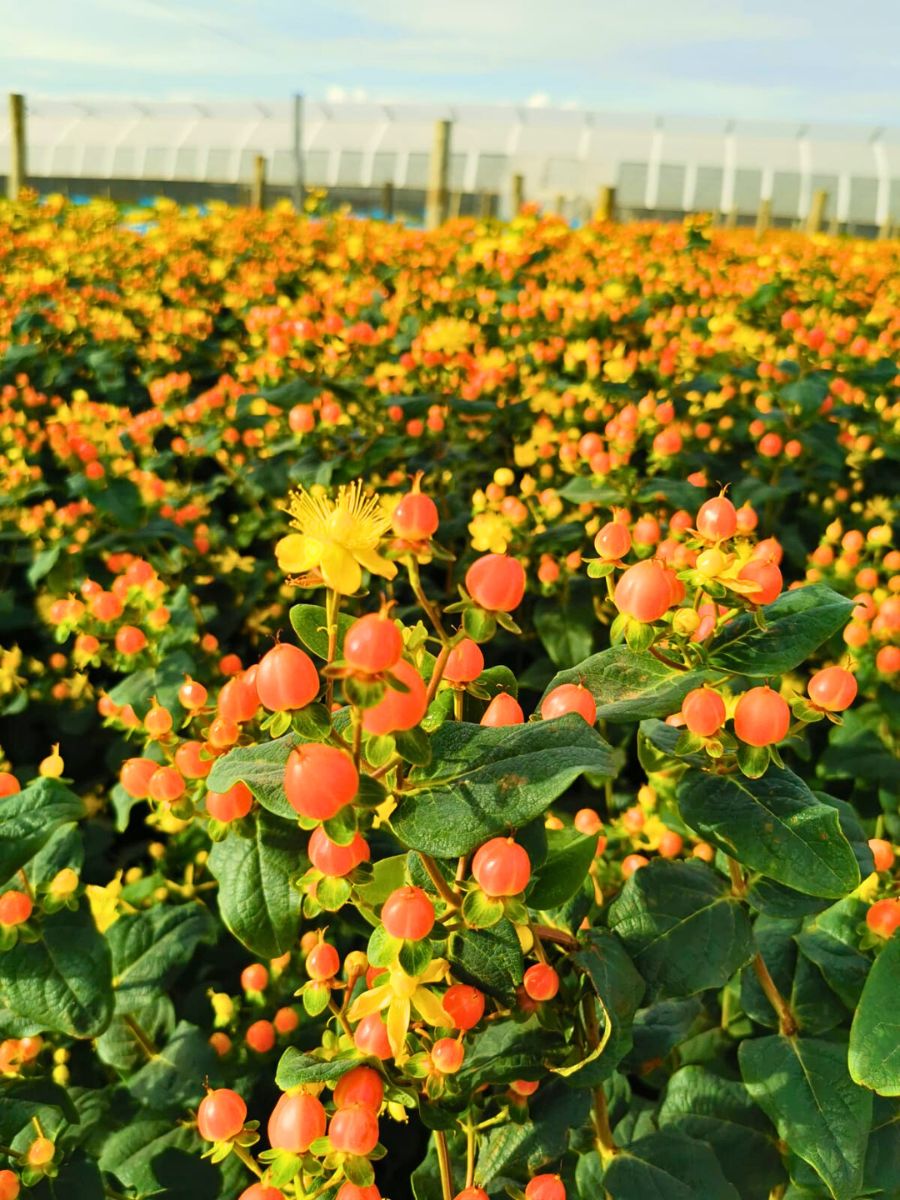
Freight rates on Europe-bound cargo routes have risen by more than 20% in some cases, while elsewhere, exporters are already seeing cargo volume declines of up to 37%. These show just how interconnected global logistics networks are, and a disruption on one key route affects virtually the entire chain.
KFC:
“Kenya’s flower industry is uniquely vulnerable to such disruptions due to the highly perishable nature of its products. Even short delays significantly reduce shelf life, lower auction prices, and increase rejection rates in destination markets. The current delays of up to 48 hours are therefore having a direct impact on product quality and competitiveness.”
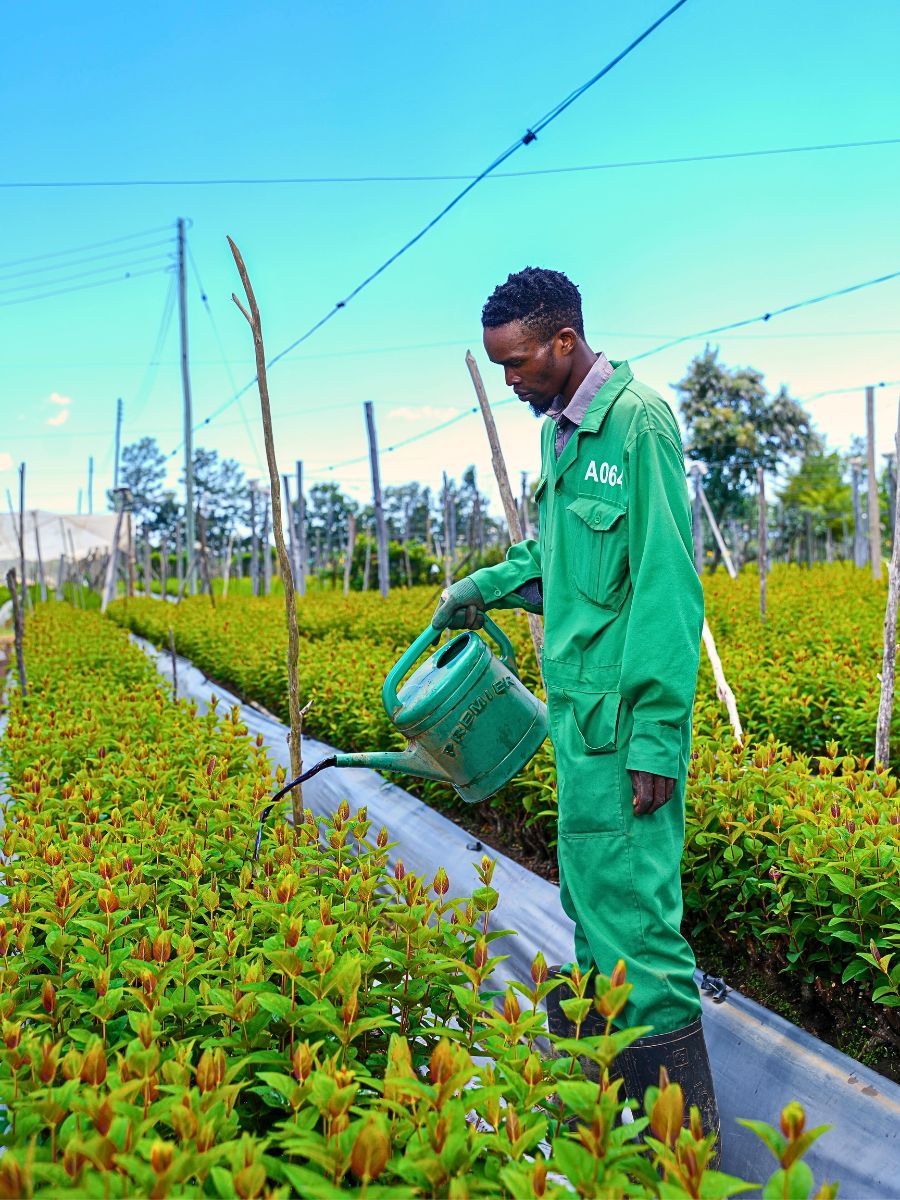
KFC noted that the rising freight costs are, at the same time, eroding already thin margins, threatening the economic viability of growers, particularly small and medium-sized enterprises. For them, the question has become how to survive the prolonged period of disruption without cutting jobs or scaling back production.
How the Industry Is Responding
In the face of these challenges, Kenya Flower Council is coordinating closely with exporters, airlines, freight companies, and government agencies. Key efforts include securing approvals for ad hoc air capacity and more direct flights, prioritizing available cargo space for perishables, identifying alternative routing options, and improving real-time sharing of logistics information.
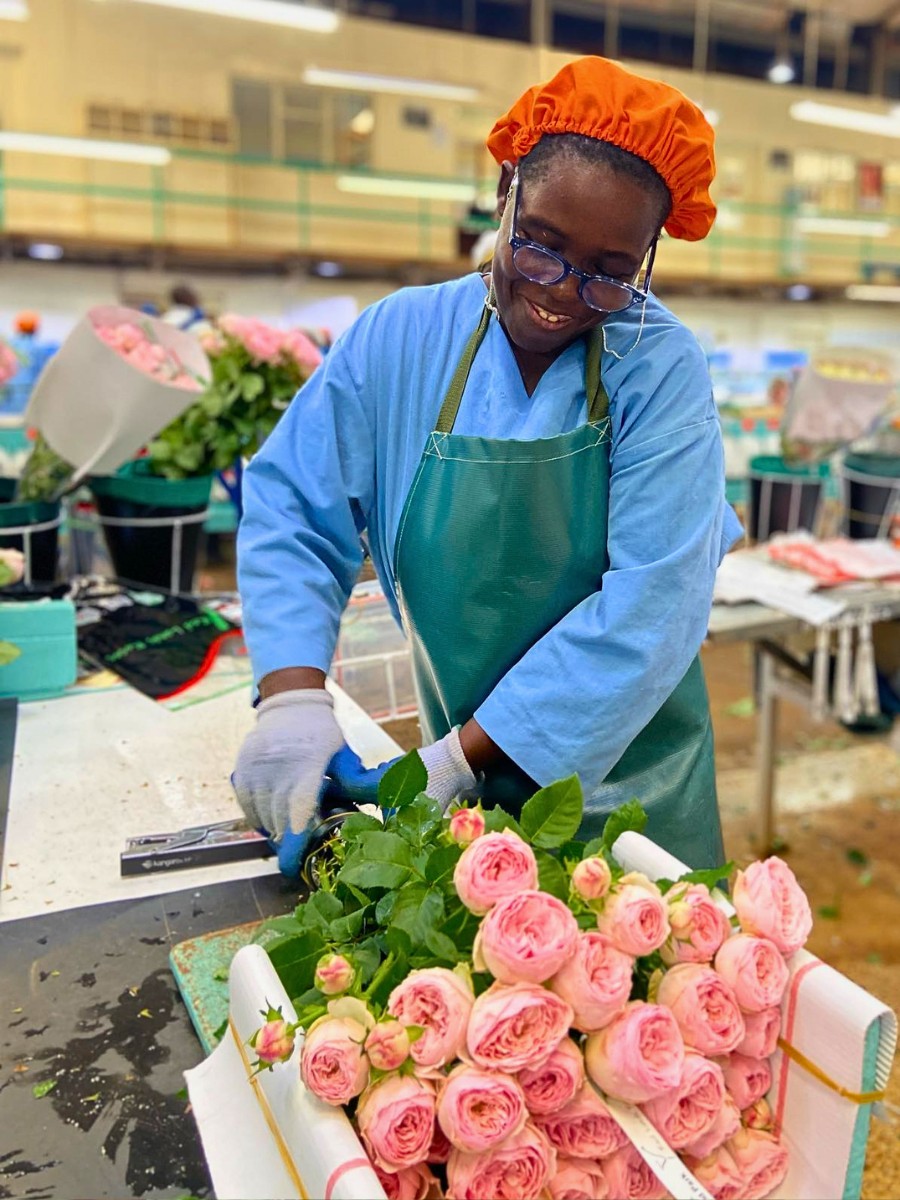
These measures are providing some relief, but they cannot fully resolve the deep structural constraints in the global airfreight system. For many growers, the immediate concern is not only space on planes, but also the cash needed to keep operations running through such turbulence.
Why VAT Refunds Are Now Important
Against these circumstances, KFC issued an appeal to the Kenyan Government to release pending VAT refunds owed to flower exporters without further delay. Outstanding VAT refunds for the sector, KFC indicated, stand at about USD 77 million (about KES 10 billion). These funds are an essential working capital that helps growers pay employees, maintain production, service loans, and meet export commitments even when freight costs rise and shipments are disrupted.
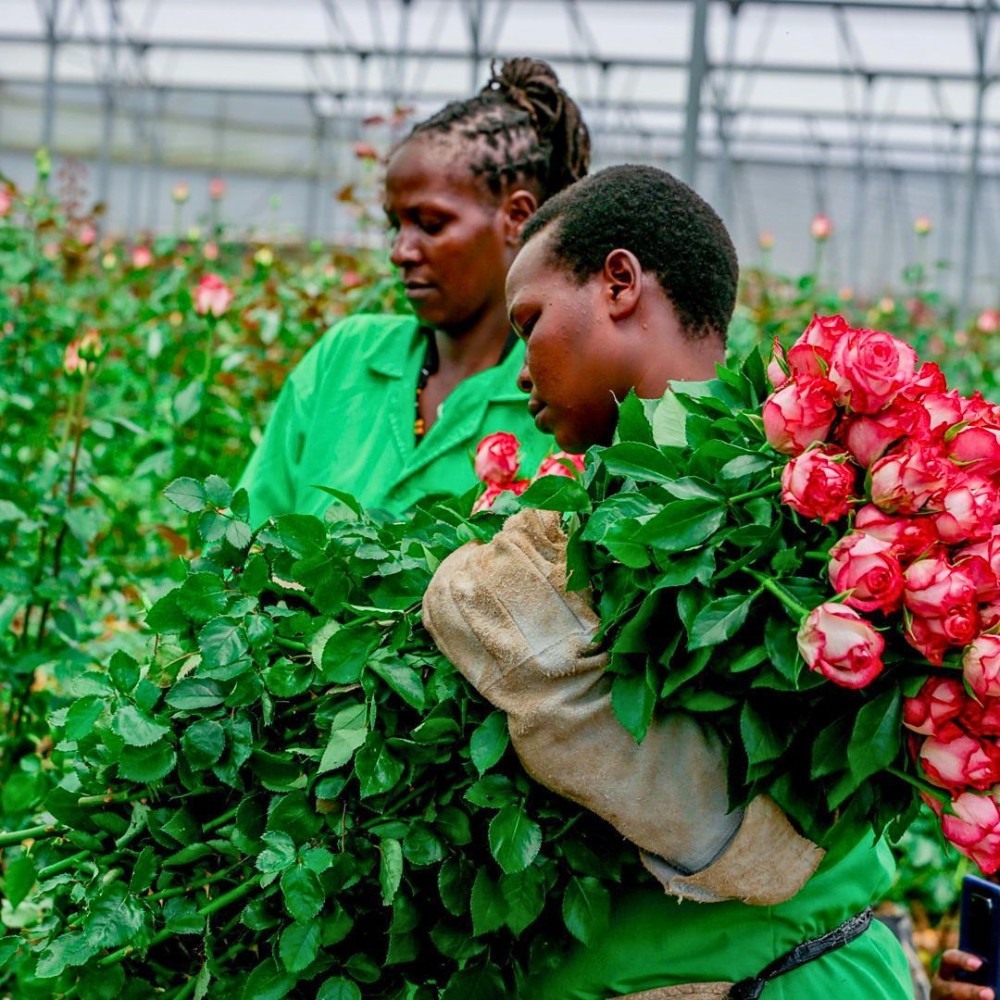
Withholding these refunds at a time of crisis tightens cash flow and increases the risk of business closures and job losses. Timely disbursement, on the other hand, would provide immediate liquidity relief and buy the sector valuable time to adjust and adapt.
What Next for the Industry
While the conflict has not affected flower production within Kenya, it is heavily straining the logistics that keep the industry connected to markets. Unless there is quick, coordinated action to support exporters, workers, and service providers, the pressure is likely to intensify.
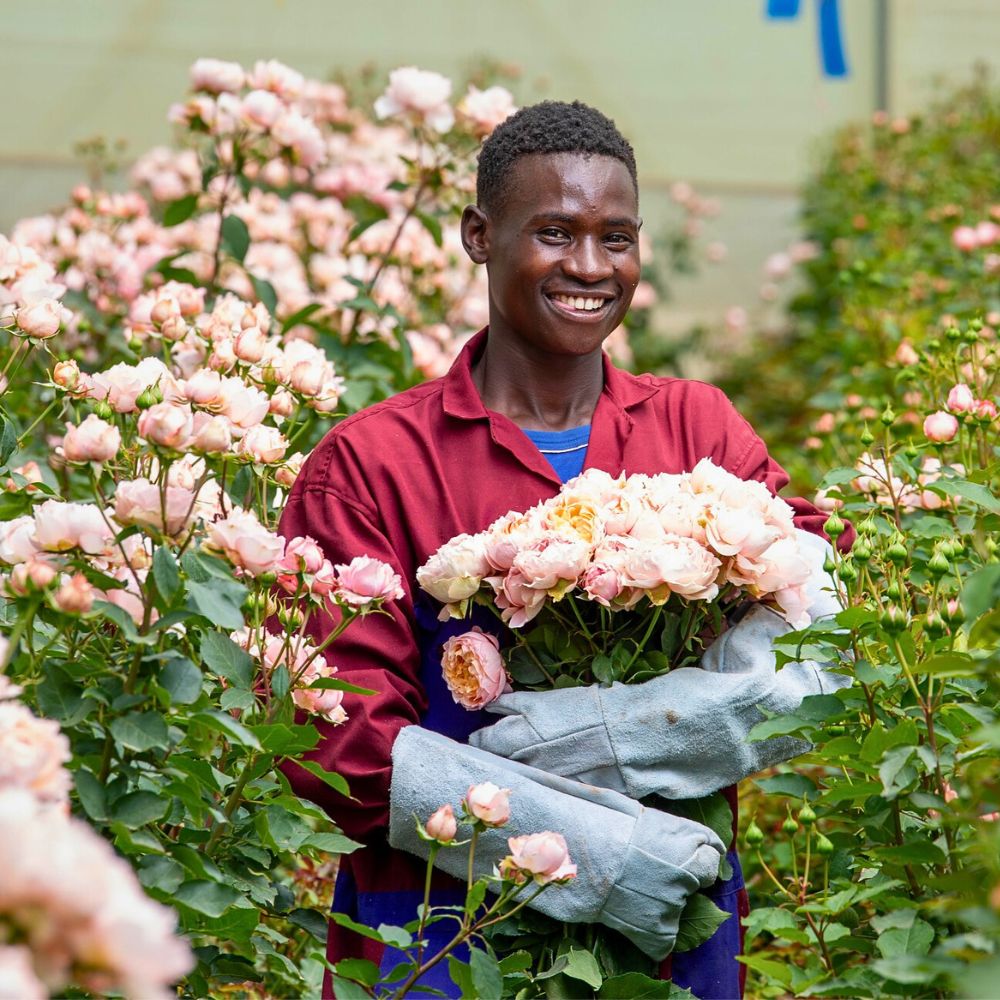
KFC, nonetheless, reaffirms its commitment to working with all stakeholders to protect the sustainability and global competitiveness of the country’s floriculture sector. For now, though, much depends on how quickly flight networks stabilize and how decisively policymakers respond to the industry’s call for support.
Feature image by @pjdaveflowersgroup. Header image by @benevflora.