Ranked among the world's top five flower exporters, Kenya ships the bulk of its cut flowers by air, with roughly 70% of exports landing in Europe, and this makes the sector acutely vulnerable whenever global logistics falter. Add a rising pest crisis, heightened climate stress, an often punishing tax burden, and a mix of other setbacks, and the picture that emerges is of a more-than-USD 835 million industry in a near-constant need of mitigation.
The Disruptions Hitting the Industry
All across the world, disruptions to different industries are commonplace. Perhaps no industry is immune to challenges that affect smooth operations, and the flower sector, quite like all others, contends with these hiccups now and then. But which ones specifically affect this industry in Kenya? Which ones have been quite a threat to Kenya’s flower industry supply chain’s smooth operations, more so in the recent past few years?
Geopolitical Shocks and Airfreight Volatility
The most immediate threat as of 2026 is the Middle East conflict. The region plays a big role in Kenya's floriculture supply chain. It is both a direct export destination, accounting for 10 to 15% of flower exports to countries like the UAE and Saudi Arabia.
The region is also a key transit corridor through which Gulf-based airlines route cargo between Africa and Europe. Since the conflict escalated, air cargo capacity on routes serving Kenya has significantly dropped, with an estimated 18 to 20% of global air freight capacity taken offline at one point.
Freight rates have also surged to as high as USD 5.30 per kilogram, with some corridors seeing more than 20% cost increases. In the weeks following the latest escalation, Kenyan flower exporters lost an estimated USD 4.8 million, approximately USD 2.1 million in perished stock and USD 2.7 million in price reductions from delayed and compromised shipments.
Flower farms most dependent on Middle Eastern markets saw revenue declines of up to 75%. But this is not the first time that this has been seen. The Red Sea crisis of 2024 similarly forced cargo rerouting and pushed up costs. The COVID-19 pandemic also created the same combination of tight capacity and volatile pricing that the sector now faces again.
The False Codling Moth Crisis
While logistics make headlines, a regulatory-level threat has been affecting Kenya's EU market access. The False Codling Moth (FCM), Thaumatotibia leucotreta, classified as a regulated quarantine pest by the EU since 2017, has triggered a steady escalation in inspection pressure. EU inspection rates on Kenyan flower consignments rose from 5% in 2018 to 25% as of May 2024 as a result of this pest.

In 2024, several shipments were even rejected, and some FCM interceptions were recorded, leading to the destruction of flowers and great losses incurred. Flower export earnings dropped from approximately USD 566 million in 2023 to USD 555 million in 2024, a decline directly linked to FCM enforcement and the compliance burden it imposed.
The pest is especially difficult to manage because it can survive on more than 80 plant species and lay up to 800 eggs per cycle. At the same time, chemical control options are increasingly restricted under EU regulations. But efforts are in place to address the FCM challenge.
Climate Stress and Water Scarcity
Prolonged periods of insufficient rainfall have also been quite a challenge. Growers have often been forced to find their own means to secure the necessary water resources required for flower production, which are sometimes costly, eating into their margins.

Roses, for instance, require approximately 10 liters of water during cultivation, making water a serious and increasingly constrained input. Erratic rainfall and rising temperatures are also linked to the behavioral evolution of pests like FCM, as the changing climate conditions increase pest habitats and alter population dynamics.
Production Costs and the Tax Burden
Kenyan flower growers pay quite a number of taxes and levies annually. In cost-per-kilogram terms, an average Kenyan flower grower pays approximately USD 2.70 versus USD 1.90 in Ethiopia, where government subsidies and national carrier freight advantages provide a competitive edge.
Compounding this, the Kenya Flower Council (KFC) had identified approximately USD 77 million in pending VAT refunds owed to flower exporters, representing important working capital that delayed releases are preventing from reaching farms. There are more challenges that the industry contends with. Like the flower industries in many other countries globally, these are, by no means, the only hurdles that floriculture faces in Kenya.
What the Industry Is Doing as Mitigation Measures
The industry, led by KFC, has, however, not been sitting still, nor wallowing in self-pity. Known for its resilience even amid difficulties, the Kenyan flower sector has put in place steps to forestall or navigate the prevailing challenges.
Addressing FCM Through a Systems Approach
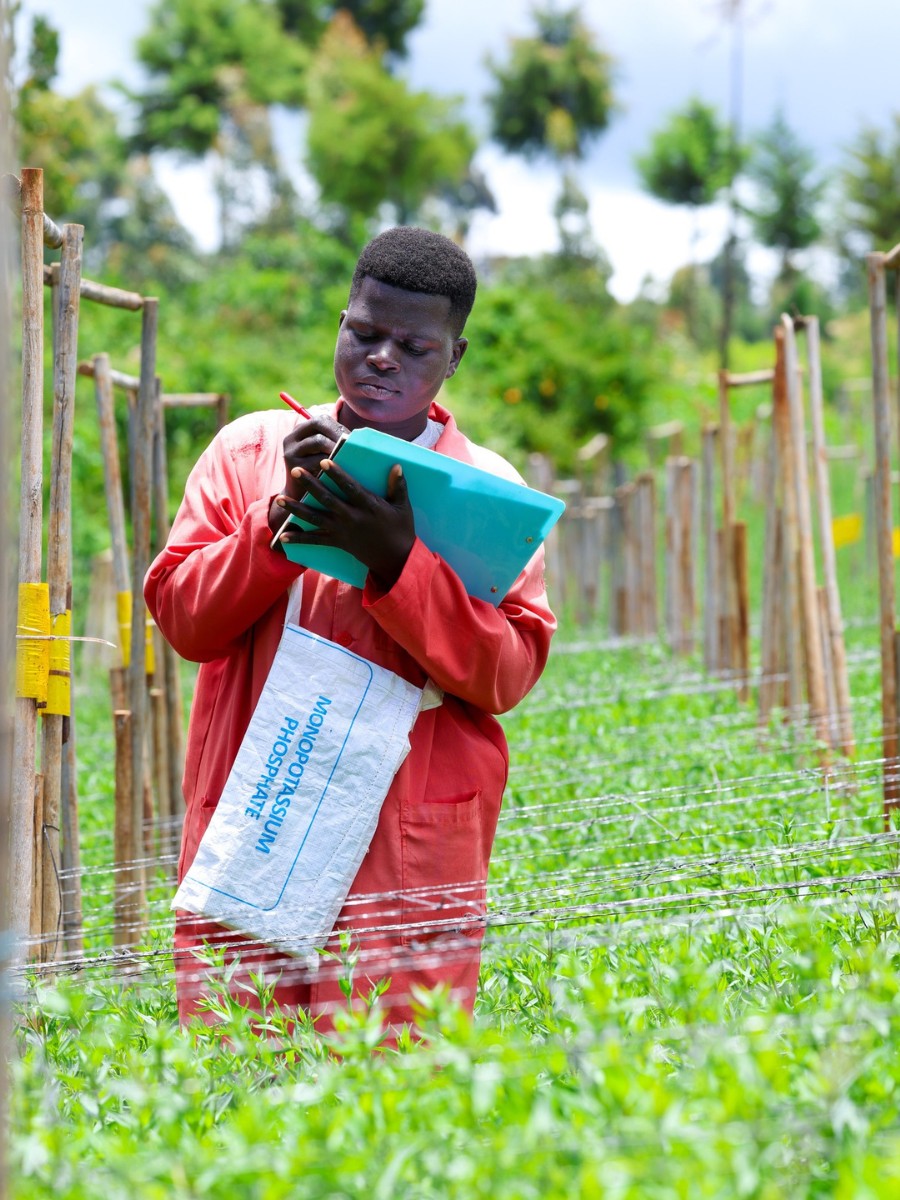
Perhaps the industry’s most structured response to FCM is the Rose False Codling Moth Systems Approach (Rose FCMSA), developed by the Kenya Plant Health Inspectorate Service (KEPHIS) in collaboration with exporters, growers, and the Fresh Produce Exporters Association of Kenya (FPEAK).
The framework covers pest surveillance, integrated management at every production stage, and post-harvest protocols designed to meet the EU's zero-tolerance threshold. Enrollment became mandatory for all exporters targeting the EU from April 26, 2025. KEPHIS has also strengthened regional inspection offices in areas like Naivasha, Timau, Nakuru, Eldoret, and JKIA.
Additionally, companies like Andermatt Kenya and Lachlan Kenya, among others, have introduced approaches and strategies to control the pest. For example, Andermatt’s three-step biological control programs for FCM in roses replace chemical-intensive approaches with biocontrol solutions compliant with EU standards.
Logistics Resilience and Route Diversification
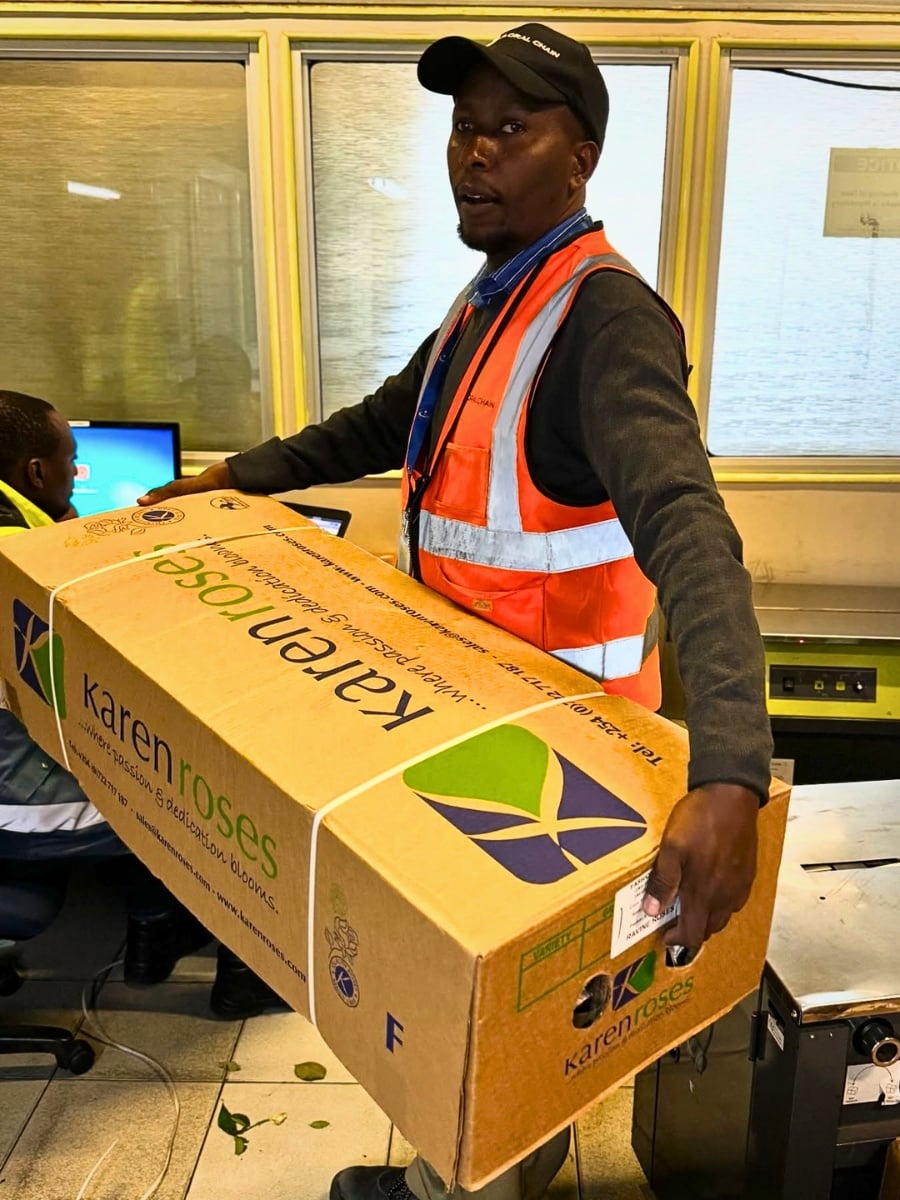
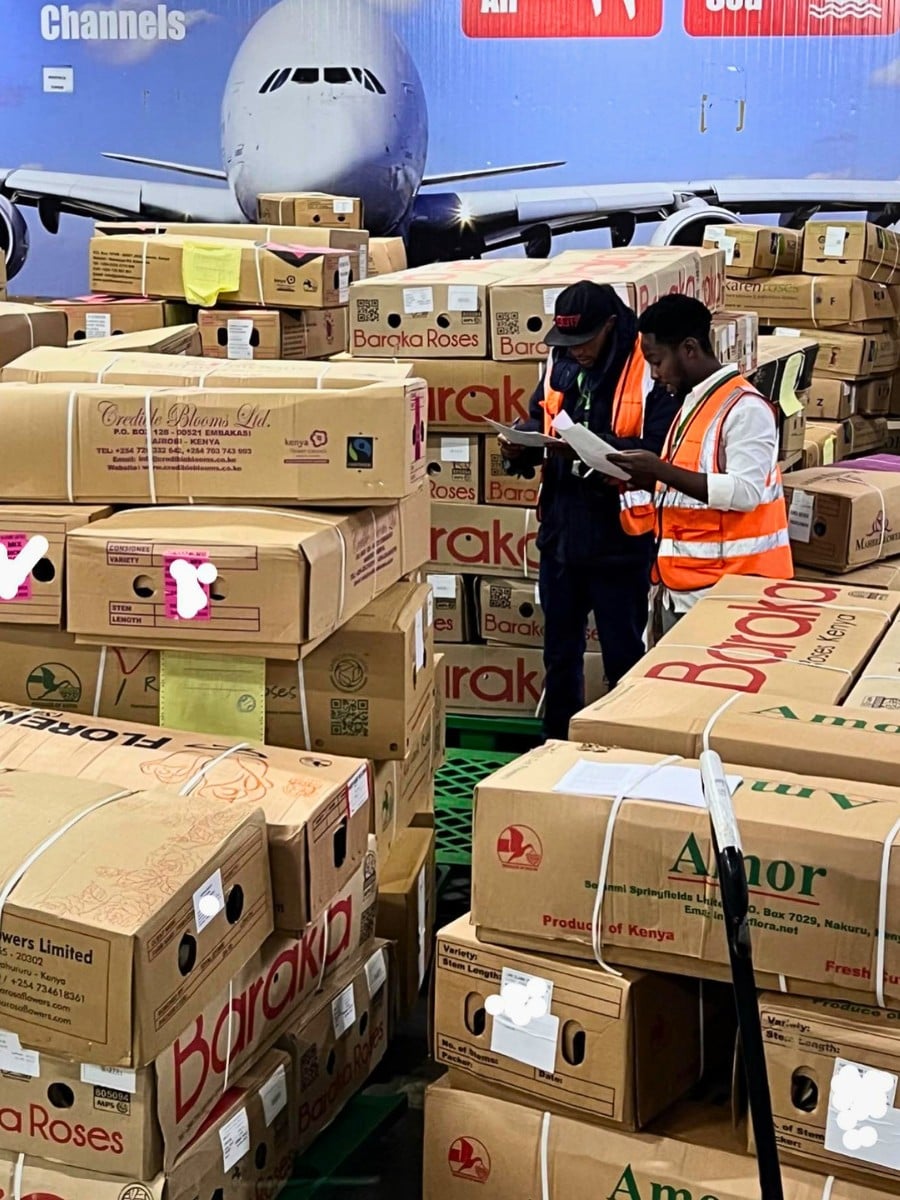
During logistics crises, KFC has previously coordinated with airlines, freight operators, and government agencies to secure approvals for ad hoc cargo capacity, advocate for direct flight options, prioritize perishables in available freight slots, and improve real-time coordination across the chain.
For the longer term, however, the Port of Mombasa is adding more chilled wagons to its rail fleet and enabling 100% automated documentation, with a floral sector-wide goal of transitioning 50% of annual flower exports from air to sea freight by 2030.
Market and Product Diversification
The sector is also moving to reduce its overdependence on its traditional markets by building export relationships in other regions, such as the Gulf, Eastern Europe, and the Far East. In some of these regions, direct flight connections support cold-chain freshness, and some buyers offer upfront payment terms. Trade agreements with the EU, the African Continental Free Trade Area (AfCFTA), and the UAE are also opening additional channels.
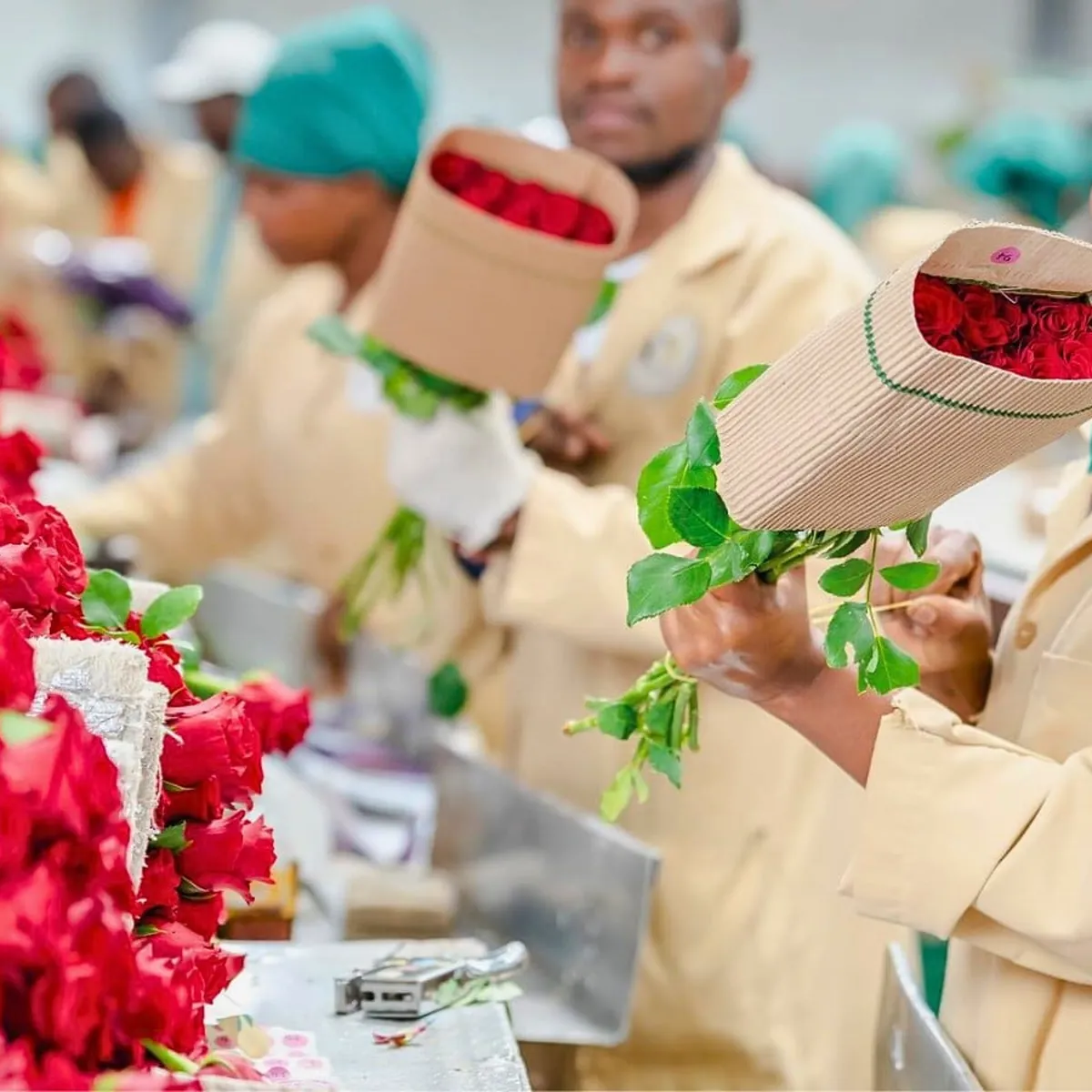
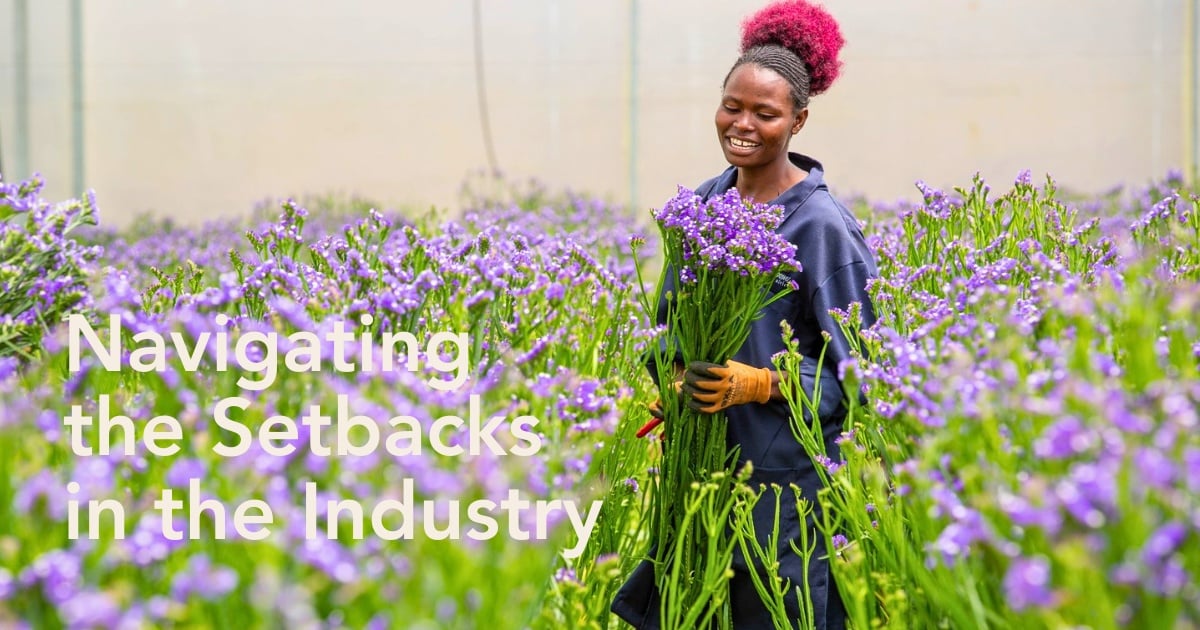
At the farm level, growers are increasingly adding variety in their production, with summer flowers, foliage, greenery, and ornamental varieties produced alongside core rose production. This creates a more flexible revenue base. Furthermore, value addition through bouquet-making and pack-house upgrading is also improving per-unit margins.
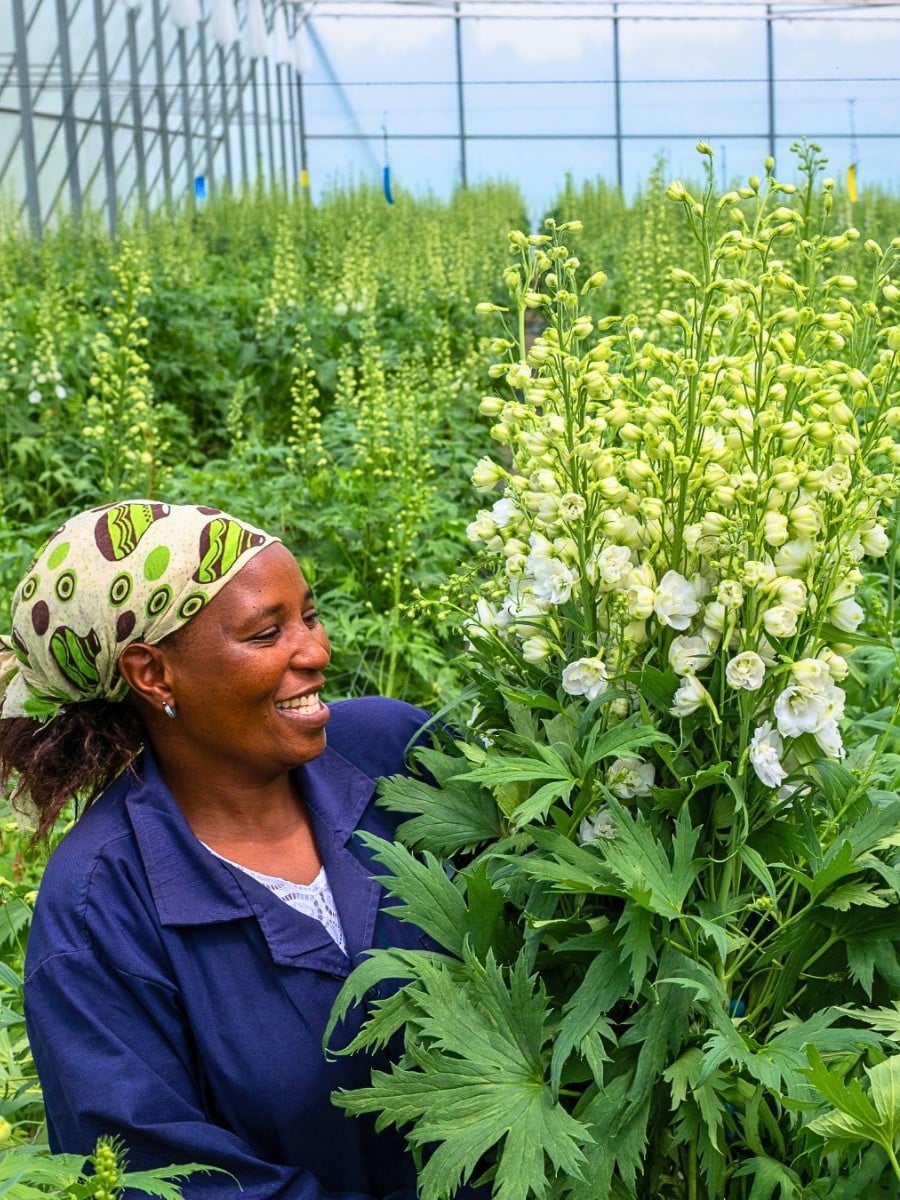
So while Kenya's flower industry may seem like a sector under pressure, it always has the knack for reinventing itself, creating opportunities to adapt, particularly when government agencies, industry bodies, and individual producers work within collective structures.
Featured image at @blooming.innovations. Header image by @theflowerhubkenya.