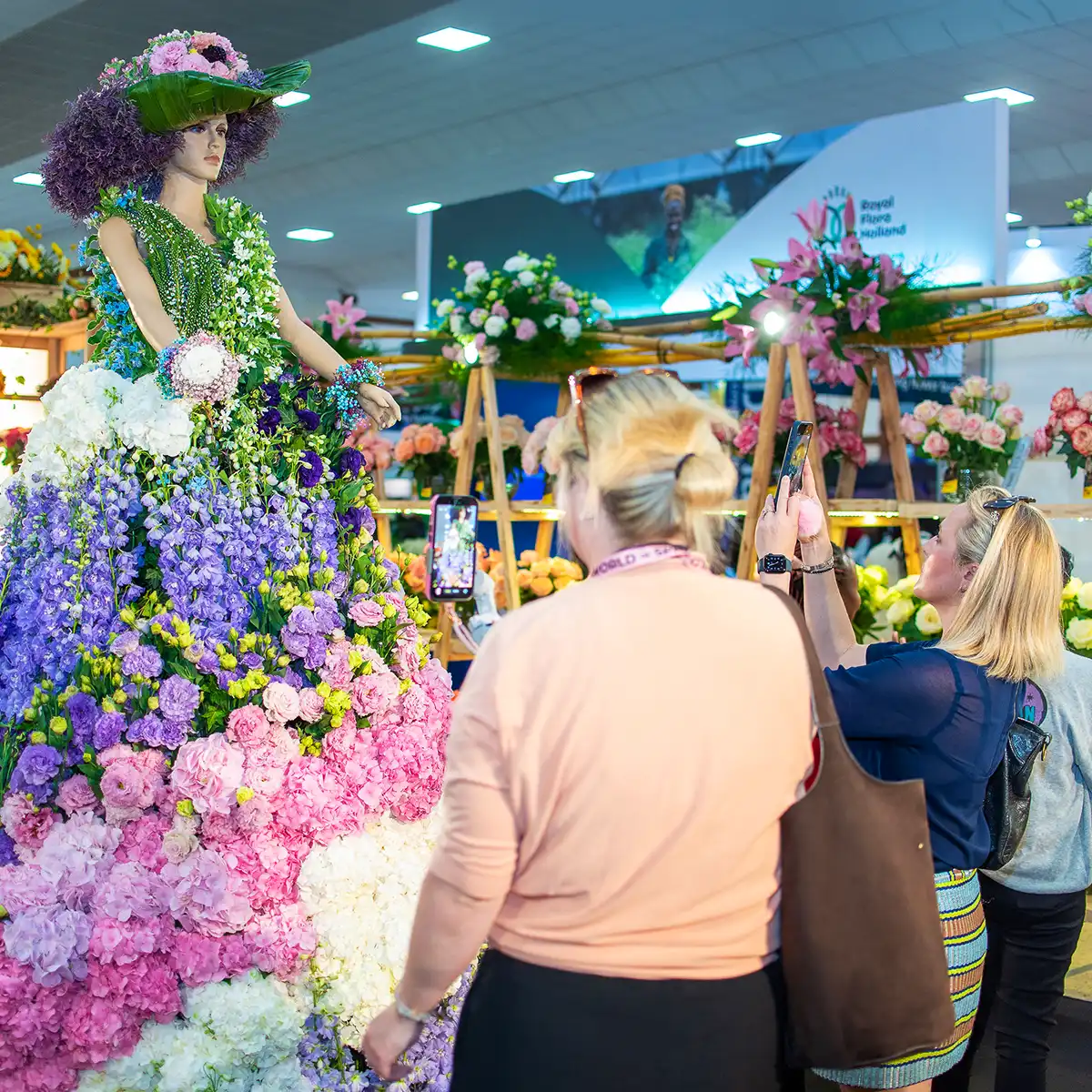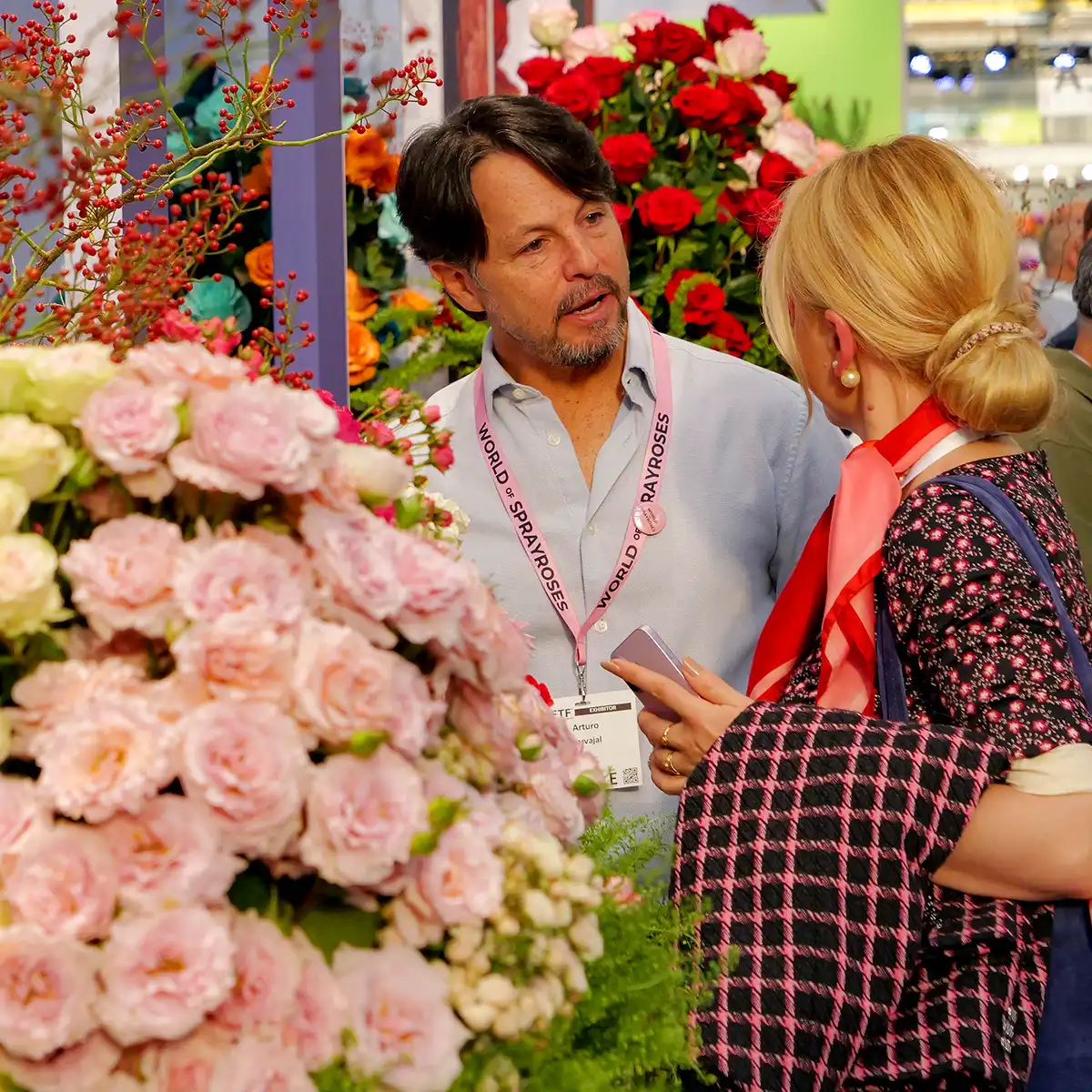
Kenya just wrapped a record-breaking International Floriculture Trade Expo (IFTEX), this time with 210 exhibitors, the most in the event's history. The huge turnout tells of an industry that continues to grow with confidence even amid mounting pressures. It is a resilient industry with great momentum.
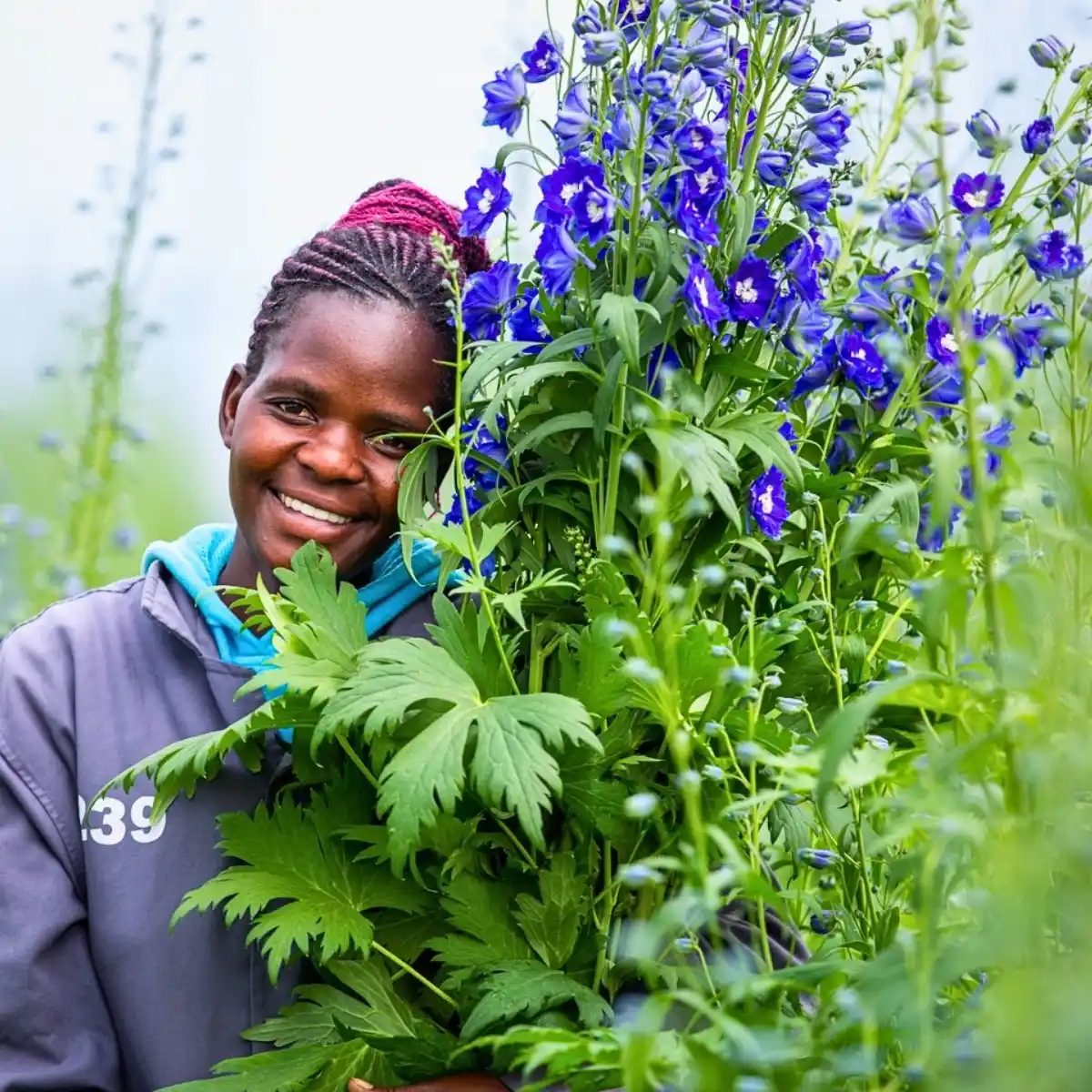
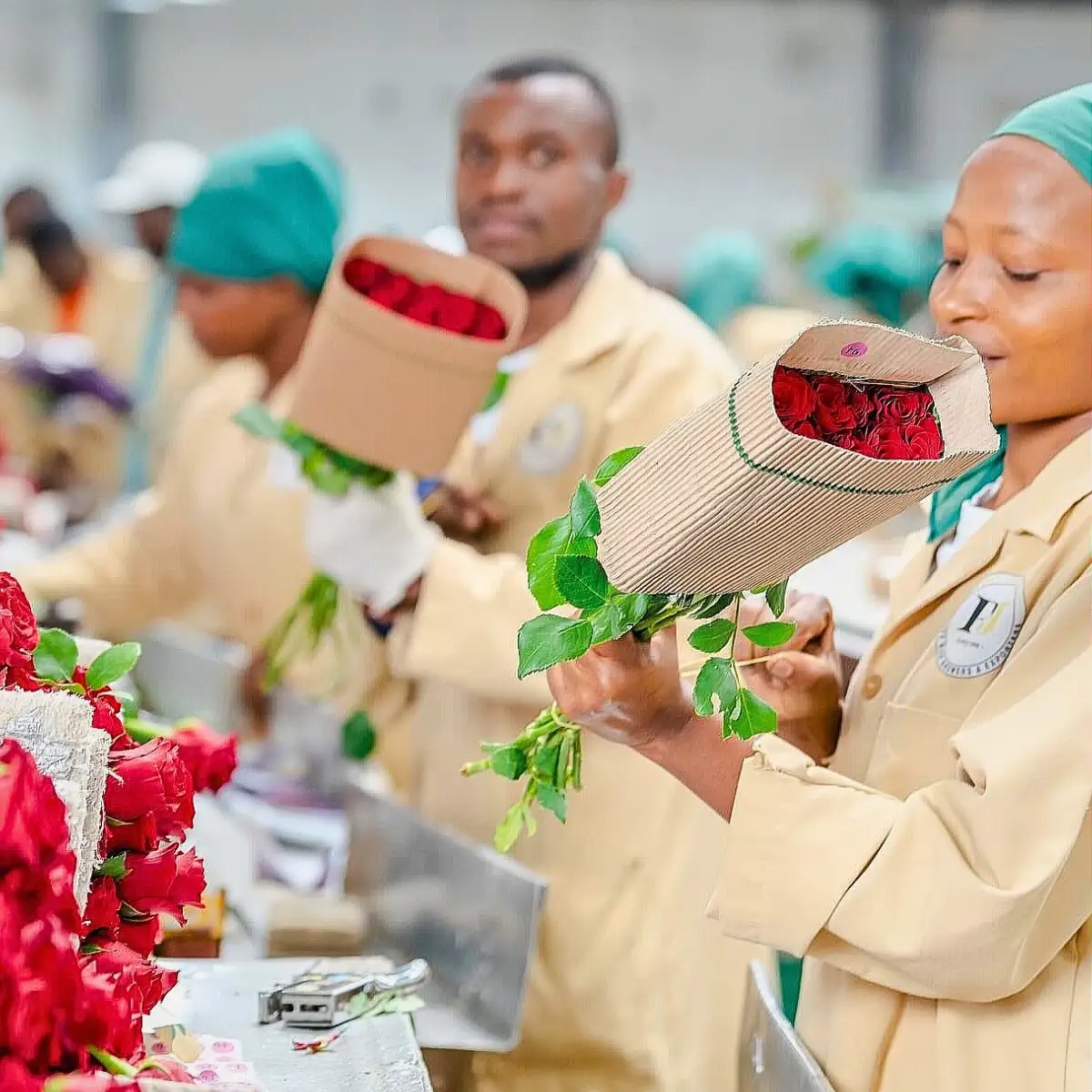
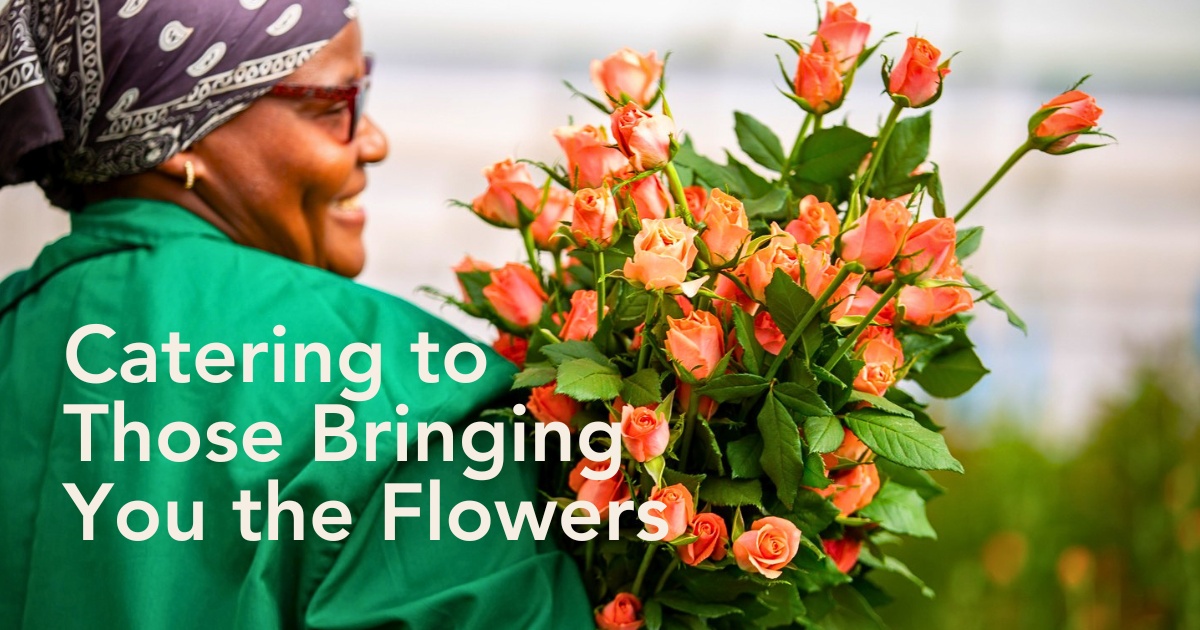
But that momentum could not be possible without the workforce. More than 200,000 people (most of them women) work across the flower value chain. They grow the flowers that end up in markets globally. Kenya Flower Council (KFC) has the responsibility of keeping this workforce well protected, fairly paid, and supported, understanding that they are what it takes to achieve success.
IFTEX 2026 and the Confidence of a Flower Sector That Keeps Growing
The 13th edition of the IFTEX, held June 2 to 4, 2026, at the Visa Oshwal Center in Nairobi, was more than a trade fair. Its level of participation pointed to a sector with solid structural foundations and, crucially, the human capital to sustain them.
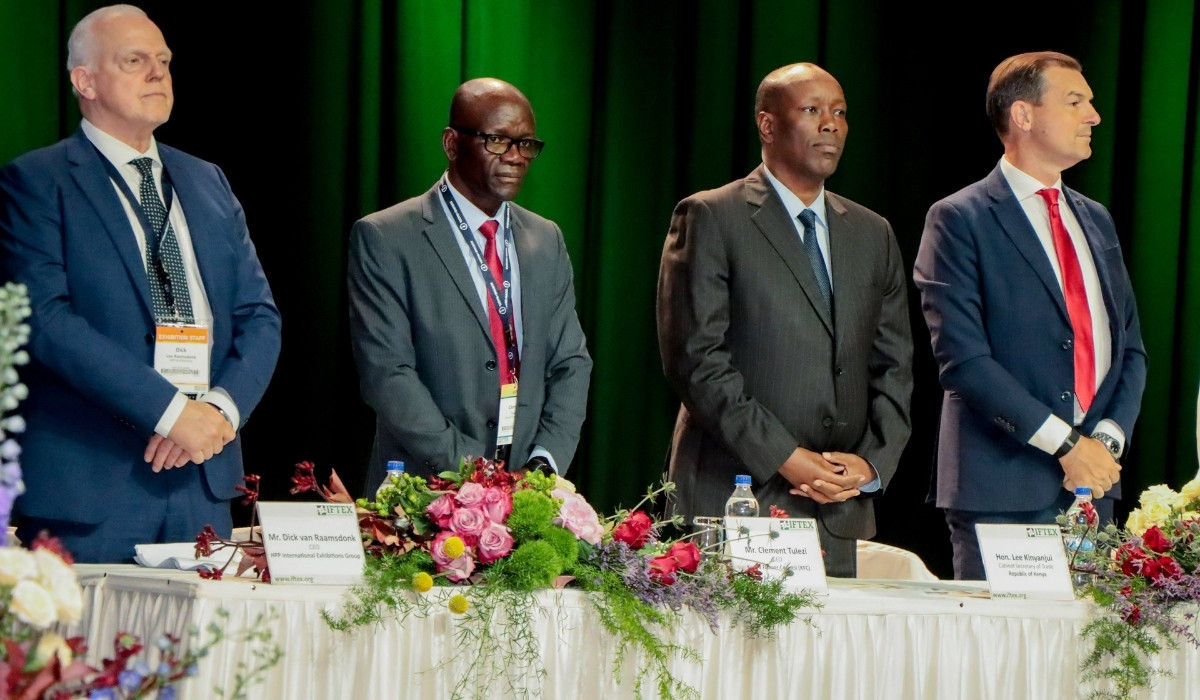
KFC CEO Clement Tulezi, who has reliably been one of the strongest voices on what the Kenyan flower industry means at all levels (including the human level), put it evidently when he said flowers mean jobs, healthcare, empowerment, school fees, and more; a social verity built for more than three decades. As Africa's largest flower exporter, Kenya’s floriculture industry is the leading source of rose cut flowers into the EU and the third-largest exporter of cut flowers globally.
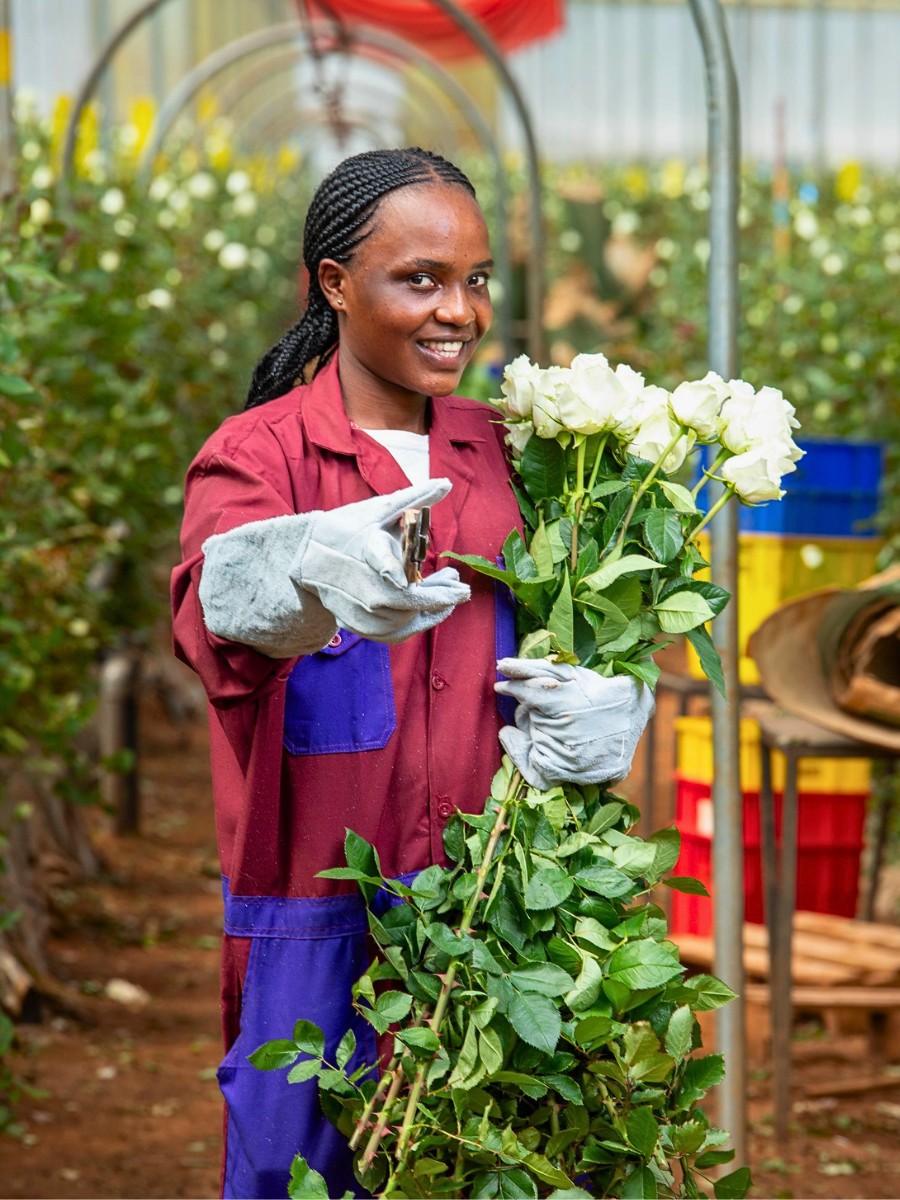
The sector generates around USD 850 million a year and employs, as noted, more than 200,000 people directly, with women accounting for over 60% of the workforce. The sector, therefore, means a lot more for most Kenyan families. These numbers should say a lot when it comes to making decisions about worker welfare and fair wages.
The Evolving Face of Sustainability: What Does It Mean for Those Ensuring Flower Sector Success?
It would be easy to look at export statistics and trade records and think that floriculture is primarily a commercial story. It is also a workforce story. The farms employ a large and diverse workforce that includes field workers, pack-house staff, logistics teams, farm management, and various technical and support roles.
The quality, efficiency, and consistency that make Kenyan flowers competitive globally do not come from infrastructure alone, but also from these people doing skilled, physically demanding work, often in conditions that require great attention to their health, safety, and well-being. KFC CEO, Clement, has always been vocal in expressing this, noting that the success of the industry is inseparable from the welfare of its workers.
KFC's Flowers and Ornamentals Sustainability Standard (FOSS), a comprehensive framework integrating environmental, social, and economic requirements in a certification structure, is the primary vehicle ensuring the success of Kenyan flowers sustainability-wise. Built into its framework are formal employment arrangements with accepted terms and conditions of service like structured leave provisions, social security contributions, occupational health programs, and grievance mechanisms, all of which it articulates.
Certified farms and producers under the KFC FOSS have invested in general welfare initiatives, including healthcare services, worker training, financial literacy programs, childcare support, and community development activities. While these investments may not always appear in trade press headlines, their impact is ever-present, and cumulative for that matter. Essentially, while compliance with the codes of practice sets a floor, the FOSS Standard pushes farms above it.
But noteworthy, according to Clement, is how the flower industry's understanding of sustainability has changed. It used to be mostly about pesticides, water use, and waste management. Those factors matter a lot, but a farm that manages its chemicals well but treats its workers badly does not qualify as sustainable. Worker welfare, fair employment, safety, gender equality, and grievance handling are now built into what it means to operate responsibly. And FOSS is all about that.
Understanding the Fair Wage Debate
Wages are one of the biggest issues that often create serious discussions within agricultural supply chains across the world. The conversations around fair wages and living wages are always evolving as stakeholders seek ways to improve workers' incomes and standards of living.
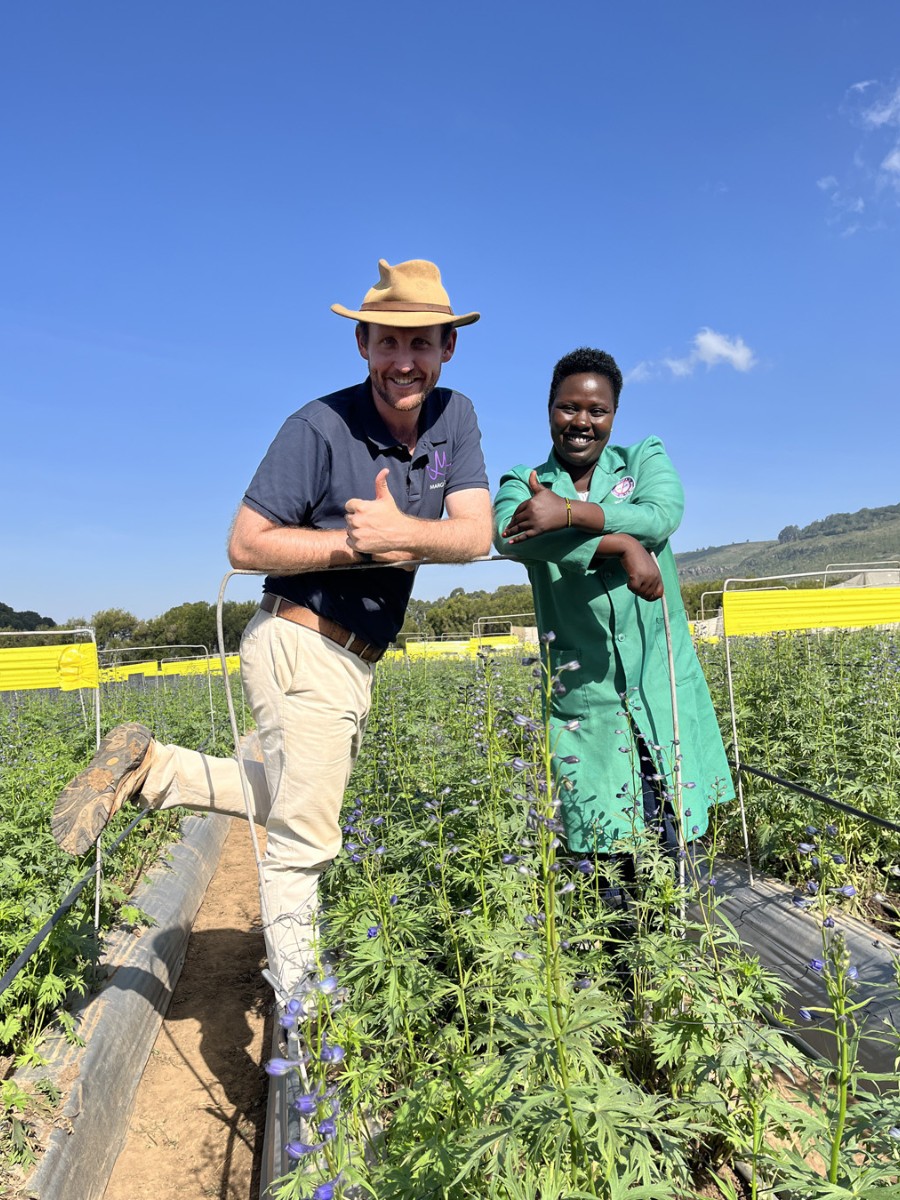
As Clement puts it:
“The importance of adequate remuneration is widely recognized. Workers need sufficient income to support themselves and their families, while maintaining dignity and economic security. At the same time, wage discussions often involve complex economic realities.”
Flower production, he says, works within a highly competitive international marketplace. Producers face increasing costs associated with labor, energy, logistics, compliance, agricultural inputs, taxation, and financing. Competition from other producing regions remains intense, while buyers and consumers continue to expect both affordability and high sustainability standards. Balancing these competing pressures is one of the industry's most significant challenges.

KFC Has Progressively Strengthened Remuneration Structures
But over the years, Kenya's floriculture industry has progressively strengthened remuneration structures through compliance with national labor laws, collective bargaining agreements, regular wage reviews, and statutory contributions to social protection schemes. Under the FOSS Standard, producers are required to apply whichever requirements provide the highest level of worker protection and benefit, whether derived from national legislation, collective bargaining agreements, or certification requirements.
But then again, significant progress on wages cannot rest solely with producers. If stakeholders throughout the supply chain really seek improved incomes for workers, purchasing practices must also support this objective. Sustainable pricing models, responsible sourcing practices, and long-term commercial relationships are essential components of the solution.
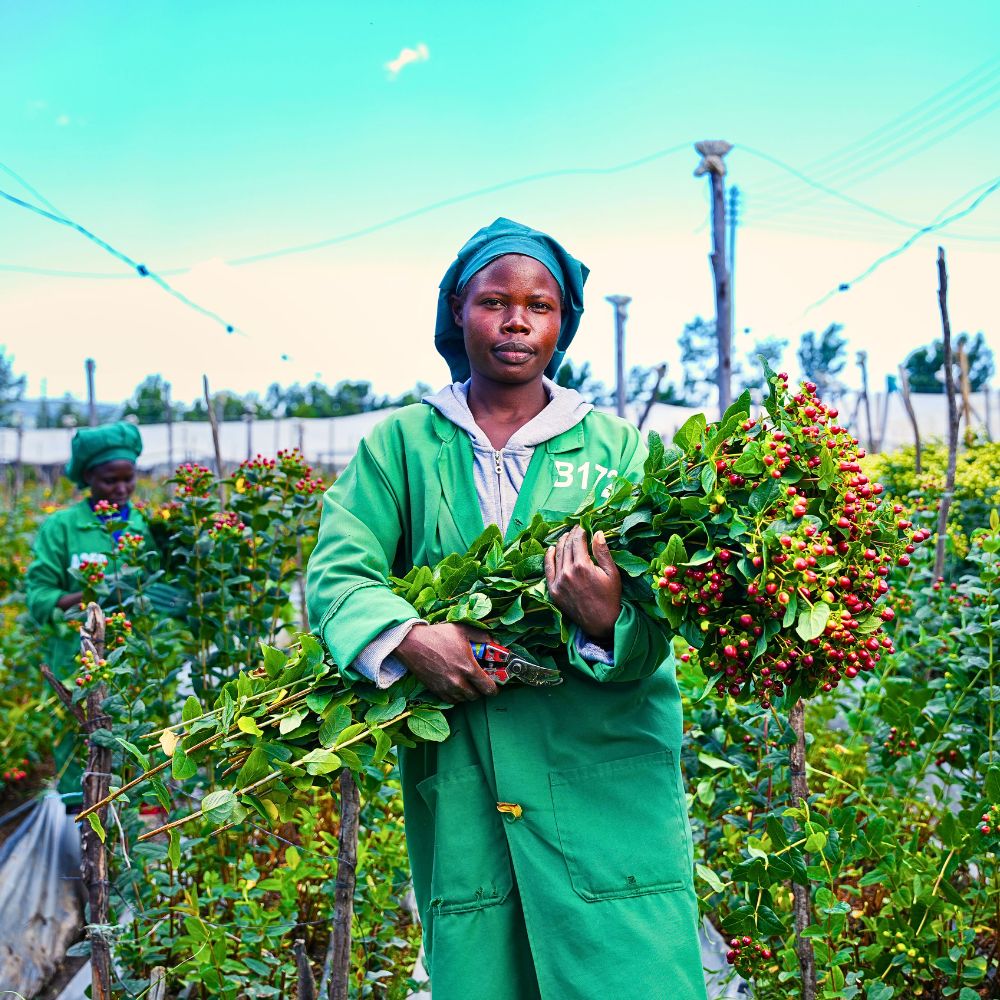
Clement:
“Fair wages are therefore not created on farms alone. They are influenced by decisions made throughout the value chain, from producers and exporters to retailers, consumers, and policymakers.”
Occupational Health and Safety as Investment
Flower production is not a low-risk activity. Workers handle agricultural inputs, operate equipment, and work in environments that require careful management of chemical exposure, ergonomic risk, and heat. The FOSS Standard addresses this through detailed requirements on chemical handling, personal protective equipment, emergency preparedness, accident prevention, and worker health monitoring.
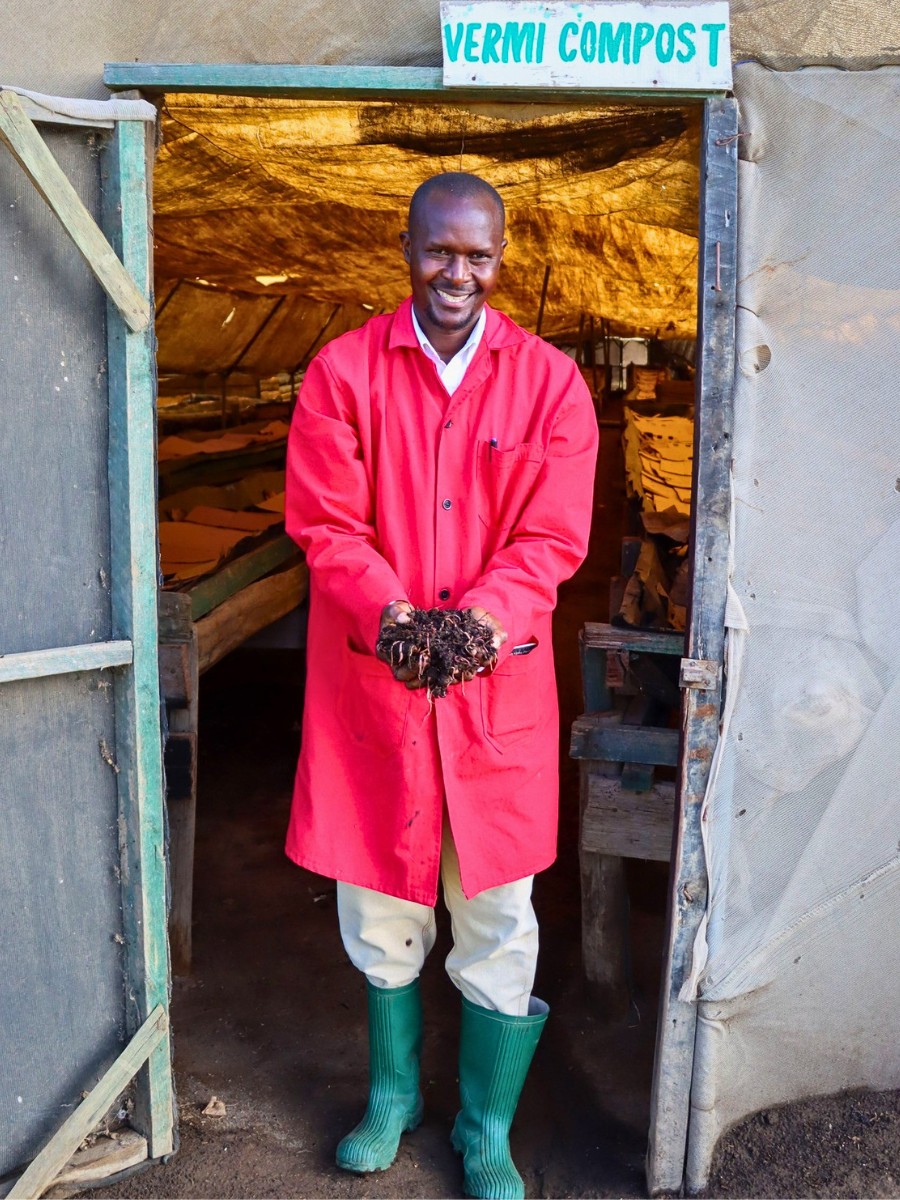
The result, according to KFC, has been a stronger culture of safety across the industry. Increasingly, occupational health and safety is understood as an important investment in people, and not just a compliance obligation. Standard procedures, regular training, and access to protective equipment and support services have improved awareness and risk management practices across certified farms.
For the Kenyan flower industry’s international standing, this is significant as the country’s export competitiveness depends greatly on its phytosanitary record and the ability to show responsible production to European and global buyers. In essence, worker health and farm compliance are directly interlinked.
Worker Voices, Representation, and Grievance Systems
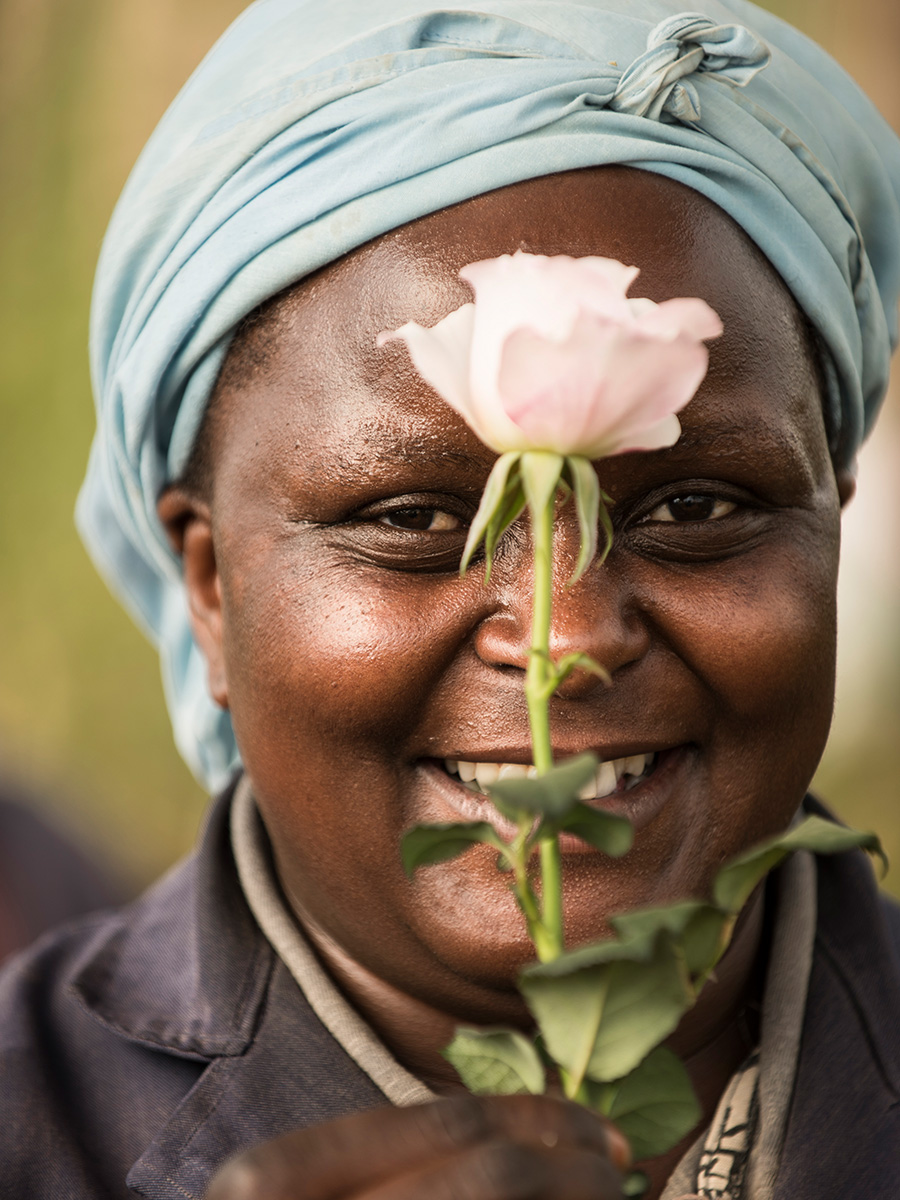
In a sustainable workplace, workers must have confidence that their concerns can be raised and addressed without fear of victimization. They must also have opportunities to participate in discussions affecting their working environment and well-being.
One of the more specific and important elements of KFC's approach, in this regard, is its emphasis on worker voice. FOSS requires farms to maintain fair, transparent, and effective systems for receiving, investigating, and resolving worker concerns. These grievance mechanisms are not optional features, but required components of certification.
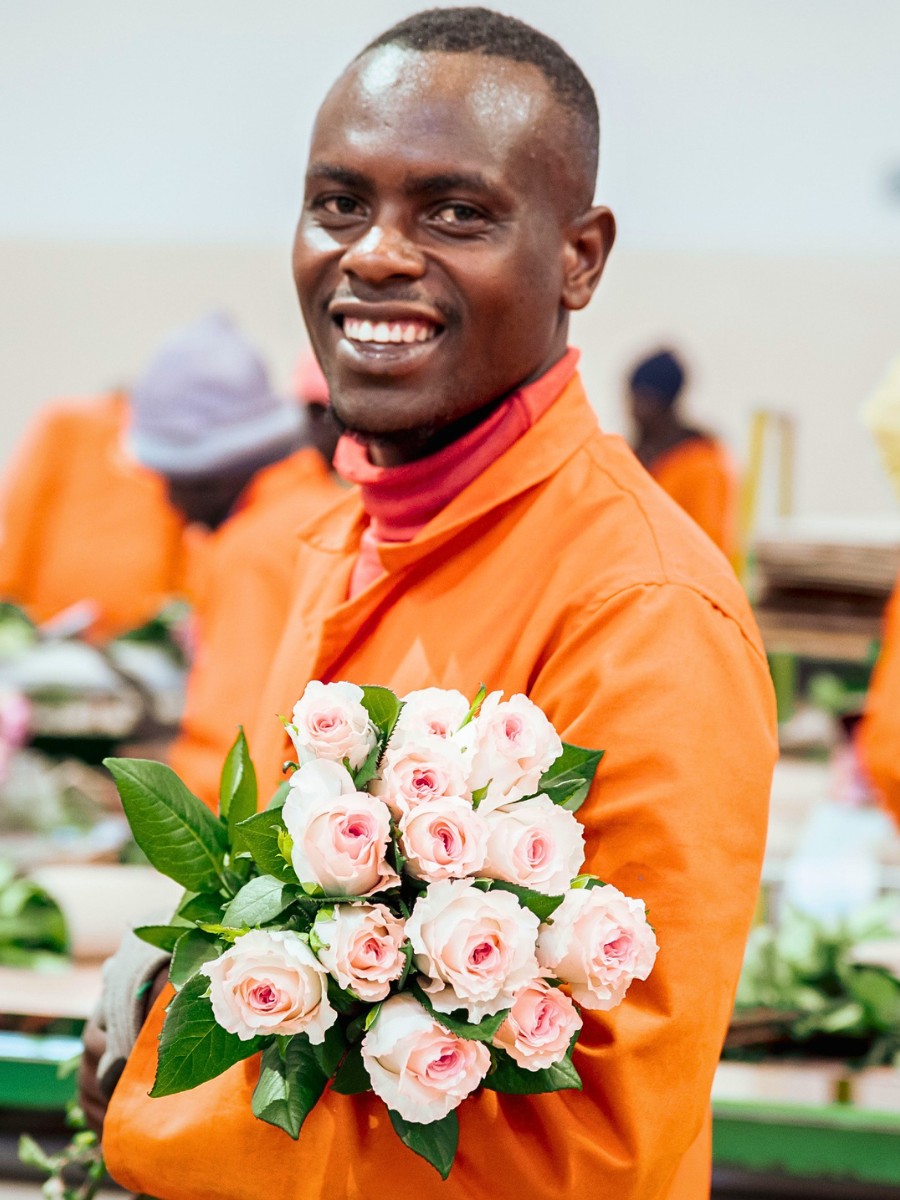
The rationale is that a sustainable workplace depends on trust, transparency, and dialogue. Strong worker-management relationships contribute to organizational resilience, productivity, and long-term sustainability, and KFC's framework is designed to support that.
Women Empowerment, Employment, Inclusive Growth, and Community Impact
A serious discussion of worker welfare in Kenyan floriculture has to engage with gender. Women represent a significant proportion of the sector's workforce, and the industry has provided many women with access to formal employment who would otherwise have had limited economic options.
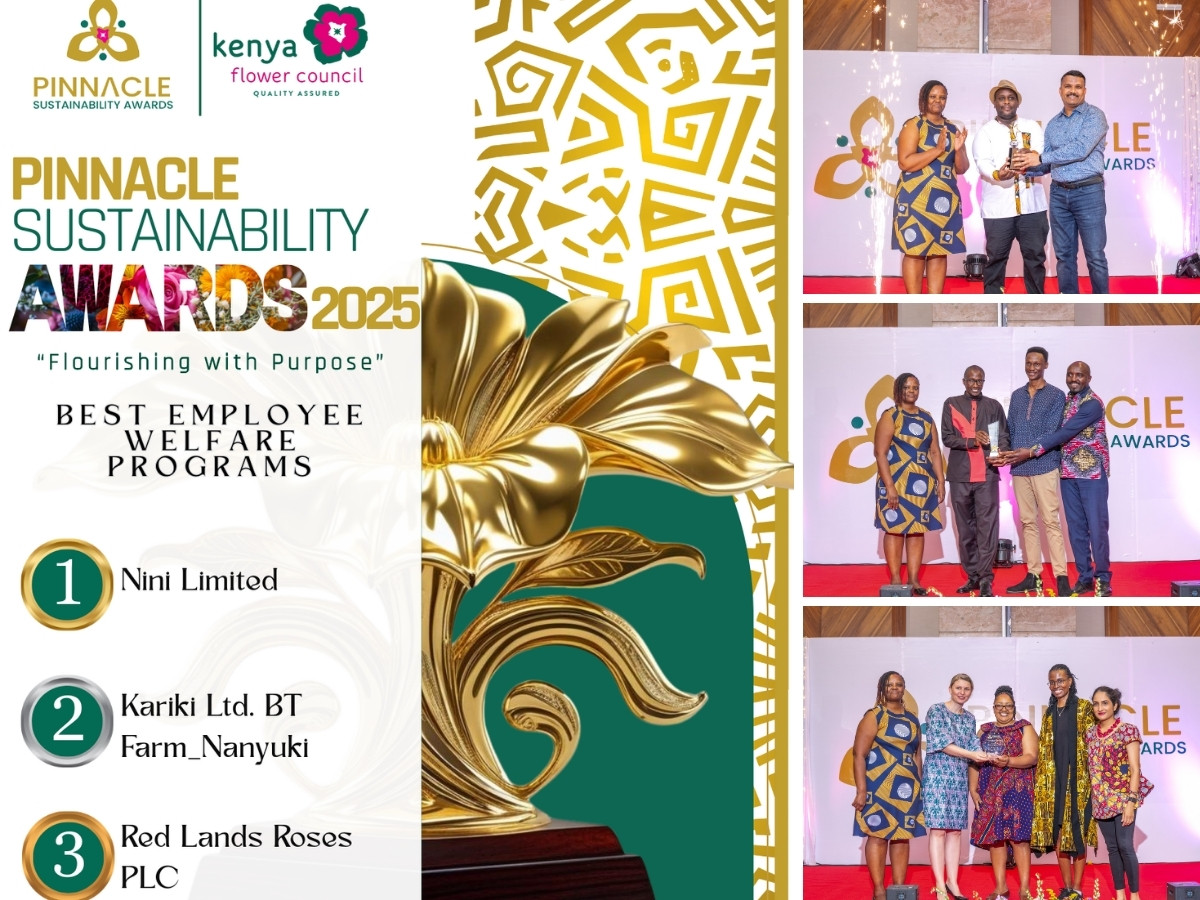
Over the years, farms have also strengthened policies related to maternity protection, workplace equality, anti-harassment measures, and equal opportunity. More women now occupy supervisory, technical, and management positions across the sector than at any previous point in its history. Yet the benefits are more. Stable employment contributes to improved household incomes, better access to education, enhanced healthcare outcomes, and stronger community resilience.
This is part of what Cabinet Secretary for Investments, Trade and Industry Lee Kinyanjui described at IFTEX 2026's opening ceremony, when he spoke of flowers representing ‘women empowerment’ and ‘community development’ alongside the more often cited economic metrics. KFC's work on worker welfare is, in part, what makes all these realistic outcomes and not just aspirational rhetoric.
Still, There May Be Challenges, but Continuous Improvement Works
KFC has often been definite in acknowledging that progress does not mean completion. The floriculture sector works in an environment often shaped by factors like inflation, rising compliance costs, climate variability, logistics disruptions, and intensifying regulatory requirements, all of which affect workers' purchasing power and businesses' ability to invest.
But continuous improvement, and not absolute perfection, is the appropriate benchmark. KFC's approach through FOSS works with this principle. Certification is not a one-time event, but an ongoing process that involves review, adaptation, and accountability, and the organizations that make up Kenya's floriculture sector are assessed against the standard regularly and independently.
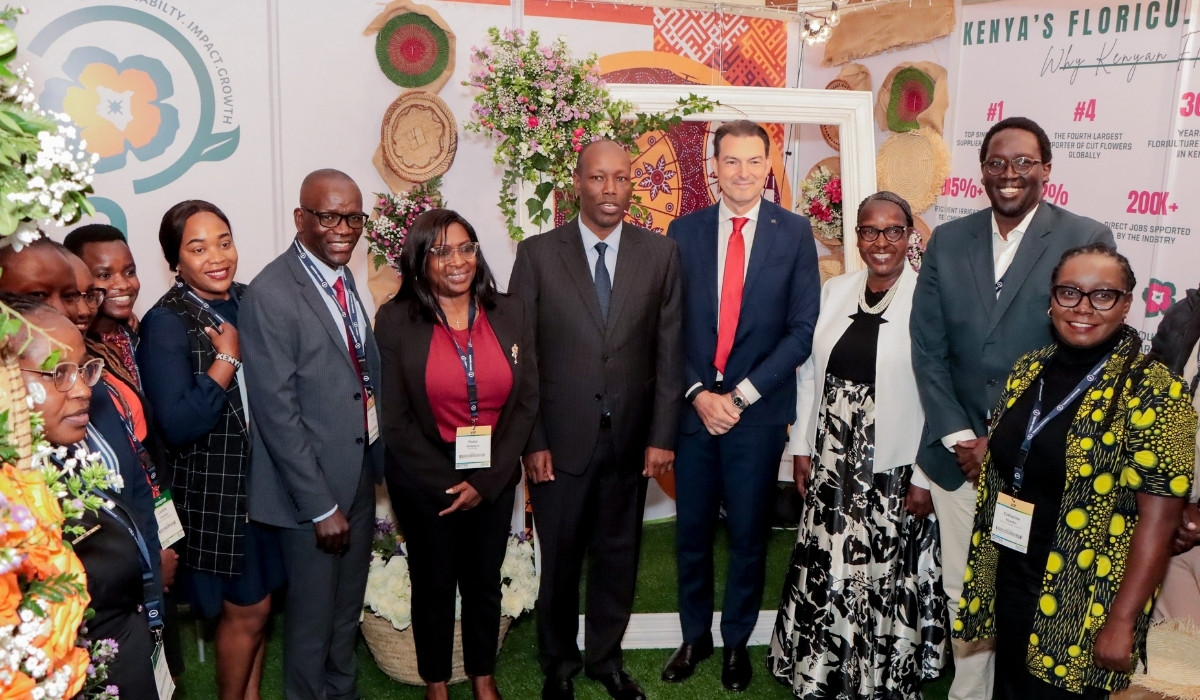
So, as shown by the 2026 IFTEX, Kenya’s flower industry continues showing resilience and all the impetus to grow. IFTEX’s record turnout and quality of engagement pretty much said all that. But even then, what is increasingly becoming clear is that an industry that takes worker welfare seriously, and has a credible institutional framework for doing so, is one that international buyers and investors work with over the long term.
Featured image by @kikwetuflowers.kenya. Header image by @theflowerhubkenya.