For three days, from June 2 to 4, the Visa Oshwal Center in Nairobi's Westlands District hosted the 13th International Floriculture Trade Expo (IFTEX), which drew 210 exhibitors from across Africa, Europe, Asia, and the Americas. It was the highest figure in the event's history, coming at a moment when the industry is facing quite some headwinds, including freight disruptions and costs, and an increasingly complex regulatory environment.
But the message that came through, from the opening ceremony to the last conversations at the exhibition, was that the (Kenyan) flower sector is not just managing these challenges (from a position of weakness), but pushing forward from a position of strength. It is a resilient sector with all the potential to grow even more. So how was the event?
The Ideal Spot for Floral Connection, Networking, and Industry Growth
First things first, the Visa Oshwal Center, in Nairobi's Parklands neighborhood, has hosted IFTEX for years, and those who regularly attend the event will easily tell you a lot more about the venue and how it now could be said to be synonymous with this floral fair.
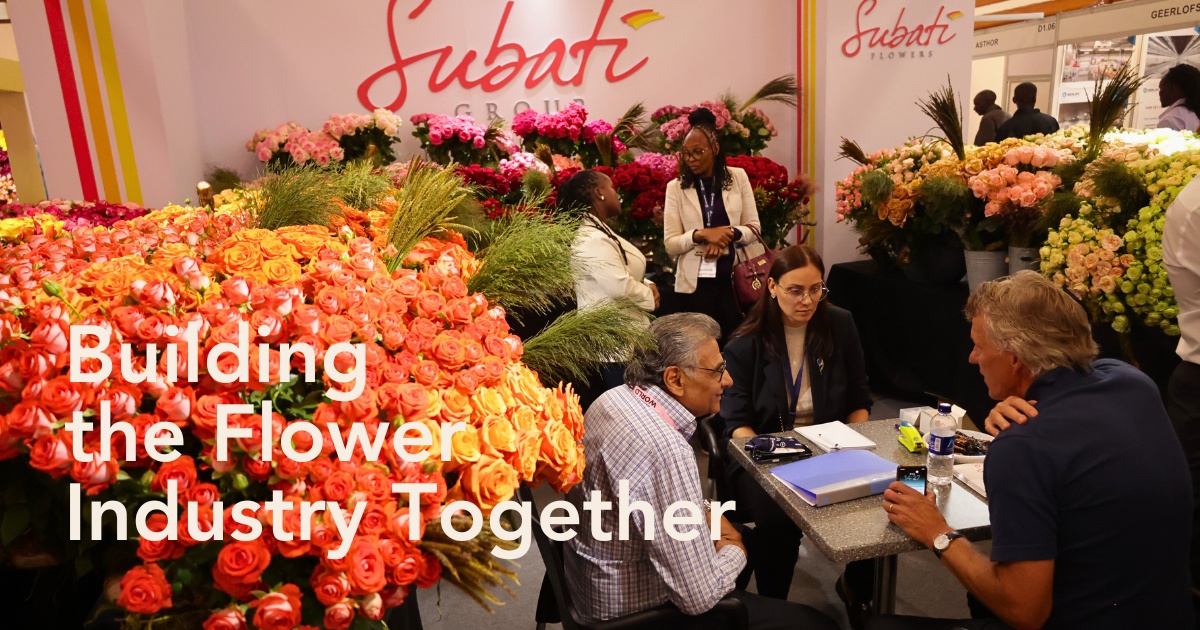
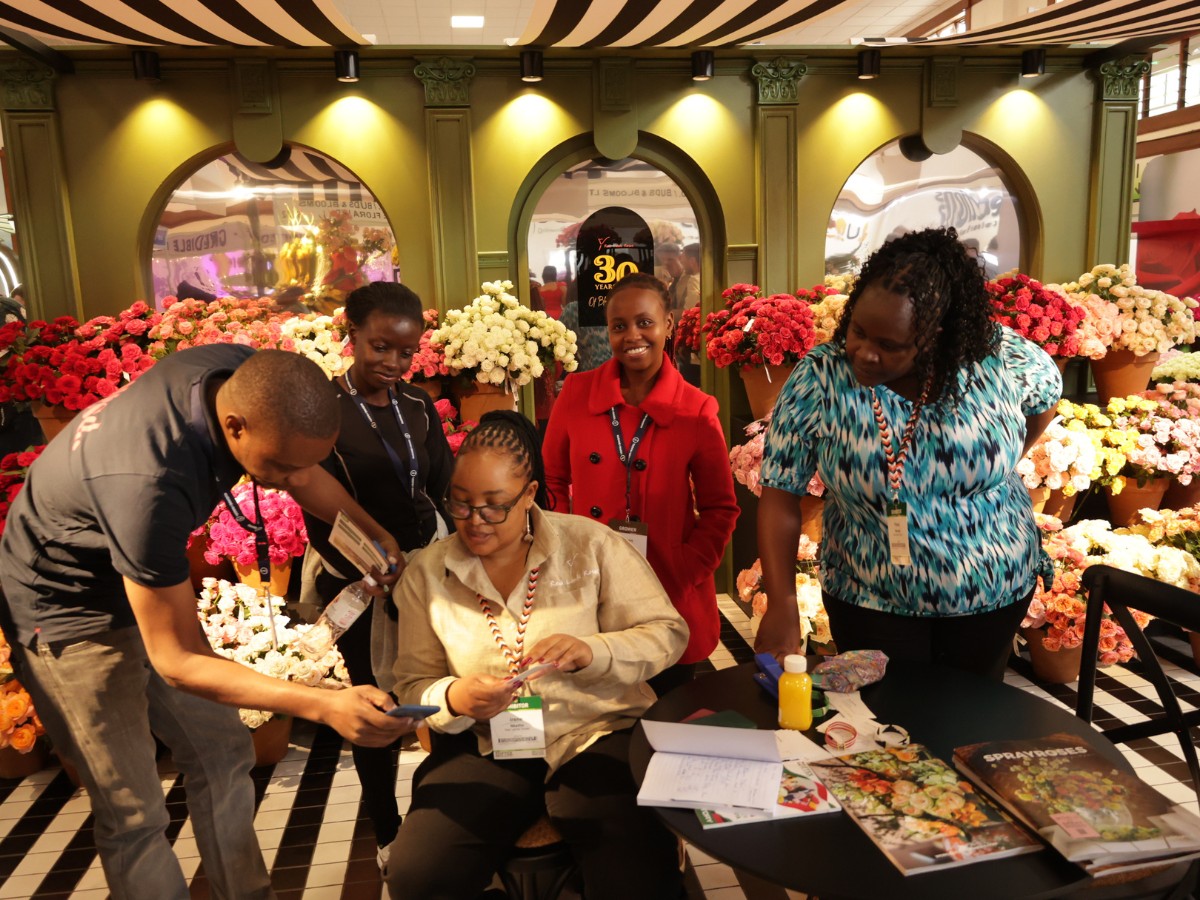
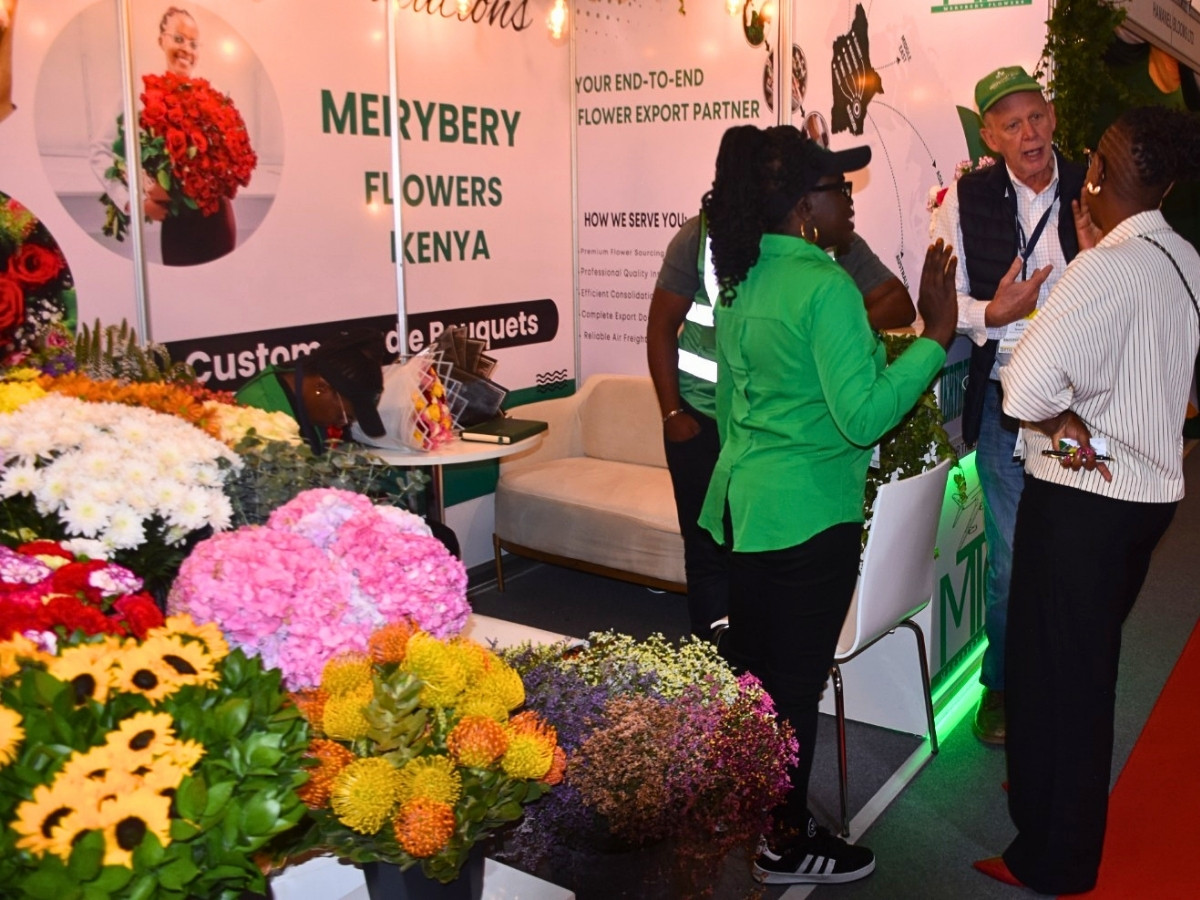
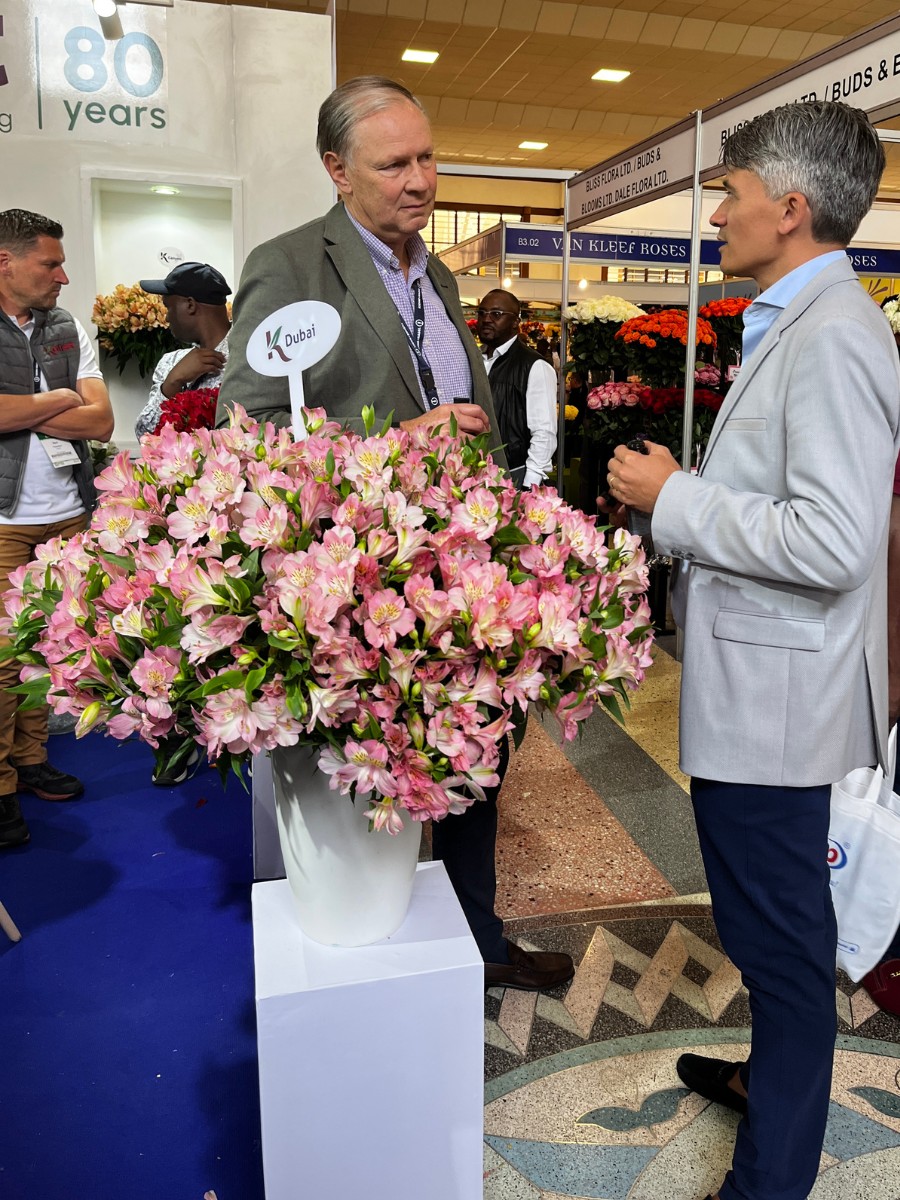
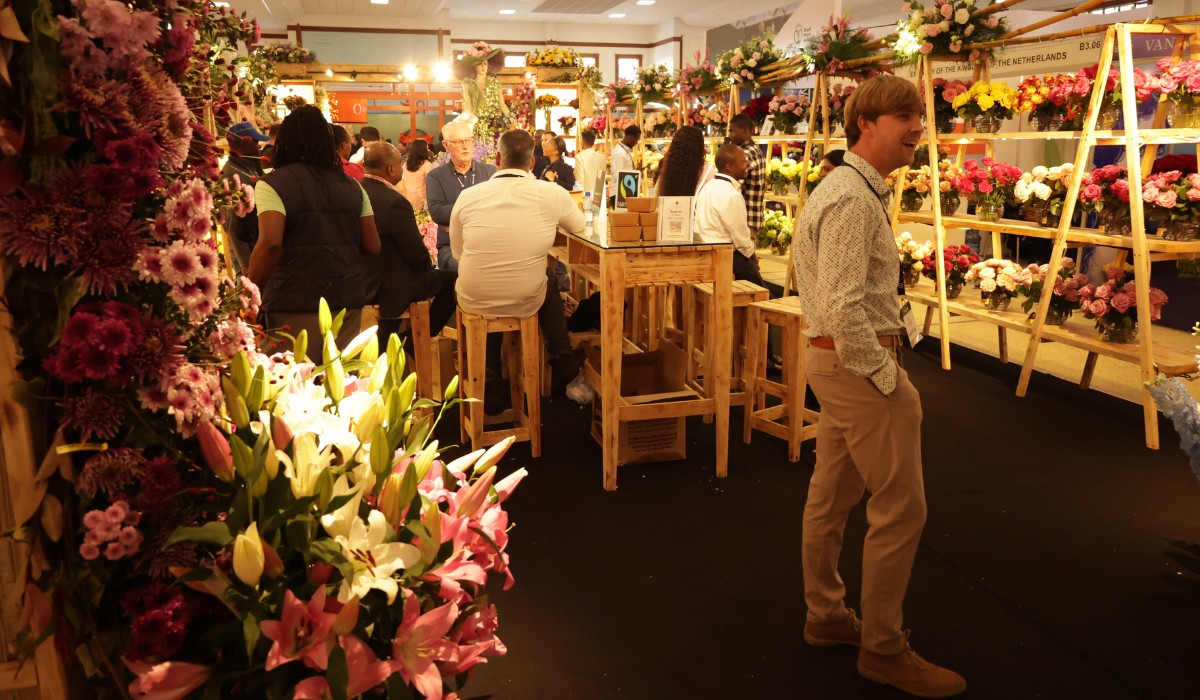
Even so, despite a relatively slow start in the early hours of the first day, over the remainder of the three days of IFTEX 2026, the exhibition halls (including a temporarily extended section) were full of that unmistakable floral feel. They were dense with flowers, colors, dynamism, people in motion, engagement and networking, flower commerce, and much more.
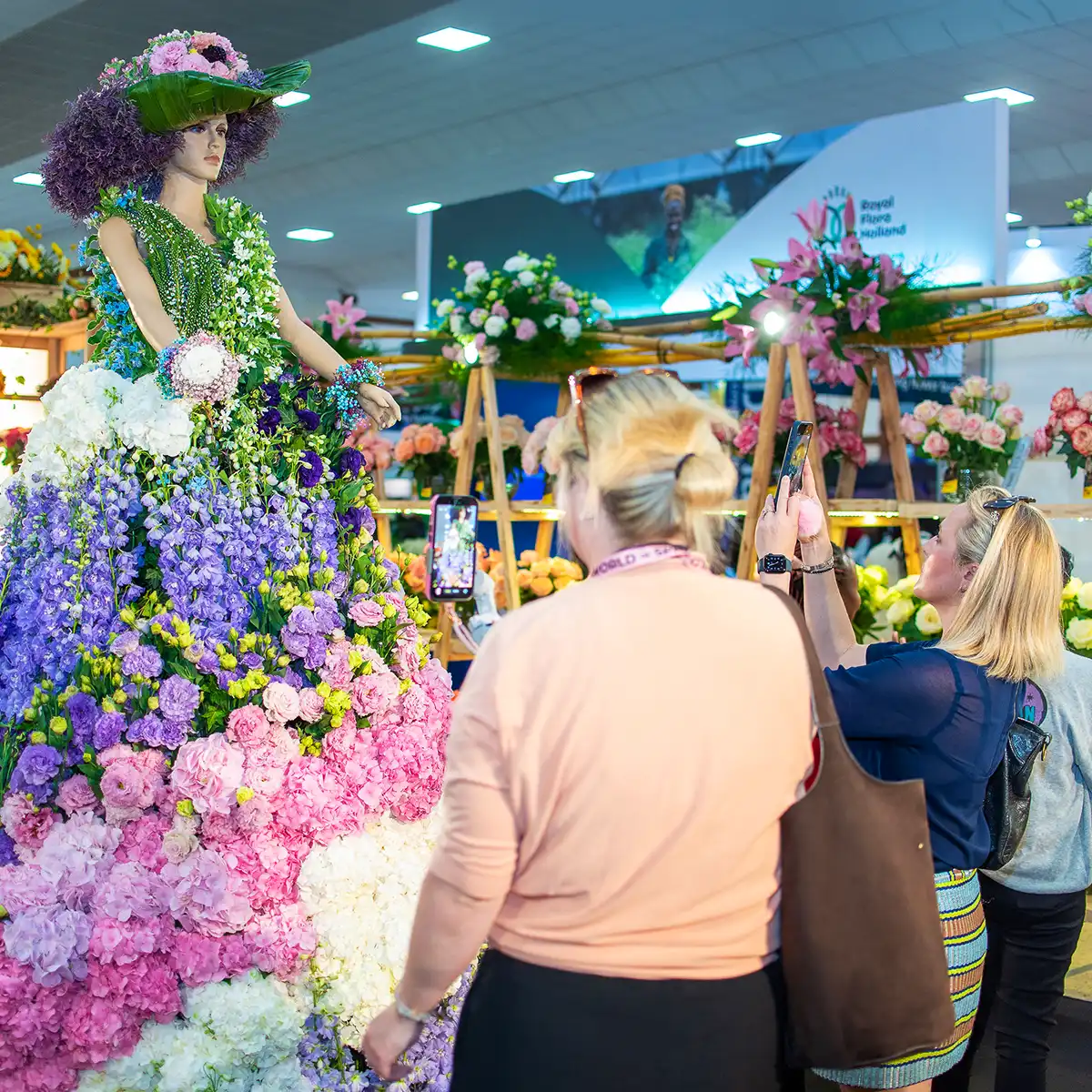
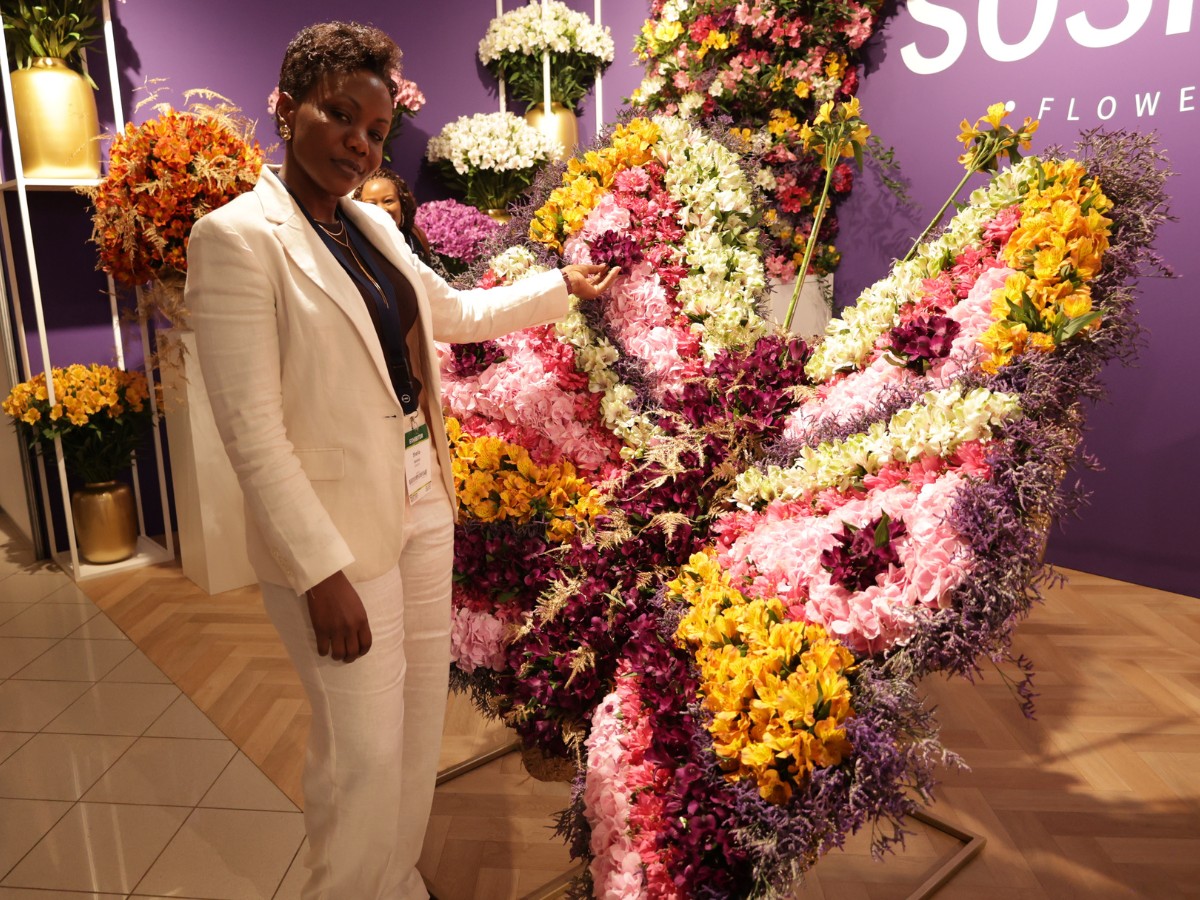
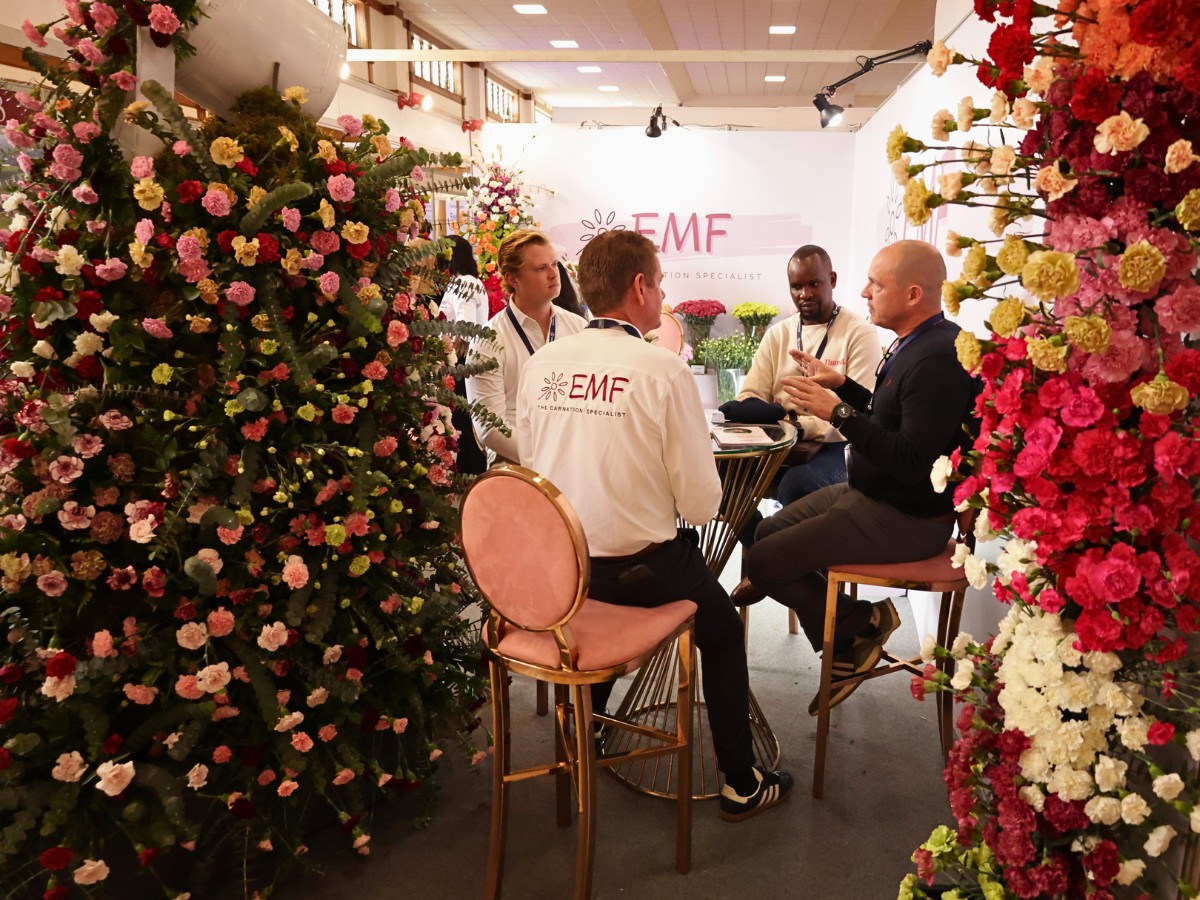
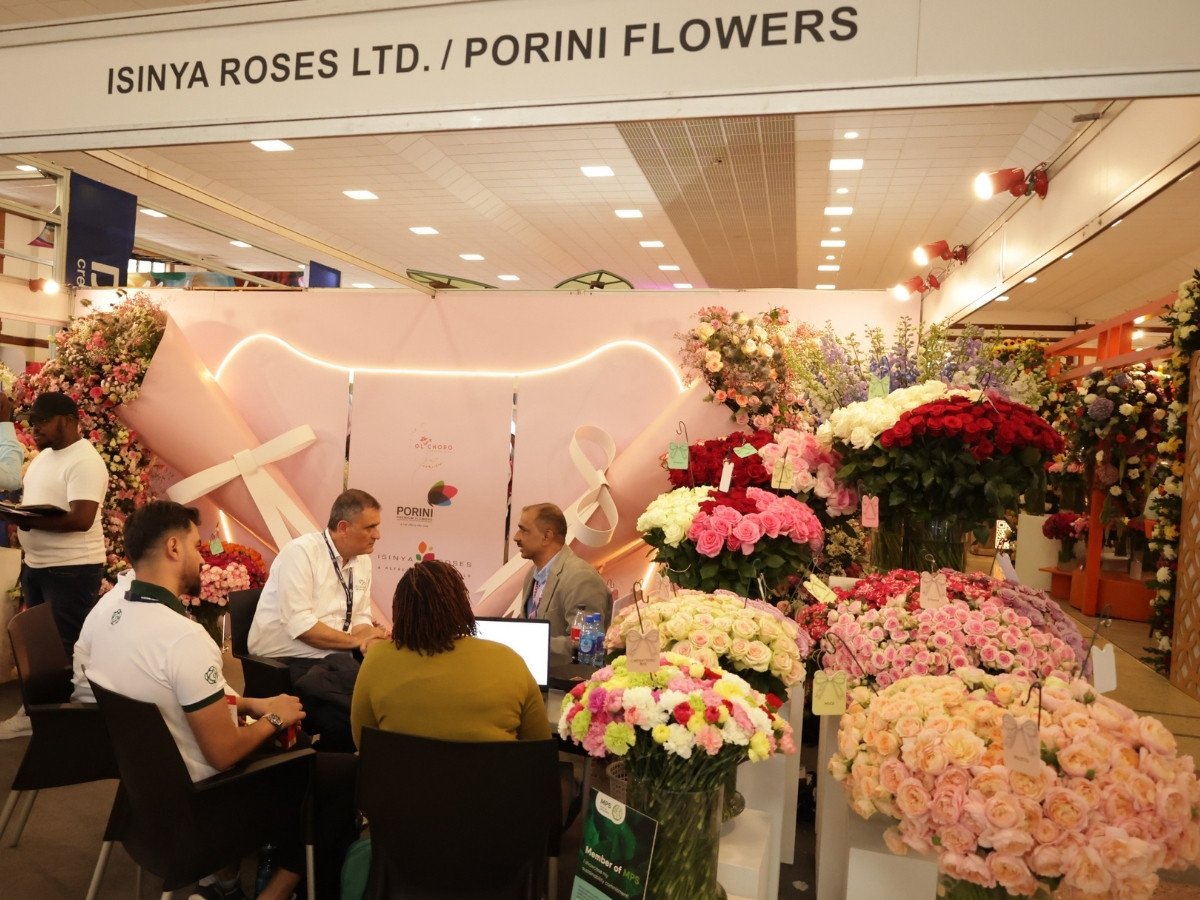
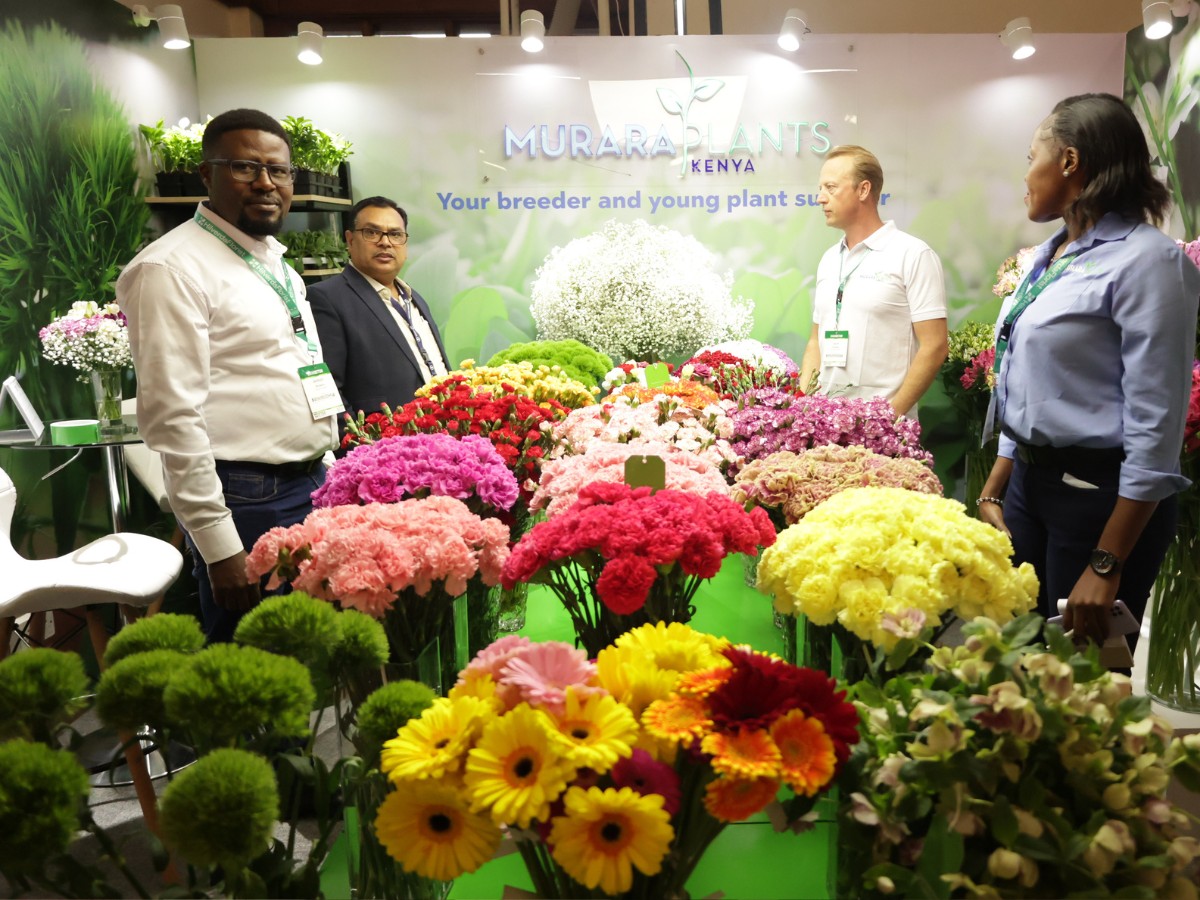
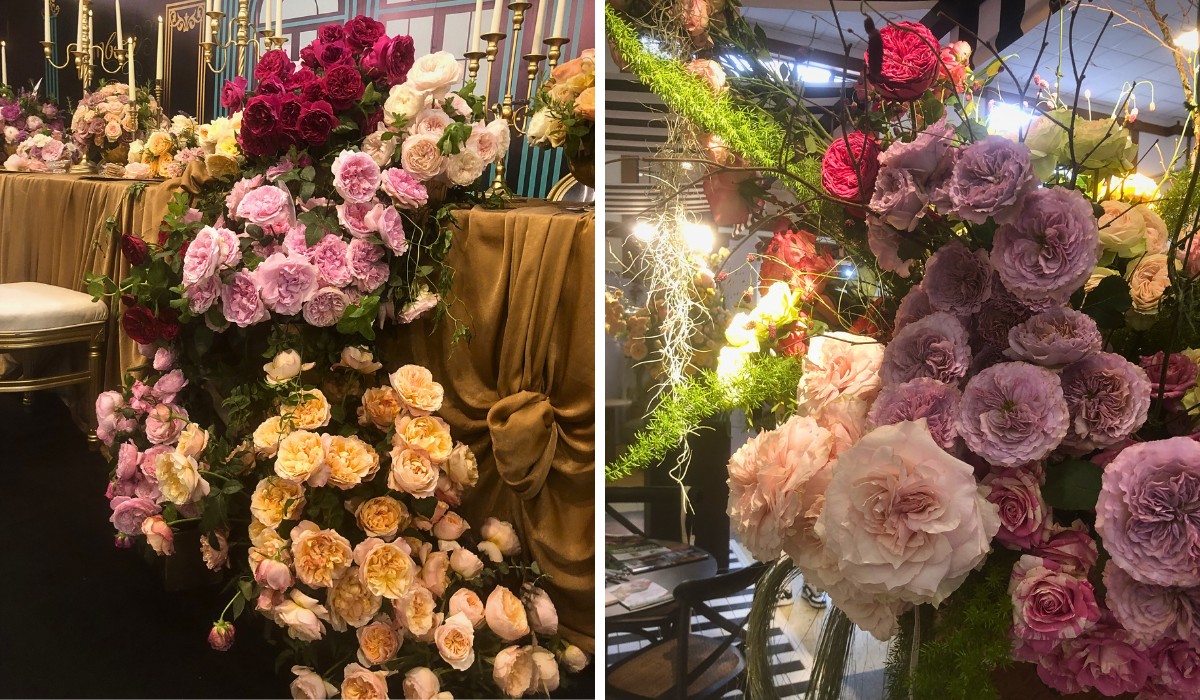
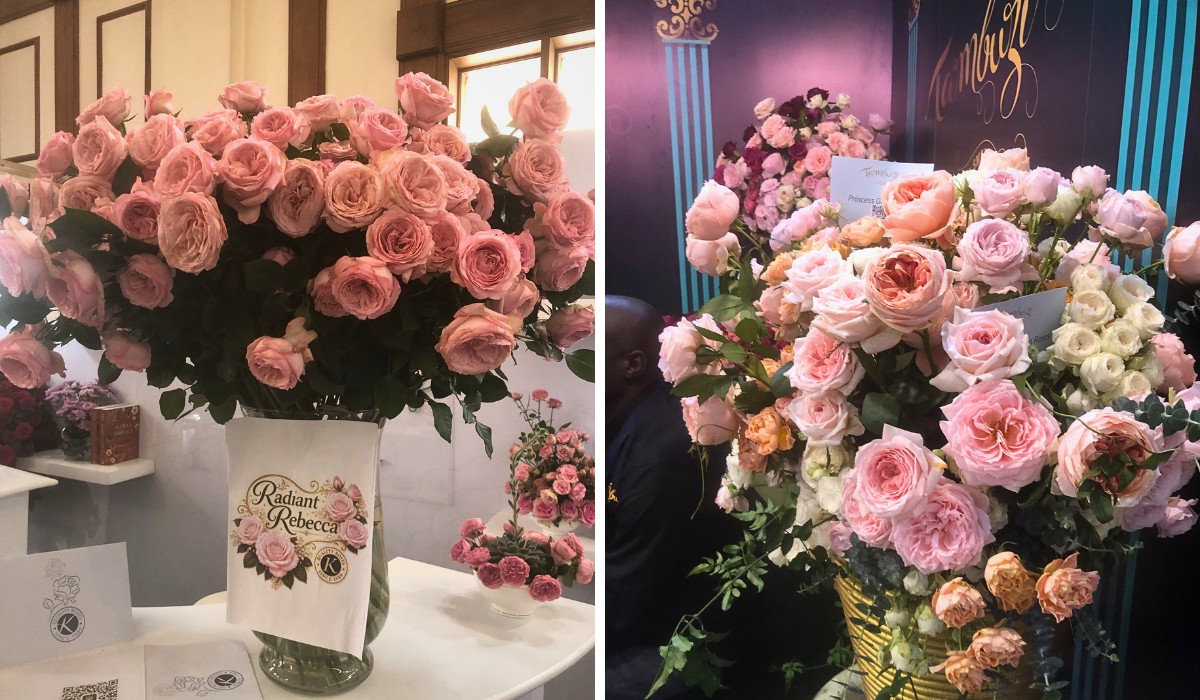
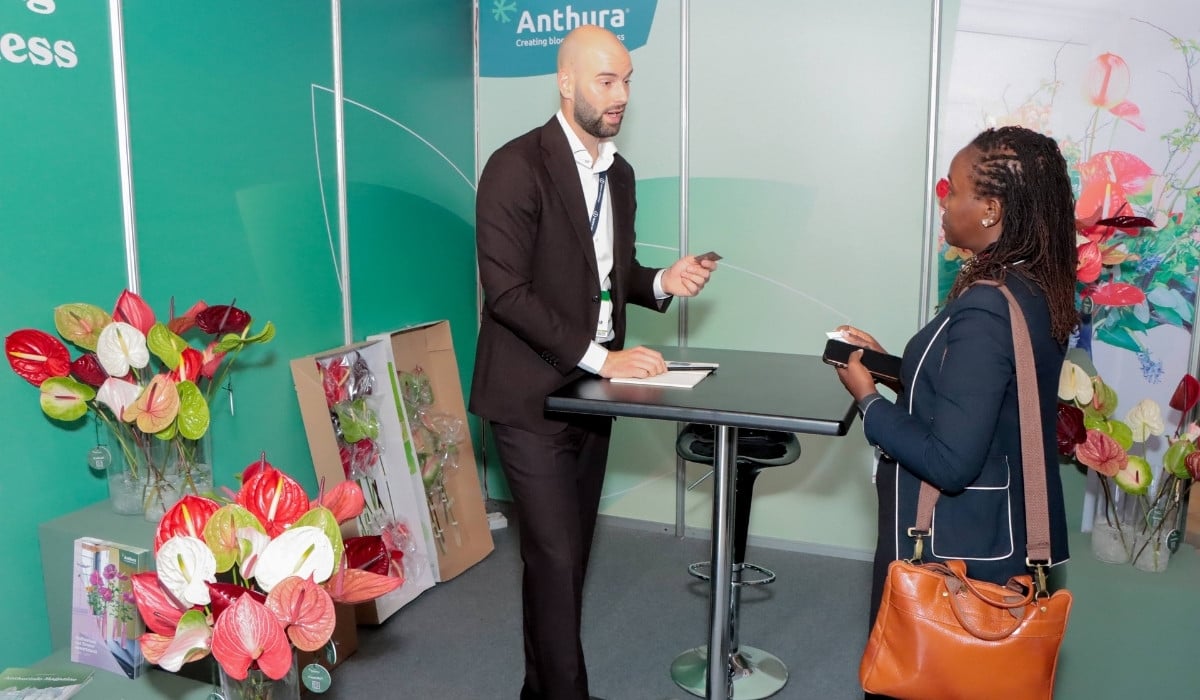
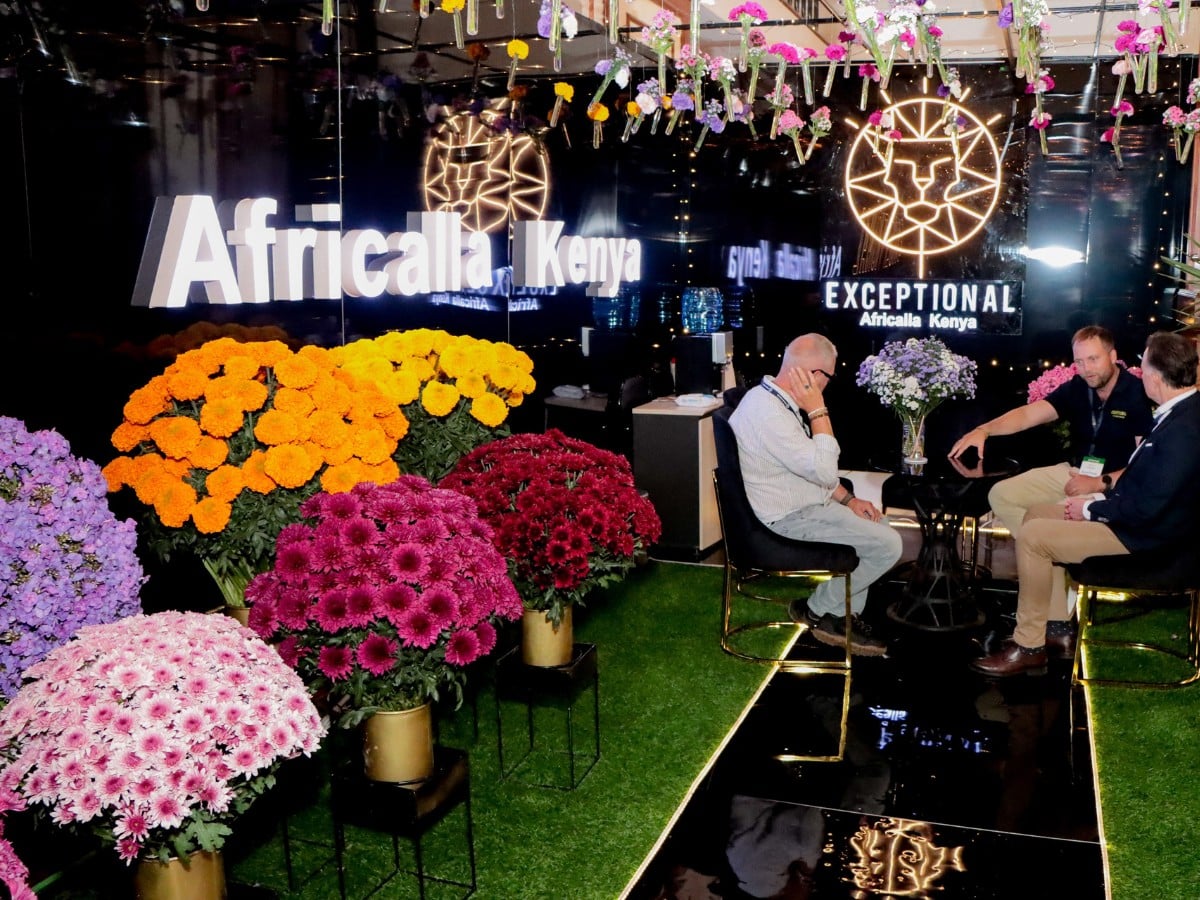
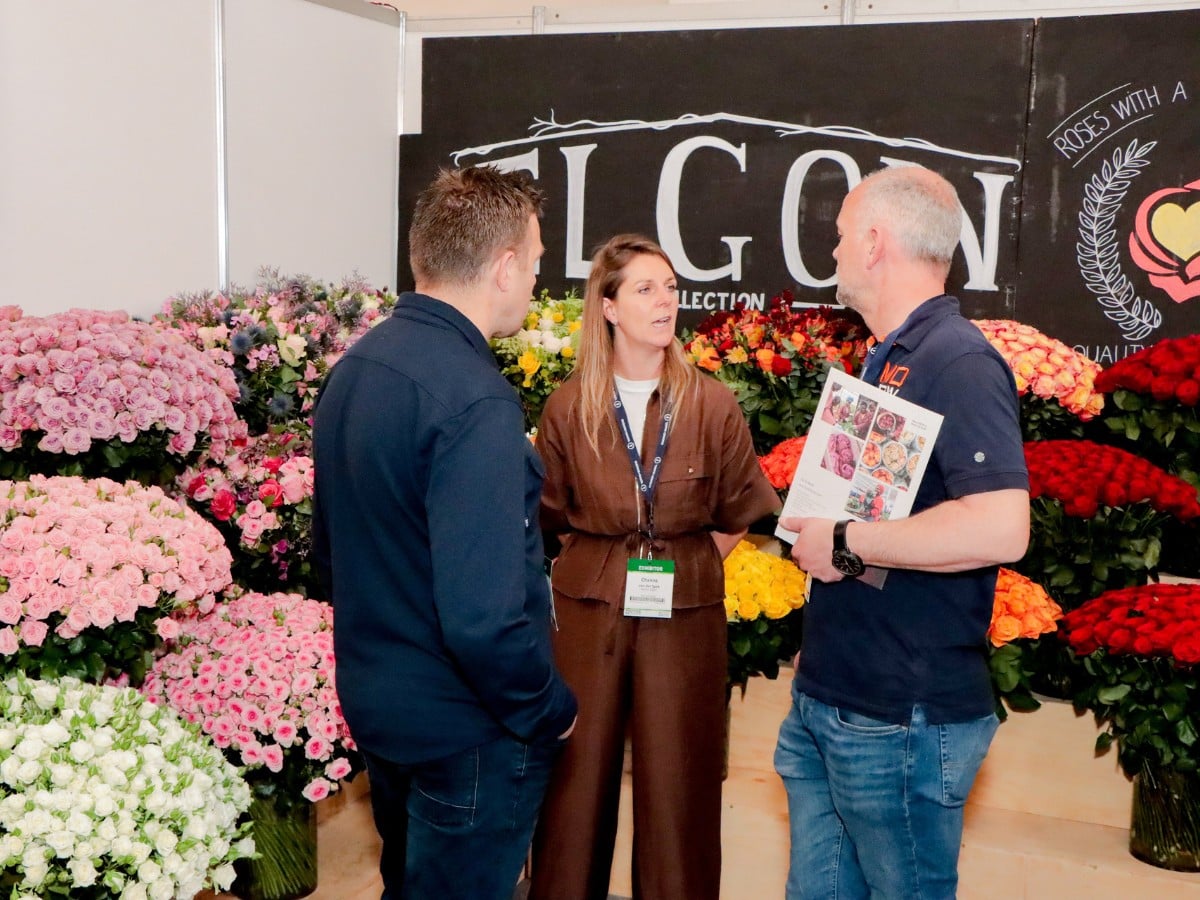
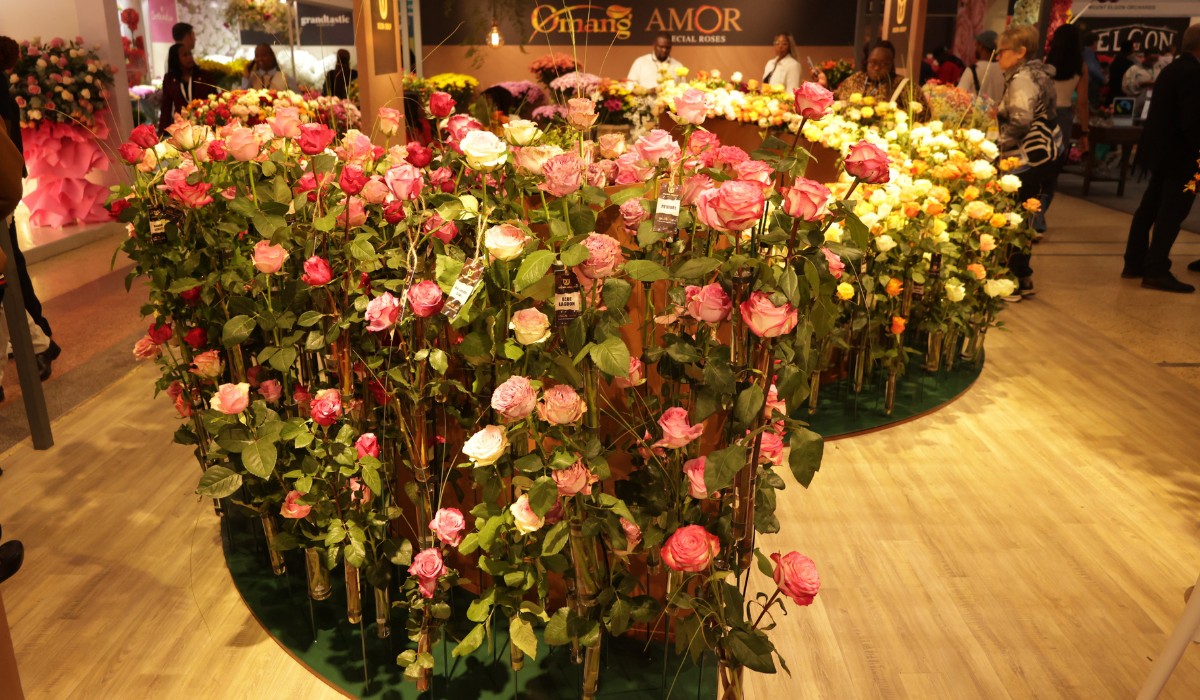
The booths ranged with multi-variety assortments from different breeders and growers, and others in the flower value chain. Some featured elaborate design displays, others beautiful and novelty flowers in vases, all of which couldn't go unspoken about by the attendees.
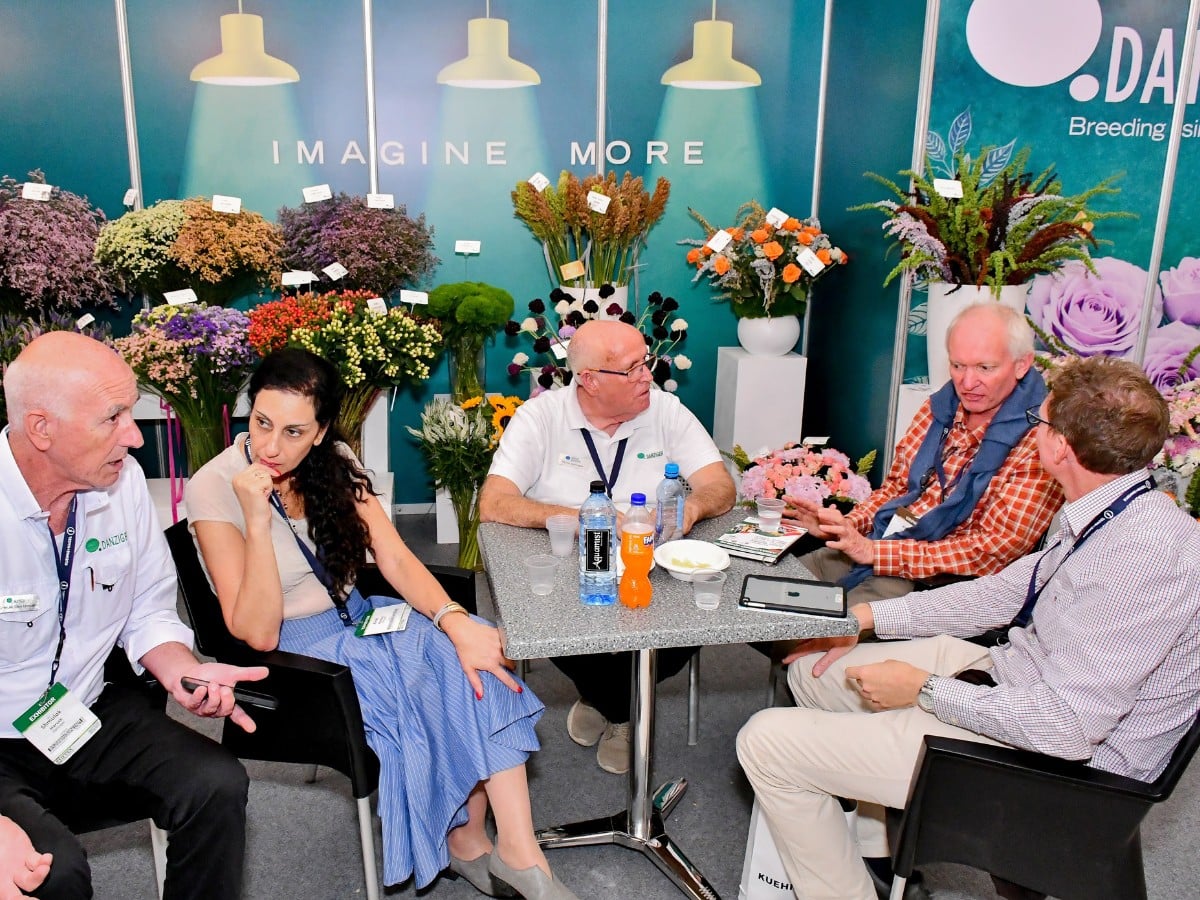
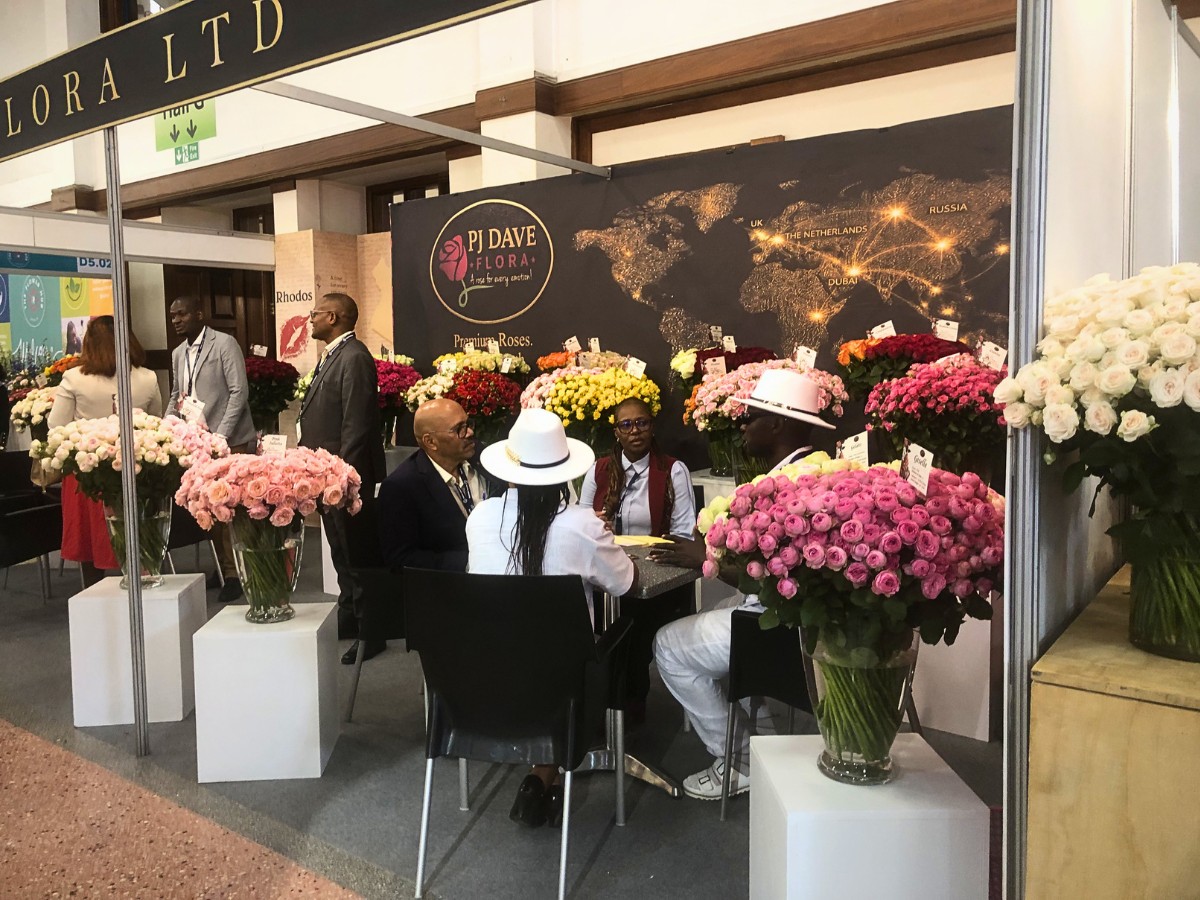
Yet, perhaps, one would say, the presence of numerous new entrants in the event, alongside the traditional participants, pretty much communicated the positive message that the whole event was not all about a forced optimism of an industry papering over challenges and difficulties, but an indicator of a flower sector that has a strong enough foundation to keep building on an upward trajectory.
The Record Turnout and What It Said (and Meant)
The roughly 210 exhibitors at IFTEX 2026 represented a roughly 11% increase on the 189 who attended in 2025, and marked the highest participation in the event's more-than-a-decade-long history. But there was more that made it all important in that nearly one-fifth of the exhibitors were new entrants appearing on that international stage for the first time, which says quite a lot.
HPP CEO Dick van Raamsdonk, who organizes IFTEX, noted this at the opening ceremony, restating: "This year we have broken the previous record with 210 exhibitors under one roof, and one-fifth of the exhibition space was taken up by first-timers.”
For observers of IFTEX over the years, the event’s growth arc is quite telling, speaking of growth that hardly happens in an industry that has little confidence in its own future, but one whose people believe that being at the global table and maintaining momentum is worth the investment.
At the exhibition itself, you wouldn't help but see the positivity (and optimism). The show was bigger than its predecessors. There were a lot more flowers than previously, including new varieties and novelty introductions.
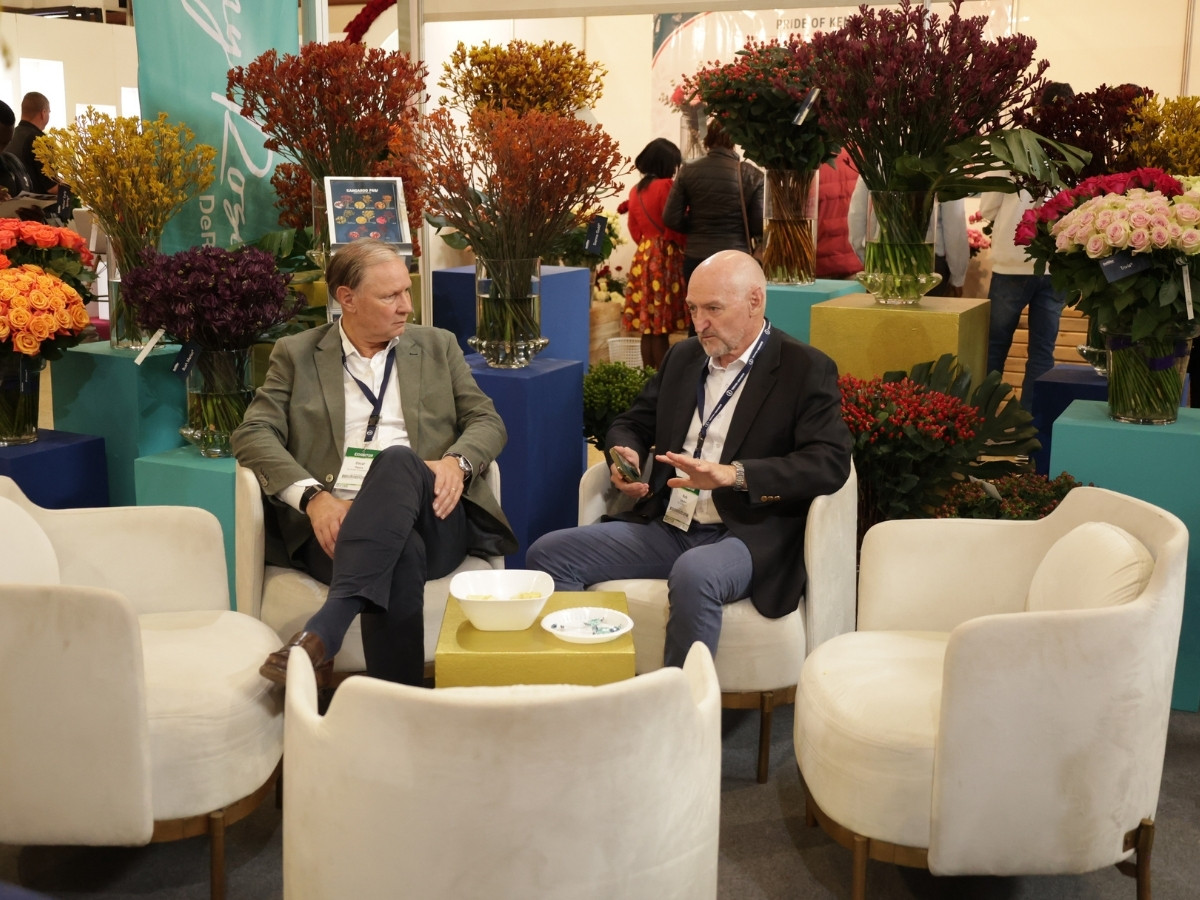
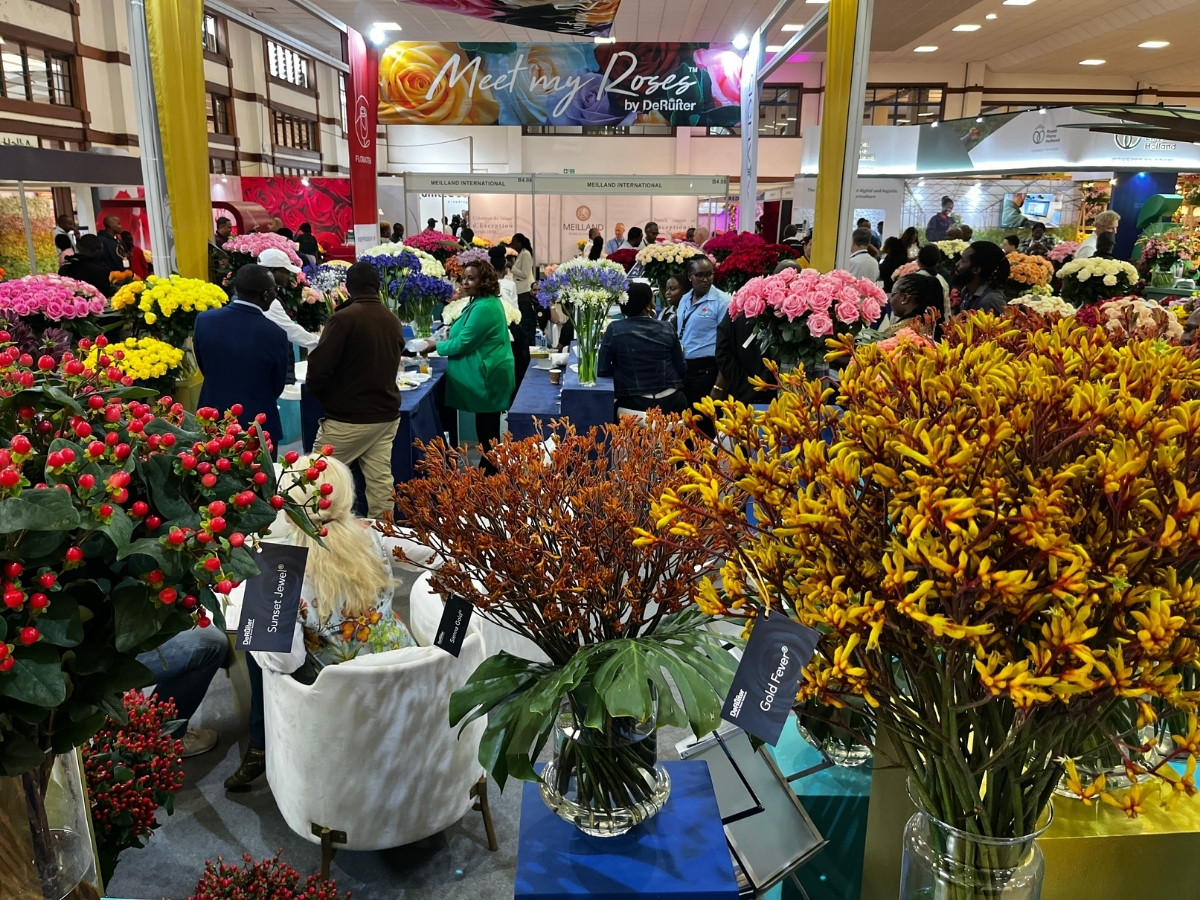
Breeder De Ruiter, for instance, had a lot to offer. Their DREA’ME Collective was quite a hit. The breeder’s Big Five roses’ varieties, other new entrants, alongside their Anigozanthos, Hypericum, and Agapanthus, also made visiting their stand quite an experience.
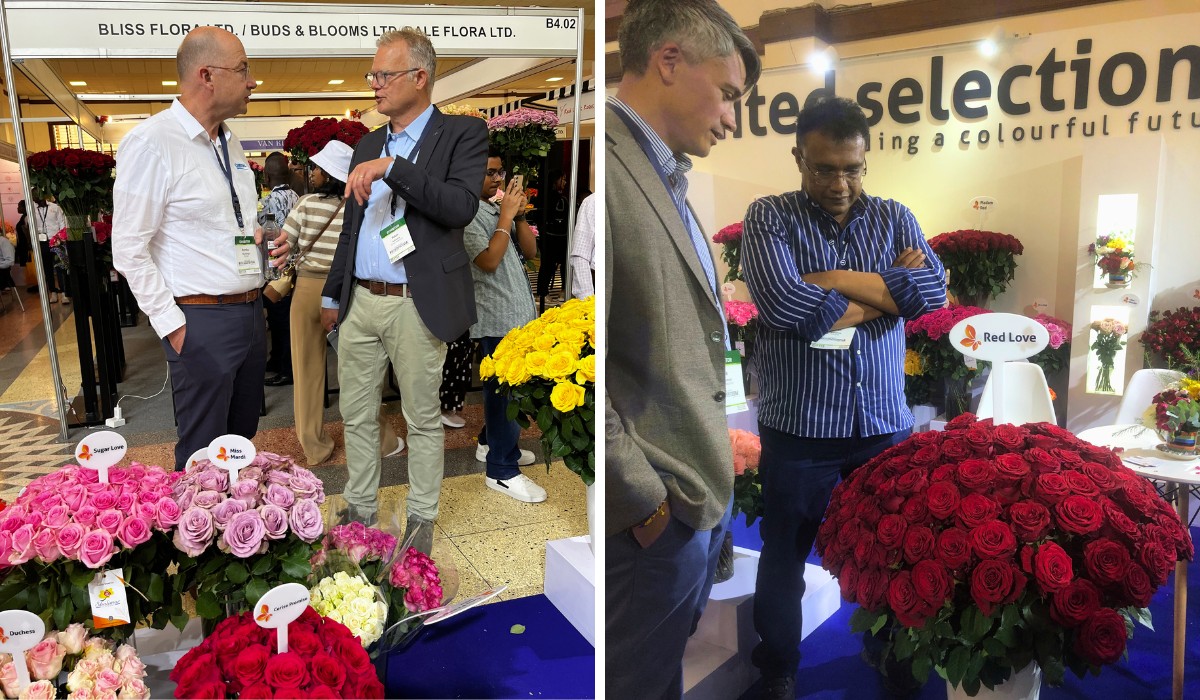
Elsewhere, while breeder United Selections' new premium Red Love rose may, perhaps, have stolen the show, attracting the attention of many who visited their stand, the rest of their varieties did not falter, either. Their traditional heavyweights (including their Blossoms series) maintained their appeal.
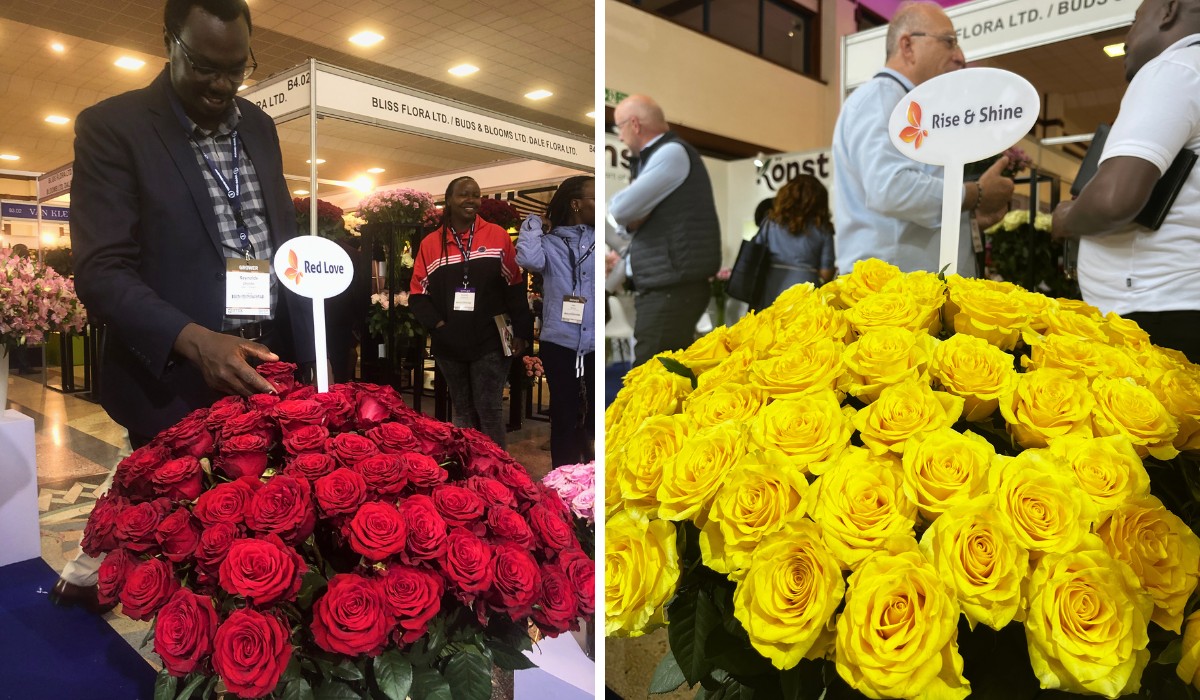
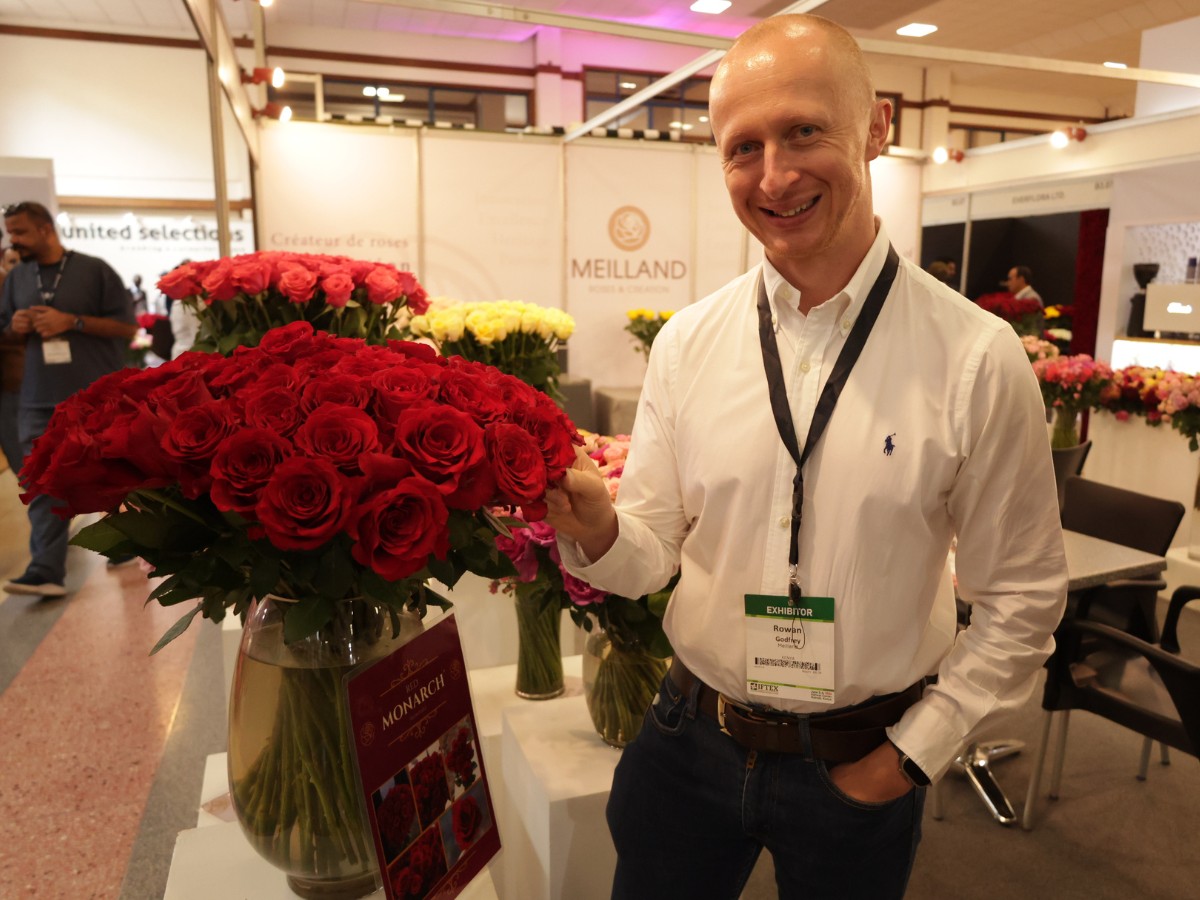
Plus, at the Meilland booth, a delighted Rowan Godfrey had all the positives to say about the event. The breeder introduced their new super premium red rose, Red MONARCH® Meiriposo. Many others made a presence at the show.
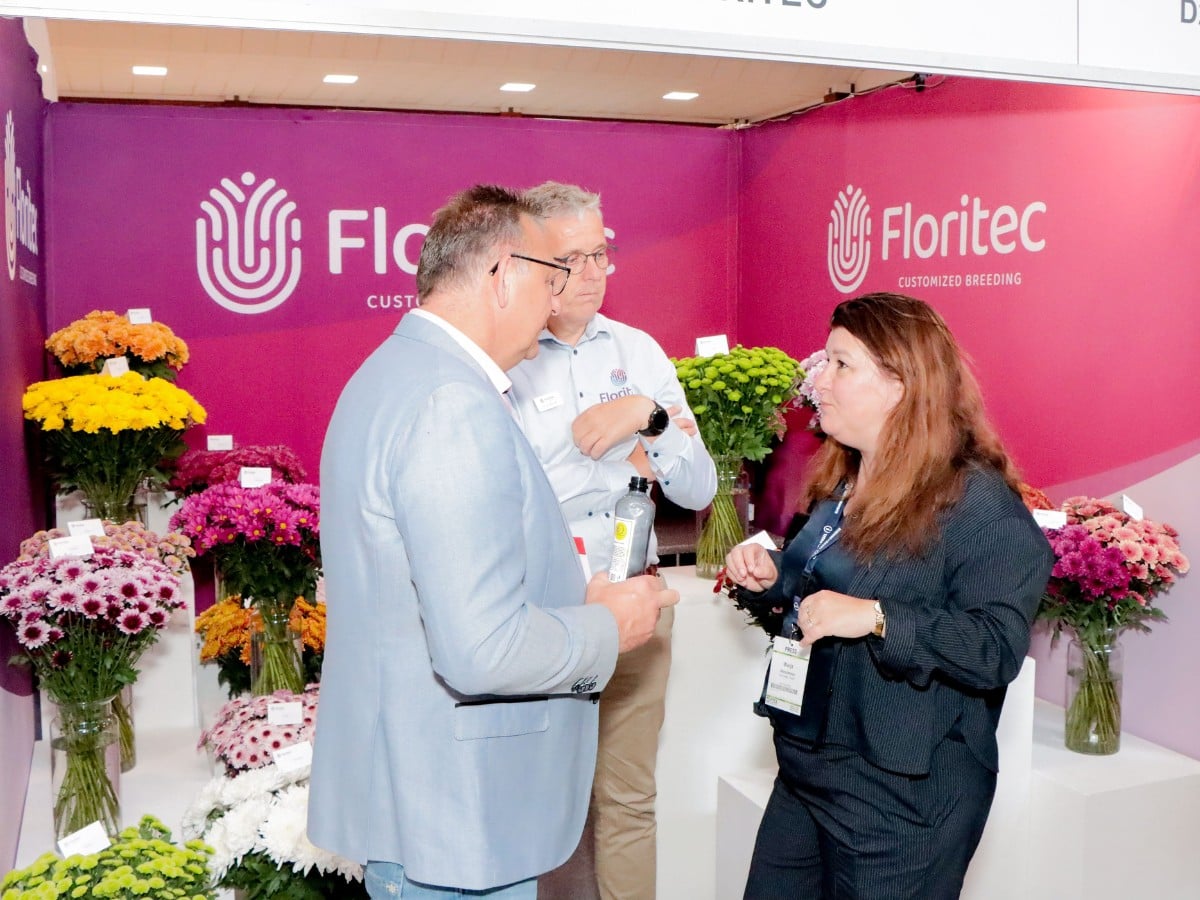
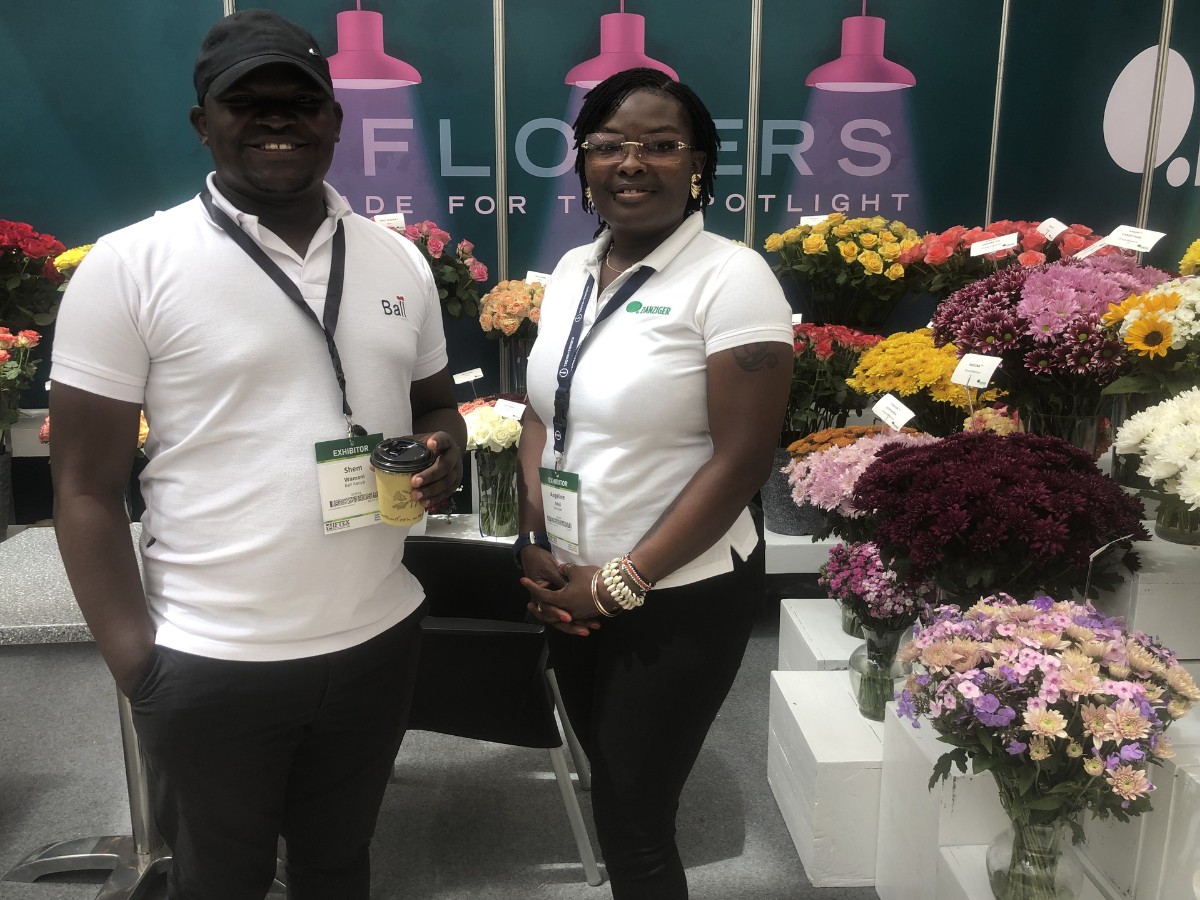
Danziger, Interplant Roses EA Ltd., Viking Roses, Murara Plants Limited, Könst Alstroemeria, Takii Europe B.V., Icon Selections, NIRP East Africa Ltd, Dummen Orange, Ball Floriculture Kenya, Deliflor Chrysanten B.V., Selecta, Anthura, Schreurs East Africa Ltd., Georges Delbard, Select Breeding, and many more were there.
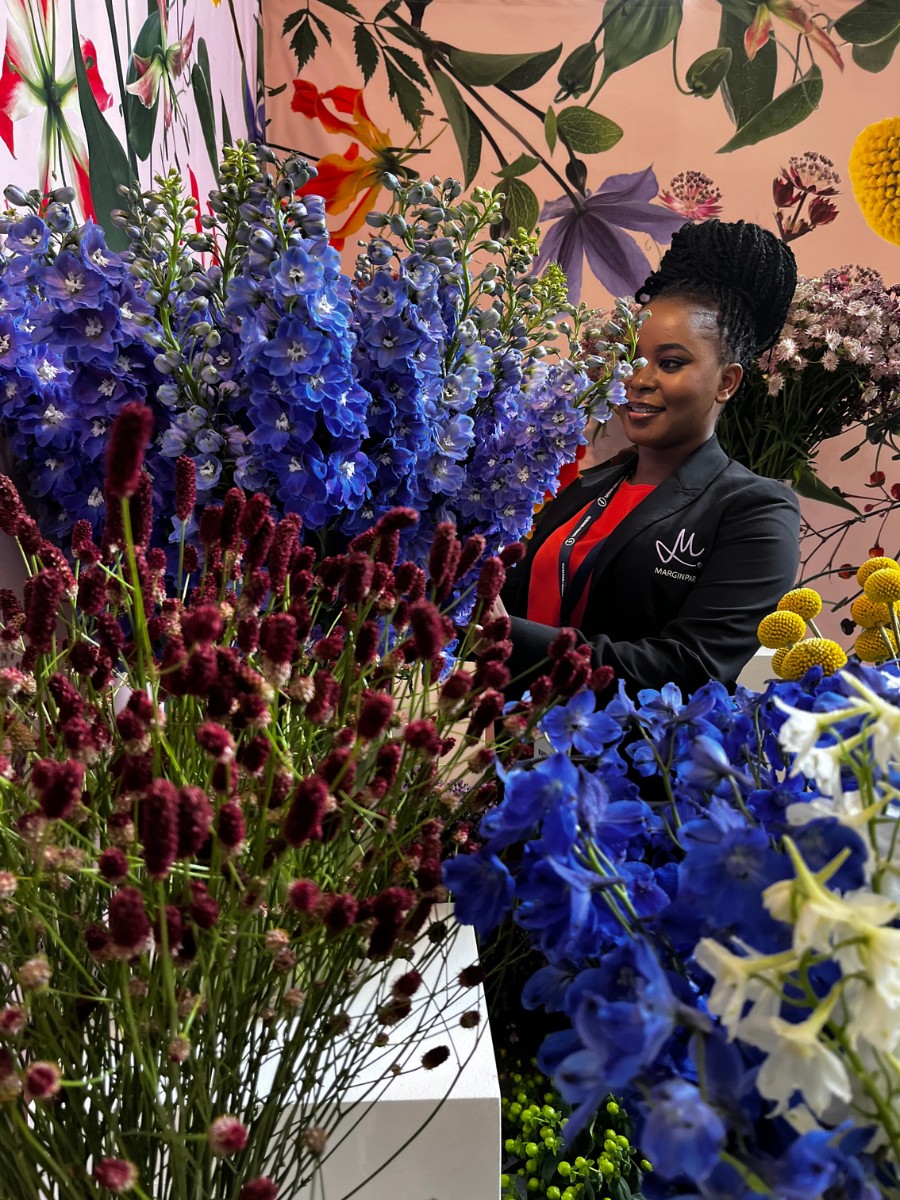
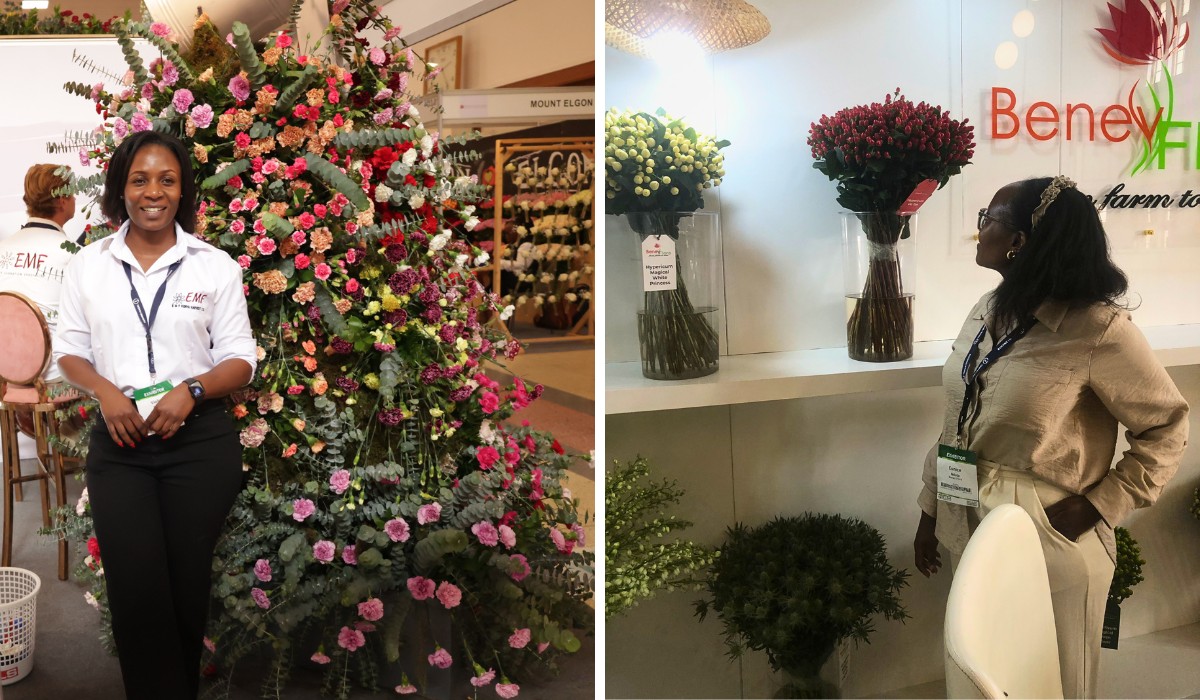
The growers were equally numerous. Marginpar made an appearance at this year’s show, as well as others like Red Lands Roses, Tambuzi Ltd, Uhuru Flowers, Karen Roses, Sian Flowers, Black Tulip Group, Fontana Flowers, Subati, Isinya Roses, EMF Kenya Ltd, AAA Flowers, Exceptional Africalla, Mona Flowers, Van Helvoort Company-Kenya, P.J Dave Flora, P.J Dave Flowers, Ole Engai Growers Ltd., Lenana Flowers, Mzurrie Flowers, Imani Flowers, Kikwetu Flowers, Benev Flora…and well, these are just a fraction!
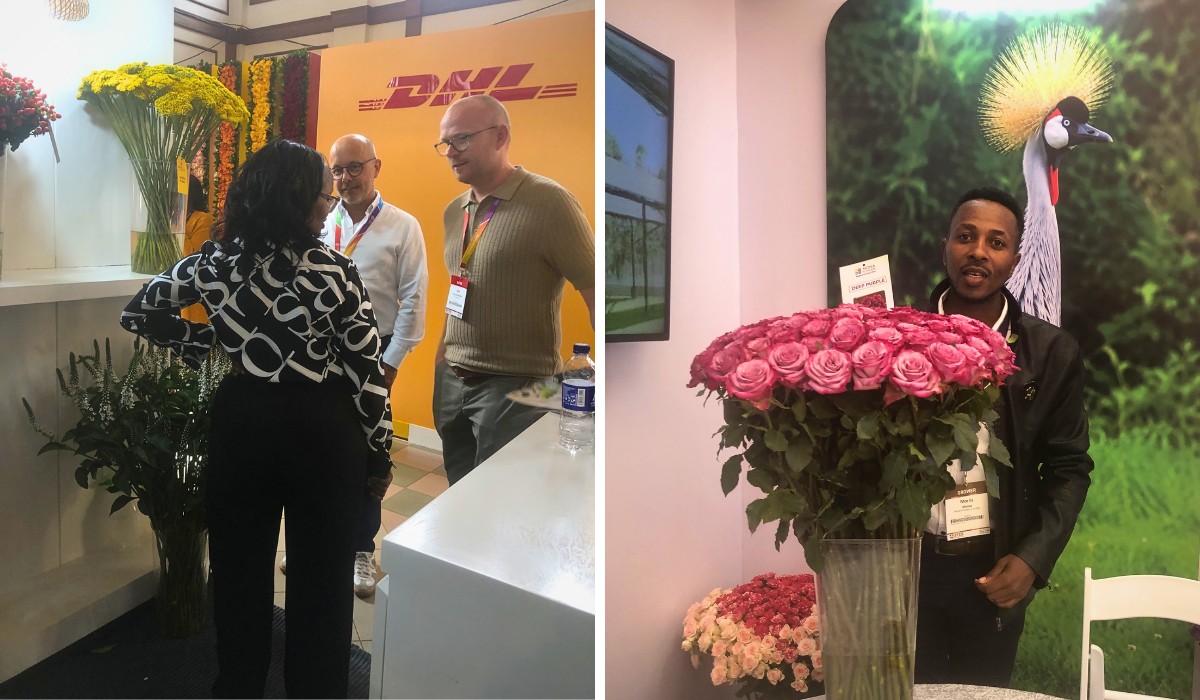
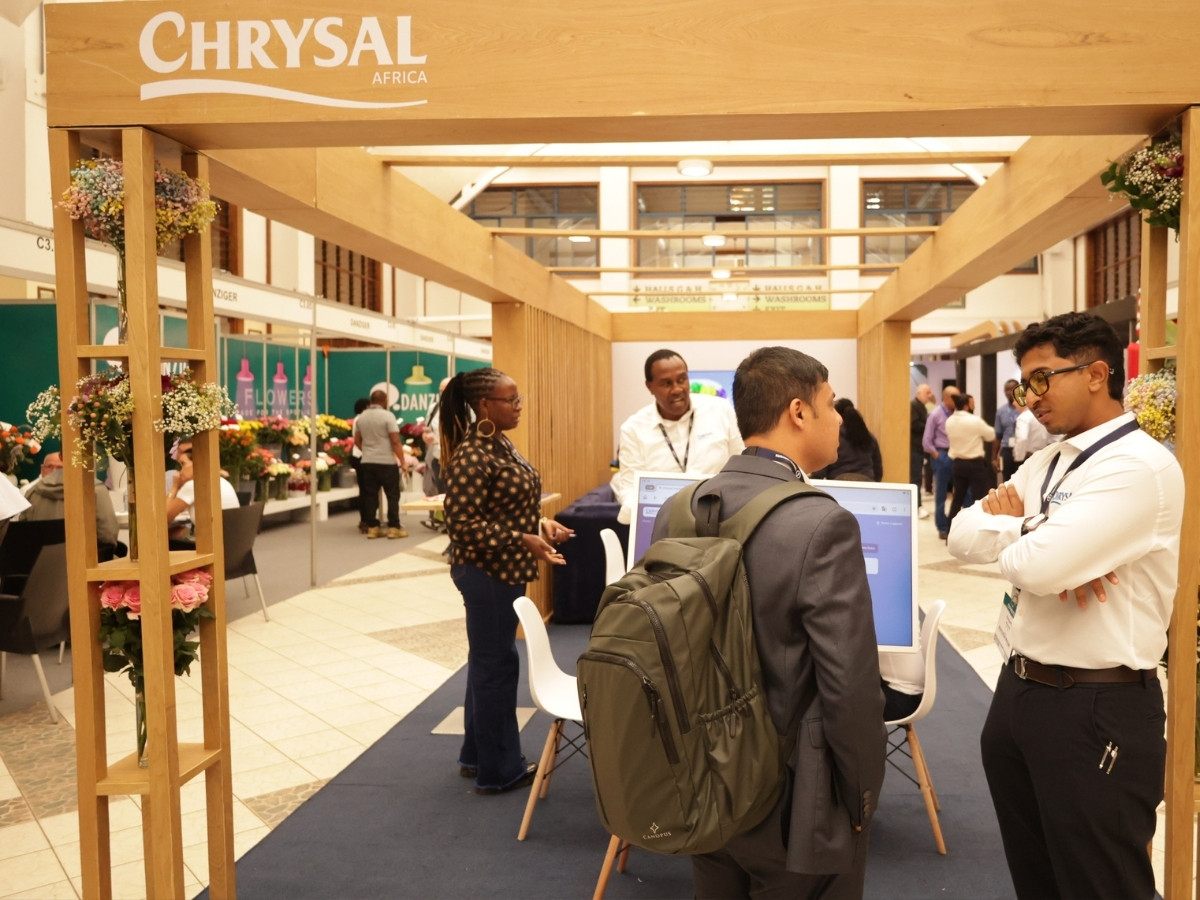
Many other players making the industry a success also took part in this event. Think of the Kenya Flower Council (KFC), Ethiopian Horticulture Producer Exporters Association (EHPEA), MPS, Fairtrade Africa, Royal FloraHolland, Chrysal Africa Ltd., Dutch Flower Group (DFG), Kuehne + Nagel, Octoflor Kenya Ltd., Airflo Ltd, Oasis Floralife Africa Ltd., and others.
But even then, the mood at the show said all one had to know about the positivity, enthusiasm, and resilience of the industry, and painted a picture of what the flower sector looks like, more so for Kenya.
What Kenya Has Built in Terms of Its Floriculture Industry
Any serious discussion of the Kenyan flower industry, and the challenges it has resiliently faced, often begins with the extent of what it has built over the past three decades, because the industry's spirit is inseparable from that. Kenya is today Africa's largest flower exporter, the leading supplier of rose cut flowers to the European Union (EU), and the third-largest exporter of cut flowers globally.
In 2025, despite the prevailing headwinds, the country recorded horticultural exports worth at least USD 1.1 million, with cut flowers accounting for 62% of that total. Roses made up roughly 69% of all flower exports, shipped to destinations across the world.
The sector generates approximately USD 850 million annually and supports more than 200,000 direct jobs, with women making up more than 60% of the primary agricultural workforce. Kenya’s Cabinet Secretary for Investments, Trade and Industry, Lee Kinyanjui, articulated this during the 2026 IFTEX opening ceremony, noting: “For us as Kenyans, flowers represent jobs, livelihoods, enterprise, innovation, foreign exchange earnings, community development, women empowerment, and economic opportunity."
KFC CEO Clement Tulezi held the same view, noting: "Flowers (and the flower industry in Kenya) mean jobs, school fees, healthcare, empowerment, and much more." Yet far from being just rhetorical flourishes, these benefits describe an industry that has become structurally essential to Kenyan society, and those who lead it understand that responsibility.
On Costs and the Economics of the Flower Industry
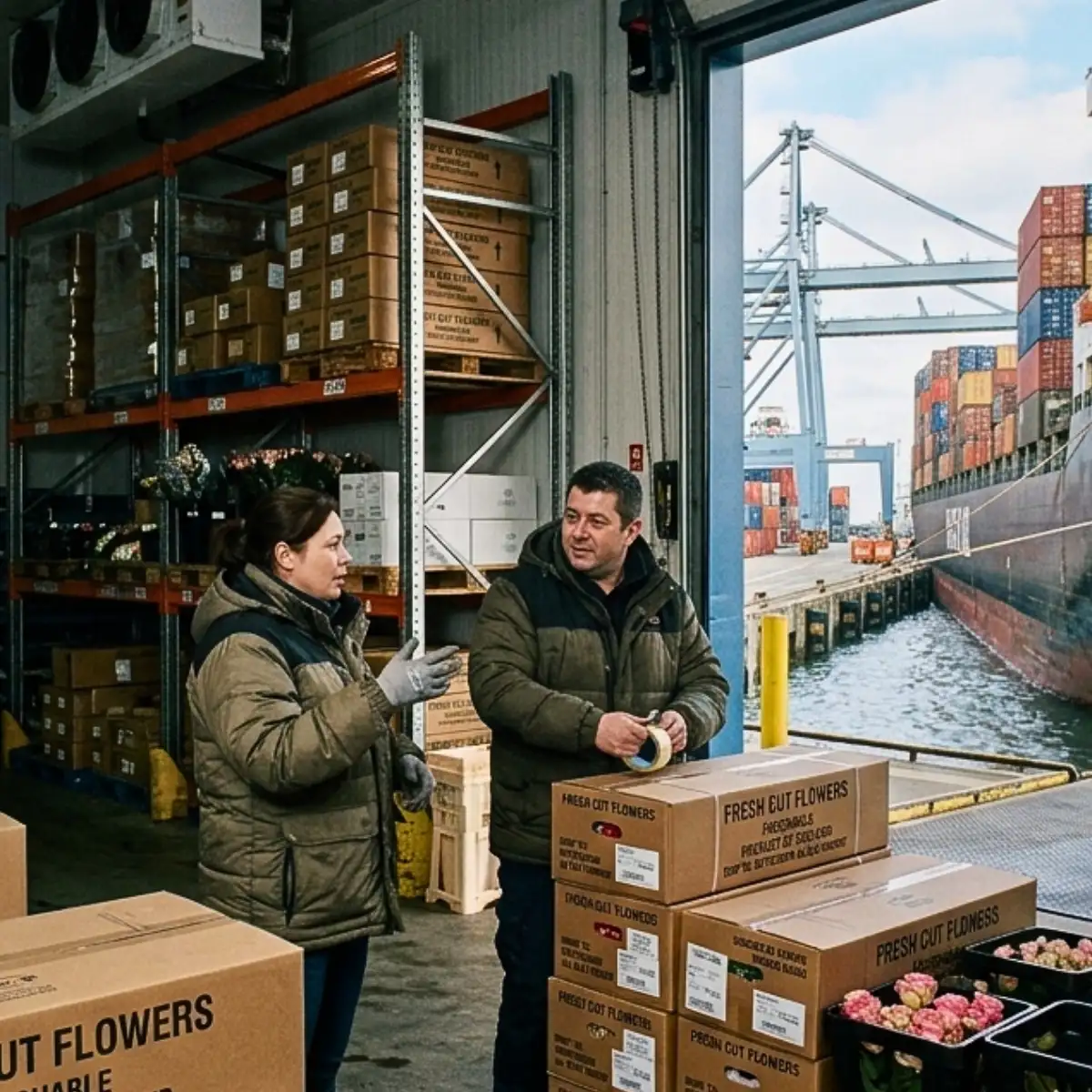
But the candor at IFTEX 2026 around supply chain economics was one of its defining features: there was a lot that had to be noted. In the past several months, air freight rates have risen sharply, pushing logistics expenses to as much as 60% of export costs during peak periods.
KFC estimates that approximately USD 4 million in flower exports is at risk every week as a result of shipment delays and the perishability pressures that come with them. Some growers have even experienced great revenue losses during such periods of acute disruption.
But Cabinet Secretary Lee Kinyanjui offered some positive feedback on the Kenyan Government's response, including a budget-cycle proposal to reduce the export VAT withholding rate, which would free up some cash flow for growers. There were also commitments to invest in cold-chain infrastructure at Nairobi's main cargo hub.
A Mutually Beneficial Relationship With the EU
The EU was represented at the opening of the 2026 IFTEX by Filippo Amato, the Head of the Trade Section at the EU Delegation to Kenya. His address also provided an enunciation of how important this trading relationship has become, given that Kenya supplies more than 40% of flowers imported into the EU. The Kenya-EU Economic Partnership Agreement, in effect, guarantees duty-free, quota-free access for such Kenyan products in European markets.
Also, the EU's Global Gateway strategy is now exploring cold-chain investment at the Nairobi Inland Container Depot, plus the EU's Business Environment and Export Enhancement Program has also been supporting logistics infrastructure and green supply chain development.
Filippo Amato noted:
“Together, we can continue to build a trade relationship that is not only larger, but also more sustainable, inclusive, and resilient.”
This commitment comes at a time when Kenya is also working to reduce its dependence on just a single (particular) market. Yet the prevailing positions do not conflict with each other since a strengthened EU relationship and an active diversification strategy toward regions like North America, the Middle East, Eastern Europe, and Southeast Asia are complementary objectives. And IFTEX 2026 showed how the industry in Kenya is pursuing both ideas with equal seriousness.
About Compliance, Breeders’ Rights, and the Long Game
To a great extent, Kenya's export competitiveness lies in its phytosanitary record, and at the IFTEX 2026, detailed attention was given to this. The Kenya Plant Health Inspectorate Service (KEPHIS) reported continued progress in digitizing certification systems and reducing interceptions related to challenges like the False Codling Moth (FCM), which is a key compliance concern in EU markets.
In this regard, Dr. Isaac Macharia, KEPHIS Director of Phytosanitary and Biosecurity Services, noted:
"Adherence to market requirements is (now) not just a regulatory necessity but Kenya's premier competitive advantage."
Also worth noting is that Kenya has now granted over 2,066 plant breeders' rights, approximately 1,300 of which cover cut flowers. This legal framework is important in that it creates the ideal conditions for breeders to be able to continue committing investment to developing new varieties, and hence, more growers and investors can put in more investment. Such transparent structures are, in themselves, part of the value proposition that the Kenyan flower industry has to offer.
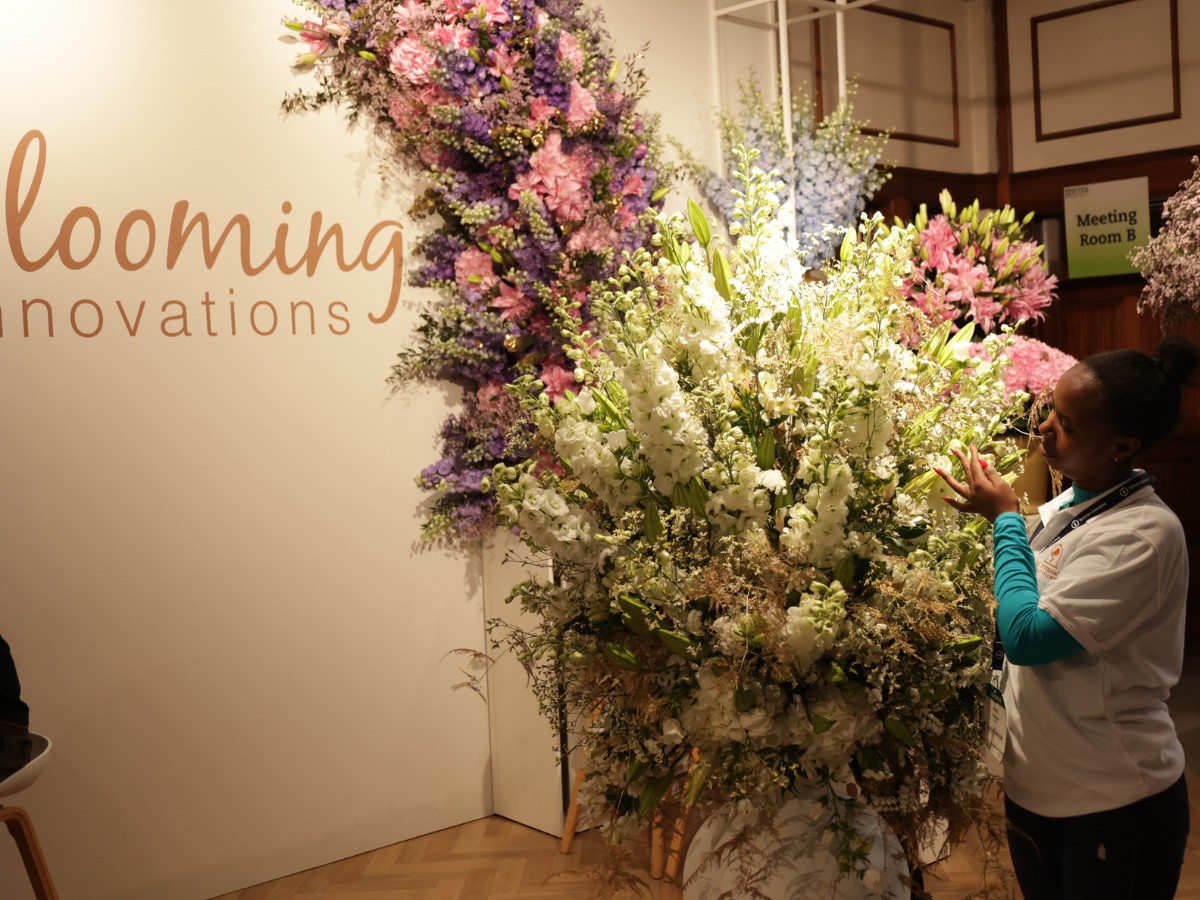
IFTEX 2026 closed with the sense of an industry that has assessed its position globally and keeps moving forward deliberately, not just making reactive steps. The record turnout and all the commitments made at the expo all indicated that Kenya's flower sector is building toward something even bigger, and not just defending what it has already achieved!
IFTEX always has exhibitors awarded. In the 2026 edition, those awarded were:
Best Stand Design Award:
- Bronze – Elgon Kenya Ltd
- Silver – Ole Engai
- Gold – Blooming Africa (Sosiani)
- Platinum – Interplant Roses East Africa
Best Exhibited Flowers Award:
- Bronze – Cenacle
- Silver – Flora Delight
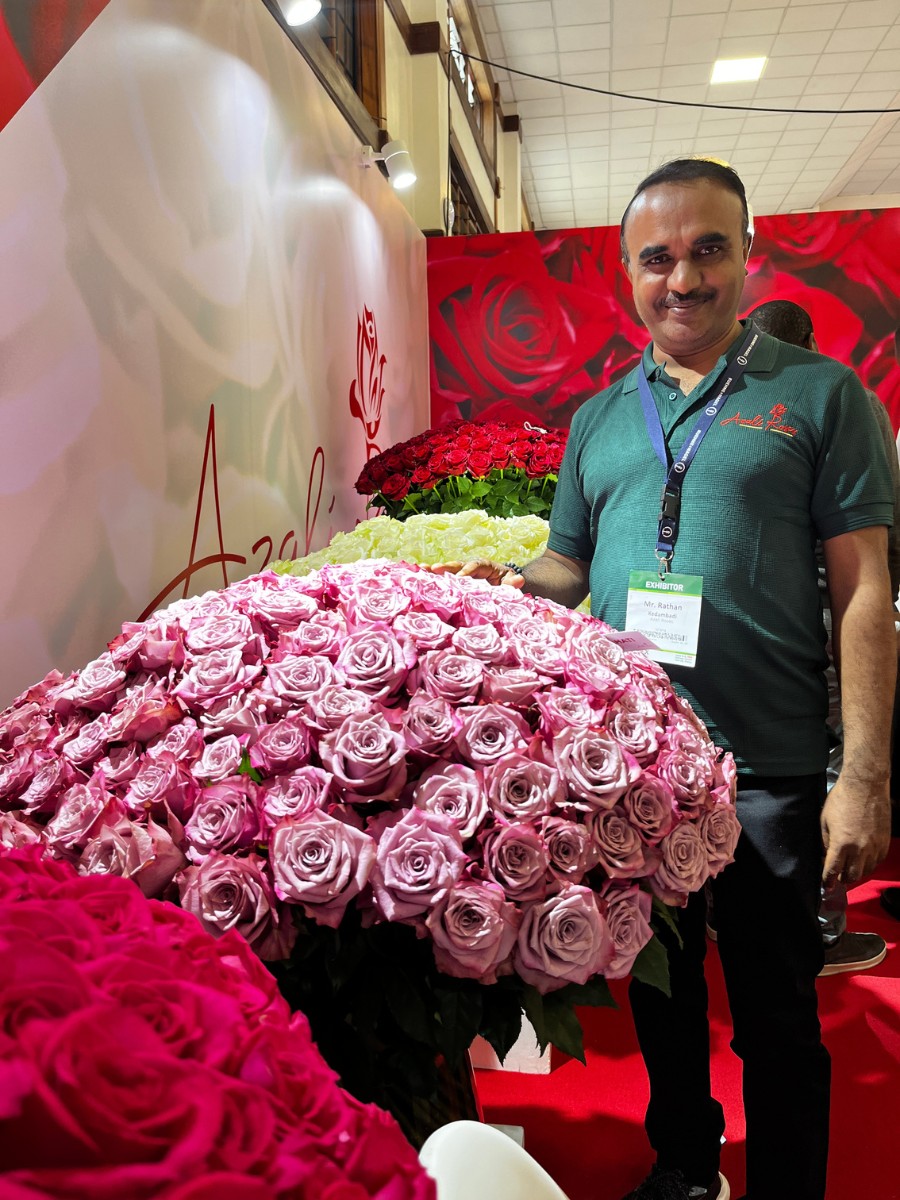
- Gold – Azali Roses
- Platinum – Omang & Amor