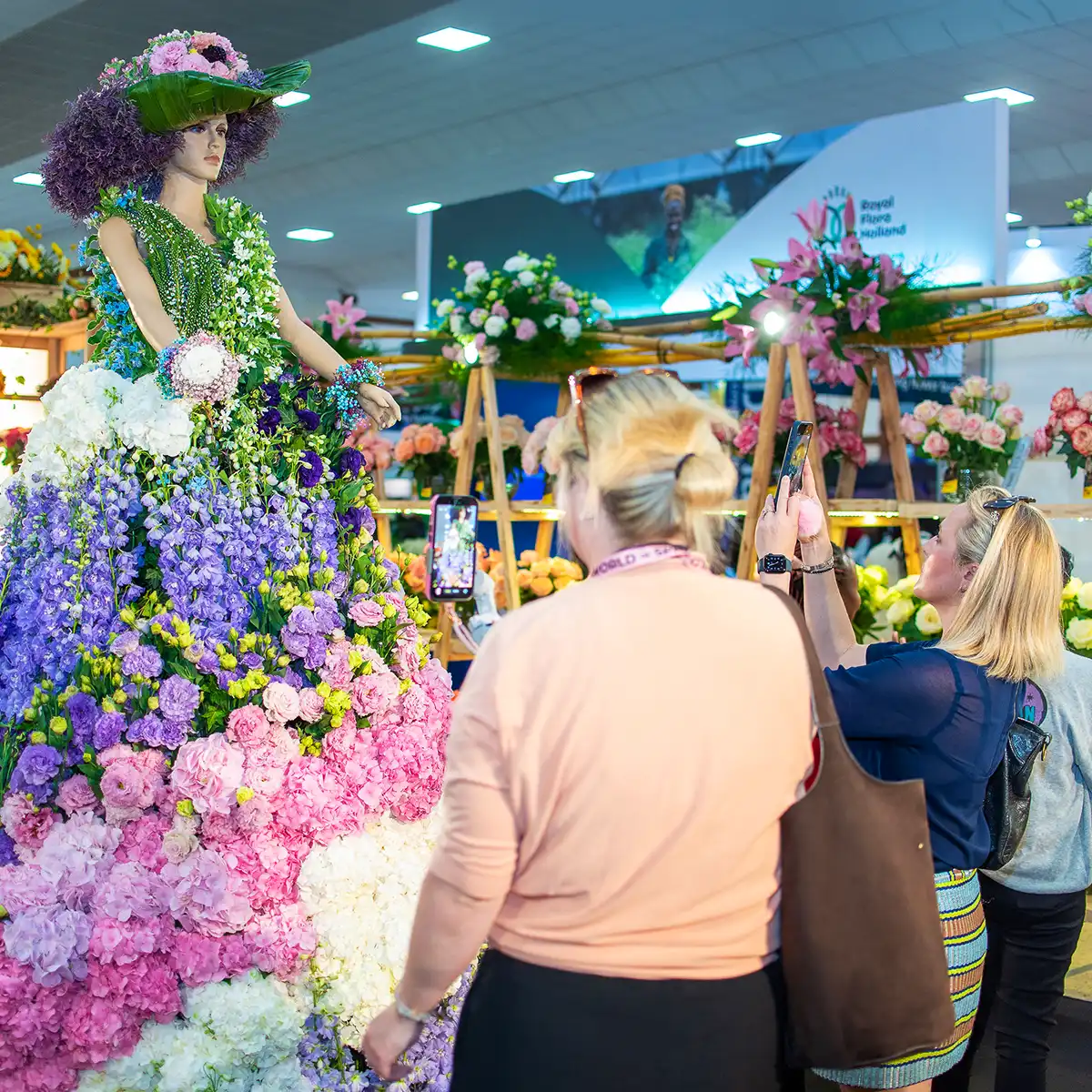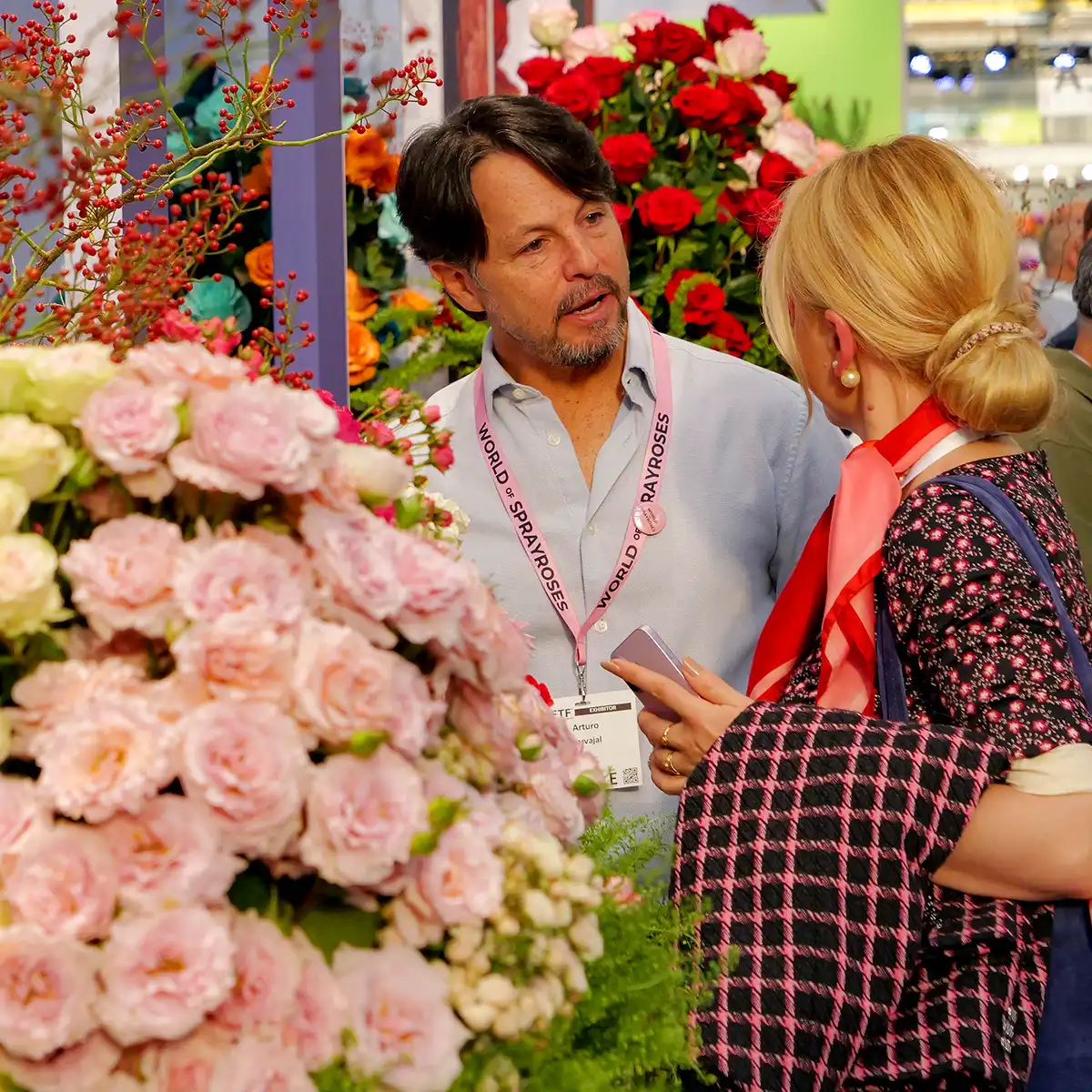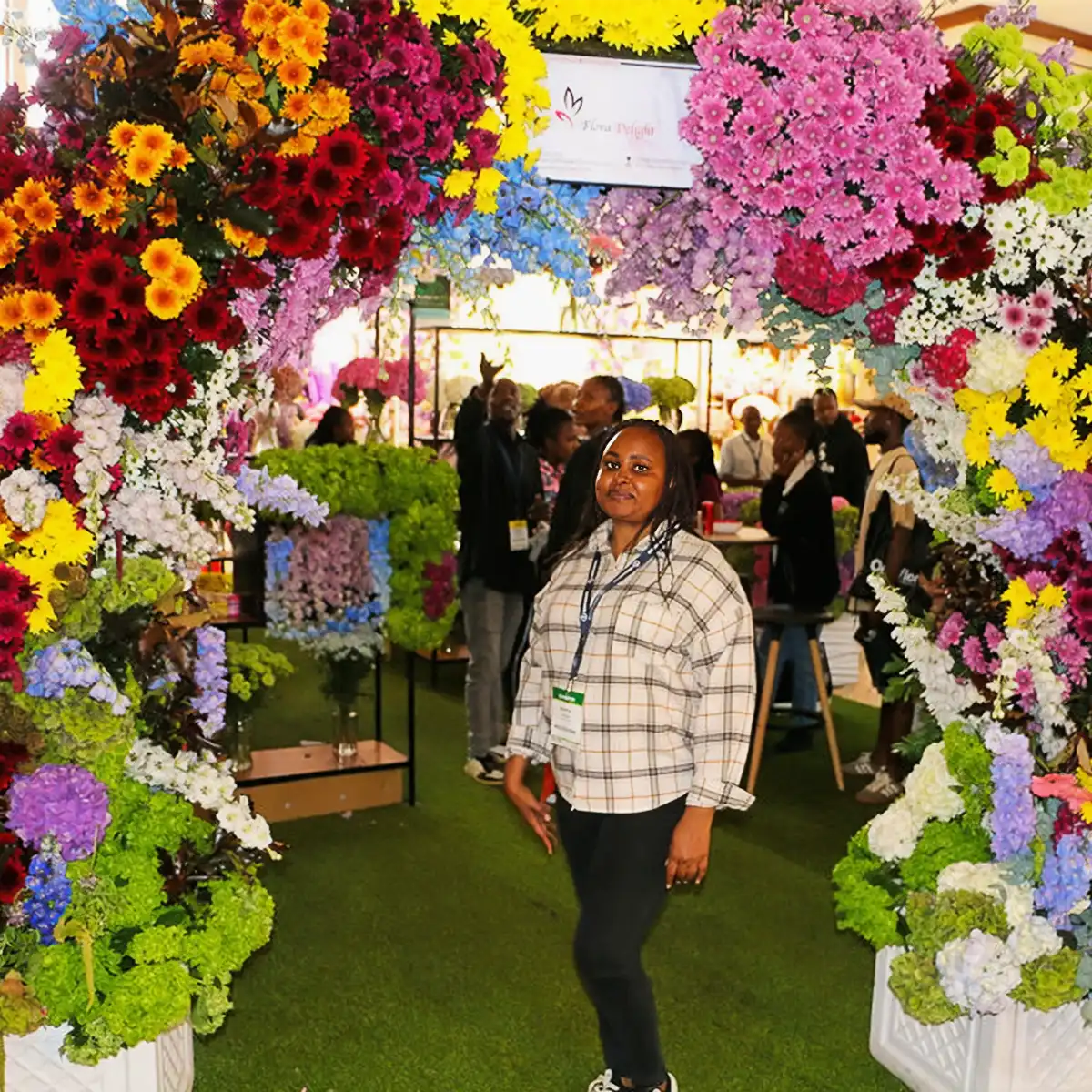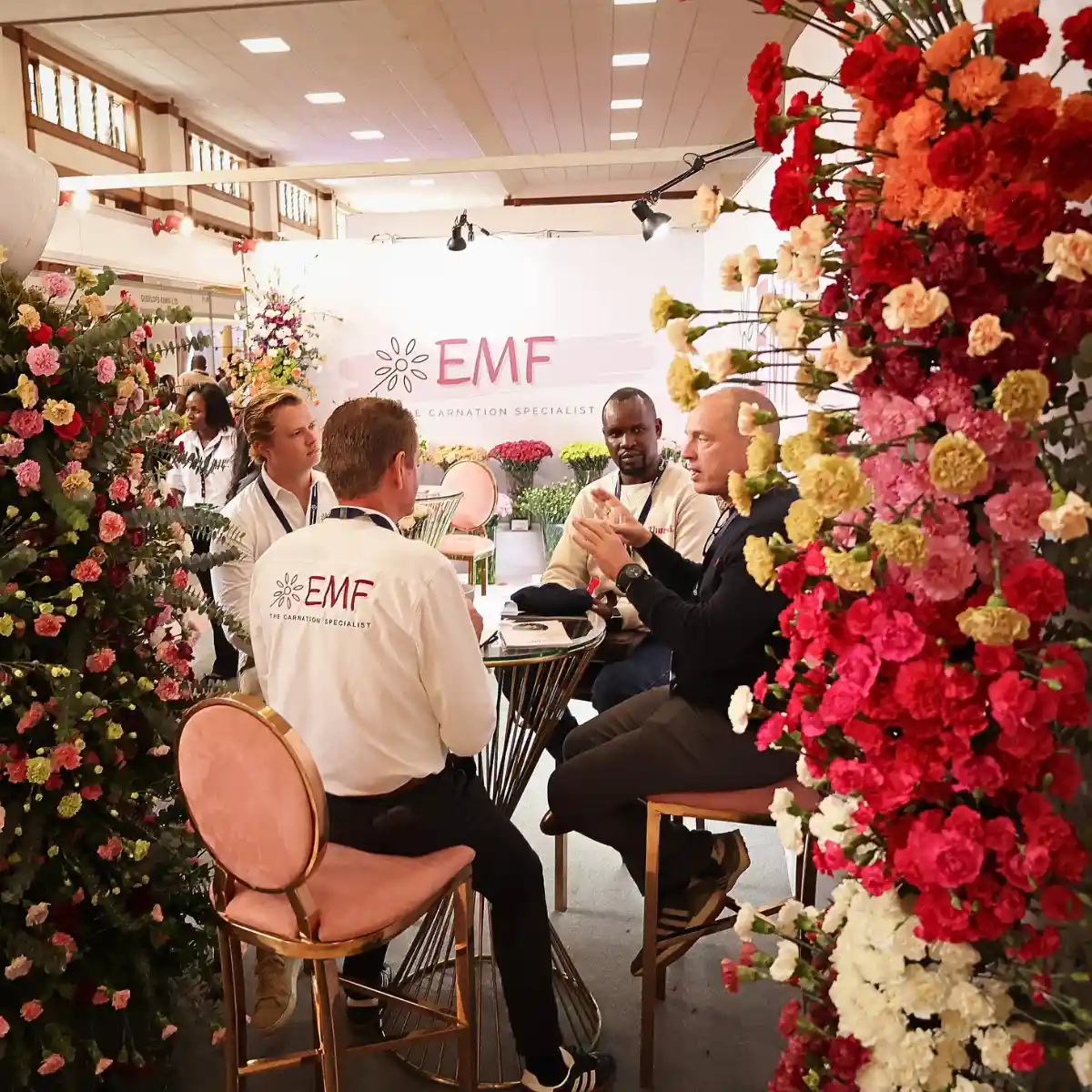
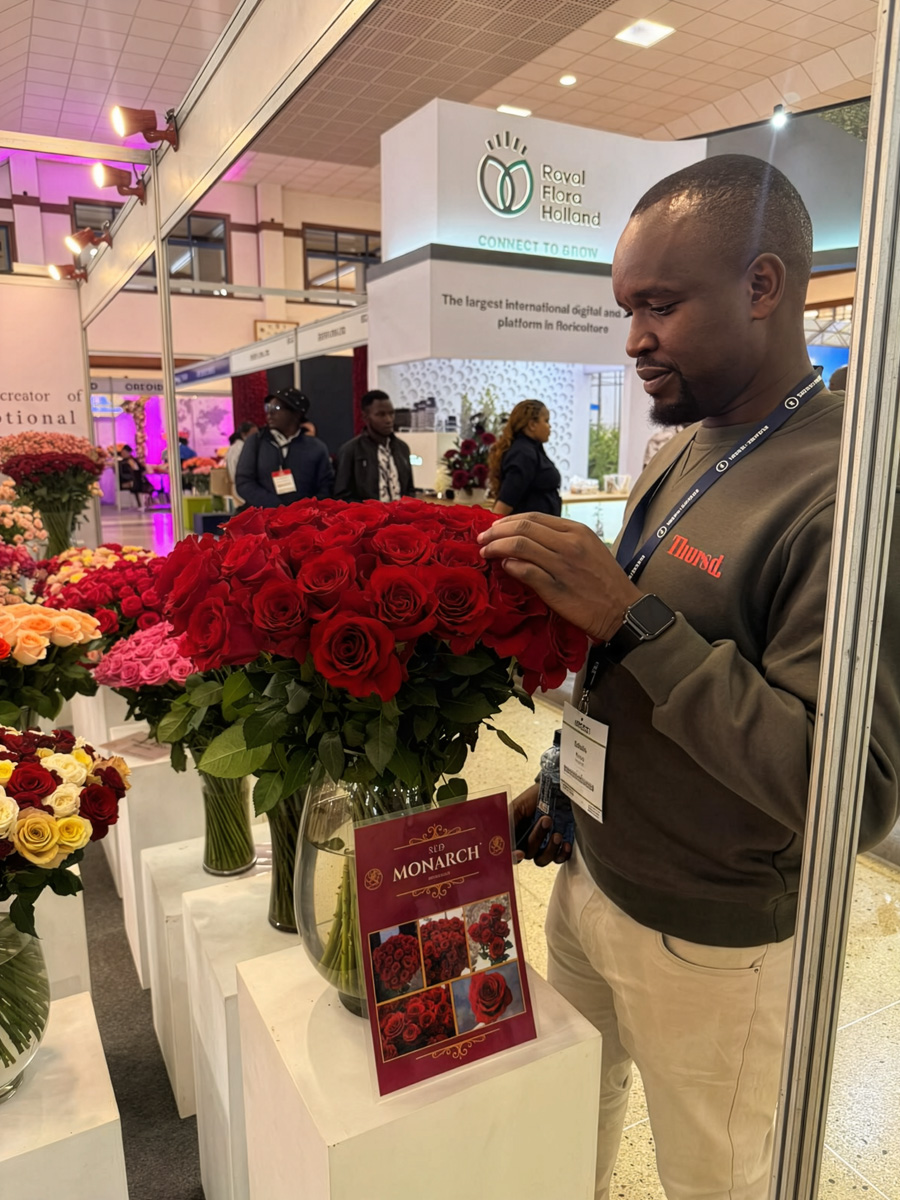
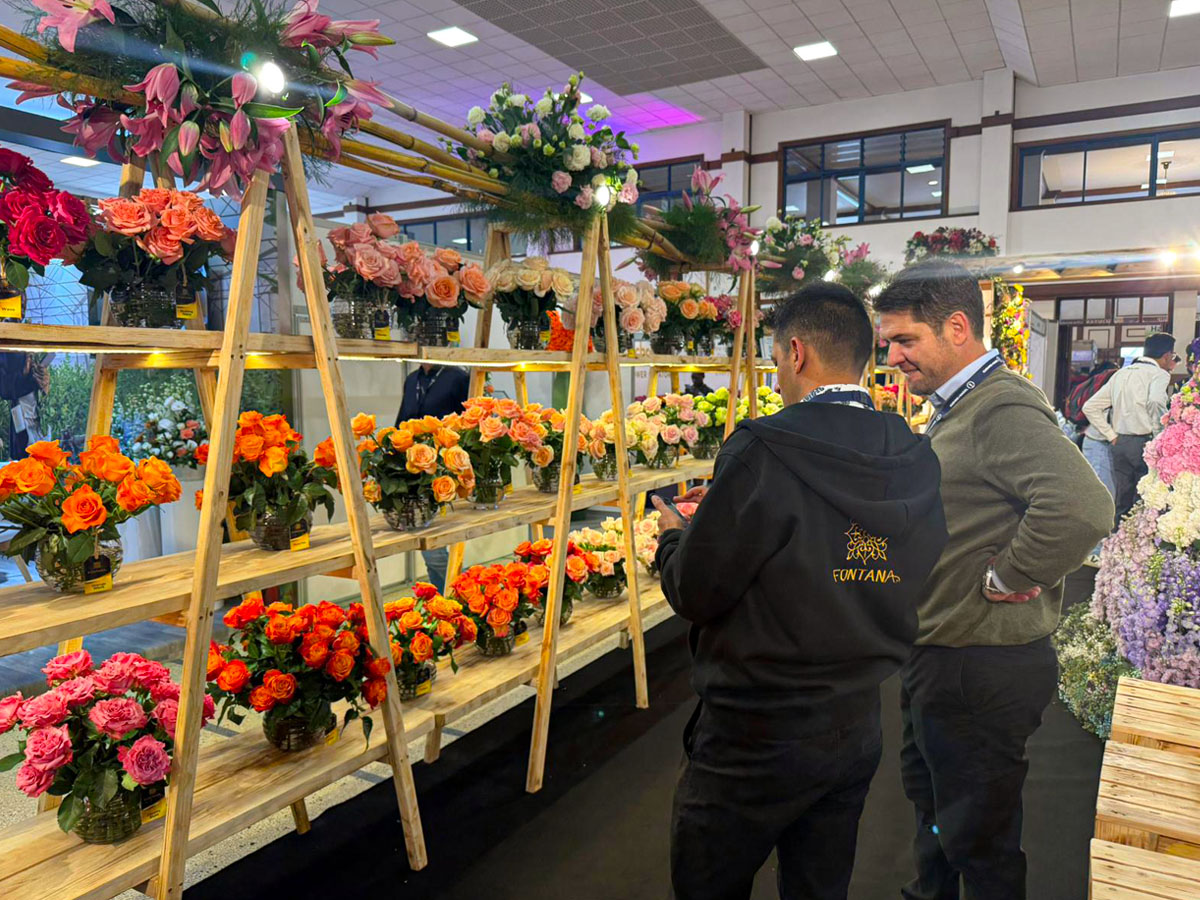
I am writing this from the show floor at the Visa Oshwal Centre in Nairobi, where IFTEX 2026 opened its doors this week for the thirteenth time. The first thing that hits you is the scale. The Kenyan flower industry has turned this exhibition into one of the most important dates on the global floriculture calendar, and the opening ceremony spelled out exactly why that matters now.
A Thirteenth Edition That Went to the Next Level
Dick van Raamsdonk, CEO of organizer HPP International Exhibitions, opened the ceremony with the numbers. "This year we break every previous record with a total of 210 exhibitors, about ten percent more than last year", he said, noting that one-fifth of the hall is taken up by brand new growers showing their harvests for the first time.
He did not undersell the mood. Dick told the room the following, before landing the line that framed the whole morning:
"Compared to last year, it has somehow gone to the next level, flowers are Kenya's ambassadors to the world."
His sharpest point was about timing. In a year when many global markets are hesitating, he said, the Kenyan sector is doing the opposite. It is expanding, investing, and moving forward.
Flowers Are Jobs, School Fees, and Healthcare
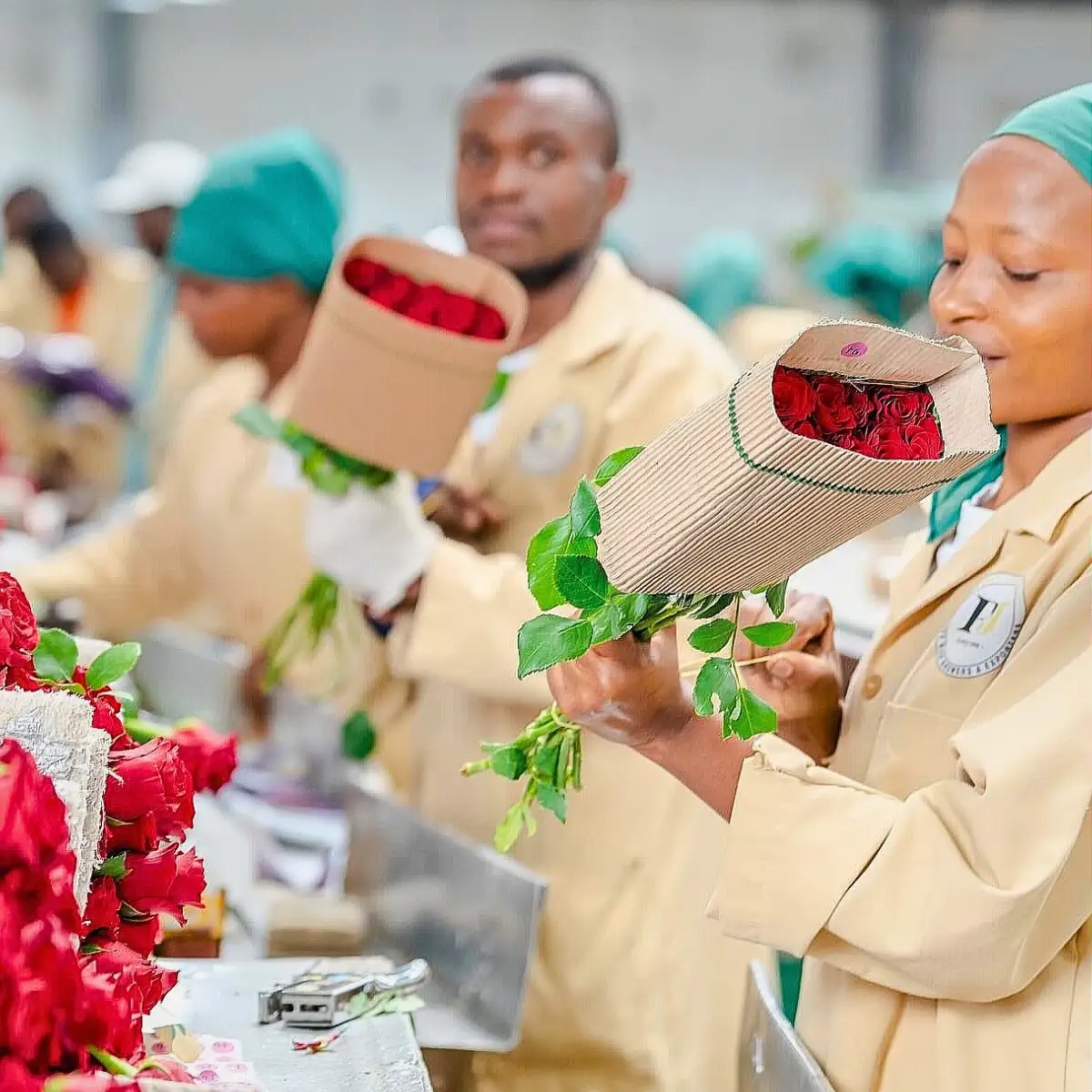
The Kenya Flower Council brought the ceremony back to the ground. Delivering the address of CEO Clement Tulezi, told the story of a supervisor in Naivasha who started as a casual worker and now supports her family and leads a large team.
"Flowers are jobs. Flowers are school fees. Flowers are healthcare,"
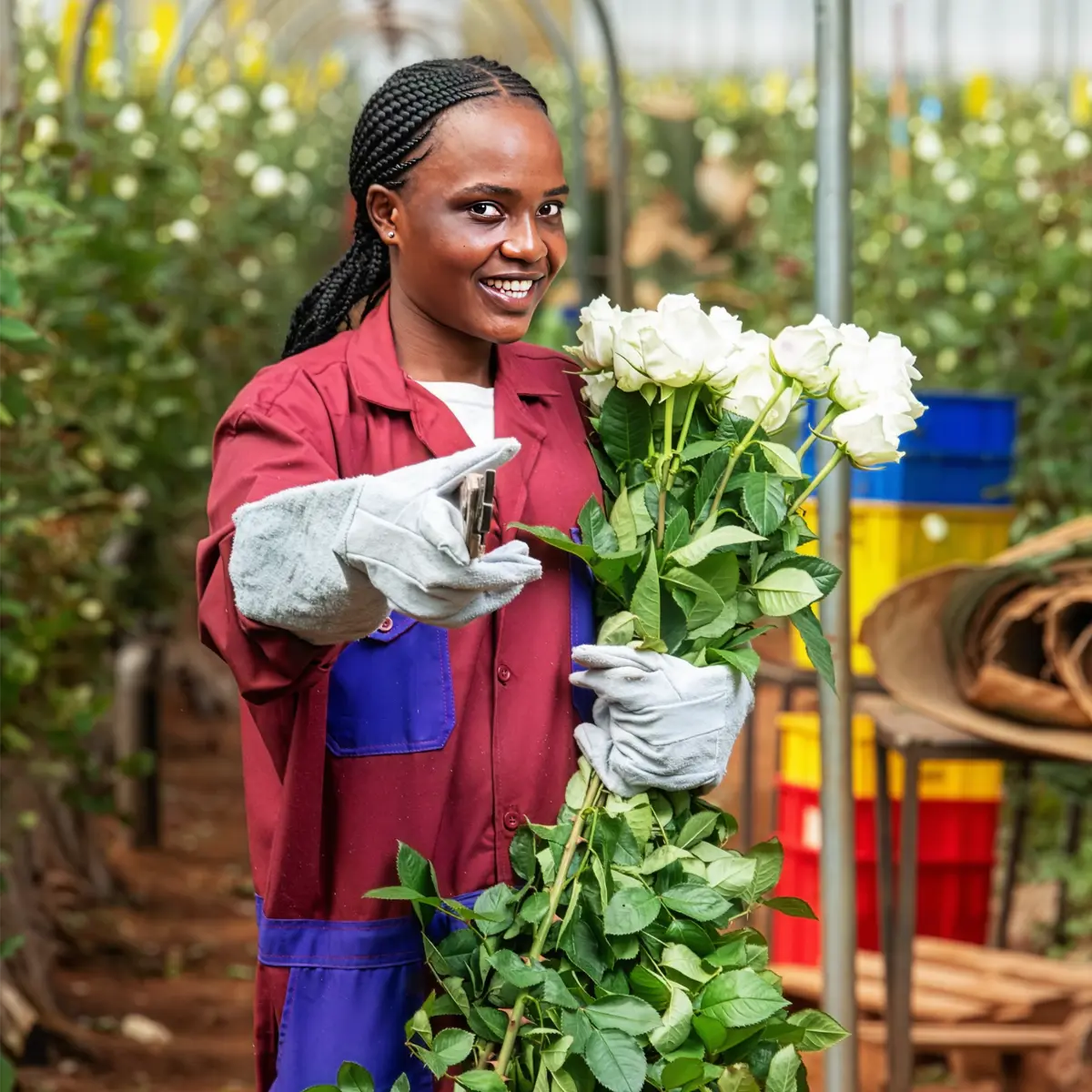
The figures behind that line, an industry generating about 850 million US dollars a year and supporting more than 200,000 jobs, are the reason the sector is treated as national infrastructure rather than a niche export.
Cabinet Secretary for Investments, Trade and Industry, Hon. Lee Kinyanjui, the chief guest, made the same case from the government side.
"When many people think about flowers, they think about beauty, colour and celebration. For us in Kenya, flowers represent something much deeper. They represent jobs, revenue, enterprise and innovation,"
He said. He pointed out that more than half of the workforce in the flower industry are women, and that the government views floriculture as a strategic economic sector, not just another agricultural line item.
A Sector Defining Standards, Not Just Meeting Them
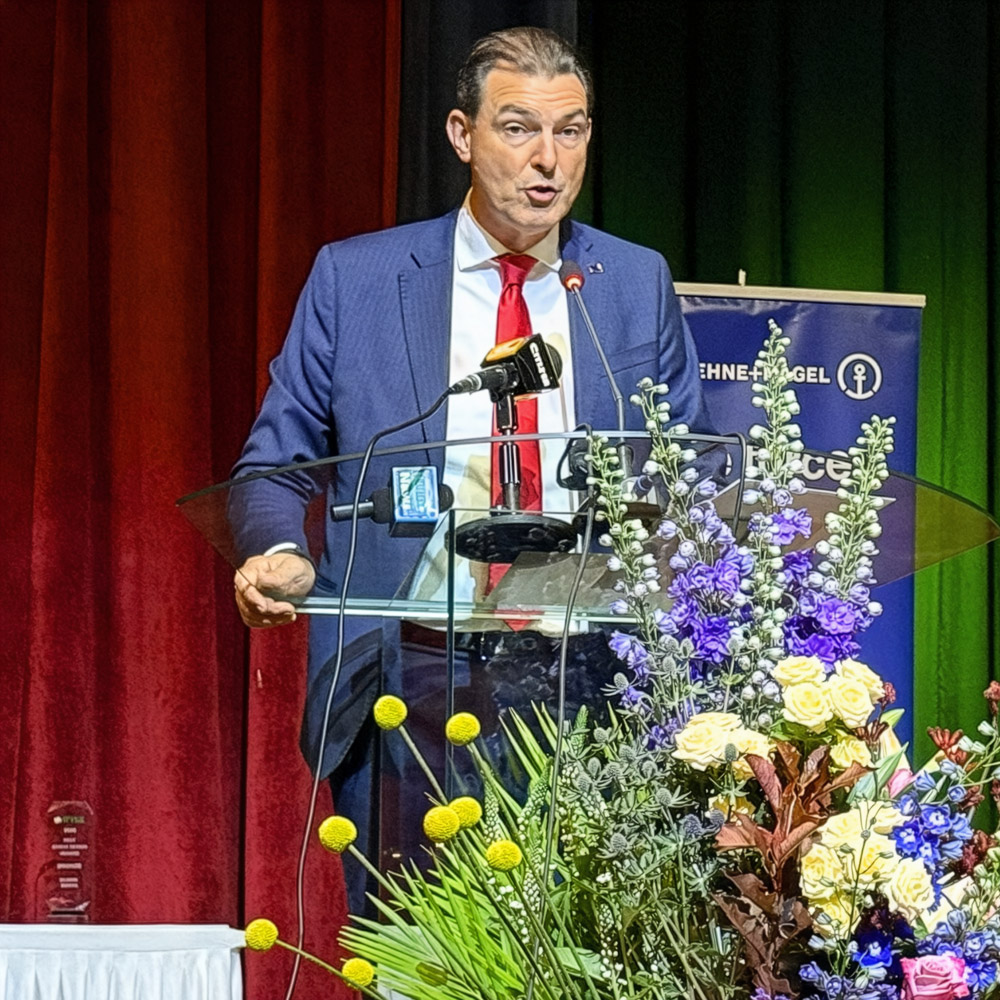
What came through across the speeches was confidence rather than defensiveness. Van Raamsdonk put it plainly when he said Kenyan growers "are not just meeting global standards; they are defining them." The European Union delegation reinforced the stakes from the buyer side, describing Kenya as one of the world's leading flower exporters and the source of more than forty percent of the roses imported into the EU
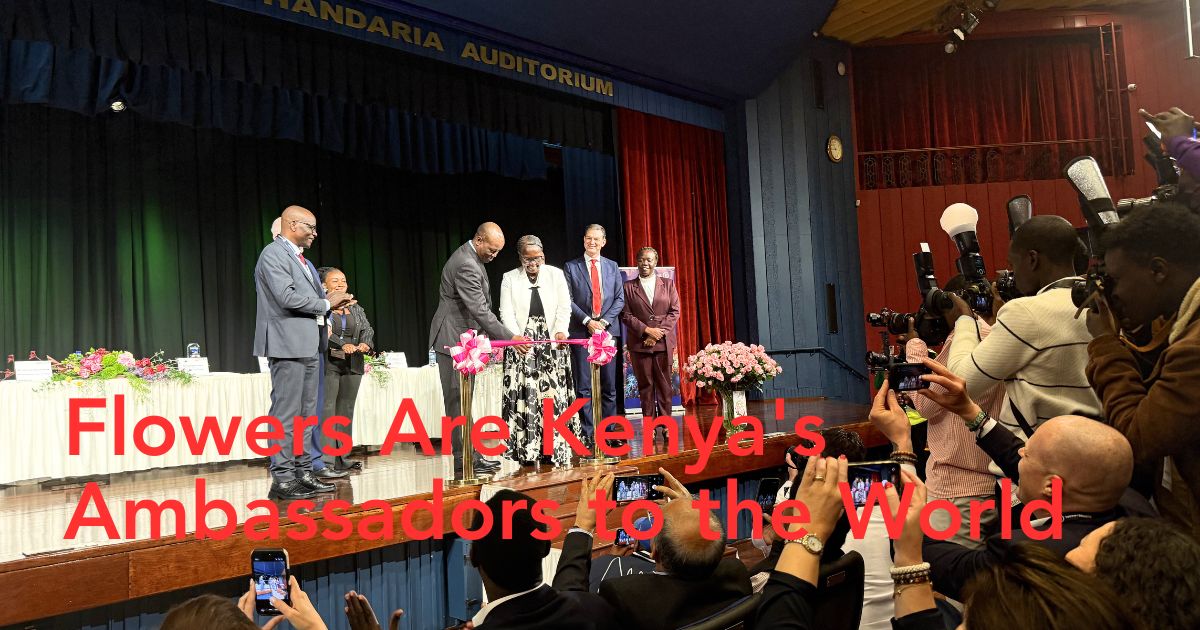
Kinyanjui then closed the formalities with the line everyone was waiting for.
"It is now my honour and privilege to officially declare the 13th International Flower Trade Exhibition, IFTEX 2026, officially open."
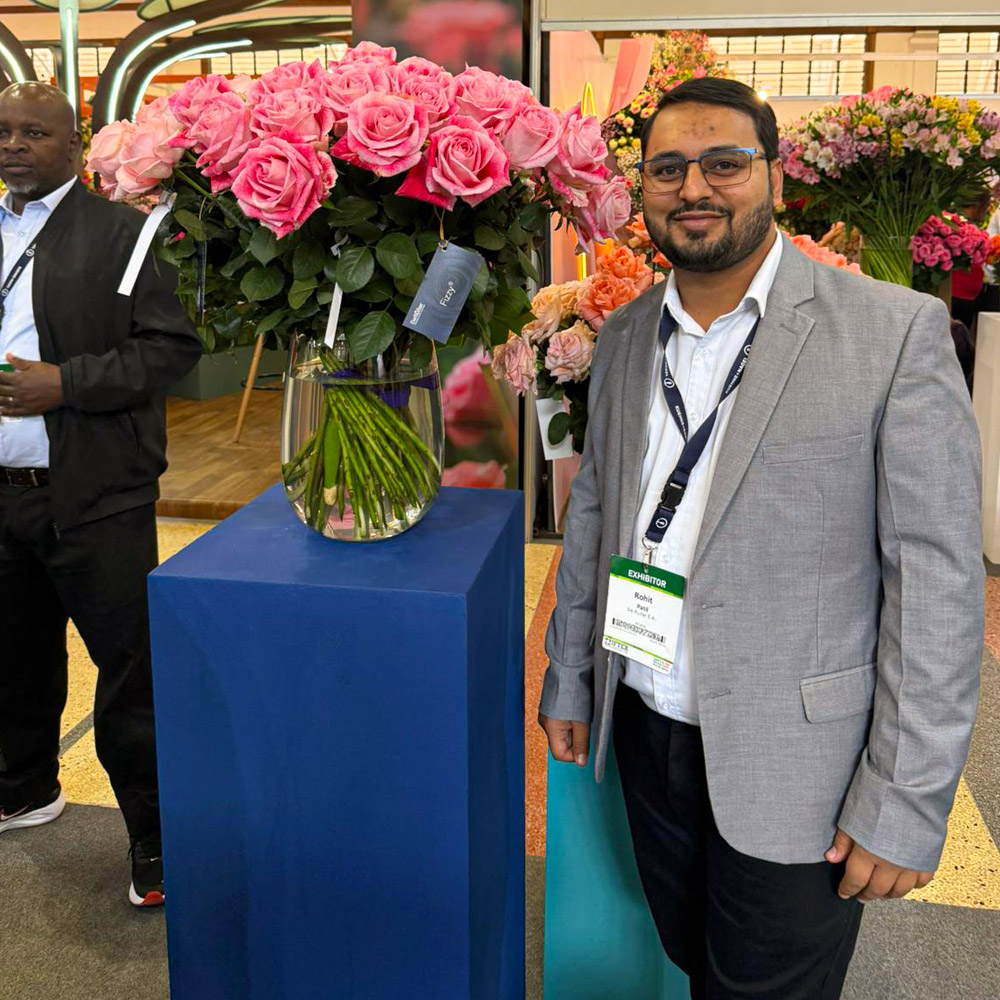
Two more days of trade lie ahead, but the opening already made its case. IFTEX 2026 is proof that the Kenyan flower industry knows its own worth and is willing to say so out loud. Explore more stories from the IFTEX 2026 on Thursd here.