Larkspur is the July birth flower, one of the tallest spikes a florist can put in an arrangement, and the subject of a naming muddle that runs right through the trade. Larkspur and Delphinium are used interchangeably by almost everyone, including people who sell them. They are related, they are not the same, and the difference changes what you plant and what you order.
So: the meaning, the split, the varieties that actually reach the market, and the one handling mistake that ruins them.
Larkspur or Delphinium
Both sit in the buttercup family, Ranunculaceae, and both carry the spurred flower that gives larkspur its name, a backward-pointing nectar spur that looks like a bird's claw.
The working distinction is life cycle. Larkspur in the strict sense is Consolida, an annual, grown from seed each year, with finer and more feathery foliage and a looser, more open spike. Delphinium is the perennial genus, with a heavier, denser, more architectural spike and broader palmate leaves. Cut-flower Delphinium is what the wholesale market mostly means when it says larkspur.
The other tell is the little cluster of small petals at the center of each floret, known in the trade as the bee. Delphinium varieties are often sold specifically on it, as in Sky Blue with White Bee. It is a genuine buying attribute, because a contrasting bee is what makes a spike read as detailed rather than as a block of color.
For the meaning side, Thursd has Delphinium meaning and symbolism in full.
Larkspur Meaning
Larkspur stands for an open heart, strong attachment and lightness, which is a gentler set of associations than most spike flowers get. As the July birth flower, shared with the water lily, it carries positivity and dedication.
Color splits it further, and the split is used in practice. Blue, by far the most recognizable, reads as dignity and grace. White reads as a light, happy nature. Pink reads as fickleness, which is the odd one out and worth knowing before you build a bouquet around it. Purple sits closest to first love.
Where Cut Larkspur Comes From
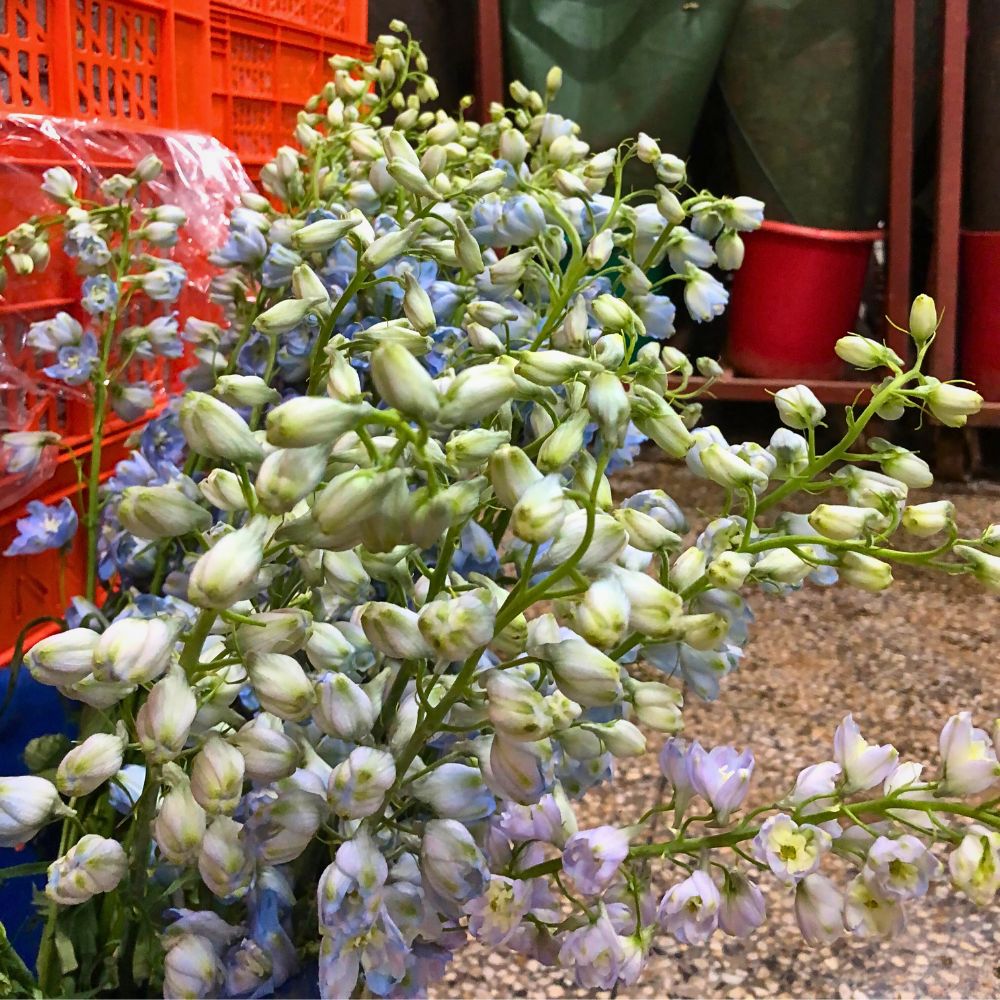
The commercial picture surprises people. A large share of the premium Delphinium reaching European and international florists is grown at altitude in East Africa, not in a European field.
Kisima Farm sits at Timau, on the slopes of Mount Kenya, at roughly 2,400 meters, and has been growing since 2001. Craig Oulton, its general manager for floriculture, points to the altitude as the reason the flowers work: cool temperatures and thin mountain air produce robust, large-headed spikes that hold up to international quality standards. The catalog runs to Lilac with White Bee, Sea Waltz Blue, Sky Blue with White Bee, Triton Lavender, Guardian Lavender and Guardian White.
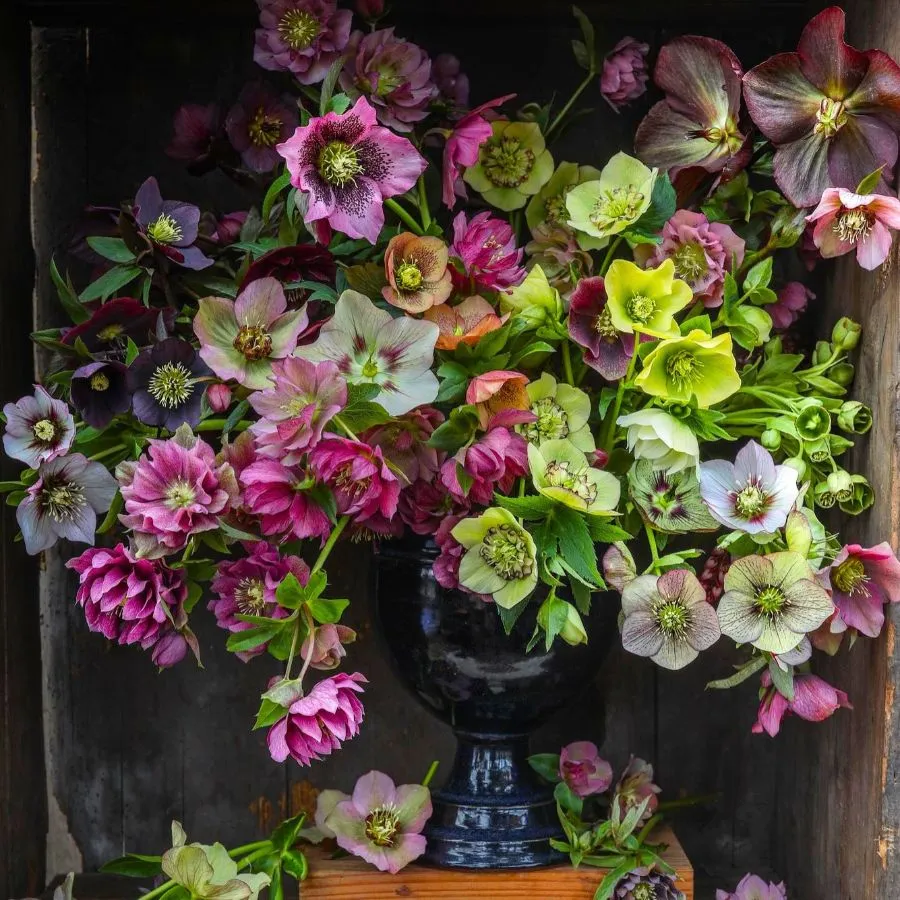
At the other end of the spectrum there is the outdoor Dutch crop. Westendorp grows Delphinium outdoors alongside Helleborus, which gives a shorter, seasonal, field-grown product with a different character to the year-round highland crop. Thursd covered that side in slow summer flowers from Westendorp.
Two production models, two seasons, one flower. If you are buying, that is the useful thing to know: the highland crop gives you consistency, the outdoor crop gives you a summer window and usually a looser look.
The Handling Mistake That Ruins Larkspur
Ethylene. Delphinium and larkspur are strongly ethylene sensitive, and the damage does not look like ordinary wilting. It shows as bud drop, where the unopened florets at the top of the spike simply fall off, along with yellowing leaves and premature collapse. A spike that loses its tip buds has lost the thing you bought it for.
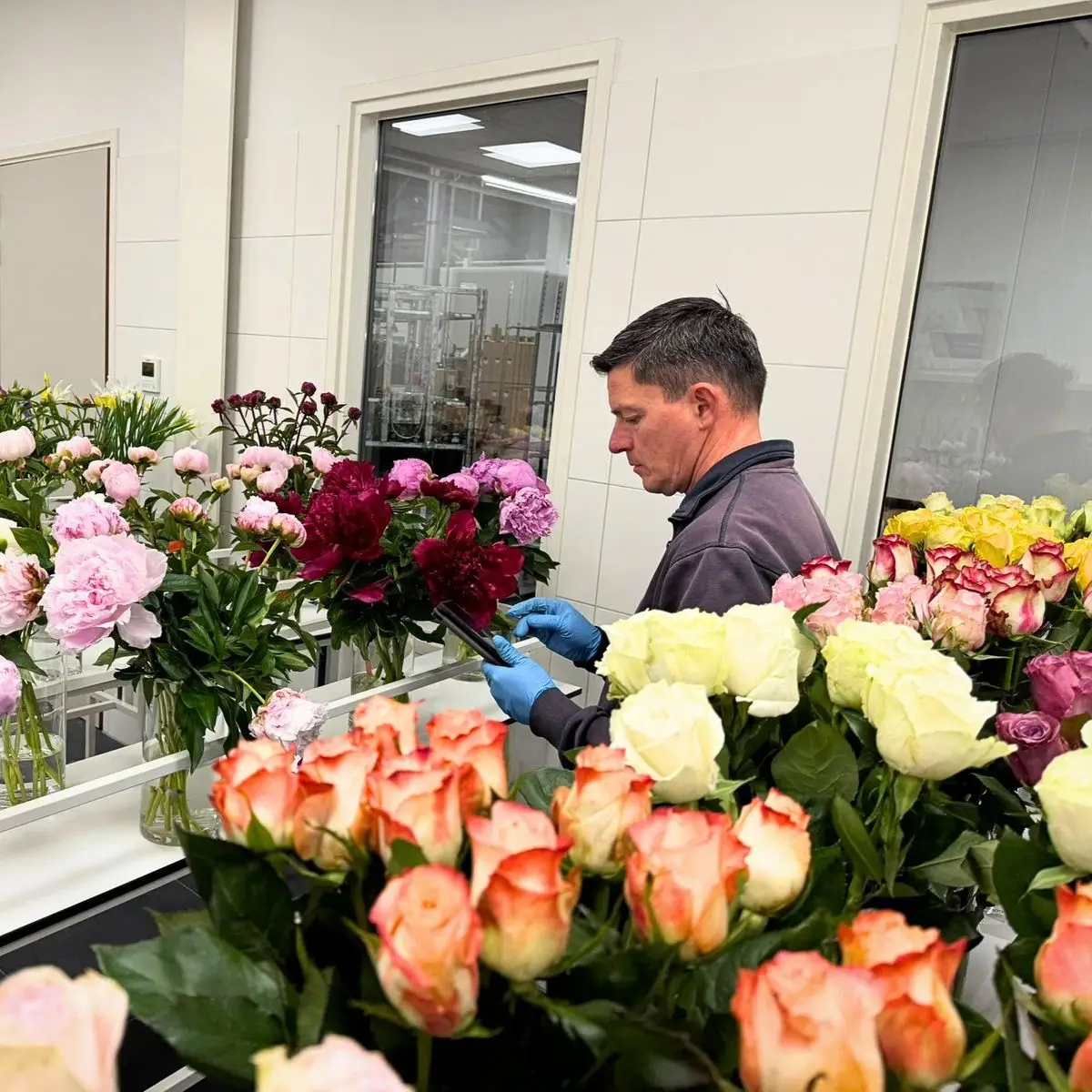
Post-harvest specialists Chrysal treat this as the central problem for the crop, using an anti-ethylene treatment at the grower end together with a hydration treatment, so the stems arrive able to drink. In the shop, hygiene comes first: clean tools, clean buckets, fresh water, because bacteria block the stem and a blocked Delphinium stem cannot support a spike that heavy.
At home, cut 2 to 3 cm off the stem at an angle with a sharp clean blade, use flower food, and keep the vase out of direct sun and away from drafts and from any fruit bowl. Thursd's full Delphinium care guide has the professional version.
Growing Larkspur
Annual larkspur is direct sown, and it wants to be sown early. The seed germinates better with a cold period, so autumn sowing or an early spring sowing in cool soil gives far better results than sowing into warm summer soil, which is the usual reason a packet fails. Sow where it is to grow, because it resents root disturbance and does not transplant happily.
Full sun, soil that drains, and support for the tall types. Perennial Delphinium wants richer soil and more feeding than the annual, and it needs staking early, before the spike is heavy, rather than after it has already flopped. Cutting a perennial Delphinium back after the first flowering will often give a second, smaller flush late in the season.
Slugs are the main threat to young Delphinium, and they will take a whole crown overnight in spring.
Is Larkspur Toxic
Yes, and seriously so. All parts of both larkspur and Delphinium contain alkaloids that are toxic to people and animals, with the seeds and young growth the most concentrated. The ASPCA lists larkspur as toxic to cats, dogs and horses, and in cattle country wild larkspur is a recognized cause of livestock deaths.
For a florist that means gloves when stripping large quantities, hands washed afterwards, and no use in anything that touches food. It is not a flower for an edible arrangement or a cake, and it should be kept away from grazing animals entirely. The North Carolina Extension carries the genus profile including the toxicity rating.
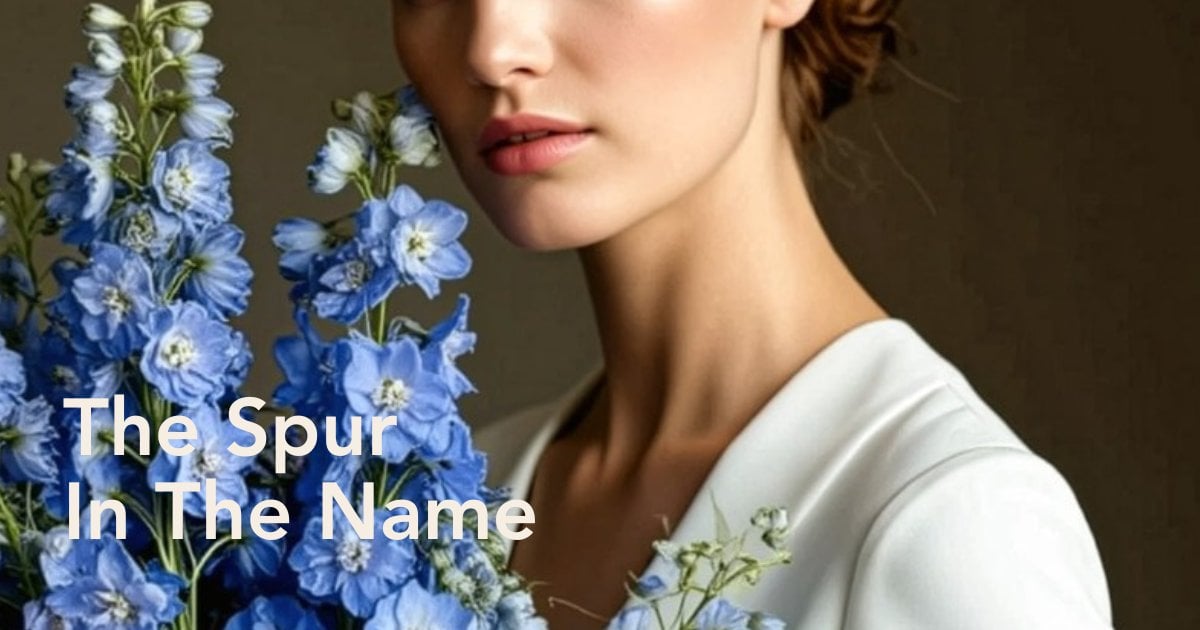
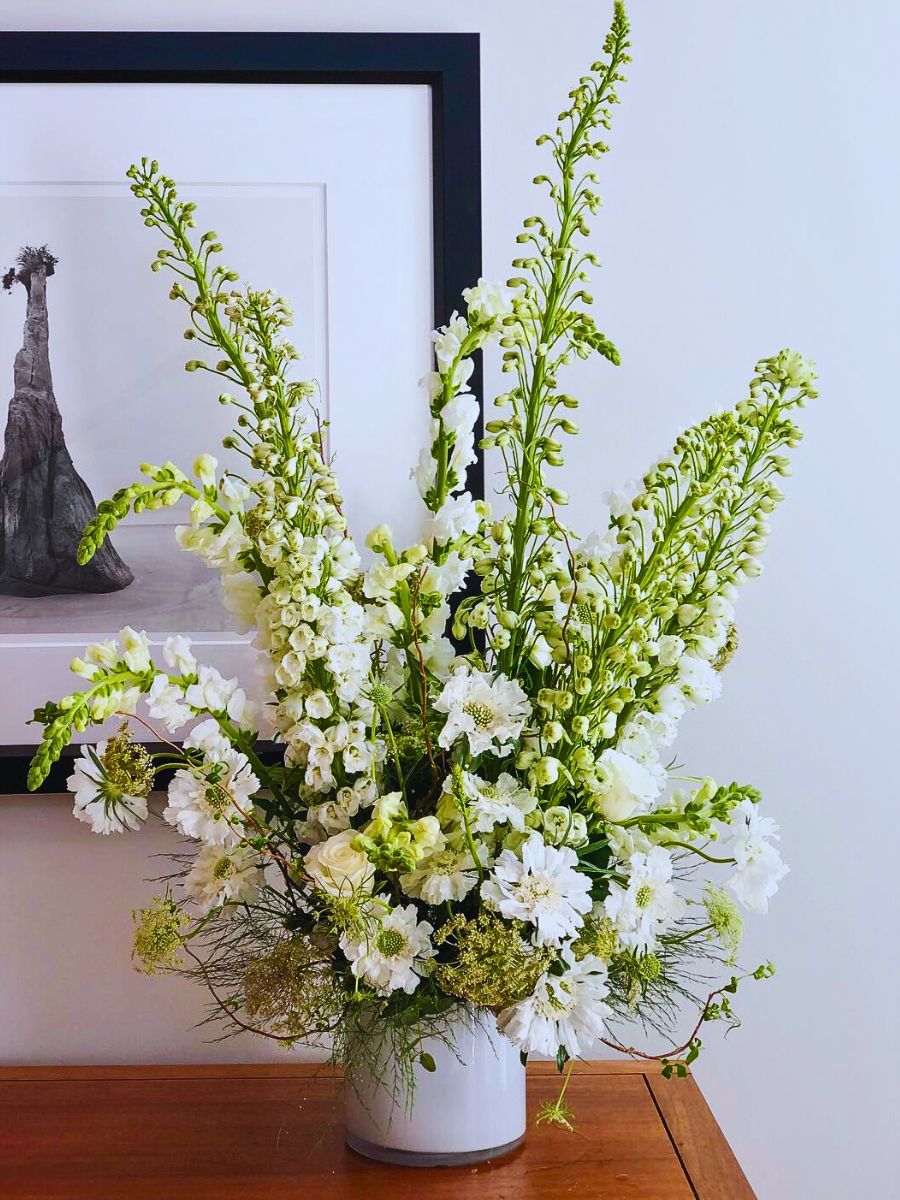
Header and feature image by @botanika.rs.
About the author: Edwin Kirwa is Customer Success Manager and writer at Thursd. He works daily with breeders and growers worldwide and covers East African floriculture from up close. Connect with Edwin on LinkedIn.