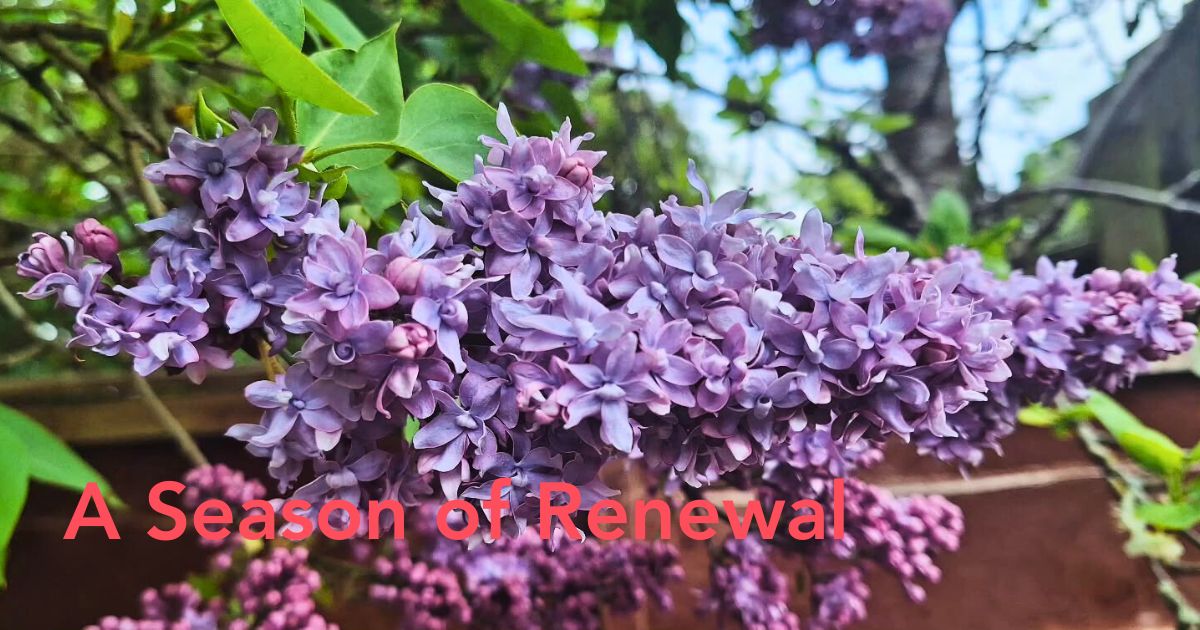
The lilac flower has long been admired for its sweet fragrance and gentle presence in spring gardens. Belonging to the genus Syringa, this deciduous shrub is native to Eastern Europe and Asia and is often one of the first plants to announce the end of winter. Its clusters of delicate flowers in shades of light purple, white, and pink signal the start of a new season and a sense of renewal.
Beyond its ornamental appeal, the lilac flower meaning carries deep emotions. For many cultures, lilacs represent first love and innocence. The scent of lilacs evokes nostalgia and is closely tied to memories of youth, growth, and beginnings. This connection to renewal and emotional awakening has kept the lilac at the center of floral symbolism for centuries. For florists, the lilac is more than just a seasonal favorite. Its fragrance adds depth to arrangements, while its soft colors bring calm and emotion to bouquets. Gardeners appreciate its resilience, thriving in cold winters and full sun, and plant enthusiasts admire its heritage that traces back to early civilizations.
What Is the Symbolism of the Lilac Flower?
In the language of flowers, lilacs symbolize emotions that range from first love to deep remembrance. During the Victorian era, when people expressed feelings through flowers, lilacs were used to communicate affection and memory. A gift of lilacs suggested that someone was thinking about a love that once was or a bond that still lingered in the heart.
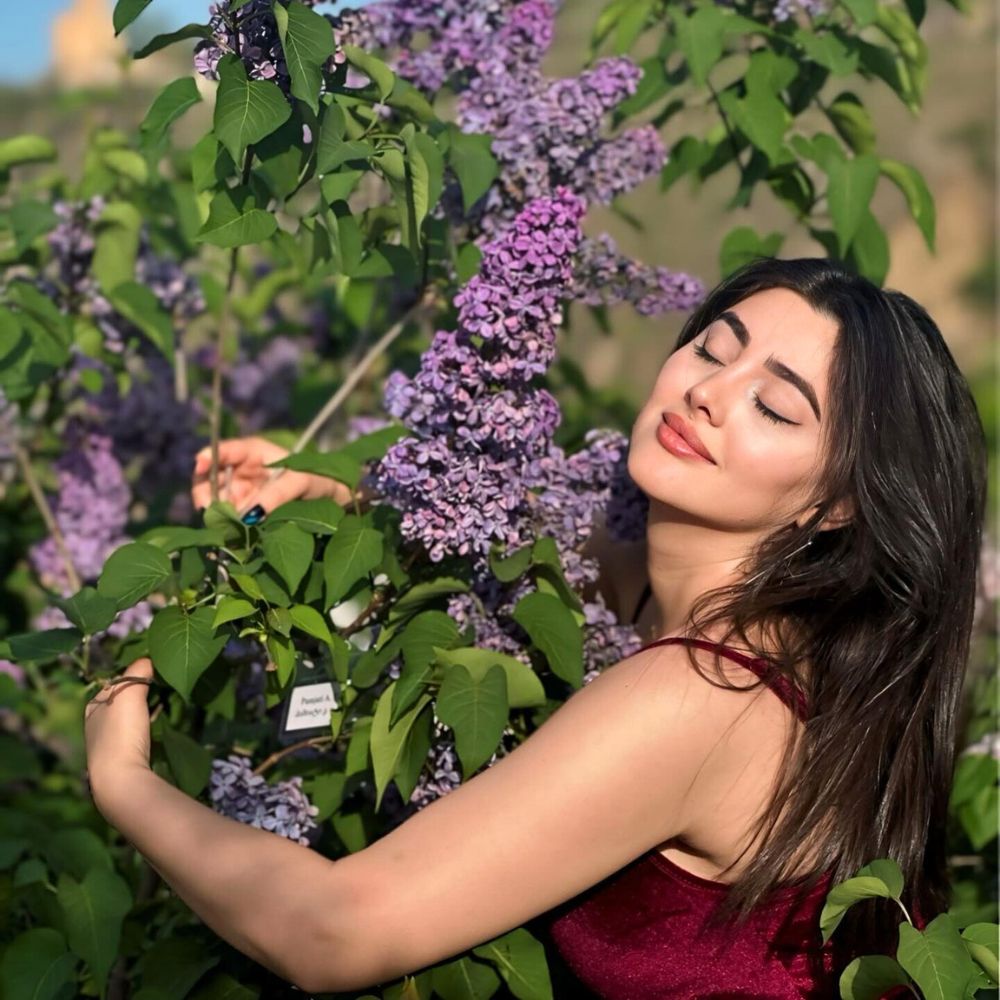
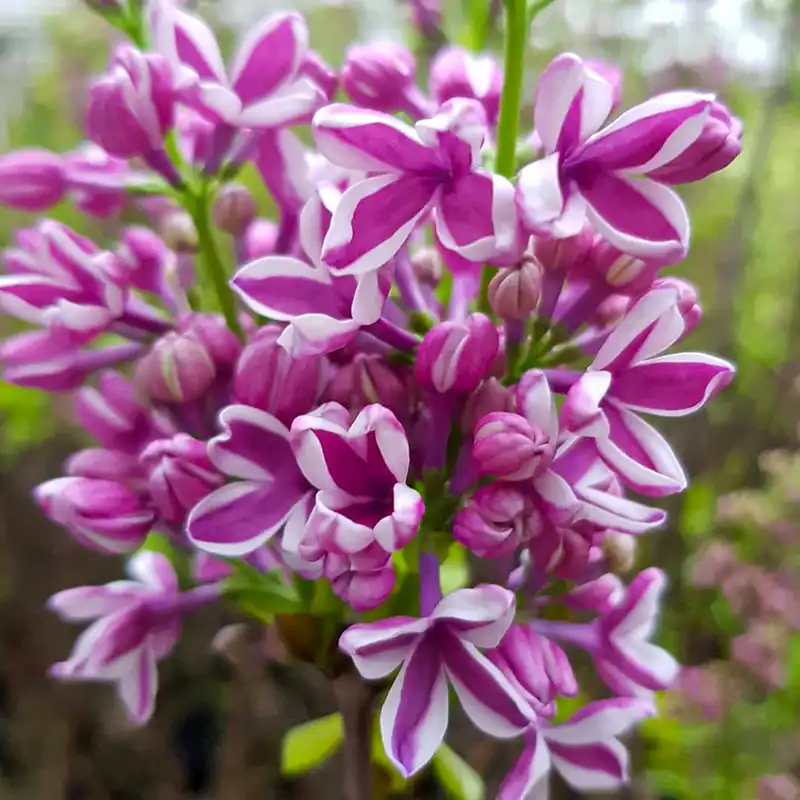
Different colors of lilac carry their own meanings. Light purple lilacs stand for first love and early affection. White lilacs symbolize purity and youthful innocence, while deeper shades of violet speak of reflection and wisdom. Pink lilacs are often seen as expressions of friendship and admiration. Together, they form a palette that captures nearly every human emotion connected to love and life.
Across cultures, lilacs are also symbols of renewal. Because lilacs are among the first flowers to bloom after winter, they embody resilience, hope, and the beauty of change. Their presence in a garden after months of cold weather serves as a reminder that new beginnings are always possible.
The Lilac Tree and Its Place in Nature
The lilac tree, or Syringa, belongs to the olive family. The most common species, Syringa vulgaris, is known for its rich fragrance and dense clusters of small, tubular flowers. Another well-known variety, the Japanese tree lilac (Syringa reticulata), grows taller and produces larger clusters, offering both beauty and shade in gardens.

In nature, lilacs provide an early source of nectar for bees and butterflies, supporting pollinators emerging from winter. The shrub’s structure also offers shelter to birds and small wildlife, making it both ornamental and functional in the garden.
Lilac wood, while rarely used commercially, is valued by artisans for its fine grain and durability. Its branches have inspired folklore and mythology, most notably the Greek myth of Syringa, the nymph who transformed into a lilac bush to escape the god Pan. This story gave the plant its botanical name and strengthened its symbolic link to love and transformation.
Growing Lilacs and Encouraging More Flowers
For gardeners, lilacs are among the most rewarding shrubs to cultivate. They prefer well-drained soil, full sun, and exposure to cold winter conditions that help their flower buds set properly. In areas where winters are mild, lilacs may struggle to flower as profusely as they naturally thrive in regions that experience frost.
.jpg "A flowering lilac tree in a garden")
When planting lilacs, good air circulation is essential. Crowded conditions can lead to mildew, which reduces flowering. Once established, lilac bushes require minimal care other than annual pruning after flowering. This encourages the growth of new wood, which produces the next season’s flowers.
Lilacs flower in late spring, often filling the air with their unmistakable scent. To enjoy cut lilacs indoors, it’s best to harvest stems early in the morning and place them in warm water to ensure better water absorption. Their fragrance can fill an entire room, reminding anyone nearby of early spring’s promise and beauty.
Lilacs in Life Events and Occasions
Few flowers capture the emotion of life’s moments as gracefully as lilacs do. Their symbolism makes them suitable for a range of occasions, from weddings to memorials. In weddings, lilacs express the excitement of first love and the hope of a shared future. White and light purple lilacs are particularly fitting for bridal arrangements, where they add softness and sentiment.
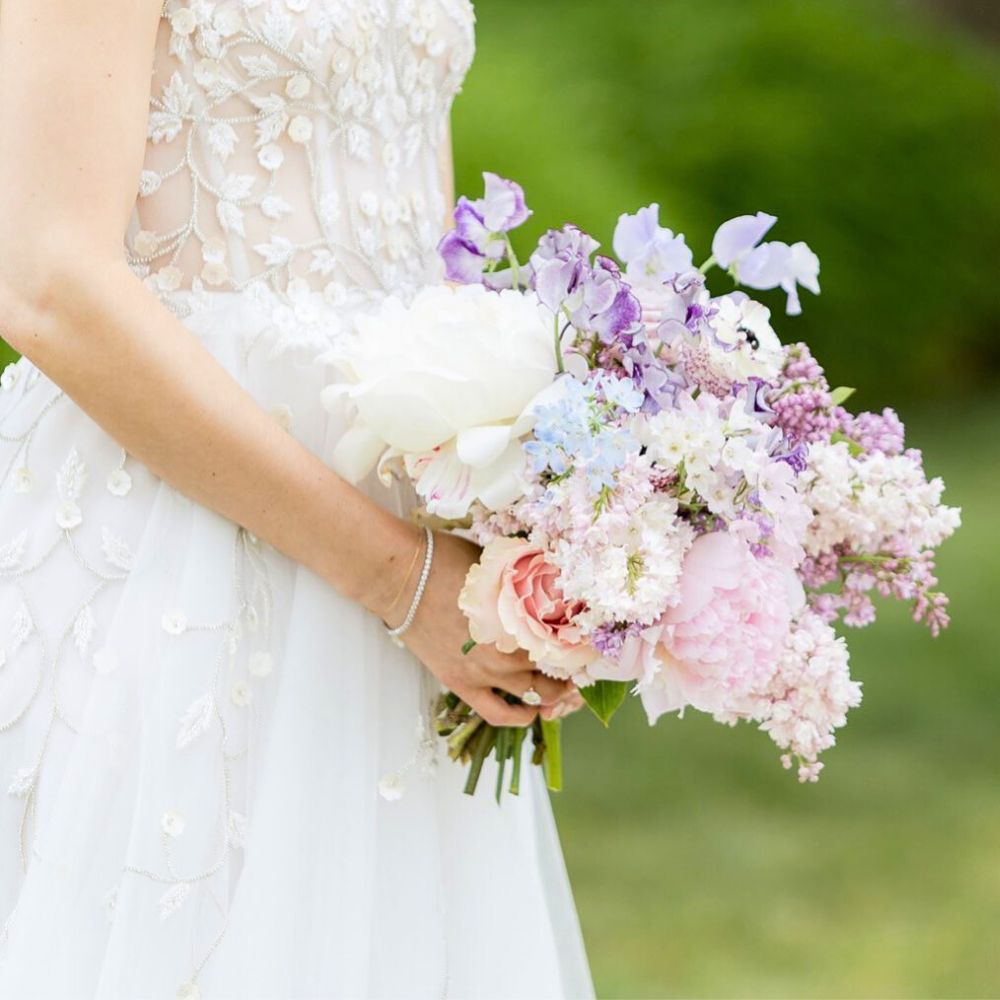
In remembrance settings, lilacs convey reflection and love that endures beyond time. Their scent is deeply nostalgic, making them a comforting choice for memorial bouquets or gardens planted in honor of someone loved. The contrast between their short bloom and lasting fragrance mirrors the fleeting yet memorable nature of life itself.
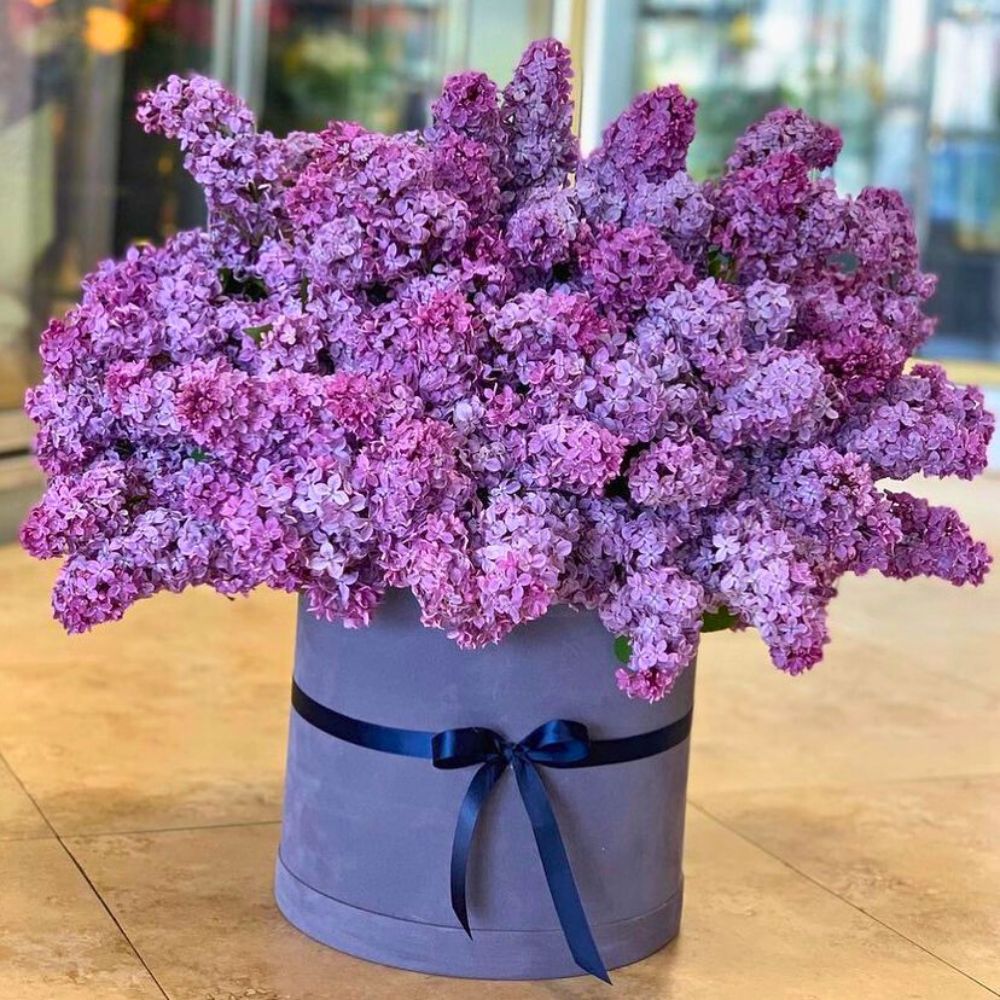
Anniversaries, graduations, and other celebrations also benefit from the lilac’s message of growth and renewal. When used in arrangements for such milestones, lilacs remind recipients that every stage of life carries beauty and meaning, and that change can be both gentle and powerful.
The History and Cultural Significance of Lilacs
Lilacs have traveled through history as messengers of love and symbols of transition. Introduced to Europe from the Ottoman Empire in the 16th century, they quickly became favorites in royal and public gardens. By the Victorian period, lilacs had taken on an emotional language of their own, often representing memory and sentimental reflection.
In the United States, the lilac became a cultural symbol of spring. Rochester, New York, is known as the Lilac Capital, hosting an annual lilac festival that celebrates the flower’s beauty and diversity. Similar festivals take place in other cities, bringing together communities to mark the arrival of spring.
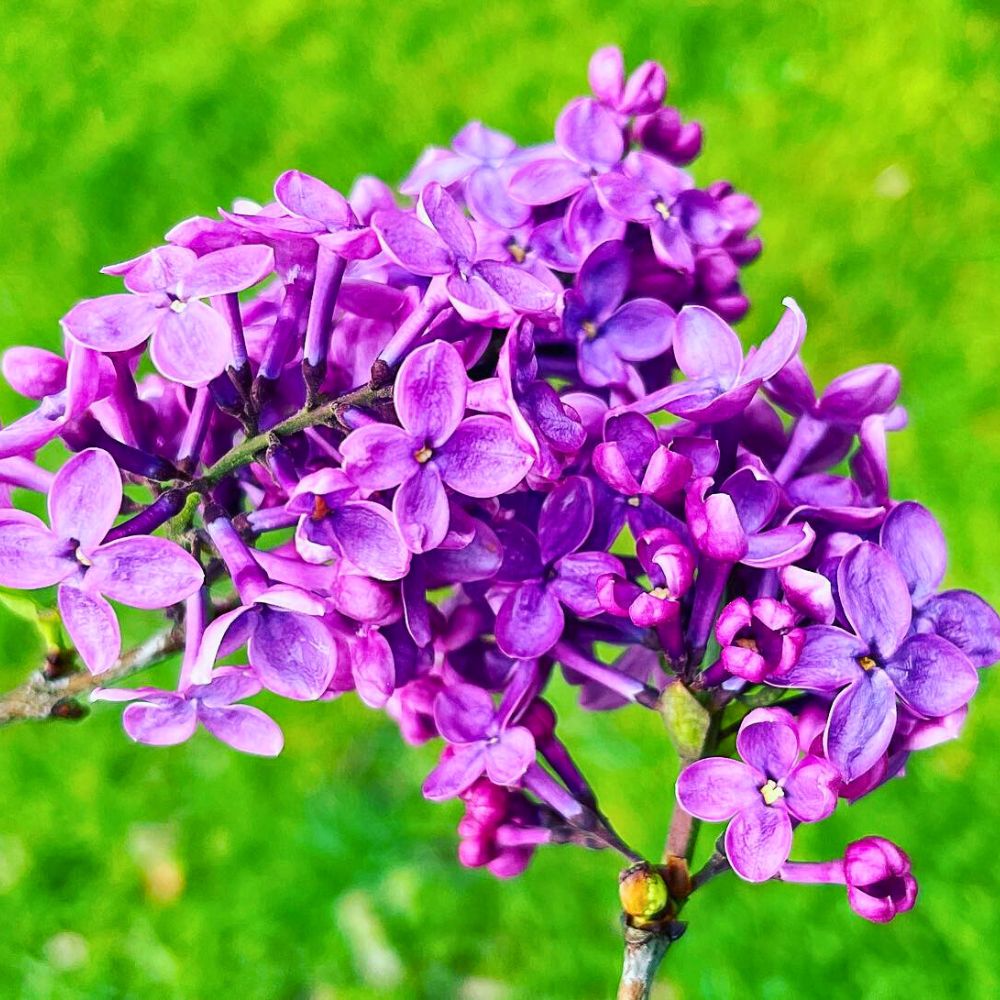
In mythology, the story of Syringa connects the flower to themes of love, pursuit, and transformation. In many ways, that myth reflects the lilac’s own journey through history, from wild shrub to beloved garden plant, and from simple beauty to layered meaning.
The Many Varieties of Lilac Flowers
Lilacs are available in a range of species, each adding its own charm. The common lilac, Syringa vulgaris, remains the most widely grown, appreciated for its strong scent and timeless beauty. The Persian lilac has smaller flowers and a lighter fragrance, while the Japanese tree lilac offers an elegant tree form with creamy white clusters that appear later in the season.
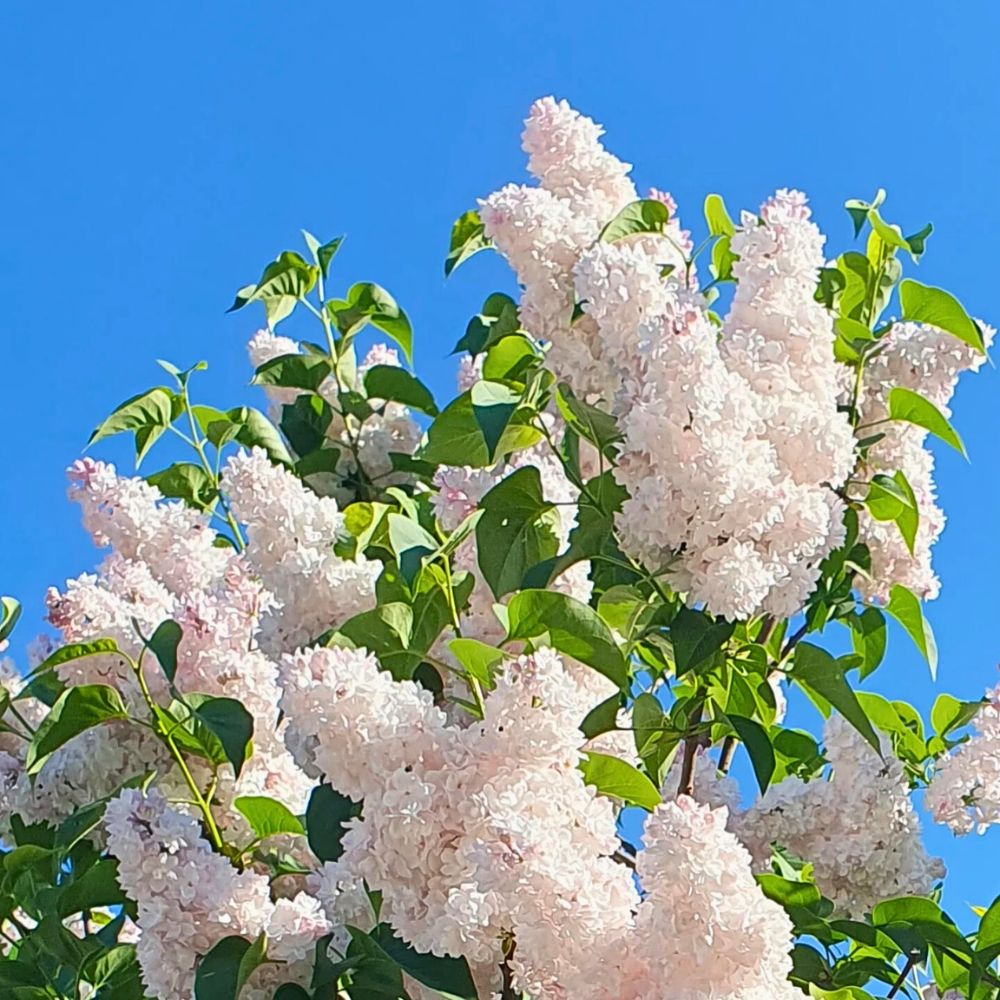
Color variations also influence how lilacs are used. White lilacs bring brightness and a sense of clarity to floral designs. Light purple lilacs evoke romantic feelings and new affection, while darker shades introduce depth and formality. In mixed arrangements, they pair beautifully with roses, peonies, and carnations, complementing both traditional and modern styles.
Because lilacs flower briefly, florists often highlight them as seasonal treasures. Their availability from late spring to early summer makes them a special feature in any design, admired not only for appearance but for the emotions they awaken.
The Fragrance and Its Connection to Memory
The scent of lilacs is one of the most recognizable in the floral world. It is sweet, natural, and nostalgic, often triggering memories of childhood gardens or family celebrations. In perfumery, the lilac’s aroma is used to create notes that are both fresh and calming, bridging the gap between floral sweetness and natural simplicity.
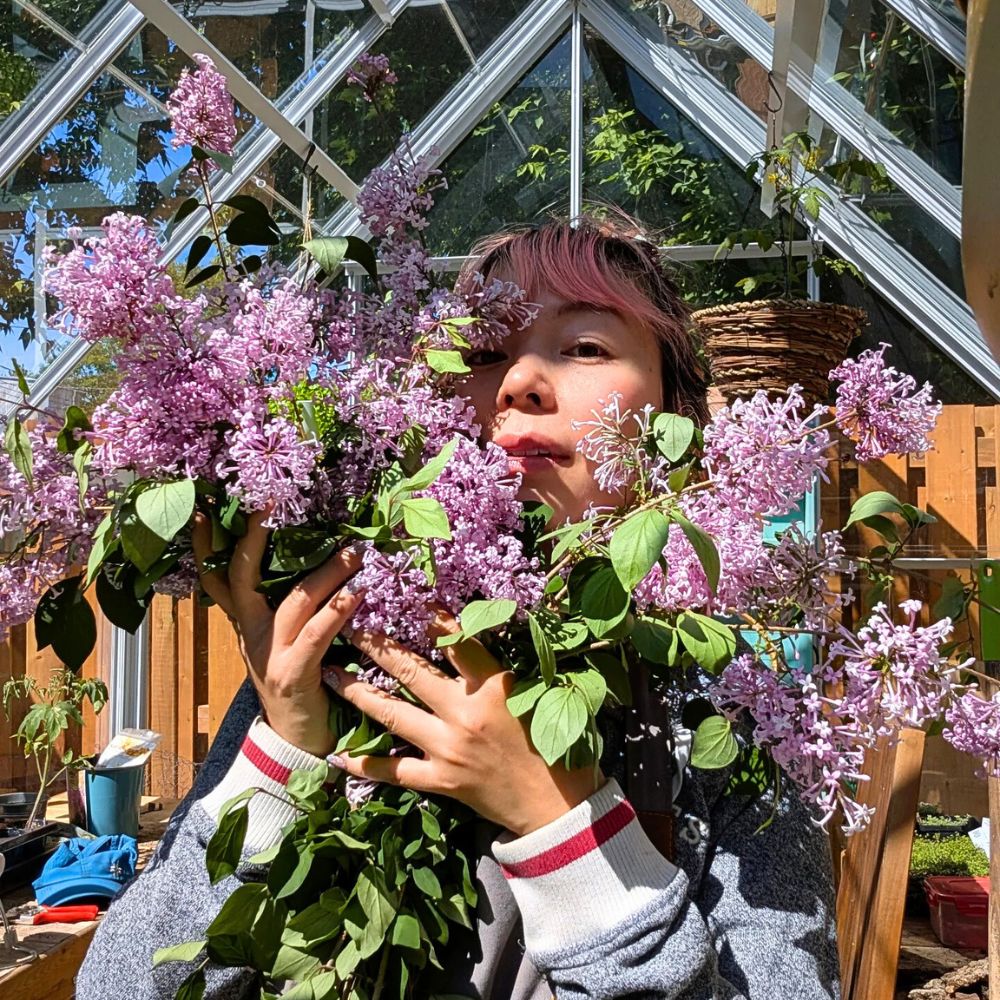
Beyond fragrance, lilacs are used in aromatherapy to promote relaxation and emotional balance. The scent is said to encourage clarity and renewal, aligning perfectly with the symbolic meaning of the flower itself. For florists and designers, the scent of lilacs can define an entire arrangement, creating an experience that engages both sight and memory.
Lilacs in Arrangements and Floral Design
Lilacs bring texture, fragrance, and meaning to floral design. Their clustered flowers create volume and movement, while their stems provide natural flow to bouquets and installations. Because of their delicate nature, florists often use them as statement flowers surrounded by supportive greenery or more structured blooms.
When paired with roses, lilacs soften the composition and introduce a sense of intimacy. When used alongside carnations or hydrangeas, they add fragrance and visual contrast. In floral installations, lilacs are often the seasonal highlight, capturing attention through their scent and story.
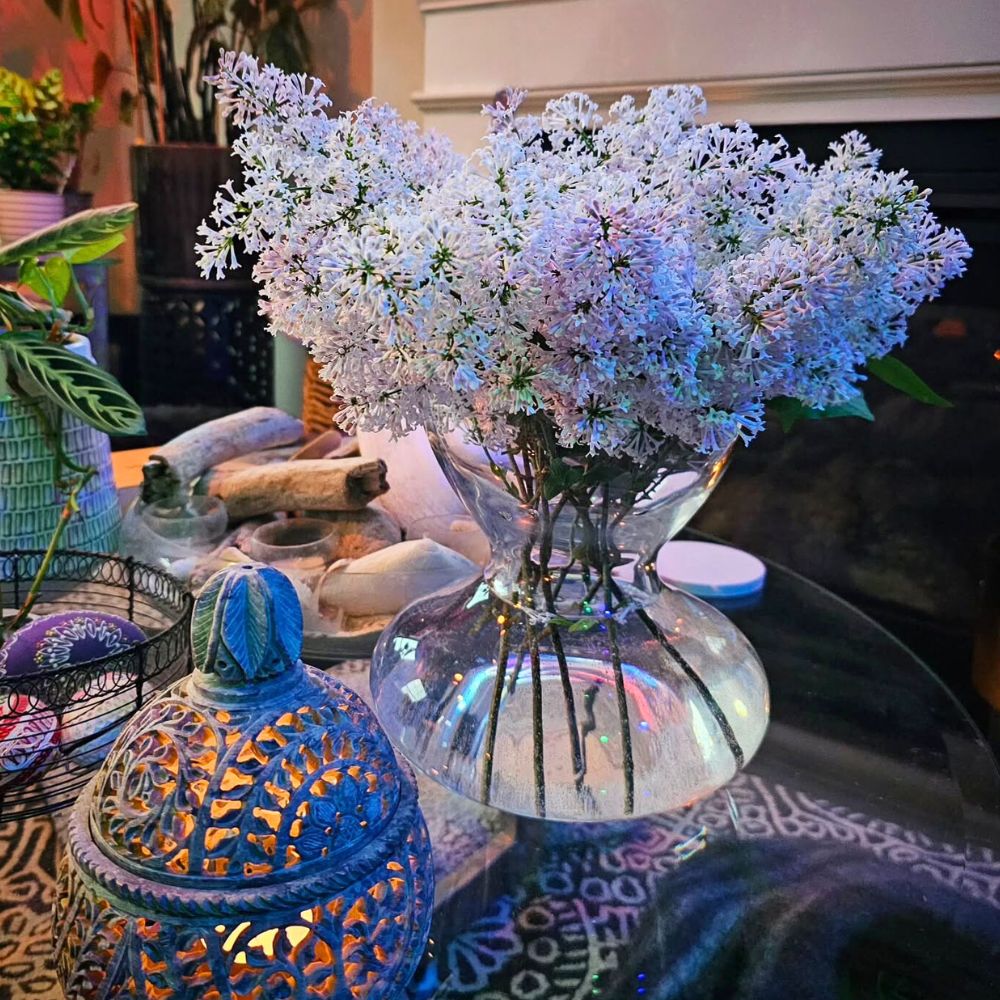
For designers, lilacs remind us that flowers are not just decorations – they carry meaning. Whether arranged in a bridal bouquet, a spring table centerpiece, or a memorial wreath, the lilac flower connects the visual beauty of design with the emotional core of human experience.
How to Use Lilacs in Gardens and Creative Projects
In gardens, lilacs are planted not only for their beauty but also for their contribution to the landscape. They attract pollinators, provide seasonal color, and bring scent to spaces that might otherwise feel still after winter. When placed near walkways or windows, their fragrance can fill the air, making them both ornamental and sensory features.
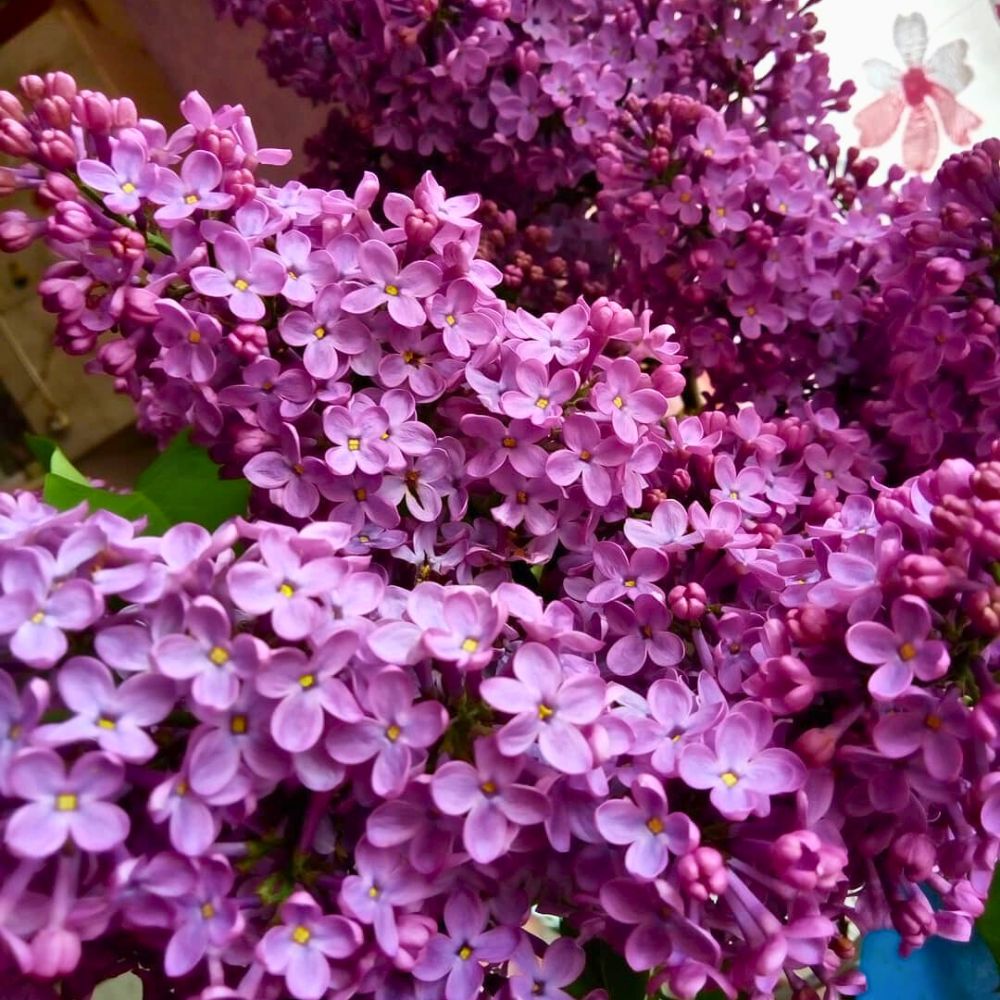
Beyond gardening, lilacs have found their way into crafts and creative projects. Their flowers are pressed for art, used in wreaths and garlands, or dried for potpourri. Because their fragrance remains even after drying, they bring a lasting sense of spring indoors. For plant enthusiasts and floral artists, lilacs represent a perfect blend of tradition, scent, and storytelling.
The lilac flower carries with it more than the beauty of early spring. It holds a story of first love, remembrance, renewal, and resilience. For gardeners, it is a dependable shrub that rewards care with a burst of color and scent each year. For florists, it is a bridge between art and emotion, turning arrangements into expressions of feeling.
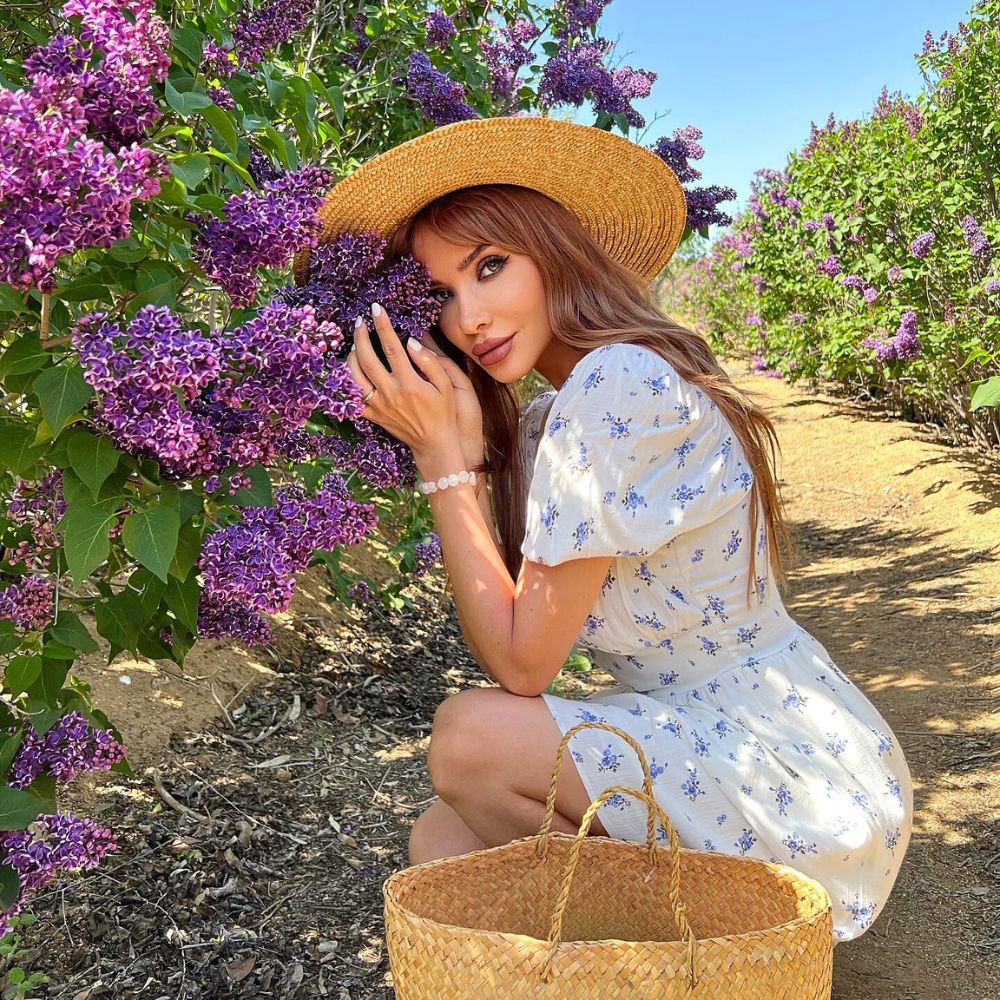
Every lilac flower reminds us that life renews itself. Through its short season, it teaches that beauty can be brief yet unforgettable. As lilacs flower across gardens and arrangements each spring, they continue to tell the quiet story of beginnings, love, and lasting memory.
If you love flowers that speak to both the heart and the season, stay with Thursd as we continue to explore the meaning and symbolism behind the world’s most cherished plants.
Header image by @Felicia.