Primula vulgaris is a perennial flowering plant native to Europe and parts of western Asia. It is commonly known as the English primrose and is one of the earliest flowering plants to appear at the end of winter and the start of spring. The plant belongs to the Primulaceae family and is widely recognised for its low-growing habit, basal leaf rosette, and single flowers carried close to the foliage. In natural settings, it is often found in woodland edges, hedgerows, shaded meadows, and riverbanks where soil remains cool and moist.
The name primrose comes from the Latin word primus, meaning first, referring to its early seasonal appearance. Over centuries, the English primrose has become culturally linked with spring renewal, countryside landscapes, and traditional gardens. For the floral and plant industry, Primula vulgaris represents both a botanical species of ecological value and a commercial plant that continues to perform well in garden retail, landscaping, and seasonal pot plant programs.
Botanical Characteristics of Primula Vulgaris
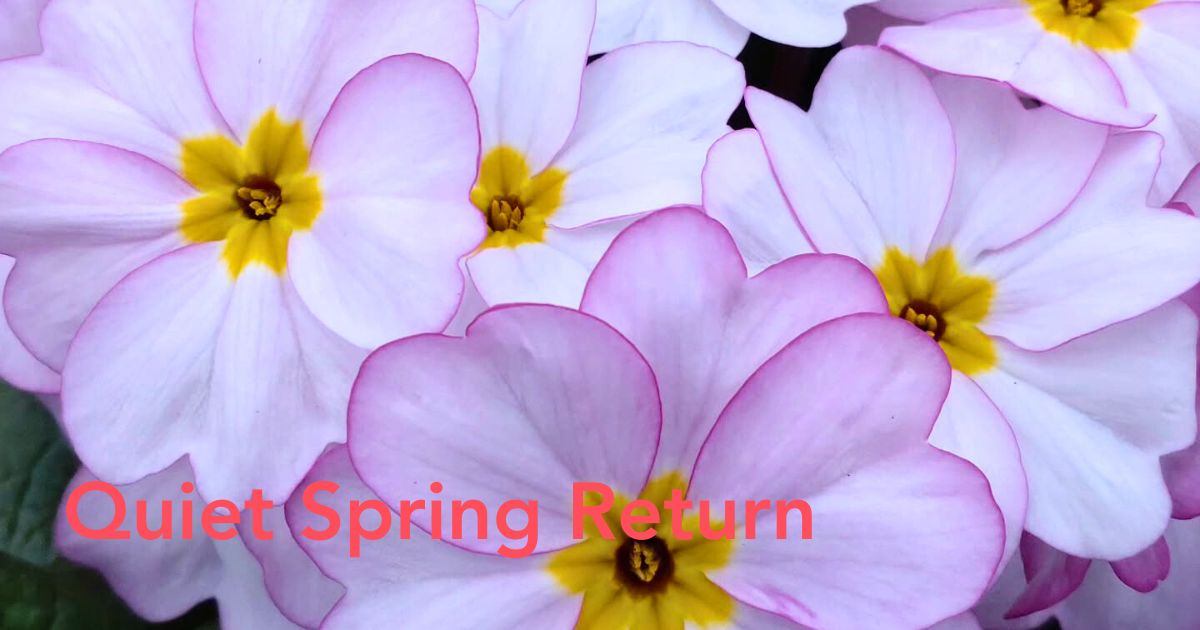
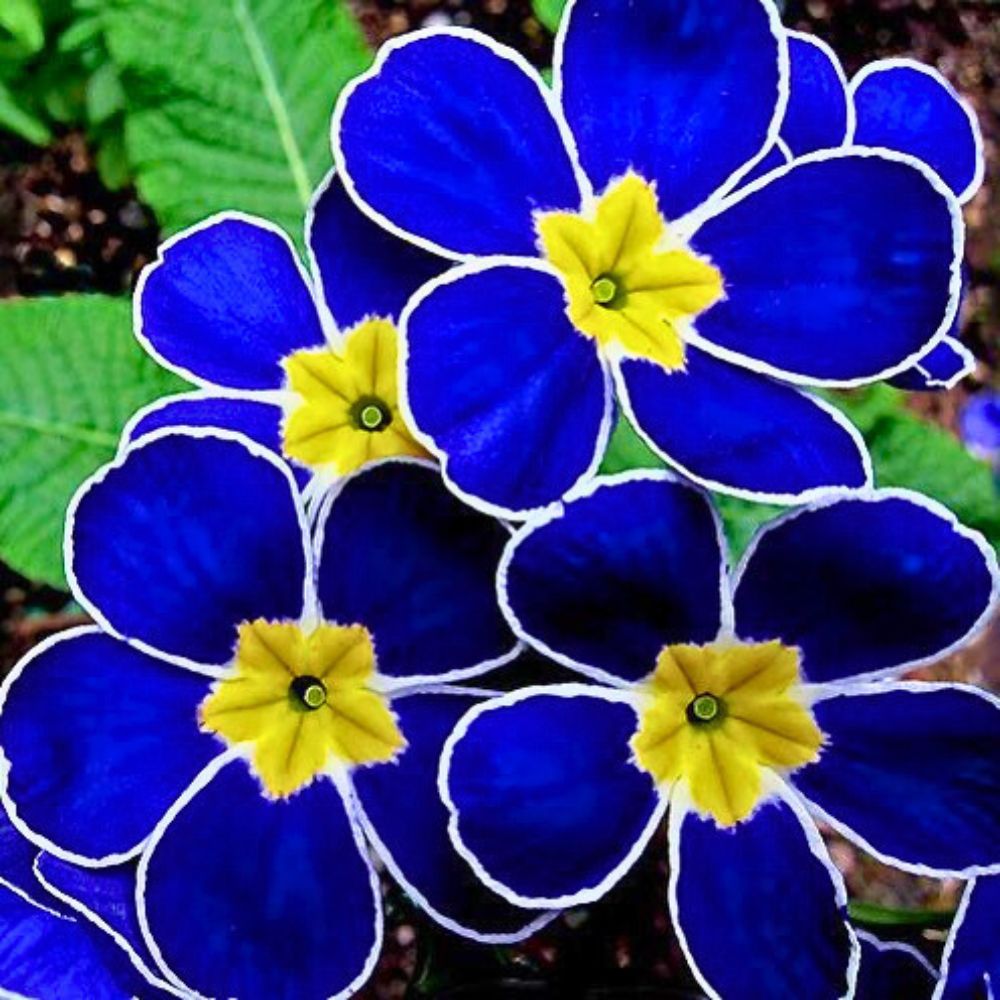
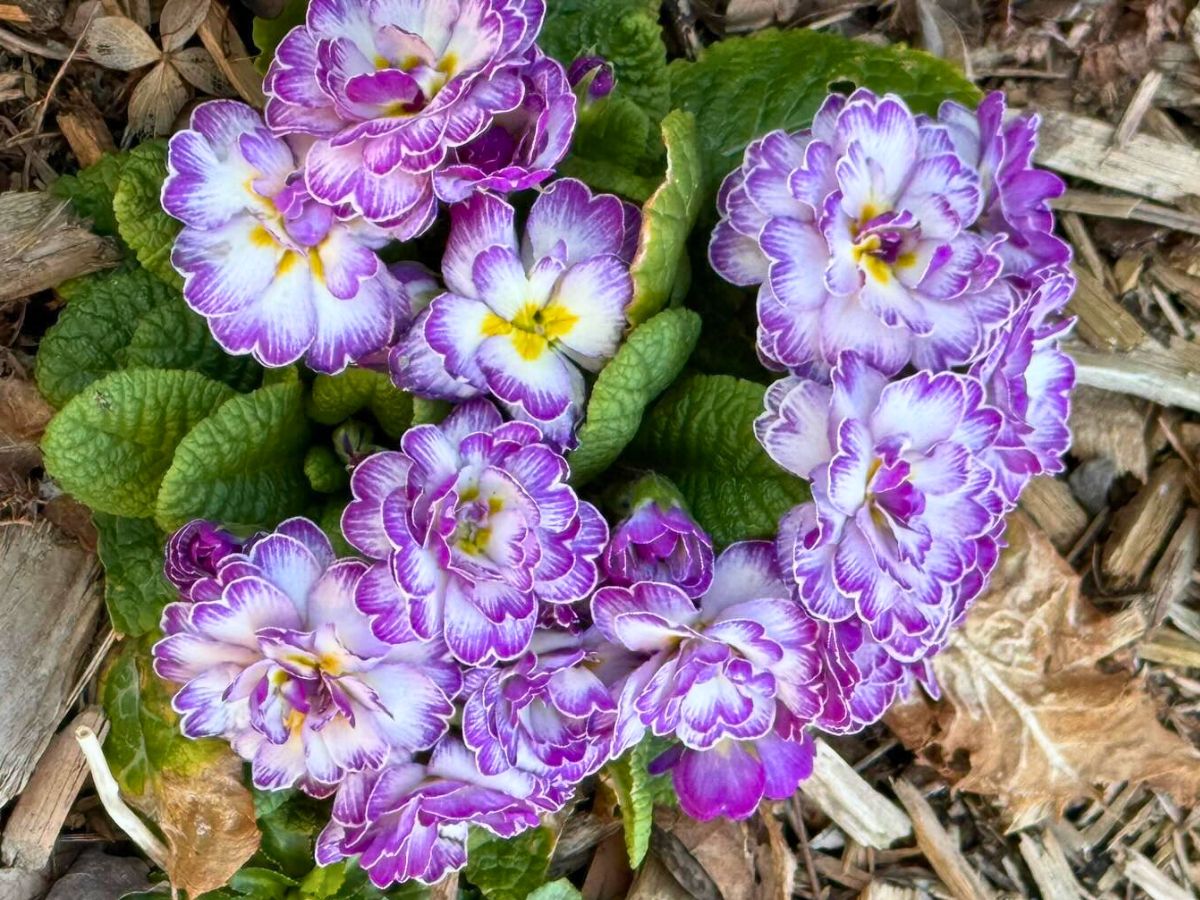
Primula vulgaris plants form a compact rosette of soft green leaves that sit close to the soil surface. The leaves are oval in shape with a slightly wrinkled texture and gently toothed edges. Flowers emerge singly on short stems and typically display a pale-yellow tone with a deeper yellow center. Modern selections and cultivated forms can show cream, white, or softly tinted variations while still retaining the natural structure of the species.
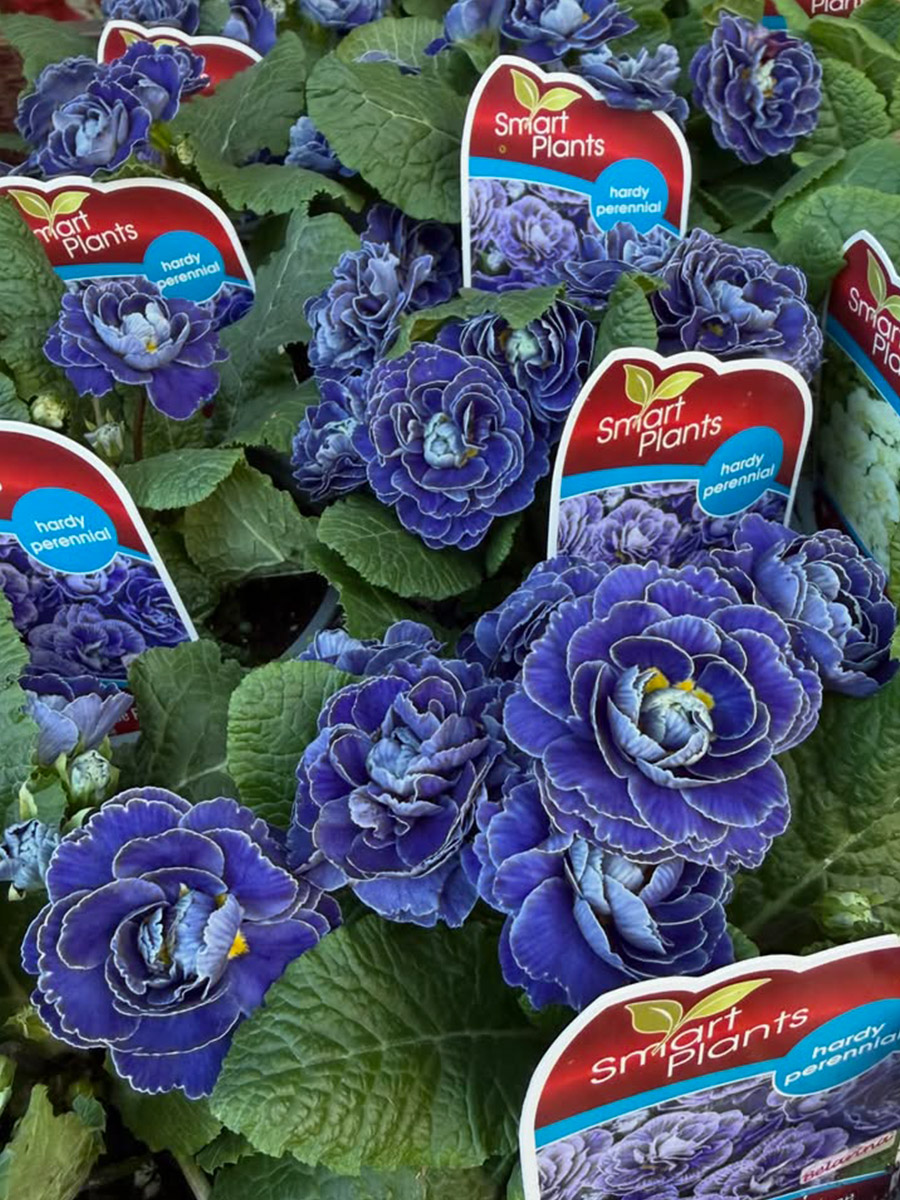
The Primula vulgaris flower is simple in form but visually distinctive due to its symmetry and central eye. Flowering usually occurs from late winter through early spring, depending on climate and growing conditions. In cooler regions, flowering may extend well into spring, making the plant valuable for seasonal transitions in both private and public planting schemes.
Natural Habitat and Ecological Importance
In the wild, Primula vulgaris thrives in semi-shaded environments with humus-rich soil. It prefers locations that are protected from harsh sunlight and drying winds. Woodland margins and lightly shaded slopes provide ideal conditions, allowing the plant to establish stable populations over time.
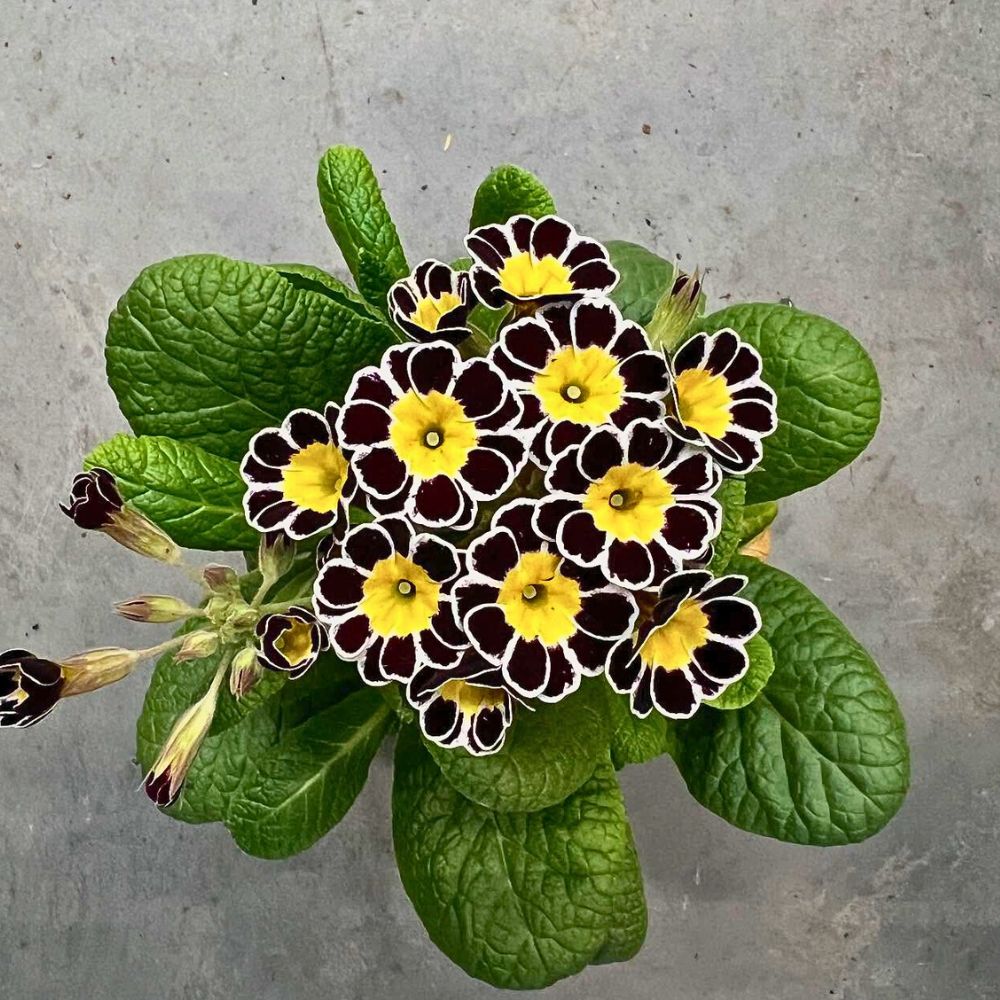
From an ecological perspective, the English primrose plays an important role as an early nectar source for pollinators emerging after winter. Bees and other insects rely on early flowering species such as Primula vulgaris to bridge the gap between dormant seasons and peak floral availability. For growers and conservation-focused stakeholders, this makes the plant relevant not only for ornamental use but also for biodiversity-focused planting strategies.
Primrose, Primula Vulgaris, in Cultivation
Primrose Primula vulgaris has been cultivated for centuries, both in its natural form and through selected breeding. While the wild type remains popular for woodland gardens and naturalistic landscapes, cultivated selections have expanded their use into containers, borders, and mixed planting displays.
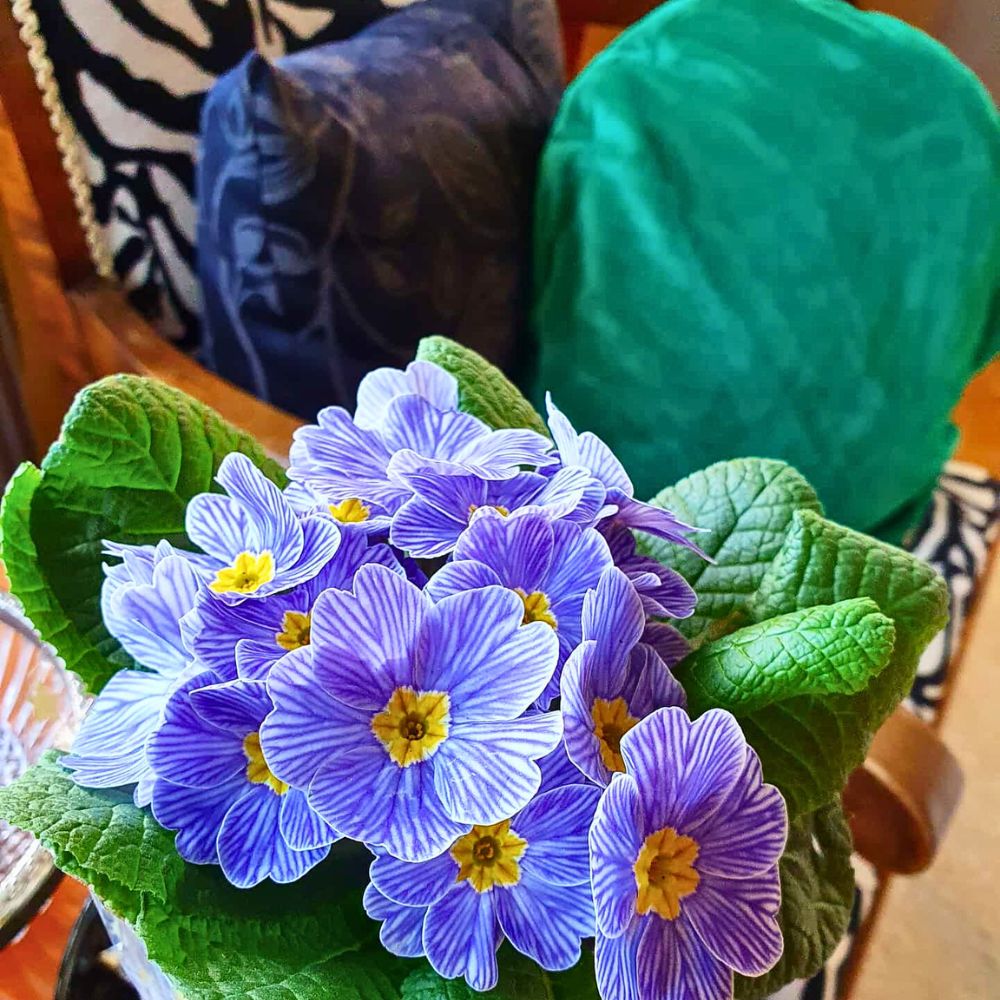
Growers value the species for its relatively predictable flowering window, compact growth habit, and adaptability to temperate climates. It performs well in outdoor production systems and does not require intensive inputs when grown under suitable conditions. For commercial nurseries, Primula vulgaris offers consistency and broad market appeal, particularly during early-season sales periods.
How to Grow Primula Vulgaris Plants Successfully
Primula vulgaris plants grow best in well-drained but moisture-retentive soil with a high organic content. Compost-enriched Garden soil or woodland-style substrates provide the structure and nutrients needed for steady growth. The plant prefers partial shade, though it can tolerate gentle morning sun if moisture levels are maintained.
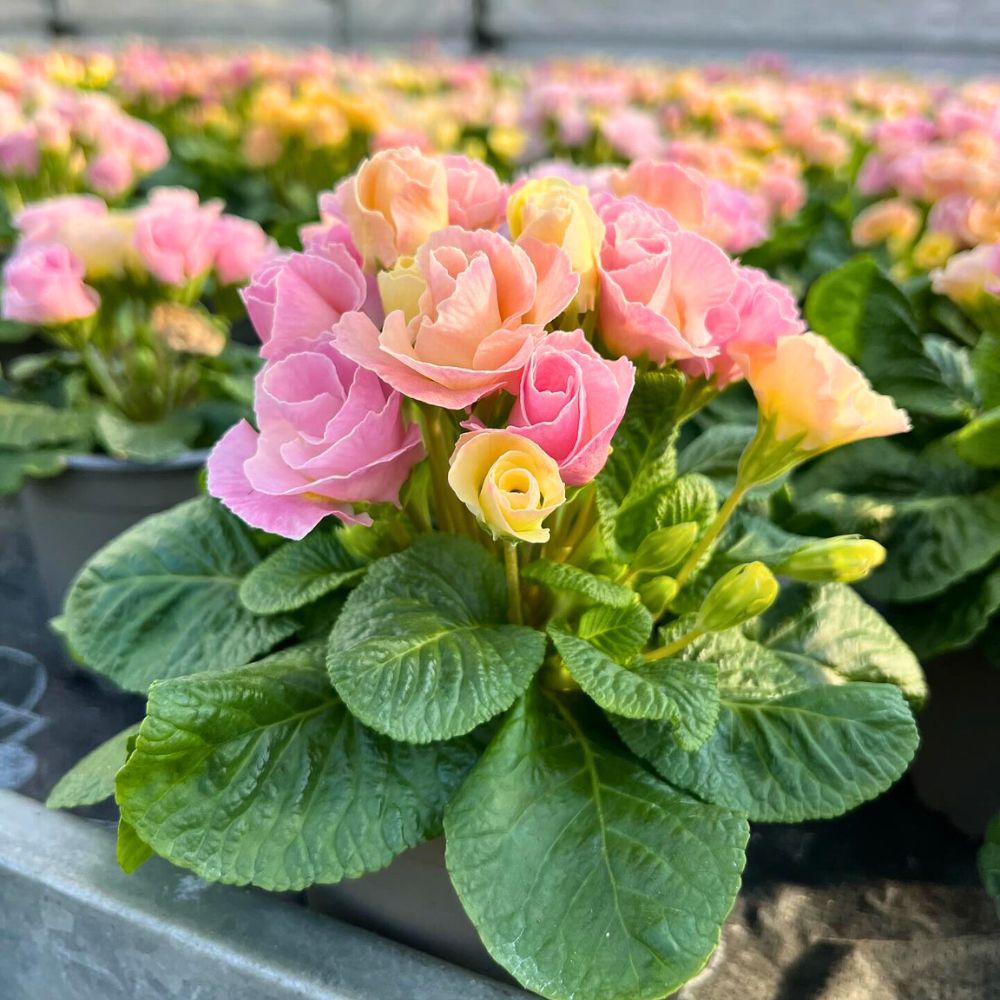
Regular watering is important, especially during establishment and flowering. The root system is relatively shallow, making the plant sensitive to prolonged dry conditions. Mulching around the base helps conserve moisture and supports soil health. In garden and landscape settings, minimal intervention is required beyond occasional feeding with a balanced fertiliser during active growth.
Primula Vulgaris Seeds and Propagation Methods
Primula vulgaris seeds offer a cost-effective and rewarding propagation option, particularly for growers and dedicated gardeners. Seed is typically sown in late summer or early autumn to allow young plants to establish before winter. Cold exposure can improve germination, reflecting the species natural lifecycle.
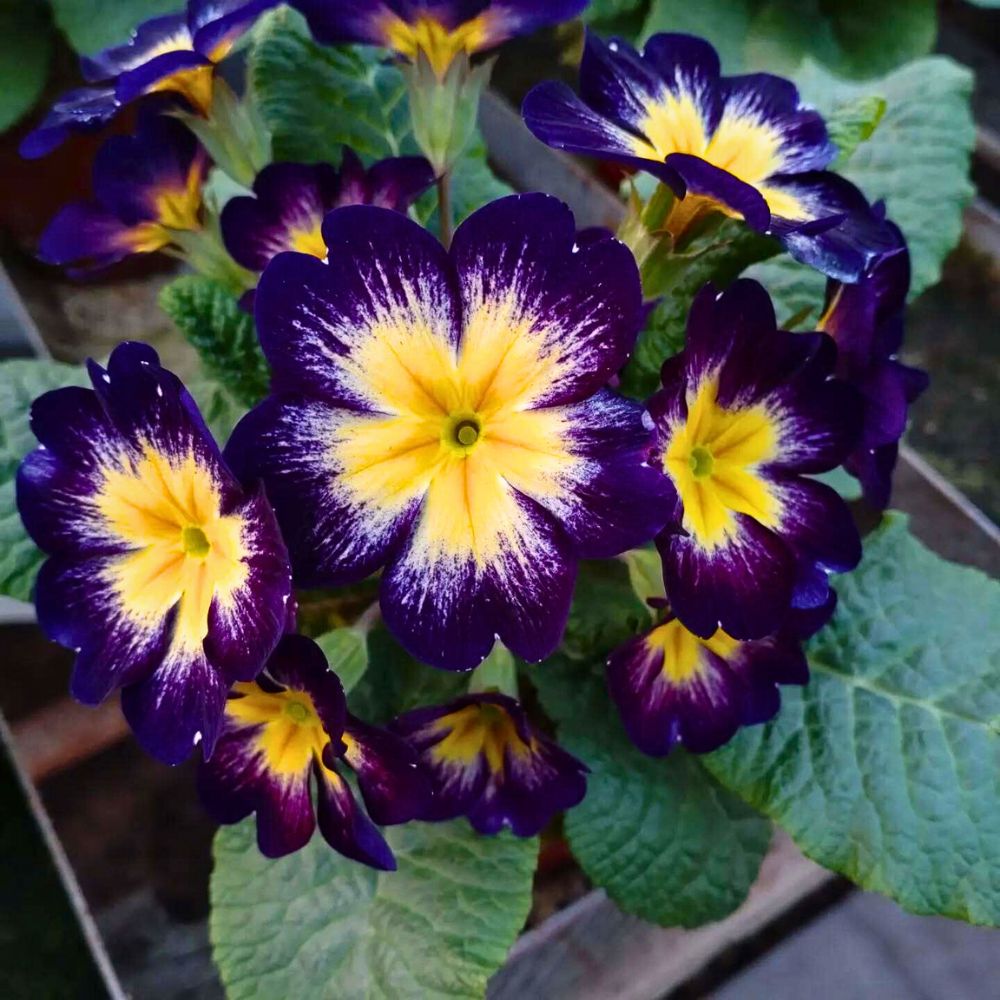
Seeds are fine and should be sown on the soil surface or lightly pressed in, as light supports germination. Consistent moisture and cool temperatures are essential during this stage. While seed-grown plants may show slight variation, this diversity is often valued in naturalistic planting schemes. For commercial production, division of established clumps is also widely used to maintain uniformity and plant quality.
Seasonal Performance and Climate Adaptability
Primula vulgaris is well-suited to temperate regions with cool winters and moderate summers. It tolerates frost and benefits from winter chill, which supports strong flowering in spring. In warmer climates, careful site selection and irrigation management are necessary to prevent stress during hotter periods.
The plant naturally enters a slower growth phase after flowering, particularly if temperatures rise. During this time, foliage may appear less vigorous, but plants generally recover as conditions improve. This seasonal rhythm should be considered by landscapers and garden designers when integrating Primula vulgaris into long-term planting plans.
Use of Primula Vulgaris in Garden and Landscape Design
In gardens, Primula vulgaris is often used to create soft transitions between winter and spring planting. Its low profile makes it suitable for edging paths, underplanting shrubs, and filling gaps beneath deciduous trees. When planted in groups, the visual effect is natural rather than formal, aligning well with woodland and informal garden styles.
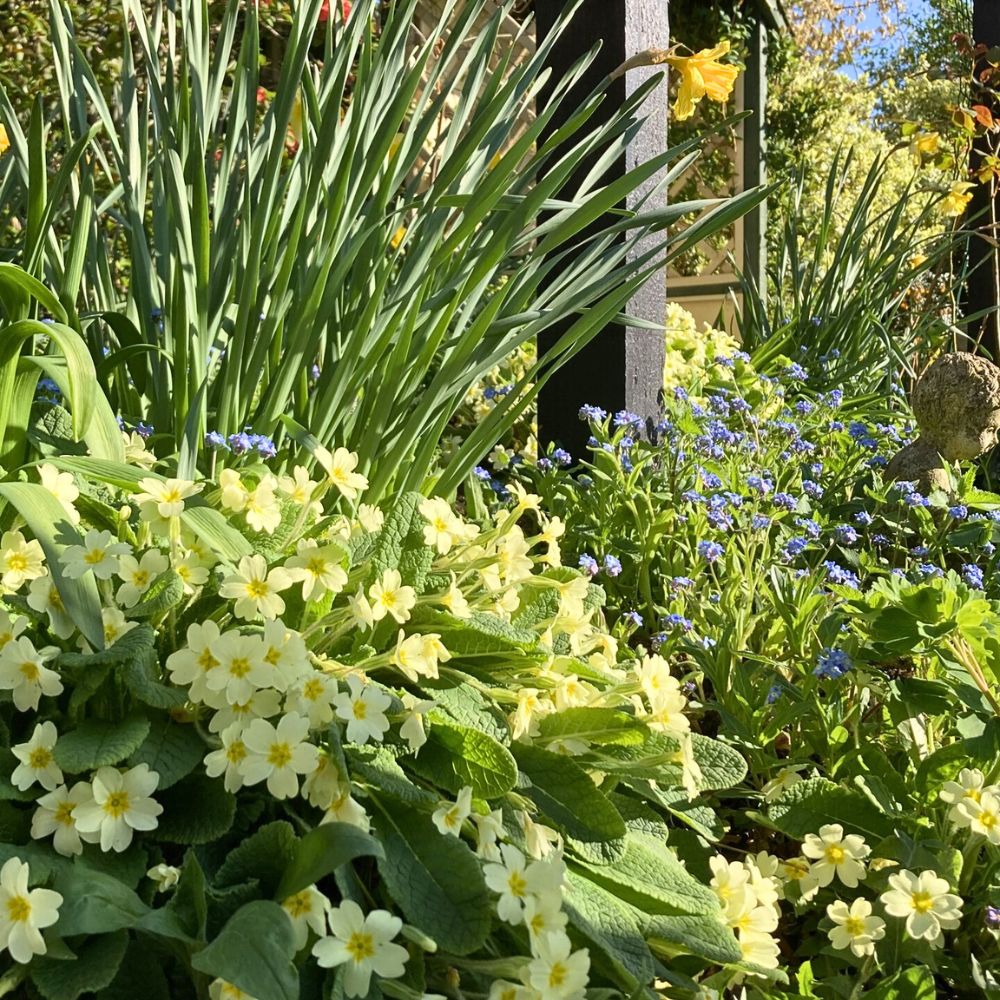
Landscape professionals appreciate the species for its reliability and understated presence. It works particularly well in public green spaces where early seasonal interest is required without intensive maintenance. For plant-focused designers, Primula vulgaris offers subtle structure and seasonal rhythm rather than bold visual impact.
Relevance to Florists and Floral Professionals
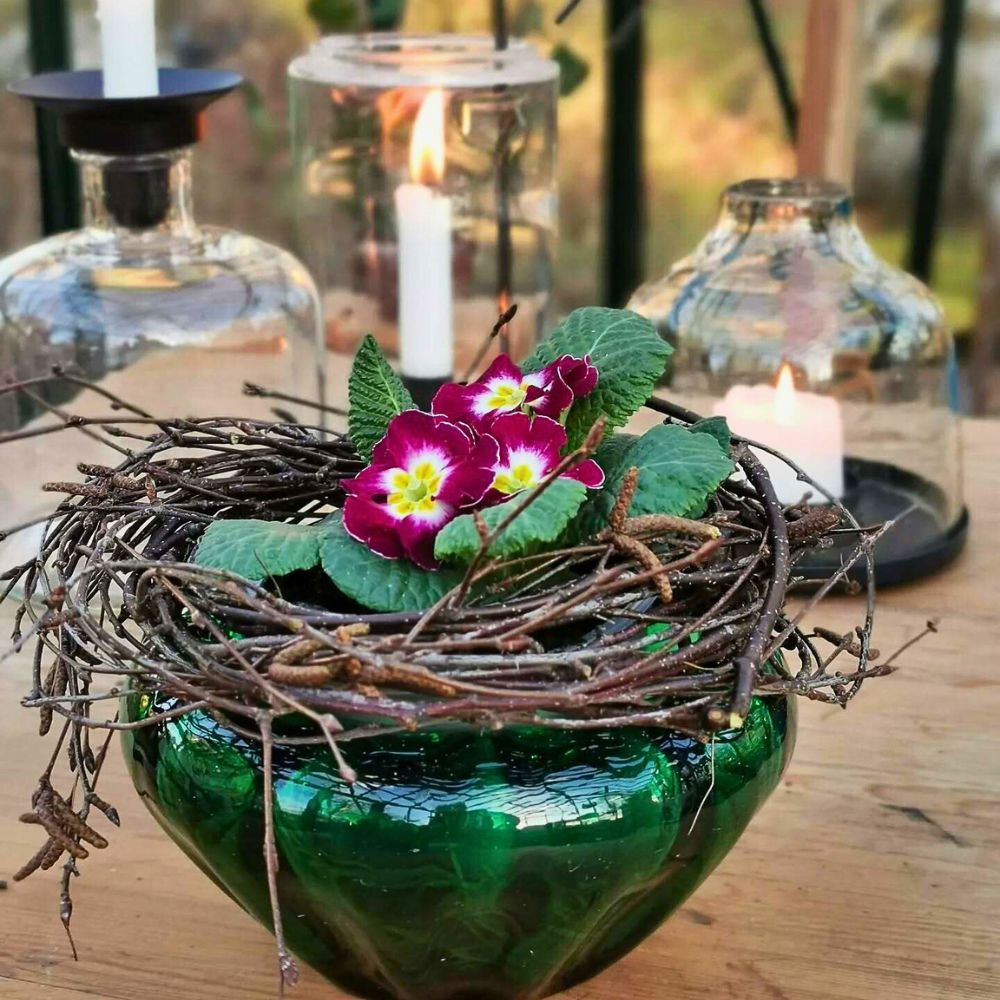
While Primula vulgaris is not a traditional cut flower, it holds value within the floral sector as a potted plant and seasonal feature. Florists often use Primula plants for spring-themed displays, retail styling, and living arrangements that extend beyond the vase.
The compact form and recognisable appearance make the English primrose suitable for consumer-focused storytelling around seasonality and nature. For florists looking to diversify beyond cut material, potted Primula vulgaris plants provide an accessible entry point that aligns with sustainability-focused trends and longer-lasting floral experiences.
Breeding, Selection, and Industry Perspective
Breeding efforts around Primula vulgaris have historically focused on colour refinement, uniformity, and flowering performance rather than dramatic structural change. This approach has preserved the species' identity while allowing it to meet commercial standards.
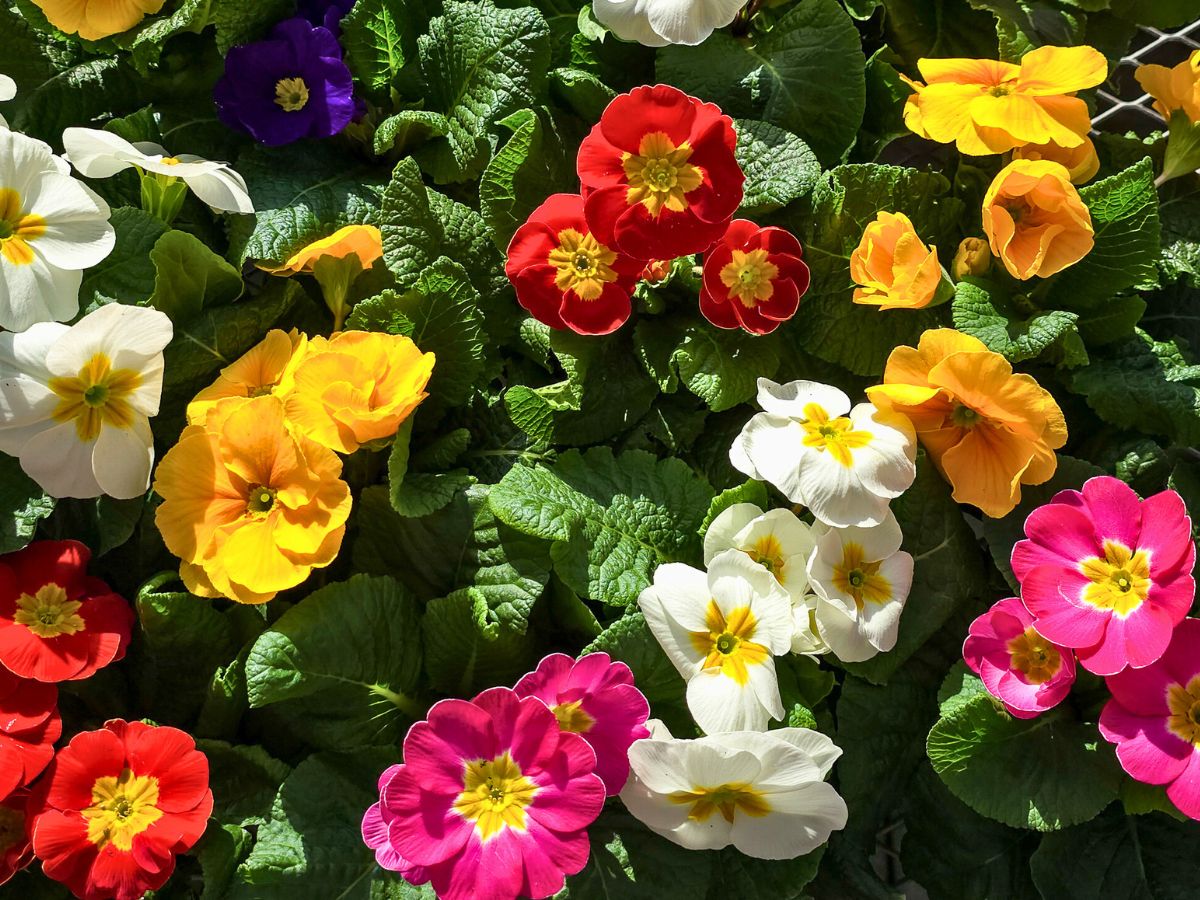
For breeders and growers, the plant represents a stable category rather than a high-risk innovation. Its continued presence in the market reflects steady consumer demand and broad acceptance. Industry stakeholders value Primula vulgaris for its balance between tradition, reliability, and ecological relevance.
Symbolism and Cultural Associations
The English primrose has long been associated with early spring, renewal, and quiet resilience. In various European traditions, it has been linked to youth, protection, and the return of light after winter. These associations continue to influence how the plant is perceived by consumers today.
For marketing and retail communication, symbolism around Primula vulgaris tends to focus on seasonal transition and natural simplicity rather than luxury or excess. This positioning aligns well with contemporary preferences for grounded and meaningful plant choices.
Challenges and Common Growing Issues
Although generally resilient, Primula vulgaris can be affected by excessive heat, drought, and poor drainage. Prolonged exposure to direct sun may cause leaf stress, while waterlogged soil can lead to root issues. Slugs and snails may also target young foliage, particularly in shaded environments.
Preventative care through site selection and soil preparation remains the most effective management approach. Once established in suitable conditions, Primula vulgaris plants require minimal corrective intervention.
Why Primula Vulgaris Continues to Matter in Today’s Plant Market
Primula vulgaris endures because it fulfills multiple roles across the plant and floral ecosystem. It supports early-season biodiversity, offers dependable performance for growers, and resonates with consumers seeking seasonal authenticity. In an industry often driven by novelty, the English primrose stands as a reminder that relevance is not always tied to reinvention.
For florists, growers, breeders, and plant-focused professionals, Primula vulgaris represents continuity, seasonal awareness, and practical beauty rooted in nature. Its presence across gardens, landscapes, and retail spaces reinforces the importance of plants that quietly perform year after year.