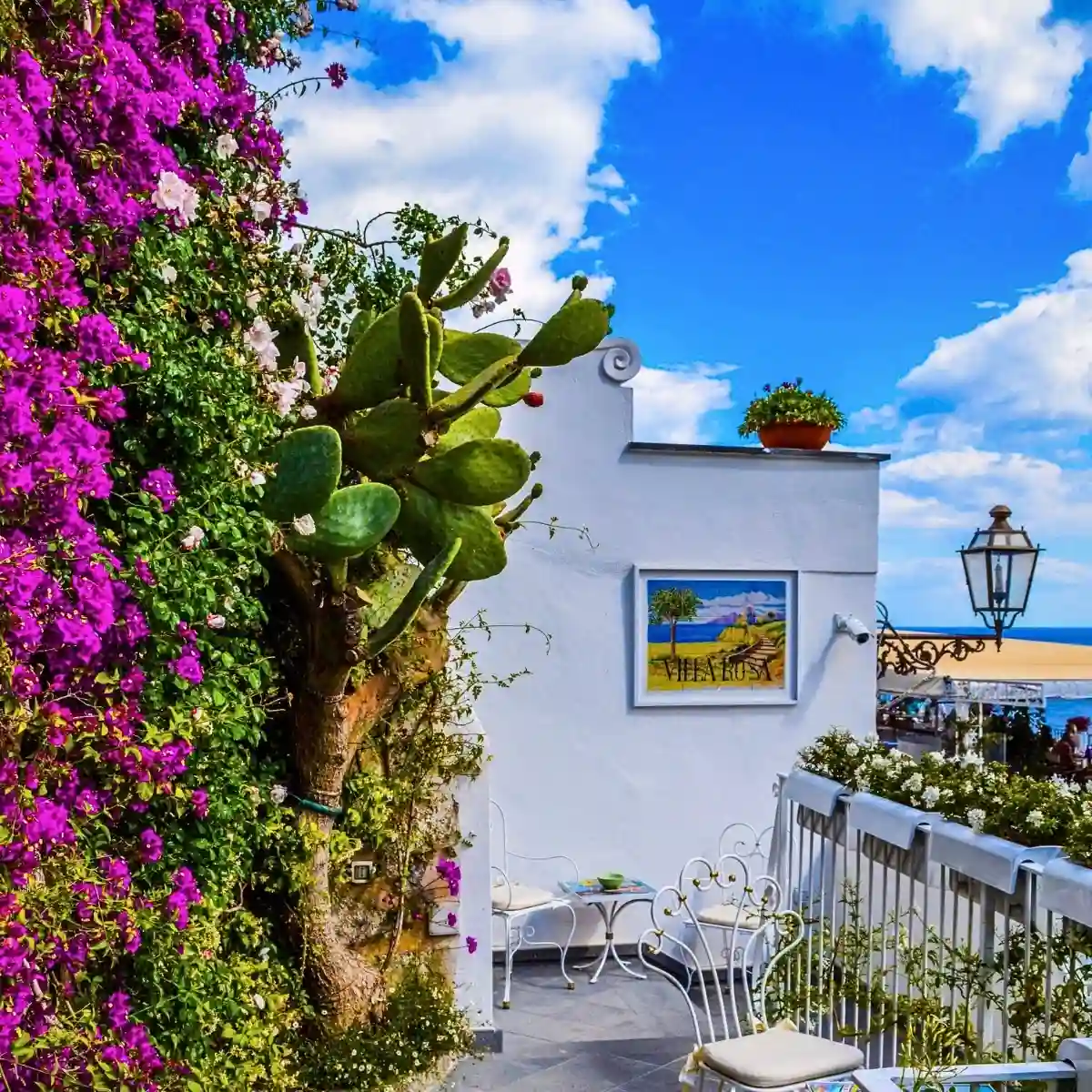
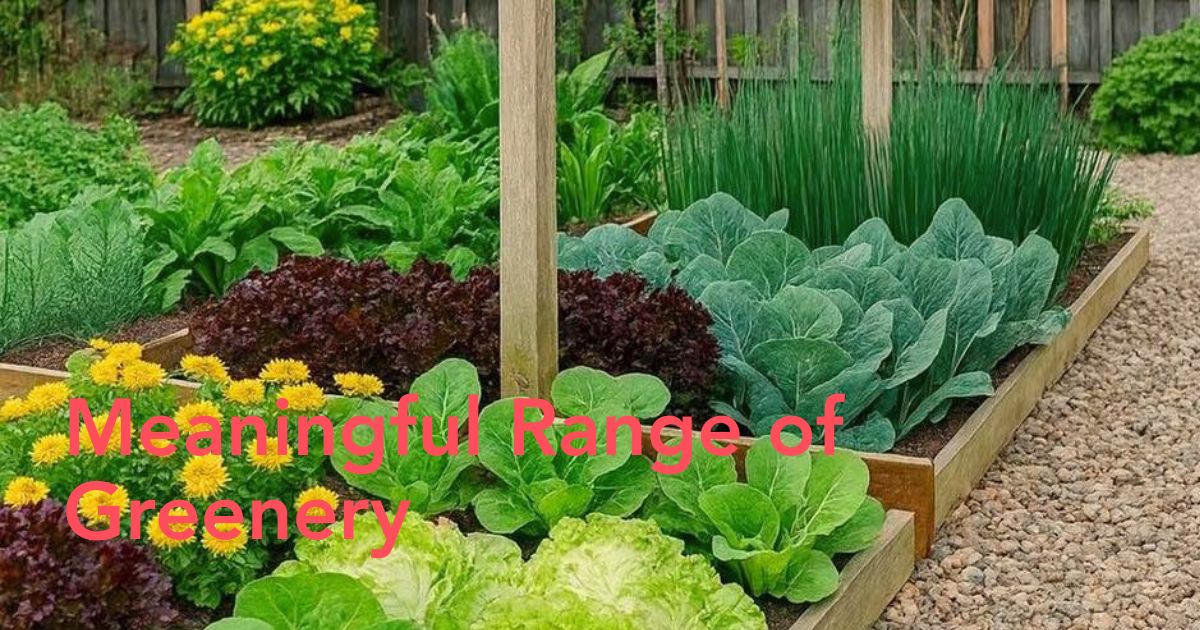
Urban living does not need to mean living without plants. In a high-density city like Singapore, condos and apartments can still support a meaningful range of greenery, from compact balcony gardens to indoor plant setups and shared landscape areas. The key is understanding constraints that are specific to high-rise environments: wind exposure, variable light, heat reflection from building materials, high humidity, and limited soil volume.
This article explains how condo residents can plan plant choices and care routines that work in Singapore’s climate, while also aligning with typical condo by-laws (drainage rules, safety, and appearance standards). It is written as a practical guide, focusing on plant health and long-term maintenance rather than short-term decoration. Here you can read more about Planning a Fruit Garden
Why Plants Matter in Condos
Plants are not only a hobby. For many residents, they function as:
- Microclimate tools that can reduce surface heat on balconies when used responsibly (shade and transpiration effects).
- Indoor humidity buffers when managed correctly (particularly in air-conditioned rooms).
- Well-being is supported through routine, attention, and the calming effect of caring for living organisms.
- Biodiversity contributors when residents choose flowering plants that help local pollinators in suitable locations.
The benefits depend on appropriate plant selection and placement. Poorly matched plants lead to repeated replacements, pest cycles, and water leakage issues, common complaints in multi-unit buildings.
Step 1: Map Your Light Conditions
Before buying any plant, spend 2-3 days mapping light. In condos, sunlight patterns can change dramatically depending on building orientation and shading from nearby blocks.
- Bright indirect light: common near windows that do not receive strong sun all day.
- Partial sun: 2 - 4 hours of direct sun, often in the morning or late afternoon.
- Full sun: 5+ hours of direct sun, typically on more exposed balconies.
- Low light: corners far from windows or shaded by other structures.
A fast test is to check whether you can read comfortably without artificial light at that spot during the day. If not, it is usually low light for most plants.
Step 2: Choose Plants That Match Condo Reality
Reliable indoor plants for indirect light
These tolerate common condo conditions and are forgiving when routines slip:
- Snake plant (Sansevieria/Dracaena trifasciata): tolerates low light and irregular watering.
- ZZ plant (Zamioculcas zamiifolia): slow-growing, drought tolerant.
- Pothos (Epipremnum aureum): adaptable, can trail or climb; prune for control.
- Peace lily (Spathiphyllum): prefers consistent moisture; gives clear wilt signals when thirsty.
Balcony plants for heat and wind
Balcony edges can be hot and windy. Plants need stronger stems and roots, plus stable containers.
- Herbs: pandan (if space allows), curry leaf (in large pots), lemongrass, mint (keep contained).
- Edible greens: kangkong and certain leafy greens can work with careful pest monitoring and sufficient light.
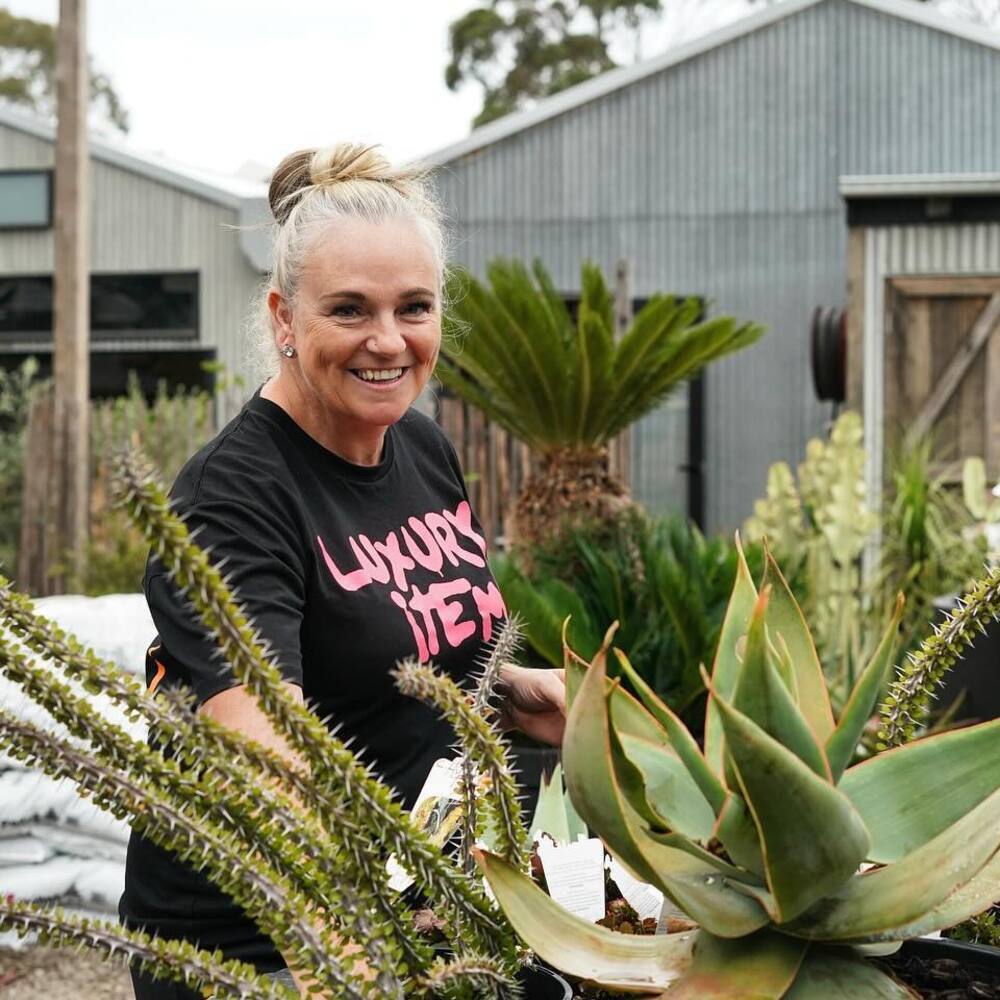
- Drought-tolerant ornamentals: some succulents and hardy tropicals work in bright sun, but require controlled watering to avoid rot in humid weather.
If your balcony is exposed, avoid tall plants in light plastic pots. They fall. Use heavier containers and keep larger plants away from ledges.
Step 3: Build a Watering System That Prevents Leakage
Water management is one of the biggest issues in condos. A good system protects neighbours below and helps plants avoid root disease.
Use these basics:
- Pots with drainage holes + a stable saucer or tray.
- A layer of coarse material is less important than using the right potting mix.
- A well-draining mix: potting soil combined with perlite/pumice and bark chips can reduce waterlogging.
- Water slowly until it drains, then empty excess water from saucers after 10-15 minutes.
Avoid:
- Overwatering “on schedule” without checking the soil.
- Letting pots sit in water for long periods (root rot risk).
- Pouring large volumes quickly (overflow and balcony mess).
A simple rule: check the top 2–3 cm of soil. If it is still damp, wait.
Step 4: Pick Containers That Support Root Health
In Singapore's humidity, roots need airflow. Containers influence this more than most people realize.
- Terracotta: breathable, helps soil dry faster; good for plants prone to rot.
- Plastic: retains moisture; suitable if you tend to underwater, but must be monitored.
- Self-watering planters: useful for busy residents, but require correct setup and periodic cleaning to avoid mosquito breeding.
For climbing plants indoors, consider moss poles or trellises, but keep them stable and away from walkways.
Step 5: Plan Pest Control the Condo-Safe Way
High-rise pests often include mealybugs, spider mites (especially in air-conditioned rooms), fungus gnats, and scale insects. Condo-safe control focuses on prevention and low-toxicity management.
Prevention checklist:
- Quarantine new plants for 7–10 days.
- Inspect undersides of leaves weekly.
- Avoid over-fertilising (soft growth attracts pests).
- Improve airflow around dense plants.
Control options:
- Wipe leaves with diluted mild soap solution.
- Use neem-based sprays carefully (test on one leaf first).
- Yellow sticky traps for fungus gnats.
- Remove heavily infested leaves rather than trying to “save” everything.
If you use any sprays, do it outdoors or in a ventilated area and follow product instructions.
Step 6: Add Planting That Fits the Condo Lifestyle
Residents often want greenery without turning their home into a maintenance project. These setups work well:
A "kitchen plants" zone
Place herbs near a bright window or balcony door: mint (contained), basil (sun), pandan (space), spring onions in water (short-term), and chilli (sun).
A low-light corner setup
Use two or three tolerant plants rather than many. Example: snake plant + ZZ plant + pothos on a shelf. This keeps watering predictable.
A balcony screen with plants
Instead of heavy panels, use a trellis with climbing plants suited to your light. This can create privacy while staying compliant with safety rules.
Step 7: Think Beyond Your Unit: Shared Green Spaces and Biophilic Design
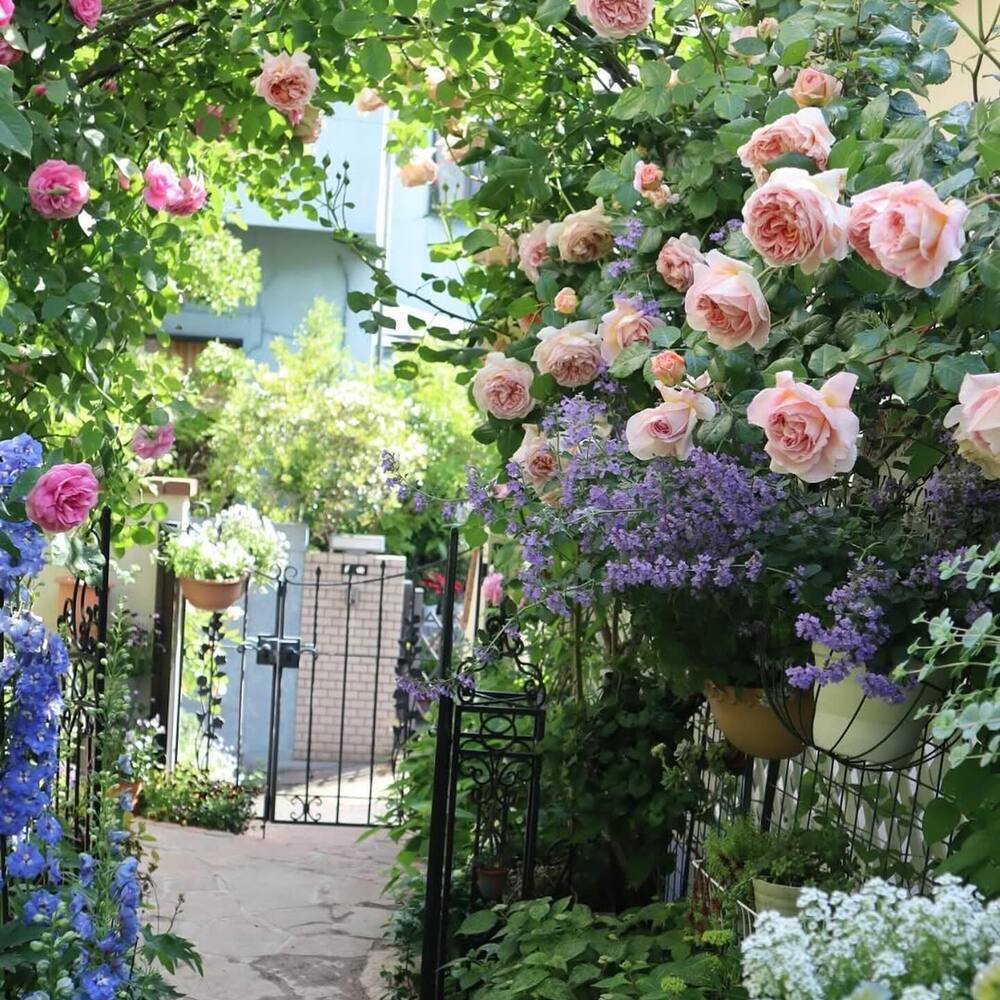
Modern condo developments often integrate landscape features such as courtyards, planter edges, and communal greenery. Residents can get more value from these spaces by understanding how they function:
- Shade trees reduce heat load in outdoor walkways.
- Layered planting improves drainage performance during heavy rain.
- Native or adapted plant choices can support local insect and bird activity.
- Well-maintained greenery improves the usability of outdoor areas for exercise and social time.
If you live in a development like Vela Bay you can treat your personal plants as a "micro-extension" of the larger landscape approach: choose species that thrive in humidity, prioritise clean watering practices, and keep plant placement safe and tidy.
A Simple Starter Plan for New Condo Gardeners
If you want a low-risk start, try this:
- Start with 3 plants max (one low-light, one indirect light, one balcony plant).
- Buy a quality potting mix and drainage trays.
- Set a weekly inspection routine (5 minutes): check soil, check leaves, remove dead material.
- Only expand after 4 weeks of stable growth.
This approach reduces waste and prevents the cycle of constant replacement.
Final Takeaway
Condo plant care is less about having many plants and more about designing a system that fits your light, space, and routine. In Singapore, success usually comes from humidity-aware watering, proper drainage, container stability, and selecting species that tolerate indoor conditions and balcony exposure. If you treat your plants like a small, manageable ecosystem, you can maintain greenery long-term without turning it into a daily burden.