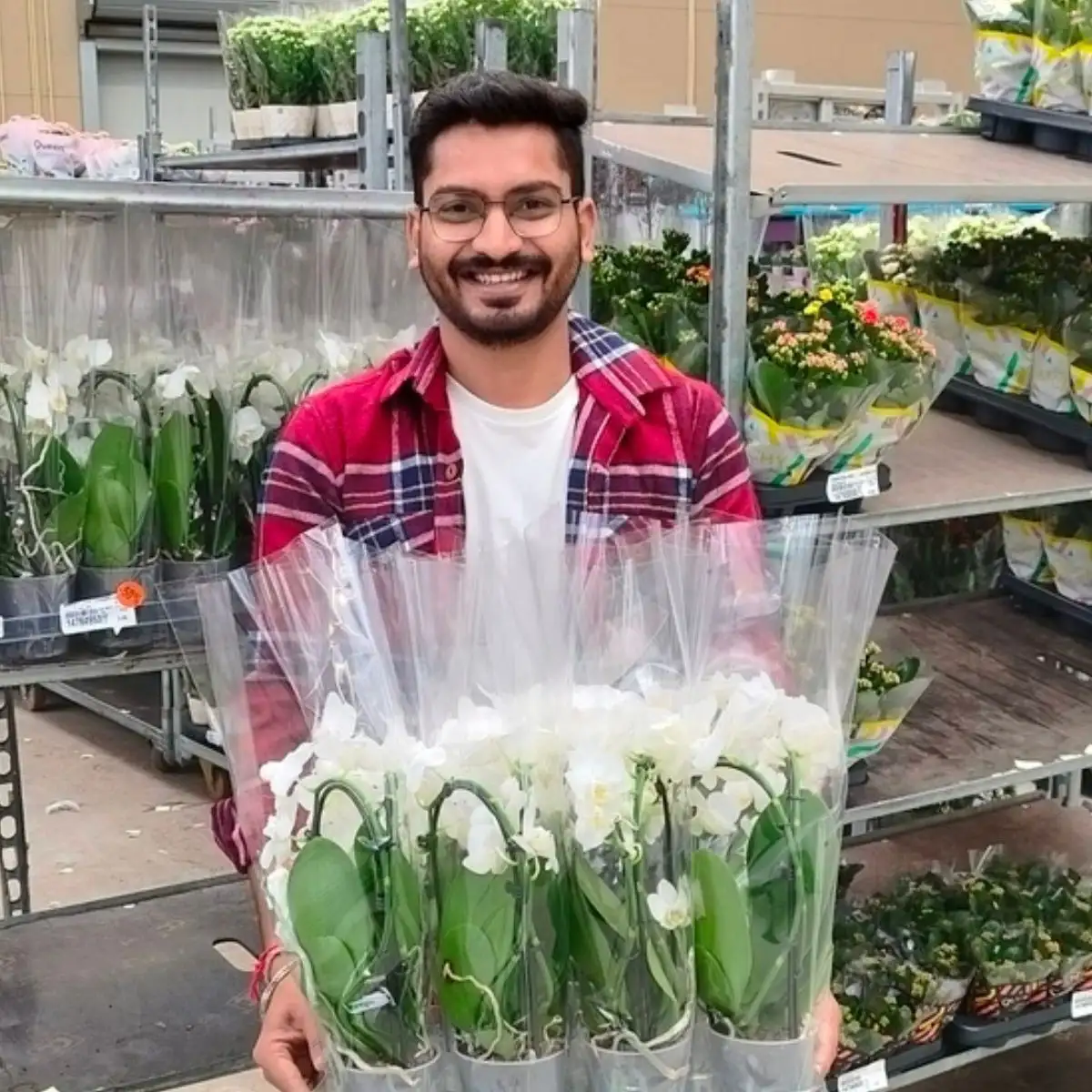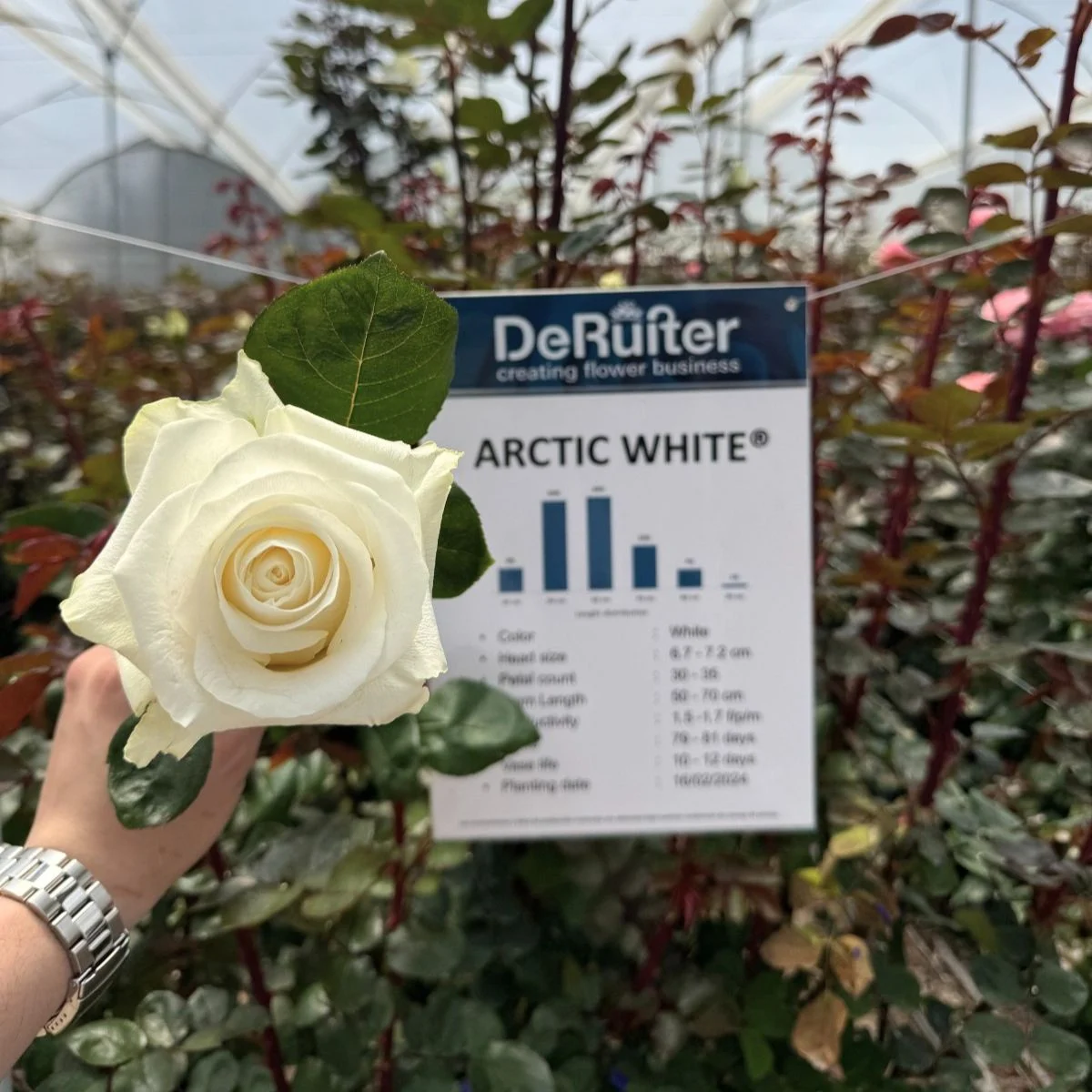
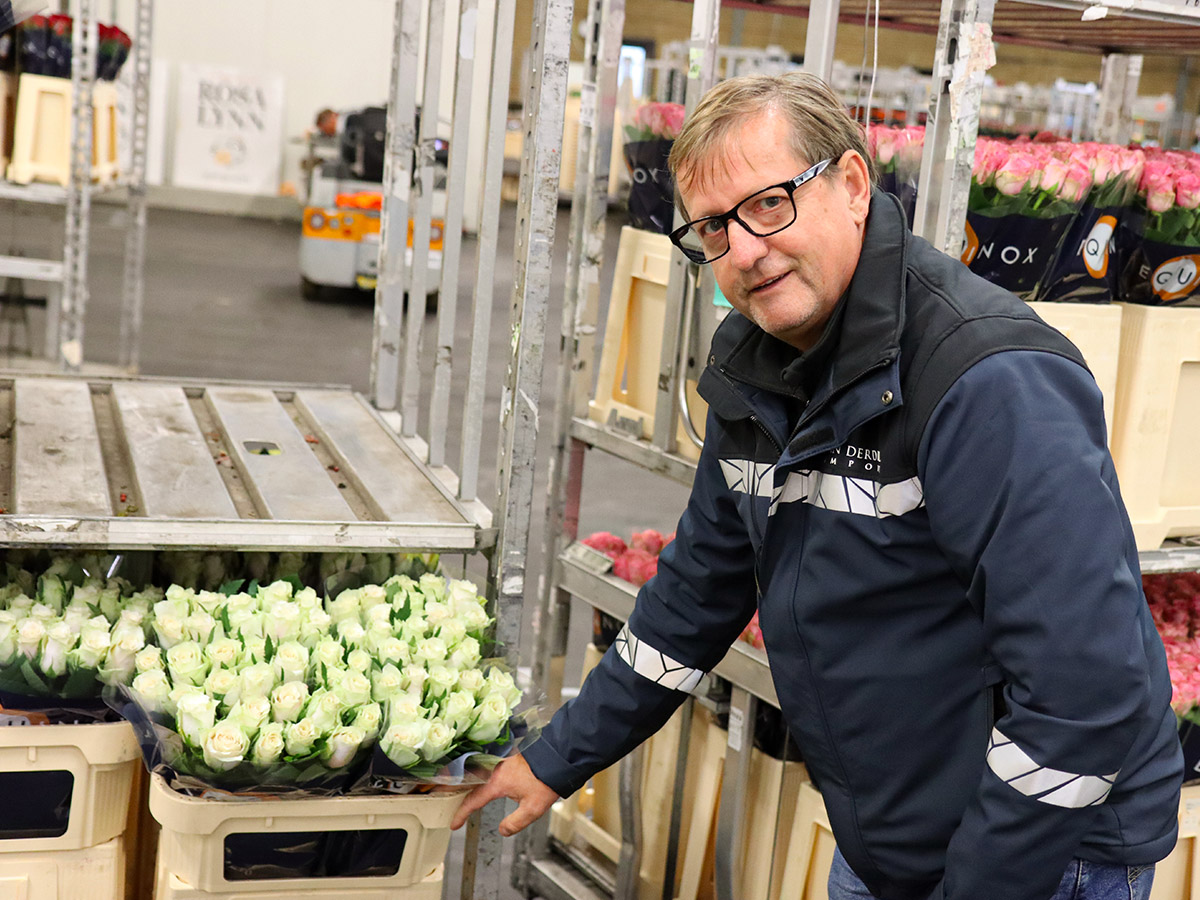
On a weekday morning in Rijnsburg, staff open, check, and grade the boxes from Kenya before the roses go to auction. Among them is a newcomer that is already exceeding expectations: Rose Abby, a new standard rose from breeder De Ruiter, grown in Nanyuki by Equinox Horticulture. On the day Thursd visited, a few thousand stems had come in, ranging from 50 to 70 centimeters.
"I never expected we would get 70 centimeters already," says Jaap Snijer, who has represented Equinox in the Netherlands for 18 years. For a variety that has only just entered production, that is a promising start.
A Rose That Reveals Its Color and Scent as It Opens
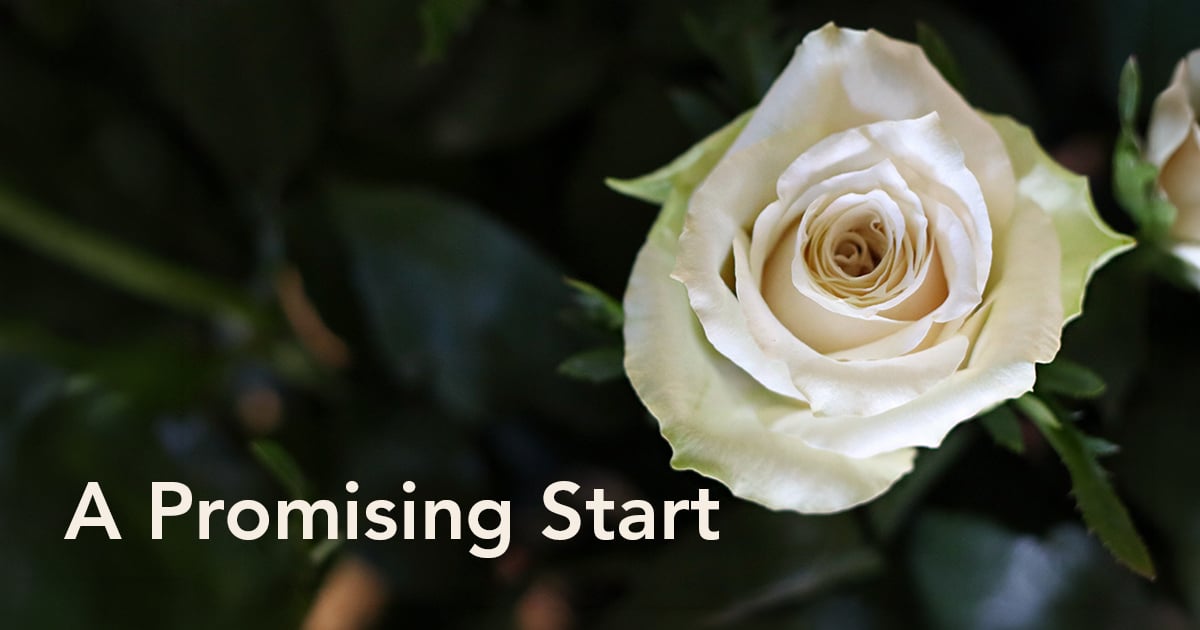
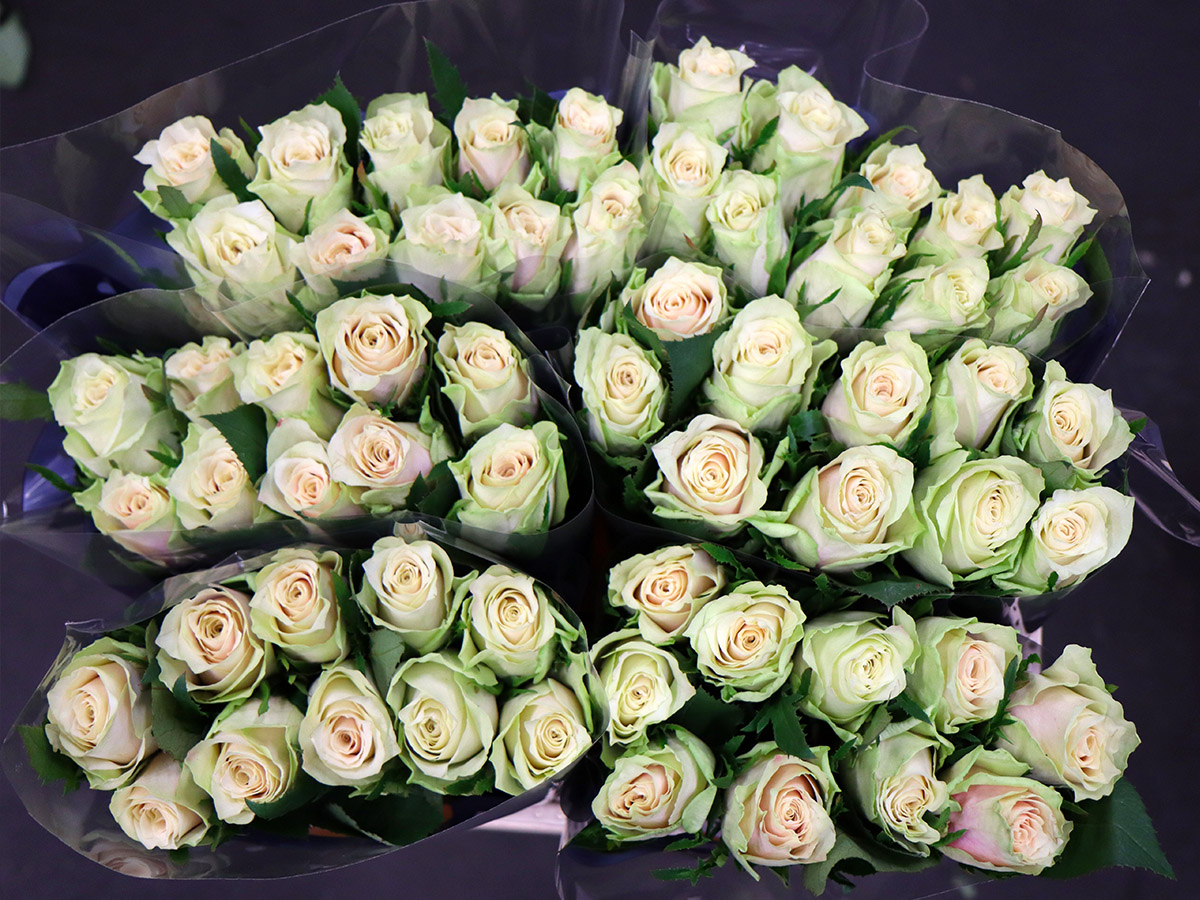
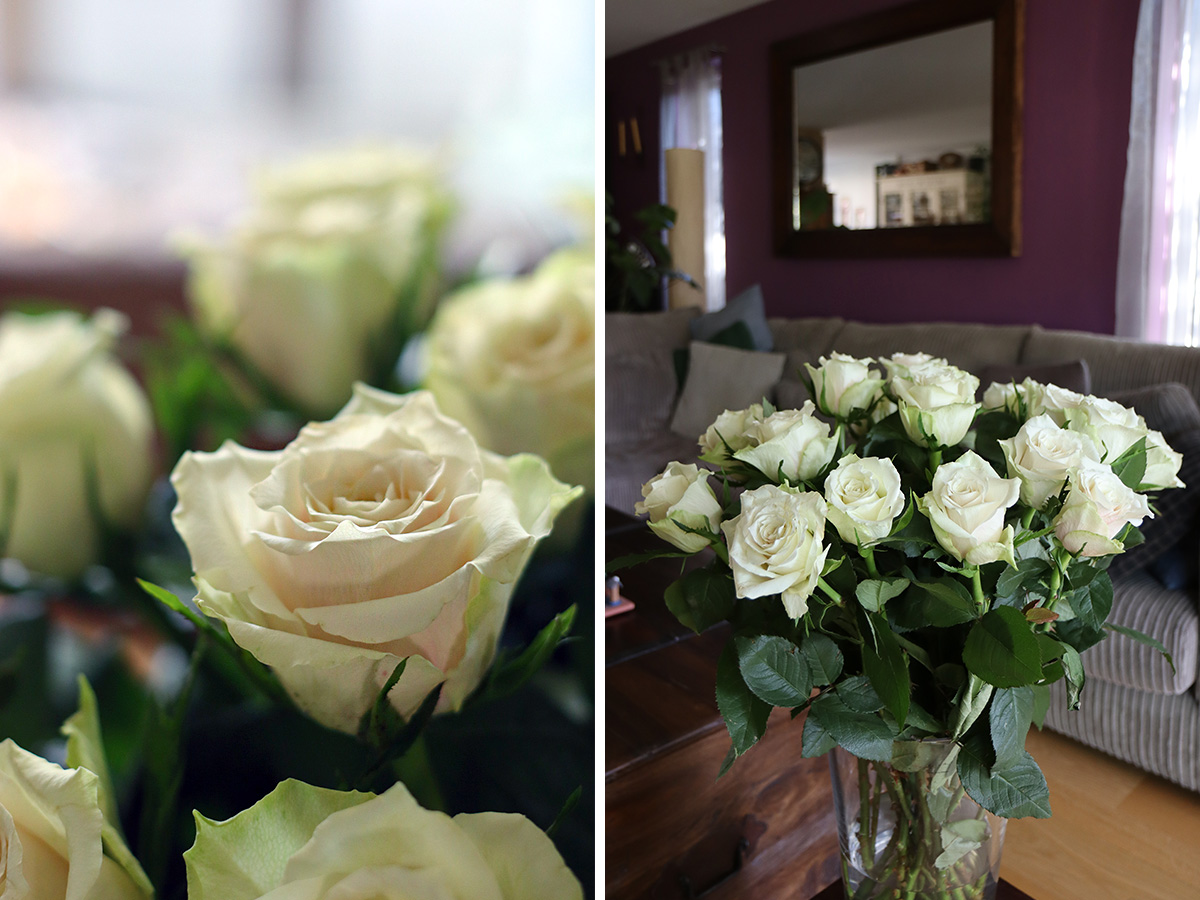
Abby is not a rose that shows everything at once. In its raw stage, the outside petals show a light greenish tint. As the bud unfolds, the clear white slowly becomes visible. At the same time, the rose develops a romantic, feather-light, sweet fragrance. It does not fill the room. You really have to bring your nose close to the flower to notice it. But the reward is the lingering scent.
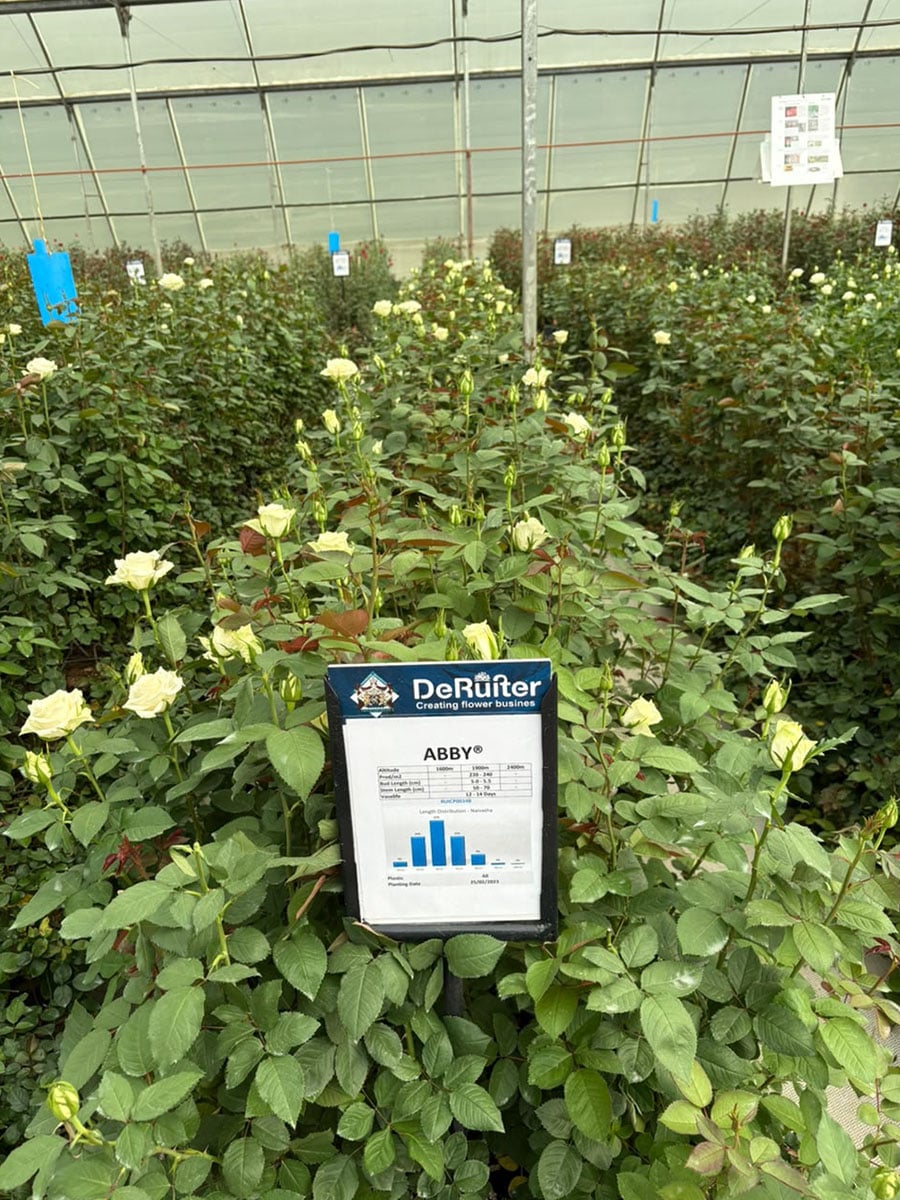
Abby is part of De Ruiter's cut rose collection for East Africa. According to the breeder, it has 35 to 40 petals, a bud length of 50 to 55 millimeters, and stems of 50 to 70 centimeters. De Ruiter lists a vase life of 12 to 14 days and a production of 220 to 240 stems per square meter per year. Very impressive specs, indeed.
Jaap prefers to see for himself how a rose behaves after the auction, so he takes a bunch home with every new variety.
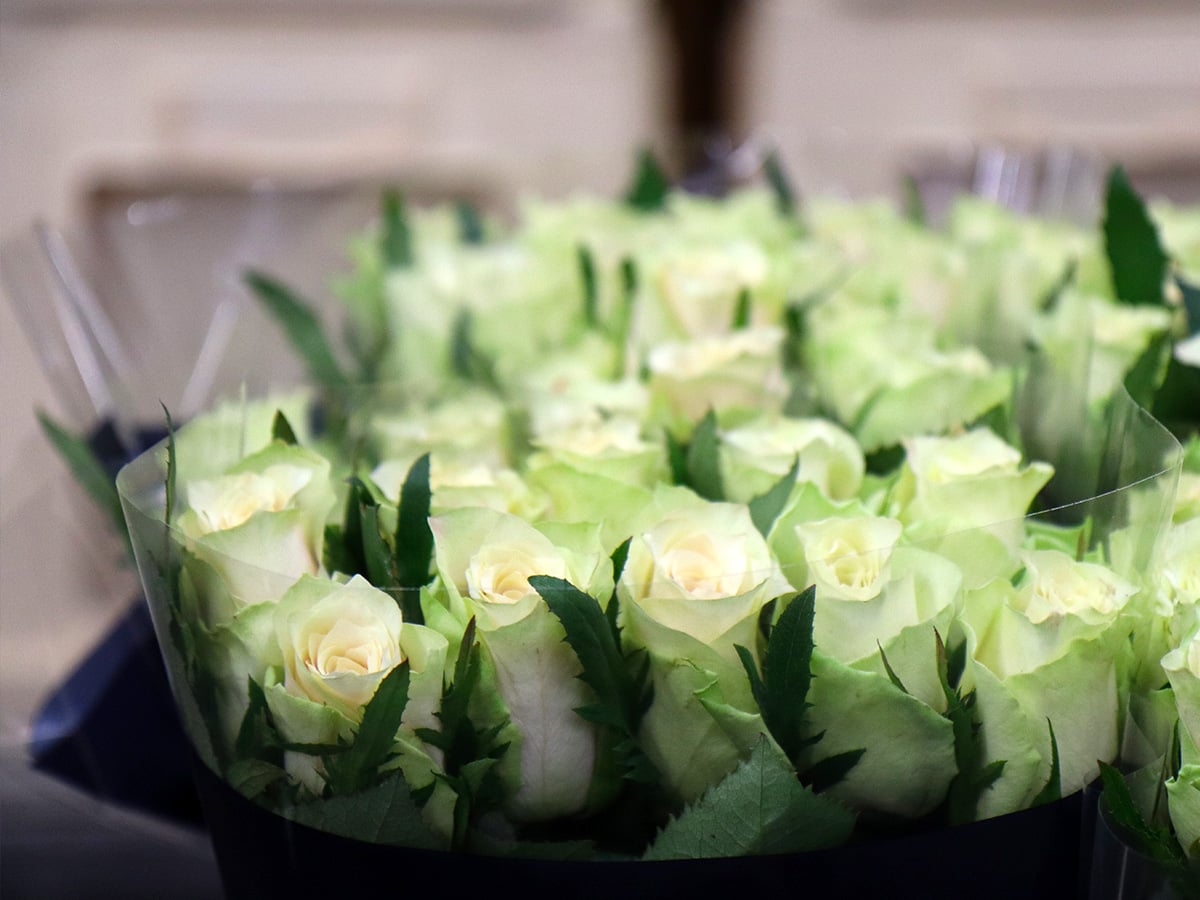
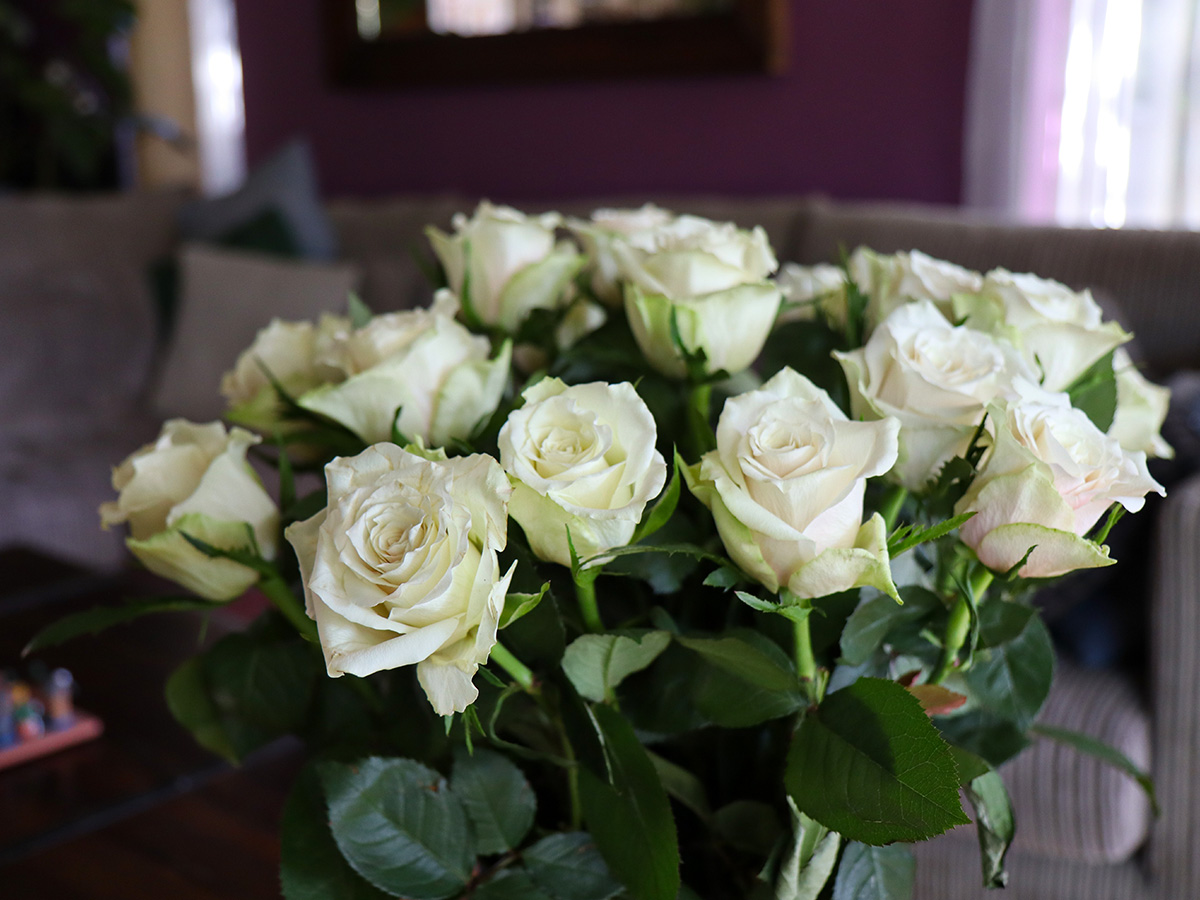
"I always do that," he says. "And these roses hve opened 100 percent!"
For florists, that detail matters more than any brochure claim. A rose that opens fully and reliably, even at a shorter length, keeps customers coming back. Jaap is also impressed by the head size. Looking at the bud, he says, Abby is bigger than competitive white big headers from East Africa, including several famous ones that have long served as a reference point for many buyers.
How Equinox Finds Its Varieties
Equinox is a rose farm in Nanyuki, close to Mount Kenya, in a region where many of Kenya's large rose growers are located. The farm focuses entirely on roses. Jaap contrasts this with De Ruiter, which he has known since around the year 2000, when he went into the import business, and which works across several crops.
The breeder-grower relationship is straightforward. De Ruiter presents new varieties, and Equinox decides which ones fit its assortment. "They have new varieties, and then we basically select them," Jaap explains.
That selection is open to everyone. Jaap's liaison at De Ruiter, Walter Kammeraad, makes clear that Equinox has not secured Abby for itself.
Walter says:
"At De Ruiter, we never work with exclusivity, and Equinox doesn't either," he says. "We're not going to buy anything off. You simply have to be the best."
For the trade, this means Abby may eventually come from more than one farm. For Equinox, it means the variety must earn its place through quality rather than a protected position. For the trade and the florist, it means that only top-quality roses grown with attention will stand the test.
Longer Stems for a Changing Market
The timing of Abby's introduction fits a shift that Jaap sees happening across the rose trade. Short roses of 40 centimeters, once a large part of the market, are increasingly imported directly by retailers for their bouquets.
"The 40-centimeter lengths are all imported by the retailers themselves," he says. "We don't do that anymore. They do it all themselves. So now we simply have to deliver quality."
Equinox still grows plenty of 40-centimeter roses in other varieties, but not in Abby. Even at this early stage, the focus is already on 50, 60, and 70 centimeters. According to Jaap, the market for longer, high-quality roses from East Africa is also opening up as Dutch rose production declines, with several growers in the Netherlands stopping or leaving their greenhouses unheated in winter.
From Nanyuki to the Florist
Equinox does not have its own company in the Netherlands. Jaap manages the Rijnsburg location, where well-trained, dedicated staff unpack the farm's roses. In his words, his job comes down to three things: unpacking, quality, and sales. All roses arrive by air on direct flights to the Netherlands; nothing travels by sea container.
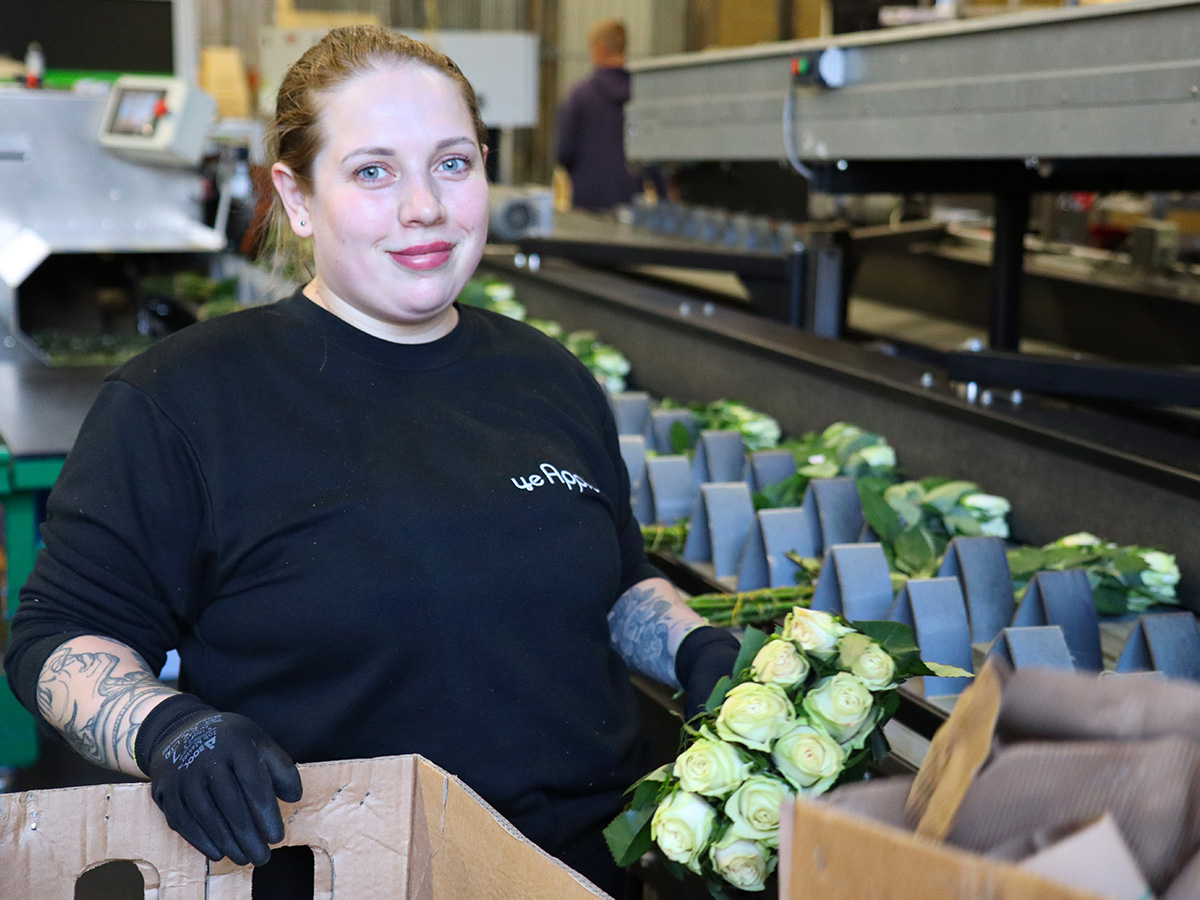
From there, everything is sold through the clock at Royal FloraHolland, including via clock pre-sales. Nothing goes directly to exporters.
The buyers are clearly defined. Jaap estimates that around 70 percent of Equinox's roses end up in Germany, mainly through the mobile wholesalers, often nicknamed 'flying Dutchmen', who drive fixed routes to florists. "Yes, it must be said that we are mostly focused on the German florist," he says. Traders on the Dutch market mainly buy the 40- and 50-centimeter lengths. And after all, Germany is still the biggest market for Dutch flowers anyway.
Those customers ask for something simple. "Our buyers just say: I need quality," Jaap says. In his view, Equinox and Florapura are currently the two farms that deliver it most consistently, although Kenya has other very good farms as well.
What Success Looks Like for Abby
When asked when Rose Abby can be called a success, Jaap doesn't talk about awards or trend colors. He looks at the numbers, because these matter to a grower.
"And the numbers are very satisfying, so then it's good," he says.
To cut a long story short: A rose that produces well, travels well from Mount Kenya to Rijnsburg, opens fully with a soft blush and a delicate scent, and reaches 70 centimeters within its first season has every chance of finding its way to florists across Germany and beyond.
Readers who want to see more of the breeder's roses from this region can also explore 8 Kenyan Roses From De Ruiter You Will Love.
All images by Thursd, unless otherwise mentioned.