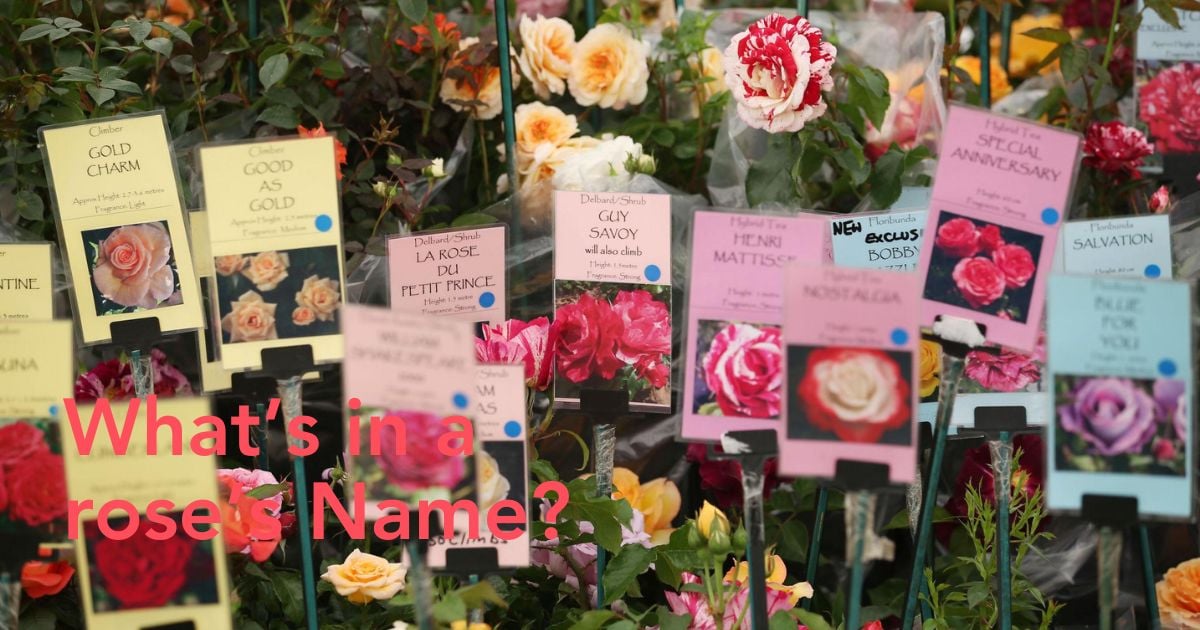
A rose can get almost everything right. Strong stems, good vase life, reliable production, disease resistance, and the kind of flower buyers are looking for. And yet, occasionally, something completely unrelated to how the plant performs can get in its way: its name.
Names carry associations. They cross languages, cultures, political moments, scandals, and changing public attitudes. A name that sounds clever when a variety is introduced can feel very different several years later. A name that works perfectly in Germany may mean very little to an English-speaking buyer. And sometimes, a rose that struggles commercially does considerably better once the flower is presented to the market under another identity. The genetics have not changed. The petals have not changed. Only the name has, and some of the best-known roses in the world show just how complicated that relationship can become.
The Rose That Struggled Until Its Name Changed
One of the clearest examples comes from German rose breeder Rosen Tantau and a red cut flower rose that would eventually become known as Freedom. Before Freedom had that name, Rosen Tantau marketed the variety as Bloody Mary.
There was little about the flower itself to suggest that it should struggle. Sebastian Donoso of Rosen Tantau told FloralDaily that the variety grew well and offered good head size, stem length, and vase life, and growers liked what they saw during trials. The problem came when the rose reached buyers. According to Donoso, buyers in the United States and European Union were not purchasing it, and Rosen Tantau initially could not understand why. After the variety itself continued to perform well in every measurable way, the company decided to change something that had nothing to do with its genetics: the name.
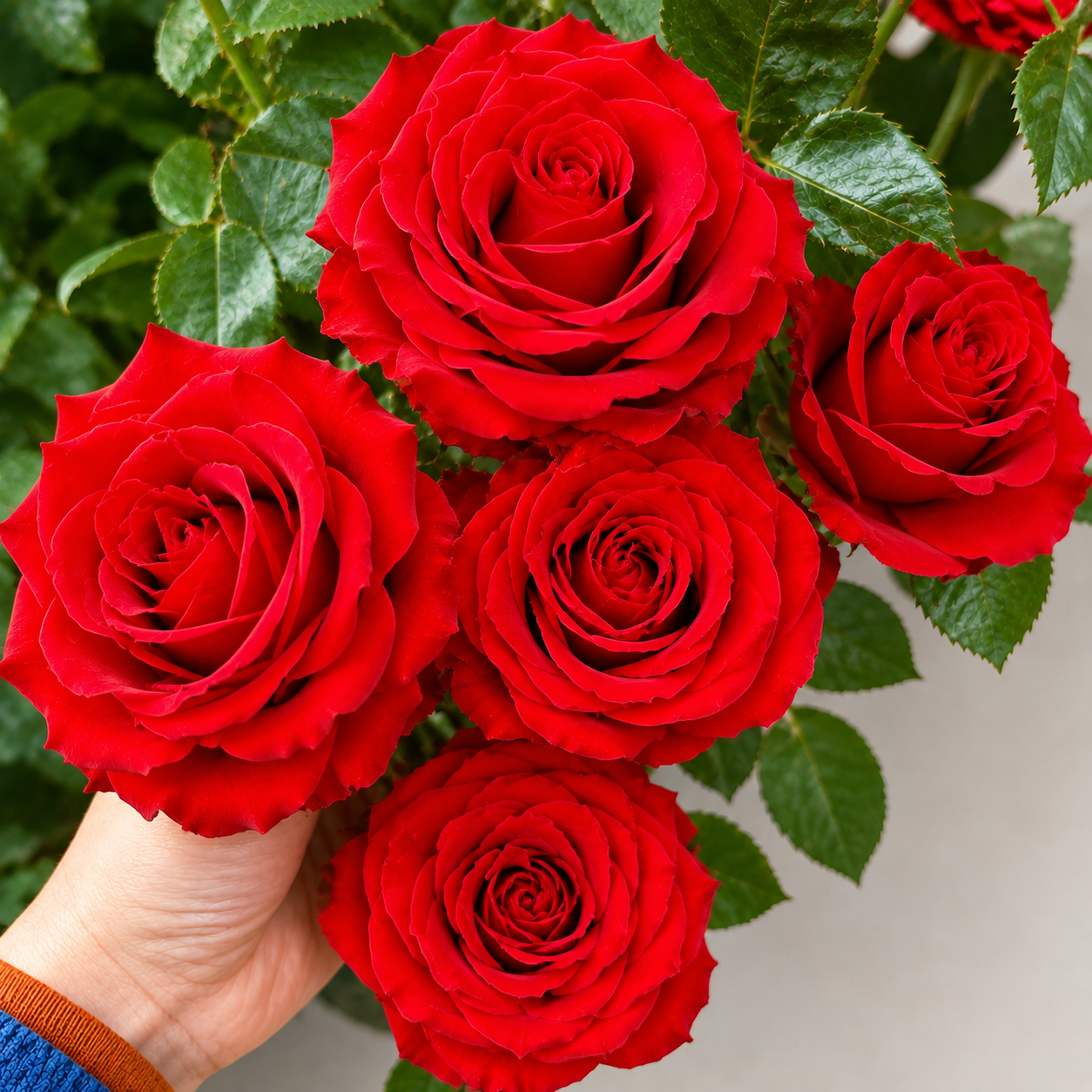
Bloody Mary became Freedom, and what followed was difficult to ignore. Donoso said sales increased drastically after the change, with the company concluding that buyers had associated negative connotations with the previous name. The story is particularly interesting because nothing about the rose itself had been reinvented. The same characteristics that existed under Bloody Mary remained when it became Freedom. What changed was the identity presented to the market, and Freedom subsequently became one of Rosen Tantau's important red varieties in Colombia and Ecuador.
It is difficult to establish from a single case how much of that success can be attributed exclusively to the new name. Markets change, customers change, and varieties gain momentum for many reasons. But Rosen Tantau's experience demonstrates something breeders cannot afford to ignore: a name can influence how a technically strong flower is received.
When the Flower Survives but the Name Becomes a Liability
Sometimes a rose's name is commercially fine when it is introduced. The problem arrives years later, when the world around that name changes. David Austin Roses provides an unusual example. In 2002, the company introduced Rosa 'AUSsorts' under the trade designation Mortimer Sackler, named for the American businessman who owned Purdue Pharma alongside other family members. Over the following years, the Sackler name became increasingly associated with controversy surrounding Purdue Pharma and the opioid crisis in the United States. Cultural and educational institutions that had previously accepted Sackler philanthropy began removing the family name from buildings and programs, and eventually the rose followed. In 2022, David Austin Roses changed its trade designation from Mortimer Sackler to Mary Delany, honoring the eighteenth-century English artist, gardener, and writer known for her intricate botanical paperwork.
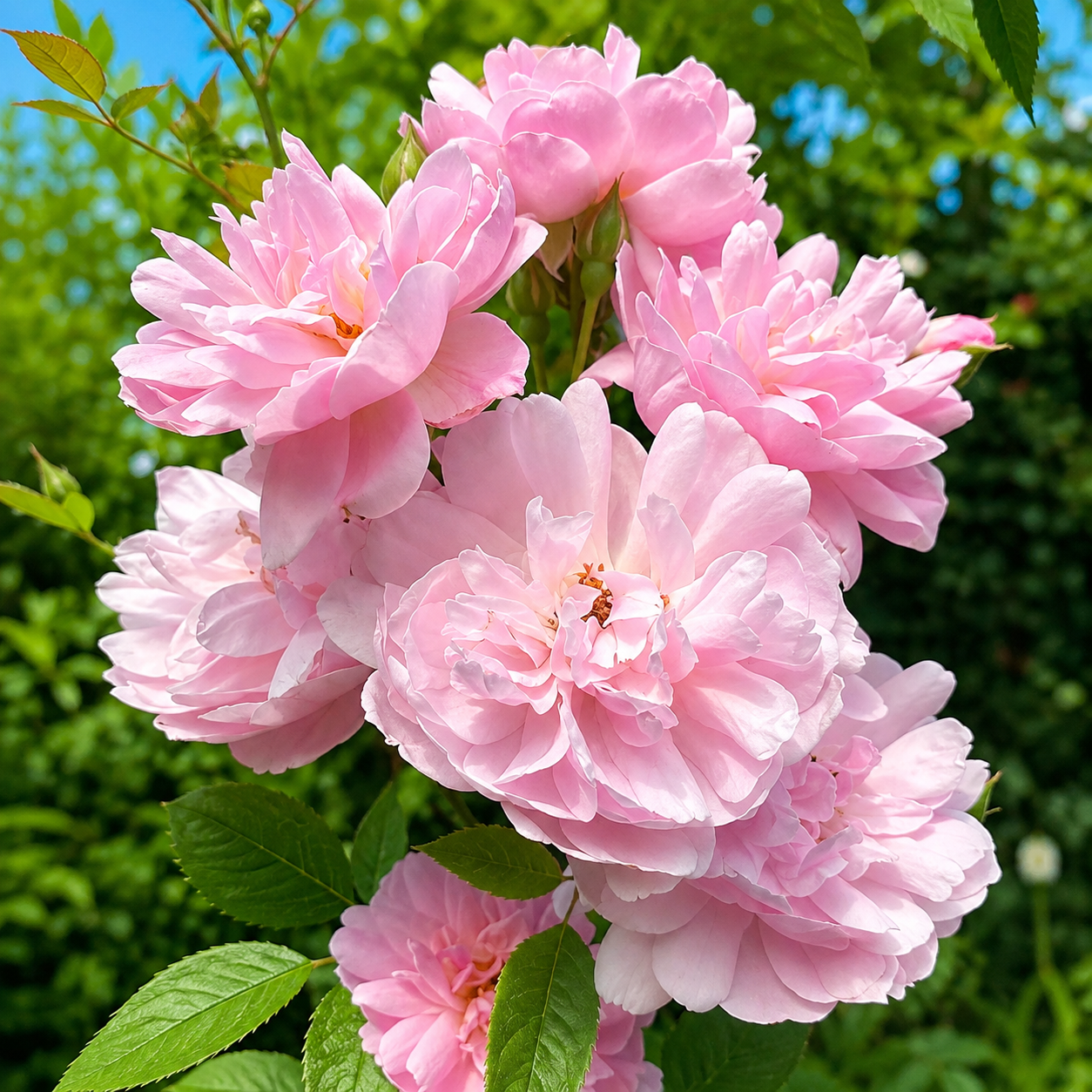
Royal Botanical Gardens Canada published a detailed account of the change, including the reasoning behind it. An important detail is hidden in that change. The rose itself remained Rosa 'AUSsorts' the whole time. That distinction reveals something consumers rarely encounter when buying a rose: the name prominently displayed in a catalog or garden center is not necessarily the same thing as the cultivar designation that identifies the plant. Changing the trade name allowed the commercial identity surrounding the rose to change. At the same time, the underlying cultivar remained the same, a reminder that although plants may remain biologically unchanged for decades, the cultural meaning attached to their names does not.
A Royal Name That Suddenly Became Difficult to Sell
A similarly unusual case unfolded in Britain in the early 1990s. Northern Irish breeder Colin Dickson introduced the patio rose 'DICracer' in 1992 under the name Duchess of York, referring to Sarah Ferguson. Then came a very public change in circumstances. After widely published photographs of Ferguson during a private holiday generated intense tabloid attention, garden writer Martin Stott reports that sales of the rose declined, and the variety was subsequently marketed as Sunseeker.
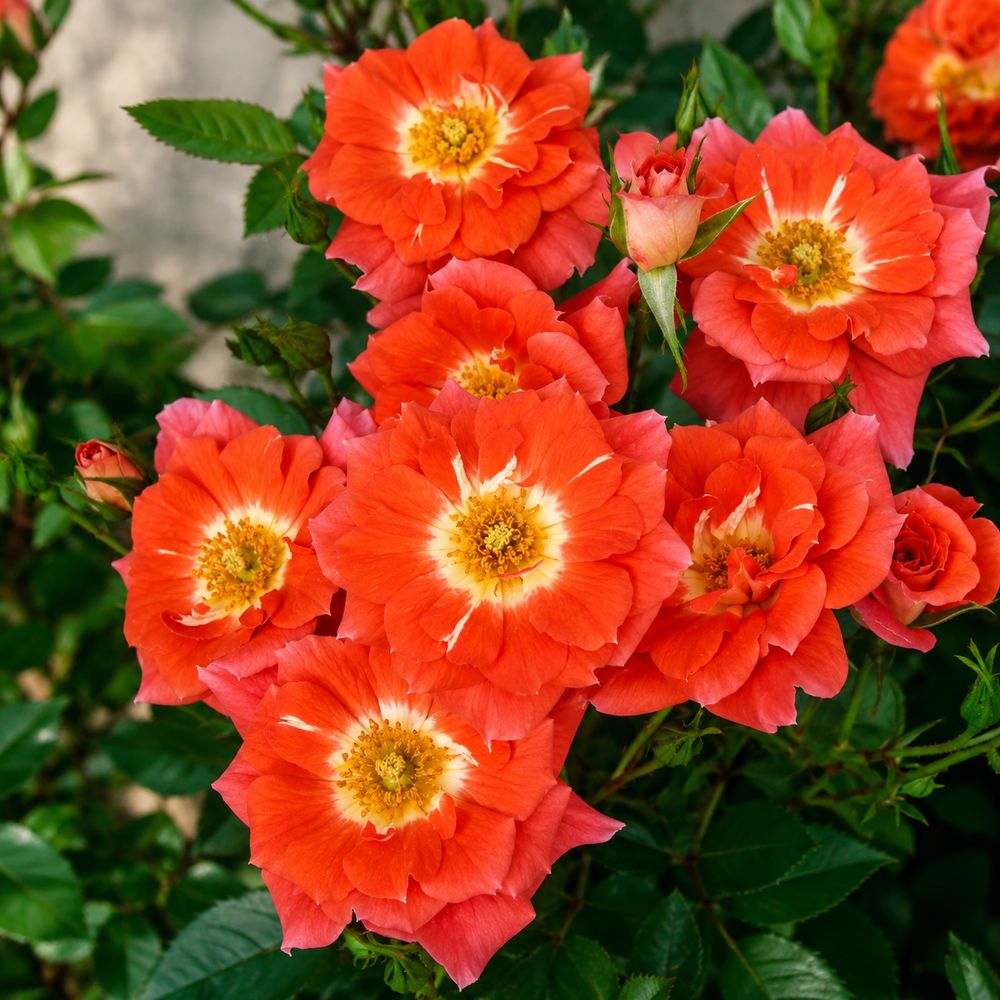
The rose itself did not disappear, and both the Royal Horticultural Society and Roses UK still list Sunseeker as the primary name today, with Duchess of York recorded as a documented synonym and 'DICracer' identifying the underlying cultivar. Once again, the plant survived its original public identity. What changed was the name customers encountered, and the episode shows one of the risks of attaching a living product to a living person. A breeder can spend years controlling crosses, evaluating plants, and selecting genetics, but cannot control what happens to the reputation of the person whose name eventually appears on the label.
Sometimes a Name Does Not Travel
Renaming does not always involve poor sales or controversy. Sometimes the explanation is much simpler: roses travel farther than names do. A variety developed in one country may eventually be sold across dozens of languages and cultures, and a name that feels immediately recognizable in its home market can lose its meaning somewhere else. One of the world's most famous white roses demonstrates this particularly well. W. Kordes' Söhne registered the cultivar 'KORbin' in Germany in 1958 and released it under the trade name Schneewittchen, German for Snow White. Across English-speaking markets, generations of gardeners have known the same rose as Iceberg, and in French-speaking markets it is sold as Fée des Neiges – three identities, one cultivar, all traceable to the same registration.
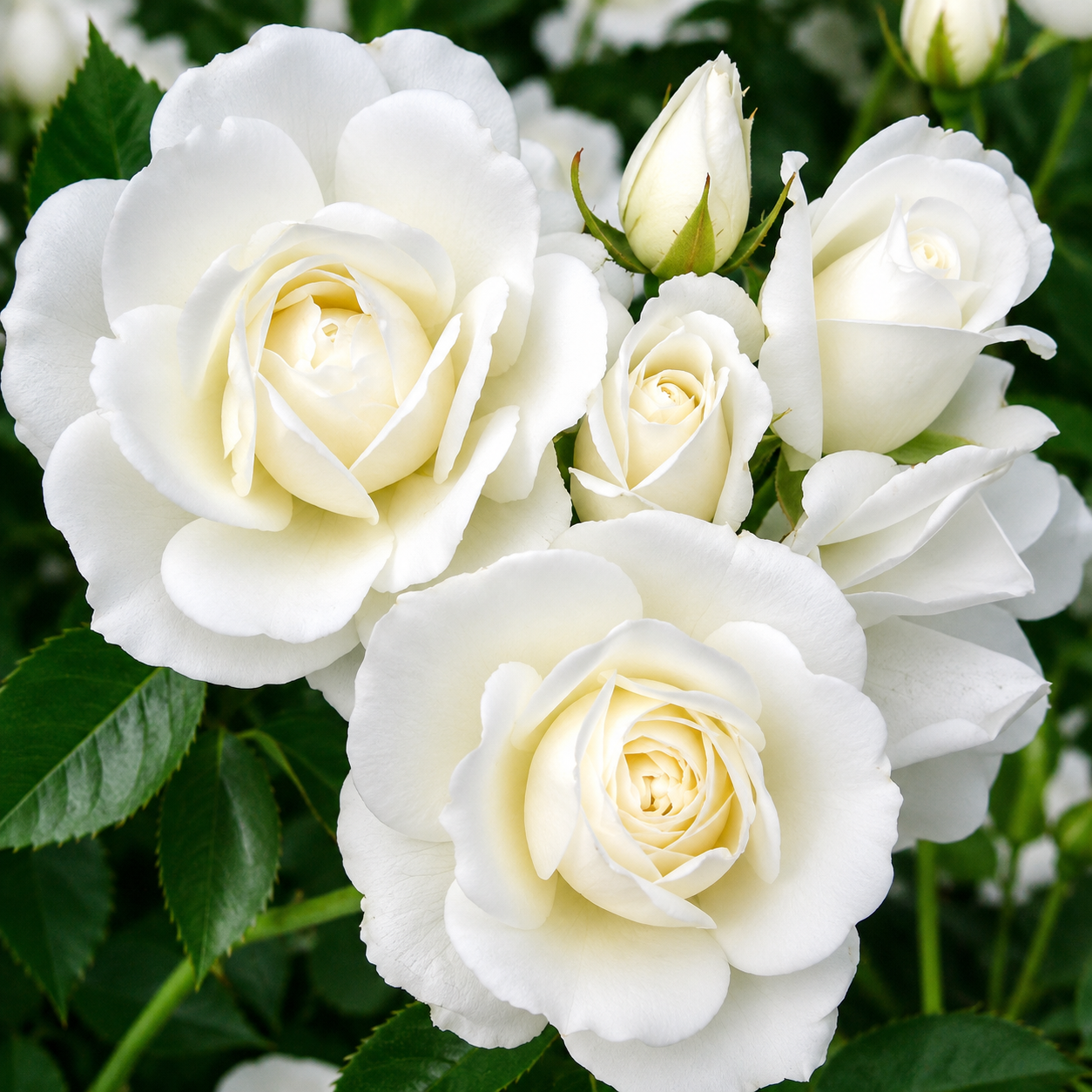
The difference becomes even more pronounced with Meilland's 'Meiclusif'. In France, Meilland markets the rose as Line Renaud, after the French actress, and in German-speaking markets it has long been known as Elbflorenz. Elsewhere, the same cultivar has also appeared under names including Dee-Lish and Forget Me Not, according to the variety's own registration records. This is where the difference between a cultivar identifier and a commercial identity becomes especially useful, because the genetics can remain traceable. At the same time, the name presented to consumers adapts to the market in which the rose is being sold. It also raises a fair question: when gardeners in different countries fall for roses carrying entirely different names, do they realize they may be buying the same plant?
A Rose Has Two Lives: The Plant and the Name
These examples come from different corners of the rose industry. Freedom belongs to the international cut flower trade, while Mary Delany, Sunseeker, Iceberg, and Line Renaud are primarily known through the garden rose market. Together, though, they expose something that applies much more broadly to breeding. Creating a successful rose does not end when the genetics are right. Breeders can spend years selecting for color, productivity, resistance, stem quality, fragrance, vase life, or garden performance, and yet eventually that highly technical process produces something decidedly less scientific: someone has to decide what people will call it, and that decision follows the rose everywhere.
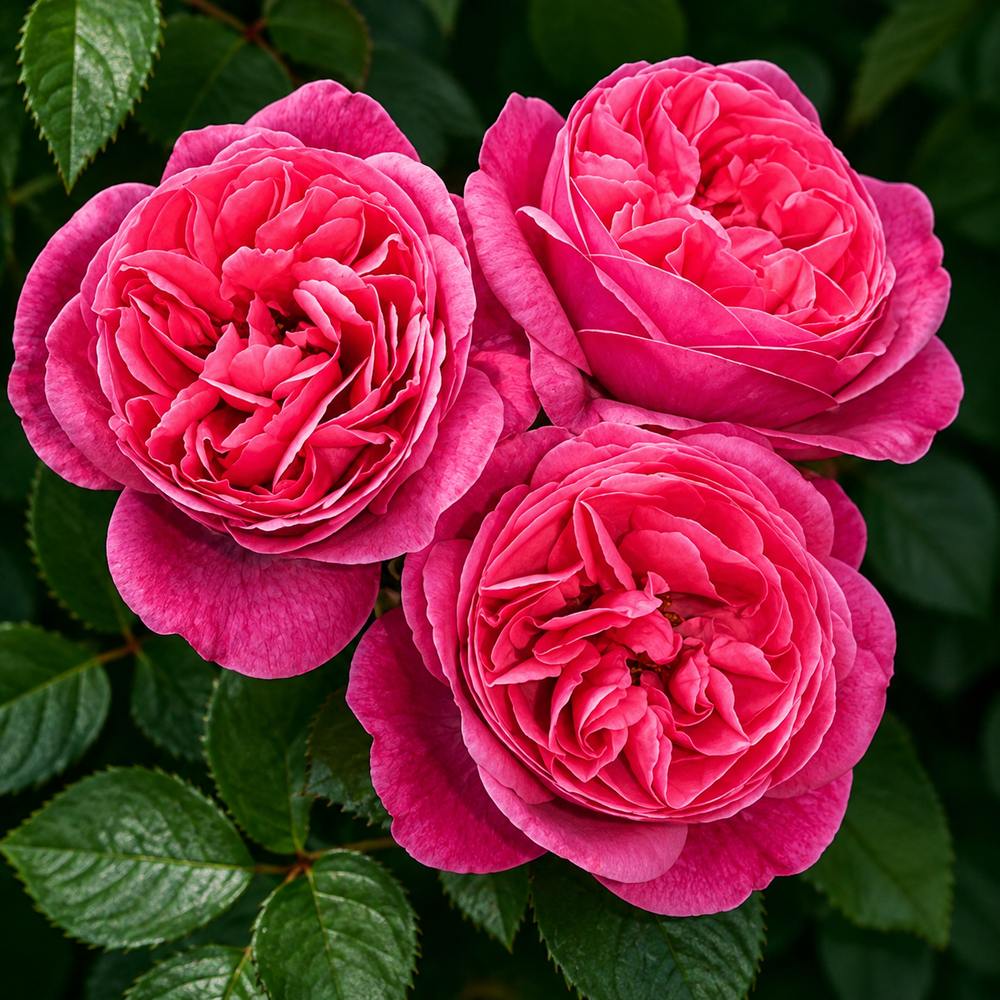
The name appears in catalogs. Growers use it when placing orders, sales teams introduce it to customers, florists ask wholesalers for it, gardeners search for it, and retailers print it on labels. Eventually, if the variety becomes successful enough, the name may become more recognizable than the breeder code underneath it, which makes naming more than a creative exercise. It becomes part of the variety's commercial life, and unlike genetics, names live in a world breeders cannot completely control. Languages change their meaning, markets interpret them differently, public figures fall in and out of favor, and cultural associations evolve. Sometimes a name fails to connect, while the flower itself remains exactly as it was. Perhaps that is the strangest part of these stories. A rose cannot know whether it is called Bloody Mary or Freedom, Mortimer Sackler or Mary Delany, Schneewittchen or Iceberg. Its genetics remain indifferent to whatever is printed on the label. Consumers are not, and sometimes the kindest thing a breeder can do for a good rose is to take its name away and give it a better one.