Wedding season is one of the busiest times of the year for florists. Orders increase, deadlines become tighter, and a single weekend can involve everything from preparing bouquets to installing large floral arrangements at a venue.
The work can be exciting, but it can also be physically demanding. Florists may spend hours standing, carrying buckets, conditioning stems, driving between locations, and working late to finish an installation.
During these busy periods, taking care of yourself can easily become an afterthought. However, simple habits around food, water, rest, movement, and recovery can make long working days easier to manage.
Start the Day With Enough Energy
A busy wedding day often starts earlier than expected. Flowers may need to be collected, arrangements prepared, and vehicles loaded before the rest of the team arrives. Starting the day without eating can make a demanding schedule even harder.

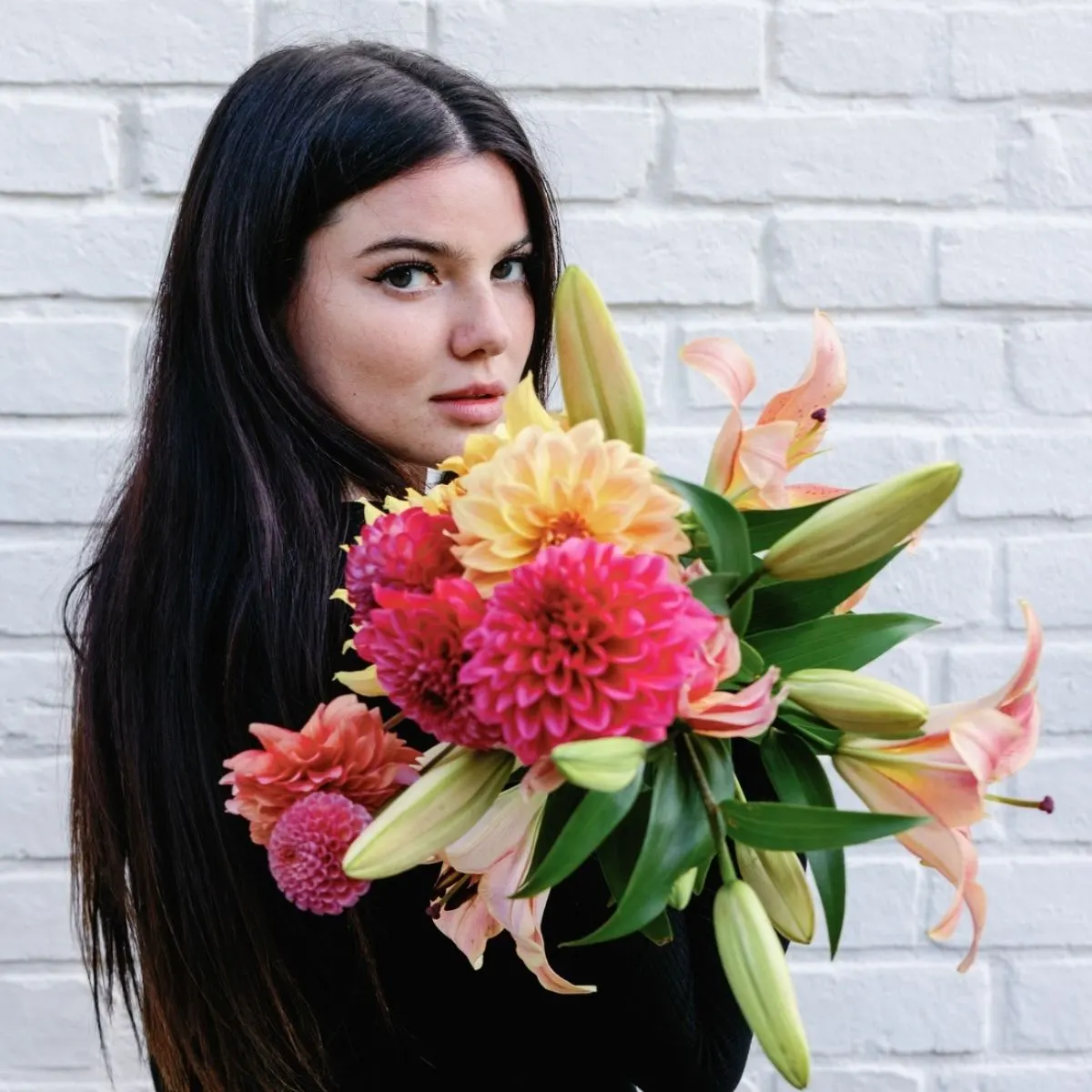
Photo by Vivien Beauty
A balanced breakfast can provide a useful starting point for the day. Depending on personal preferences, this could include whole grains, fruit, eggs, yogurt, or other foods that provide a combination of carbohydrates, protein, and healthy fats. The goal is not to create a complicated meal plan. It is simply to avoid beginning a long day completely empty.
Keep Water Close While You Work
Florists spend a surprising amount of time around water without necessarily drinking enough of it. Buckets need filling, flowers need conditioning, and arrangements may require constant attention. During outdoor installations, especially in warm weather, fluid needs can increase further.
Keep a water bottle somewhere that is easy to reach during the workday. If you move between the studio, vehicle, flower market, and venue, take the bottle with you. Small, regular drinks are easier to remember when hydration is built into the working routine.
Plan Food Before the Busy Period Starts
Wedding installations rarely follow a perfect schedule. A florist may expect to take lunch at noon but still be arranging flowers at two because a delivery arrived late or a design took longer than expected.
Preparing food in advance can help avoid relying entirely on whatever is available at the venue or nearby. Simple meals and snacks can be prepared before a busy day and kept ready to take to the studio or event location.
Fruit, nuts, yogurt, sandwiches, whole-grain snacks, or other convenient foods can help provide something to eat when there is little time for a full meal.
Take Short Breaks During Long Installations
When there is a deadline, stopping can feel impossible. However, standing and working continuously for several hours can leave the body feeling exhausted. Even short breaks can provide an opportunity to sit down, drink water, eat something, and reset before continuing.
A five-minute pause does not mean losing focus on the job. It can actually help you return to the work with better concentration. If you are working as part of a team, consider rotating tasks so that one person is not constantly carrying buckets or working overhead.
Prepare for Physically Demanding Work
Floral installations can involve more physical work than customers may realize. Buckets filled with water are heavy. Large arrangements can require carrying containers across venues. Wedding arches, hanging installations, and large-scale designs may also require reaching, lifting, bending, and standing for extended periods.
Good preparation matters. Wear comfortable shoes that provide appropriate support. Use suitable equipment when moving heavy containers and ask for help when something is too heavy to handle safely alone.
There is no benefit in trying to prove that you can carry everything yourself.
Manage Your Energy During Long Days
Energy management becomes particularly important when a wedding installation runs from early morning into the evening. Regular meals, hydration, short breaks, and adequate sleep should form the foundation of your routine. Some florists and other active professionals may also include products such as Naked Energy in their routine before demanding activities.
Any supplement should be considered alongside your overall diet and personal needs rather than as a replacement for proper food, water, or rest.
Look After Your Hands
Your hands are among the most important tools you have as a florist. During wedding season, they may be exposed to water, soil, stems, thorns, floral mechanics, cleaning products, and repeated washing.
Keep cuts clean and protected, especially when working with flowers and equipment. Gloves can also be useful for gardening, cleaning, and tasks where they do not interfere with the precision needed for floral design. At the end of the working day, washing your hands gently and applying moisturizer can help them recover from repeated exposure to water and other materials.
Protect Your Back and Shoulders
Long periods of bending over design tables can place strain on the back and shoulders. Try to adjust your working height where possible instead of spending hours in the same position. When lifting buckets or boxes, use proper lifting technique and ask someone to assist with heavier loads.
Changing positions throughout the day can also help reduce the strain caused by repetitive work. These small adjustments are particularly useful during wedding season when the same tasks may be repeated for several consecutive days.
Make Sleep Part of the Work Schedule
Sleep is often the first thing to disappear during a busy wedding season. A late-night installation followed by an early morning flower delivery can quickly create a cycle of exhaustion.
Whenever the schedule allows, protect your sleep just as you would protect an important client appointment. Try to maintain a regular bedtime when possible, reduce unnecessary late-night work, and prepare equipment and supplies in advance so that you are not solving avoidable problems at midnight.
Give Yourself Time to Recover
The end of a wedding is not necessarily the end of the physical workload. There may still be containers to collect, equipment to clean, flowers to dispose of, and materials to return to storage.
After a particularly demanding event, allow yourself some recovery time where possible. A lighter schedule, a proper meal, hydration, gentle movement, and enough sleep can make the next working day easier. Floristry is creative work, but it is also physical work. Recovery should be treated as part of the job.
Don't Forget the Mental Side of Wedding Season
Wedding work can also be mentally demanding. Clients may have high expectations, venues can change plans at the last minute, and florists often have to solve problems quickly while keeping everything looking effortless. Taking a few minutes away from the work can help clear your head.
Simple activities such as walking outside, listening to music, spending time with family, or enjoying your own garden can create a useful separation between work and personal time.
Build a Sustainable Routine
Self-care works best when it becomes part of the normal working routine rather than something reserved for days when you are already exhausted. Keep water nearby. Prepare food before busy days. Wear comfortable footwear. Take short breaks. Protect your sleep. Ask for help with heavy work.
None of these habits requires a major lifestyle change. They simply make it easier to look after yourself while continuing to do the work that needs to be done. Wedding season can be one of the most rewarding periods of the year for a florist. Seeing months of planning come together in a finished venue makes the long days worthwhile.
But taking care of yourself should not be considered separate from doing good work. Your hands, eyes, back, concentration, and energy are all part of your professional toolkit. Looking after them can help you handle demanding installations and busy schedules with greater comfort.
The flowers may be the focus of the wedding, but behind every successful floral installation is a florist who has put in the time, skill, and physical effort to make it happen.