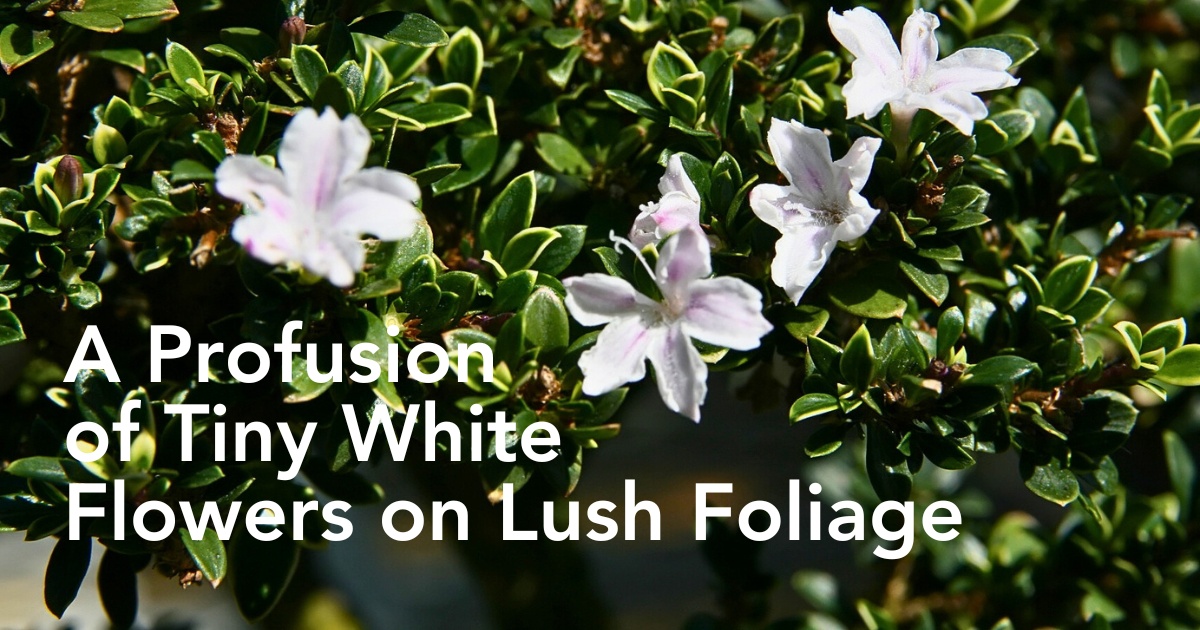
Tired of houseplants that sulk at the slightest change? Then you need to meet Serissa foetida, better known as the tree of a thousand stars or snow rose. This petite Southeast Asian native hardly asks for much attention, but when conditions align, it flowers with delicate white flowers that almost blanket the entire plant. This small evergreen has, rightly, earned its nickname as the tree of a thousand stars, due to those tiny white flowers that dot its foliage, virtually year-round.
This plant fits comfortably on a windowsill but carries itself with the dignity of a much larger plant, making it a favorite among bonsai lovers. If, then, you seek a bonsai tree masterpiece or an indoor focal point with serious character, knowing what makes this particular beauty tick will change your growing game completely. Here’s why.
Origins and Natural Habitat of Serissa Japonica
The Serissa foetida, as noted, hails from the warm, humid regions of Southeast Asia, where it grows naturally in open sub-tropical woodlands and wet meadows. This evergreen shrub, also known as Japanese boxthorn, thrives in its native range across Southeast Asia, from India through China to Japan and surrounding areas, where it has adapted to consistent moisture and filtered light.
In the wild, this plant, also known as Serissa japonica, typically grows as a small tree with a neat habit, rarely exceeding 1 meter (3 feet) in height. Its natural preference for partial sun and consistently moist soil makes it well-suited to growing conditions found along forest edges and in damp, protected areas. The plant's adaptation to sub-tropical woodlands has made it somewhat finicky about its care requirements when cultivated elsewhere.
Serissa Foetida Taxonomy and Related Species
While Serissa japonica is the botanical name, it is often listed as Serissa foetida in cultivation. It is a member of the Rubiaceae family, which includes coffee plants, indicating this shrub's tropical nature. Several cultivars are now available in commerce, with variations in flower form and foliage.
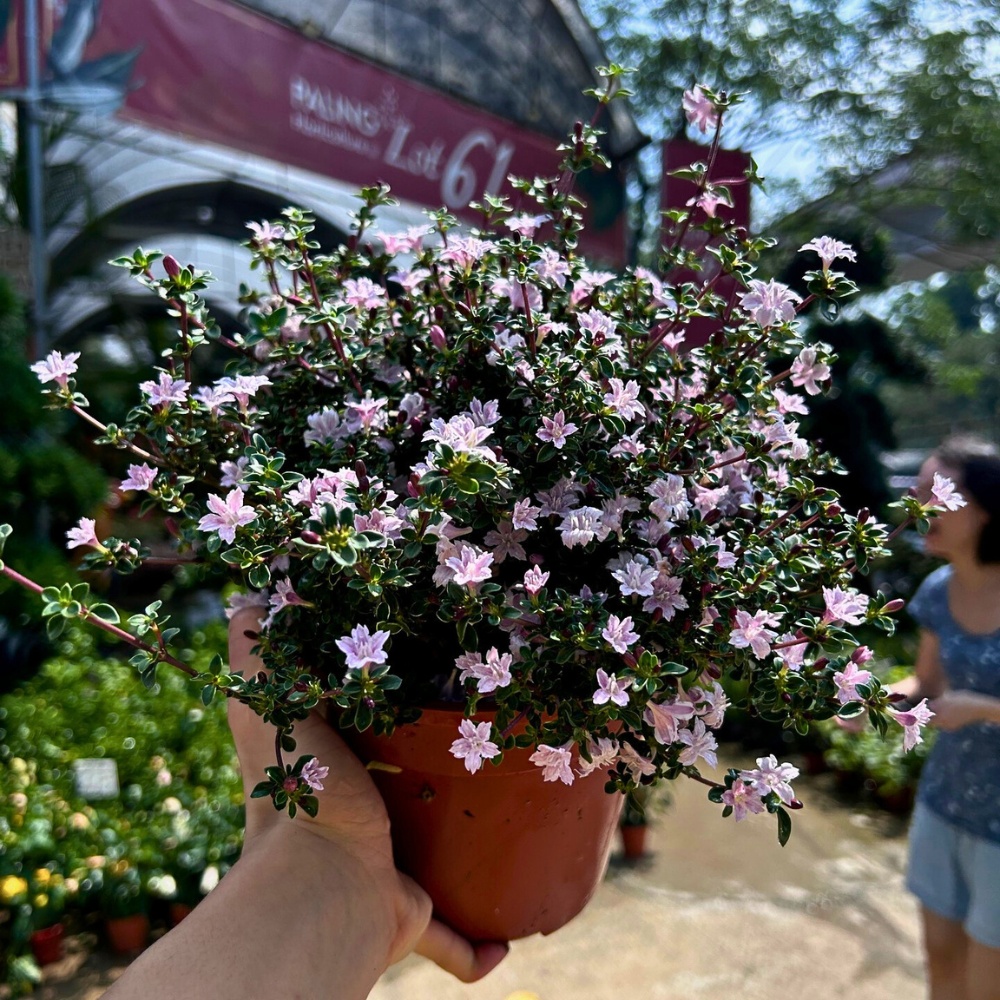
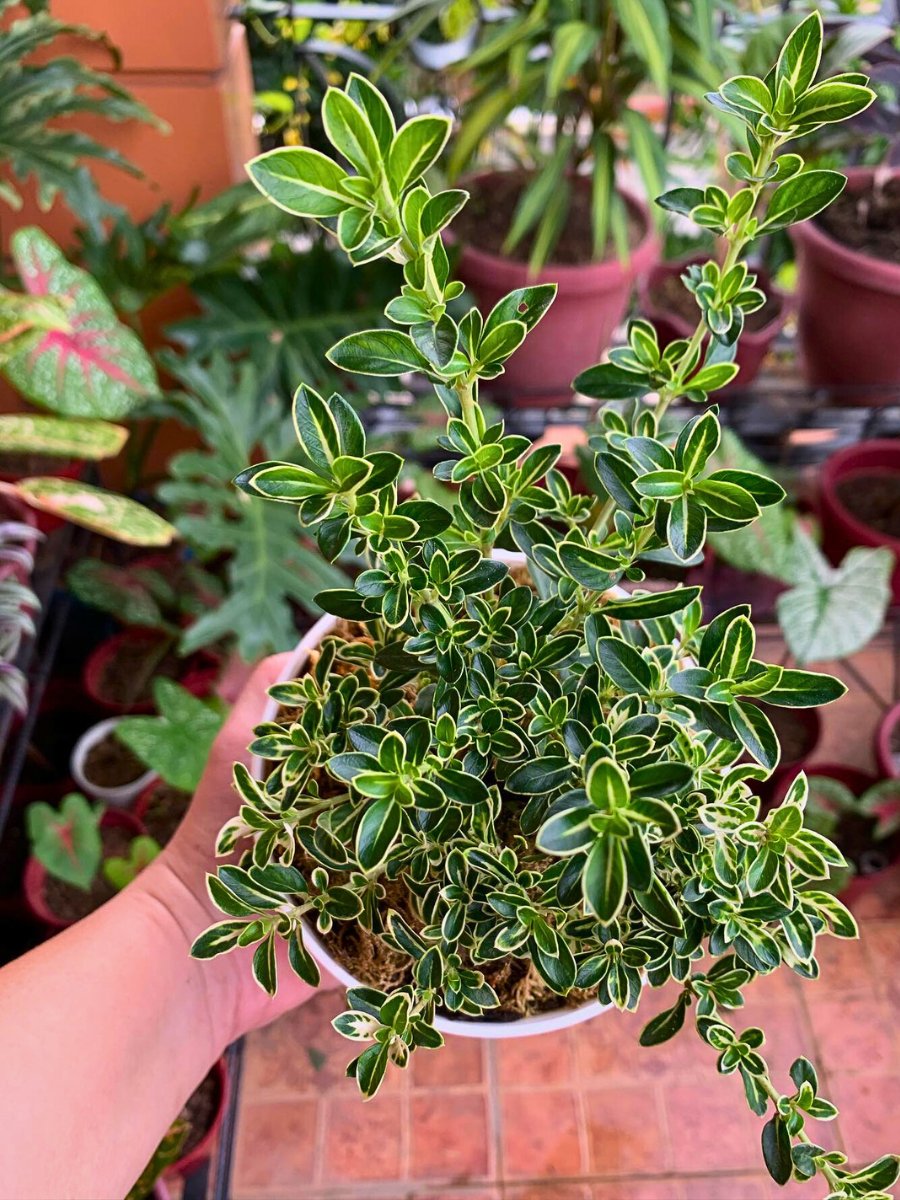
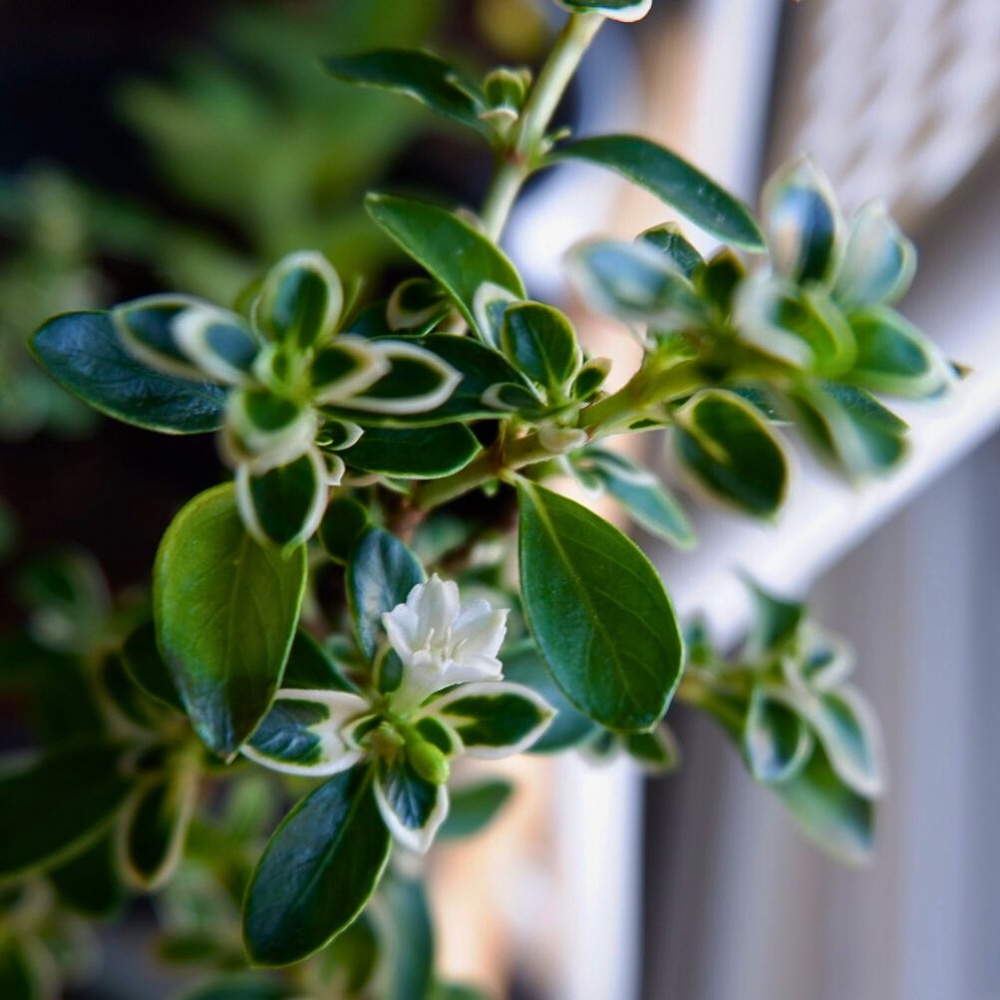
The Pink Snow Rose displays pale pink flowers with cream-edged leaves, while variegated forms offer foliage interest well beyond the flowering season. There are several other notable cultivars.
Understanding the Snow Rose Tree of a Thousand Stars
Serissa japonica is the sole species in the Serissa genus of the Rubiaceae family. The plant gets its name foetida from the distinctly unpleasant smell released when its bark and roots are crushed or bruised, though this rarely affects its enjoyment. The terms ‘snow rose’ and ‘tree of a thousand stars’ actually refer to different cultivars of Serissa foetida, distinguished primarily by their flower shapes and sizes.
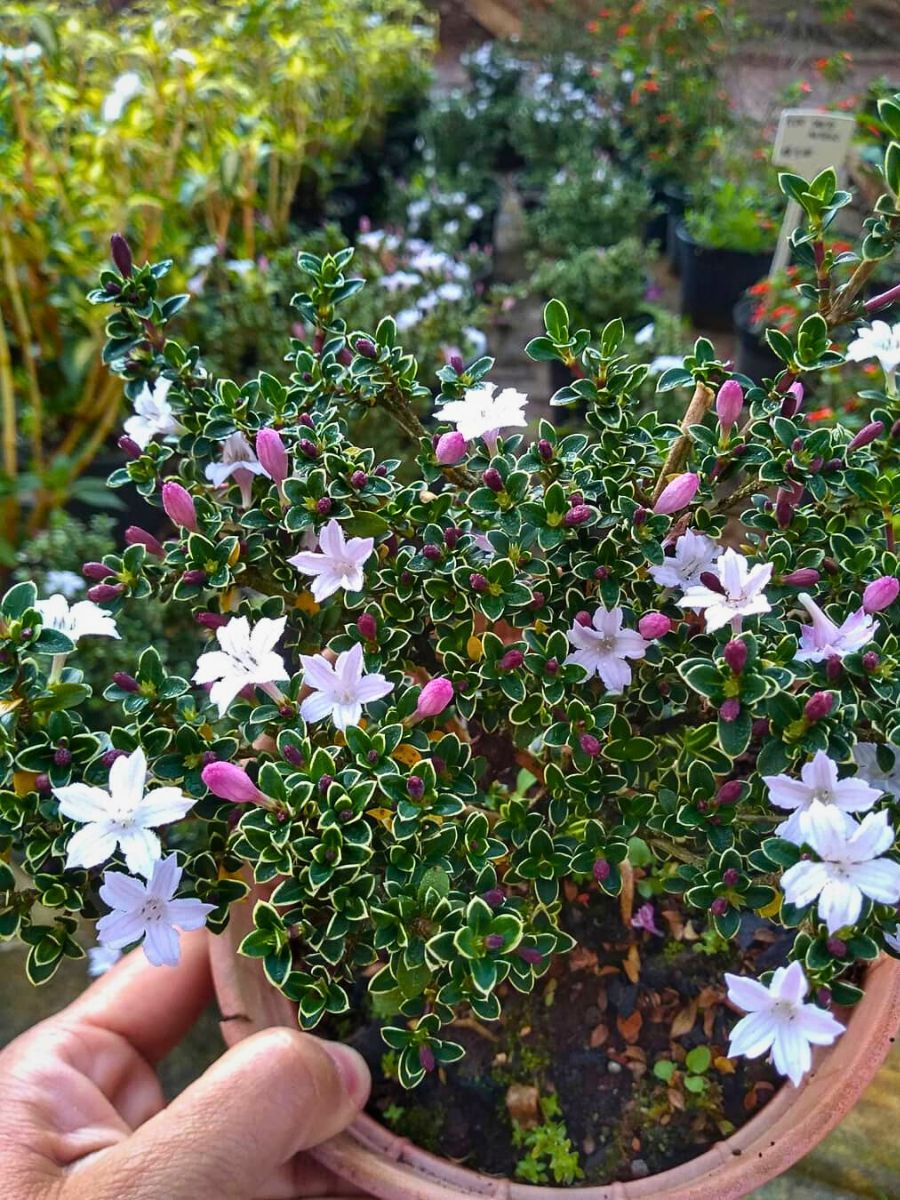
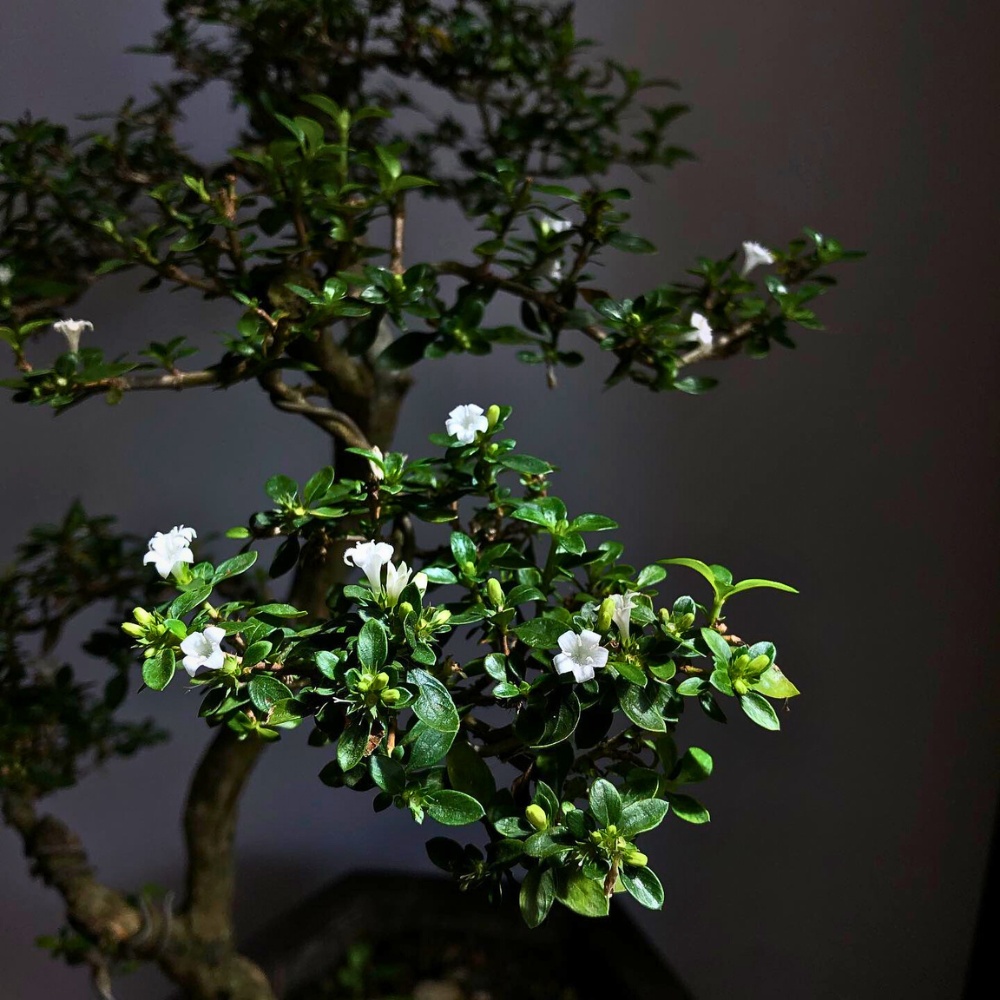
This Serissa bonsai tree is highly sought after for its natural tendency toward dense branching from both old wood and new growth, making it ideally suited for bonsai cultivation. It typically grows as a compact evergreen or semi-evergreen shrub, reaching 45-60 cm in height as a mature specimen. Its container-grown versions often stay smaller.
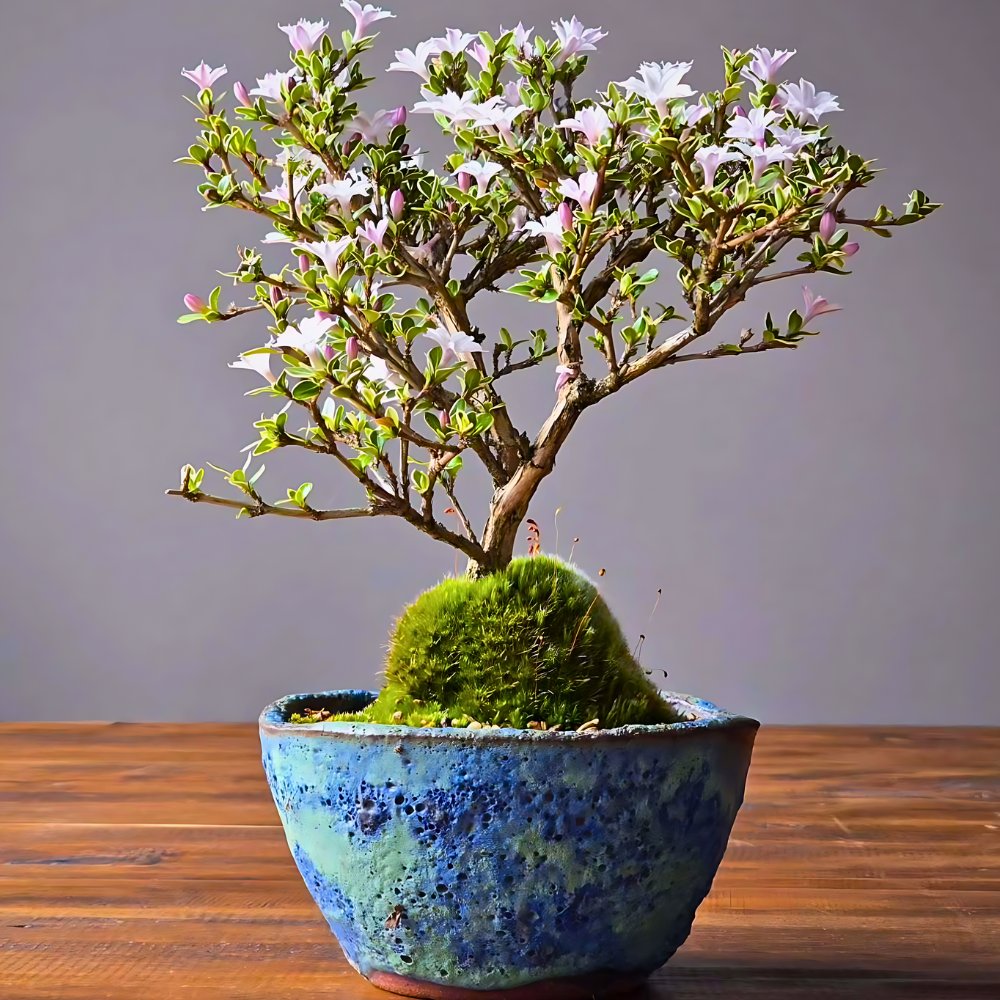
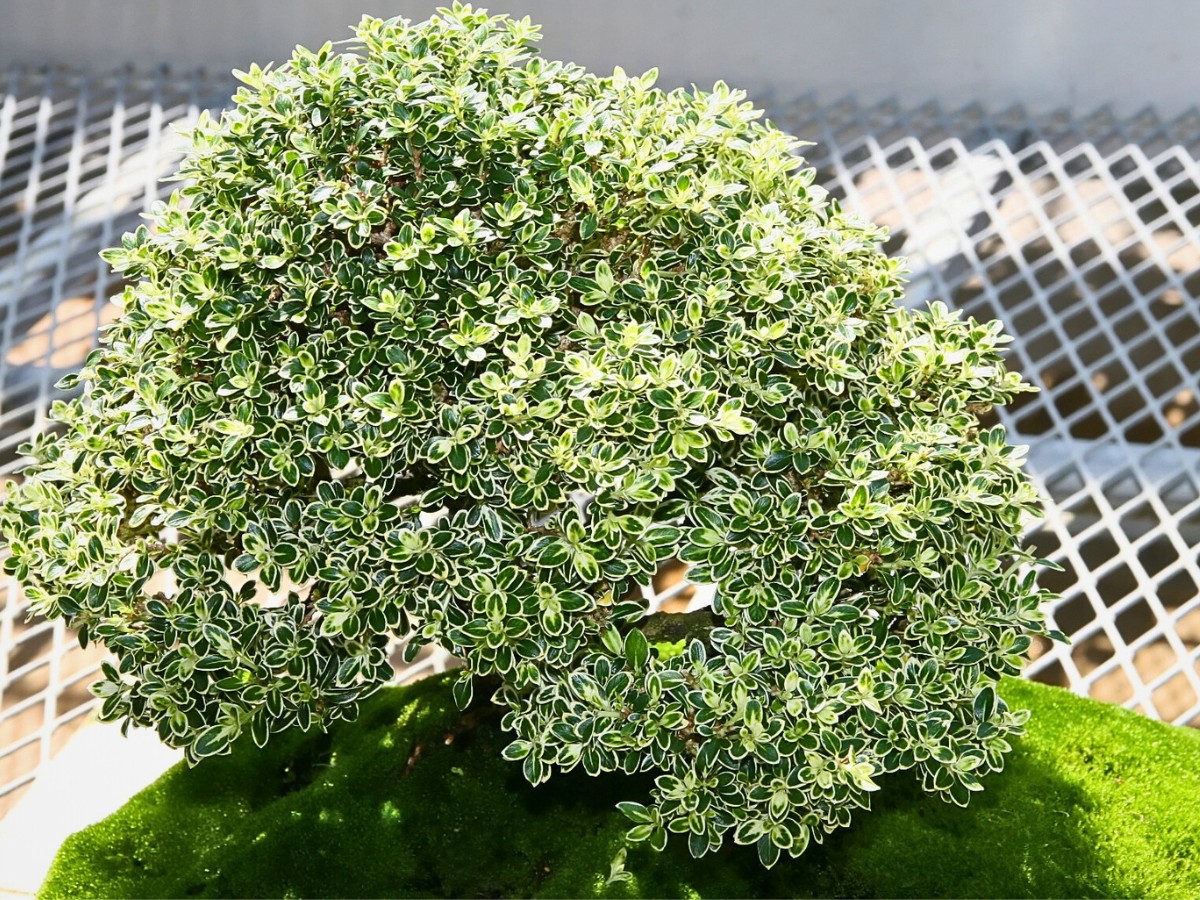
This small bonsai tree displays several distinctive features that make it instantly recognizable. Its shiny green leaves are small and oval, creating dense foliage that covers the tree year-round. The bark on older trees develops an attractive grey trunk with interesting texture, while the gnarled trunk on mature specimens adds considerable character.
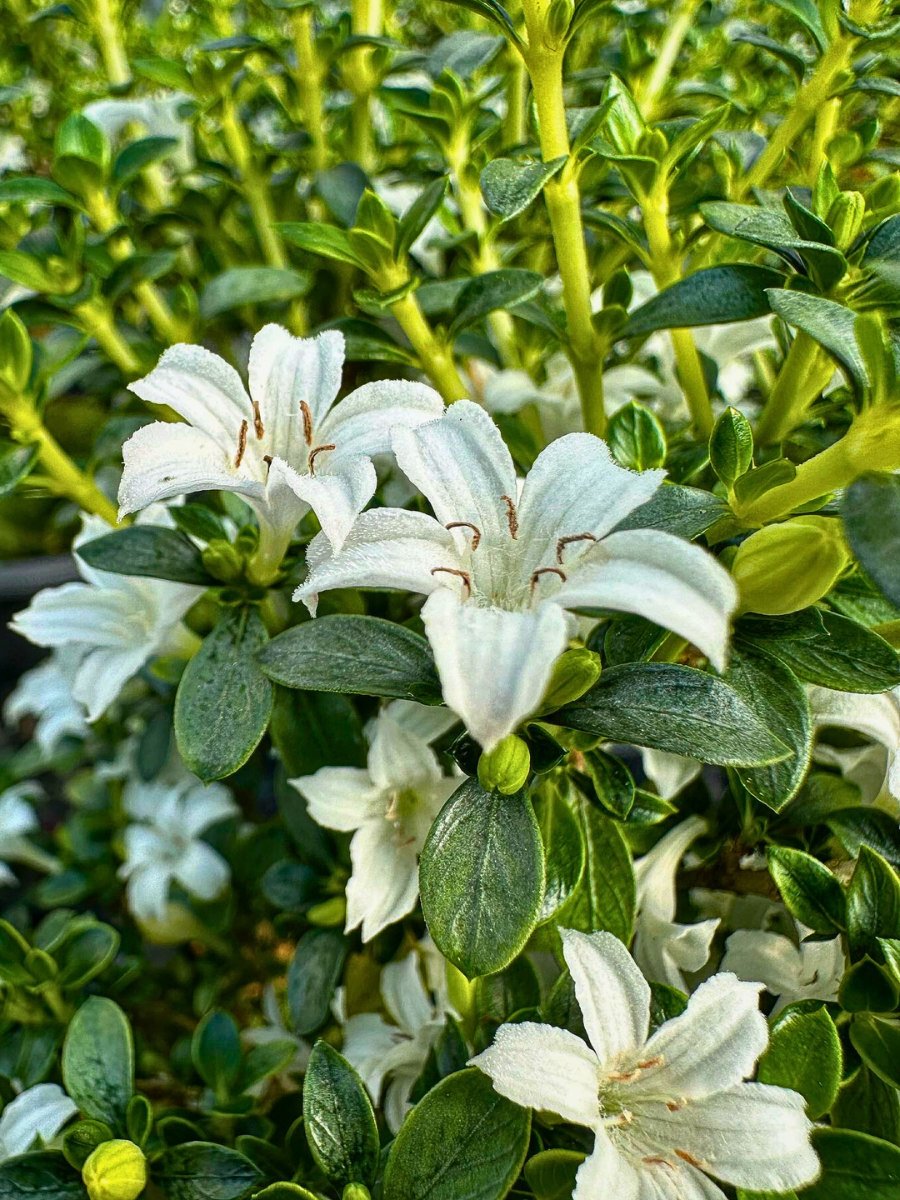
The upright stems branch freely, creating a natural tree shape that is well-suited to bonsai cultivation. Over time, the plant develops a wide bushy dome when left unpruned, though most growers prefer to maintain a more compact tree shape. Plus, the deep green foliage provides an excellent backdrop for the frequent flowering that makes this plant so special.
Those Famous Flowers of Serissa Bonsai Tree
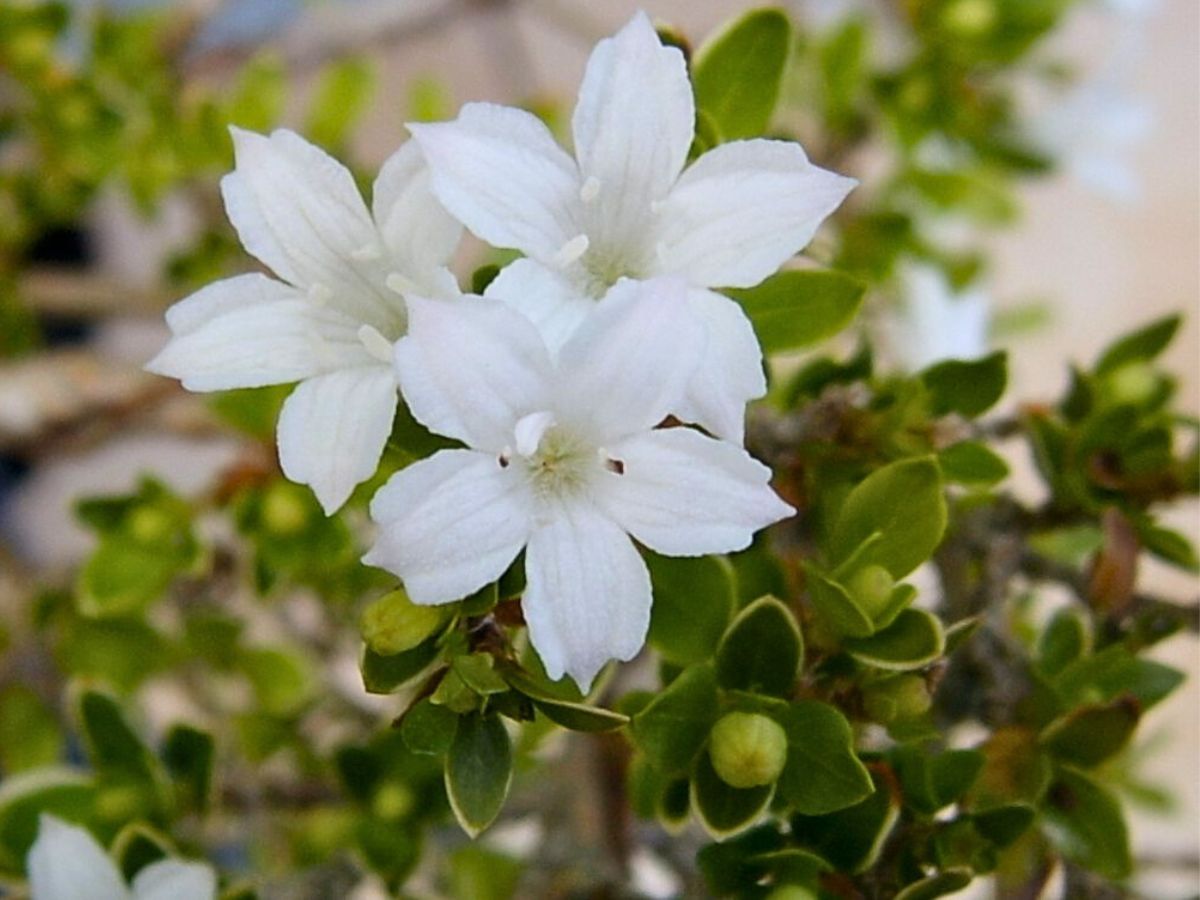
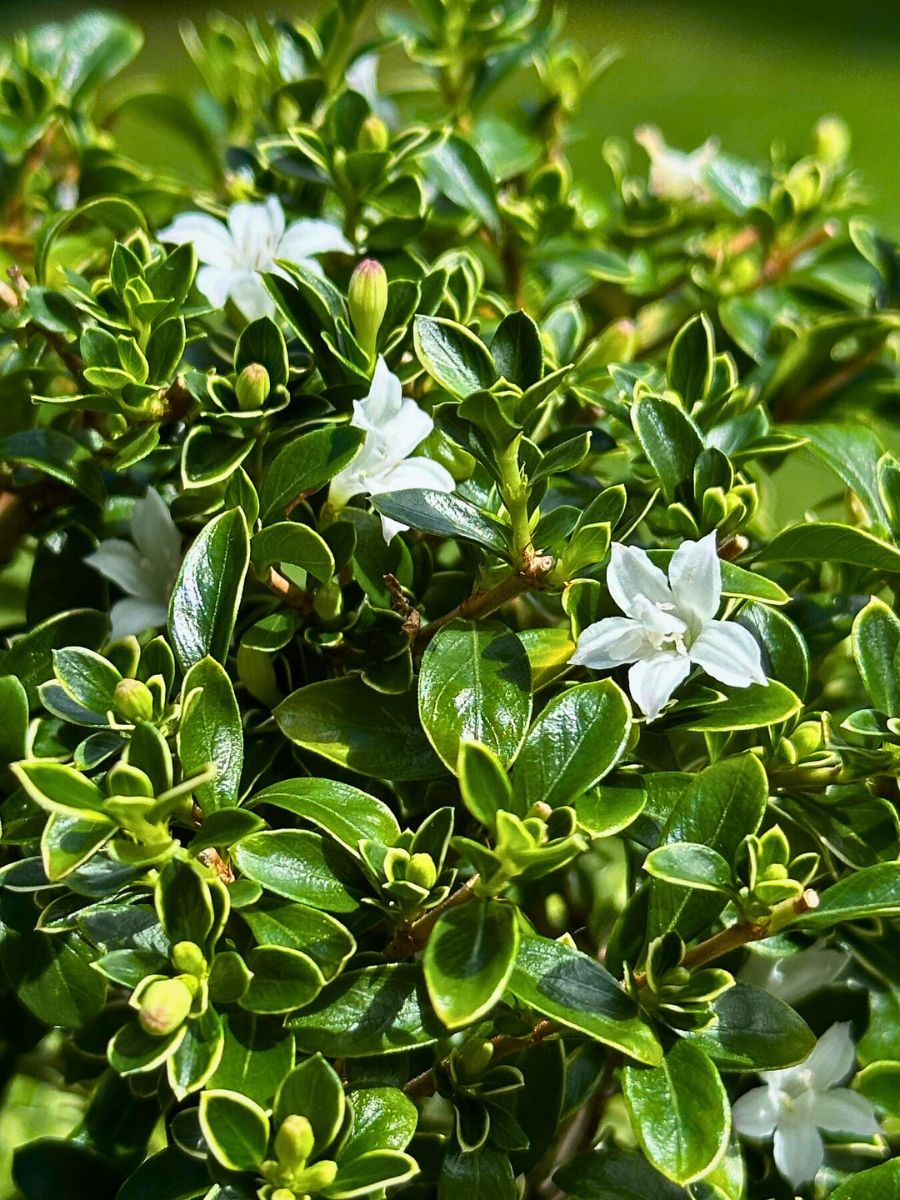
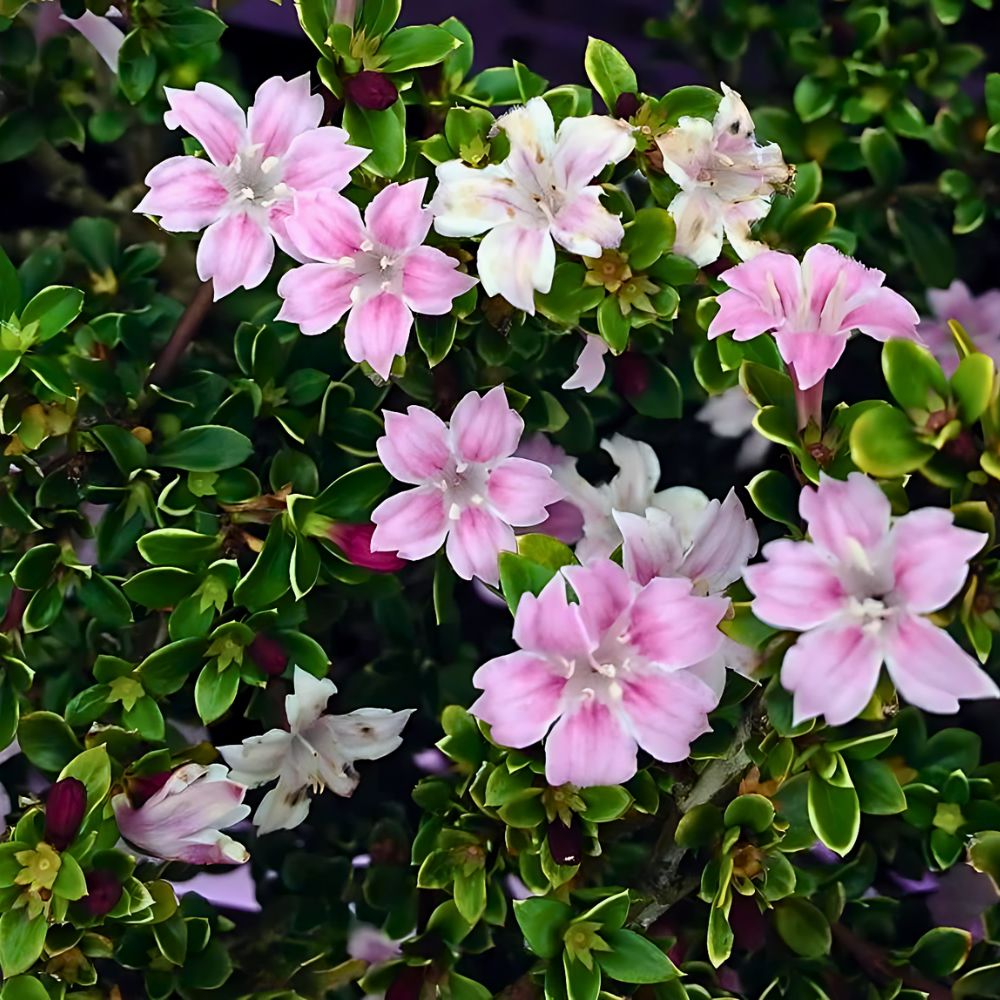
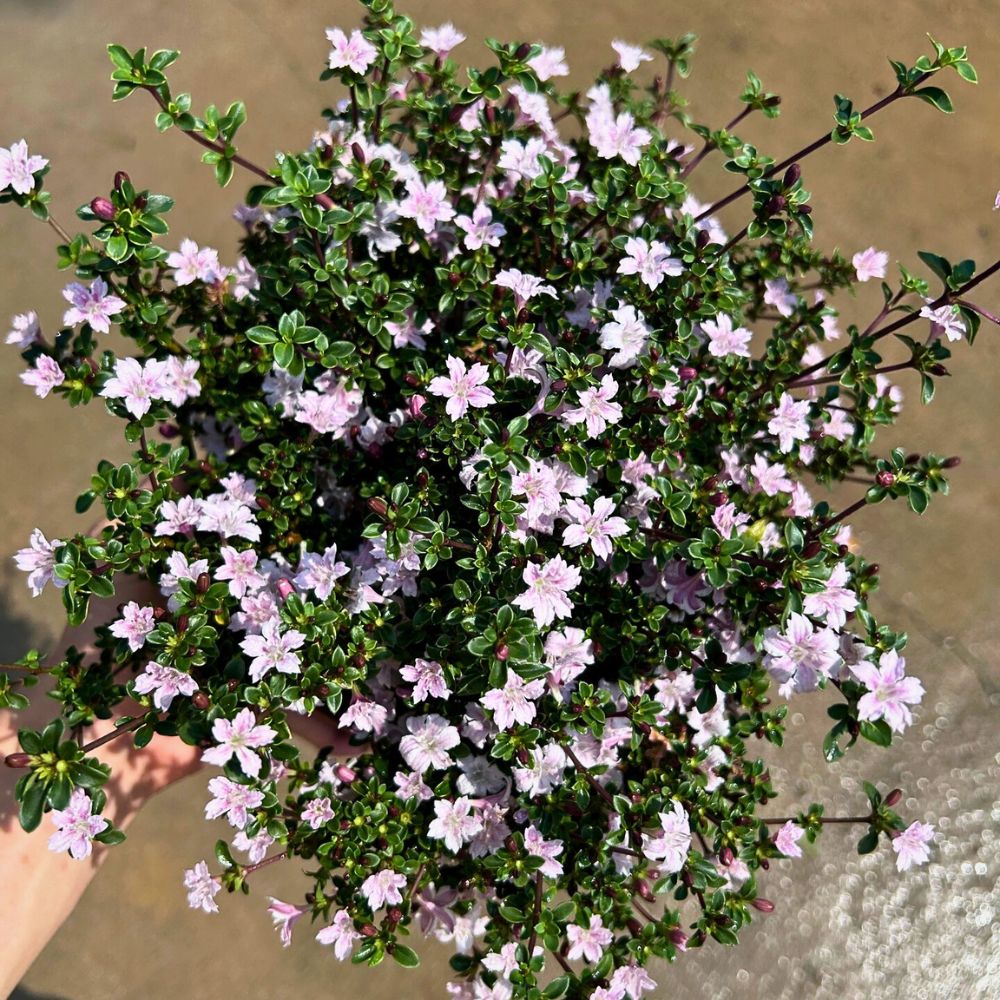
Perhaps what also makes the Serissa bonsai plant so special is its long flowering period. The tiny white flowers appear throughout the growing season, hence the common nicknames ‘tree of a thousand stars’ or simply ‘thousand stars.’ These funnel-shaped flowers measure only about half an inch across but appear in such abundance that they nearly cover the foliage’s entirety.
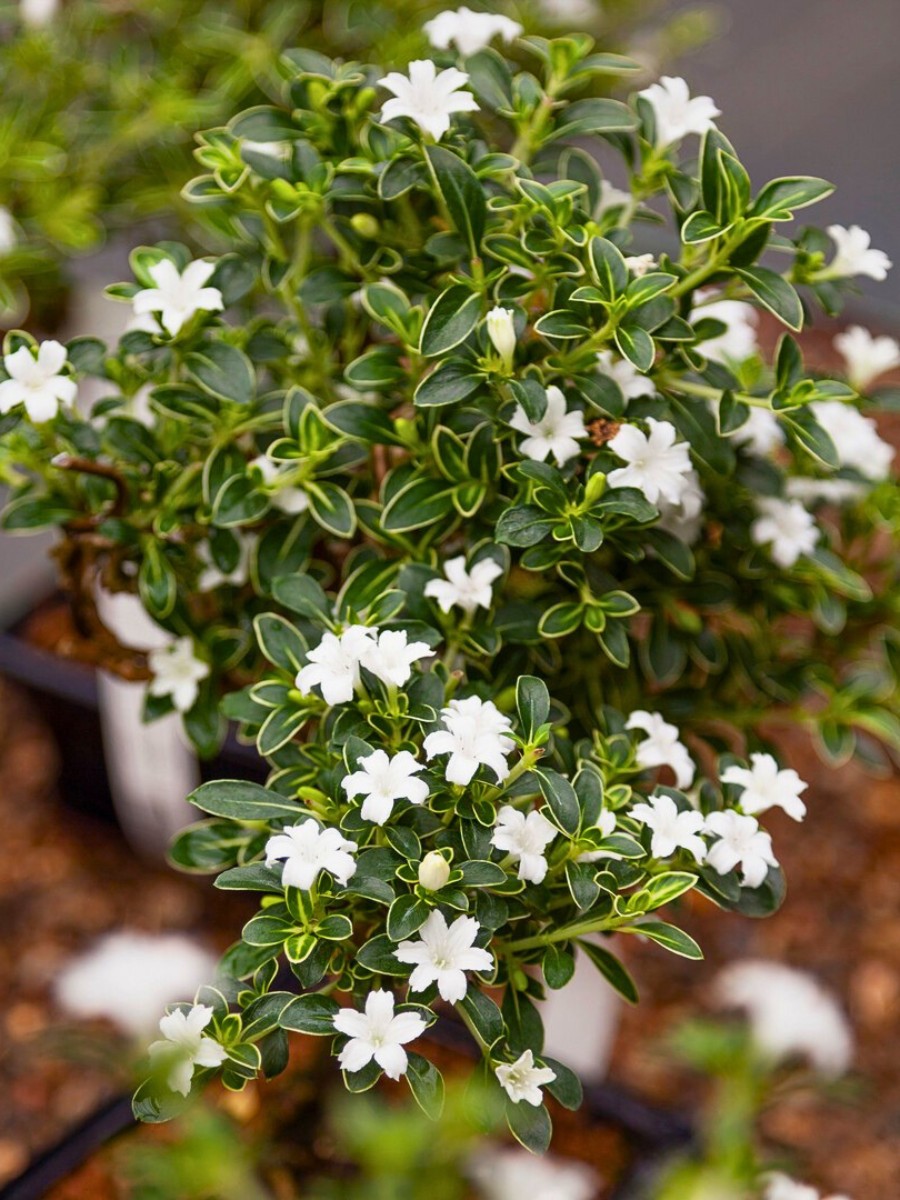
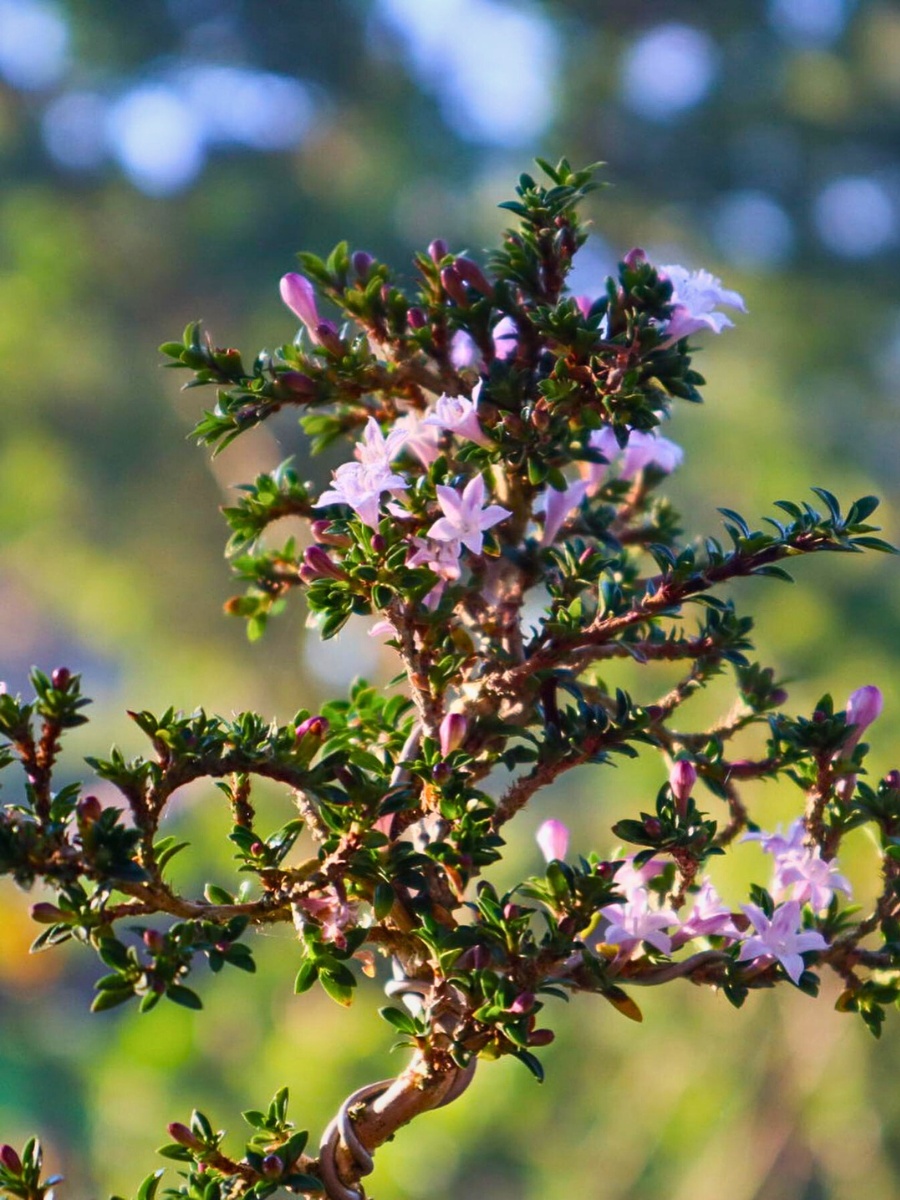
Different cultivars produce variations on the basic white flowers. Some varieties feature pink-tinged blossoms, while others have double flowers produced in even greater profusion. The flowers appear most heavily from early spring through autumn, though under proper growing conditions, you might see them scattered even in winter.
How to Grow the Serissa Foetida Successfully
Light is important, so getting the plant’s light requirements right is essential when growing Serissas. They prefer bright, indirect conditions rather than full sun, which can scorch their foliage. Indoors, place your Serissa bonsai tree near a window that receives good morning or late-afternoon light.
Still, if keeping the plant indoors during the winter months, ensuring approximately 1000 lumens of light proves essential. Many growers use grow lamps for 12 hours per day to prevent deterioration. However, four to six hours of light per day also keeps the plant healthy and encourages steady bud formation.
Outdoor cultivation works well in warmer months, provided the tree receives partial sun rather than intense afternoon heat. Too little light results in weak growth and reduced flowering, while excessive direct sun can cause the shiny green leaves to yellow or brown at the edges.
Regarding temperature and humidity, the Serissa foetida plant prefers temperatures between 16°C and 24°C (60-75°F), or slightly lower. Being tropical in origin, it dislikes cold drafts and sudden temperature swings. Young trees are particularly sensitive to environmental stress and may respond by dropping leaves when moved or exposed to unfavorable conditions.
Humidity is equally important for healthy foliage and frequent flowering. These plants prefer high air humidity, so take steps to increase it around your Serissa foetida bonsai. Place the pot on a humidity tray, group it with other plants, or use a room humidifier. During winter, when indoor heating dries the air, maintaining adequate humidity is especially important.
Proper watering also makes the difference between a thriving Serissa and a struggling one. The goal is to keep the rootball moist without allowing it to be waterlogged. Check the soil daily during the growing season and water when the surface begins to dry slightly. The roots are sensitive to both drought and soggy conditions, so consistent moisture is important.
As temperatures cool in autumn, slightly decrease watering frequency while still preventing the soil from drying completely. Even in winter, the rootball should never be allowed to dry out entirely, though you'll need less frequent watering than during active growth. The tree drops leaves quickly when stressed by improper watering, so pay great care to this.
Soil-wise, well-draining soil is non-negotiable for the Serissa foetida bonsai. A mixture that retains some moisture while allowing excess water to escape freely prevents root problems. Most growers use a combination of akadama, pumice, and organic matter in roughly equal parts. The soil should never be compacted, as healthy roots need adequate air circulation.
Repotting is necessary every two to three years for young trees, less frequently for older trees. Spring is the ideal time for repotting, as new growth begins. During repotting, you can address any root aphids or other soil-dwelling pests that occasionally affect these plants.
The Serissa bonsai plant also requires regular feeding during the growing season to support frequent flowering and maintain healthy foliage. Use either a solid organic fertilizer applied every four to six weeks or a low-concentration liquid fertilizer applied every two weeks. Never fertilize unhealthy or newly repotted trees until they have recovered and begun producing new growth.
From spring through near autumn, maintain a consistent fertilization schedule. A low dose of balanced fertilizer works well, or you can alternate between formulas to provide a balanced mix of nutrients. In winter, fertilize less frequently or stop altogether if the tree shows little growth. Resume regular feeding when spring arrives, and active growth resumes.
Pruning and Shaping Your Serissa Bonsai Tree
One advantage of working with this plant is that Serissa tolerates hard pruning well. The plant responds to trimming by producing new buds along the branches, often resulting in even denser growth. Regular maintenance and pruning help maintain the desired form and encourage the compact tree shape that makes it so appealing.
Prune throughout the growing season, cutting back new growth to maintain the silhouette. The compact tree shape then forms naturally with consistent trimming. Remove any shoots growing from old wood that disrupt the design, and thin out congested areas to allow light penetration. Hard pruning should be done in spring when the tree can recover quickly.
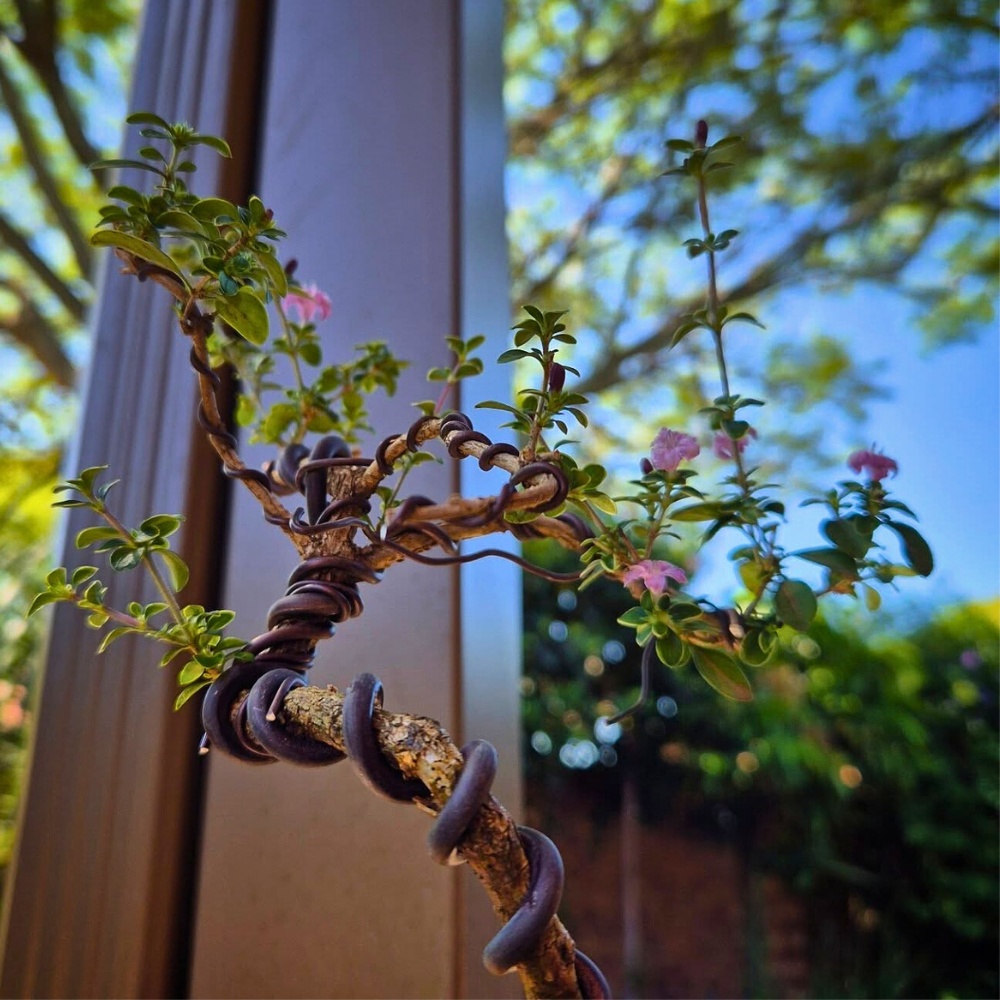
Also, wiring is possible on younger branches, though the wood becomes brittle with age. Older trees respond better to clip-and-grow techniques rather than extensive wiring. Always remove the wire before it cuts into the bark, as damage to these plants heals slowly.
How to Propagate Serissa Foetida
Cuttings are the primary and effectively the only method for propagating Serissa japonica. Take softwood cuttings in spring or early spring when the tree is actively growing. Select healthy shoots about three to four inches long, making clean cuts just below a leaf node. These cuttings should be roughly pencil-thick and selected from healthy current-year growth.
Remove the lower leaves and dip the cut end in rooting hormone, though this step isn't strictly necessary. Plant cuttings in well-drained soil and keep them in a warm, humid environment. Covering the cuttings with a clear plastic dome helps maintain moisture while roots develop.
Rooting typically takes three to six weeks (or three to four weeks under optimal conditions). Once the cuttings show new growth, gradually acclimate them to normal conditions. Root success improves with bottom heat, typically around 20-25°C (68-77°F). Young trees established from cuttings will begin producing small white flowers within a year or two with proper care.
Common Challenges in Growing Serissas
Spider mites and root aphids are the most common pests affecting Serissa bonsai. Spider mites appear when humidity is too low, causing stippling on leaves and fine webbing on branches. Increase humidity and treat with insecticidal soap or neem oil at the first sign of infestation.
Root aphids are harder to detect but can cause unexplained decline. If your tree shows poor health despite proper care, unpot it and inspect the roots carefully. Treat affected trees with appropriate insecticides and repot in fresh soil.
Also, the tree drops leaves readily when stressed, which can be alarming for new plant parents. Common triggers include moving the plant, changes in watering, temperature fluctuations, or inadequate light. While concerning, most trees recover once conditions stabilize. Continue proper care and avoid making additional changes while the tree adjusts.
The unpleasant smell that gives the plant its species name rarely causes problems. It is noticeable only when leaves or roots are crushed or damaged, and most people find it musty rather than offensive.
Using Serissa Foetida in Design
The Serissa foetida bonsai tree is well-suited to several traditional bonsai styles. Its natural tendency toward a gnarled trunk and spreading branches suits informal upright, slanting, and cascade designs. The long flowering period makes it particularly suitable for bonsai, with flowers produced throughout the year, providing consistent interest.
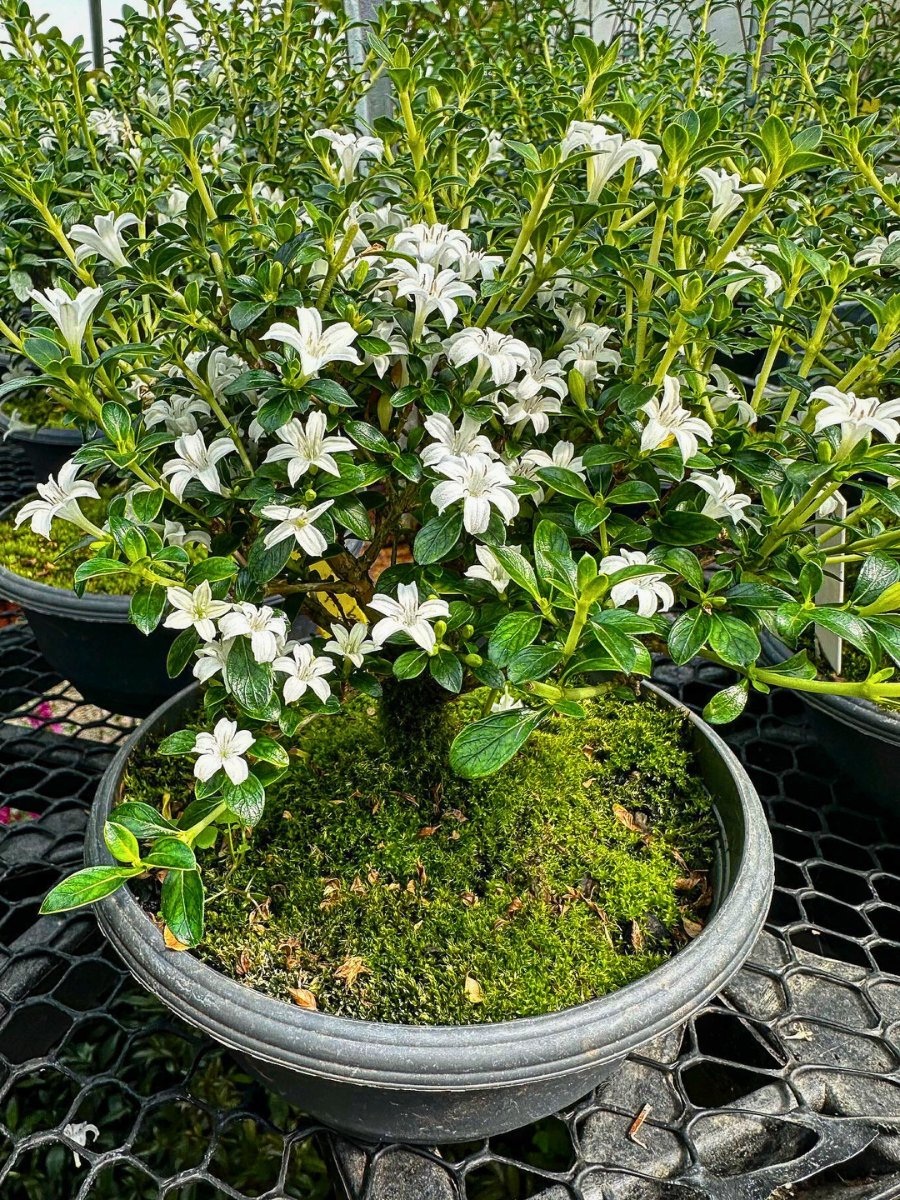
Different cultivars offer varied options for bonsai design. Variegated forms add foliage interest, while double-flowered varieties create an even more impressive display. The variety commonly called ‘Pink Snow Rose’, for instance, produces those pale pink blossoms that offer a subtle variation on the classic white.
Serissa foetida plants also perform well outdoors in warm-climate landscapes where temperatures remain mild year-round. The compact size and evergreen nature make them suitable for borders, rock gardens, or as small accent plants. The frequent flowering adds long-lasting color with minimal effort. Often, landscape designers incorporate it into mixed plantings, using its compact nature and dense branching to provide textural contrast with broader-leaved companions.
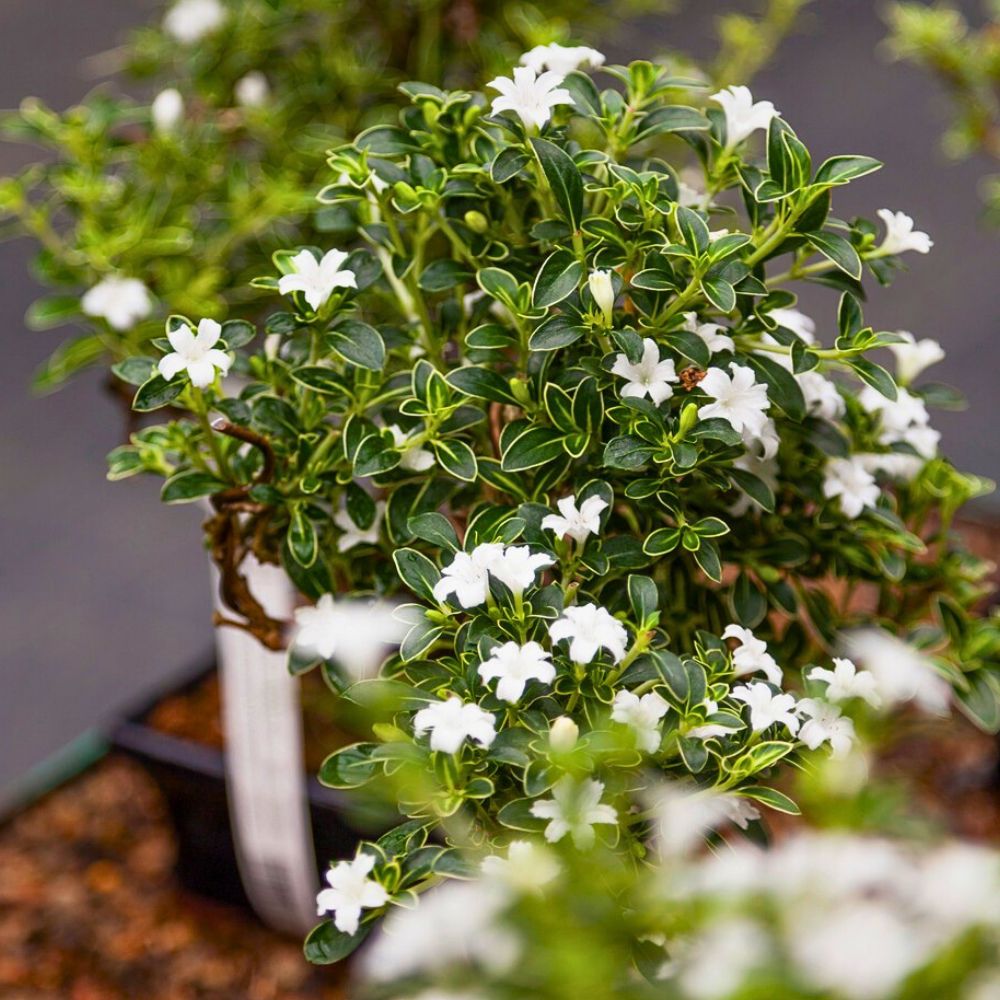
In cooler regions, growing the plant in containers allows one to bring it indoors during winter. A small amount of protection extends its outdoor season in transitional months. It hardly matters whether it is styled as a bonsai or left to grow more naturally, because this adaptable little tree brings periods of delicate beauty to any indoor setting. Still, as an indoor plant in larger containers, it works nicely as a focal point on plant stands or window shelves, with the fine texture of its foliage complementing both modern and traditional interior aesthetics.
You now know why the Serissa bonsai is popular among those who appreciate its generous nature and appealing appearance. And that with proper care, even its young trees quickly develop the character and flowering habit that make this plant so special. While it requires attention to watering and environmental conditions, its nearly constant flowers and attractive foliage are enough of a reward. So go ahead now and try one.
Feature image by @bforbonsai. Header image by David J. Stang. Reel by @juba.garden.