Floriculture no longer requires focusing on only one product or item and delivering it so well. Producing roses for Europe or carnations for North America has worked for years, but the floral landscape is changing. Consumer tastes are spreading in new directions, and new markets have matured across the Middle East, Asia, the Far East, and even Eastern Europe.
In essence, a fresh wave of flower and ornamental plant categories is growing in commercial relevance. Coupled with new markets, this is a factor worth appreciating for growers and exporters keen on maximizing what these new (and emerging) trends bring to the floral trade. Diversification, one would say, is the strategic response that makes all the difference.
Mechanics of Diversification and How It Works
Floriculture diversification works on two tracks. Product diversification is when growers expand the types of flowers, foliage, and ornamental plants that they cultivate for markets, while market diversification is when exporters actively develop new buyer destinations outside of their traditional trade partners.

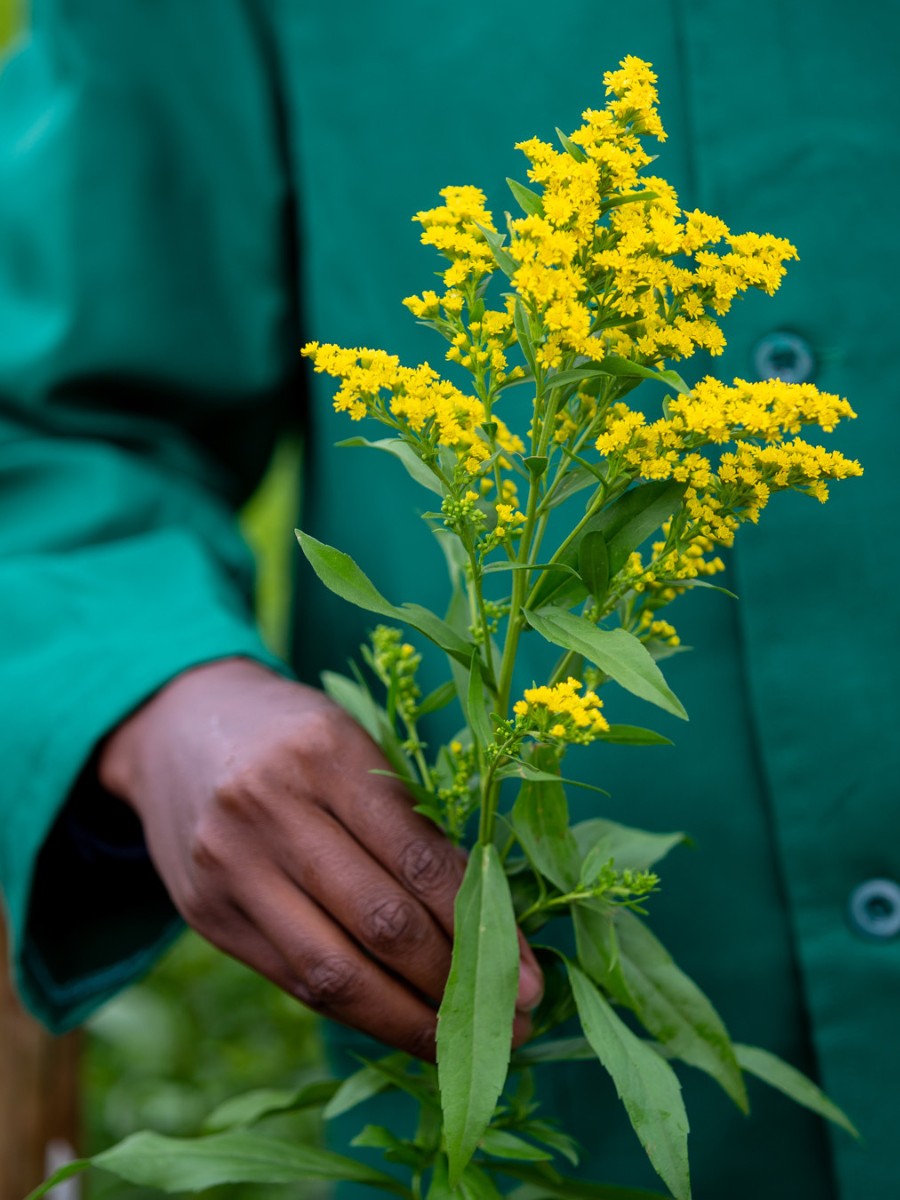
On the product side, the change is already significant. Growers launched more than 3,200 new ornamental varieties between 2023 and 2025, with rare ornamental species trading increasing 47%, including tropical foliage hybrids and unique succulents. Traditionally, large-scale producers focus heavily on monocultures, primarily mass-producing roses or carnations.
While this setup maximizes efficiency, it leaves businesses exposed to sudden price fluctuations, localized weather disruptions, or changes in consumer taste, in which case it is a commercial response to what buyers are increasingly asking for. Introducing new categories, such as fresh greenery, summer flowers, potted plants, and unrooted ornamental cuttings, means growers can smooth out seasonal demand curves.
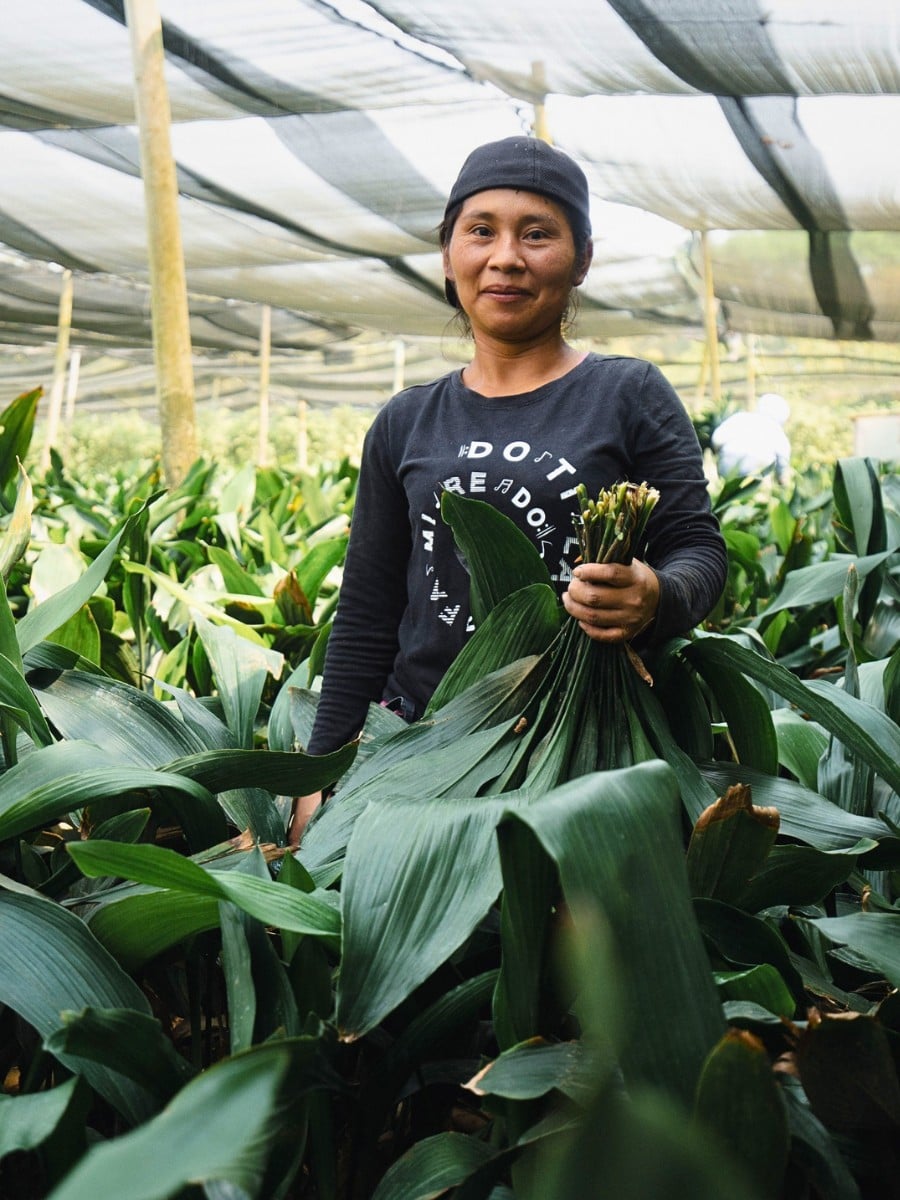
But this approach requires careful analysis of global market trends, investment in agricultural research, and collaboration with breeders. Producers must also adjust their cultivation environments, irrigation schedules, and post-harvest handling protocols to accommodate new varieties' specific biological needs.
On the commercial side, diversification helps exporters break away from an exclusive reliance on traditional auction systems. It allows them to secure direct supply contracts with mass-market retailers, specialized wholesalers, and florists in emerging economies across Europe, America, Asia, the Middle East, Eastern Europe, and Australia.
Kenya provides a working example. The Kenya Flower Council (KFC) has often described the country’s flower industry as actively pursuing a market diversification strategy targeting the Middle East, Russia, Australia, China, South Korea, and the U.S., among others, which are markets outside of its traditional E.U base. This strategic geographic spread insulates exporters from regional disruptions and allows them to capture growth where and when it happens.
A recent case involves ornamental plant categories. In November 2025, Kenya shipped its first consignment of unrooted Petunia and Calibrachoa cuttings to the European Union, following the EU's publication of Regulation 2025/1082, which granted the country approval to export these plants for the first time. The inaugural shipment was made by Savanna Flowers PLC, based in Naivasha, showing how product diversification, when backed by proper phytosanitary compliance, opens markets previously out-of-the-way.
This Is Why the Old Model No Longer Holds
For much of the 20th century, the floriculture export economy ran on a relatively simple script where a handful of countries, led by the Netherlands, Colombia, Ecuador, and Kenya, supplied cut flowers to Europe and North America. But then again, simply holding a large share of a market focused on one product category or one destination leaves exporters exposed to price swings, regulatory changes, and buyer fatigue.
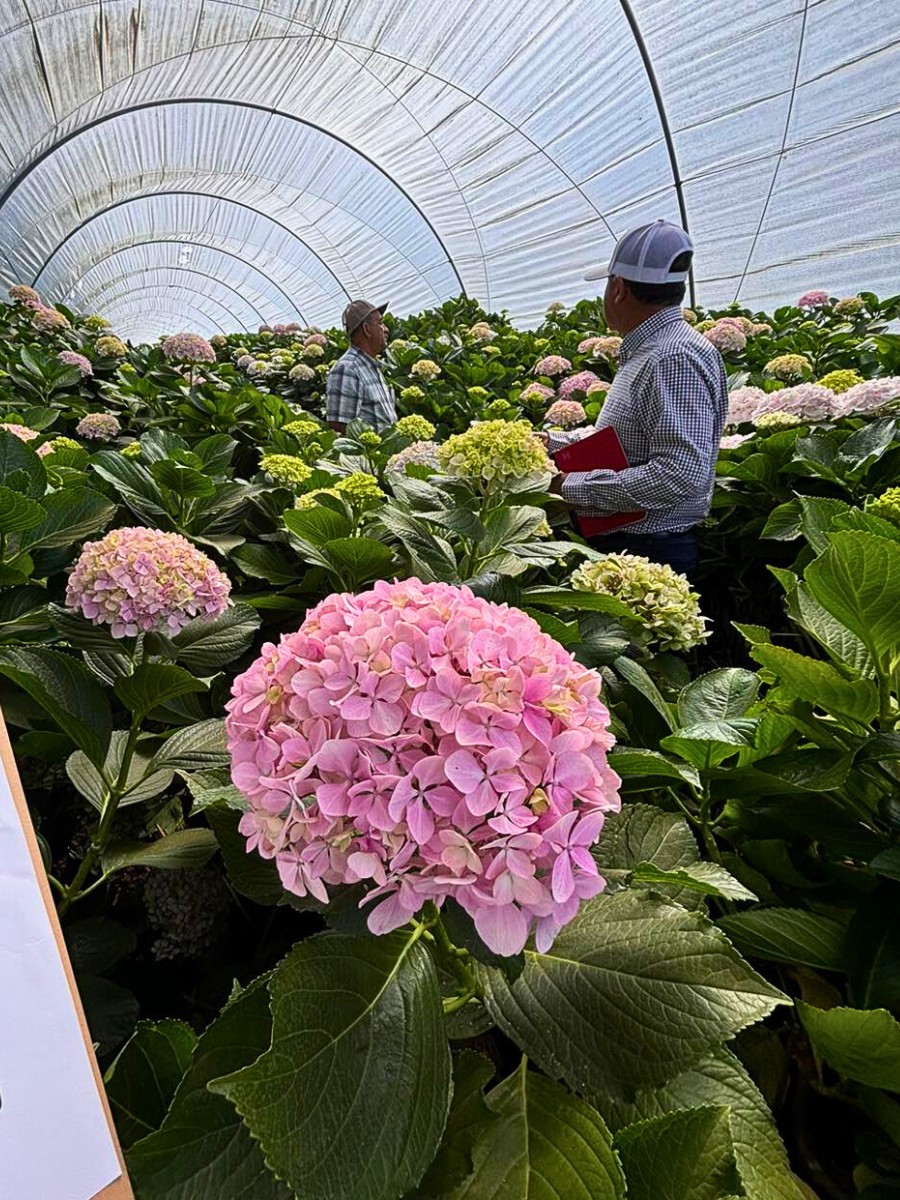
Ethiopia, ranked among the world's top five flower producers, has built its floriculture sector largely around roses. Although growers of other flowers are also coming up, a reliance on roses alone leaves a narrow product range that makes the industry highly vulnerable to risks that come with limited diversification. Such dependency is what modern producers are trying to move away from.
The Case for the Emerging Market Opportunity
The commercial case for diversification is established where global demand is growing. The Business Research Company reports that the global flower and ornamental plant market is projected to grow from $50.54 billion in 2025 to $83.47 billion by 2030, driven by rising indoor greenery trends, increasing ornamental plant use in corporate spaces, growth in online flower retailing, and stronger demand for eco-friendly floral products.
The Asia-Pacific region exported approximately 4.2 billion cut flowers annually, while indoor plants saw a 38% rise in demand tied to remote working and home aesthetics trends. These figures are hardly just marginal additions to existing demand, but denote structurally new consumption patterns that benefit producers who supply the right product to the right consumer.
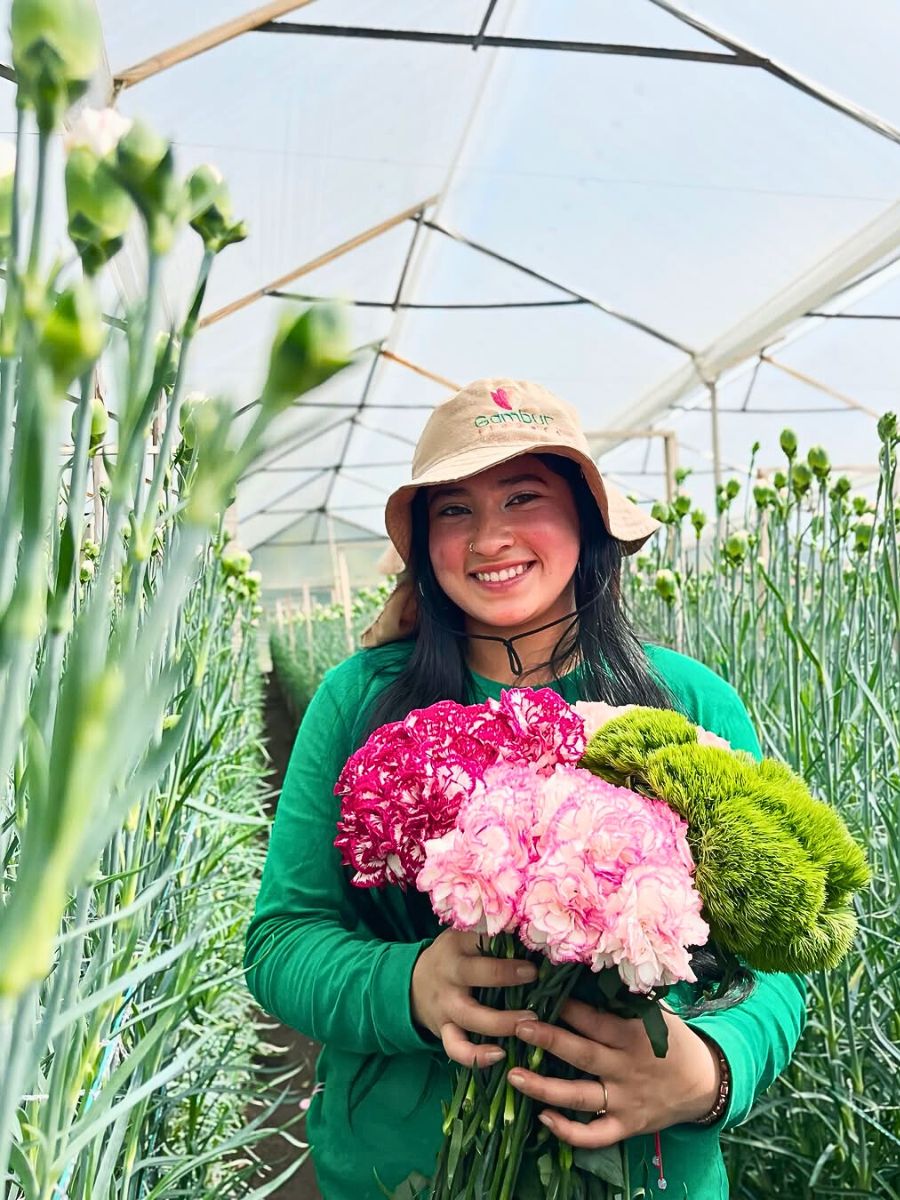
Producers are responding to growing consumer interest in premium exotic flowers, specialty floral arrangements, and year-round availability, investing in water-efficient irrigation systems, renewable energy-powered greenhouses, and certified sustainable farming methods. For growers, especially in the Global South, these investments are becoming a prerequisite for accessing high-value markets. They are not optional upgrades.
Moreover, data from global trade networks reveal that businesses adopting a wide-ranging product mix experience more stable profit margins. When demand for standard focal flowers drops during off-peak periods, sales from filler foliage, unusual bulb varieties, and starter plants help maintain steady revenue. What's more, entering niche markets often brings higher per-unit prices, as modern floral consumers are willing to pay a premium for distinctive products.
Should Growers and Producers Take This Path?
The truthful answer is yes. But with eyes open to the requirements involved. Diversification is not just a matter of choosing to grow different plants, but requires agronomic knowledge for new species, investment in post-harvest handling, meeting market-specific phytosanitary standards, and building logistics chains to deliver perishable products reliably.
Kenyan smallholders who entered cut flower production described it as financially transformative, but they succeeded because they brought prior farming knowledge from plants like tea, green beans, and other high-value crops into this new sector. The same logic applies to diversification within floriculture. Producers who approach new categories with preparation, technical knowledge, and adequate support systems often see it work.
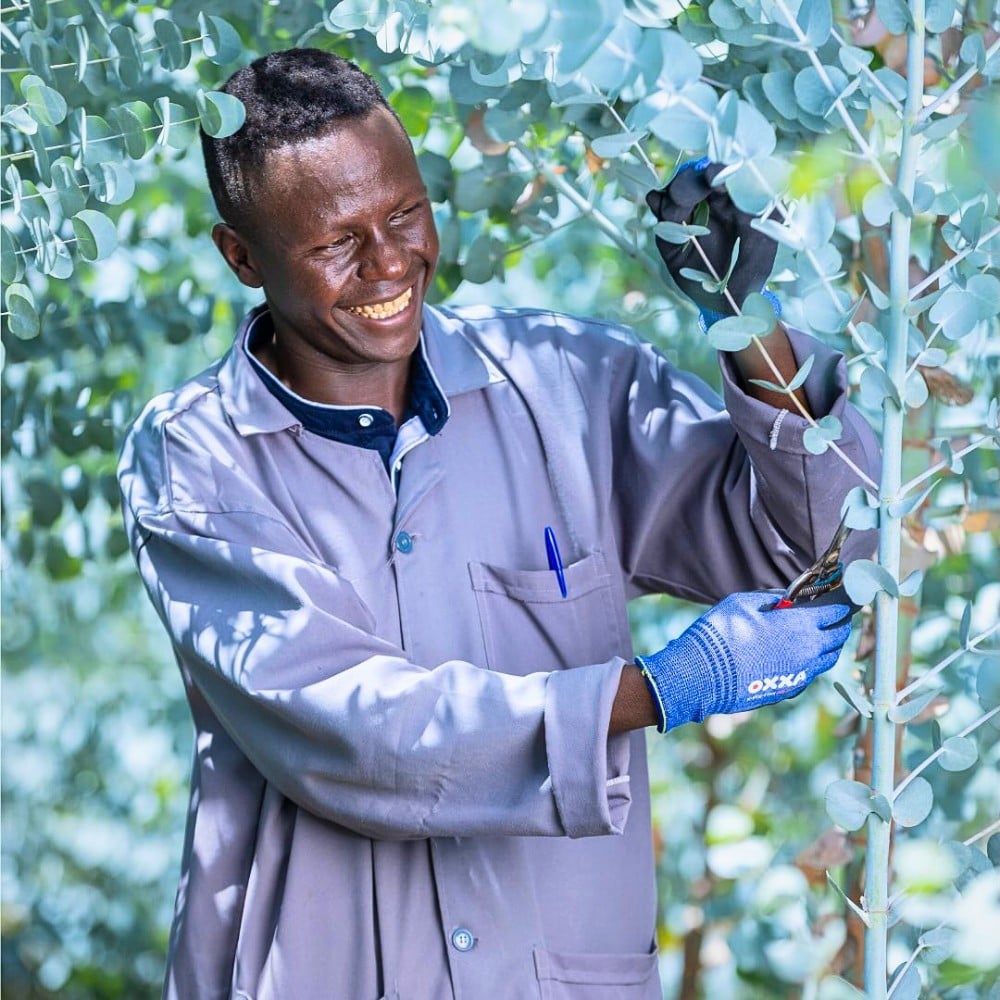
Among competitive floriculture producers globally, 48% have adopted product diversification strategies, 45% are investing in sustainability initiatives, and 57% operate with an export-oriented focus. Yet they are not the outliers but the operational benchmarks of a commercially successful floriculture business in the current environment.
Infrastructure is equally important. Advanced greenhouse integration with smart sensors, automation, and LED lighting is enabling producers to effectively cultivate specialty flowers meeting niche demands for events, luxury decor, and corporate installations, while export-focused innovations include sturdier packaging, hydration systems for extended transport, and preservation approaches that maintain freshness over longer shipping durations.
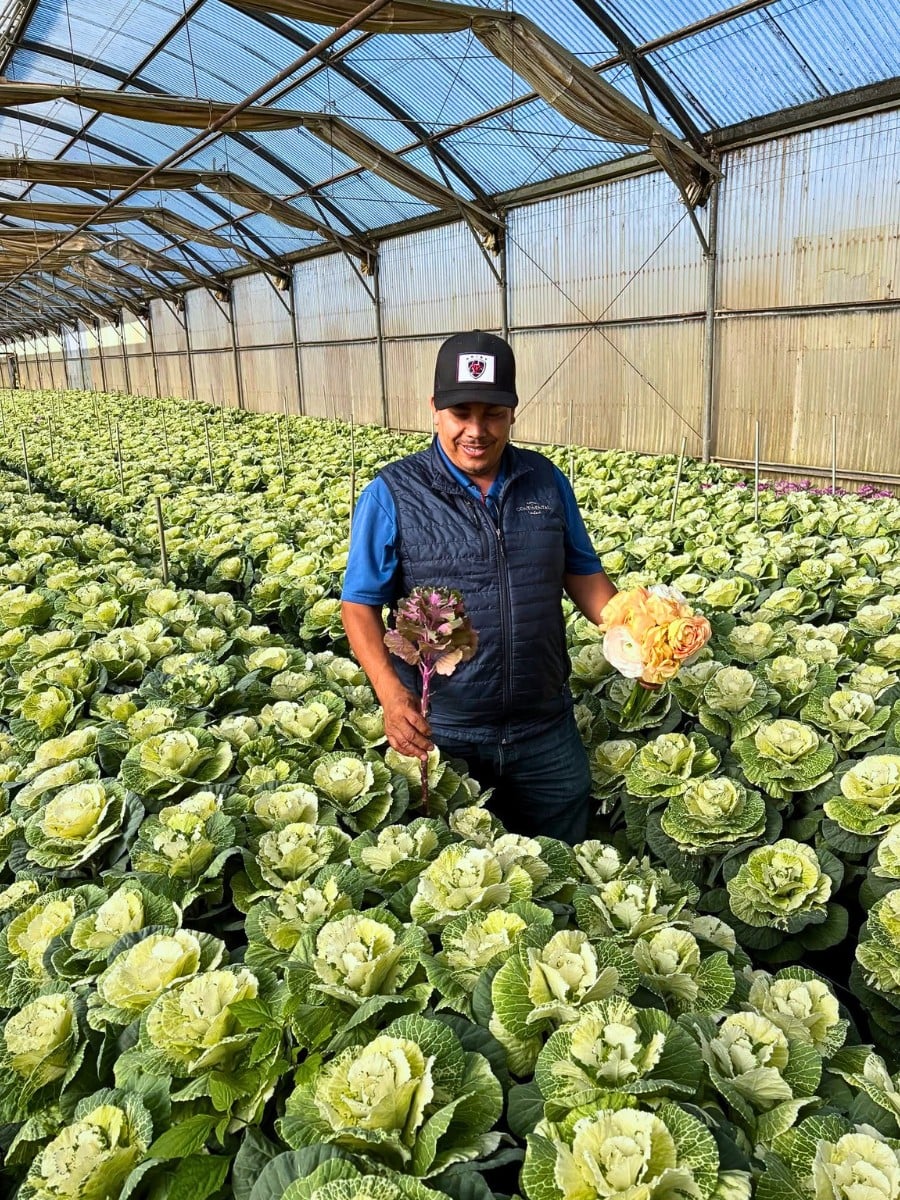
Transitioning Toward Specialty Floral Products and New Markets
Prominent exporters across East Africa and South America have a unique competitive advantage that makes diversification highly logical. These regions have optimal growing conditions, including abundant sunlight, favorable altitudes, and dedicated agricultural workforces. However, staying tethered to a limited selection of standard floral products limits their economic potential.
Transitioning toward specialized floral products helps these countries protect their economies from unpredictable market shocks. For instance, when major economic downturns or freight disruptions impact traditional buying hubs, countries with diversified portfolios can redirect their shipments to alternative markets without suffering total financial loss.
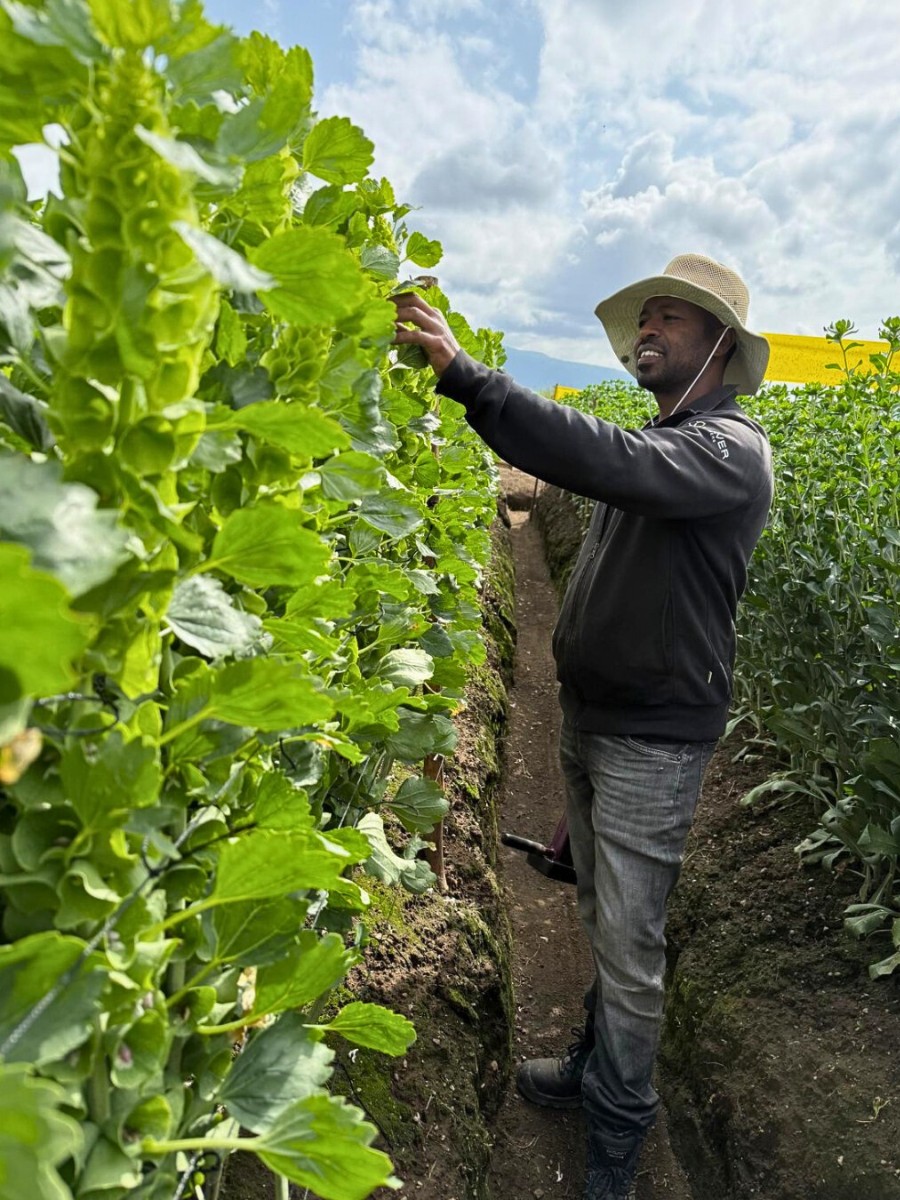
Additionally, moving into specialized varieties encourages technical development within the local agricultural sector. Growing complex ornamental crops or managing sensitive starter tissue requires advanced diagnostic laboratories, strict phytosanitary tracking, and specialized training for greenhouse staff. These advancements improve product quality and raise the country’s profile, making it a highly sophisticated and reliable trading partner on the global stage.
Sustainability Factor and a Diversified Industry’s Long-Term Outlook
Diversification and sustainability are increasingly inseparable. As sustainability becomes a primary focus for buyers, breeding programs increasingly prioritize resource-efficient varieties that require less chemical intervention and lower water consumption.
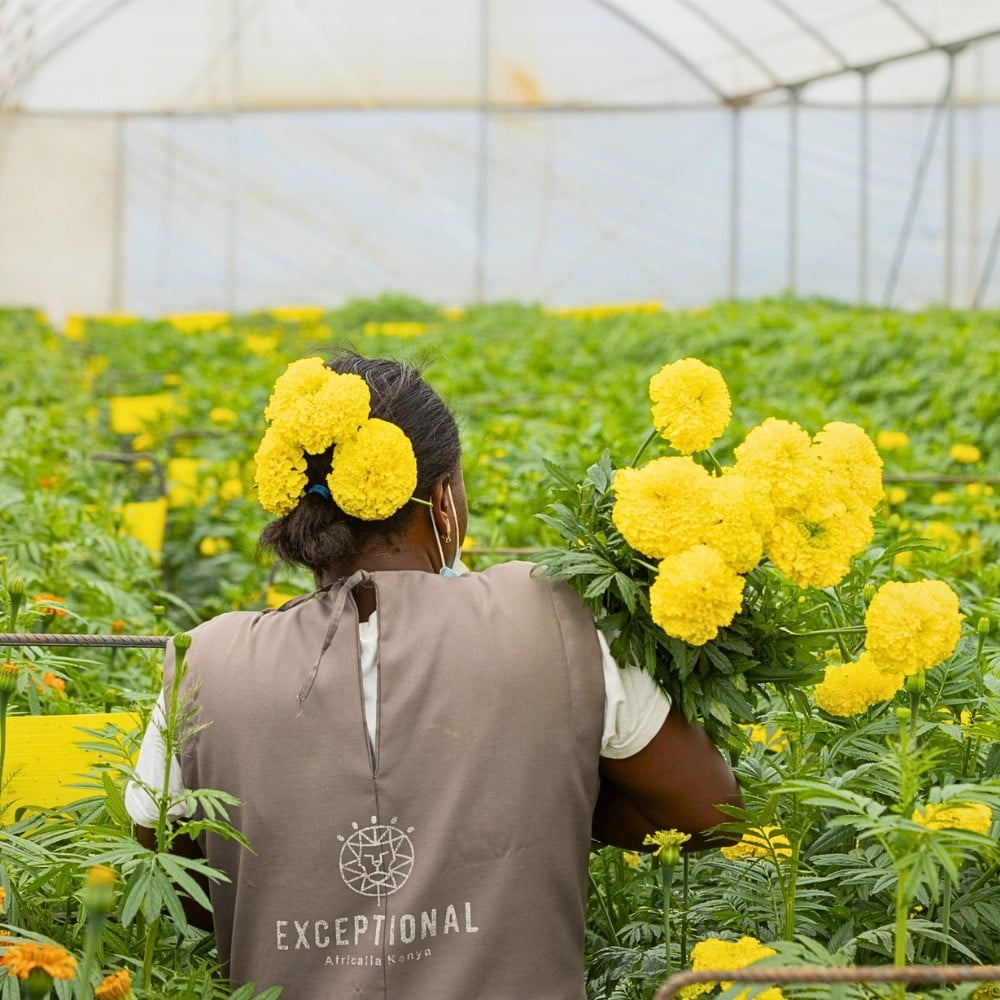
Buyers are also applying procurement standards that include product quality, as well as environmental and social criteria. Producers who diversify into certified organic varieties, drought-tolerant ornamentals, or sustainably grown foliage not only meet ethical expectations but also access premium market tiers.
The vast majority of global floriculture producers have already adopted eco-friendly growing methods and recyclable packaging. For them, aligning with these standards from the onset of a diversification initiative is a lot more effective than retrofitting compliance later.
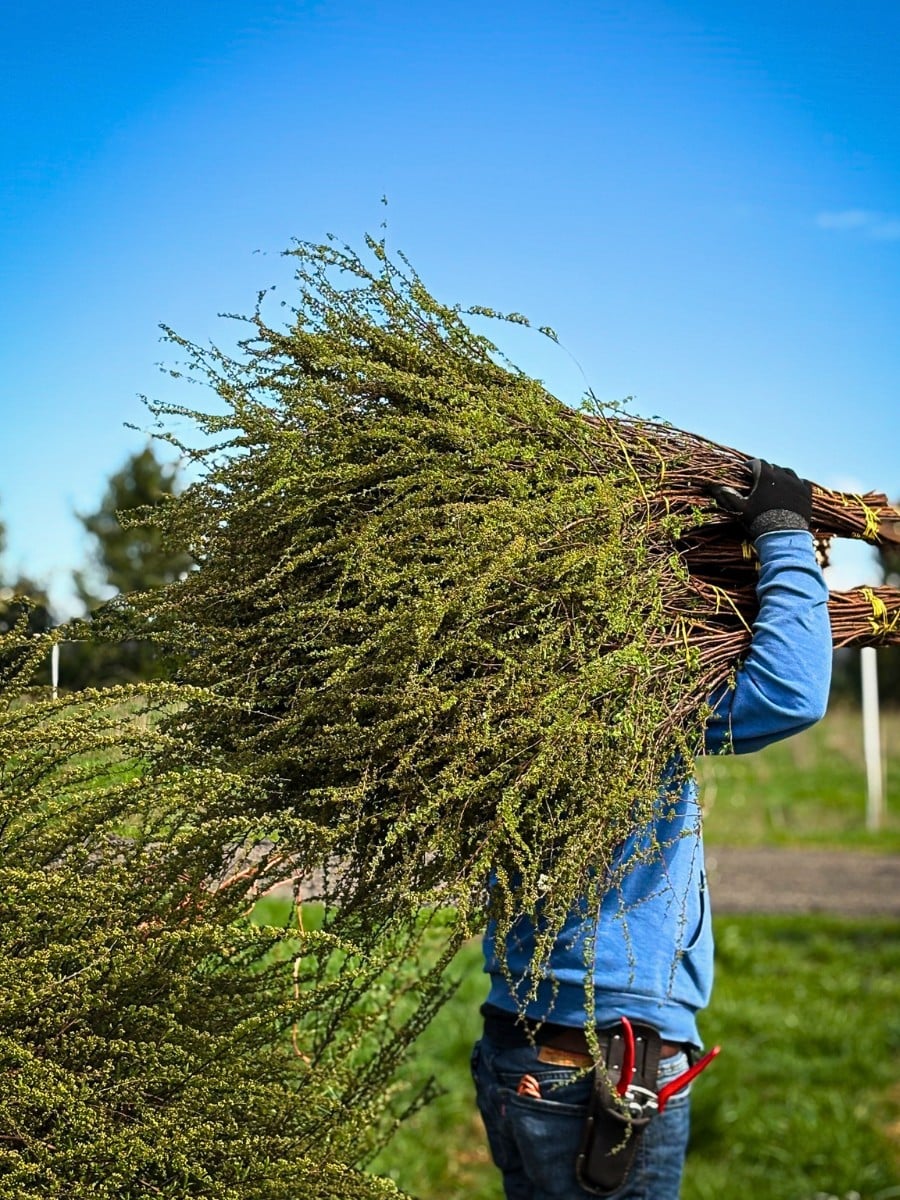
Meanwhile, it is worth appreciating that the future of global floriculture belongs to producers who adapt quickly to changing consumer wishes and environmental realities. Embracing diversification means the floral sector moves away from commodity-driven volume competition and toward value-driven production.
Featured image by @zuluflora. Header image by @cfgreens.