Standing on a pavement in Tottenham, North London, I watched as a bus pulled up at its stop. Commuters glanced up, expecting the usual rush of advertising – but instead, they found themselves face to face with a billboard bursting with massive, brightly colored irises, Rosabay willowherb, and Chrysanthemums.
Some people smiled. Some took photos. Some of them even kept on looking until the bus pulled away. That's the bit I love. The pause: someone glancing up from their phone for a few seconds longer than they meant to.
We Put Something Massive and Floral on Grey, Overlooked Bits of the City
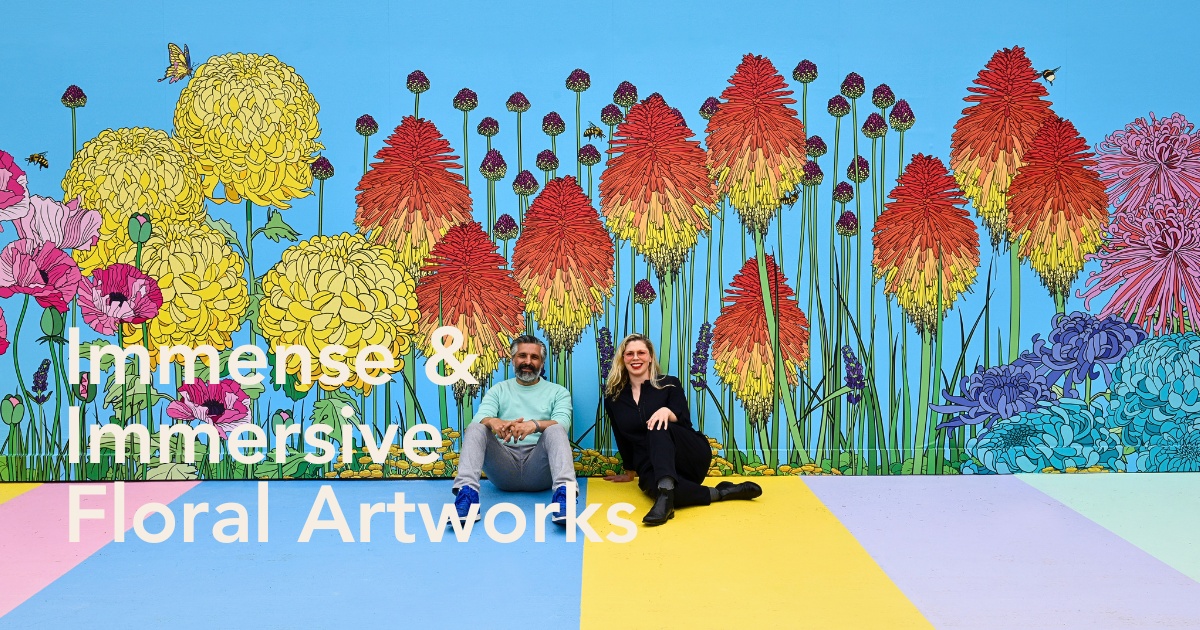
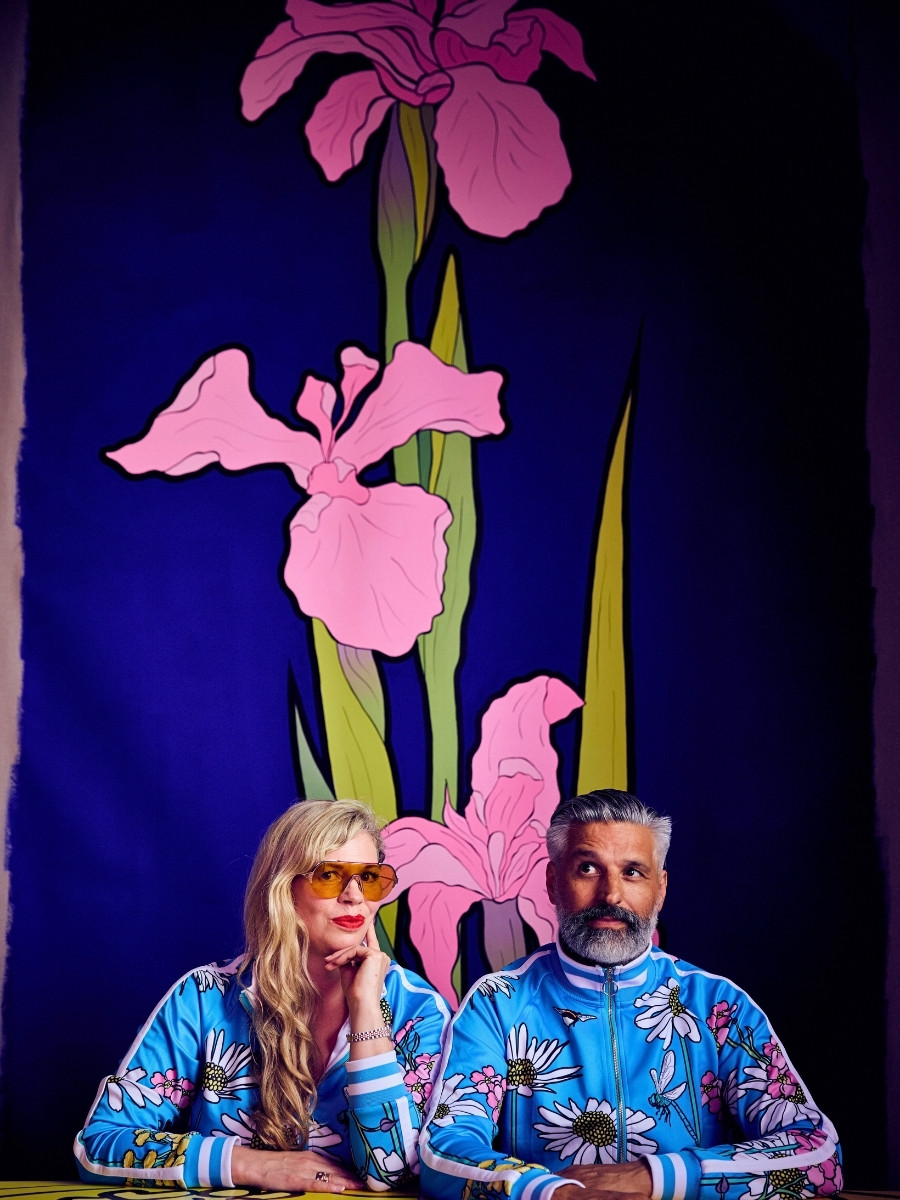
I run a public art studio called Graphic Rewilding with the artist Lee Baker, and that pause is most of what we're after. We take the grey, overlooked bits of a city and put something massive and floral in front of them, and people stop, even just for a moment.
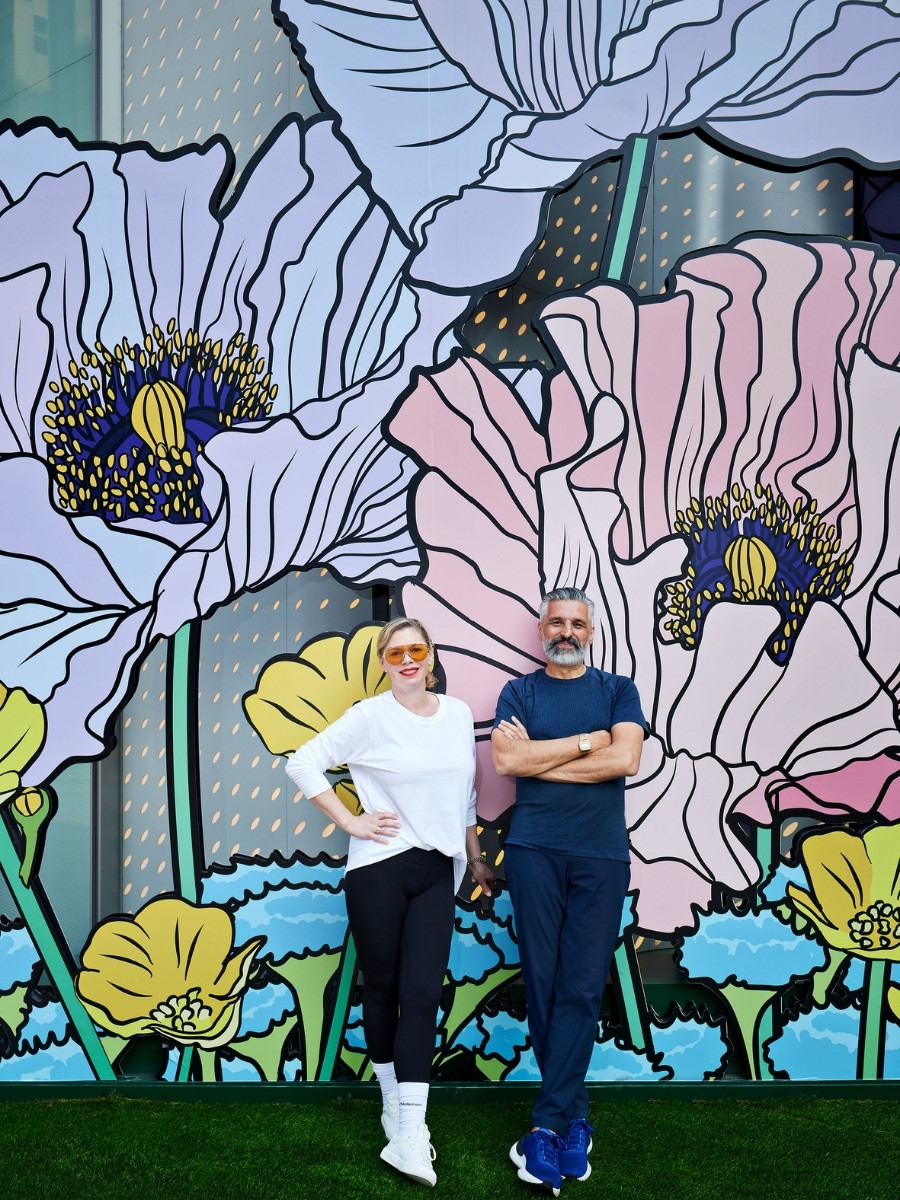
Lee and I first met on a flight in 2013. Back then, I was working in public art curation, commissioning large-scale public projects all over London, while Lee had spent over a decade developing a studio practice that was rooted in floral composition and deeply influenced by Japanese art. When we were seated next to each other on our way to New York, we couldn’t stop talking.
I already knew Lee's work, as it happens. Everyone I knew had one of his beautiful floral prints on their wall. I've always wanted to bring art to people, rather than wait for people to come to art. Galleries are great, but not everyone walks into one. Let’s face it, you can’t miss a billboard. I began to wonder what would happen if we took Lee’s work off people’s living room walls and placed it in public instead, blown up to a massive size.
In 2021, after we collaborated on a separate art project called SKIP Gallery (yes, literally a gallery in a skip – a dumpster, for any non-British readers), I convinced him to give it a go. SKIP ran for seven years and put on twenty-four shows in cities from London to New York, with artists I'd been a fan of for years. It taught us something simple but useful: you don't need a white-walled room to make art land. Graphic Rewilding came out of that.
We Bring Vibrant Flowers All Over the World
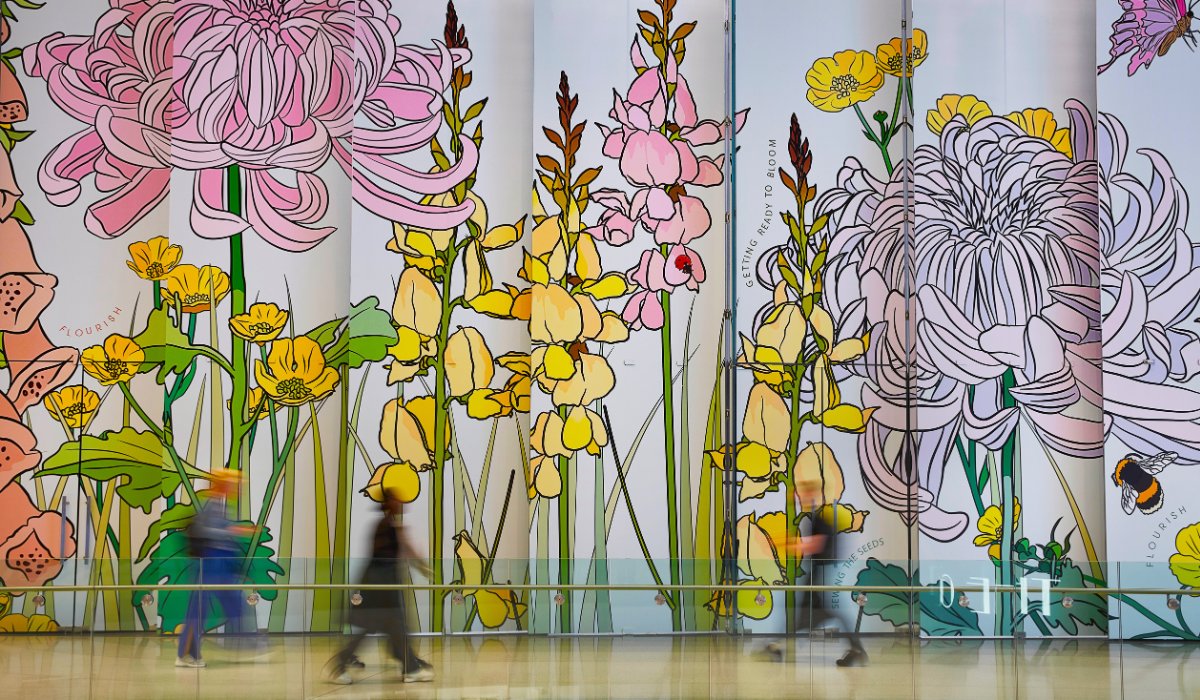
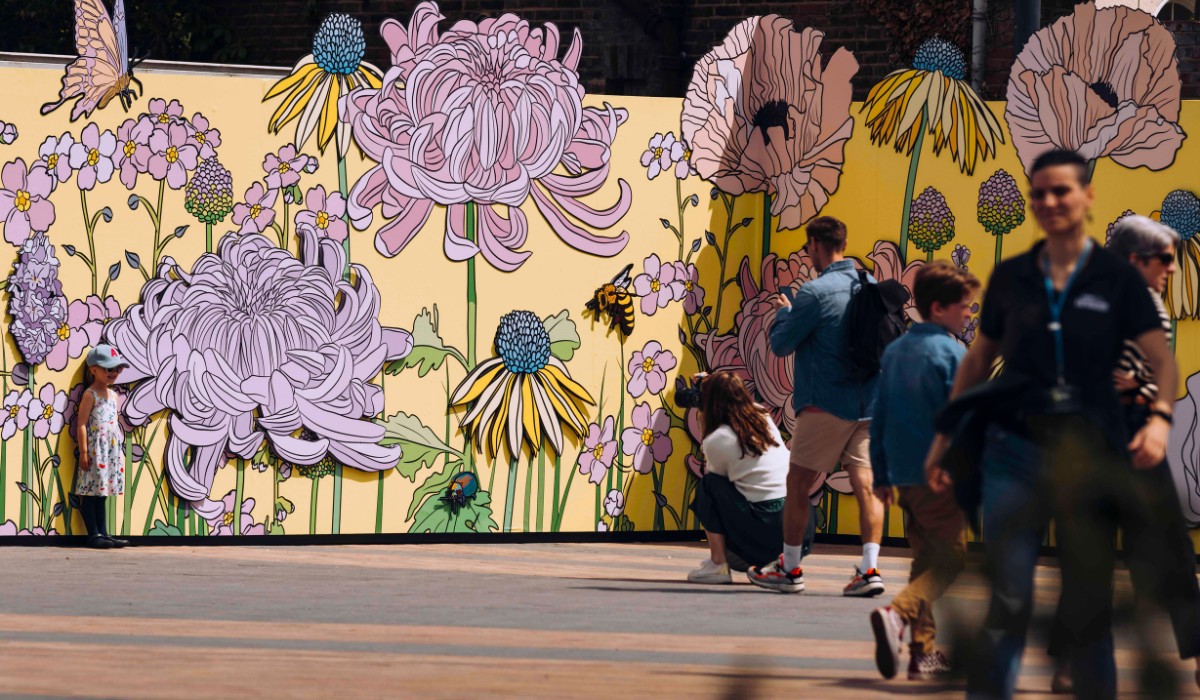
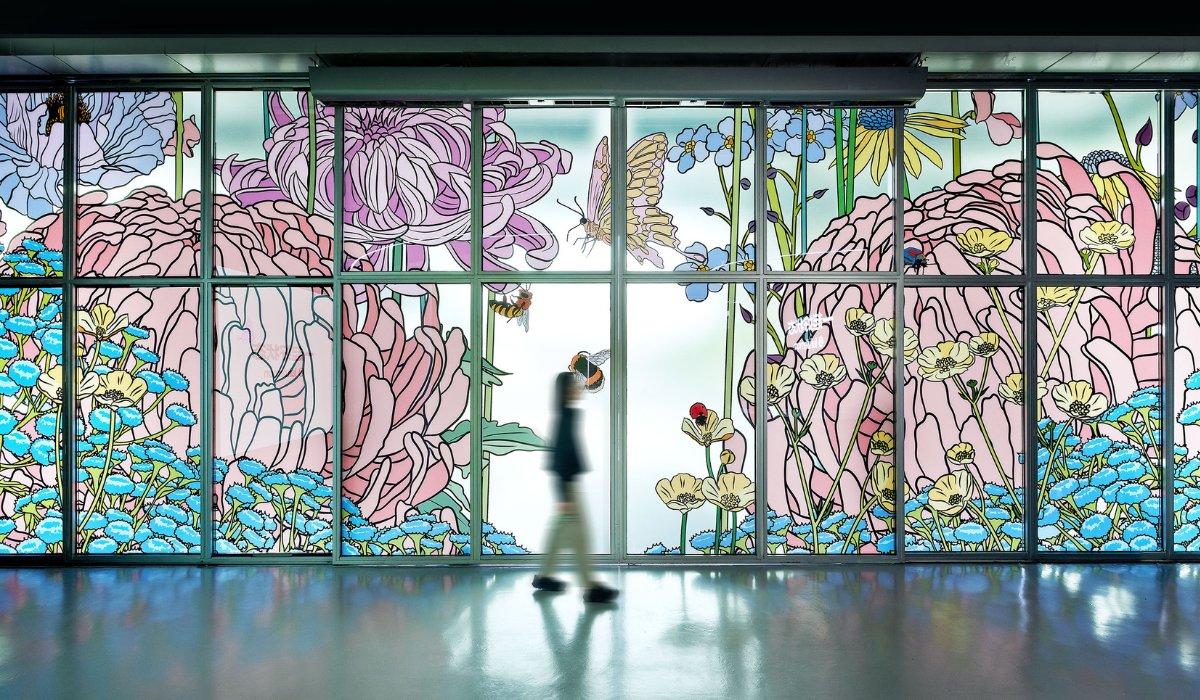
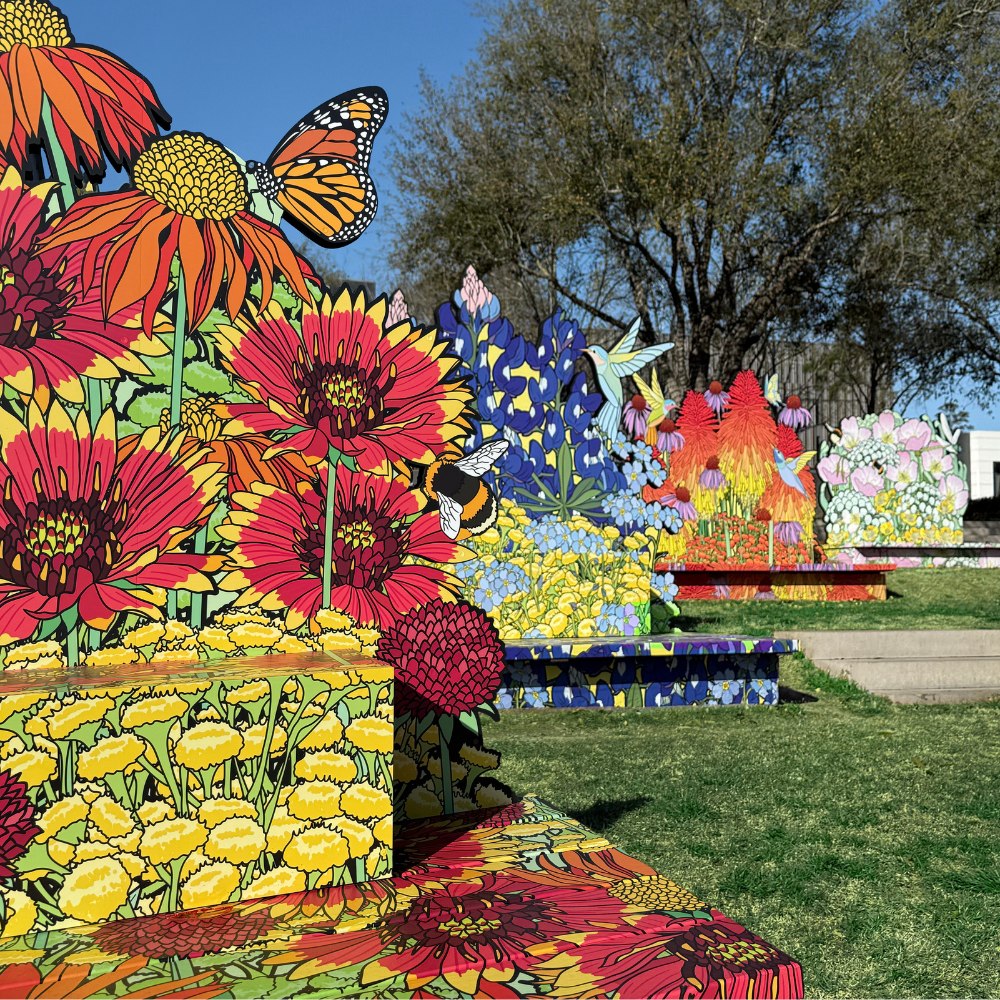
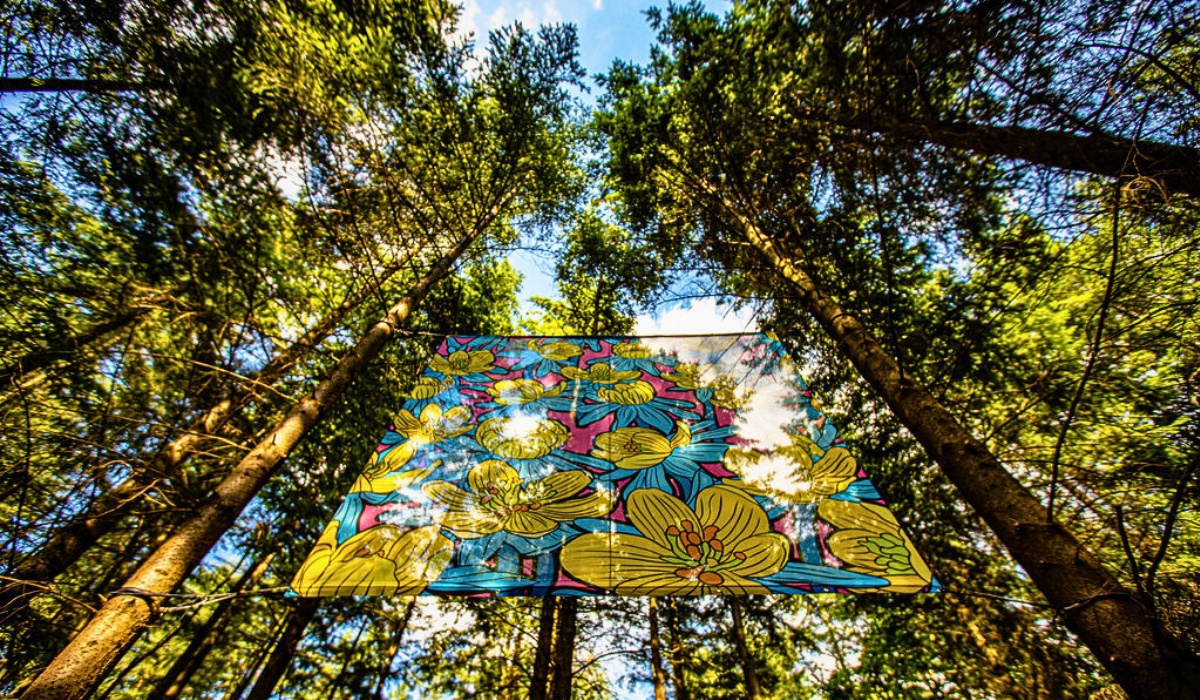
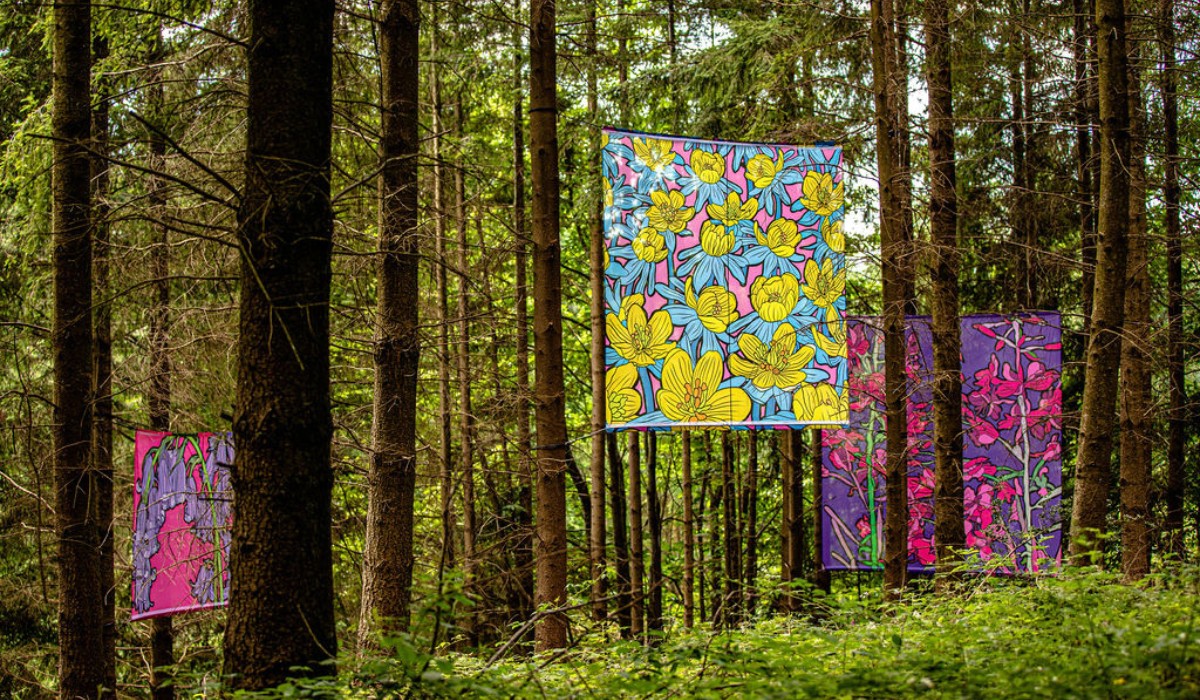
Since then, we’ve brought Lee’s vast, vibrant flowers all over the world – from Italy to China, the UK to the US – reimagining traditional architecture and transforming overlooked, neglected spaces into immense and immersive floral artworks. We use bright pastel shades and exaggerated shapes to counter the bland greyness of life in the city, and we work with local botanists to make sure the flowers and plants we depict are specific to each site.
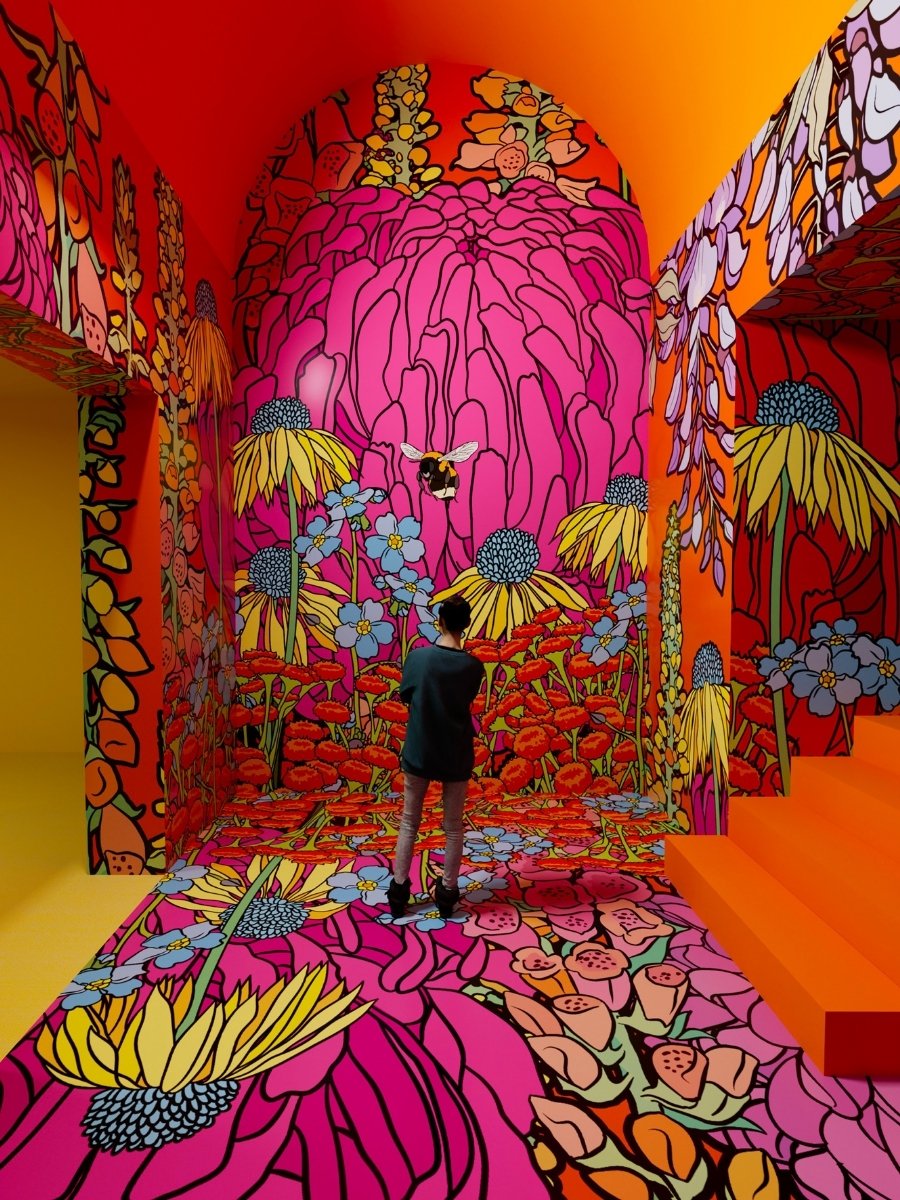
In Crawley, we used foxgloves, yarrow, poppies, lavender, and numerous British wildflowers. At Brookfield Place in New York, cherry blossoms and bumblebees celebrate spring in the city. Phoenix is desert flora and fauna, all the things that survive 45-degree Sonoran summers: Queen of the night, blanket flowers, Saguaro cactus.
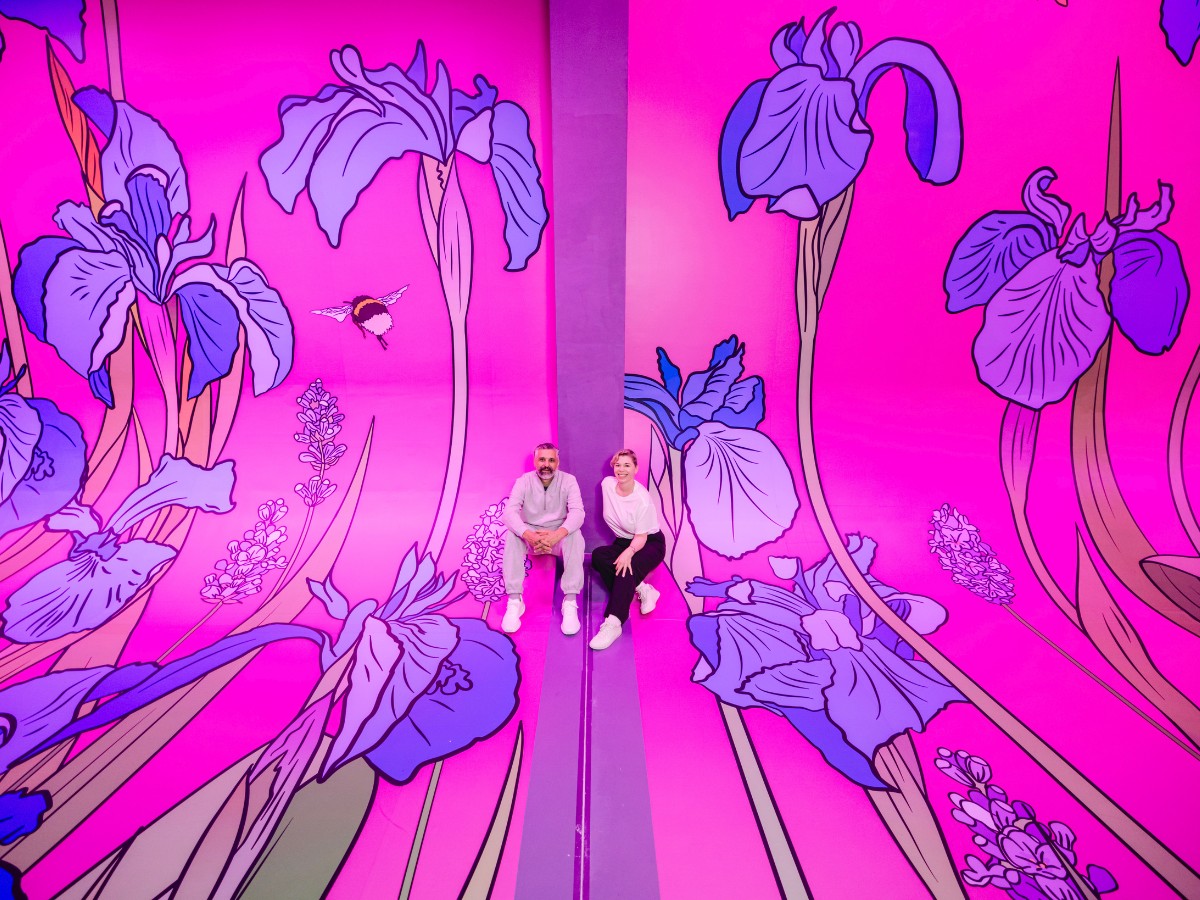
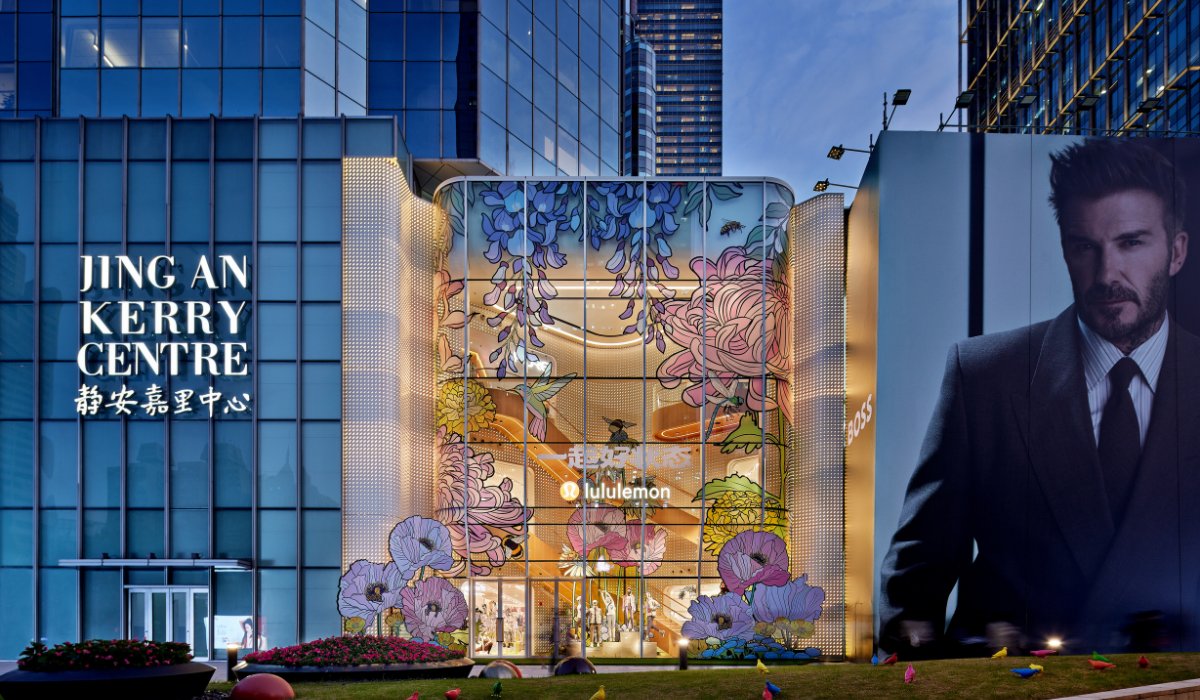
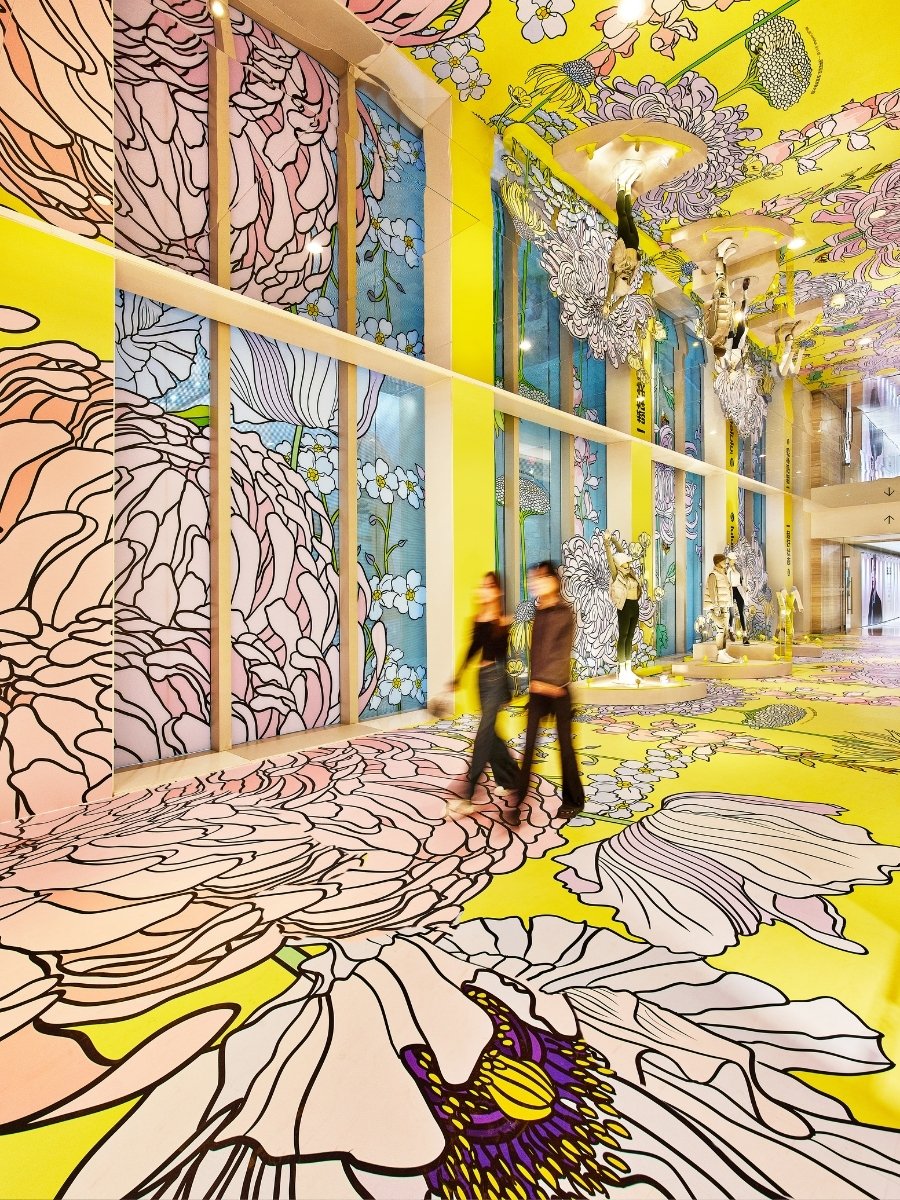
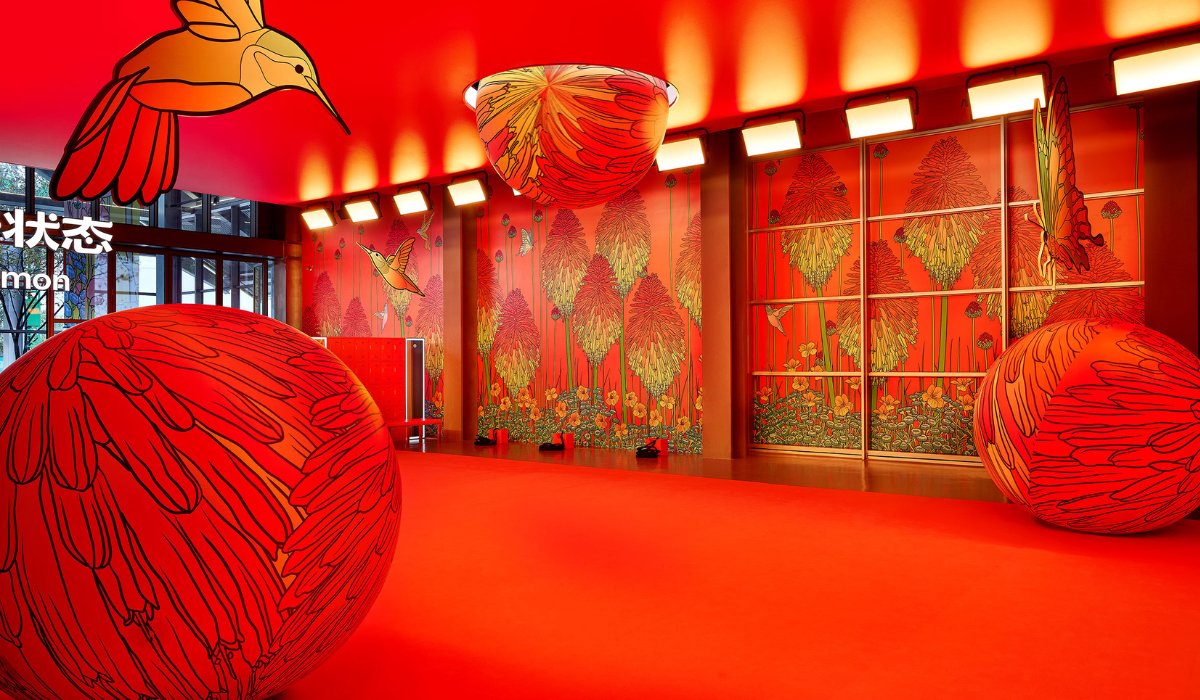
The Eden Project in Cornwall is full of viper's bugloss, bluebells, and oxeye daisy. For Lululemon in Shanghai, we paired specific flowers with specific exercises: iris for yoga, sunflower for running, and Chrysanthemum for recovery.
Our Focus on Flowers Is Grounded in Scientific Research
Our focus on flowers is grounded in scientific research, and closely tied to our shared interest in neuroaesthetics – the way our brains respond to what we see. Certain colors, shapes, and patterns can trigger emotional reactions before we've had time to process them. Studies show that a glimpse of beauty can interrupt someone’s train of thought or soften the edge of a stressful day.
Flowers also offer a kind of shared visual vocabulary. A rose might carry historic associations of British identity, while also holding deep cultural meaning elsewhere. A Chrysanthemum can signify joy and optimism in one country and funerals in another. We had to rethink some of our initial plans in China when we learned that white Chrysanthemums are traditionally associated with death there.
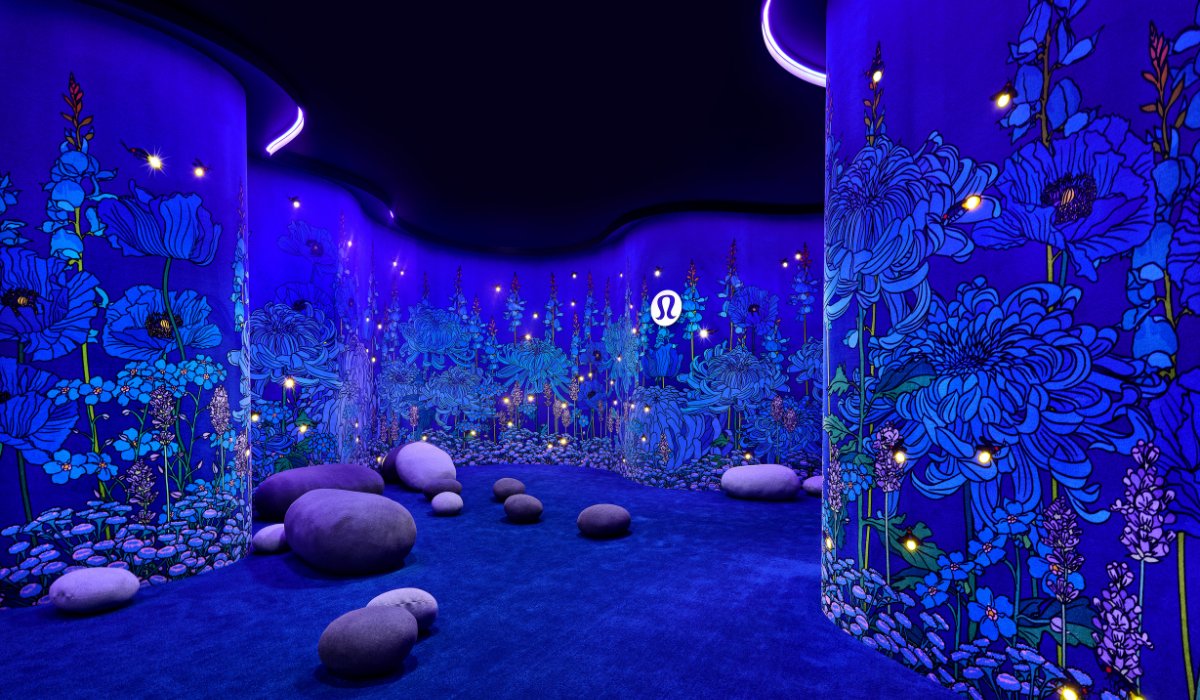
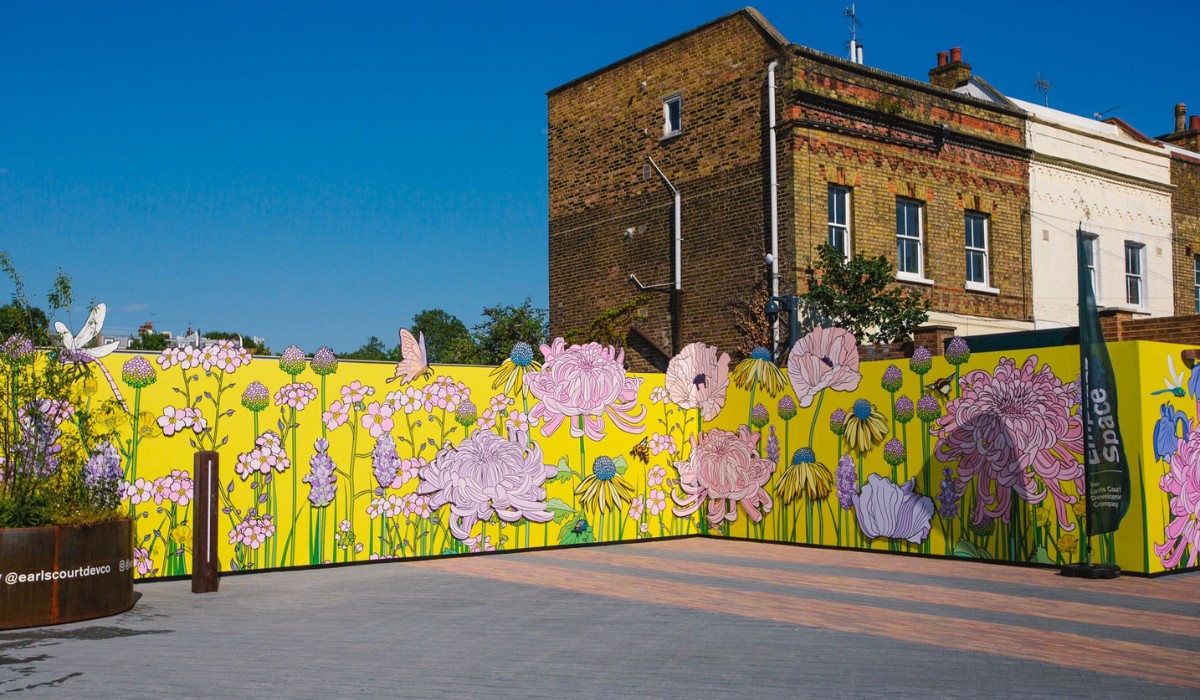
All of these layered meanings are part of the appeal. In an increasingly fractured society, floral imagery has the potential to bridge divides and really bring people together. One of our earliest projects saw us transform a disused site near Earl's Court into a contemporary pleasure garden. Painted surfaces and sculptural elements came together to form an urban oasis – and the public was quick to make the most of it.
Every Element Commands Attention Against Its Background
In the days and weeks that followed its launch, we watched as families picnicked beneath giant Dahlias, children played with oversized bumblebees, and locals unrolled their yoga mats across the ice cream-colored concrete. It became this beautiful hangout space, which people could use however they wanted.
It’s a time-consuming process. For one commission at the New York Botanical Gardens, we were asked to reinterpret Van Gogh's irises in our own visual language, with twenty-three-foot lit columns alluding to the New York skyline. Another saw us painstakingly hand-measuring hundreds of steps leading up to Lewes Castle, in order to design a painted walkway.
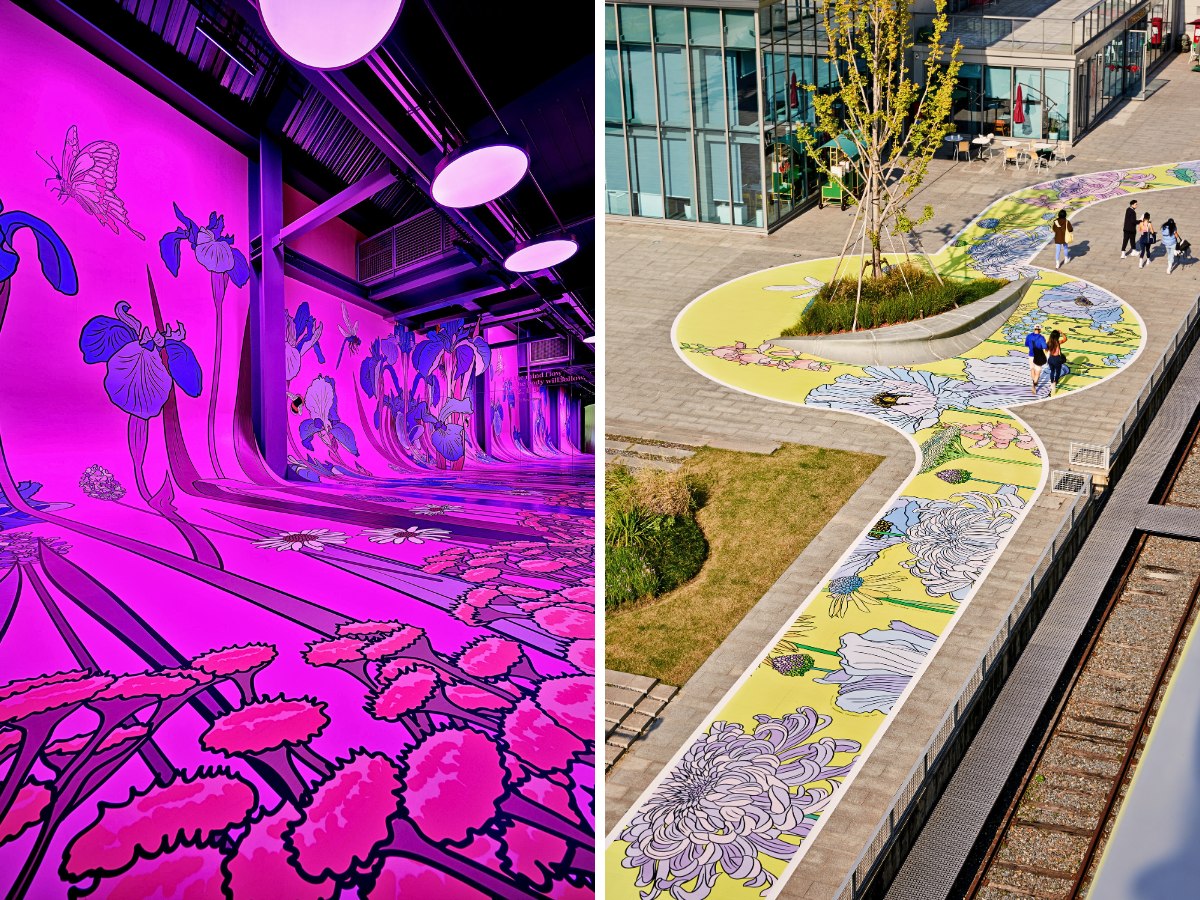
Unlike the geometric shapes that dominate much public art, organic forms rarely align with angular buildings, so we have also had to learn how to play with scale: enlarging flowers, exaggerating insects, shifting proportions so that every element commands attention against its background. Even something as simple as a long, narrow wall presents its own problems. We have to find a way to make it work so that passers-by aren't just staring at a row of stems.
How Much Nature Matters
If anyone had laid out the full complexity of all this at the start, we'd probably have backed away from it. But somehow we keep saying yes. Lee handles the design and the painting, I handle the production, and between us, we figure things out as we go. After growing up in social housing in North London, I know how much nature matters.
When I was young, if I looked out from our living room window, all I could see was a concrete car park. It was the 1980s, and nobody in my community even had a car, so all I could see was grey asphalt in every direction. I used to sit there, staring outside and daydreaming of parks and gardens with grass and daisies.
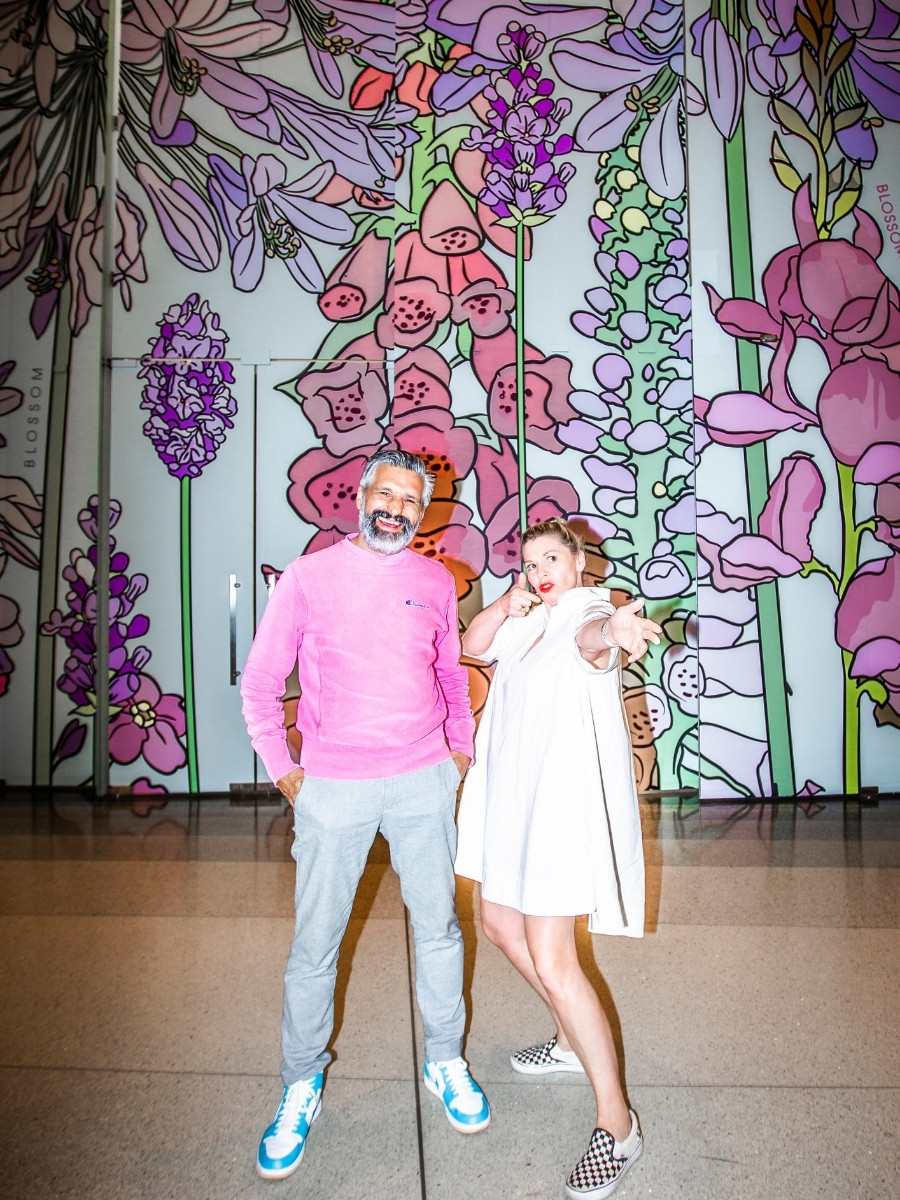
I know that our art can’t replace nature, but I want to remind people that it exists. After all, it doesn’t take much to brighten a stranger’s day; just the glimpse of a flower, when a bus slows down beside a billboard.
Photos by Graphic Rewilding