
You spend months perfecting soil, irrigation, cooling rooms, storage routines, and still, the real fate of the flower is sealed the first few minutes after it’s cut.
This is the part you don’t hear that much about because everyone is so focused on vases of food and hydration hacks.
Sure, you’ll find a ton of tricks on how to make your bouquet last longer, but the truth is actually really simple – if the stem gets even a teensy bit bruised going from the field to the packing area, the vase life is already shorter.
The interesting thing is that this isn’t something unique to flowers.
Ask any produce grower, and they’ve been dealing with this issue since. Forever.
Soft fruit bruises, tender greens wilt before you blink, etc. Because of that, the world of produce invested a lot of money and effort into gentle handling systems like steady conveyors, soft transitions, and tools that take pressure off crops and workers.
Those same ideas can translate into the floral world.
You can find more floral inspiration here: Flower Magic Fuels Wellness and Longevity
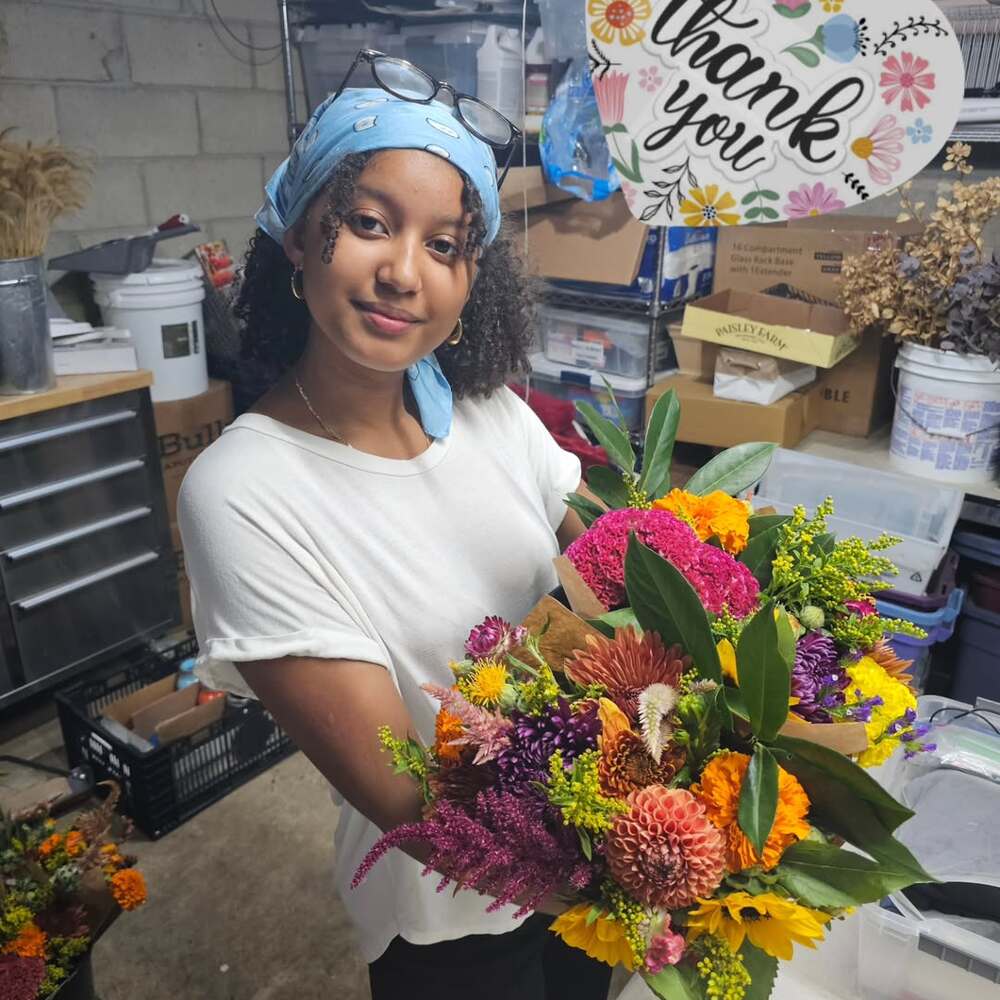
How Mechanized Handling Supports Fresher Flowers
That first hour after you cut a flower is when you need to be insanely careful with it.
The stem is open, and the plant is on its own, without the root system, so every movement can be a problem. If you bump or bend the plant during this time, you might not be able to see the damage right away, but the flower will droop early or lose color too fast.
Simple mistakes are the culprit for most of this damage, like when people lift buckets too quickly or shift flowers several times before they get to the packing area.
The less movement, the better because every extra movement is another chance for bruising or for the hydration pathway inside the stem to get disrupted (which makes it harder for the flower to drink once it’s in a vase).
It’s obvious where and how mechanized handling can help.
Conveyors and low-impact harvest wagons take over all the heavy, repetitive tasks and cut out all contact between you and the plant that isn’t strictly necessary.
Companies like Harvest Pro Manufacturing build equipment that’s designed to reduce physical strain and minimize these small, but extremely important points of impact.

What Links Produce Mechanization and Flower Longevity
You look at flowers, you look at produce, and you see… Nothing.
One’s for looking, the other for eating. But they have something in common, and that is that they’re both very sensitive right after harvest and both can lose quality if you handle them too roughly or expose them to the wrong conditions.
Here’s what produce mechanization does for these issues.
Steadier Transport
Flowers seem relatively sturdy when you hold them, but their stems bruise just like peaches do. Even small bumps and vibrations can cause internal damage, and you won’t even see it until the flower collapses way earlier than you expected.
Mechanized transport makes movement smoother and more predictable, so the stems aren’t jolted around as they travel.
The steadier ride protects the internal structure of the stem and, once the flower is placed in water, it can drink normally.
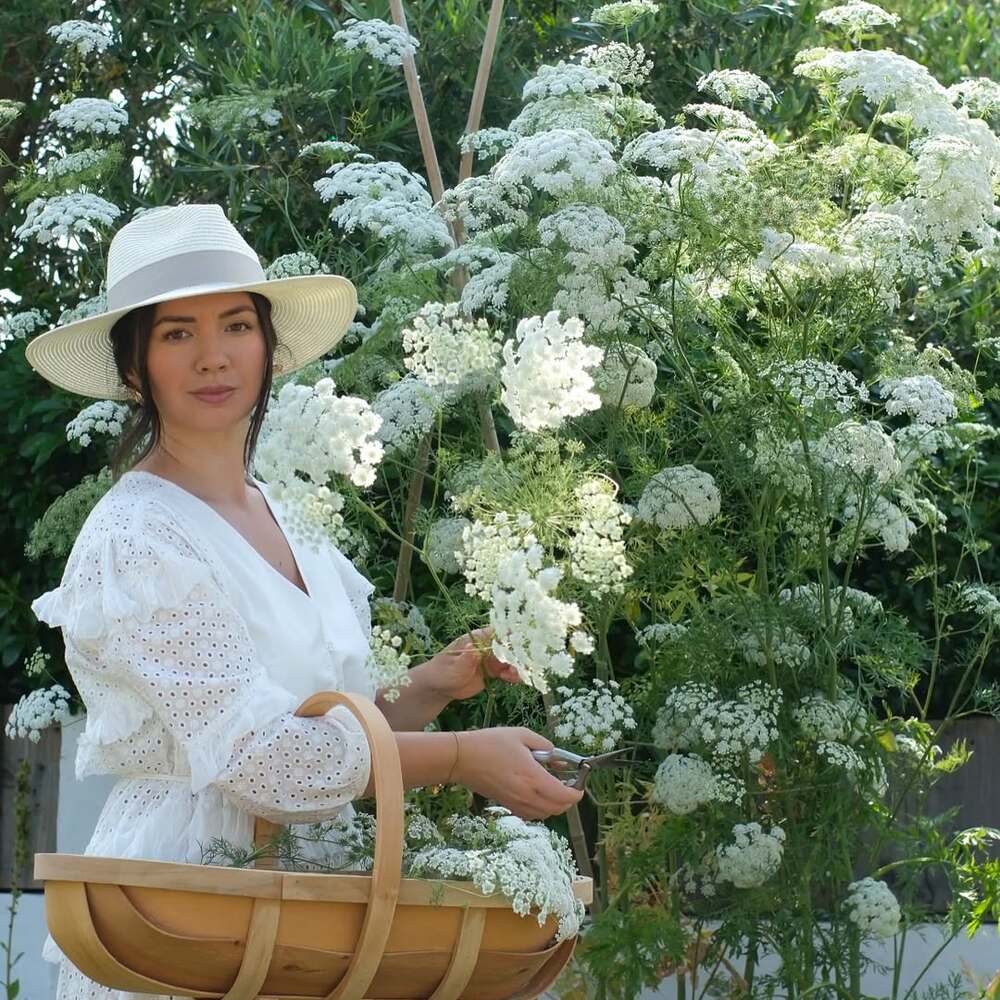
More Consistent Harvest Conditions
One of the biggest enemies of vase life is heat, especially right after you cut the flower.
If you expose the flowers to direct sun or hot soil, they lose moisture long before you can cool or hydrate them. Systems that create shade or adjust to the right working height make a big difference.
They keep flowers out of conditions that are too harsh for them and make the environment more stable.
Less Physical Strain on Workers
Harvesting is hard work, and once people get too tired, it becomes hard for them to keep moving carefully. Exhausted workers grip the stems too tightly and set them down too fast, or they make small mistakes that result in bent or bruised flowers.
Mechanization helps here, too.
If you have equipment that carries more of the weight, workers stay more attentive because they don’t get so tired.
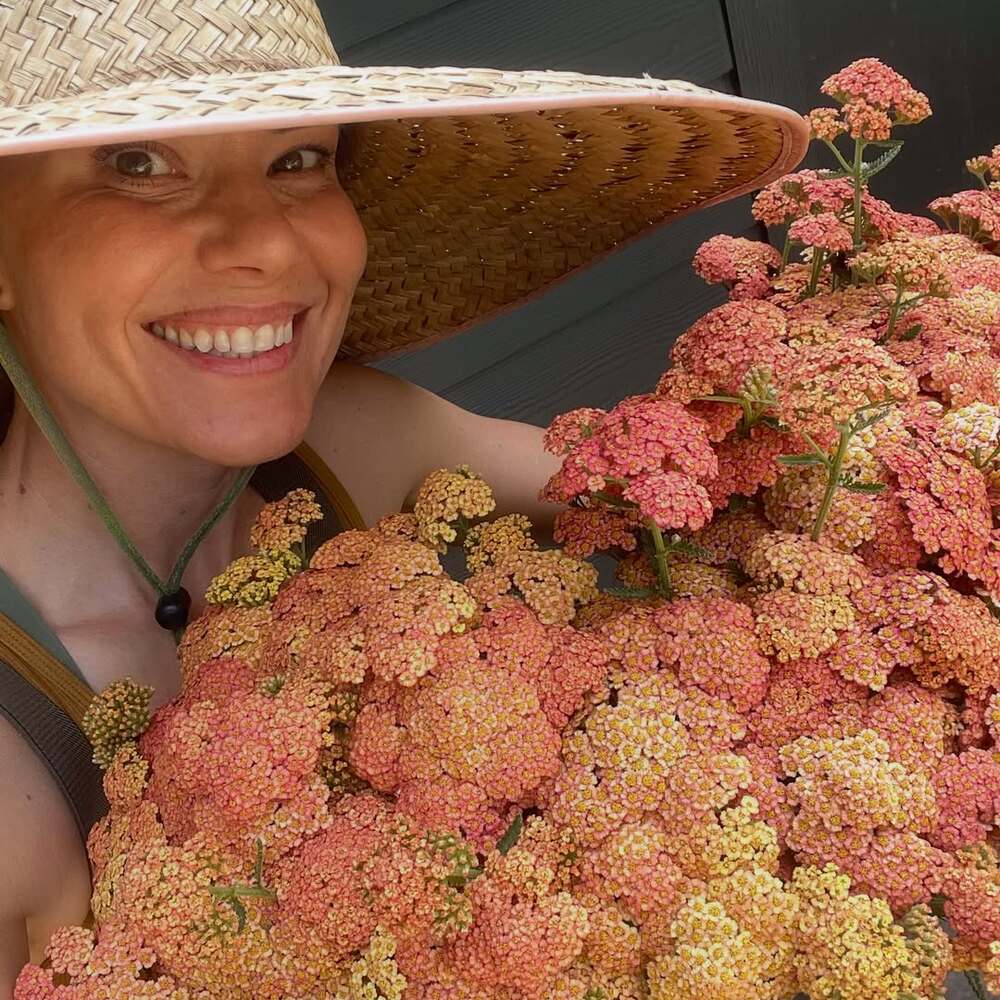
Faster Transfer to Cooling and Hydration
Time is more important than you probably realize.
The longer a freshly cut flower sits without water or cooling, the more its internal systems struggle to stay balanced. Any delay means more stress and weaker tissue inside.
Mechanization helps shorten the time between cutting and hydration, which means the flower gets the support it needs while it’s at its most vulnerable.

Mechanization Connection
If the stem had a rough start, nothing you do in the studio can do much.
Flowers remember everything that happens to them right after cutting, and they’re very eager to show their dissatisfaction. You can try to obsess over whether you’re being gentle enough, or you can borrow some ideas from produce farmers and let mechanization help you out.
Think about it – these machines make strawberries survive trips across the field without turning to mush.
Wouldn’t your flowers like the same treatment?