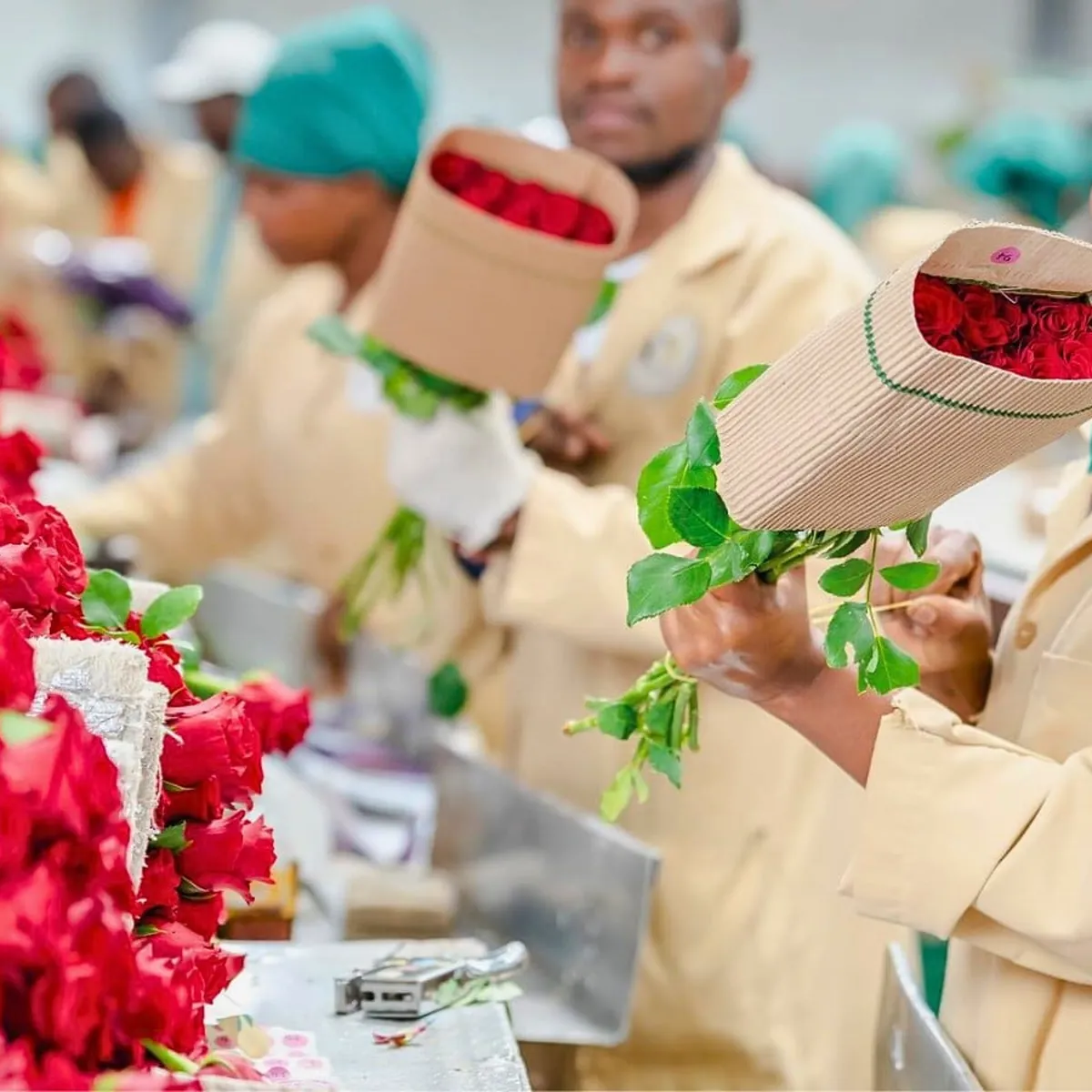
Six Kenyan farms, one shared pavilion, and a 20th anniversary show that welcomed something new. Twenty years is a long time for a trade show to keep reinventing itself. Gardenia has grown from a consumer-focused fair into a professional meeting place for the whole green industry, with four exhibition halls, floristry shows, green technology, and buyers from across Europe. This year, in its 20th anniversary edition, it did something it had never done before. It made room for Kenya.
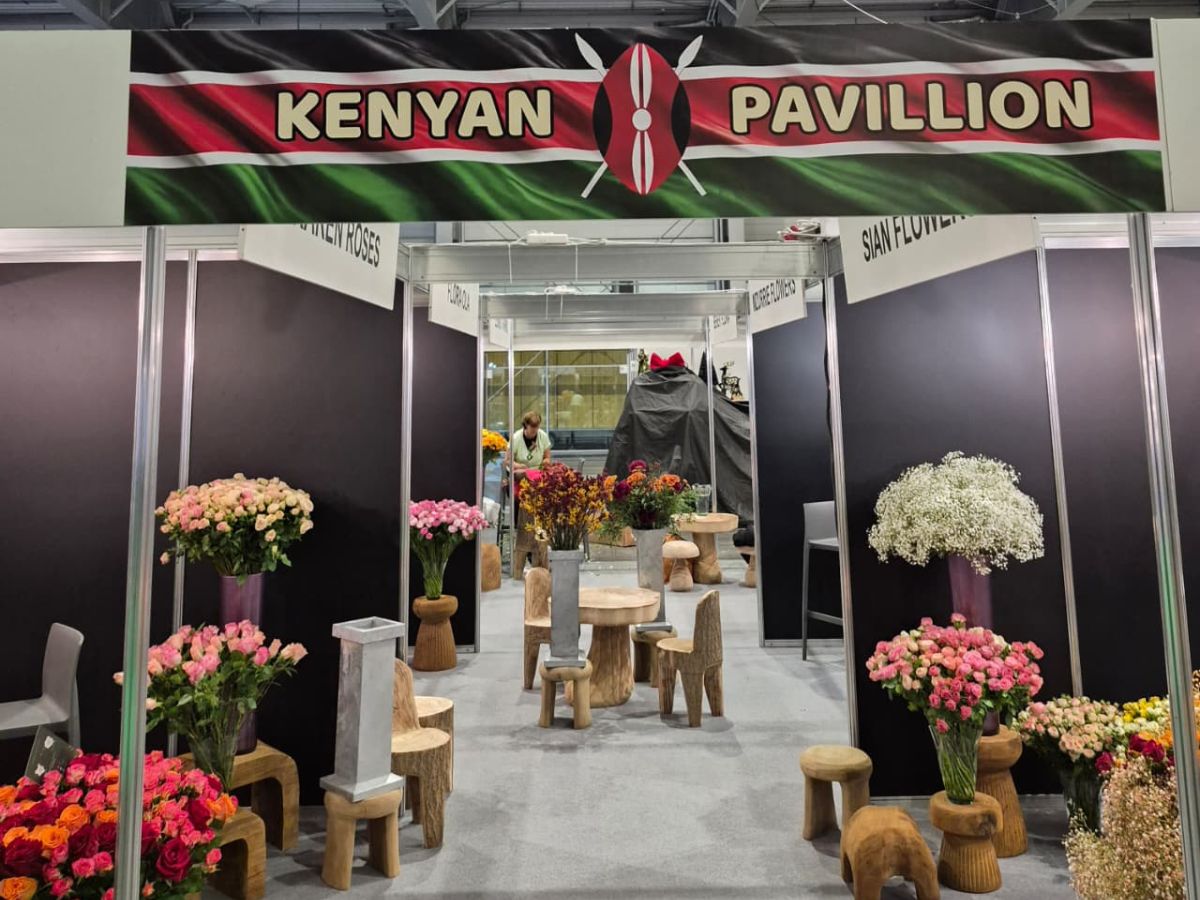
For the first time, Thursd came to Poznan, and it did not come alone. The company brought six Kenyan flower farms: Sian Flowers, Mzurrie Flowers, Karen Roses, Flora Ola, Benev Flora, and Leinot Farms. Until now, direct cooperation between Kenyan growers and the Polish floristry sector has been limited. Three days at the Poznan International Fair set out to change that, and the people who stood in that pavilion have plenty to say about how it went. Here is how it unfolded, day by day.
Day One: The Pavilion Comes Alive
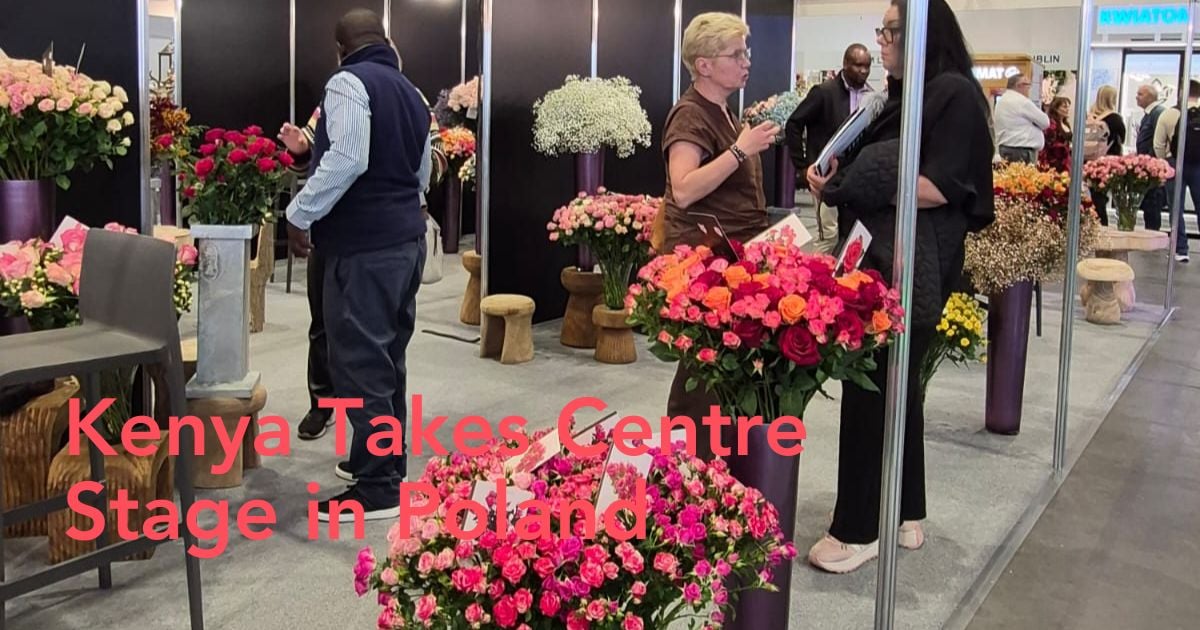
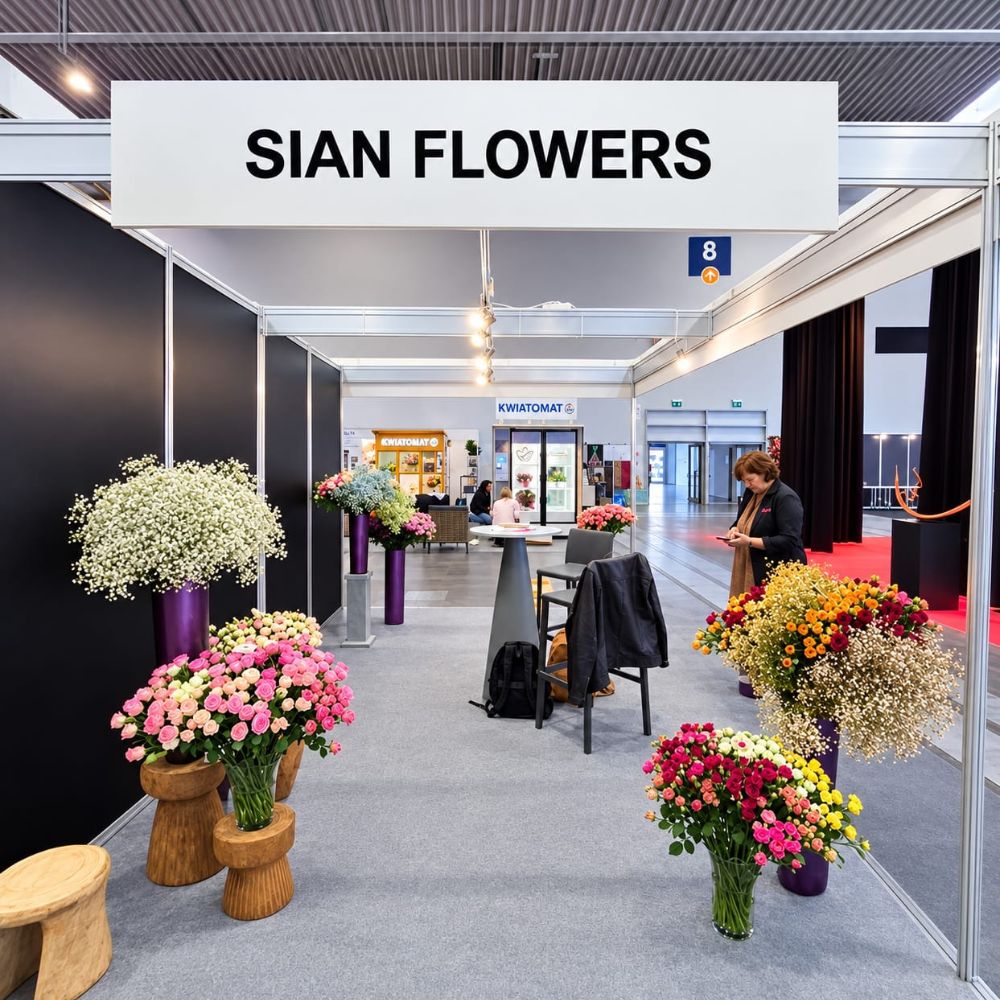
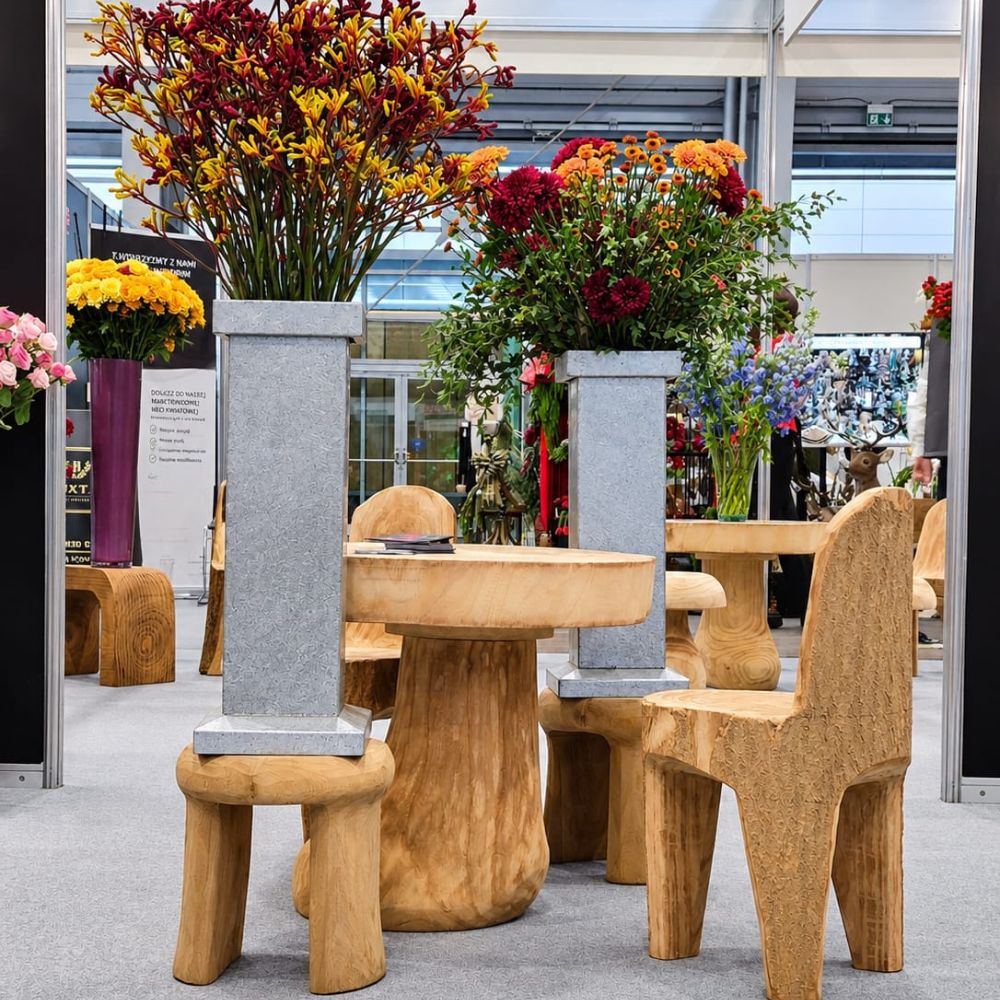
Tuesday, October 6, was opening day, and the Kenyan Pavilion was ready. Thanks to Canea's stands and vases, six farms with six very different stories shared one beautiful, unified presentation. Walking into the pavilion meant joining a conversation about Kenya's flower industry, led by the people who grow the flowers. Visitors could meet a remarkable range of growers in a single stop.
Sian Flowers marked 35 years in business with a big Polish debut, bringing a portfolio spread across four farms. Few exhibitors at any show can say they arrived with that much history and that much variety under one name.
Mzurrie Flowers offered a one-stop experience: one order, three farms, and plenty of choice. For buyers who prefer simple logistics and a wide assortment, that pitch landed squarely.
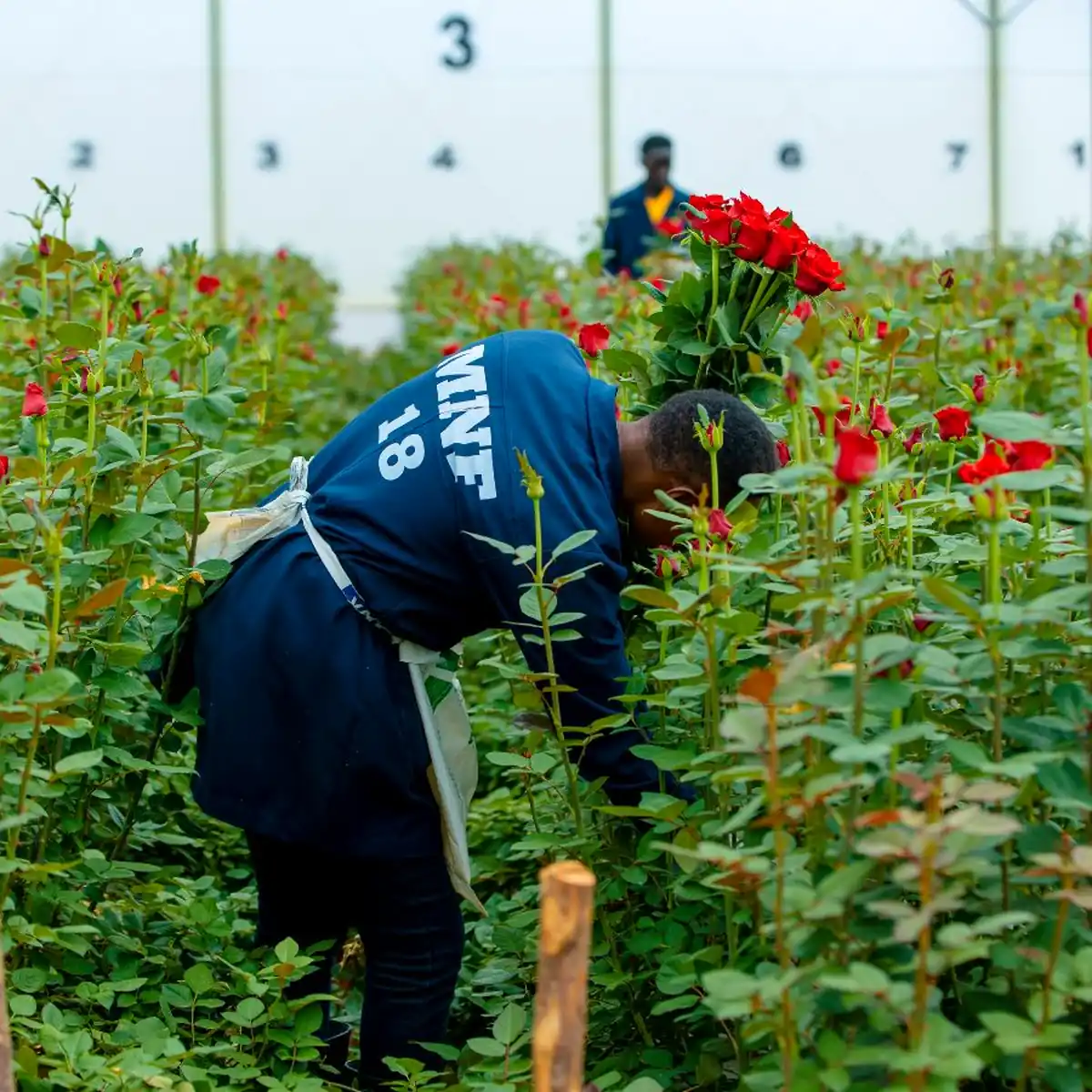
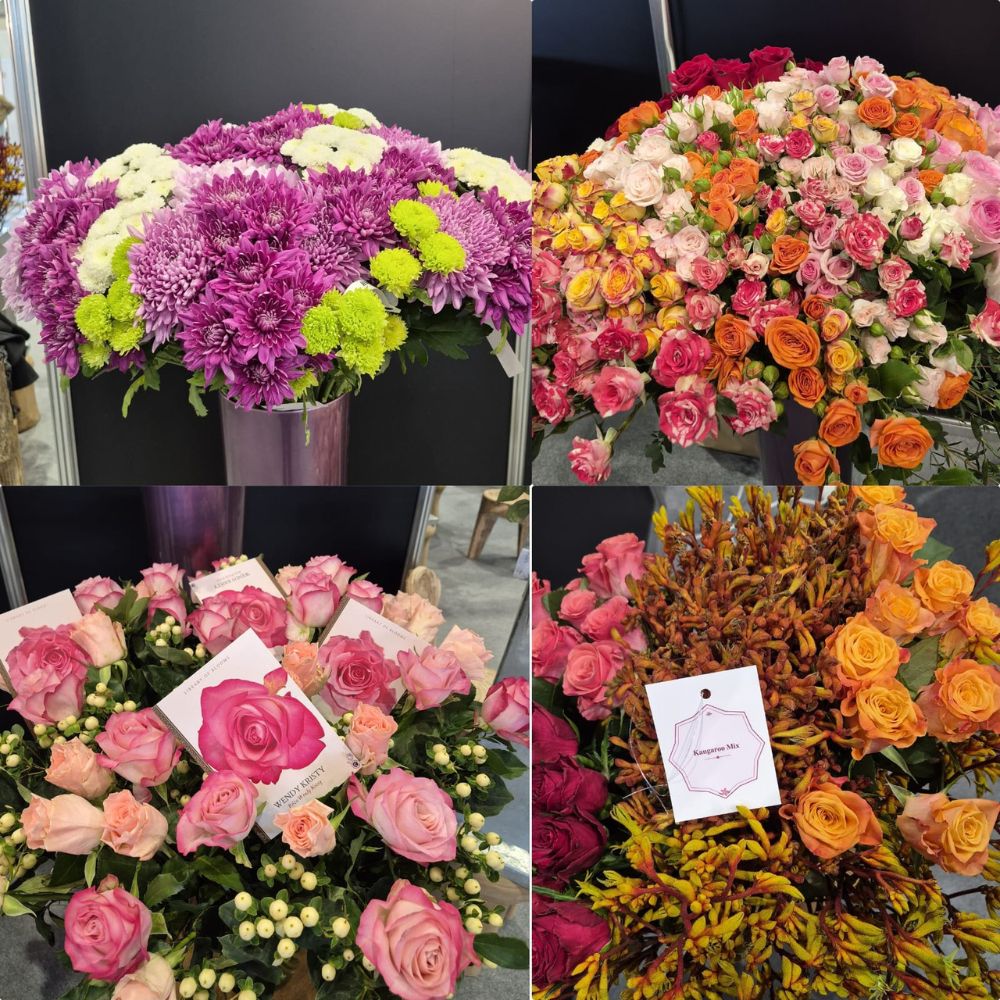
Karen Roses has produced commercially since 1989 and now runs six farms across Nairobi and Eldama Ravine, with more than 100 hectares in production. Its trial greenhouse keeps more than 200 varieties available for discussion at any time, and the team came to Poznan with a question for Polish buyers: what would you like us to grow next? Commercial Manager Calvine Emadau and Post Harvest Manager Shadrack Atanda left Poznan with a clear verdict.
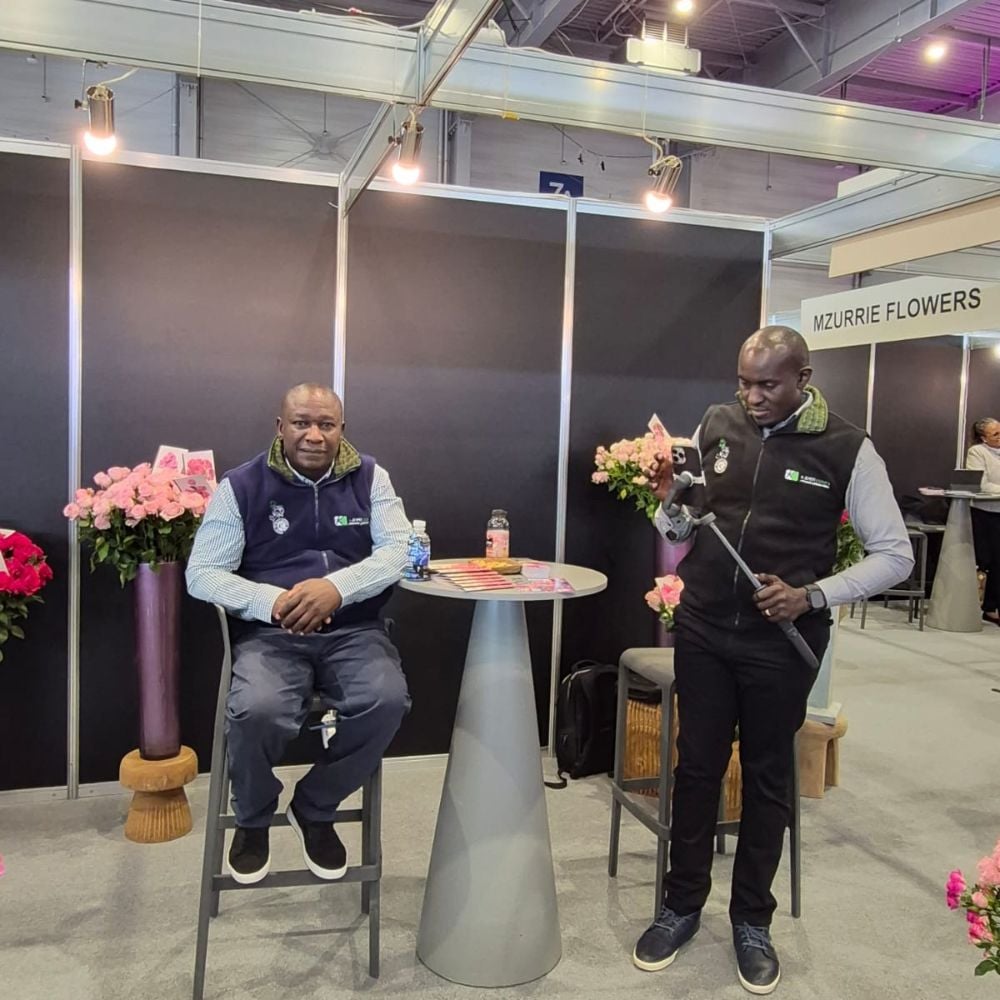
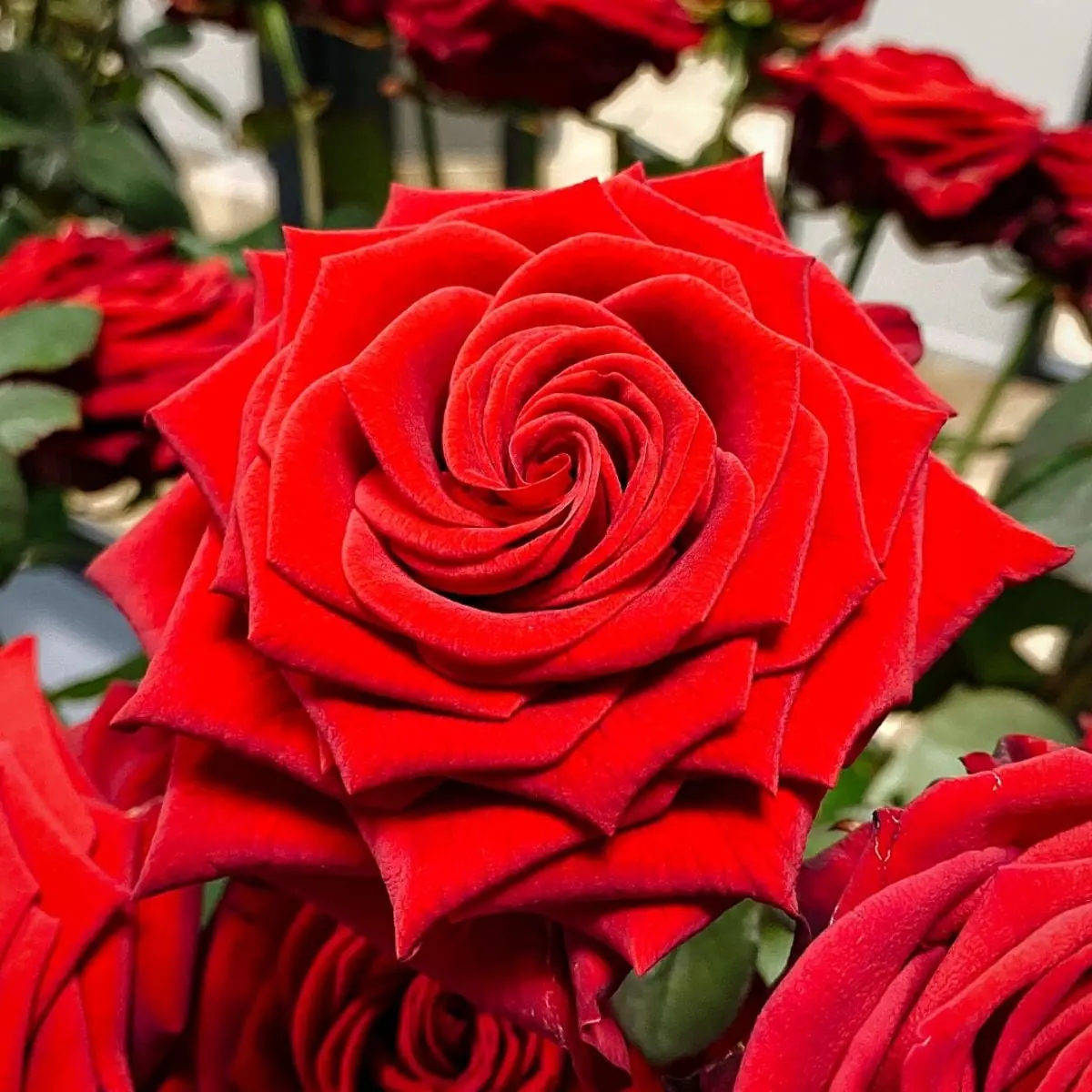
"The show was a success. I am impressed by how Polish people love flowers and are willing to bring the Kenyan market to Poznan. I am especially humbled to have presented our best-selling red rose, Belelinda Love, here," says Shadrack.
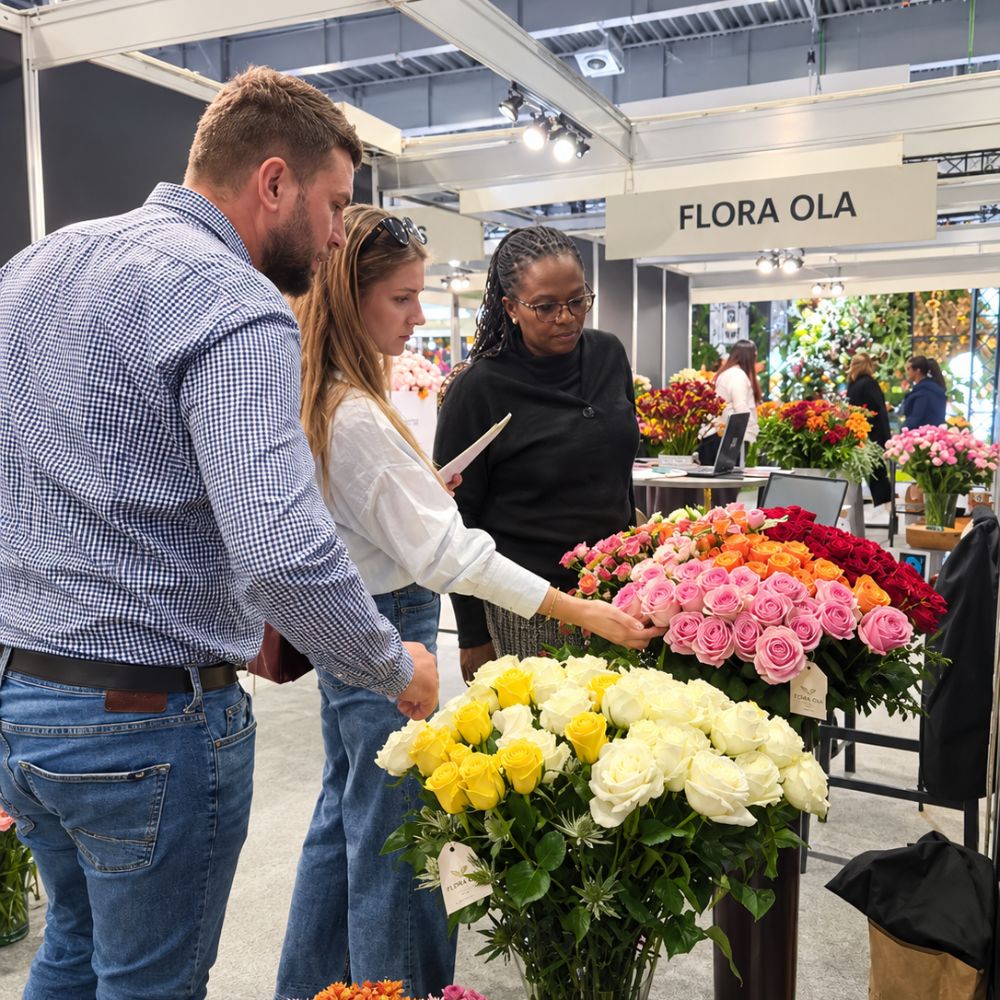
Flora Ola introduced standout Kenyan roses along with a growing lineup of spray varieties, including Silva Sweet, Sandringham, Birds Nest, Paradox, and Paulette. It was the farm's first big move into Poland, and Neema from the team says the trip paid off.
"My experience here has been quite worthwhile. We've secured at least six new clients in the market. We have also taken a walk in their flower market and see potential in how Flora Ola can be a good fit for flowers here."
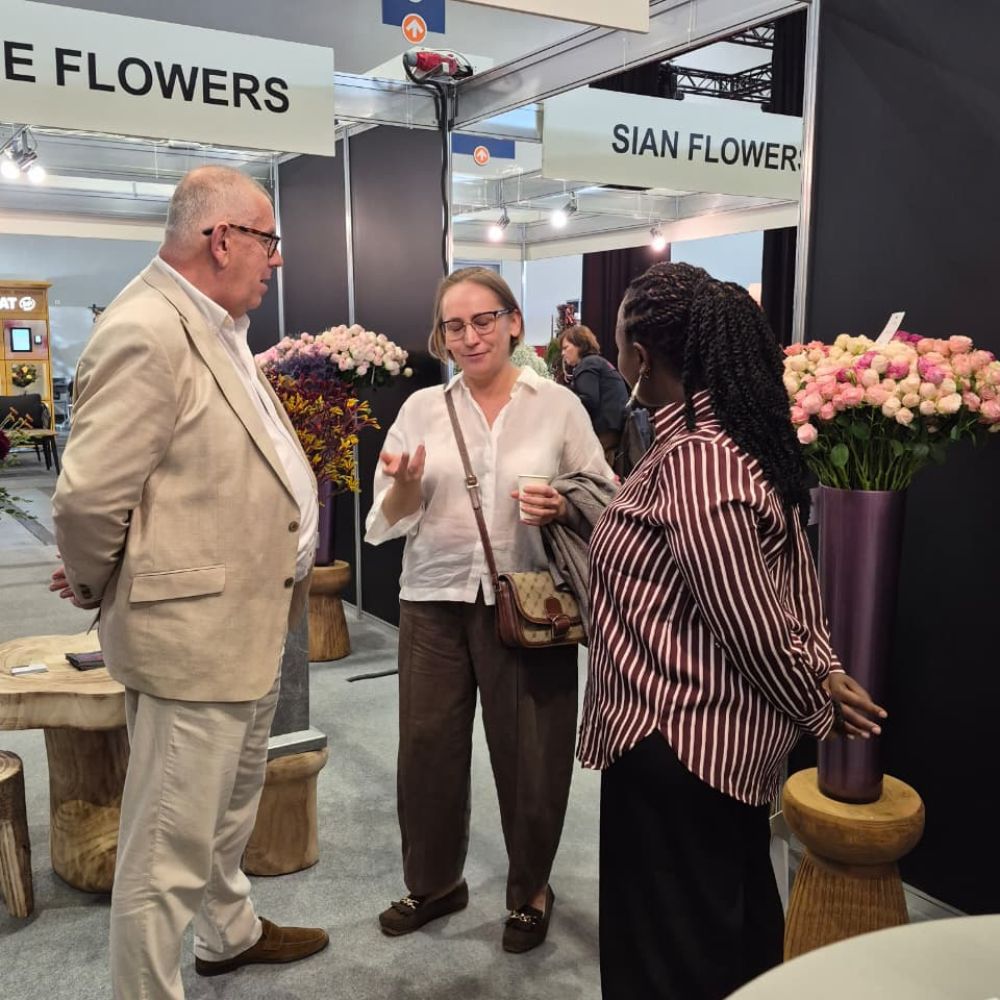
Benev Flora brought texture to the pavilion, with summer flowers in distinctive forms that florists could touch, study, and imagine in their own designs.
Leinot Farms is the group's newcomer, a boutique grower developing roses and summer flowers, with first commercial harvests planned from December 2026. Operations Manager Peter Kagia represented the farm, and for him, the most memorable moments had little to do with business.
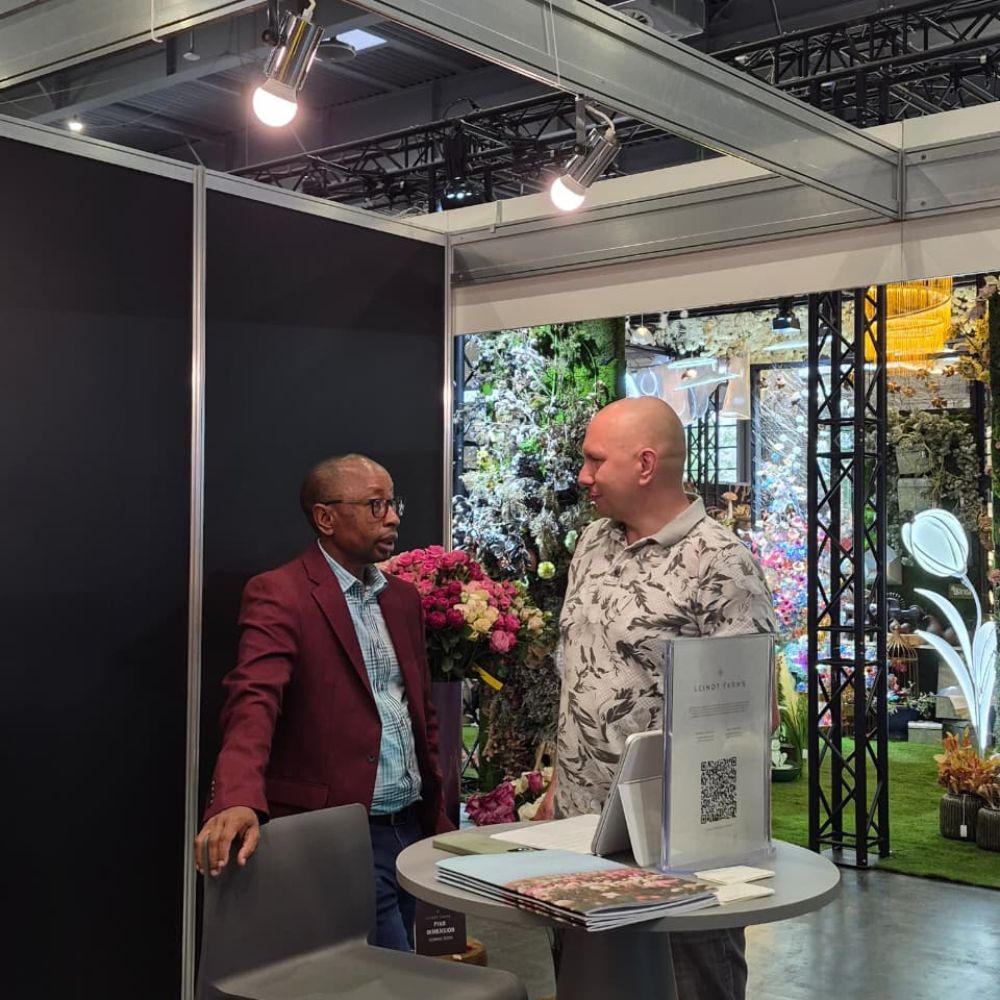
"I have realized how flowers play a huge impact on our emotional states. I met students who would ask for a stem to carry with them, and seeing their lovely faces brighten really made my days at the show. I hope having more flower markets here is established, and we can have more of our varieties seen and experienced here in Poznan."
Day Two: Where Conversations Became Plans
If the first day was about first impressions, Wednesday was about depth. Gardenia is built for direct contact, where buyers and suppliers can talk face to face about availability, quality, pricing, and future cooperation. That kind of conversation is hard to replace with an email or an online catalog, and the pavilion was busy with exactly that. Florists, wholesalers, gardeners, and floral academy students attended and asked questions as they experienced the flowers.
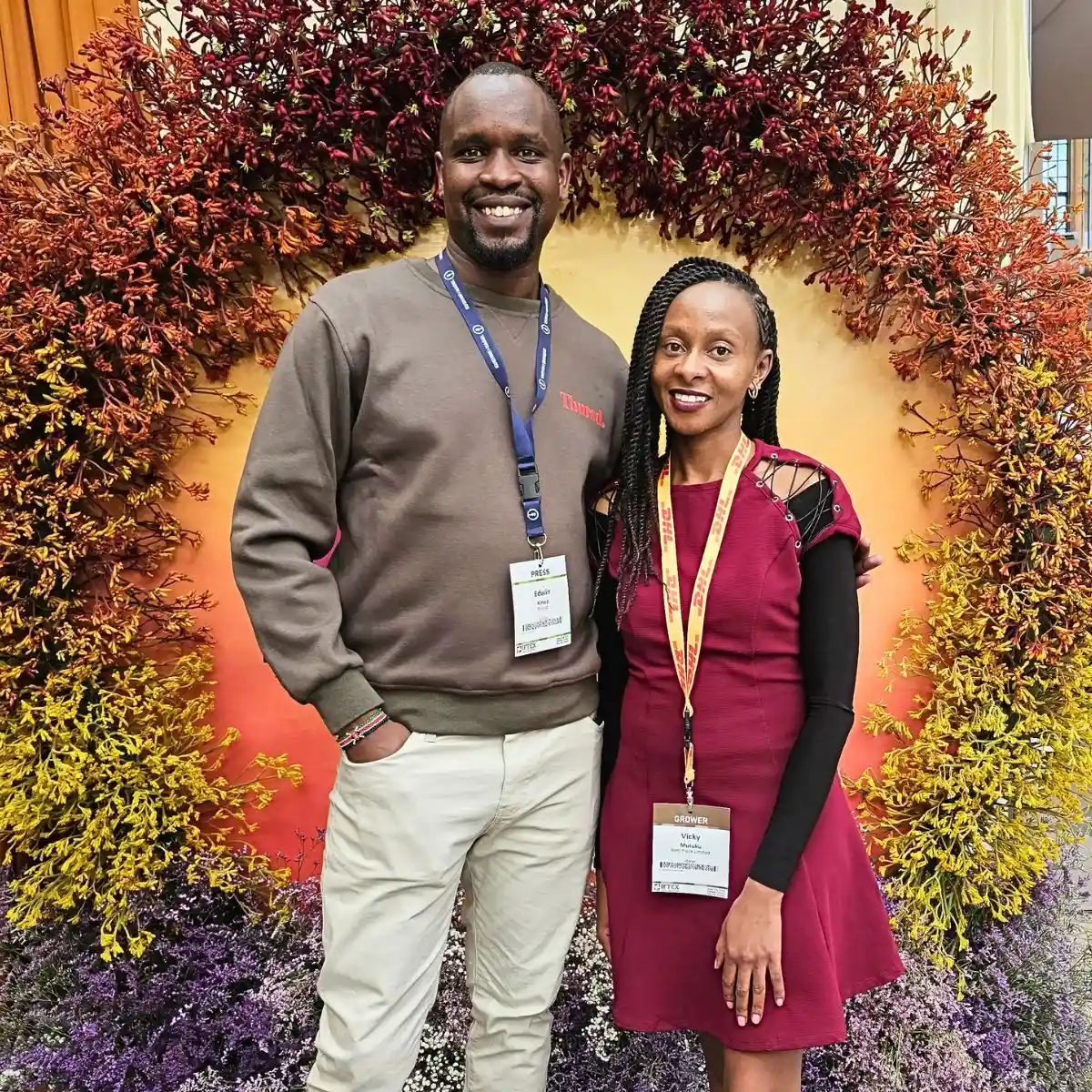
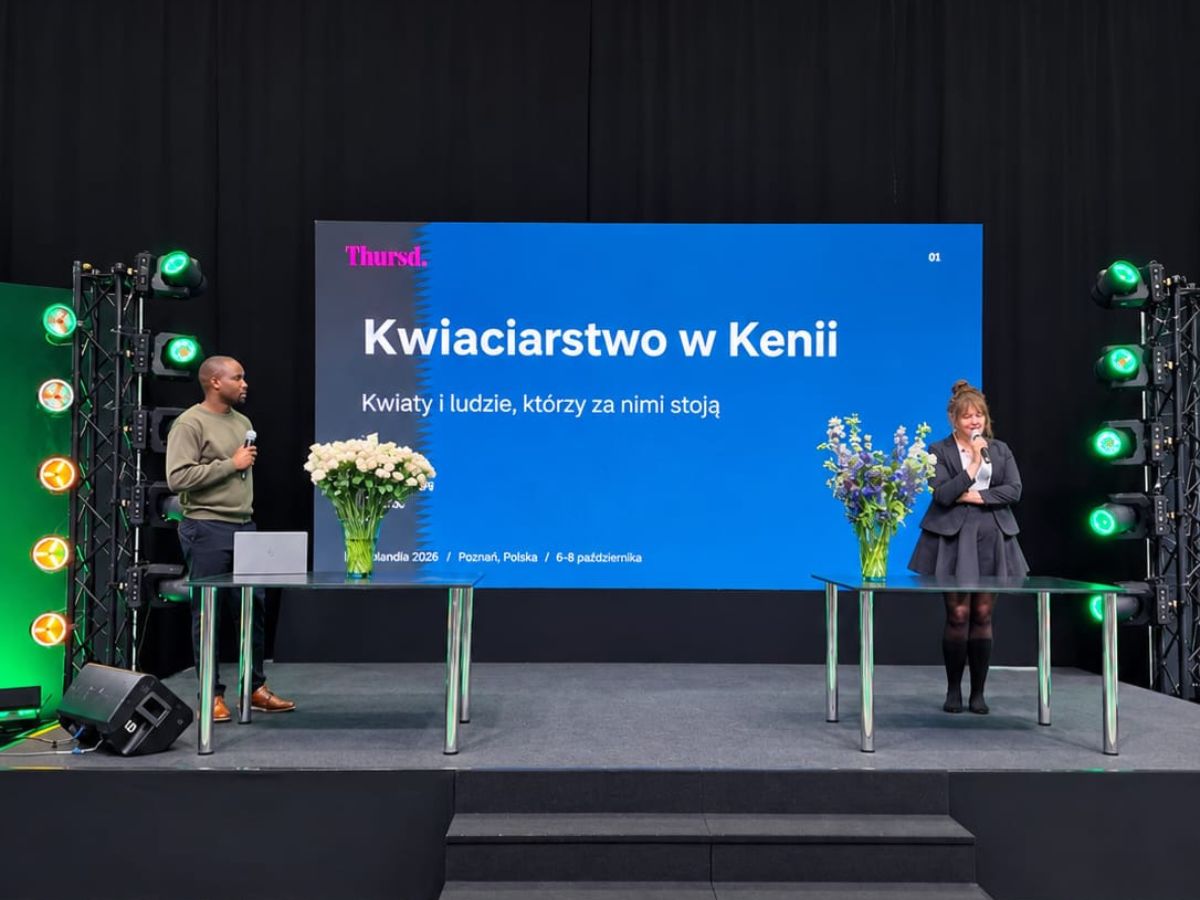
Thursd also had the opportunity to take the floor with a speech led by its Customer Success Manager, Edwin Kirwa, who offered a deep dive into the Kenyan Pavilion and everything the six farms had to offer. He walked the audience through the booth, from roses and spray varieties to summer flowers, and explained what each grower brings to the table, how the farms operate, and how buyers and florists can start working with them directly. For many in the room, it was the first time they had heard the Kenyan flower story from the people who connect those farms to the world.
Around the pavilion, the show itself kept moving. Poznan's floral competition, practical workshops, and floristry shows brought questions about sourcing and sustainability straight into the design process, and the Kenyan growers found themselves right in the middle of that conversation. Florists could see how they use flowers. Growers could see what florists actually need. Some of the farm teams even stepped away from their stands to walk through the local flower market, taking a close look at how flowers are sold and where their own varieties might fit.
The wider show offered plenty to explore. The new Environmentally Friendly Solutions zone, which focused on smart irrigation, water conservation, and efficient cultivation, gave the growers a chance to compare notes with technology providers. The Hosted Buyers Program brought decision-makers from several European countries. For farms that traveled thousands of miles, meeting that audience in one building was a rare advantage.
Day Three: Letting the Flowers Do the Talking
Thursday, October 8, was the show's calmest and most personal day. After two busy days of meetings, the pavilion settled into a warmer atmosphere. Visitors had time to linger, ask questions, and experience the flowers up close, and the conversations went deeper because nobody was in a rush.
Florists, students, buyers, and growers swapped stories as much as business cards. Some visitors took flowers home, a small gesture that did more than any brochure could, because a stem on a kitchen table keeps the conversation going long after the show. For the growers, it was a chance to build real connections, strengthen the relationships started earlier in the week, and welcome new clients into the Kenyan flower family.
Why It Was a Success
A show like this is not measured only in footfall. It is measured in what happens after the lights go out. Here is what the participants took home from Poznan.
1. A real first. Kenya had a dedicated, coordinated presence at Gardenia, with six farms speaking with one clear voice and one beautiful shared setting.
2. New business and new leads. Every farm left Poznan with leads. Karen Roses and Flora Ola each reported at least six new leads, and the other farms returned home with conversations that are still unfolding. Just as importantly, the farms hope Gardenia becomes a yearly stop for Kenyan flower growers, so the relationships started this year can keep growing.
3. Genuine enthusiasm. As Shadrack from Karen Roses put it, Polish people love flowers, and the growers felt that warmth at every stand. No sales strategy can create that kind of welcome.
4. A human connection. Students who asked for a single stem to carry reminded everyone present why this industry exists. Flowers change how people feel, and that simple truth crossed every language barrier in the hall.
5. Market insight. Growers walked away knowing far more about what Polish florists want, and what the Polish market could look like for Kenyan flowers in the years ahead.
And the story is not finished. Leinot Farms will begin its first harvests in December. Karen Roses is still waiting to hear what Polish buyers want to see grown next. Flora Ola and Karen Roses have at least six new clients to welcome and a flower market full of possibility to explore. Every conversation that started in Poznan has a next chapter. Gardenia turned 20 and welcomed Kenya for the first time.
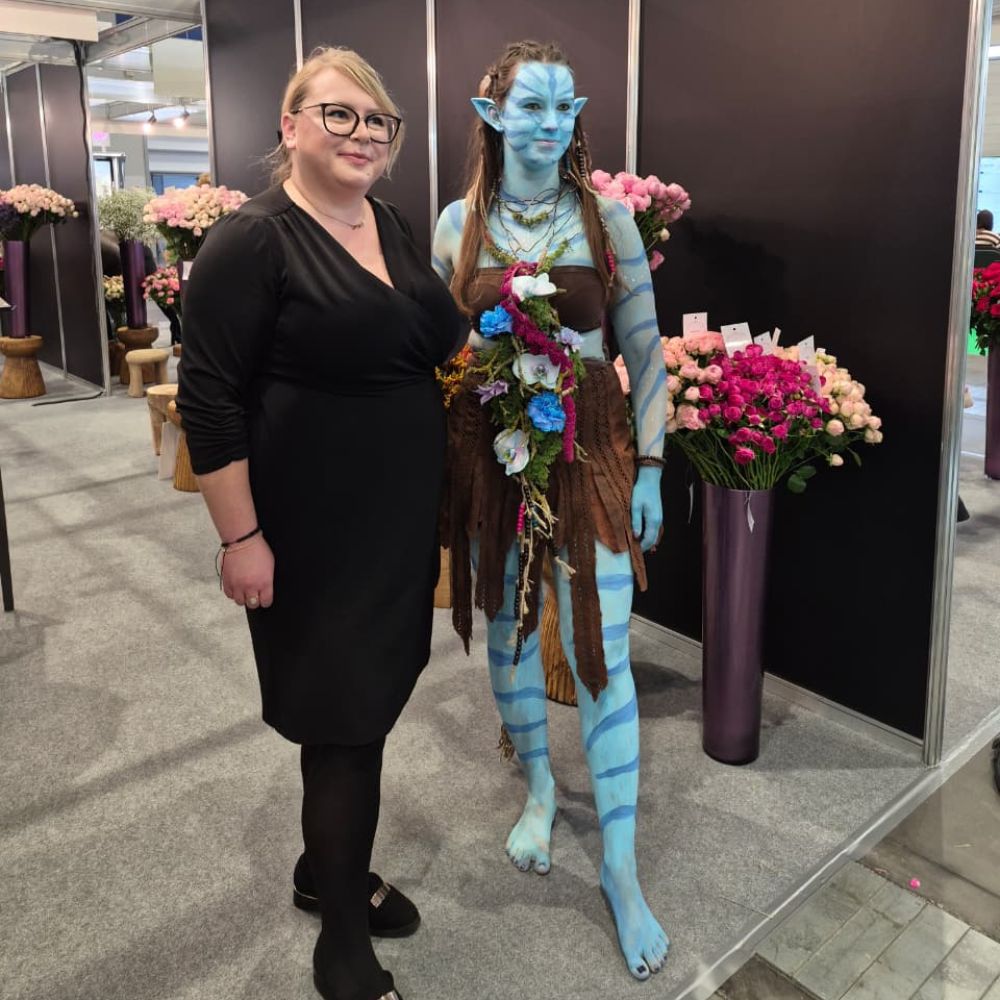
Poznan got a taste of East African flower power, and Kenya got a window into a market eager to meet it. Peter from Leinot Farms hopes to see more flower markets established in Poland so that more Kenyan varieties can be seen and experienced there, and after three days in Poznan, that hope feels less like a wish and more like a plan. When roses can start a conversation across continents, languages, and three days of handshakes, a show has clearly done its job.
Thursd thanked Gardenia, the Poznan International Fair, Canea, and the six Kenyan growers, and hopes to return next year.