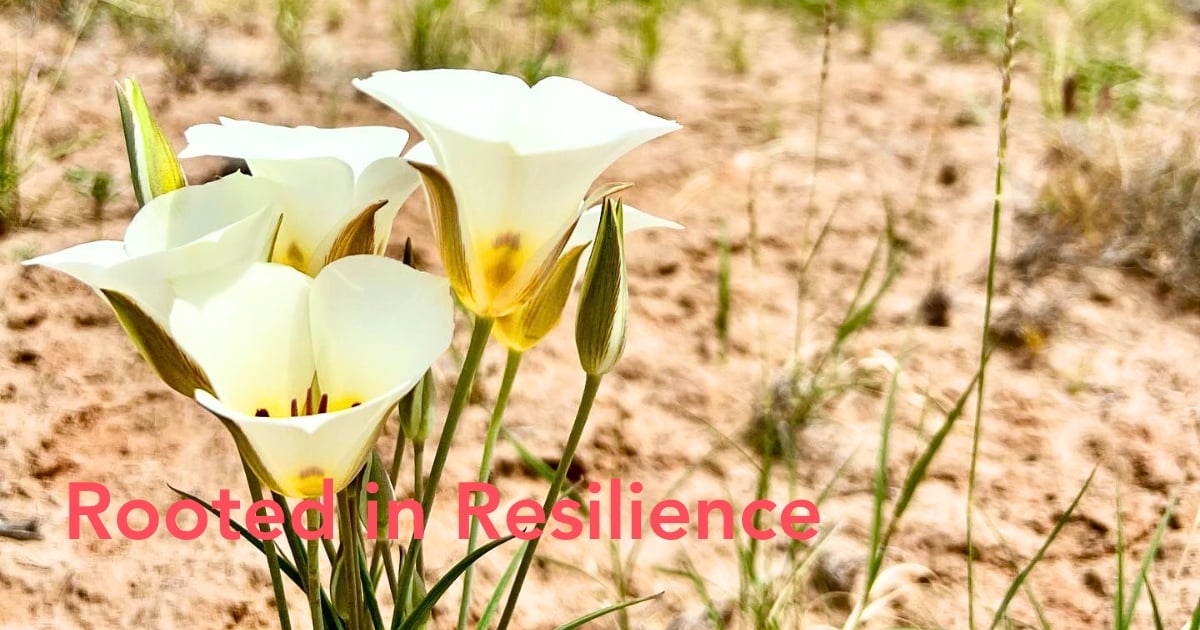
Utah is a state defined by contrasts. Towering mountain ranges rise above broad valleys, red rock deserts stretch toward the horizon, and vast open landscapes reveal a beauty that is both rugged and inspiring. Across these diverse environments, countless native plants have adapted to thrive in conditions that can be challenging, unpredictable, and often extreme. Among them grows a flower that has become one of the most meaningful symbols of Utah's history and identity, the sego lily.
Known scientifically as Calochortus nuttallii, the sego lily is the official state flower of Utah. Delicate in appearance yet remarkably resilient, this native wildflower has earned a place not only in the state's landscapes but also in its collective memory. Its elegant white flowers emerge across meadows, foothills, and grasslands each spring, offering a striking contrast against the often arid terrain. More importantly, the sego lily carries a story of survival, perseverance, and the relationship between people and nature.
What Is the Utah State Flower?
The official state flower of Utah is the sego lily (Calochortus nuttallii), a native perennial wildflower belonging to the lily family. It grows naturally throughout Utah and other parts of the western United States, thriving in grasslands, sagebrush habitats, mountain valleys, and open foothill environments.
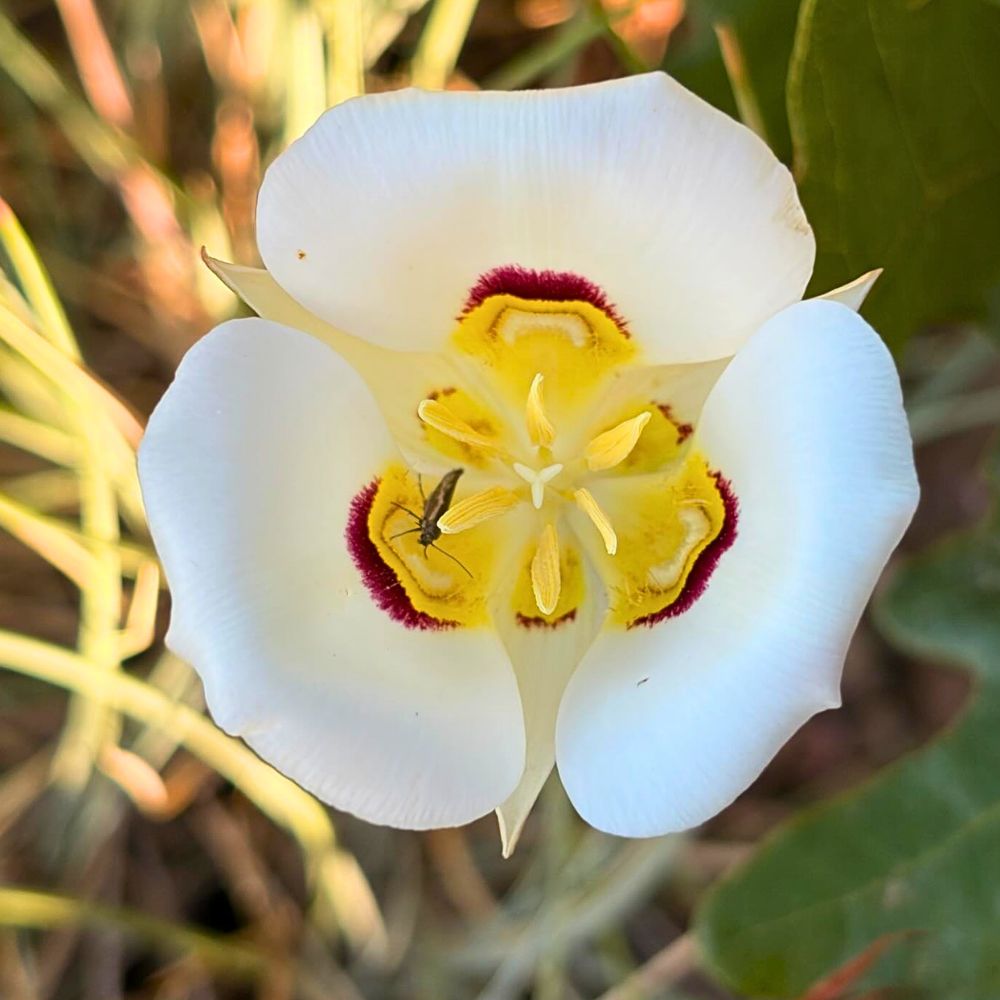
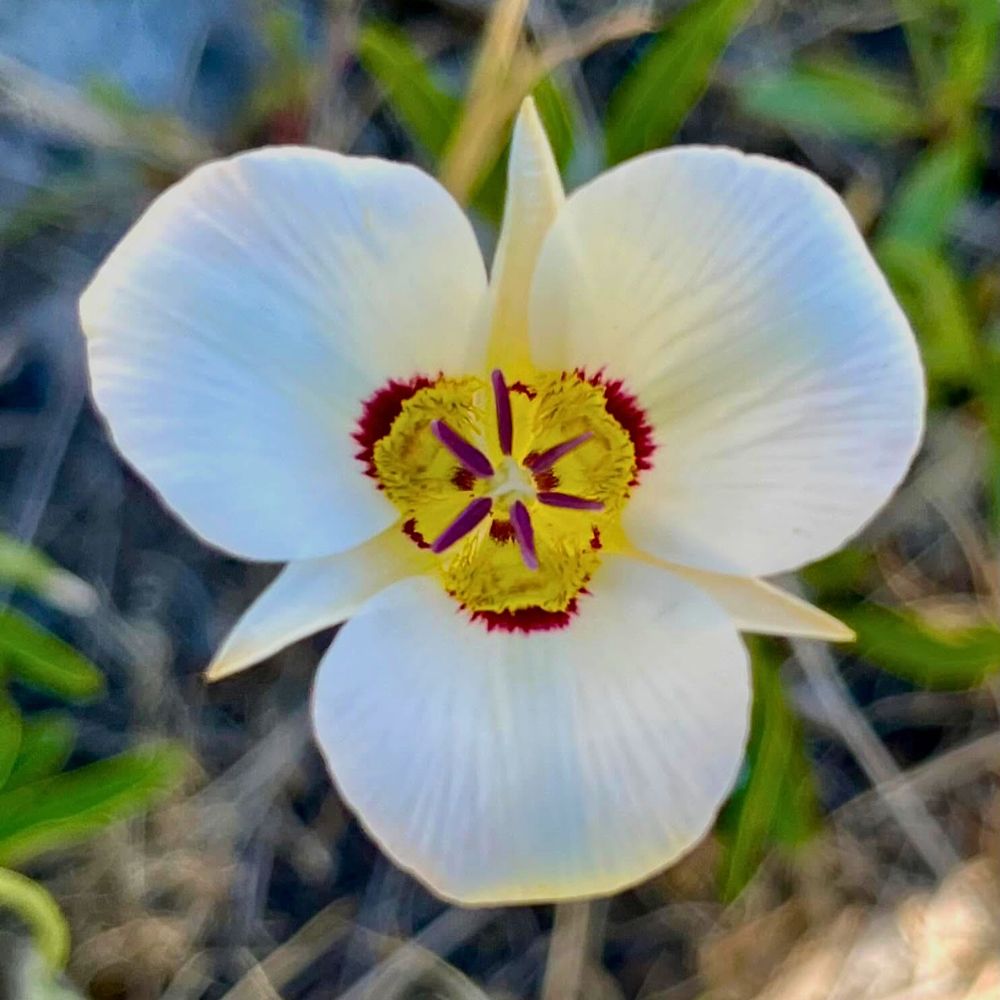
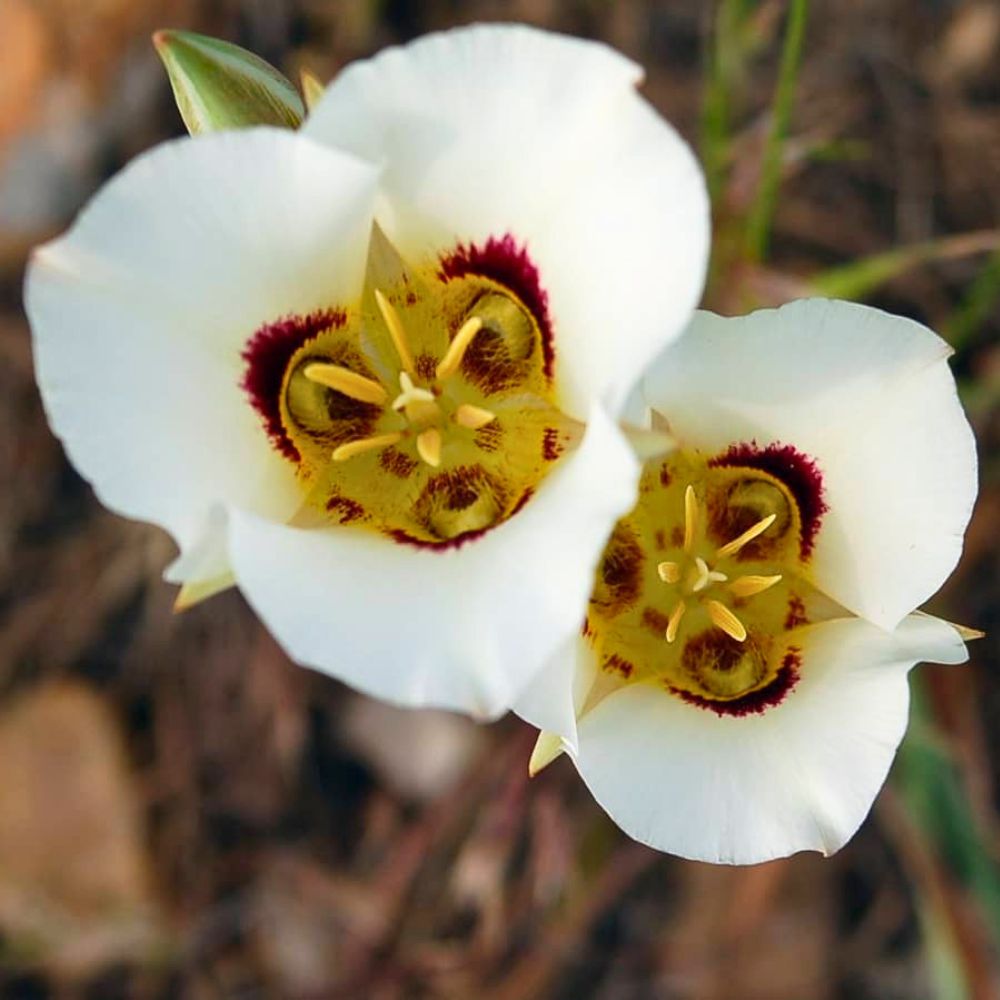
The sego lily is admired for its graceful appearance. Its flowers typically feature three white petals adorned with subtle purple markings and a vibrant yellow center. The flowers are held above slender stems, creating a refined and elegant silhouette that stands out against the surrounding landscape.
Unlike many ornamental flowers that require careful cultivation, the sego lily is well adapted to Utah's climate. It can survive periods of drought, cold winters, and challenging soil conditions, making it a true product of its environment. These qualities helped it flourish across the state for centuries and contributed to its selection as Utah's official floral emblem.
The History Behind Utah's State Flower
The story of the sego lily is deeply connected to Utah's pioneer history. During the mid-nineteenth century, settlers arriving in the region faced significant challenges as they worked to establish new communities in an unfamiliar and often demanding landscape. Harsh weather, limited resources, and crop failures created periods of severe hardship that threatened the survival of many families.
During one particularly difficult period, food supplies became dangerously scarce. It was then that settlers learned from Indigenous peoples about the edible bulbs of the sego lily. Native communities had long understood the value of the plant and used its bulbs as a food source. This knowledge proved invaluable to settlers, who began harvesting and consuming the bulbs when other food options were limited. The sego lily became associated with perseverance and survival during these challenging years. What might otherwise have remained simply another wildflower took on a much deeper significance. It came to symbolize the ability to endure adversity through resourcefulness, cooperation, and respect for the natural environment.
Meet the Sego Lily
The sego lily possesses a beauty that feels perfectly suited to the landscapes where it grows. Its flowers are neither large nor extravagant, yet they command attention through their elegance and refined structure. Each flower typically consists of three broad petals that are creamy white to bright white in color. Near the base of each petal, distinctive purple or maroon markings surround a vivid yellow center. These contrasting colors create a striking visual effect and help attract pollinators.
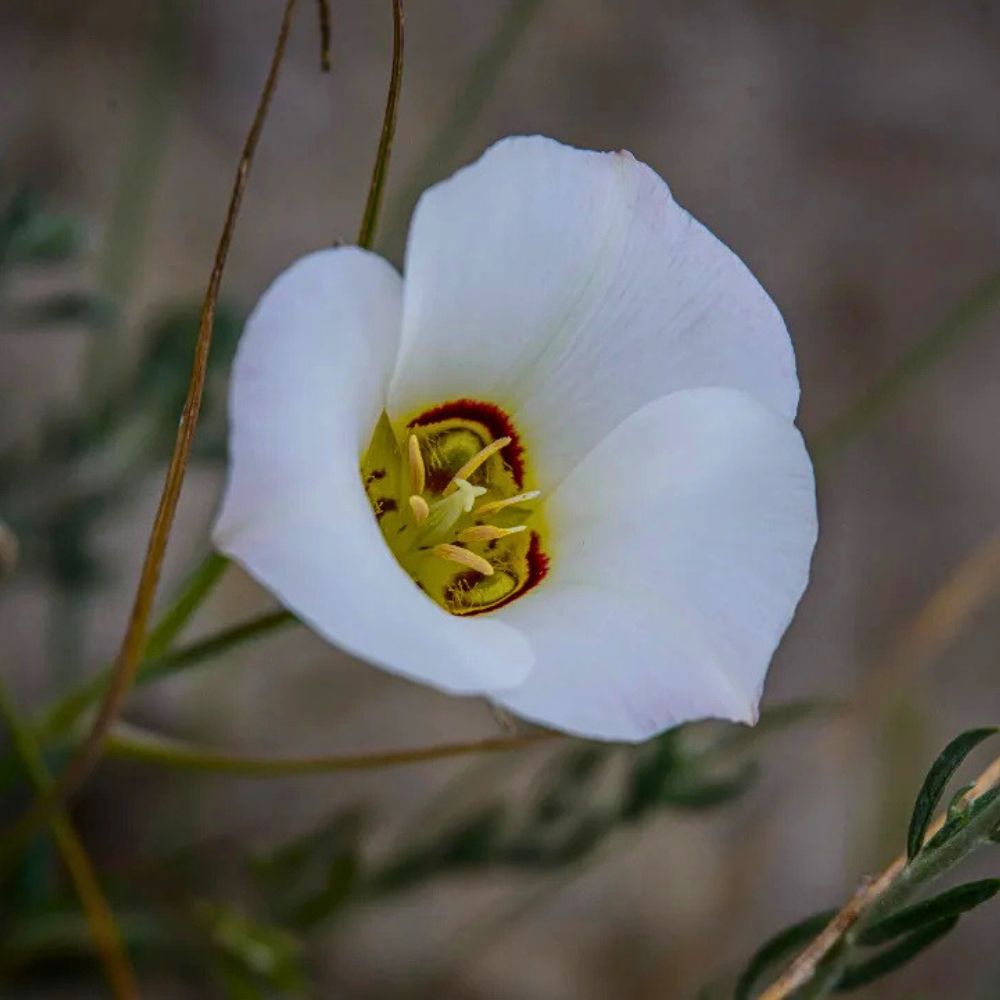
The flower is carried atop a slender stem that rises above the surrounding vegetation. Depending on growing conditions, plants may produce one or several flowers, creating small but memorable displays across open landscapes. When large populations are in flower, entire meadows can appear dotted with white flowers that seem to glow in the spring sunlight.
Beneath the soil lies one of the plant's most important features, its bulb. This underground storage structure allows the sego lily to survive periods of drought and environmental stress. It also played a crucial role in the flower's historical significance as a source of nourishment.
A Flower That Helped Sustain a Community
Few state flowers can claim a direct connection to human survival. The sego lily stands apart because its story extends far beyond aesthetics. When food shortages threatened early settlements, the bulbs of the sego lily became an important source of nutrition. While harvesting and preparing the bulbs required effort, they provided a means of sustenance during a period when alternatives were scarce. This contribution transformed the flower into a symbol of resilience and gratitude.
The story also highlights the importance of traditional ecological knowledge. Indigenous communities had long understood how to identify, harvest, and use native plants within the region. Their knowledge of the sego lily helped others navigate unfamiliar conditions and underscored the value of understanding local ecosystems. Today, the survival story associated with the sego lily continues to resonate because it reflects broader themes that remain relevant. It reminds us that resilience often depends on adaptability, learning, and a willingness to work with nature rather than against it.
The Symbolism of the Sego Lily
The sego lily carries rich symbolic meaning that extends well beyond its historical role. Perhaps its most widely recognized symbolism is survival. Because the flower became associated with overcoming hardship, it continues to represent perseverance in the face of adversity. Its story reminds people that even during difficult times, solutions can often be found through resourcefulness and determination.
The flower is also a symbol of hope. Emerging each spring after the challenges of winter, the sego lily serves as a visual reminder that renewal and growth are always possible. Its bright flowers appear across landscapes that may seem harsh for much of the year, bringing a sense of optimism and possibility. Many people also associate the sego lily with gratitude. Its role in Utah's history encourages appreciation for both natural resources and the knowledge that helps people understand and use them wisely.
Where the Sego Lily Grows Naturally
The sego lily is native to much of the western United States, but it is particularly associated with Utah, where it grows across a wide variety of natural habitats. The flower is commonly found in grasslands, mountain valleys, sagebrush communities, foothills, and open woodland environments. It thrives in well-drained soils and often appears in areas that experience seasonal moisture followed by dry summer conditions.
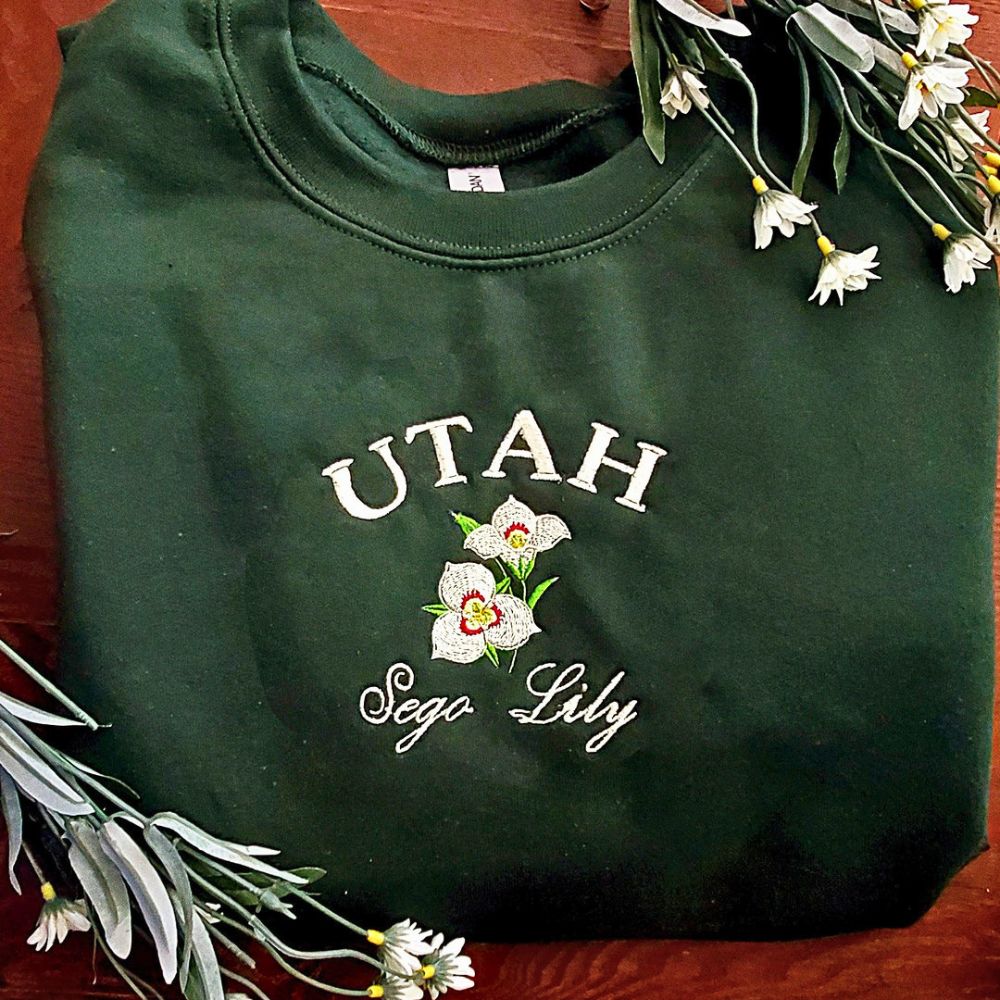
Its adaptability allows it to flourish across different elevations and climates. From lower valleys to mountain meadows, the sego lily demonstrates an impressive ability to adjust to changing environmental conditions while maintaining its distinctive beauty. The flower's presence across so many parts of Utah helps explain why it became such a meaningful state symbol. It is not confined to a single region but instead serves as a floral thread connecting many of the landscapes that define the state.
The Sego Lily's Role in Utah's Natural Heritage
Native wildflowers play an essential role in healthy ecosystems, and the sego lily is no exception. Beyond its historical and symbolic importance, the flower contributes to the ecological richness of Utah's landscapes. Its flowers provide resources for pollinating insects, including native bees and other beneficial species. These pollinators are vital for maintaining biodiversity and supporting the reproduction of many flowering plants.
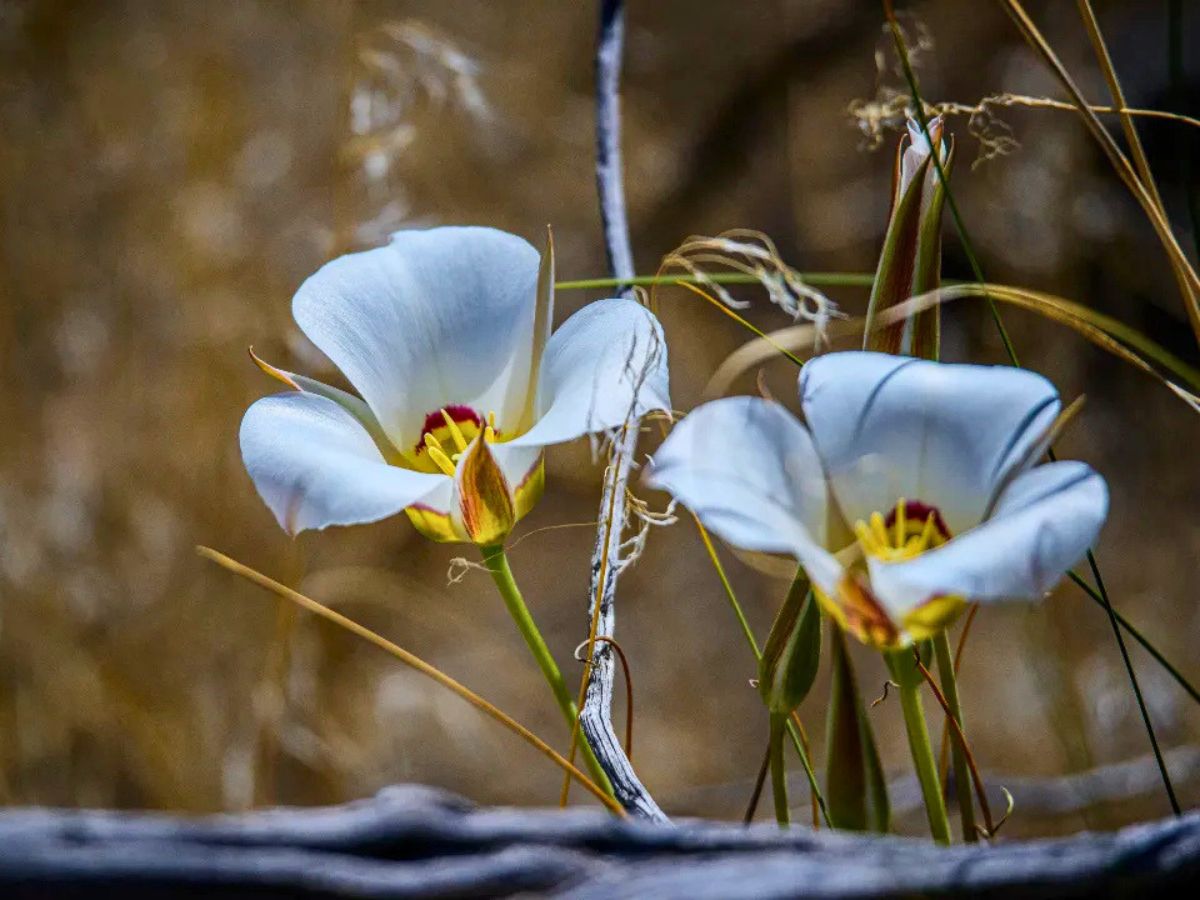
The sego lily also contributes to the visual character of Utah's natural environments. Spring displays of wildflowers help define the seasonal rhythms of the landscape and create opportunities for people to connect with nature through recreation, photography, and conservation. As awareness of native plant conservation continues to grow, the sego lily serves as an ambassador for Utah's broader botanical heritage. It encourages appreciation for the diverse plant communities that have evolved within the region.
Sego Lily Versus Other Native Lilies
Although many lily-like flowers grow throughout western North America, the sego lily possesses characteristics that make it uniquely significant. Its distinctive white petals, purple markings, and yellow center create an appearance that is immediately recognizable. While other native lilies may display equally attractive flowers, few carry the same historical and cultural significance as the sego lily.
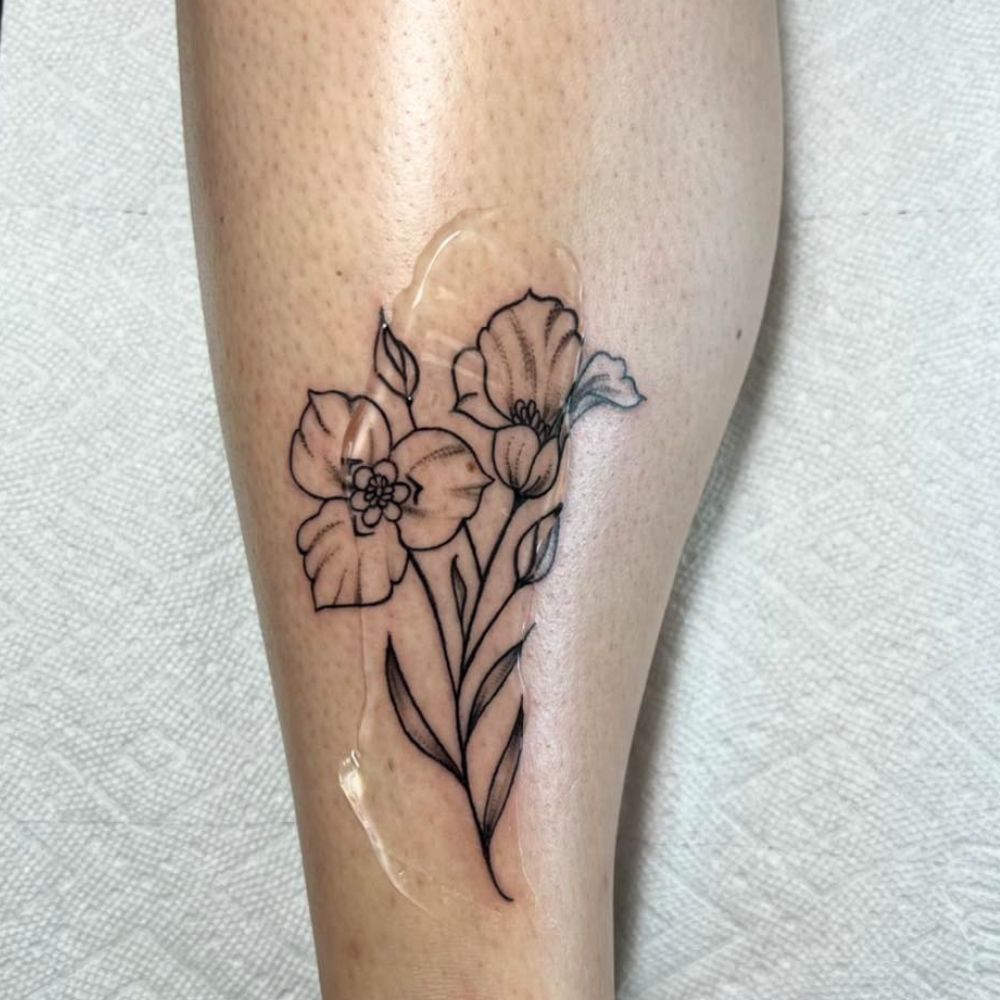
What truly sets the flower apart is its connection to Utah's story. Most wildflowers are admired for their ecological value or visual appeal. The sego lily offers those qualities while also representing a chapter of human history that shaped the development of the state. Its ability to thrive in dry environments further distinguishes it from many ornamental lily species that prefer richer soils and more consistent moisture. The sego lily's adaptations reflect the landscapes where it evolved and reinforce its identity as a flower perfectly suited to the American West.
Why the Sego Lily Continues to Inspire Utah
More than a century after becoming Utah's state flower, the sego lily continues to inspire residents and visitors alike. Its story brings together many of the qualities that define Utah itself: resilience, beauty, adaptability, and a deep connection to the land. The flower serves as a reminder that even the most delicate-looking plants can possess remarkable strength. It illustrates how nature can provide support during times of uncertainty and how knowledge passed from one generation to another can shape the course of history.
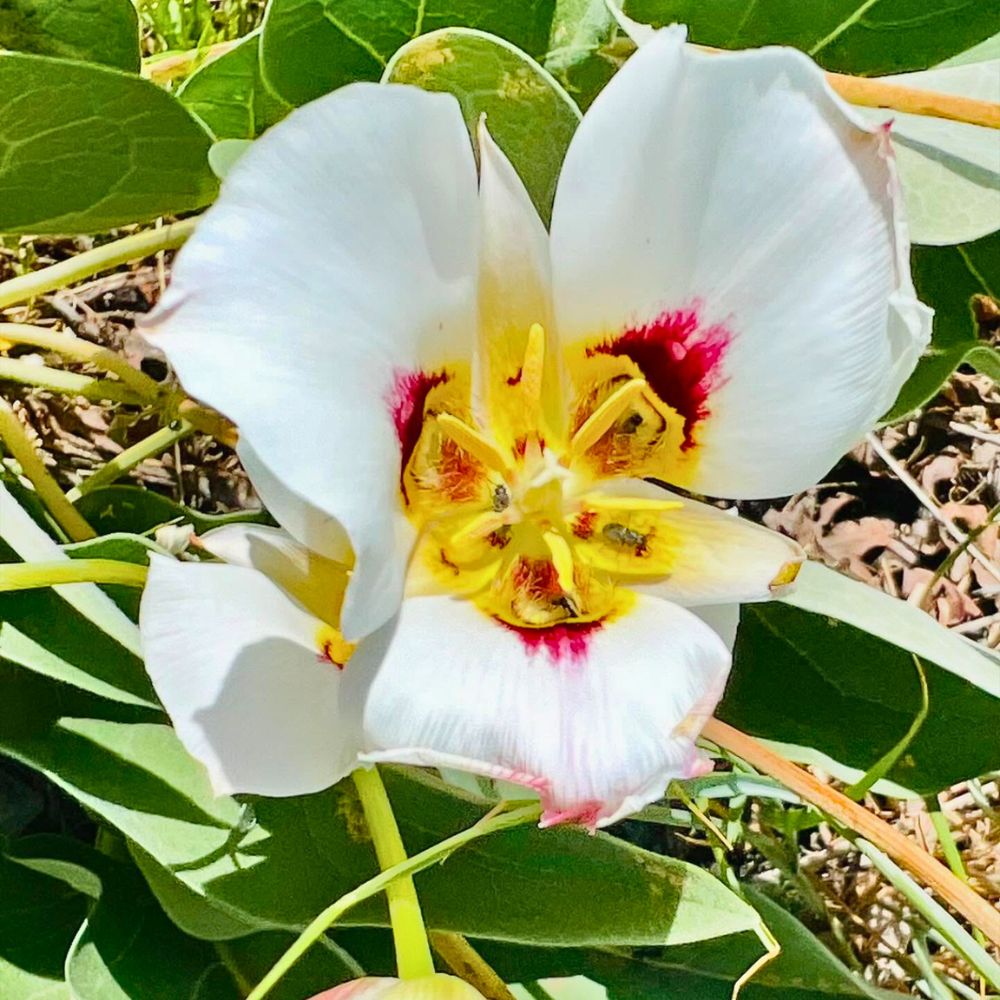
The sego lily also encourages appreciation for the state's native landscapes. As Utah continues to grow and develop, protecting the ecosystems that support native wildflowers becomes increasingly important. Ultimately, the sego lily represents far more than a state symbol. It embodies a story of survival, gratitude, and hope that continues to resonate across generations.
Header image by @peacebees.