
The rose, as the New York (NY) state flower, is more than a symbolic title on official documents and in school lessons. It is a plant that reflects New York's self-image through resilience, adaptation, and cultural continuity. Known formally as the rose, this designation connects nature, history, and public identity in a way that remains relevant today.
For florists, growers, educators, and floral professionals, understanding the state flower of New York helps place floral symbolism into a wider cultural and commercial context. This article unpacks what the New York state flower is, why it was chosen, and how it continues to influence floral storytelling and usage.
What Is the New York State Flower?
The official NY state flower is the rose. Unlike many state flowers that refer to a single wild species, New York selected the rose as a broader category. This allows for flexibility across climates, growing conditions, and floral applications, while still maintaining a strong symbolic anchor.
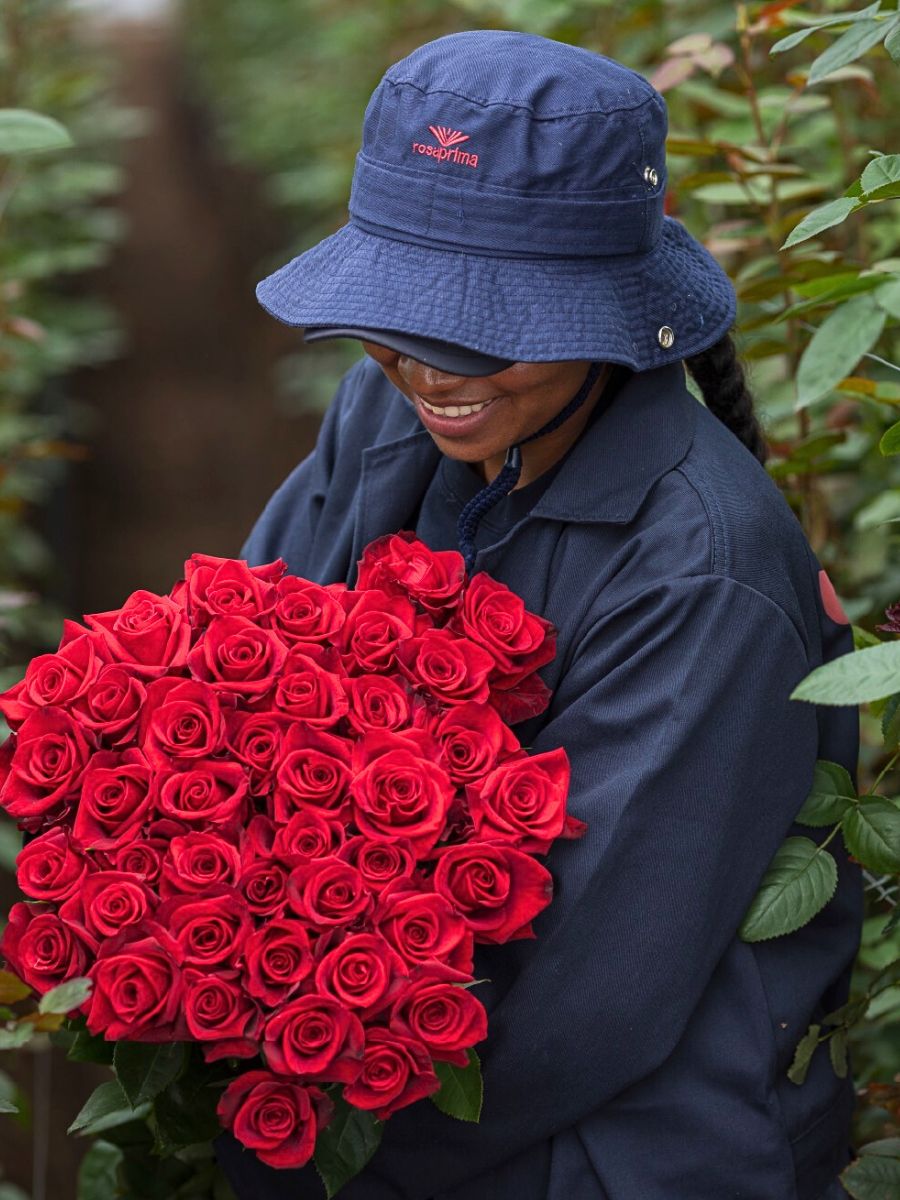
Roses grow well across the state, from upstate rural regions to urban gardens and public spaces. Their adaptability made them a natural fit for a state defined by geographic and cultural diversity.
Why the Rose Became the State Flower of New York
The rose was designated as the state flower of New York in 1955. At the time, legislators sought a symbol that was widely recognized, already present across the state, and meaningful to residents from different backgrounds.
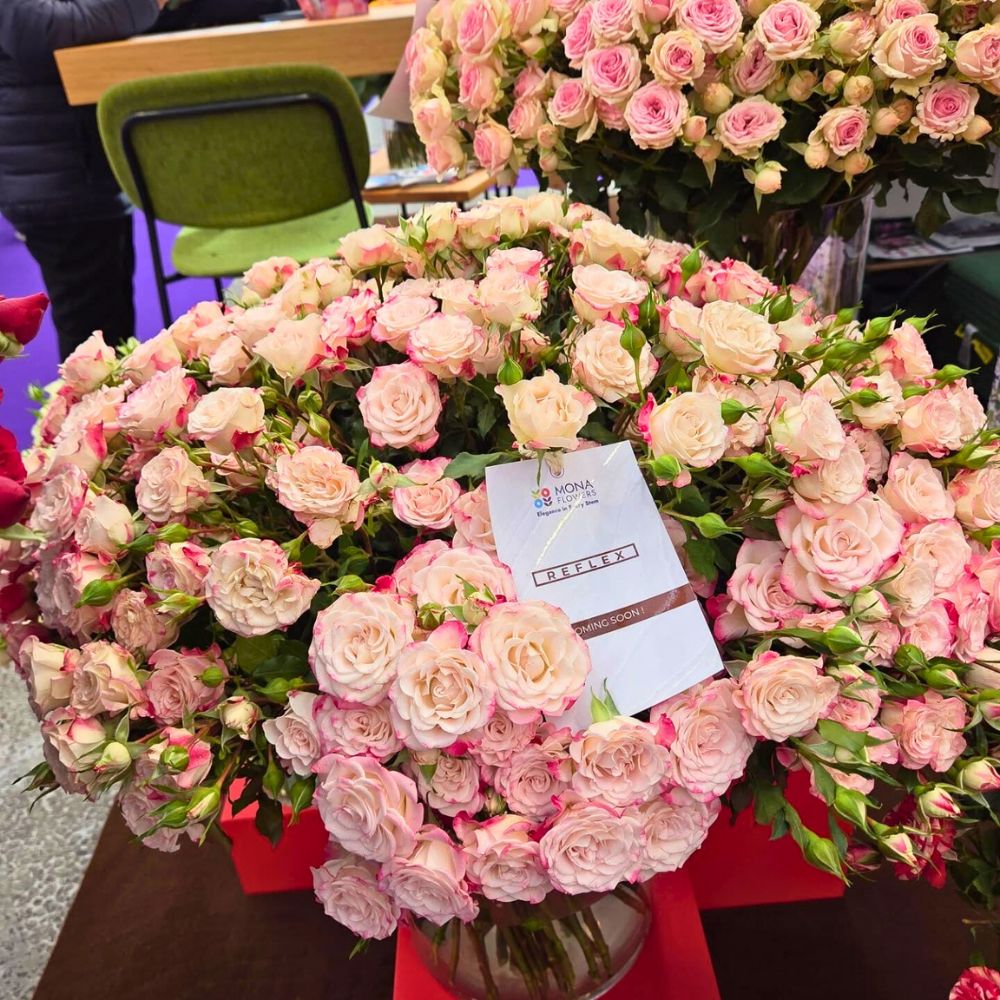
Roses had long been cultivated in New York gardens and used in civic ceremonies, memorials, and celebrations. Choosing the rose avoided regional bias and reinforced a unifying symbol rather than a niche botanical reference.
The Meaning Behind the New York State Flower
The rose carries a layered meaning that aligns closely with New York's identity. Strength is one of its most common interpretations, particularly due to the plant's structure and longevity. Renewal is another theme, as roses return year after year under the right conditions.
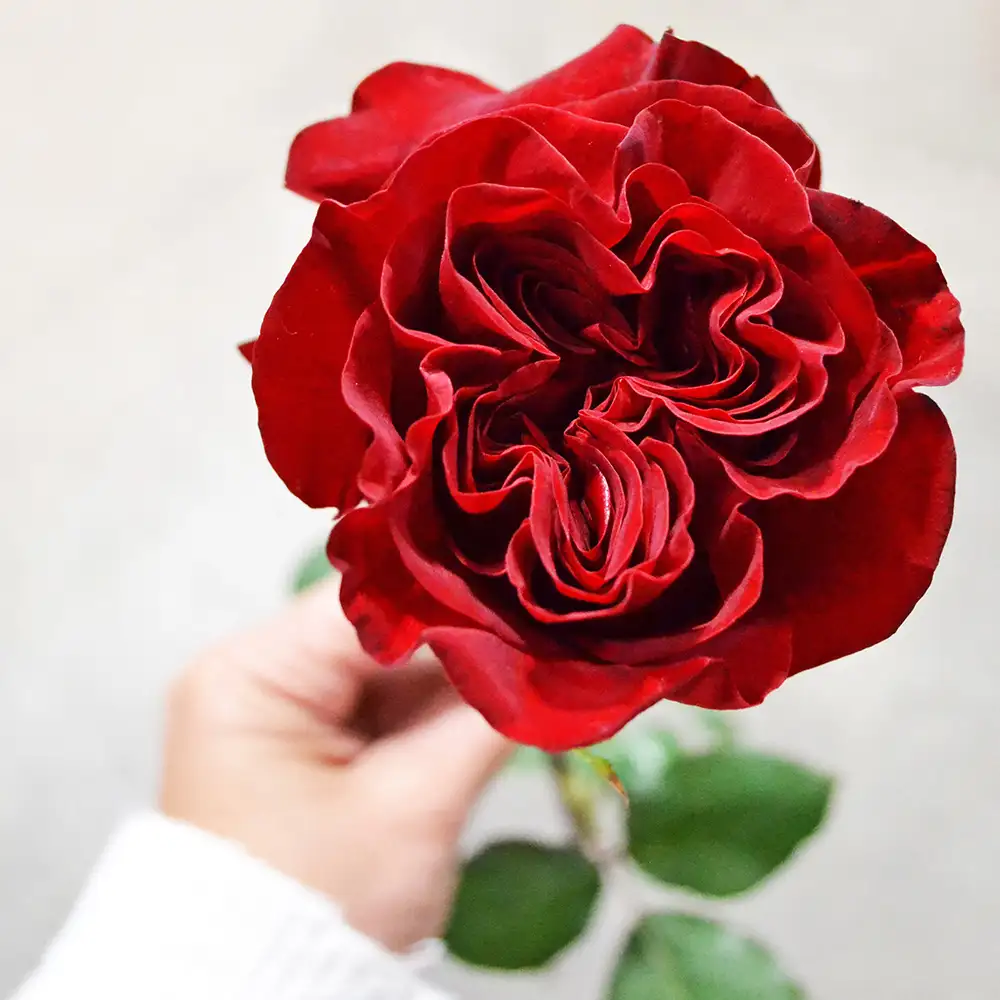
In a state shaped by migration, rebuilding, and reinvention, the rose reflects continuity without stagnation. It evolves through breeding and cultivation, yet remains recognizable across generations.
Is There a Specific Rose Variety for New York?
New York does not assign a specific rose variety as its state flower. This distinction matters, especially for educators and floral professionals. The absence of a single cultivar allows the symbol to remain open and inclusive.
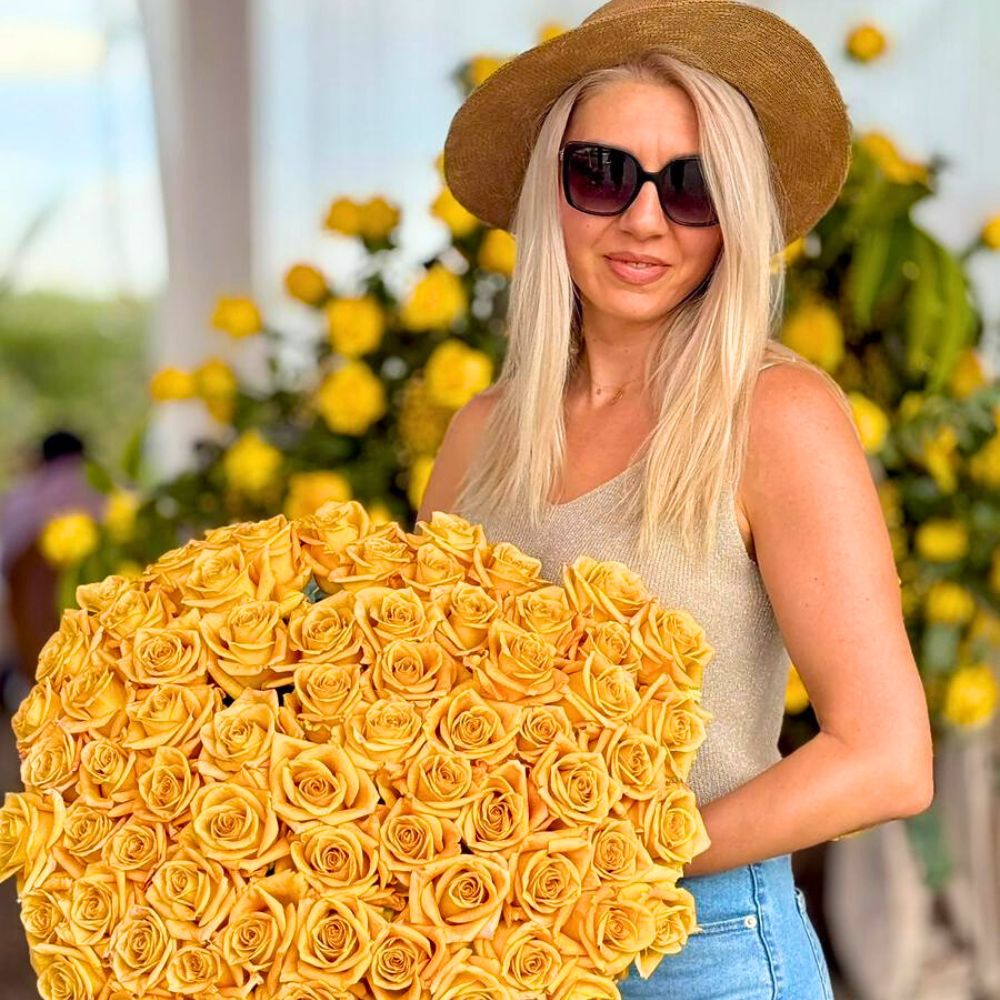
Hybrid tea roses, shrub roses, climbing roses, and heritage varieties all fall under the umbrella of the New York state flower. This flexibility supports both ornamental use and local growing practices without limiting interpretation.
Where Roses Grow Across New York State
Roses are cultivated across New York in public parks, private gardens, farms, and botanical institutions. Urban environments such as New York City rely on container planting and managed green spaces, while upstate regions often integrate roses into larger landscape designs.

This widespread presence reinforces why the rose works as a state-level symbol. It is not restricted to a specific ecosystem or elevation and can thrive with appropriate care in varied conditions.
The Role of the New York
The NY state flower is commonly introduced in primary education as part of the state symbols curriculum. It helps students connect natural elements with civic identity, offering a tangible entry point into learning about New York history.
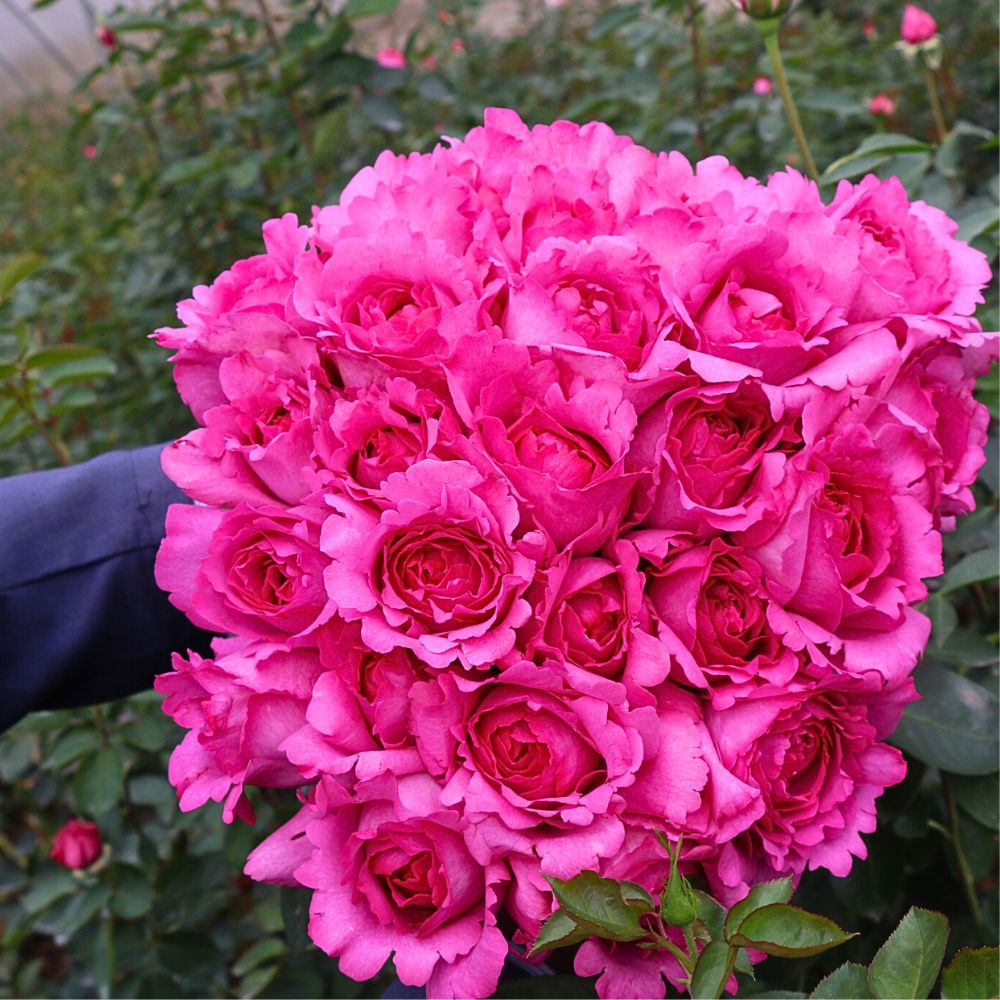
Beyond classrooms, the rose appears in public signage, educational programs, and state-related exhibitions. Its familiarity makes it accessible without requiring advanced botanical knowledge.
How Florists Use the State Flower of New York in Practice
For florists, the state flower of New York functions less as a rigid rule and more as a narrative tool. Roses are often used in arrangements tied to local pride, commemorations, and regional storytelling.
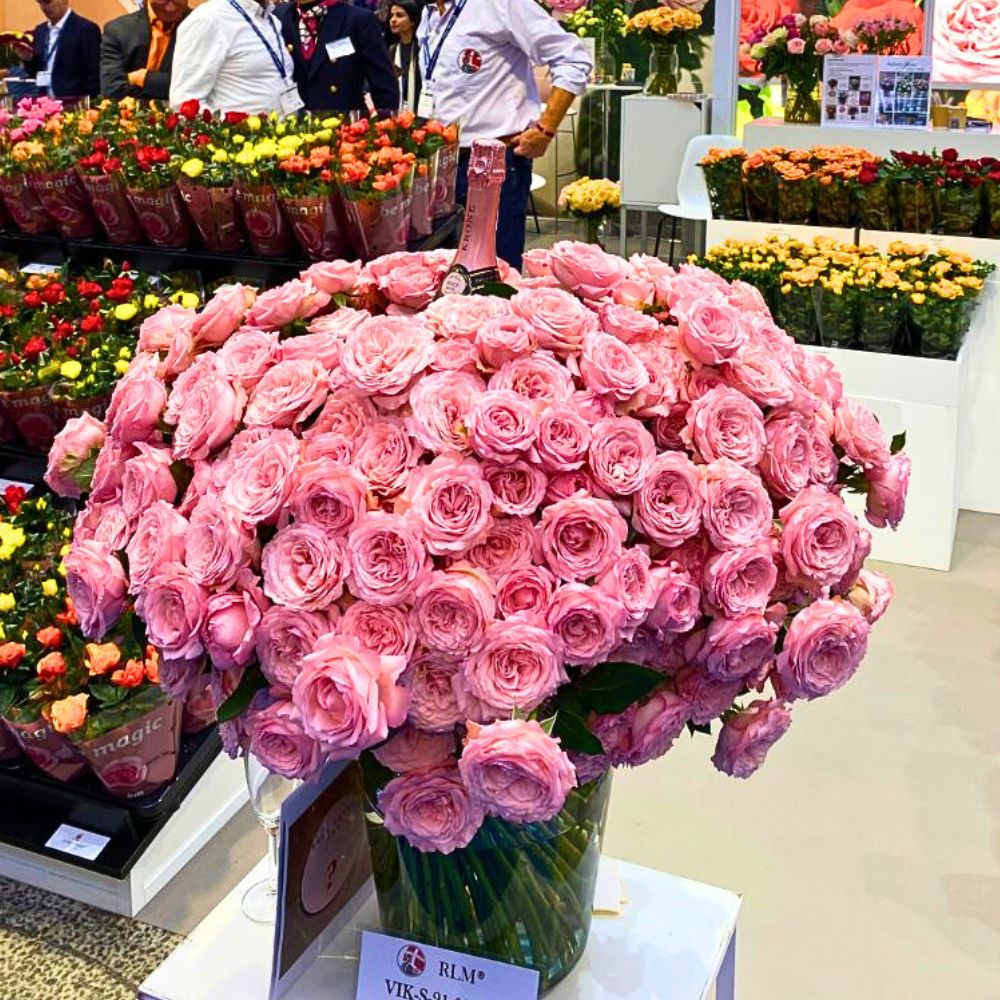
Because roses are already commercially central to the floral industry, their role as a state symbol strengthens emotional connection rather than introducing a new design constraint. This makes them especially useful in editorial, event, and seasonal work.
The NY State Flower in Public and Civic Life
Roses appear frequently in public ceremonies, memorials, and official events throughout New York. Their use is subtle rather than ceremonial, reinforcing familiarity instead of spectacle.
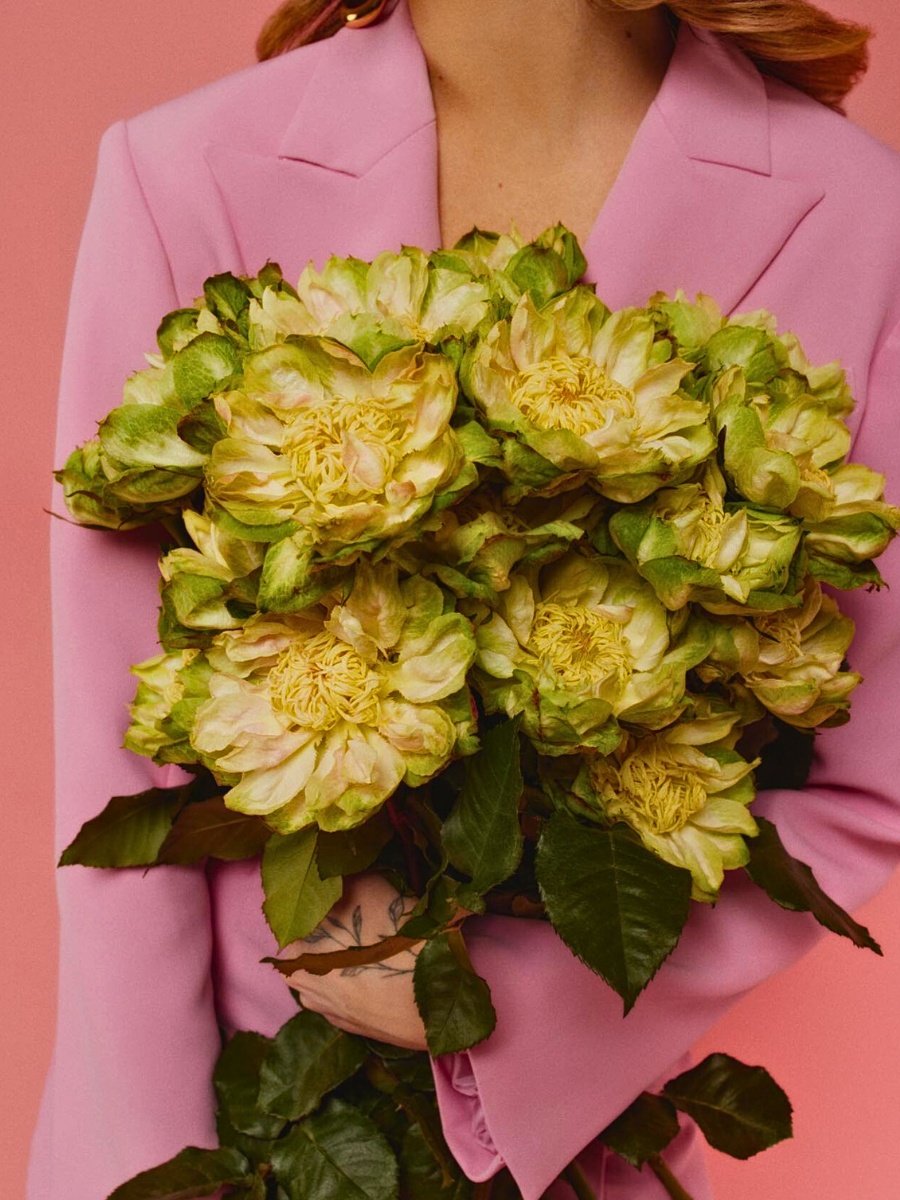
Municipal plantings and state-supported green initiatives often include roses as part of broader landscape planning. This reinforces the symbolic choice through everyday visibility rather than formal declaration.
How the Rose Compares to Other State Flowers
Many US states select native wildflowers tied to specific habitats. New York’s choice stands apart by prioritizing cultural relevance over botanical exclusivity.
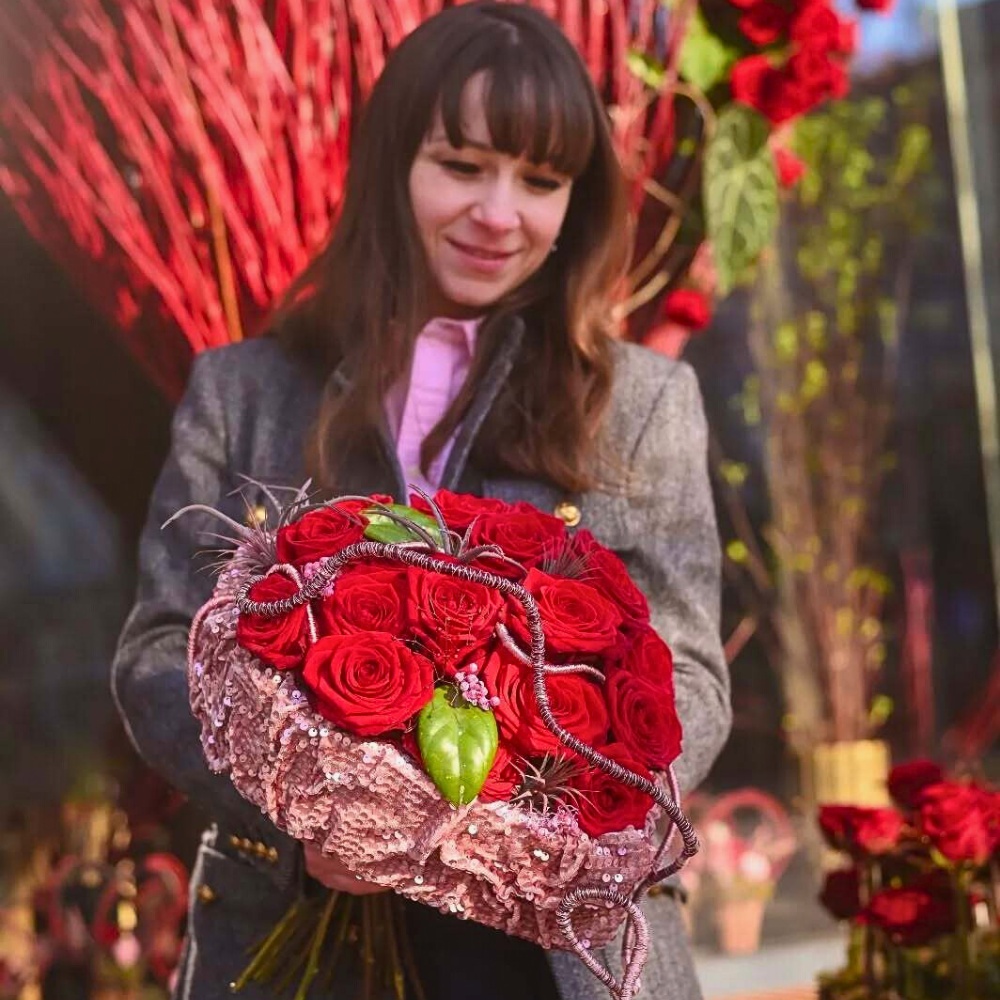
This distinction reflects the state’s broader identity. New York is shaped as much by human movement and adaptation as by natural landscape. The rose mirrors this balance through cultivation, breeding, and global presence.
The Commercial Relevance of the New York State Flower
From a commercial standpoint, the rose remains one of the most traded flowers globally. Its designation as the New York state flower reinforces its relevance without altering market dynamics.
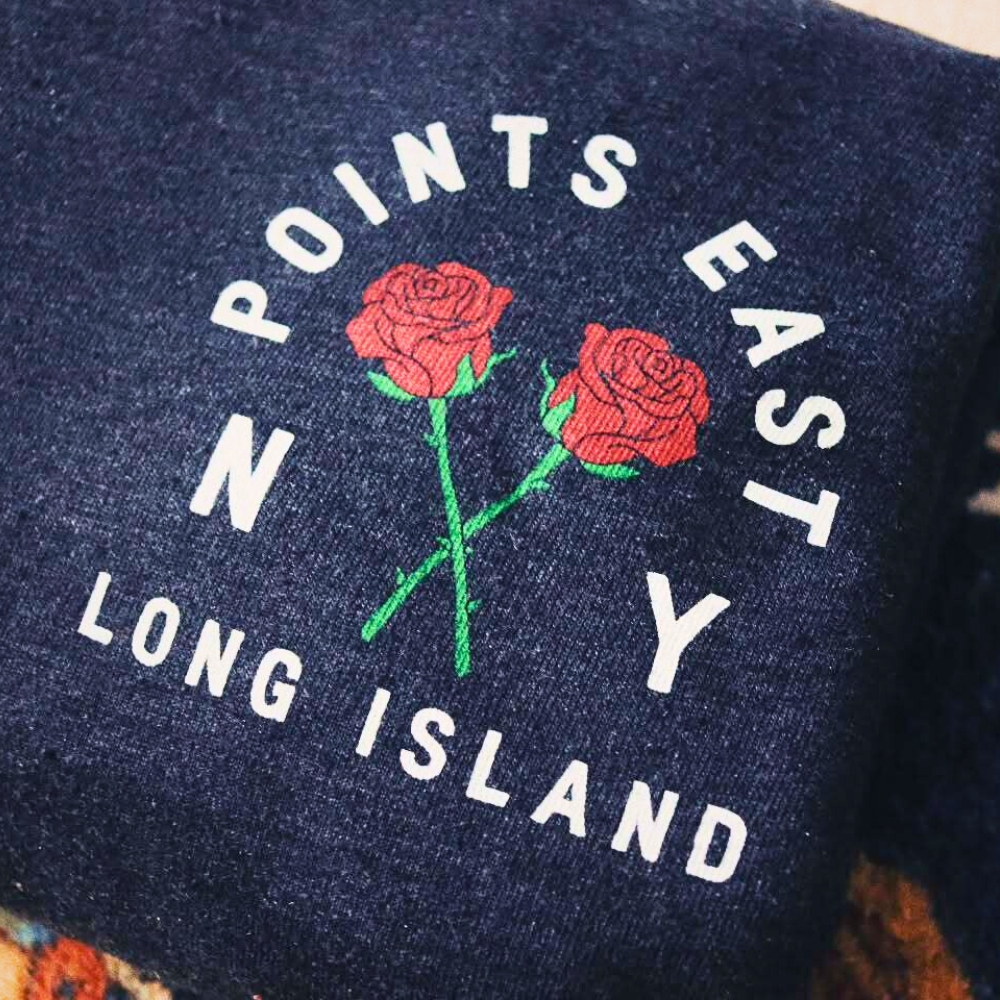
For growers and wholesalers, the connection adds a layer of storytelling that can be used in regional marketing or educational outreach. For retailers, it strengthens local resonance without requiring product specialization.
Cultural References to the NY State Flower
The rose appears in New York literature, art, and memorial design, often without explicit reference to its official status. This organic integration strengthens its symbolic weight.
Rather than being a decorative emblem, the rose functions as a quiet constant within the state's visual and cultural language.

State symbols only remain relevant if they continue to reflect lived experience. The NY state flower succeeds because it evolves alongside cultural and environmental change.
As urban development, sustainability conversations, and floral innovation continue, the rose remains adaptable without losing its core identity. This balance explains its longevity as a state symbol.
The New York state flower is not defined by rarity or exclusivity. Its strength lies in recognition, adaptability, and shared meaning. For professionals in the floral world, it offers a familiar foundation for storytelling that connects local identity with global relevance.

Understanding the role of the rose within New York's cultural framework adds depth to how it is used, discussed, and presented.
<style="font-size: 8pt;">Header image by @laflora_ae.