Long before flowers were bred, packaged, and arranged into bouquets, they grew exactly where nature placed them: in meadows, along woodland edges, across prairies, and in the cracks of sun-baked rock. These are the flowers that grow in the wild, and they remain some of the most resilient, ecologically valuable, and quietly beautiful plants on Earth.
This guide is for gardeners, nature lovers, and flower enthusiasts who want to understand which flowers grow naturally without human care, what makes them special, and how to invite them into garden settings of their own. It matters because wildflowers are far more than pretty faces. They feed bees and butterflies, stabilize soil, filter water, and hold entire ecosystems together. Understanding them is the first step to protecting and celebrating the natural world they belong to.
What Does It Mean for a Flower to Grow in the Wild?
A wildflower is simply a flower that grows naturally, without being planted or tended by people. Many of the most beloved examples are native wildflowers, meaning they evolved in a particular region over thousands of years alongside the insects, birds, and soils around them. Native plants are perfectly adapted to their local climate, which is exactly why they can thrive in harsh environments where cultivated ornamentals would struggle.
Wildflowers grow across an enormous range of habitats. Some prefer full sun and sandy soils, others flourish in the dappled shade of woodland edges, and many sit comfortably somewhere in between, in partial shade. What unites them is independence: once established, most are fairly low maintenance, returning year after year and often spreading on their own. That resilience is a big part of their charm and a big part of their ecological power.
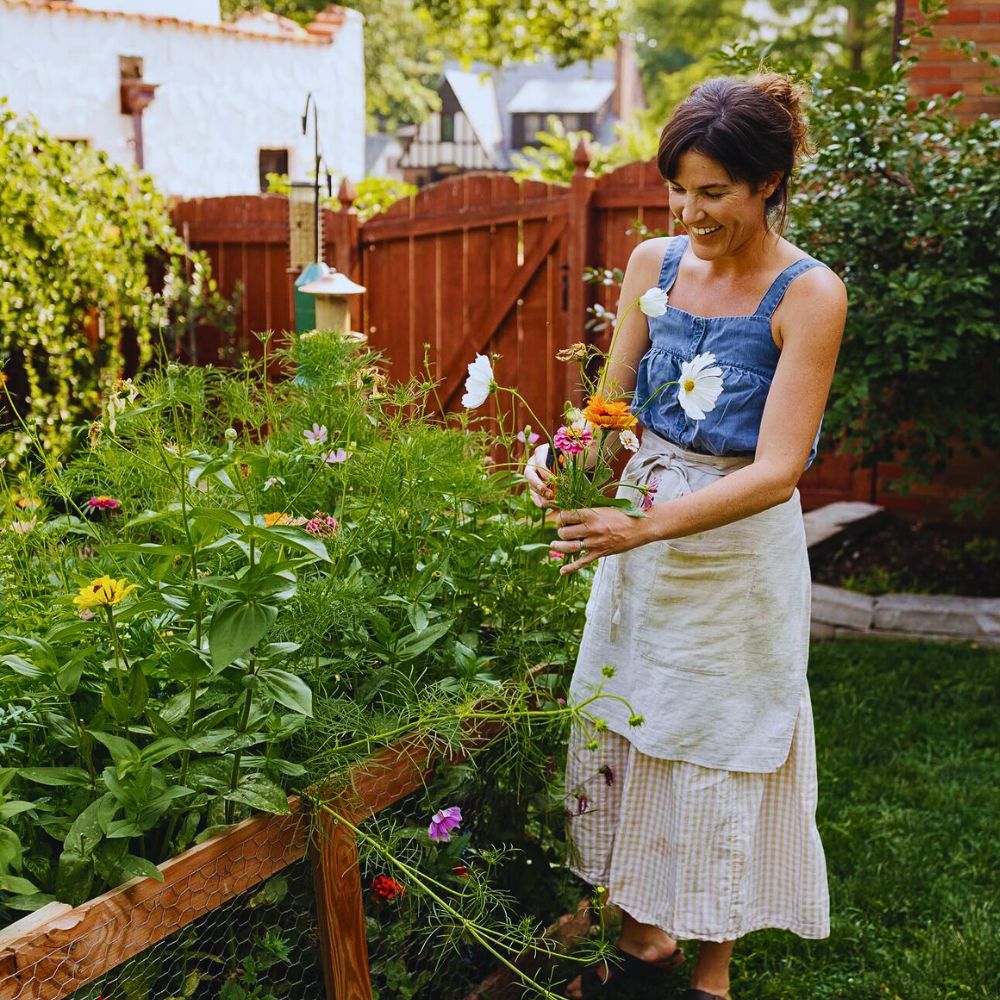
Why Wildflowers Matter
The case for wildflowers goes well beyond their colorful blooms. Their value is ecological, and it is considerable.
Wildflowers attract a remarkable variety of pollinators, from native bees and bumblebees to butterflies, moths, and hummingbirds. In doing so, they support biodiversity at the most fundamental level, providing nectar and pollen that sustain wildlife throughout the blooming season. Native wildflowers, in particular, offer superior nectar and pollen for local pollinators compared with non-native plants, because the two evolved together.
Their benefits reach into the soil and water, too. The roots of native wildflowers help stabilize soil and prevent erosion, while wildflower plantings filter stormwater runoff and reduce the risk of flooding. Because they are naturally suited to their surroundings, they reduce the need for chemical fertilizers and pesticides and typically require less water once established. Plant them, and you are not just decorating a space; you are repairing a small piece of an ecosystem.
It is worth remembering, finally, that the relationship runs both ways. Pollinators are essential for the reproduction of many wildflowers, and a single healthy meadow can support dozens of moth and butterfly species. Lose the flowers and you lose the insects; lose the insects, and the flowers follow.
Beautiful Flowers That Grow in the Wild
Here are some of the most rewarding wildflowers found across Eastern North America and beyond, the kind that grow naturally in the wild and translate beautifully into naturalized gardens.
Black-Eyed Susan (Rudbeckia Hirta)
Few wildflowers say "summer meadow" quite like the black-eyed Susan. Growing two to four feet tall on branched stems, it produces bright yellow flowers with dark chocolate-brown centers from mid-summer right through to the first frost. It is a robust perennial that self-seeds freely, thrives in full sun, and doubles as a larval host plant for several butterfly and moth species. Plant it en masse for a golden display that bees and butterflies cannot resist.
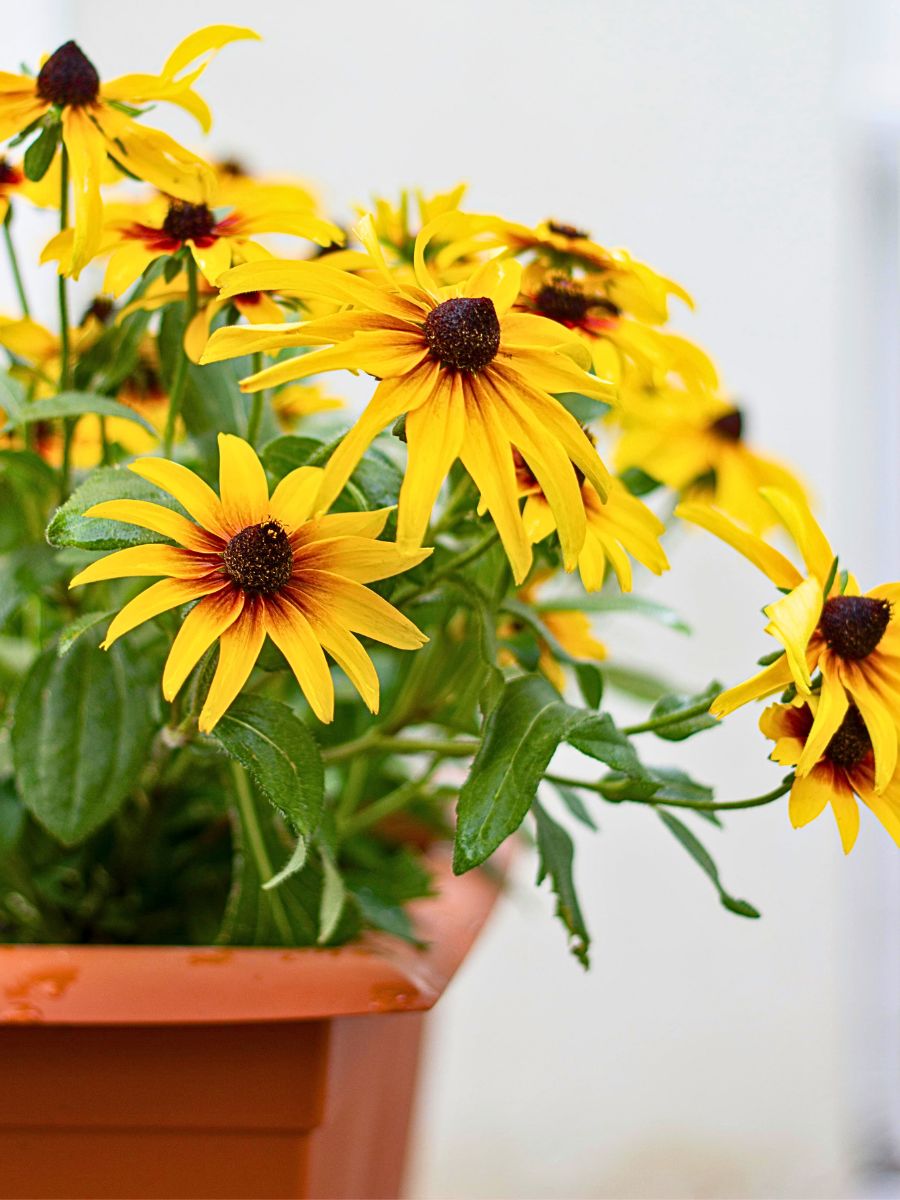
Photo by James from Pexels
Bee Balm (Monarda)
Aromatic, shaggy, and unmistakable, bee balm carries whorls of tubular flowers atop hollow, square stems in mid to late summer. Its fragrant blooms and nectar-rich tubular flowers attract hummingbirds, bees, and butterflies in equal measure, while the foliage releases a minty scent when brushed. It is a natural choice for a cottage garden or any planting designed to attract pollinators.
.jpg "bee balm (Monarda)")
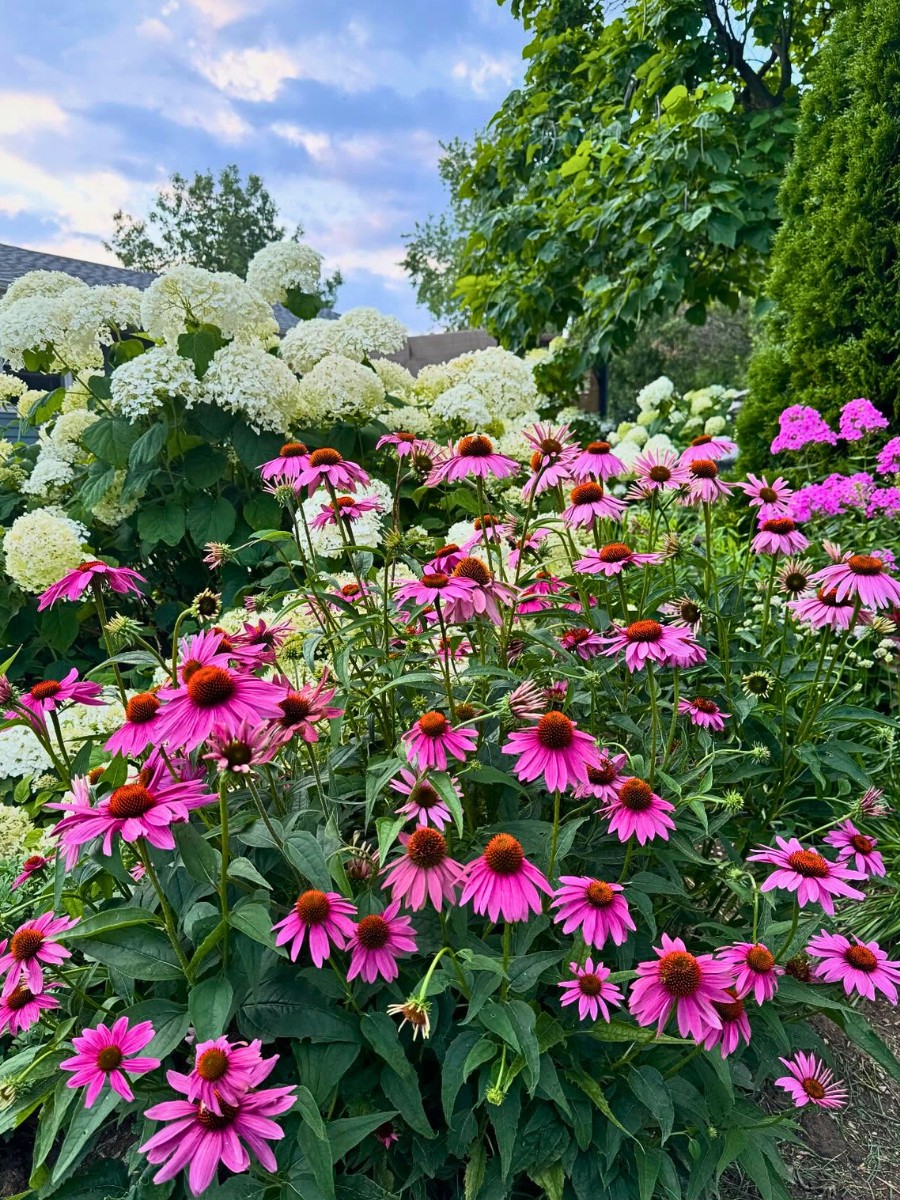
Purple Coneflower (Echinacea Purpurea)
The purple coneflower is a pollinator magnet and one of the easiest natives to grow. Reaching 60 to 90cm (24 to 36 inches) tall, it carries rose-colored flowers with raised, coppery yellow centers from June through September. It tolerates drought, shrugs off poor conditions, and is reasonably deer-resistant, making it a dependable choice for garden beds, prairies, and butterfly gardens alike. The spent seed heads also feed birds well into autumn.
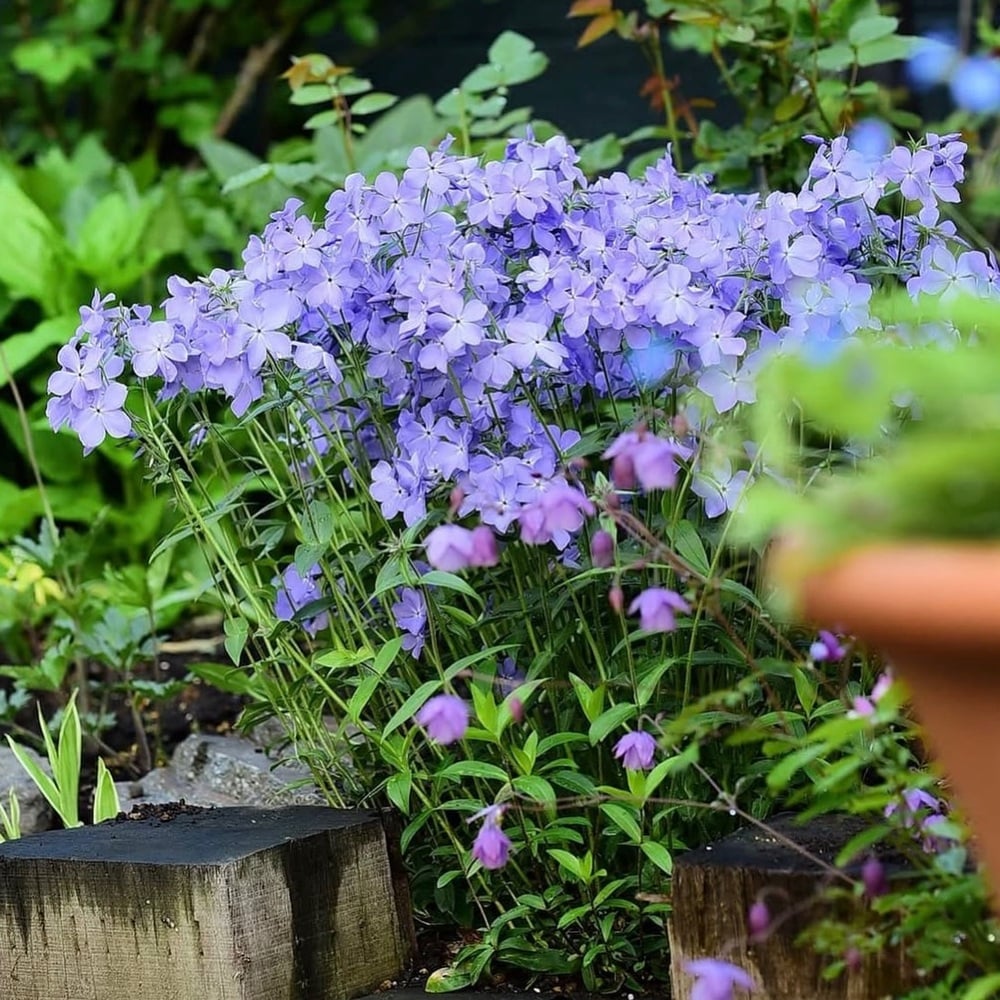
Wild Blue Phlox (Phlox Divaricata)
A gem of early spring, wild blue phlox carpets woodland floors with fragrant blooms in soft lavender-blue. It prefers dappled sunlight and humus-rich soil, making it perfect for a shade garden or the front of a woodland border, where its sweet scent and clusters of flowers welcome early native bees.
Butterfly Weed (Asclepias Tuberosa)
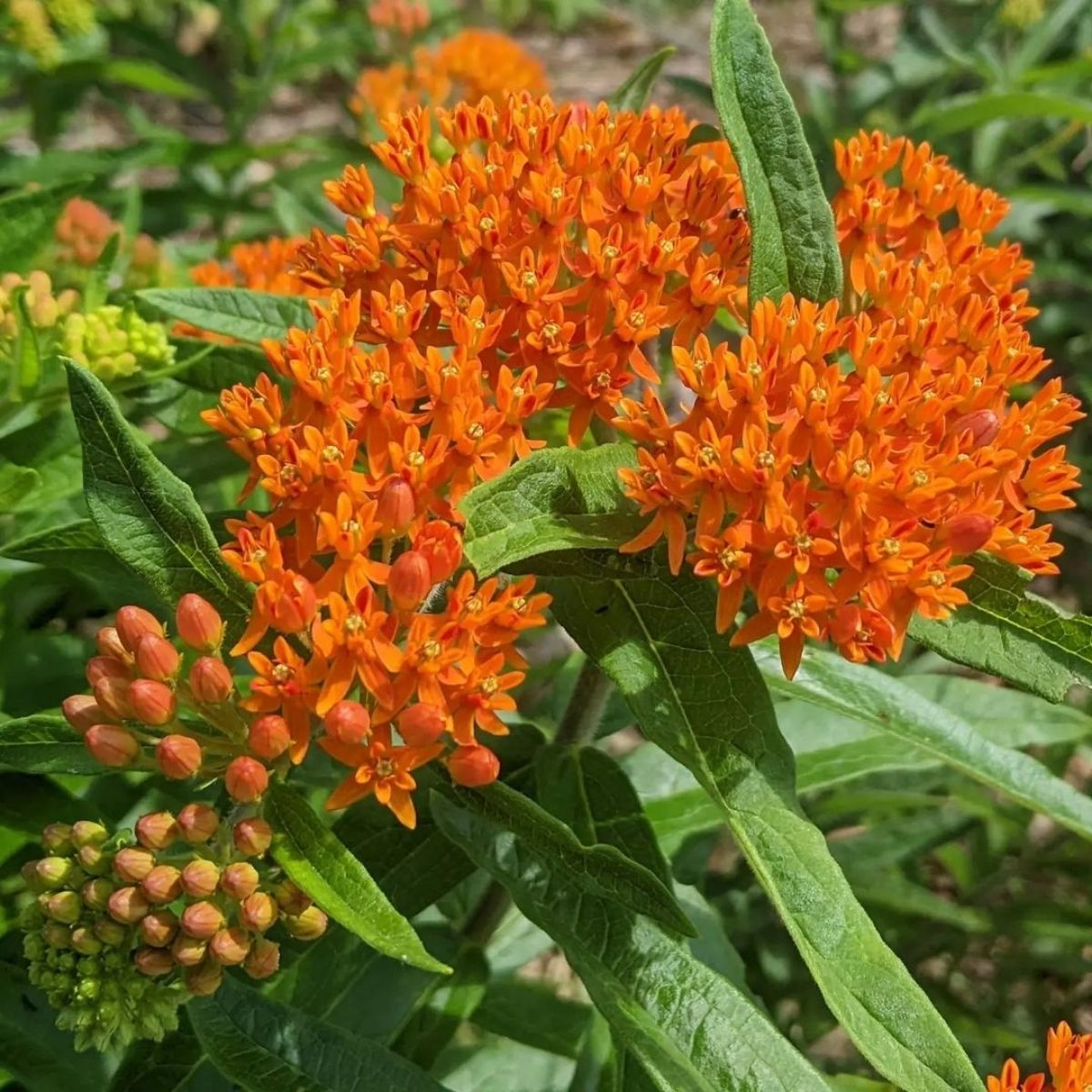
This brilliant orange member of the milkweed family typically reaches one to two feet tall and blooms from late spring through summer. Its significance is hard to overstate: milkweeds such as butterfly weed are the only plants on which monarch butterflies will lay their eggs, making it an essential host plant for monarchs across the continent. After flowering, it forms slender seed pods that split to release silken seeds on the breeze.
Blanket Flower (Gaillardia)
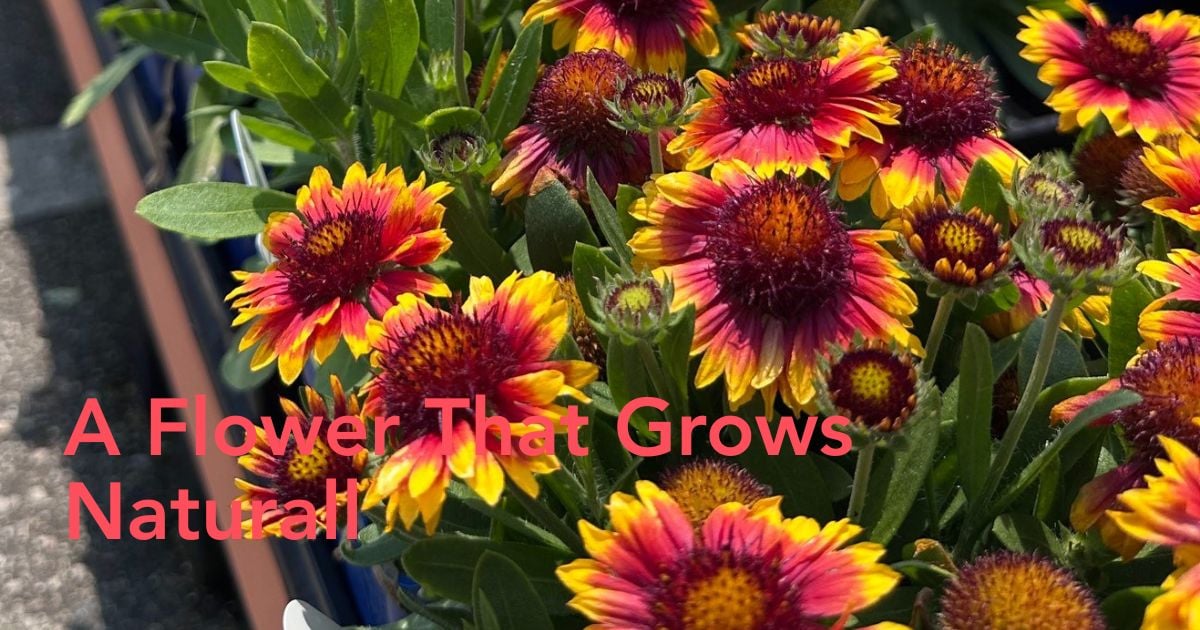
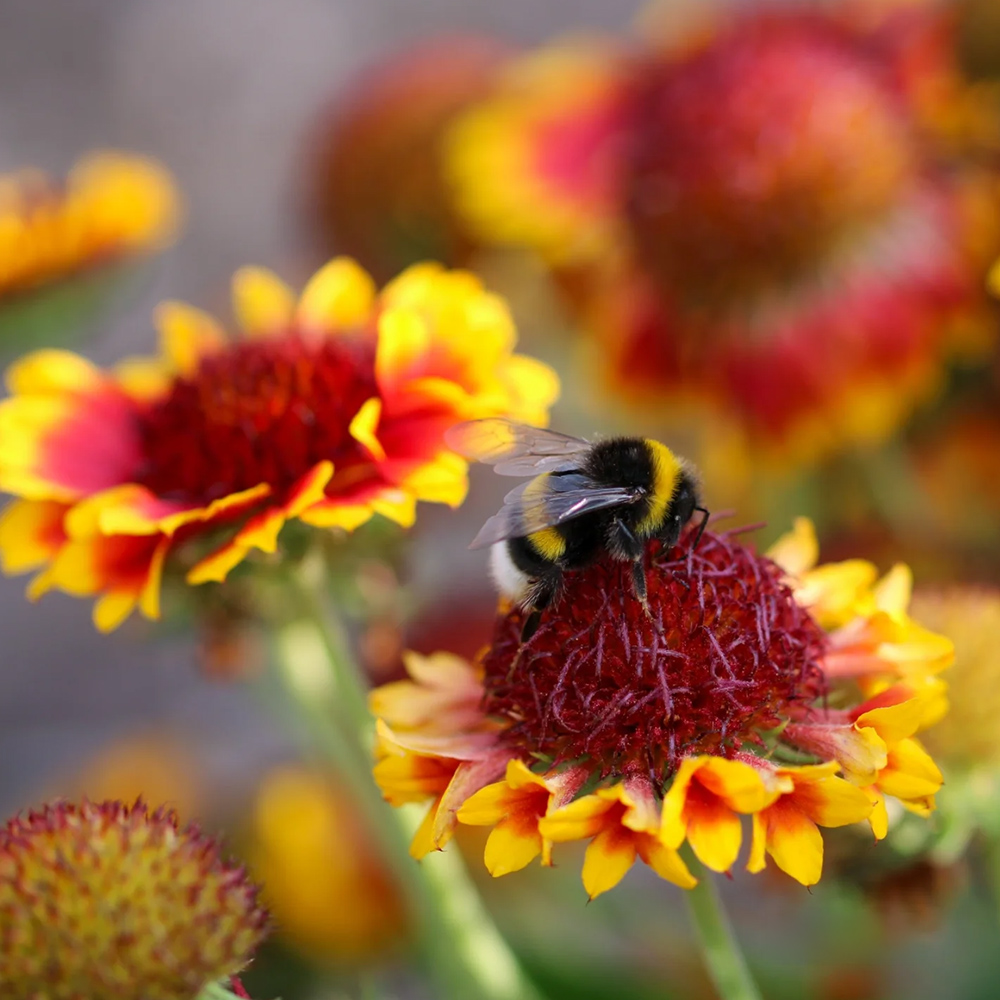
Drought-tolerant and endlessly cheerful, the blanket flower grows 45 to 75 cm (18 to 30 inches) tall and blooms in fiery bands of red and bright yellow that resemble a woven blanket. It loves full sun and tolerates sandy soils, flowering tirelessly from early summer onward and feeding a steady stream of bees and butterflies.
New England Aster (Symphyotrichum Novae-Angliae)
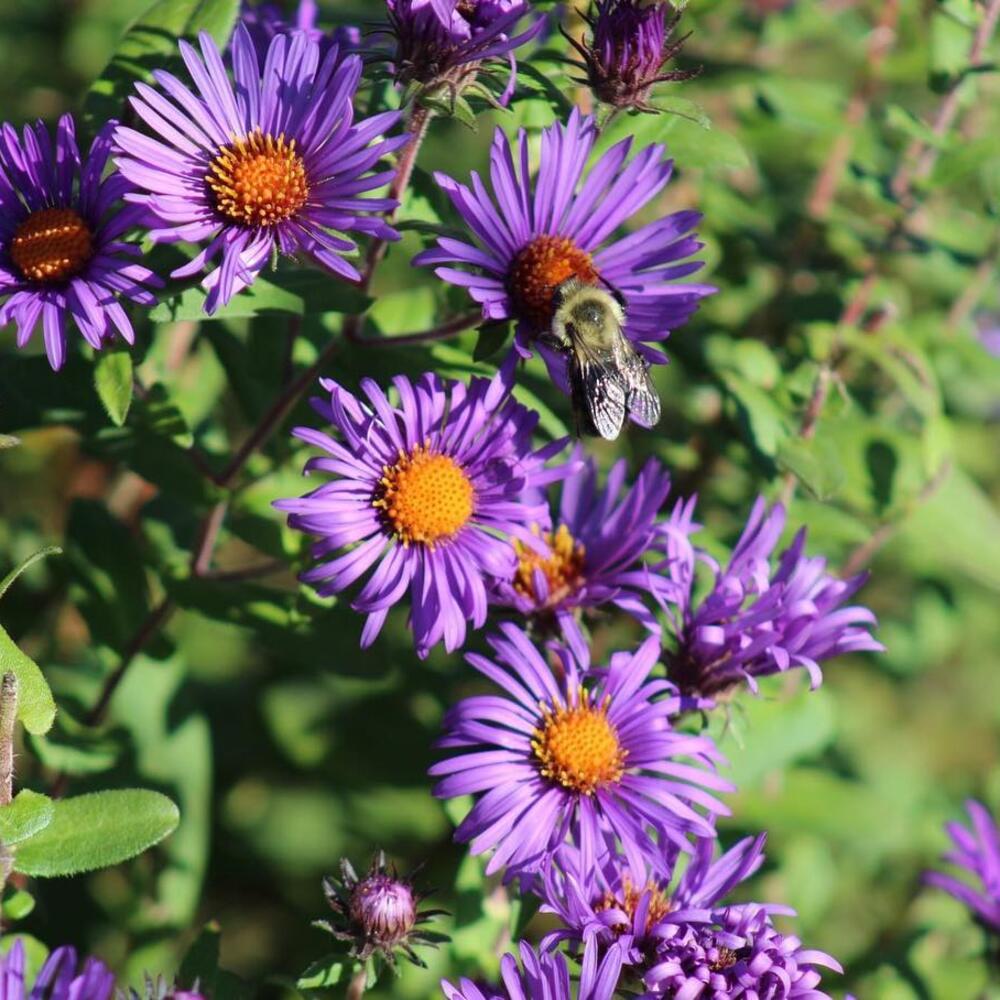
When the days shorten, the New England aster takes over. Blooming in late summer and fall, this tall, robust perennial produces dense clusters of purple flowers with golden yellow centers that provide a vital late-season nectar source. It is a larval host for the pearl crescent butterfly and draws a wide variety of pollinators, just as many other flowers fade. Its lower-growing cousin, the aromatic aster, fills the same role in smaller garden settings.
Cardinal Flower (Lobelia Cardinalis)
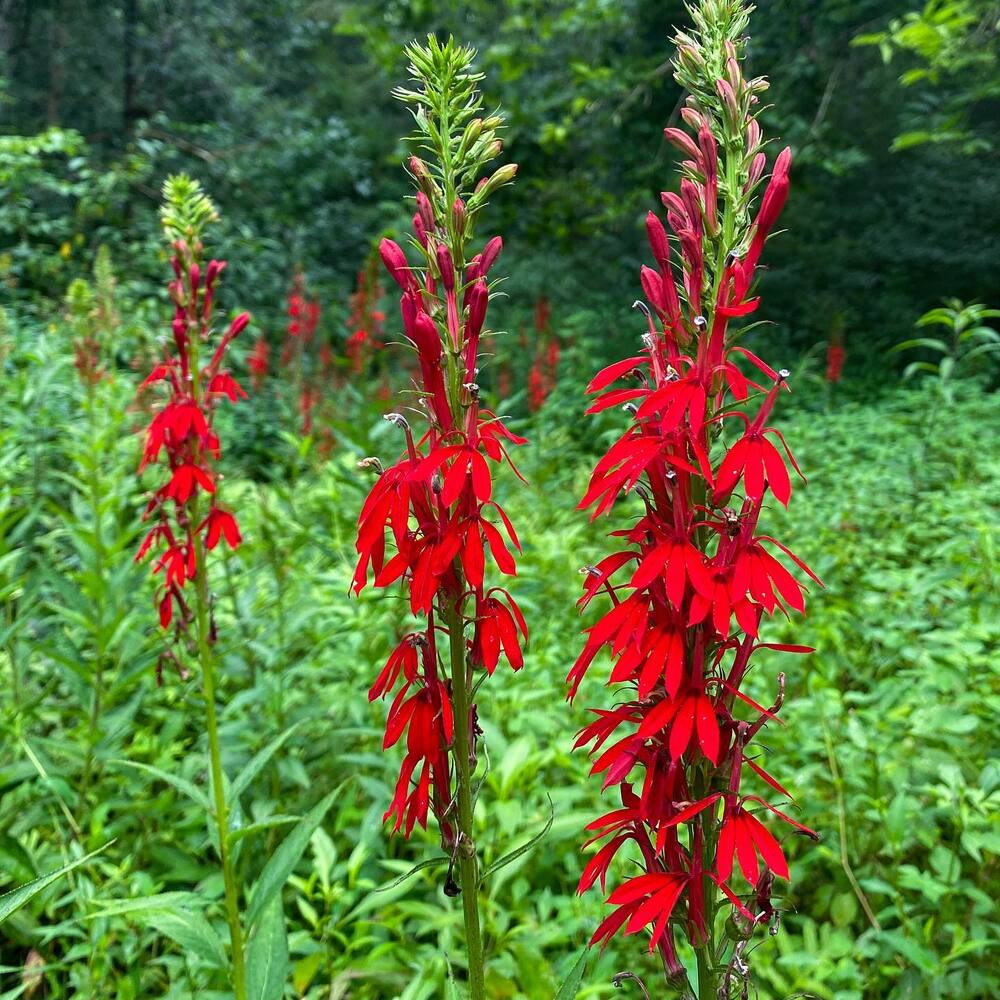
For sheer drama, little rivals the cardinal flower. Its tall spikes of deep crimson tubular flowers light up stream banks and damp woodland edges in late summer, and they are irresistible to hummingbirds. Its relative, the great blue lobelia, offers the same architectural spikes in cool blue, blooming at a similar time and favoring moist, partially shaded spots.
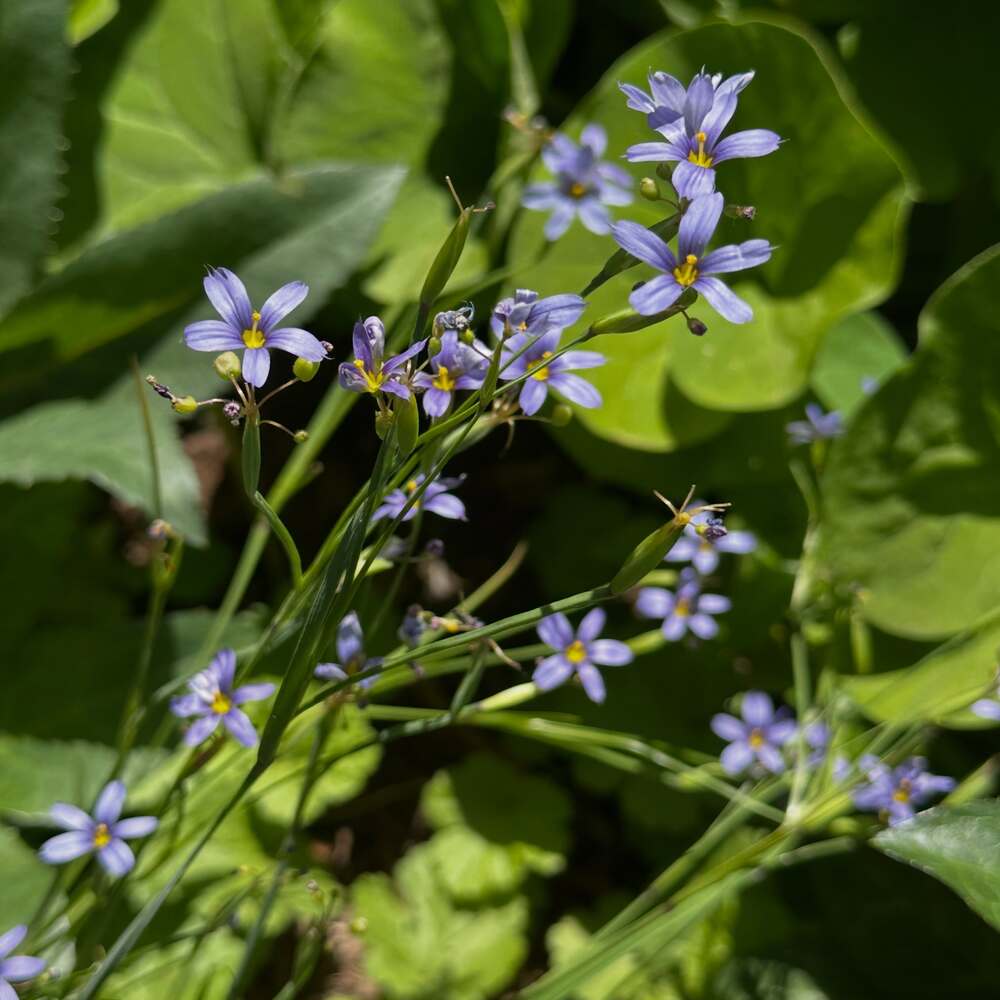
Blue-Eyed Grass (Sisyrinchium)
Despite its name, blue-eyed grass is not a grass at all but a dainty member of the iris family. It has small, star-shaped, blue and violet flowers with bright yellow centers that open in full sun, scattered among grass-like foliage. It is ideal for rock gardens, container gardens, and the sunny edges of naturalized plantings.
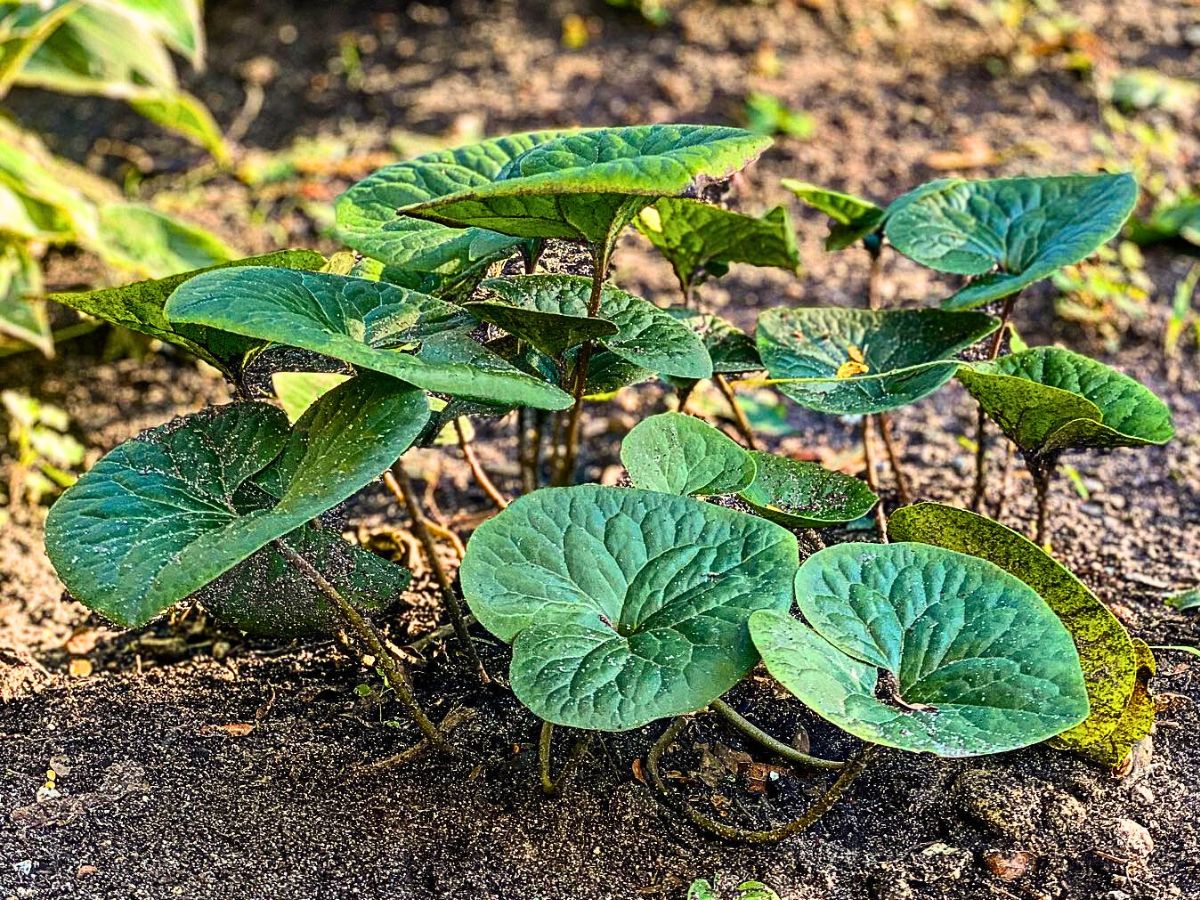
Wild Ginger (Asarum Canadense)
Not every wildflower shouts for attention. Wild ginger is grown chiefly for its lush, heart-shaped, dark green leaves, which form a handsome groundcover in deep shade. Its small maroon flowers bloom hidden at ground level, pollinated by beetles and flies. With evergreen-like foliage in milder regions, it is a quiet hero of the shade garden.
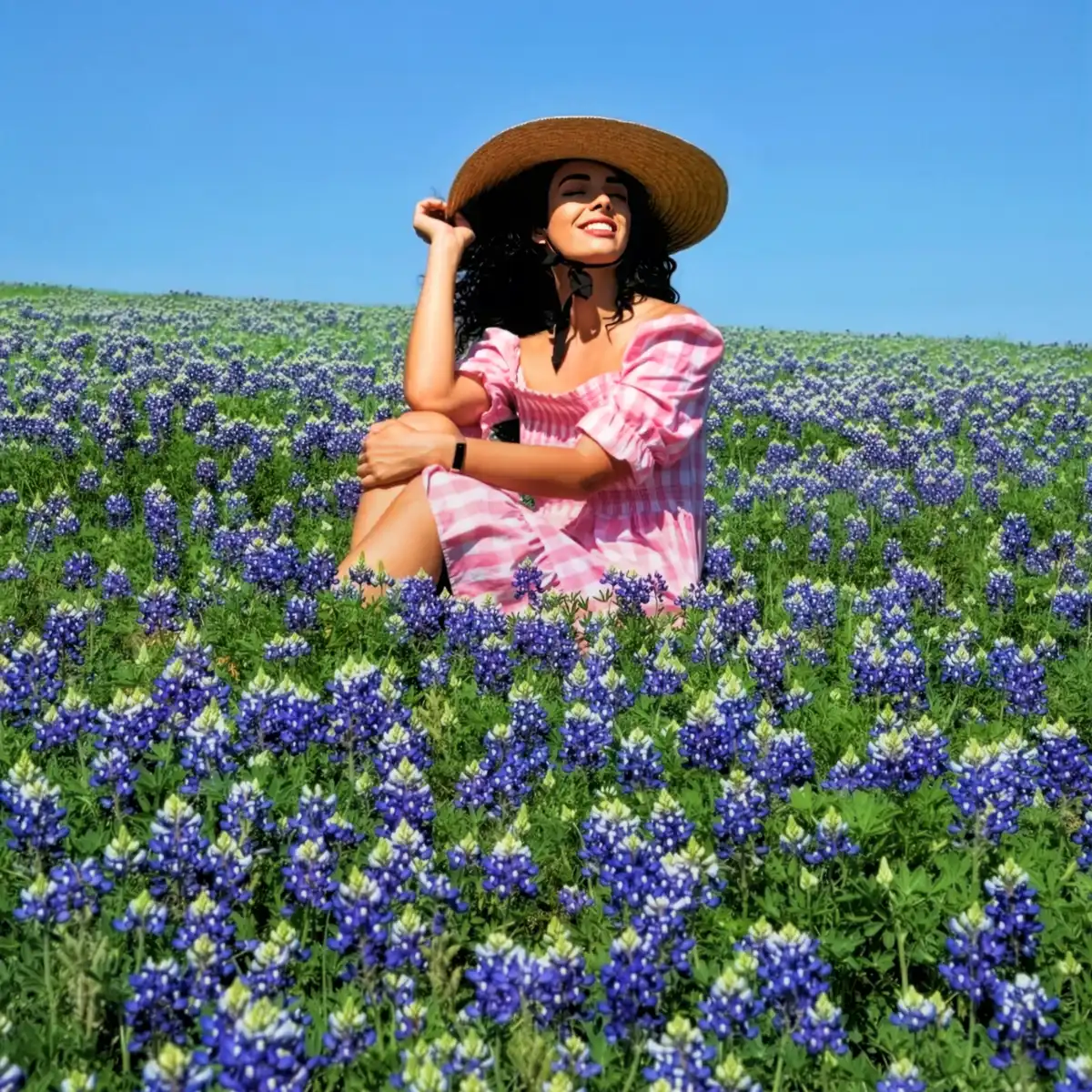
A few other wild beauties deserve a mention for their range and adaptability: the woodland Wood Anemone, with delicate star-shaped white flowers; the sun-loving California Poppy, whose four-petaled orange and yellow blooms open with the morning light; the glossy yellow Marsh Marigold of wet ground; Virginia Bluebells, whose pink buds mature into sky-blue trumpet-shaped flowers; the iconic Texas Bluebonnet; and the salt-tolerant Seaside Goldenrod, which blooms from August into November and feeds late-season pollinators along the coast.
How to Identify Wildflowers
Identifying wildflowers is a skill built on observation. The most reliable clues are physical traits and habitat. Start with petal count: it is a key identifier, and many flowers in the lily family, for instance, have petals in multiples of three. The Common Trillium is a textbook example, recognized instantly by its whorl of three large leaves topped by a single central flower.
Beyond petals, pay attention to leaf shape, stem structure, flower color, and the company a plant keeps. Sun exposure is a useful filter too, since a flower found thriving in full sun is unlikely to be the same shade-loving species you would find under a forest canopy. Note whether the blooms consist of a single flower or dense flower clusters, whether stems are hollow or branched, and whether the plant carries bright red berries or seed pods later in the season. Over time, these details add up to confident identification.
Choosing Native Wildflowers for Your Garden
The single best rule for a thriving wildflower garden is to choose plants suited to your region. Selecting native wildflowers based on your local soils, light conditions, and microclimates ensures they will establish quickly and need very little fuss thereafter. Match each species to the right spot, whether that is a full-sun border, a shaded woodland edge, or a free-draining rock garden, and nature does most of the work.
For continuous interest, mix species that flower at different times, from early spring bloomers through to late-season asters and goldenrods, so there is always something in bloom and always food for pollinators. If your goal is a butterfly garden, pair host plants such as butterfly weed and asters with nectar-rich favorites like coneflowers and bee balm. Wildflowers also shine when planted en masse in naturalized gardens, drifting through garden beds the way they would across a wild meadow.
Bringing the Wild Indoors
The relaxed, untamed look of wildflowers has reshaped modern floral design, and that loose, naturalistic aesthetic now appears in bouquets everywhere. While true native wildflowers are best left in the ground to support local ecosystems, growers featured on Thursd capture the same spirit in cultivated cut flowers. Marginpar, for example, specializes in unusual, garden-style blooms, the kind of airy, textural stems that give an arrangement a just-picked-from-a-meadow feeling.
And whether your flowers come from a wild patch or a vase, good post-harvest care keeps them looking their best. Flower food from Chrysal helps cut stems drink properly and last longer, so the fleeting beauty of meadow-style flowers can be enjoyed a little while longer indoors.
Feature image by @petra_r_photography.