Before flowers became a language of celebration, sympathy, and beauty (in the language of flowers), they were still altogether more essential. Flowering plants, which first appeared roughly 140 million years ago, reshaped life on Earth by building relationships with the creatures around them; exchanging nectar and pollen for the service of reproduction.
Today, those relations still exist (and carry on), sustaining much of what modern-day humans eat, the ecosystems that people depend on, and the biodiversity that supports the planet's health. But how (and why) do they do that? That is what is worth attention.
They Are More Than Just Decoration
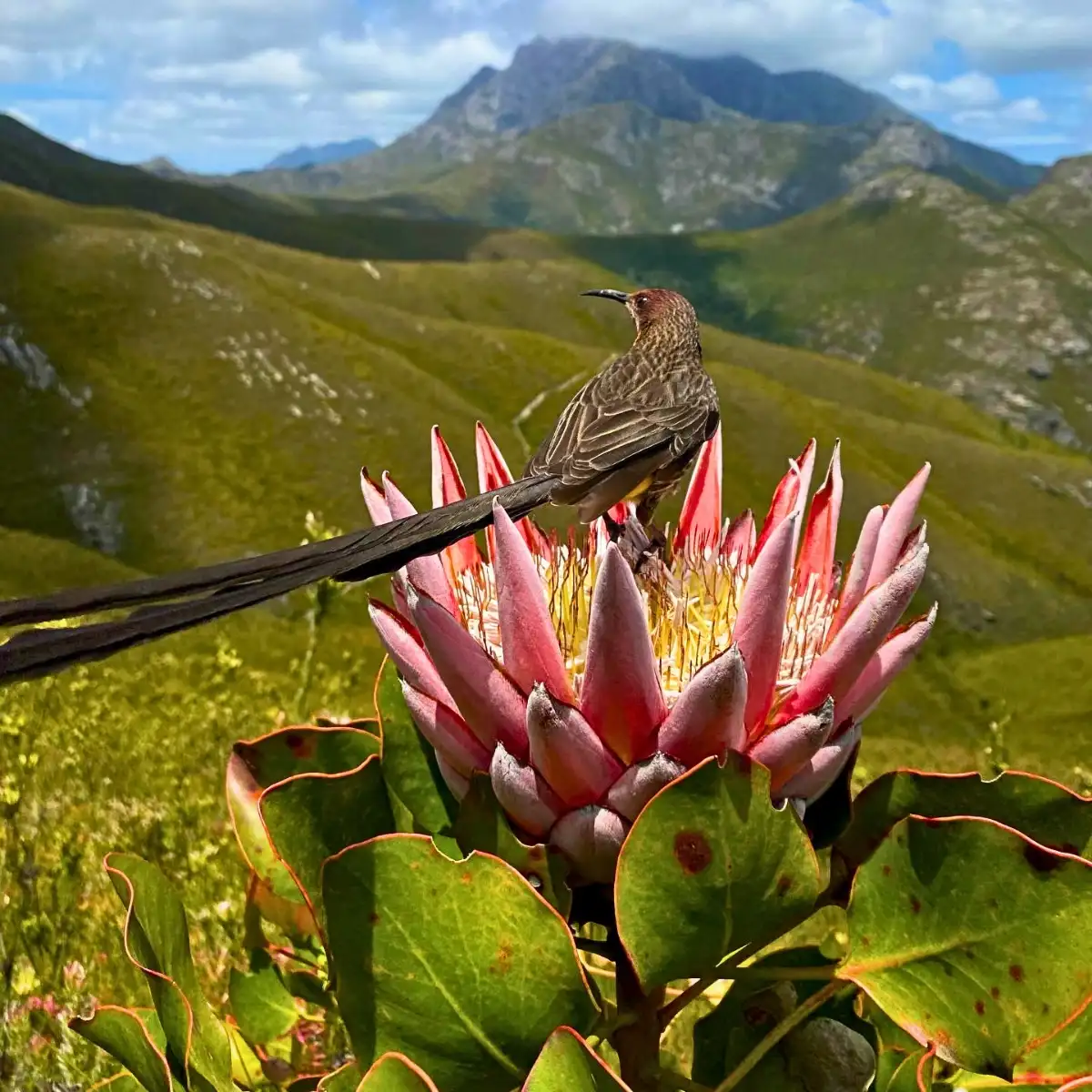
Whenever a flower opens, it does not just stage a beautiful display for human benefit, but performs an essential biological function. The colors, shapes, and scents of the flower are a form of communication directed at pollinators, like bees, butterflies, moths, hummingbirds, beetles, and even bats.
In exchange for nectar or pollen, these visitors carry genetic material from one flower to another, enabling fertilization and seed production. That exchange, occurring billions of times every season, forms the basis of most terrestrial food chains.
Approximately 75% of the world's flowering plant species depend on animal pollinators to reproduce. Around 35% of global food crops follow the same process. Apples, almonds, blueberries, coffee, cocoa, and squash are among the many crops that could not produce (at scale) without reliable pollinator activity. And flowers initiate that entire sequence.
Still, the relationship goes further: flowering plants also produce fruit and seeds that become food for birds, mammals, and insects across every habitat. A single oak tree, flowering in spring, will over its lifetime support hundreds of distinct species. That capacity flows directly from the reproductive process that flowers make possible.
Cascading Impacts Through Food Webs
Healthy populations of flowering plants create stable ground cover, protecting soil from erosion and compaction. Root systems retain moisture; reduce surface runoff, and cycle nutrients back into the soil profile. Decomposing organic matter from flowering plants feeds microorganisms that, in turn, sustain the nutrient cycles all other plants rely on.
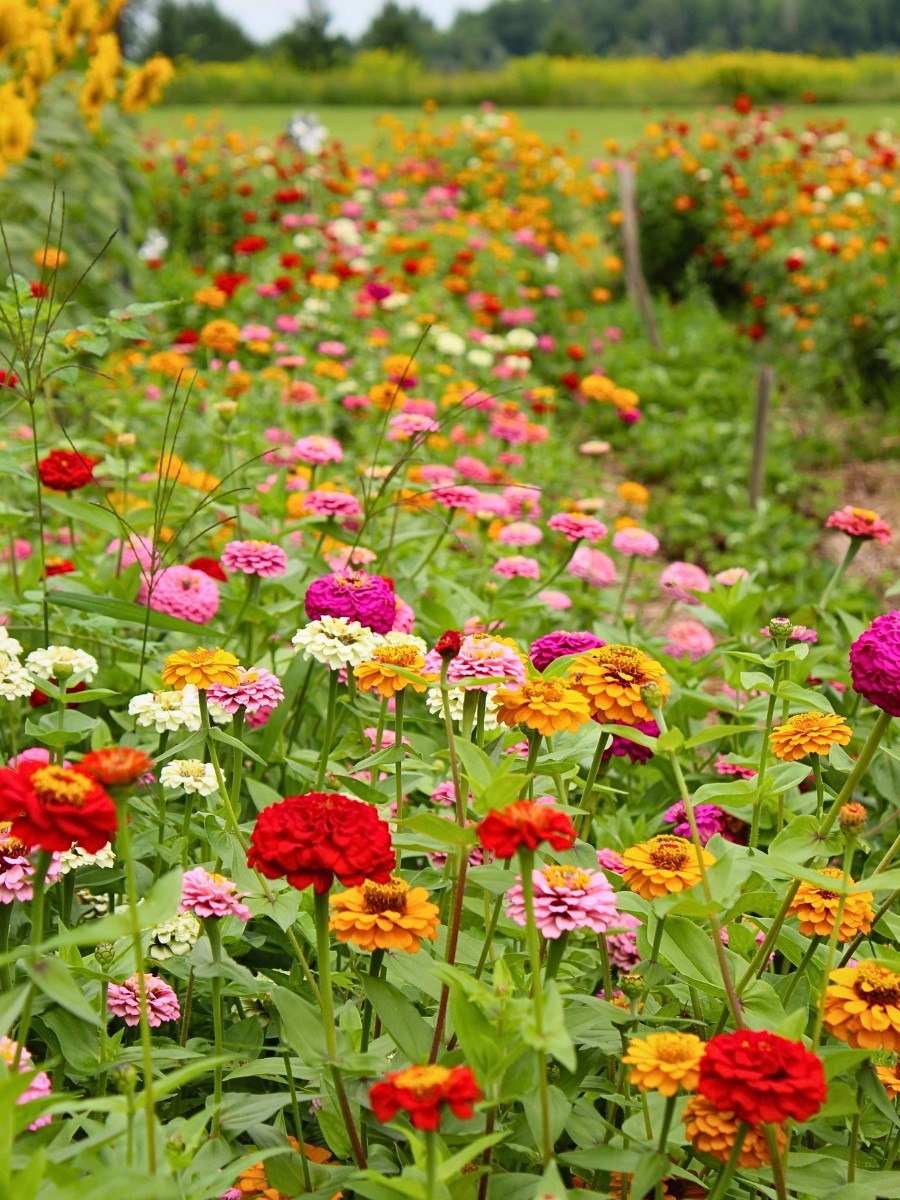
Certain flowers, such as clovers and legumes, enrich the soil by returning nitrogen through their roots. This process prepares the land for other plants and supports crop diversity, an often-overlooked benefit that connects floriculture with sustainable farming practices.
A well-balanced network of flowering plants creates habitats for many organisms. Insects shelter under leaves, birds nest near budding branches, and small mammals rely on petals and seeds for food. In this way, flowers help shape the visible landscape but also the unseen networks beneath and around it.
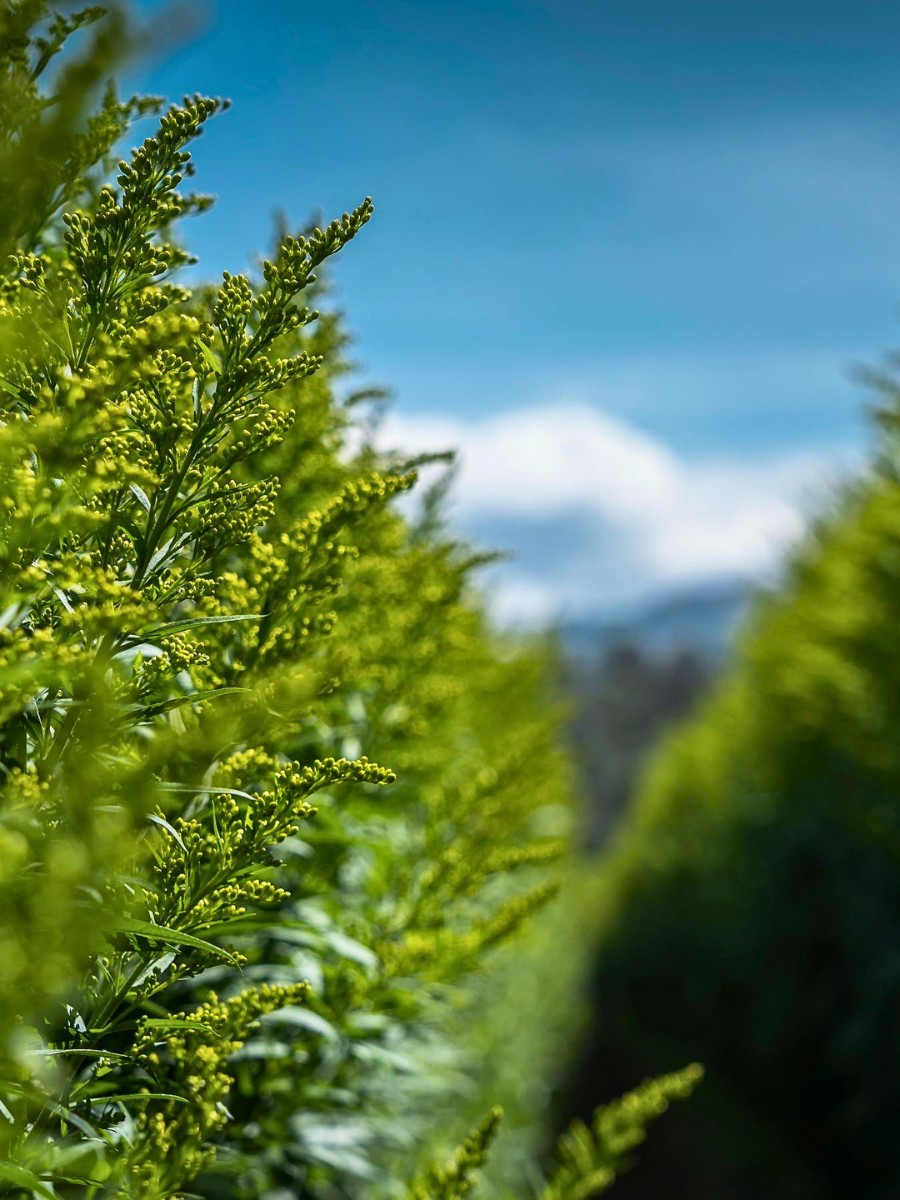
When flowering plant populations decline, the repercussions move quickly through an ecosystem. Pollinators lose their primary food source; animals that depend on fruits and seeds find their own resources reduced; predators higher up the food chain follow; soil conditions deteriorate without organic input; and the structural integrity of the system as a whole begins to erode and crumble.
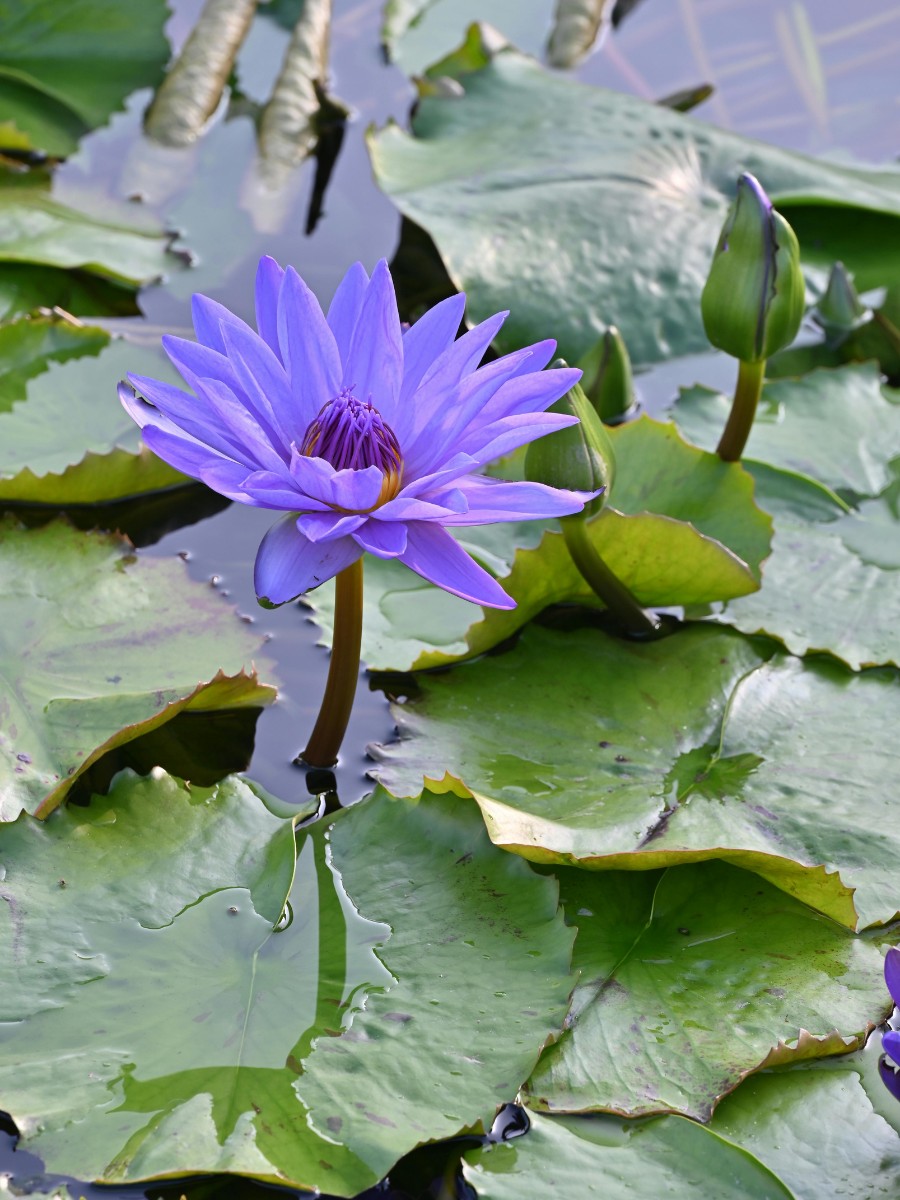
Wetland flowering plants, including water lilies and irises, play a well-documented role in water filtration, absorbing excess nitrogen and phosphorus that would otherwise feed harmful algal growth. Prairie flowers with root systems reaching 2 to 4 m deep are among the most effective terrestrial carbon-sequestering plants known. The functions are wide-ranging, but the principle is constant that flowering plants are load-bearing elements in ecosystem structure.
Sustainability and the Floriculture Industry
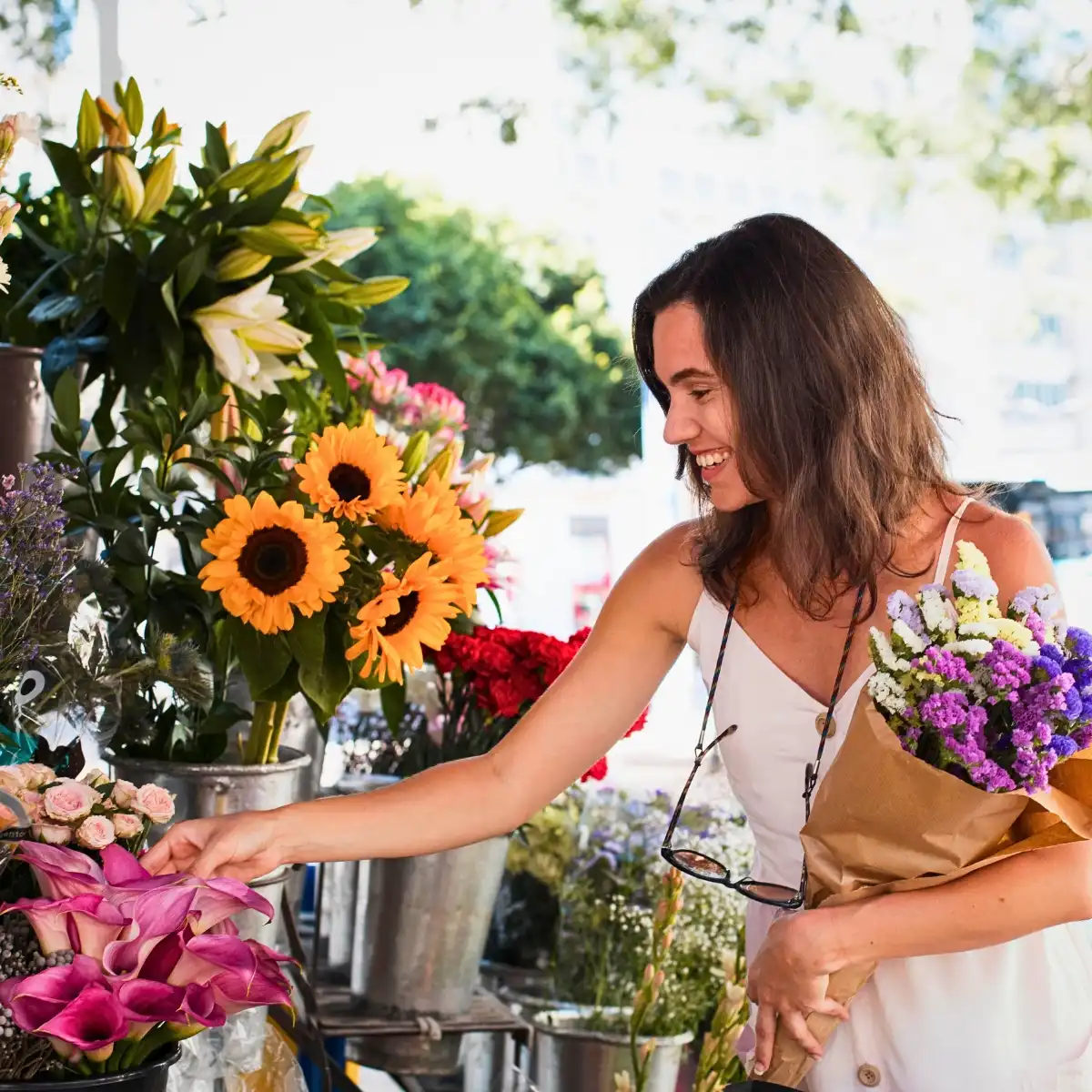
This is also the context in which the global floriculture industry warrants a closer look. The flower trade moves hundreds of millions of stalks every week across international supply chains, and the environmental footprint of those operations, from water use and agrochemical inputs to cold-chain transport and packaging, has come under increasing scrutiny from scientists, certifying bodies, and consumers.
A growing number of growers and distributors are responding in applicable ways. Certified sustainable farms now monitor water consumption in liters per stem, minimize pesticide use, establish and protect biodiversity corridors, and ensure their surrounding land actively supports instead of displacing native pollinators.
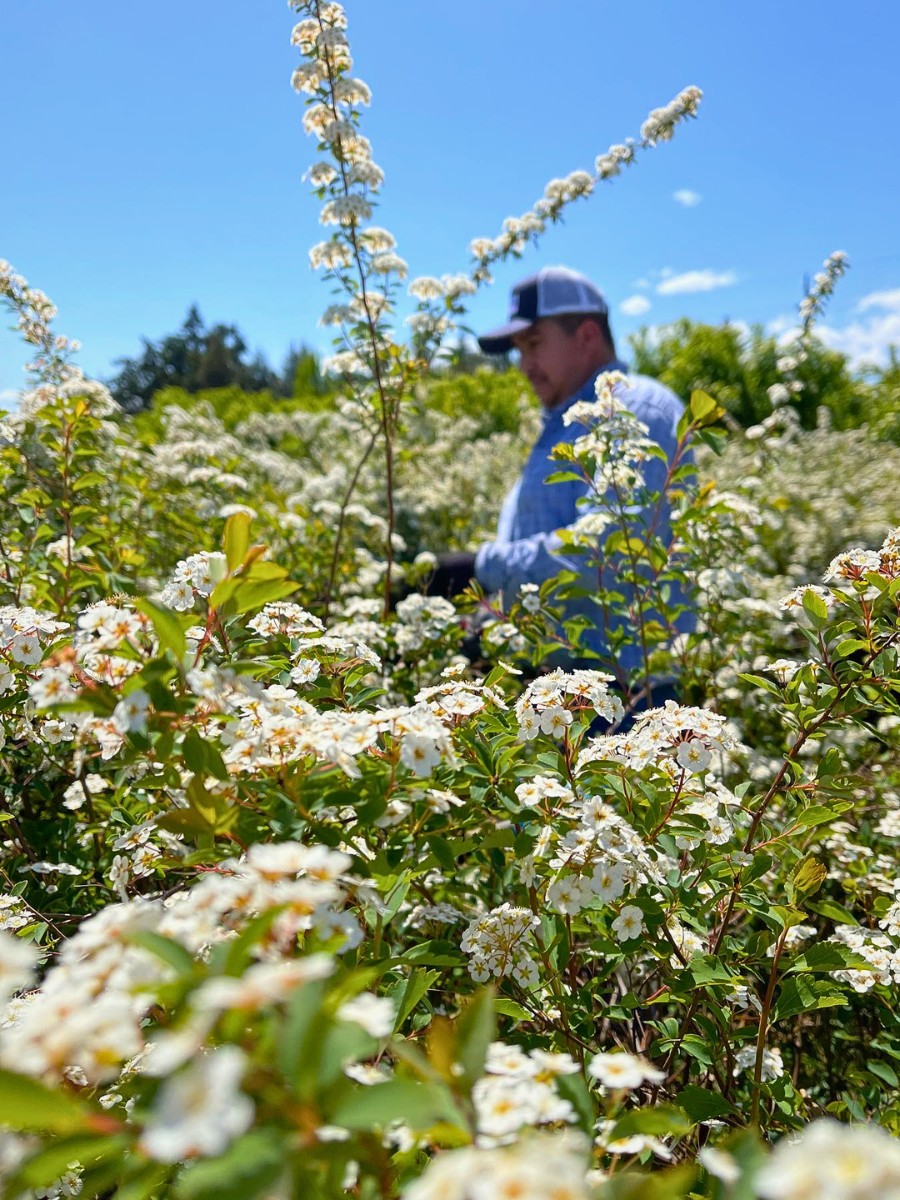
Programs such as Florverde Sustainable Flowers, Rainforest Alliance, and Fair Flowers Fair Plants provide third-party verification that a given flower was produced with documented environmental care. For florists and buyers who consider origin alongside quality, those certifications carry great importance.
At the volume of the global flower trade, purchasing decisions aggregate into important pointers. When demand for certified sustainable products grows, growers and supply chains adjust. That relationship between consumer choice and (good) agricultural practice is one of the more direct levers available to the industry.
On Native Flowers
Native wildflowers hold a particular ecological value that cultivated or imported varieties do not always reproduce. A sunflower growing across the American Midwest, a California poppy along the Pacific coast, or a black-eyed Susan in an open meadow each evolved over ages alongside the local pollinators and wildlife of their respective regions.
Their flowering periods, petal shapes, and nectar compositions are calibrated to the needs of native bee and butterfly species differently from how introduced or hybridized varieties are. This distinction explains the growing interest in native planting in urban environments.
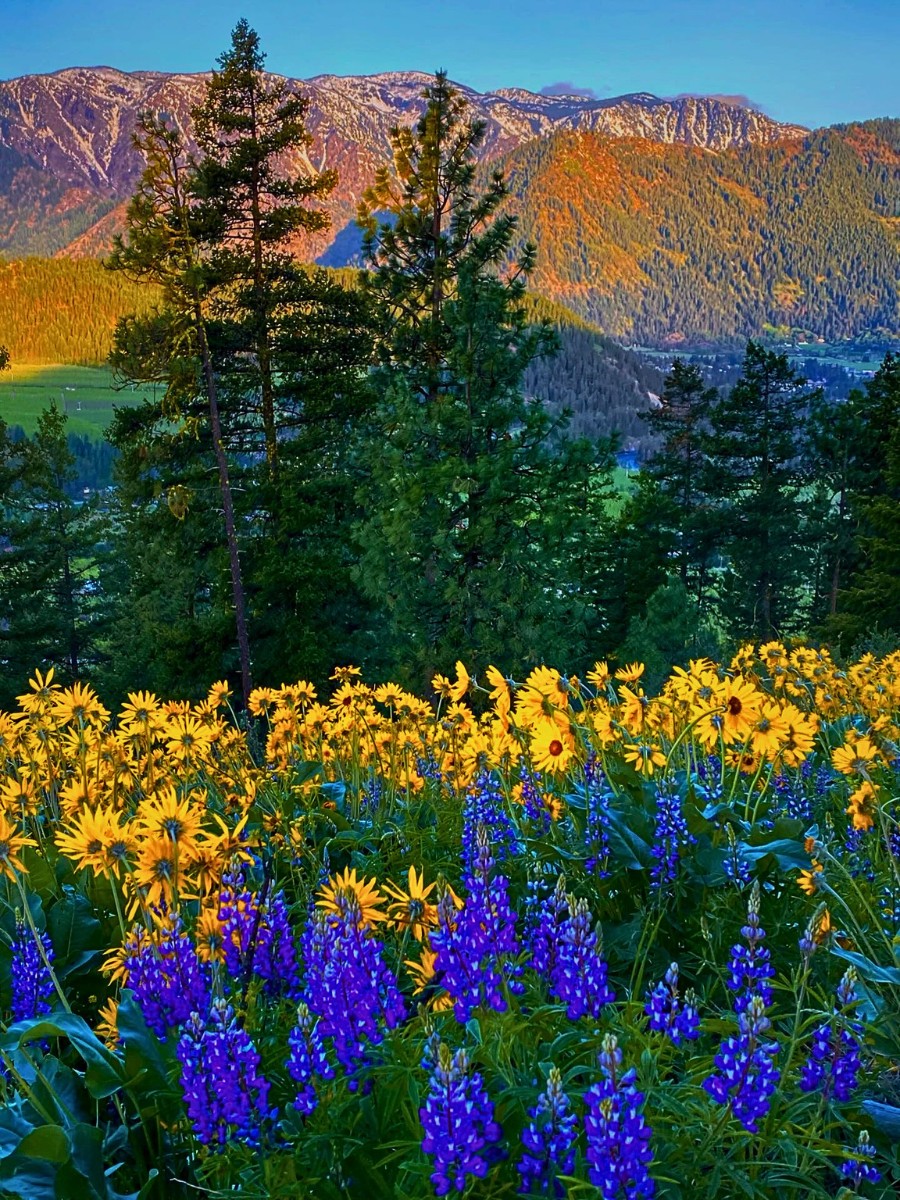
Rooftop gardens established with region-appropriate species, roadside verges managed to support wildflower growth instead of short turf, and community pollinator gardens are now more than just landscaping choices. They work as habitat corridors that allow bee and butterfly populations to remain and move through otherwise fragmented urban landscapes.
Research is constant on the point that increasing native flower presence increases native pollinator populations, and stronger pollinator populations produce visible improvements in ecosystem function, including greater yields in urban food gardens and nearby agricultural land.
All These Mean a Lot for the Floral Industry (And Beyond)
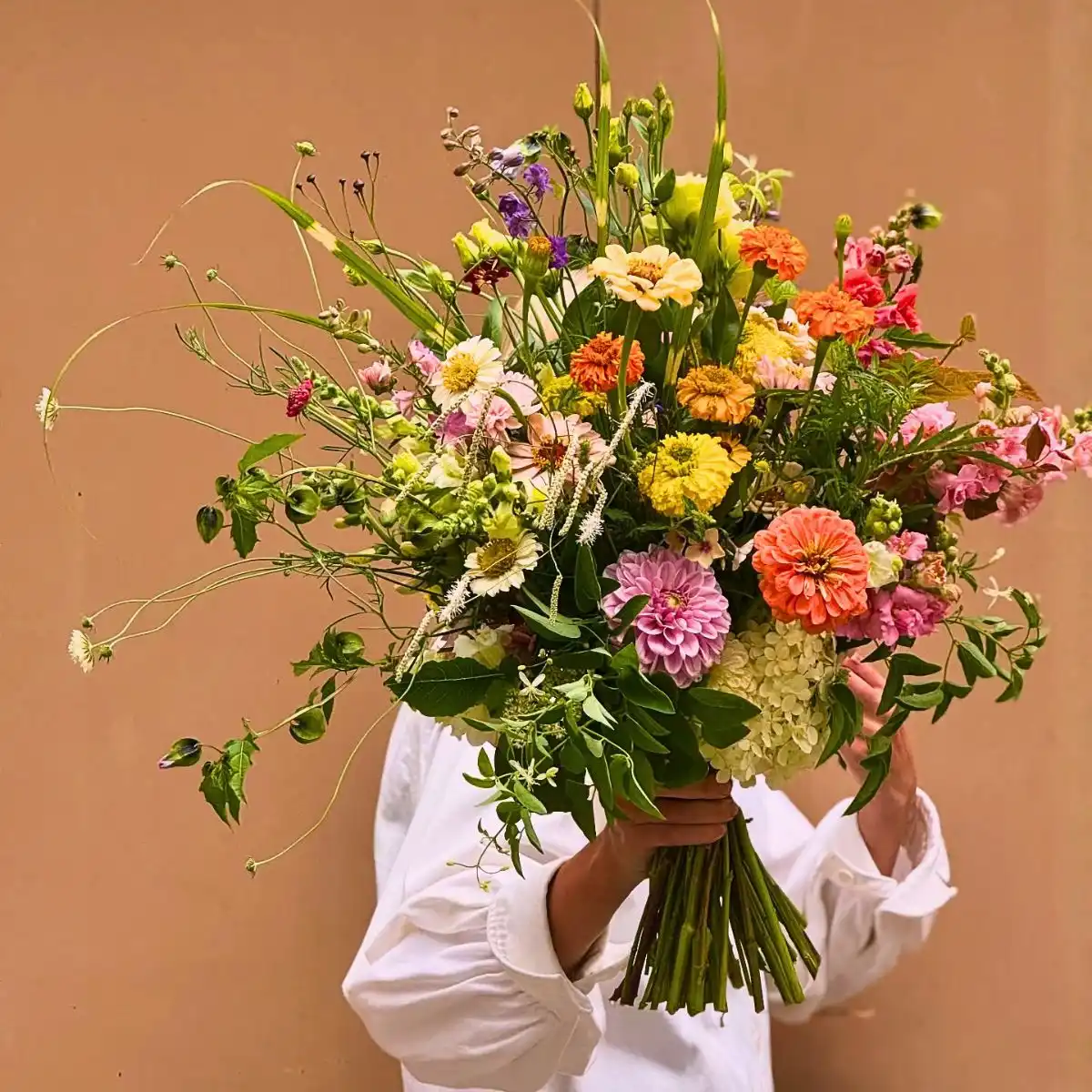
Flowers are commonly understood as cultural objects, valued for their aesthetic qualities and symbolic meaning. That understanding is entirely valid and human. It exists alongside, and not in opposition to, the more functional verity that flowers are ecological infrastructure. They regulate food production, support water and nutrient cycles, build soil health, and sustain biodiversity.
For those working within the floral industry, that aspect of flowers means quite a lot. Growing, trading, and selling flowers with attention to origin, production conditions, and ecological impact is not only a responsible practice, but also a form of conserving and protecting the very (eco) systems that flowering plants themselves belong to and support.
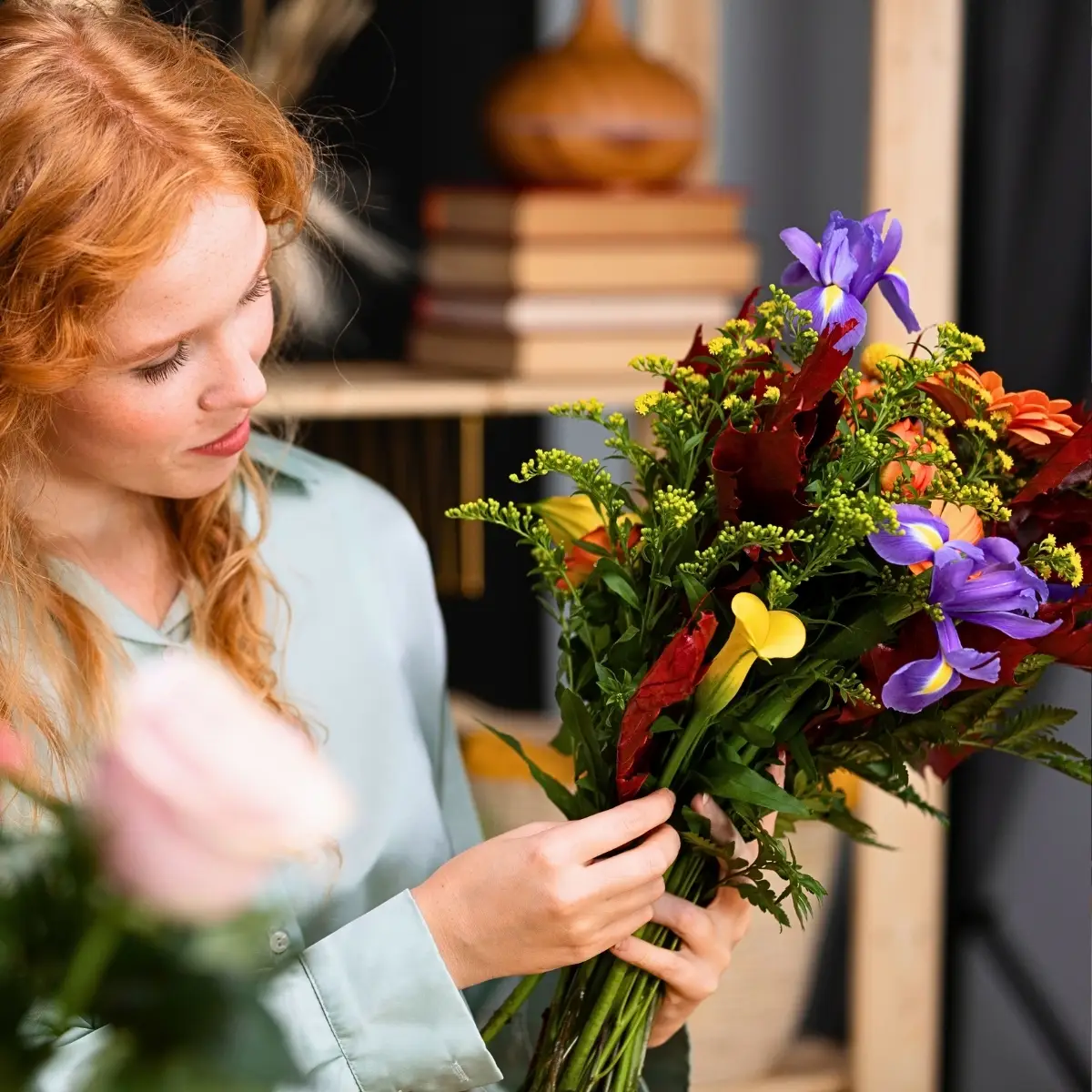
For anyone who has ever observed and noticed how much better a room feels when there are flowers therein, it is satisfying knowing that those same flowers are part of a much larger and important element of the ecosystem.
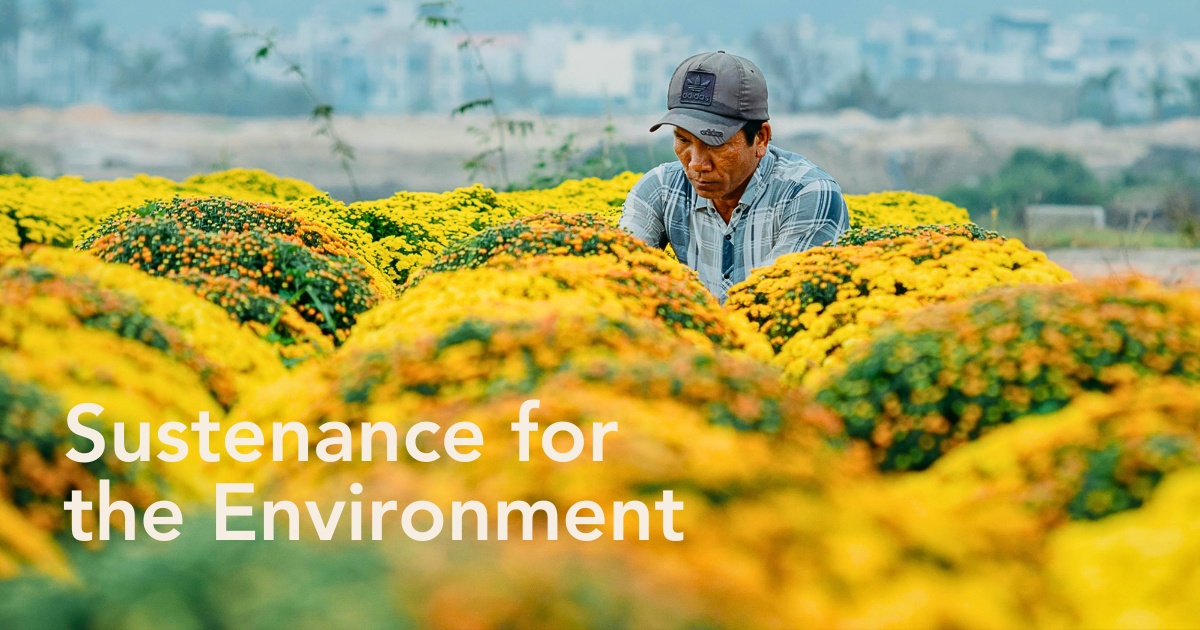
Feature image by @floresdeleste. Header image by Vũ Bụi.