If you read almost any storybook of consequence, you’ll realize that there is often a flower; probably close by, tucked into a ledge, pressed between pages, or handed from a character to another, especially when words fail them. Writers have leaned on flowers for years because a flower carries different meanings at different times and seasons. Without any line of dialogue, they express grief, desire, memory, or warning. Yet readers have always understood their code.
A Symbolic Language Older Than the Novel
Before flowers appeared in English fiction, early writers had already assigned them long-term meaning. The Greeks associated flowers with their goddess Chloris, and Homer wove floral imagery throughout his epic poems. This tradition has always supported the impact of floral literature on art and culture.
Roman poets Ovid and Virgil did the same, using specific flowers to carry emotion and theme and not simply describing a garden. In ancient Egypt, the lotus had its meaning, appearing in hieroglyphs and papyrus texts as a symbol of rebirth. This early habit set a pattern that later writers inherited almost without question, such that a flower named in a poem or a play was rarely there by chance. It had a much deeper meaning.
The Cultural Blueprint of Floral Language
During the nineteenth century, the practice of floriography reached its peak, establishing strict definitions for specific varieties as detailed in historical records. Authors capitalized on this shared societal code to embed hidden messages right into dialogue and scene settings.
A prime example occurs in Charlotte Brontë's nineteenth-century classic, Jane Eyre. Throughout the narrative, ivy is a recurring representation of resilience and tenacity. Instead of explicitly stating that Jane, the main character, possesses an unbreakable spirit despite her bleak surroundings, Brontë uses the hardy, creeping nature of ivy to mirror her protagonist’s survival.
Similarly, John Steinbeck uses specific cultivation choices to mirror internal friction in his short story, The Chrysanthemums. The yellow florets do not just populate a yard, but represent the protagonist Elisa's confined potential and overlooked femininity. When the carefully tended flowers are later discarded on the roadside, her emotional devastation becomes evident to the reader even without direct dialogue.
Flowers as Structural Anchors and Sensory Mechanics
Away from established historical definitions, flowers provide immediate sensory anchors that ground abstract themes in physical reality. A flower can alter the spatial perception of a scene or indicate a change in the calendar. Writers frequently align the introduction of specific flora with seasonal progression to mirror a character’s personal trajectory.
As summer approaches in a narrative, the appearance of lush, sun-seeking varieties often coincides with a peak in a character's passion or the unfolding of a central conflict, which contrasts with the sparse, winter-hardy selections that frame tragedy. William Shakespeare shows this mastery in Hamlet.
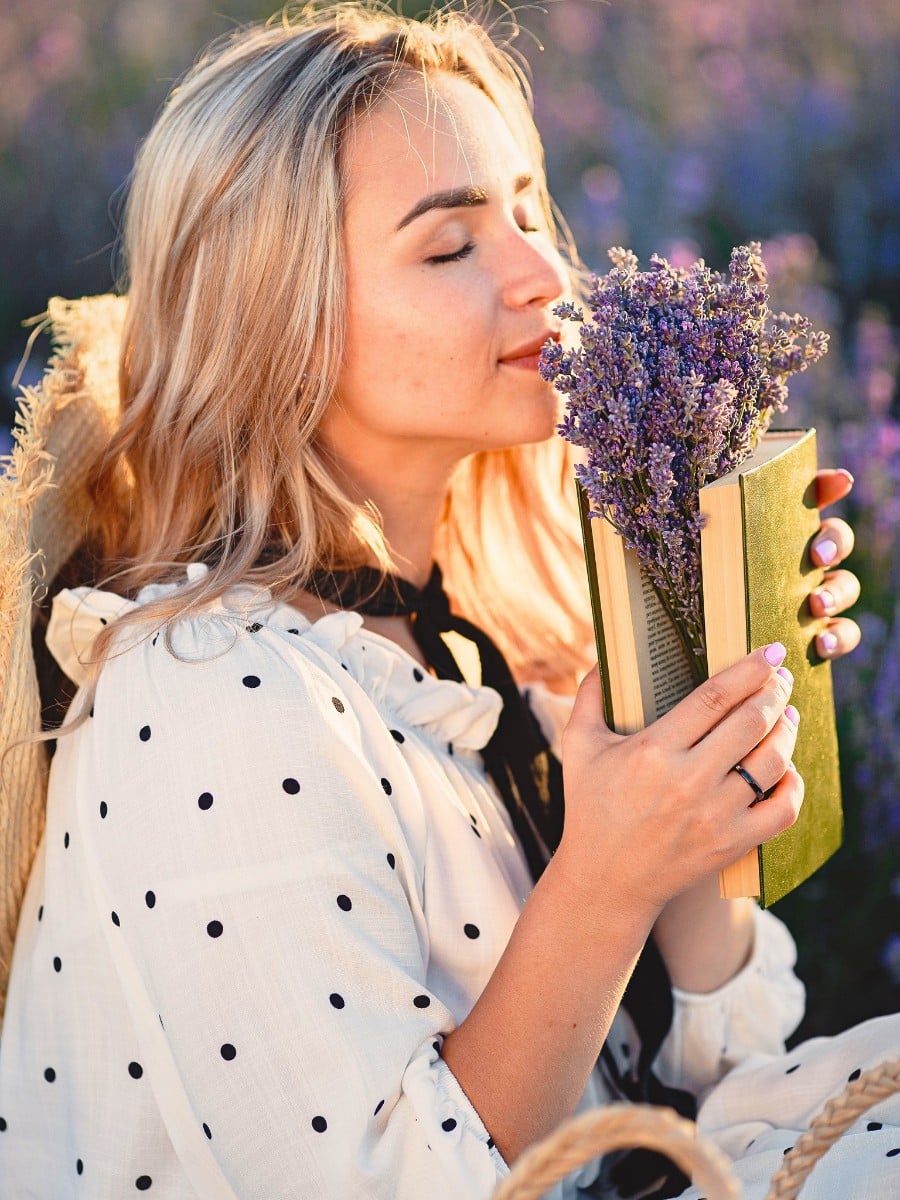
When a grieving Ophelia distributes rosemary, pansies, fennel, columbine, rue, and daisies to the members of the royal court, each had a specific, widely understood meaning in Shakespeare's own time.
Rosemary stood for remembrance, and Elizabethan mourners carried it at both funerals and weddings, while pansies indicated thought, an association detailed in the analysis of the scene. Fennel and columbine carried harsher meanings, standing for flattery and marital betrayal, both aimed at members of the court who deserved the accusation.
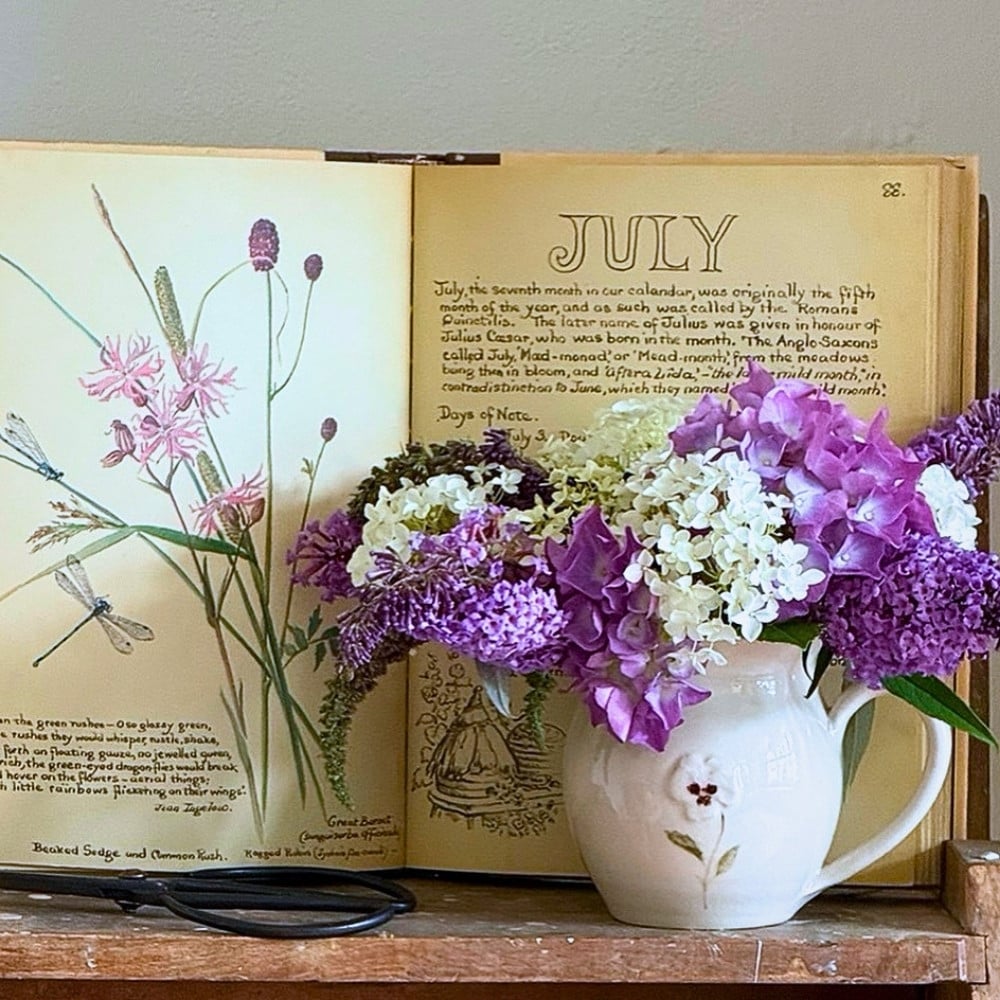
Rue carried associations with regret and was widely documented as an abortifacient in period herbals, giving Ophelia’s private choice to keep some for herself a darker edge, as explored in this study guide to Ophelia's Garden by Utah Shakespeare Festival. Violets, absent from her basket because they had withered, stood for faithfulness, a loss Ophelia names outright.
The violets, she crucially notes, withered when her father died, and in linking the mortality of the delicate violet to her father's demise, Shakespeare shows the total collapse of fidelity and innocence within the Danish court. All the flowers in this scene act as physical vessels for Ophelia’s fracturing state of mind.
Victorian Vocabulary Borrowed by Writers
By the nineteenth century, this floral code had grown into a fully organized system known as floriography, in which Victorian society exchanged specific flowers to carry romantic messages that were too delicate to say aloud. The pansy took its name from the French word pensee, meaning thought, and gifting one was understood as a literal way of saying "I am thinking of you," as described in the guide to pansy flower meaning.
The violet carried a related message of devotion during the same period, a use that appears in Shakespeare's earlier work as well, since blue violets in A Midsummer Night's Dream represent romantic enchantment, a connection to viola flower symbolism. Essentially, novelists writing for a Victorian readership could drop a flower into a scene and rely on the shared vocabulary to do subtle emotional work that dialogue only might have handled more clumsily.
Inspiration From Real Flowers
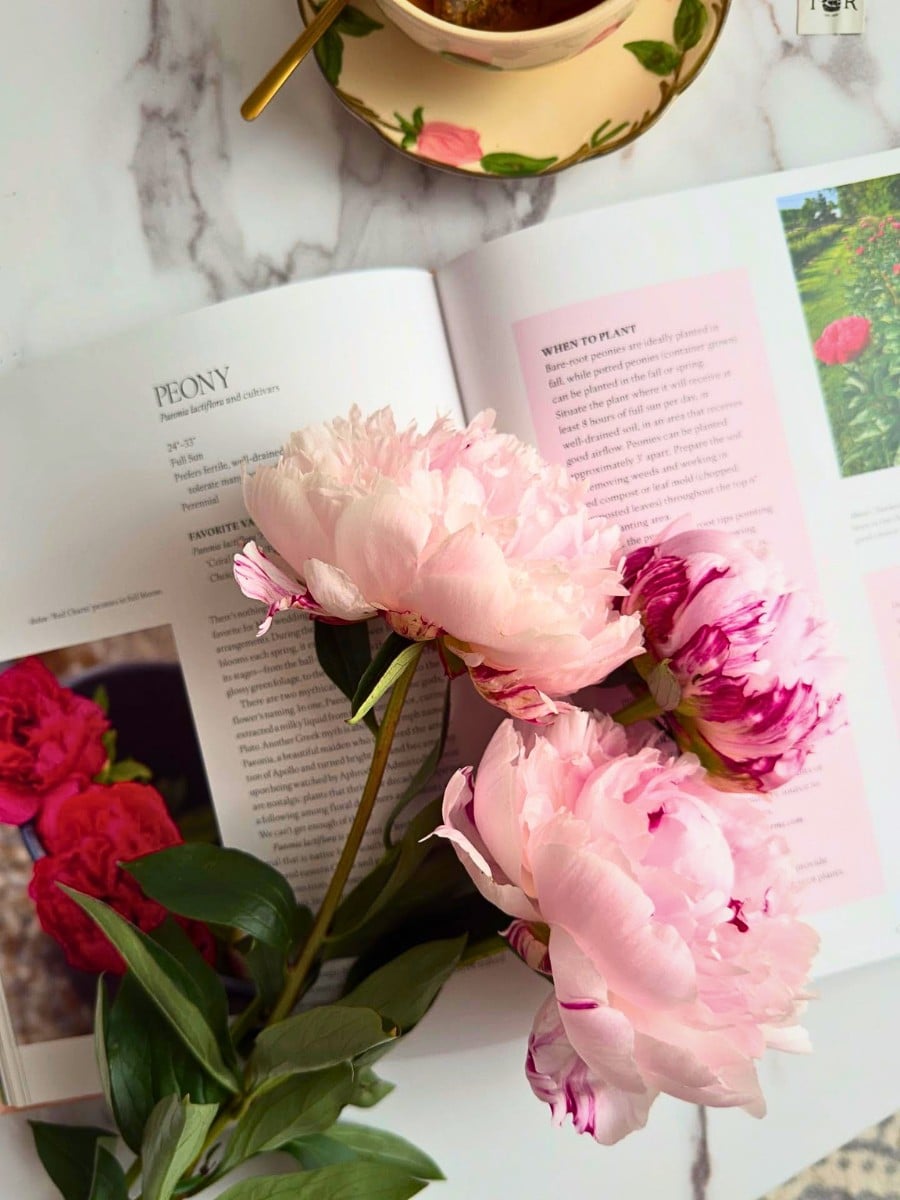
Not every literary flower is invented or symbolic. William Wordsworth's ‘I Wandered Lonely as a Cloud,’ one of the most anthologized poems in English, grew right out of an actual walk. On April 15, 1802, Wordsworth and his sister Dorothy came across a long stretch of daffodils along Ullswater in England's Lake District, and Dorothy recorded the scene in her journal that evening, describing how the flowers "tossed and reeled and danced" in the wind.
Later, William turned the shared memory into verse, and his wife Mary later contributed two of the poem's closing lines. The daffodils in the poem were not just stand-ins for an abstract idea, but a specific field, seen on a specific day, that stayed with two writers long enough to become one of literature's most familiar images of joy recalled in solitude.
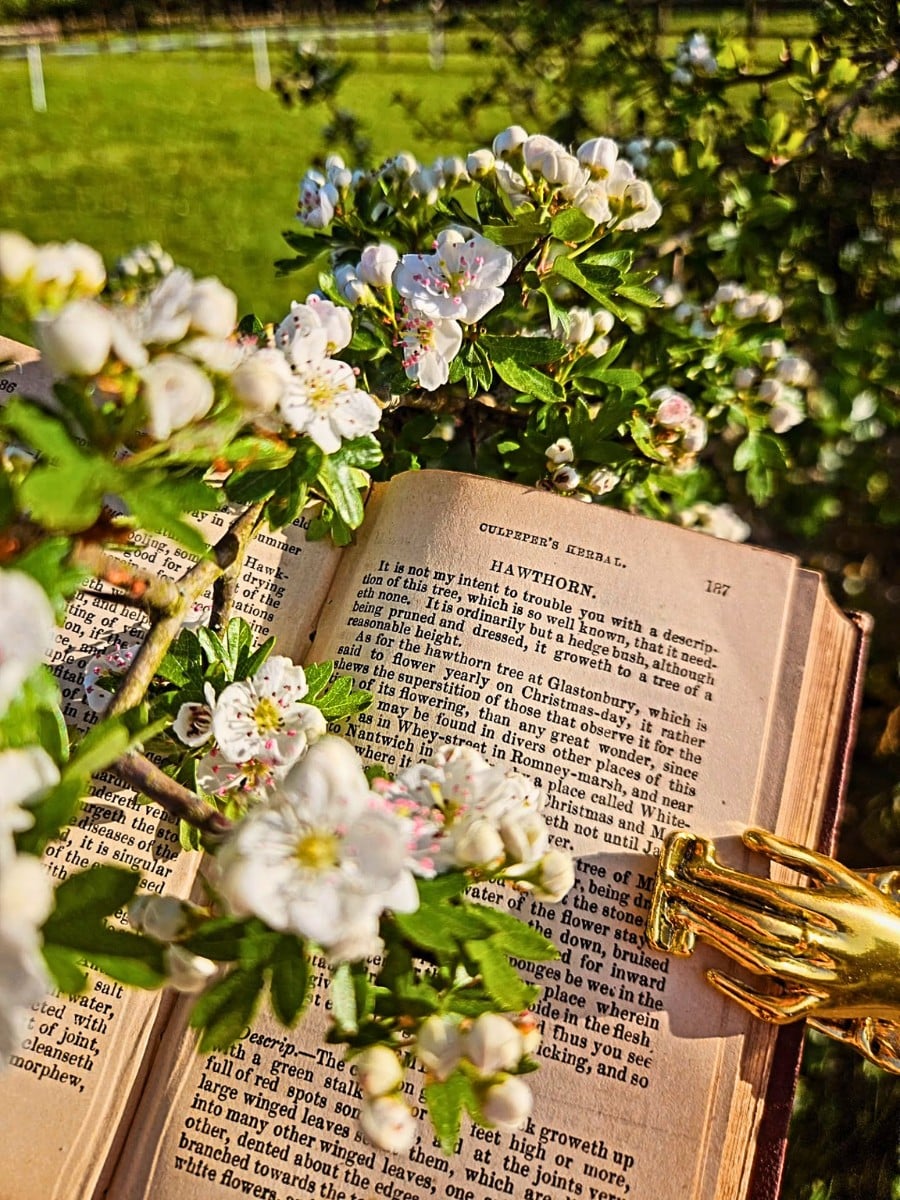
Flowers as Character and Fate in Modern Fiction
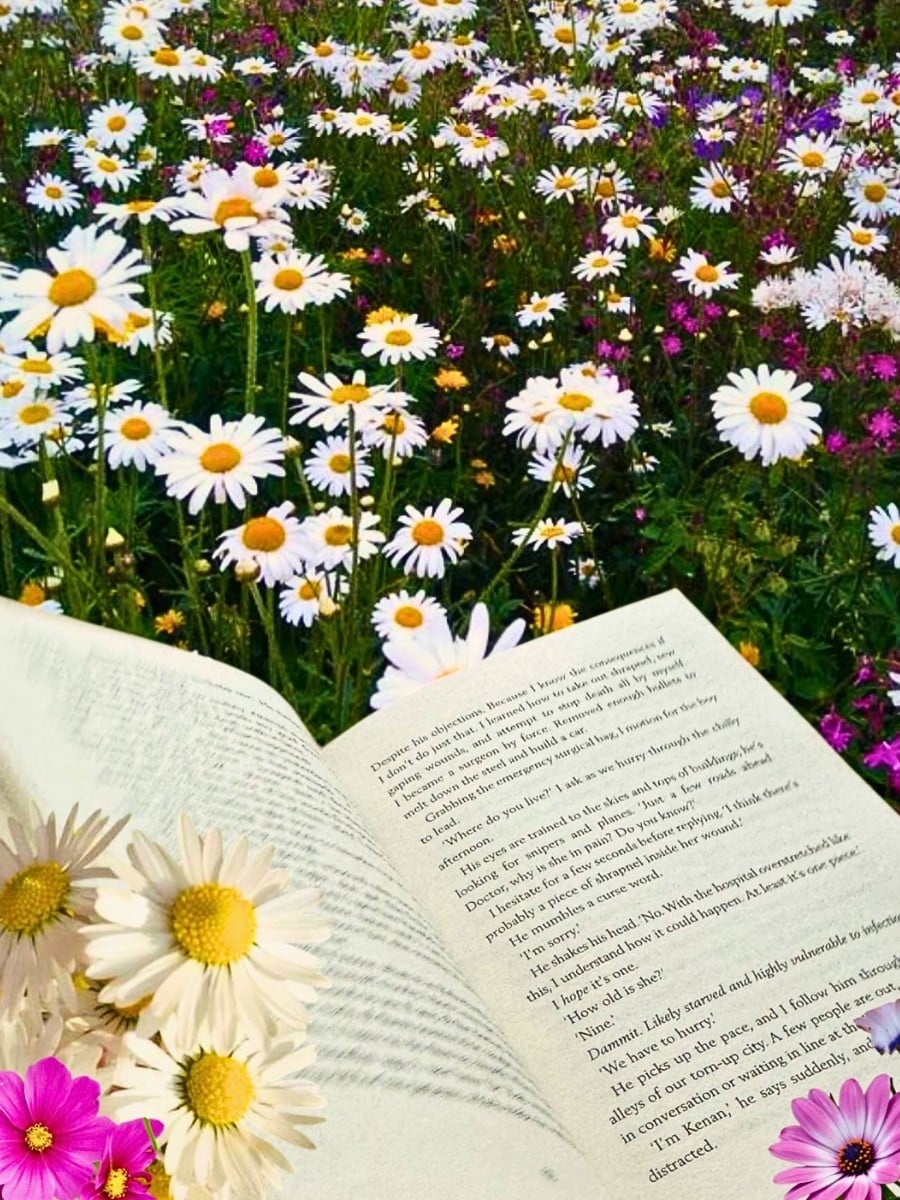
In modern twentieth-century fiction, F. Scott Fitzgerald uses similar mechanics in The Great Gatsby. The name of Daisy Buchanan is entirely intentional because the daisy’s white outer petals and golden center initially project youth, innocence, and purity, yet it conceals a harder, more self-interested center, eventually representing a fragile, hollow ideal. When Jay Gatsby reaches toward the distant dock, the floral association highlights the fragile, easily crushed nature of his pursuit.
The word daisy even derives from ‘day's eye,’ an affirmation of the sun that mirrors how other characters orbit her (Daisy). Fitzgerald paired her with Myrtle Wilson, named for a hardier flowering shrub tied to Aphrodite in Greek mythology, setting two women and two social classes against each other, through nothing more than their given names.
Flowers as a Global Literary Tradition
Flower symbolism in storytelling is not limited to the Western canon. In Japan, the tradition of hanakotoba assigns specific meanings to different flowers and has shaped poetry, theater, and visual art, much like floriography did in Victorian England. A character offering red roses in a Japanese narrative communicates passionate love, while yellow roses suggest friendship.
Similar systems appear throughout Chinese, Persian, and Ottoman literary traditions, suggesting that pairing flowers with meaning is less a passing trend and more a near-universal habit of storytelling. These associations, essentially, allow authors to convey emotion without spelling it out directly.
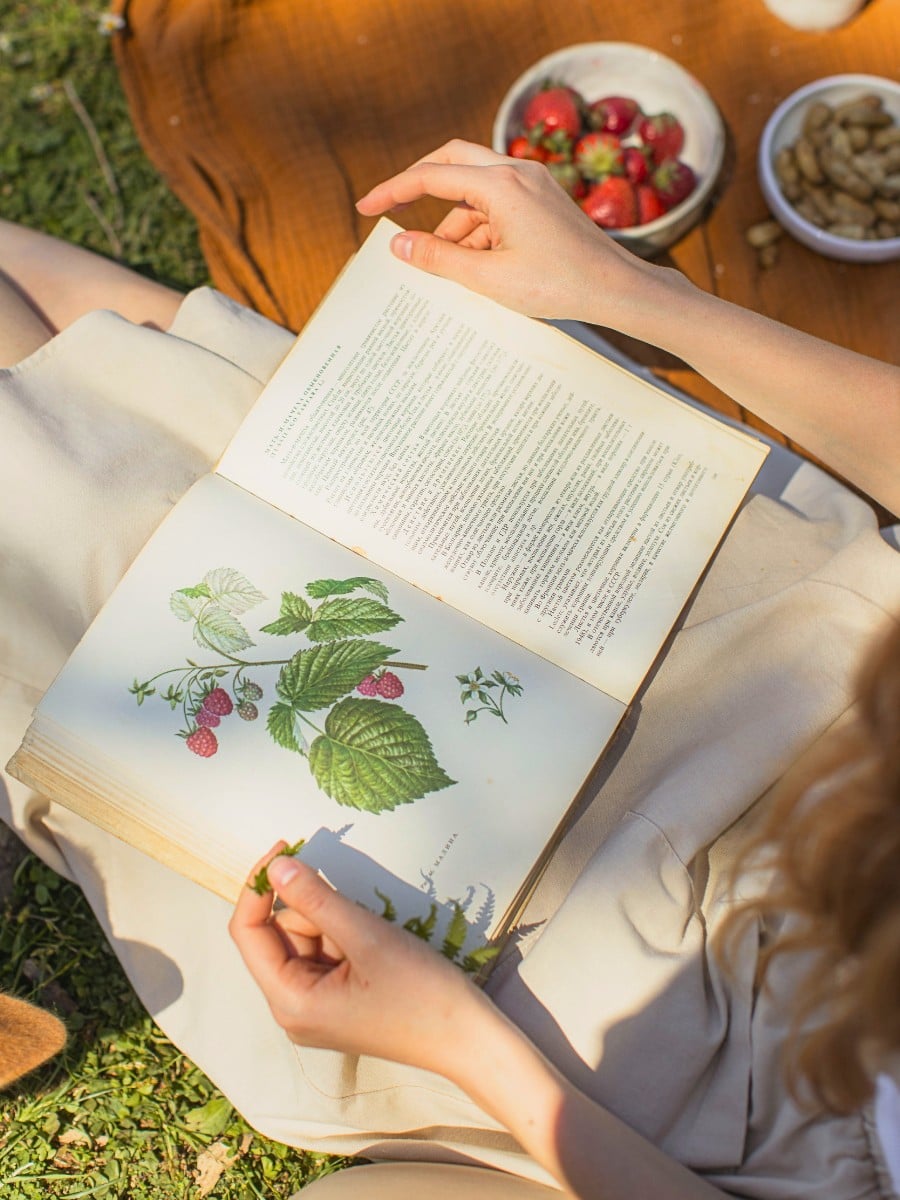
Flowers, one would say, persist in literature because they do what dialogue and description cannot always manage on their own. A flower can carry backstory, foreshadowing, and emotional meaning without utter exposition. Their efficiency is exactly why floral meaning has stayed relevant way past the Victorian era.
Featured image by Gustavo Fring. Header image by ✨