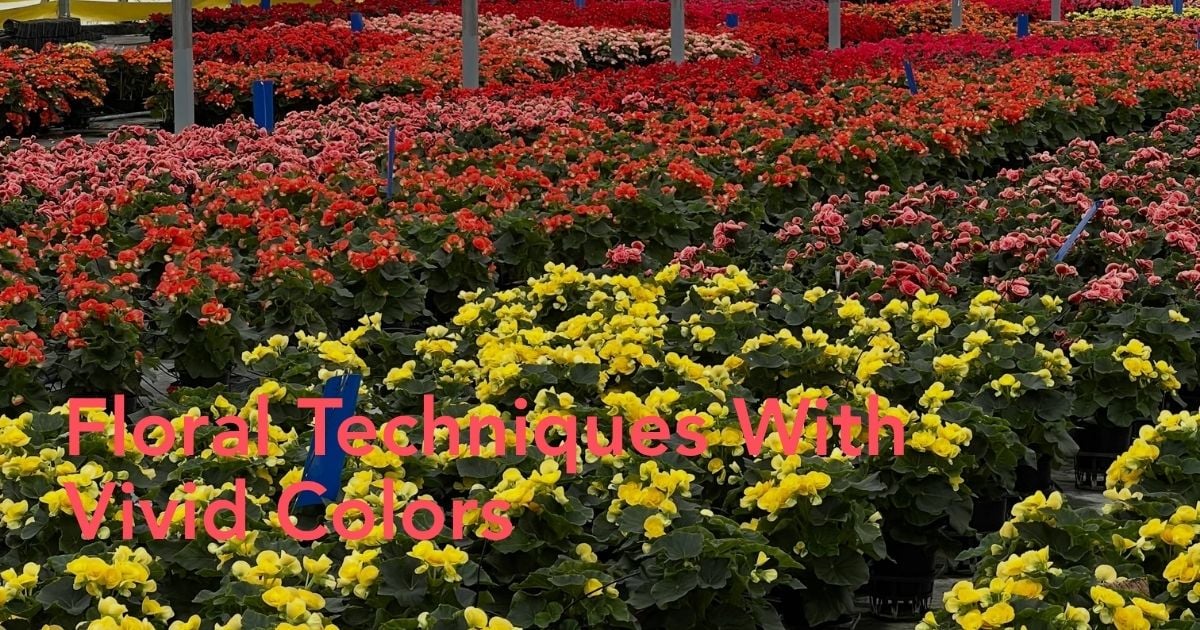
Vietnam has long been a must-visit destination. You’re probably aware of its breathtaking landscapes, delicious street food, and backpacker-friendliness. However, it has only recently become a must-visit destination among florists, growers, and trade buyers.
As a flower industry professional, why should you add Vietnam to your travel bucket list? The country is currently setting new industry standards through national development targets, while farmers are introducing advanced agricultural technology. Plus, Vietnam has a deep-rooted and rich flower tradition, reflected in its culture and spirituality.
Tet and Vietnam’s Floral Traditions
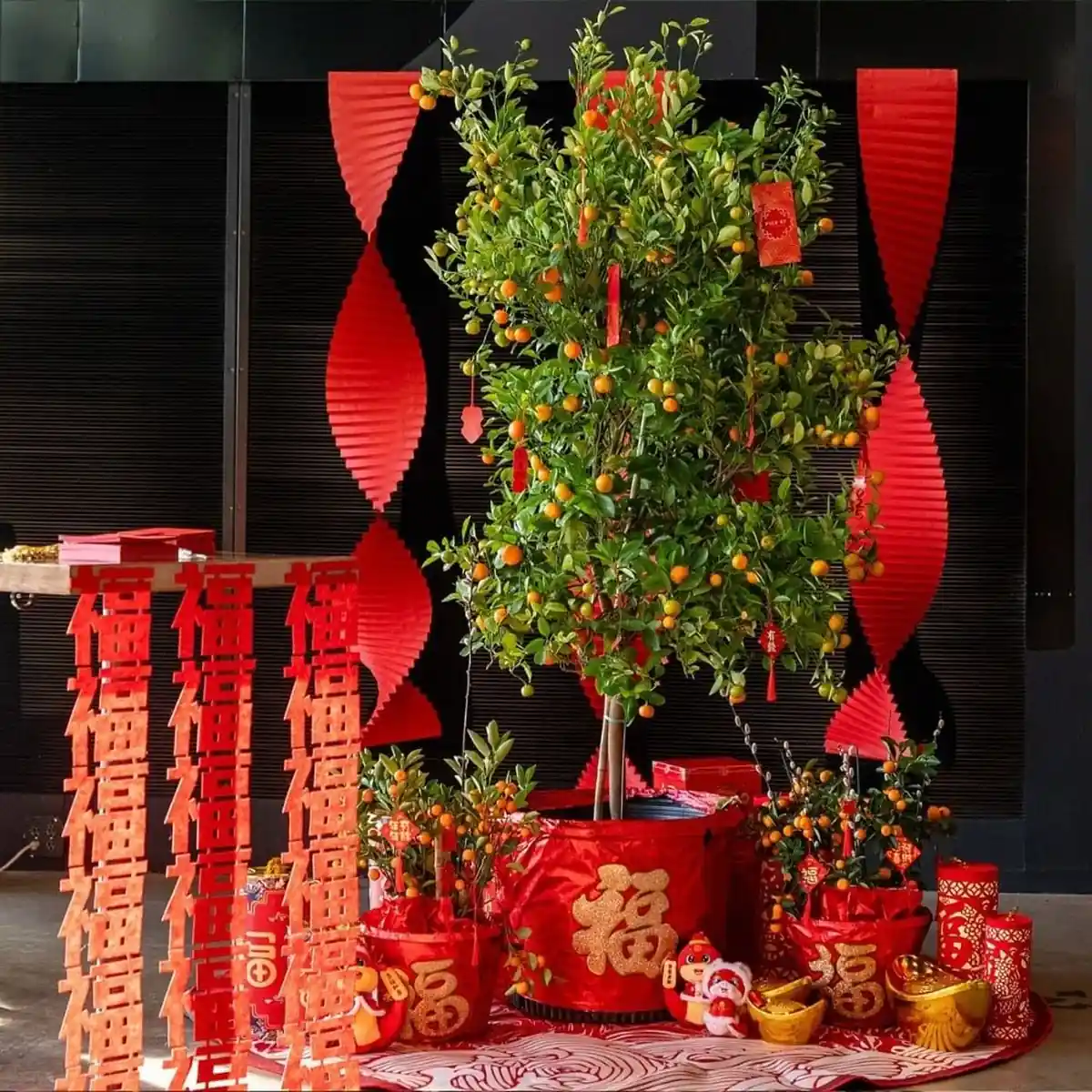
Tet (short for Tết Nguyên Đán) is one of the biggest and most important days on Vietnam’s calendar. Families gather to celebrate, honor traditions, and eat sticky rice cakes. For decorations, the Vietnamese create beautiful displays using an increasingly important export: flowers.
Tet coincides with the arrival of spring. It is also concurrent with the blossoming of Vietnam’s chrysanthemums, peach blossoms, and daffodils. Vietnamese families use these flowers to create displays in homes and public places. The flowers bring color and symbolism to the country.

Markets in the days before Tet look nothing like the rest of the year. Streets that normally carry motorbike traffic fill with makeshift flower stalls, some open past midnight, as families shop for branches and blooms. Prices climb the closer it gets to New Year's Eve, then drop sharply the moment the holiday actually begins.
If you travel to Vietnam around late January/early February, the country’s deep connection to floriculture is impossible to miss. However, the start of spring isn’t the only time you can experience Vietnam through its flowers. You can visit parts of the country, such as Da Lat, that feature year-round blooms.
Da Lat Is More Than Vietnam’s Floral Capital
Da Lat is known as the “City of Eternal Spring” for a reason. The city sits at an elevation of 1,500 meters (4,900 feet) above sea level. The city’s altitude affords it a cool climate all year long, creating a sense of never-ending spring. Add the city’s favorable climate to its fertile soil, and you’ve got the perfect conditions for flower growing. Unlike flatter growing regions, Da Lat’s elevation changes mean microclimates can shift within a few kilometers, letting nearby farms specialize in different varieties depending on their exact position on the slope.
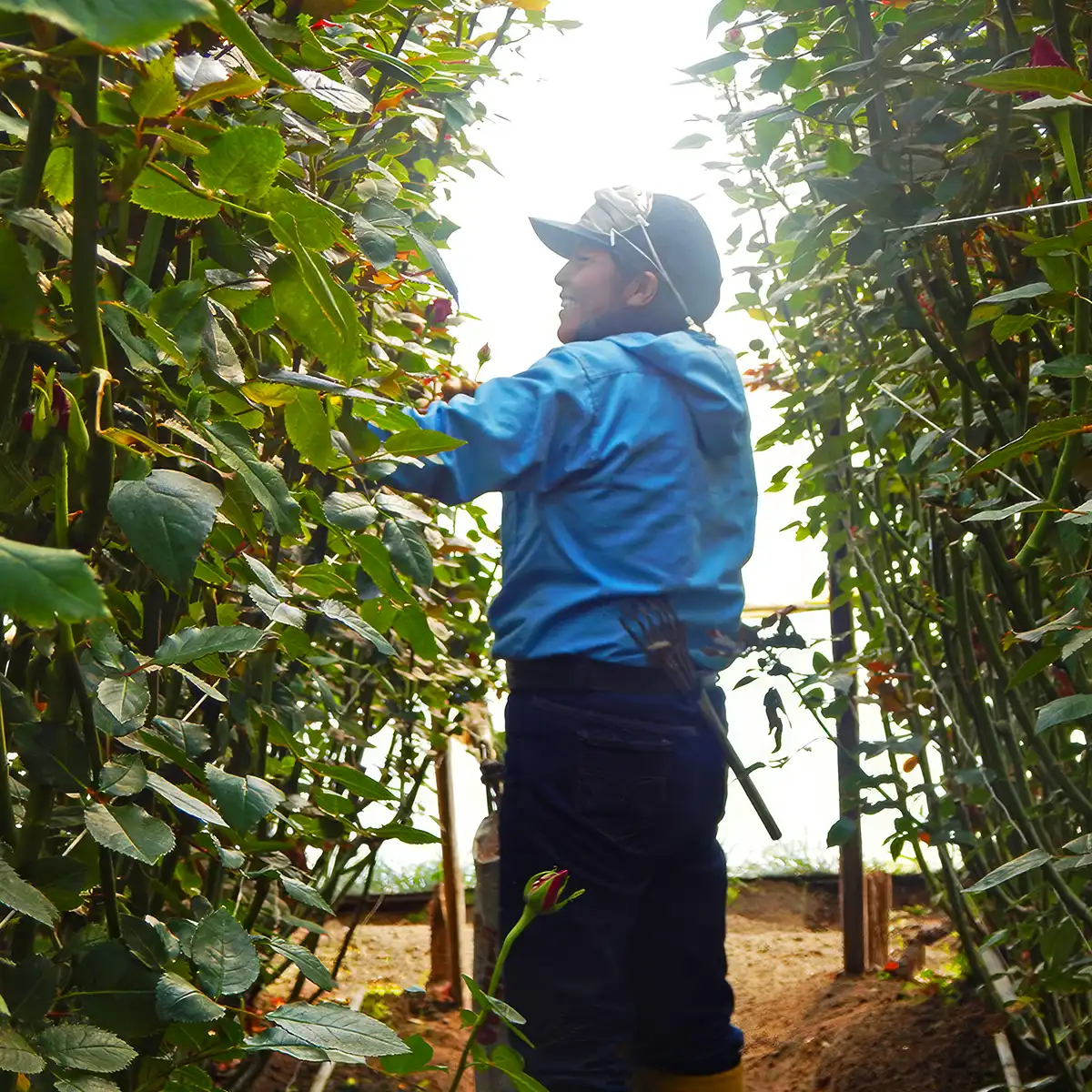
One of the most interesting aspects of Da Lat is the range of businesses that take advantage of its conditions. You’ll see thousands of small household farmers tending to traditional, mid-sized plots. These smaller businesses either sell their flowers to or partner with larger brands.
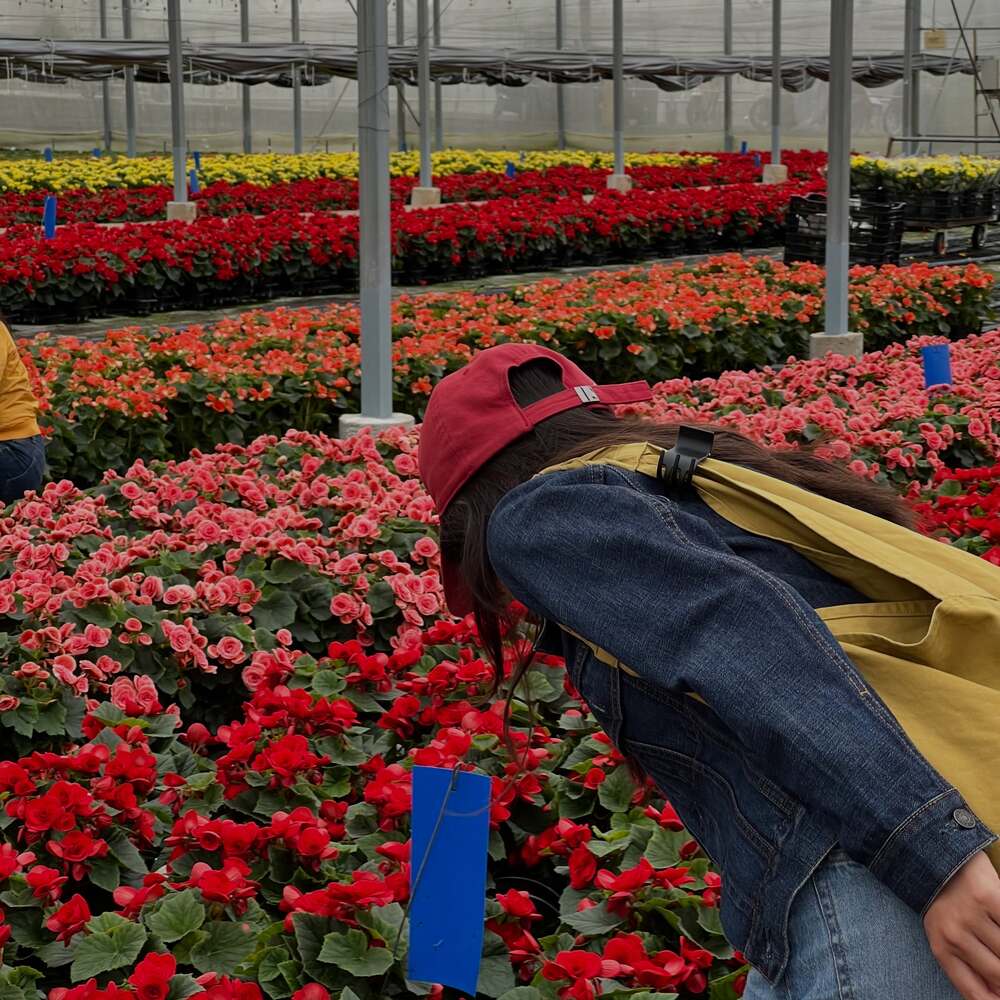
These small businesses sit beside large-scale floral operations. Dalat Hasfarm, for example, serves as the country’s largest high-tech floriculture enterprise. the company grows over 500 varieties of cut flowers and exports to 15 countries. Here, you’ll find hundreds of hectares’ worth of advanced greenhouses.
The small businesses use simple hand tools and basic greenhouse setups. Their biggest asset is their decades of generational knowledge, which allows them to grow high-quality flowers with no technological assistance. Dalat Hasfarm, on the other hand, uses automated greenhouse systems. The high-tech farm also uses precision irrigation and biological pest control tools.
The combination of big and small businesses makes Da Lat a must-visit for anyone remotely interested in flowers. The city showcases both the past and future of floriculture.
Vietnam’s Floral Industry Has a Promising Future
Vietnam’s floral industry will likely expand in the coming years. In 2025, the industry reached a value of $2.10 billion. With a forecast CAGR of 7.30%, the industry could reach a value of $3.20 billion by 2031. Current market growth and recently introduced government policies are helping drive these projections.
Vietnam's Decision No. 4081, for example, outlines targets for the ornamental and plant industry for 2030. The policy details various targets, including reaching a production volume between 14 and 15 billion stems by 2030. By the same year, policymakers hope that around 20% of the country’s total flower production will use high-tech applications.
To meet such goals, highly modernized cultivation methods will need to be introduced in areas where they weren’t formally present, such as new greenhouse technology. Therefore, now is a particularly interesting time to visit Vietnam to see an industry in transition.
Potential for Business Opportunities
As Vietnam’s flower industry grows, more business opportunities arise for foreign suppliers. Visit Vietnam in 2026 or 2027, see what they produce, and identify business opportunities across the supply chain. Each new farm will be seeking partners in postharvest technology, logistics, and exportation.
Finding these opportunities will involve visiting farms and attending trade shows. It will also involve you corresponding with business partners back home. While phone signal tends to be reliable in most major cities, it can drop significantly in rural parts of Vietnam. As a result, you may have to rely on unsecured public Wi-Fi. As a precaution, it would be a good idea to use a VPN (Virtual Private Network).
How does a VPN work? A VPN creates an encrypted tunnel between your device and the internet. Third parties cannot read the data that travels through the tunnel. With a VPN, you can safely finalize deals even while on a trip to a rural farm in remote Vietnam. Contracts, pricing negotiations, and supplier details are exactly the sort of information you wouldn’t want exposed on an open network, and running a VPN in the background means one less thing to worry about.
Now Is the Time to Explore Vietnam’s Growing Flower Industry
Vietnam is entering a period of significant floral industry transformation. Come back in five years, and Vietnamese flower farms will probably look different: more greenhouses, fewer hand tools, maybe a highway where there’s currently a dirt road. If you’re a flower industry professional, you need to add the country to your bucket list. You can witness the industry change firsthand, build new partnerships, and identify opportunities across the floral supply chain.