In my first article for my blog series 'The Future of Floral Marketing', I asked: "Your Product Is Ready. But Who Is Waiting for It?" Here, I wrote about moving from product to position. Instead of growing, breeding, or developing something first and then asking how to sell it, start with the market and work backward.
But there is an obvious response to that idea: What if business is already going well? Your product is good. Customers are ordering. Sales knows the buyers. Your relationships are strong. The trucks leave full. Why change anything?
Because while you are busy selling today, your market is already changing. Customers change. Competitors change. Assortments move. Colors fall in and out of favor. Specifications that mattered five years ago may matter less today. New buyers enter the business with different expectations about products, brands, sustainability, service, and cooperation.
Quality still matters. Of course it does. But quality alone may no longer be the reason customers choose you.
Everyone Says Their Quality Is Good
Ask almost any grower, breeder, exporter, or supplier why customers buy from them, and there is a good chance that "quality" comes up quickly. That makes sense. But your competitors probably say exactly the same thing.
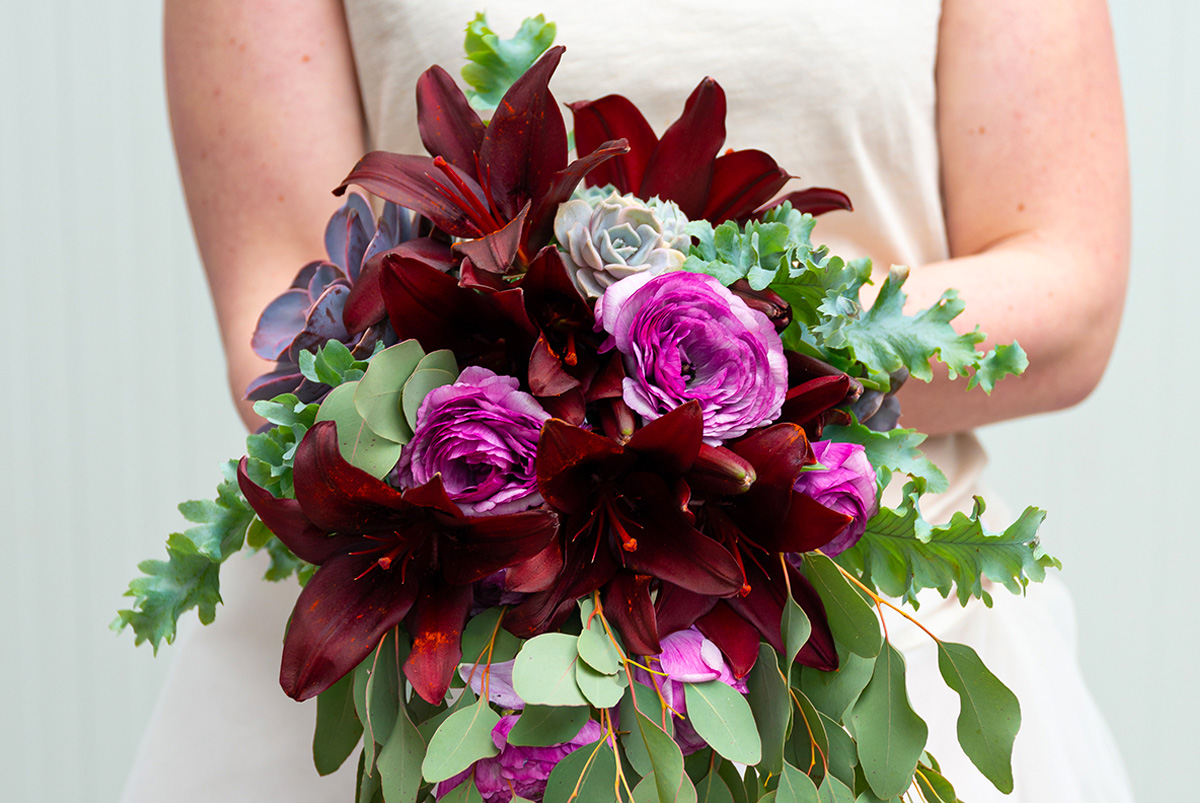
So, quality increasingly becomes the ticket that gets you into the game rather than the thing that makes you different once you are there.
The better question is: When several suppliers can deliver a good product, why does the customer choose you?
Maybe your assortment is different. Maybe you specialize in a particular product. Perhaps you are more reliable, easier to work with, faster to innovate, or better at service. Maybe your brand means something.
Or perhaps you understand your customer's business just a little better and see changes coming before someone else does.
That is positioning to me. It is not about shouting louder about how good your product is. It is about deciding who you want to matter to and giving them a reason to choose you.

Your Order Book Shows Today, Not Tomorrow
I saw this at a horticultural company where I worked. Commercially, the business was busy. Salespeople called customers, managed relationships, took orders, and solved problems. And that matters enormously.
Floriculture remains a very personal business. People buy from people, and long-term relationships are one of this industry's strengths. But those daily conversations also contain information that's easy to lose.
A customer suddenly asks for a different specification. One color becomes more difficult to sell. Another product starts moving faster. A customer who used to buy large volumes begins ordering differently. A certain country or segment becomes more interesting. Those individual signals may seem small. Together, they can tell you where your market is going.
That is why I wanted sales and marketing to look at the assortment and the market together: product → specifications → customer → market → development → opportunity
Not because the company needed another spreadsheet. It needed better questions. Where do we sell this product? Who buys it? Why? Which characteristics matter to that customer? Is that changing? And what could this tell us about what we should do next?
An order tells you what somebody bought. The conversation around the order often tells you why.
That difference matters.
Sales Knows Things Marketing Needs to Know
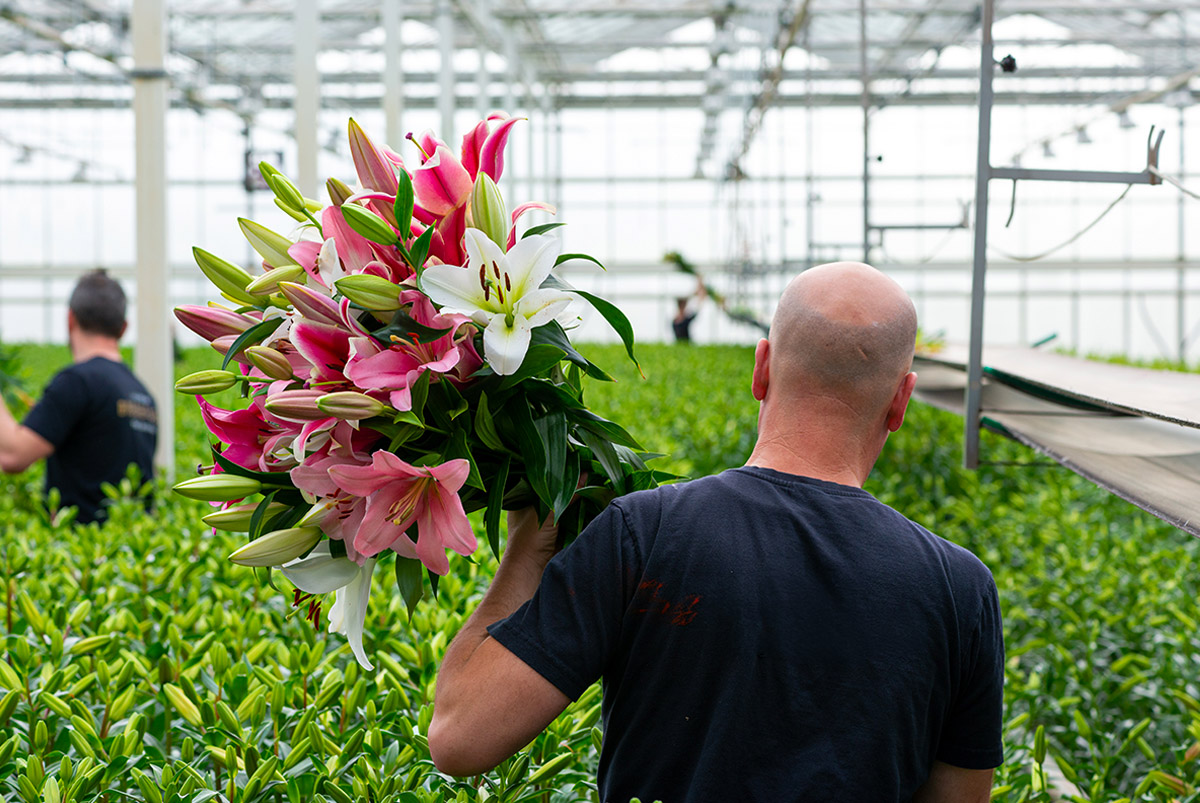
Sales is usually the first place where market change becomes visible. Salespeople hear the questions. They hear the objections. They know which products suddenly require more explanation and which practically sell themselves. They know when a customer starts asking for something different.
Marketing can connect those individual signals to a broader picture. Is the same thing happening elsewhere? Is this one customer's request or a wider trend? Are customer needs changing? Is a market segment developing in a different direction? Where might new opportunities appear? And does all of that still fit the position we want our company to have?
That is why I see marketing and sales as 1 + 1 = 3. But only when they actually talk to each other about more than this week's sales numbers.
I have also experienced how difficult that can be. At one company, we never really managed to get that shared strategic conversation going. So my role stayed much more within corporate and internal communications.
Useful work, certainly. But it reminded me of an important distinction. Communication helps you tell people who you are and what you do. Marketing should also help you decide who you want to be relevant to tomorrow.
Keep 20% for Tomorrow
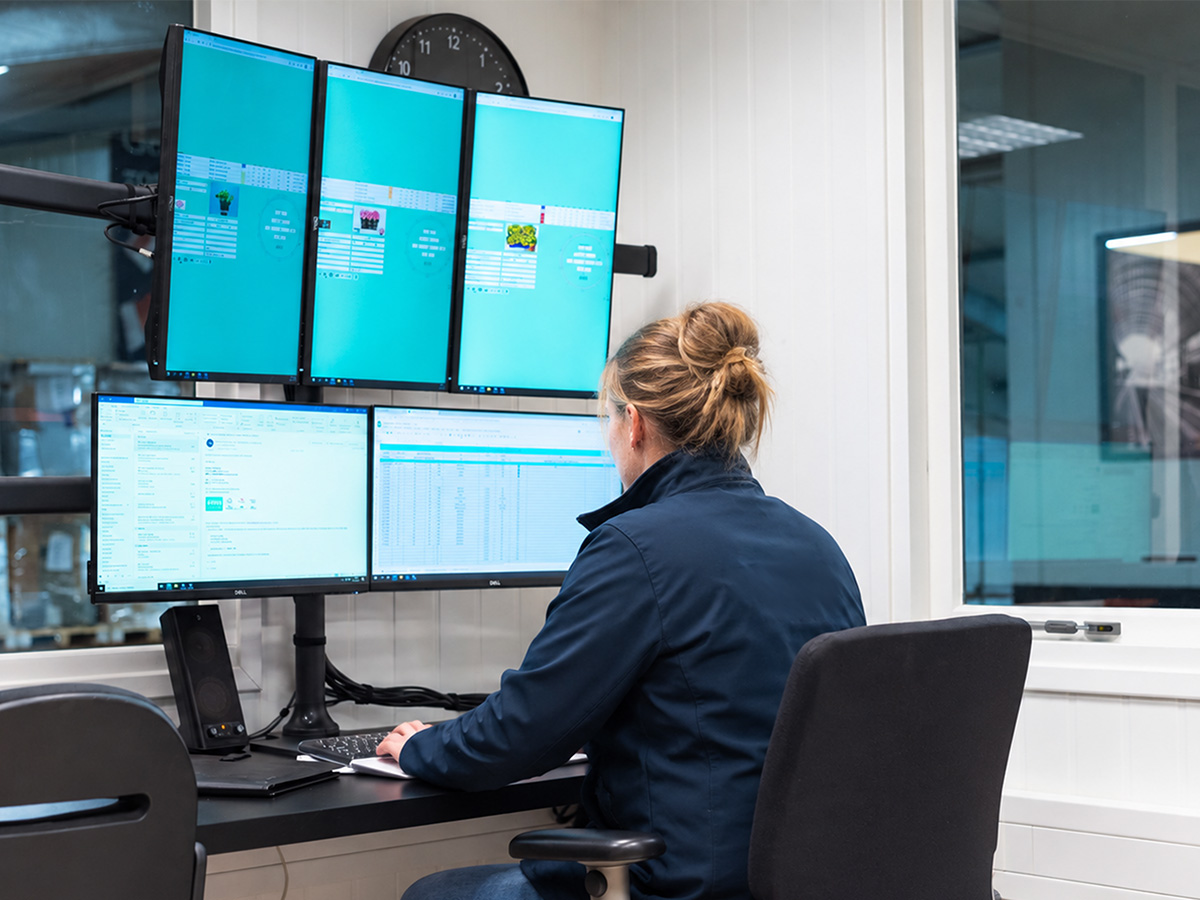
I like to make this very practical. Use 80% of your commercial energy for today.
Take care of your customers. Get the orders. Maintain relationships. Solve problems. Follow up on opportunities. Get the flowers and plants where they need to go. That is your business.
But protect the other 20%. Use it to get out of the daily flow and look at what is changing. Are these still the customers we want to build with? Does our assortment still match their market? Which products or colors are becoming more important? Are new countries or market segments opening up? Where is competition coming from? What are customers asking today that they did not ask three years ago?
And: If we keep doing exactly what works today, will customers still choose us in three or five years?
That 20% might not bring you an extra order this afternoon. It could be the reason you still have a healthy order book a few years from now.
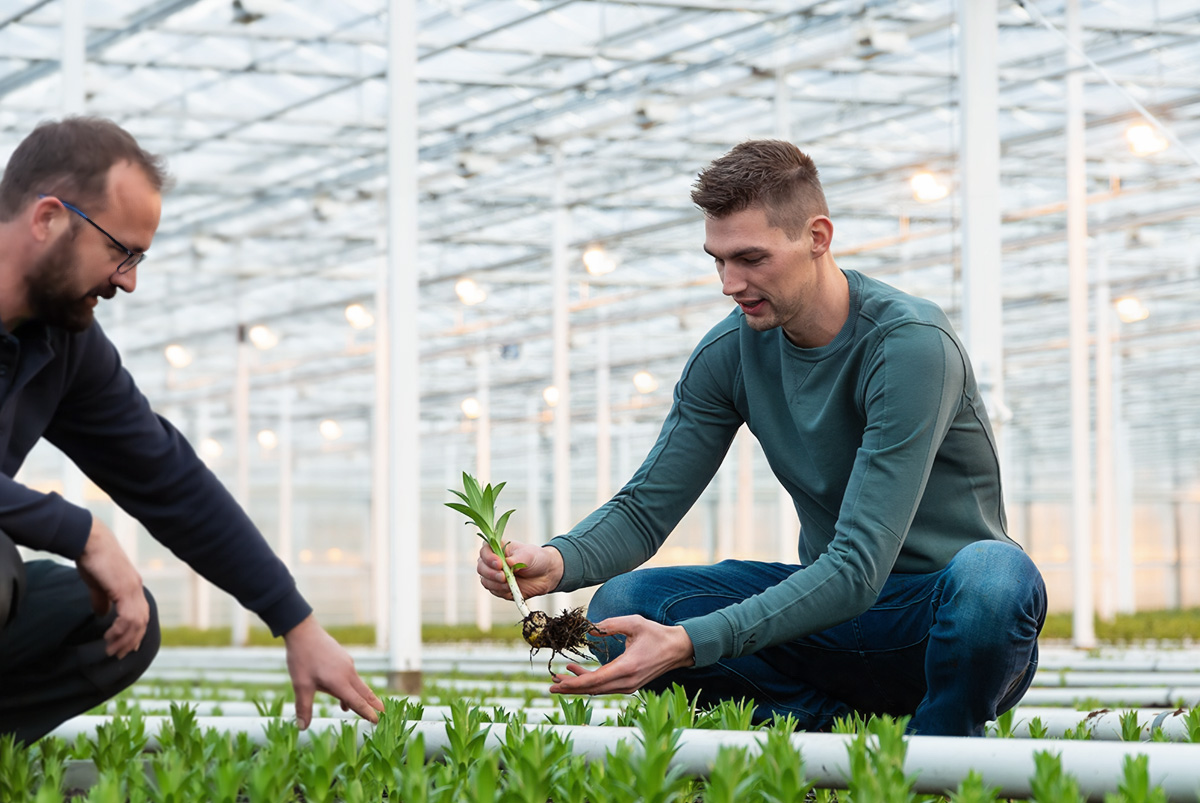
Success Can Hide Change
Looking ahead is often easiest when business is difficult. When sales drop, everybody suddenly wants market research, new customers, new products, and new ideas.
The more interesting moment is when your sales are good. A full order book is comforting. But it can also make change elsewhere in the market easier to ignore.
That is why looking ahead should come from curiosity rather than panic. What is moving? What is the next generation of buyers looking for? What could become less relevant? Where could we create more value?
The grower with the best flower does not automatically own the strongest market position. Neither does the breeder with the best genetics or the trader with the strongest sales team.
Those things matter.
But so do customer knowledge, clear choices, branding, added value, and knowing why somebody should choose you rather than the company next door.
What Is Your 80/20?
Take a different look at your order book this week. Not just at the numbers, but at what sits behind them. What do today's orders tell you about tomorrow? What is sales hearing that marketing should know? What is marketing seeing in the wider market that sales could use? Which small shifts are appearing again and again? And how much time do you actually spend discussing them?
Selling today is essential. But if all your commercial attention goes to what already works, who is building the business you will need tomorrow?

So, what does your 80/20 look like?