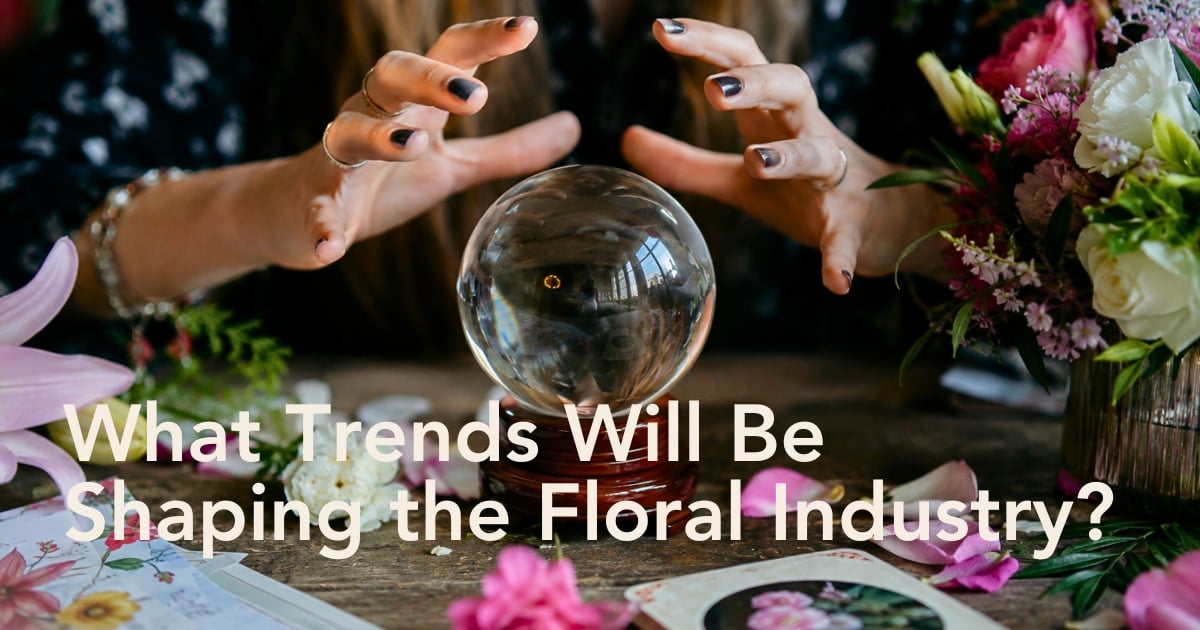
The idea for this article arose spontaneously after reading about a young woman from Brazil who, together with a friend, founded a company offering advanced predictive models. Thanks to this venture, they became billionaires at a very young age. However, I wasn't interested in the money, but in the field they occupy – predictions.
Simply put, prediction is the process of predicting future events or outcomes based on historical data, statistical analyses, and mathematical models. Its goal is to determine what might happen in the future as rationally as possible.
A Modern Predictive Model
I began to wonder how this complex analytics relates to floristry in Europe. I have run a flower shop for over 34 years and will soon celebrate its 50th anniversary. I observe how the market is rapidly changing and constantly consider how to respond to keep pace and capitalize on emerging opportunities.
So, I decided to use a modern predictive model. I must admit that many of his conclusions align with my own experiences and observations.
Here Are the Predictions I Received
If we're considering a career or business in the floristry industry, wedding floristry, event floristry, interior design, and online sales with delivery seem particularly promising.
- Sustainable production and ecology
- Locally grown flowers with a smaller carbon footprint will become increasingly important.
- Demand for biodegradable packaging and reusable materials will increase.
- Customers will pay more and more attention to the origin of plants and their growing conditions.
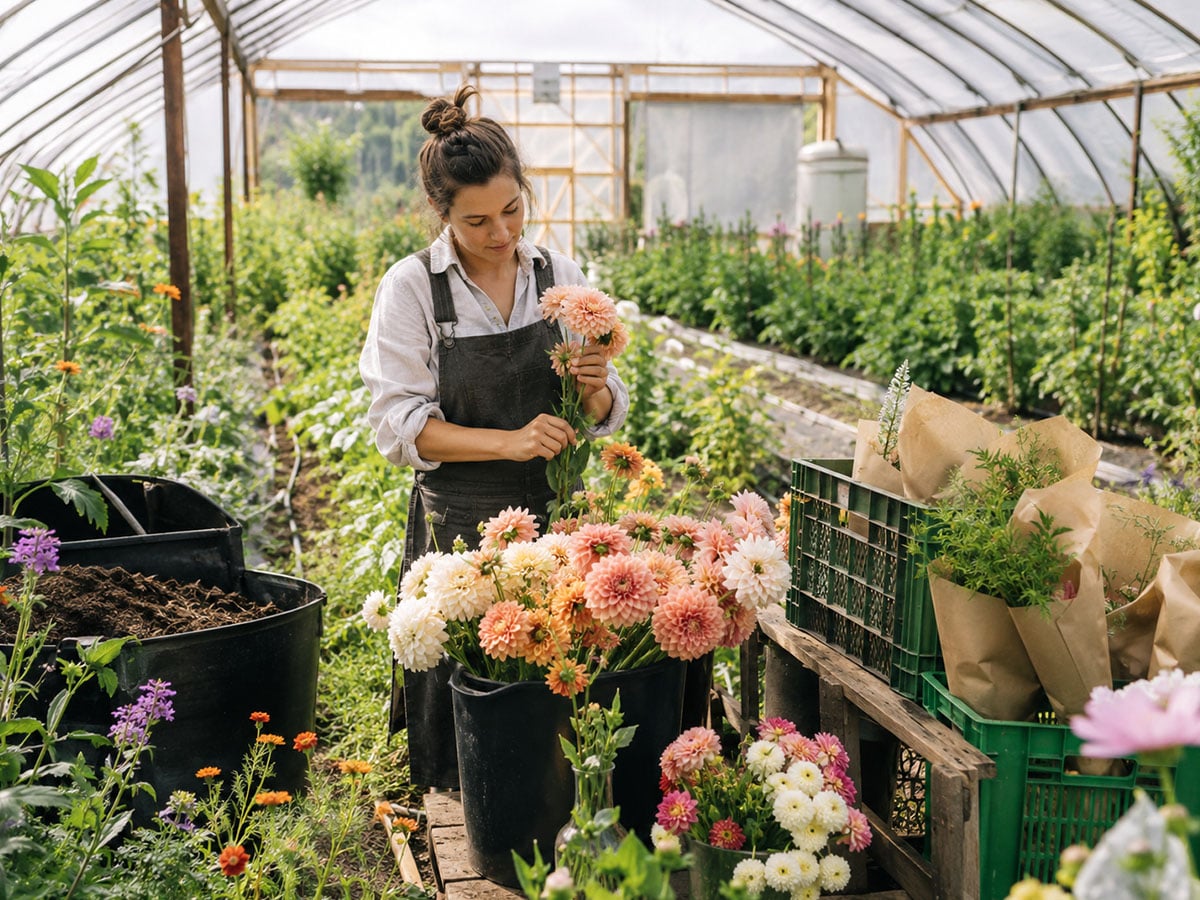
- Digitalization of sales
- Online stores and apps for ordering flowers will grow dynamically.
- Subscription models, meaning regular bouquet deliveries to your home or office, will become popular.
- Artificial Intelligence will support the personalization of offers and demand forecasting.
- Growth of the houseplant market
- Interest in plants for homes and offices will continue.
- Easy-care varieties that improve air quality will be particularly popular.
- New aesthetic trends
- Natural, seasonal arrangements will grow in popularity.
- Customers will more often choose wildflowers, dried flowers, and arrangements inspired by local flora.
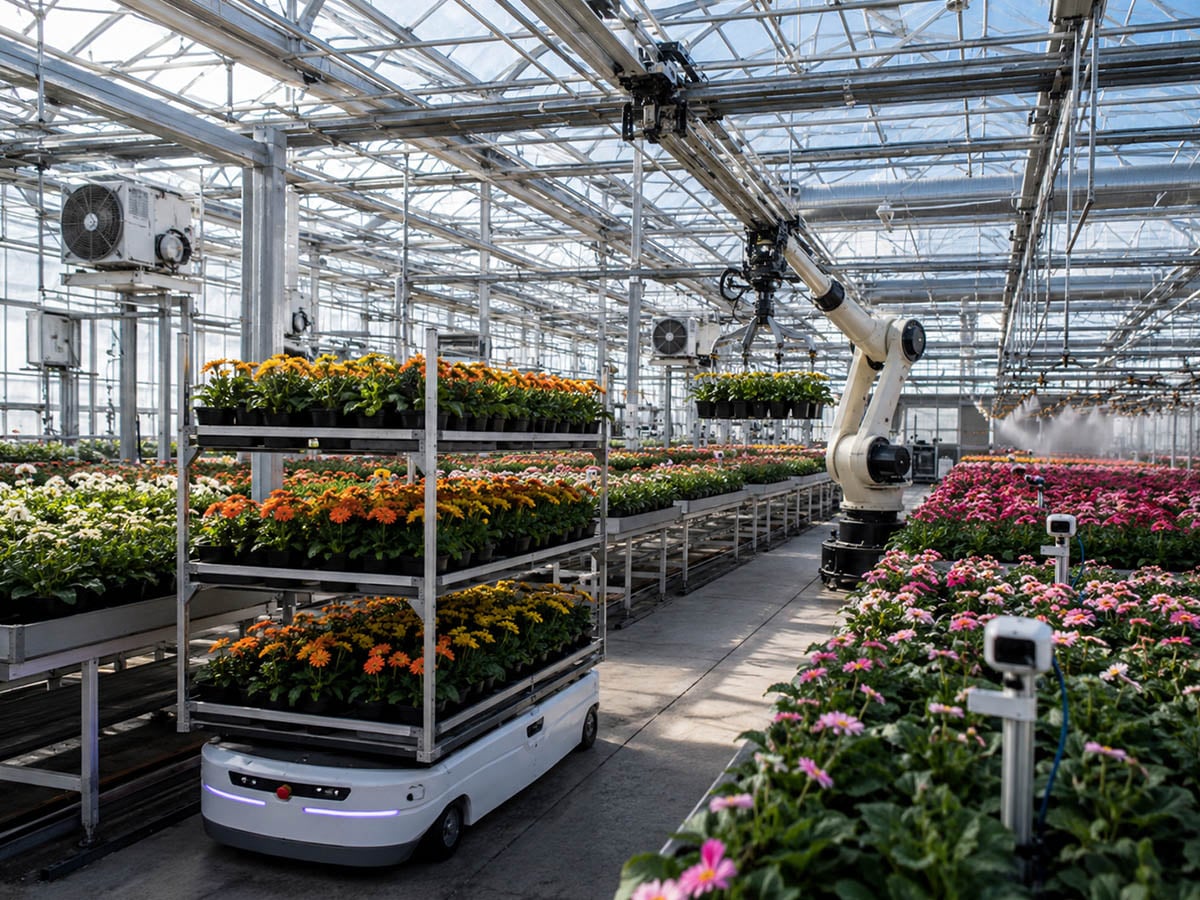
- Production automation
- Greenhouses will increasingly utilize robotics, sensors, and climate control systems.
- This will reduce labor costs and increase production efficiency.
European Market Forecast
According to industry analyses, the European flower and ornamental plant market is expected to continue to grow at a moderate rate, approximately 3-5% annually. The main growth factors will be urbanization, growing interest in interior design, and the development of online sales.
Polish Market Forecast
The model also presents very interesting forecasts for Poland.
- Growth in online sales
More and more customers are ordering flowers online for home delivery or direct delivery to the recipient. Polish e-commerce is constantly growing, and online shopping has become commonplace.
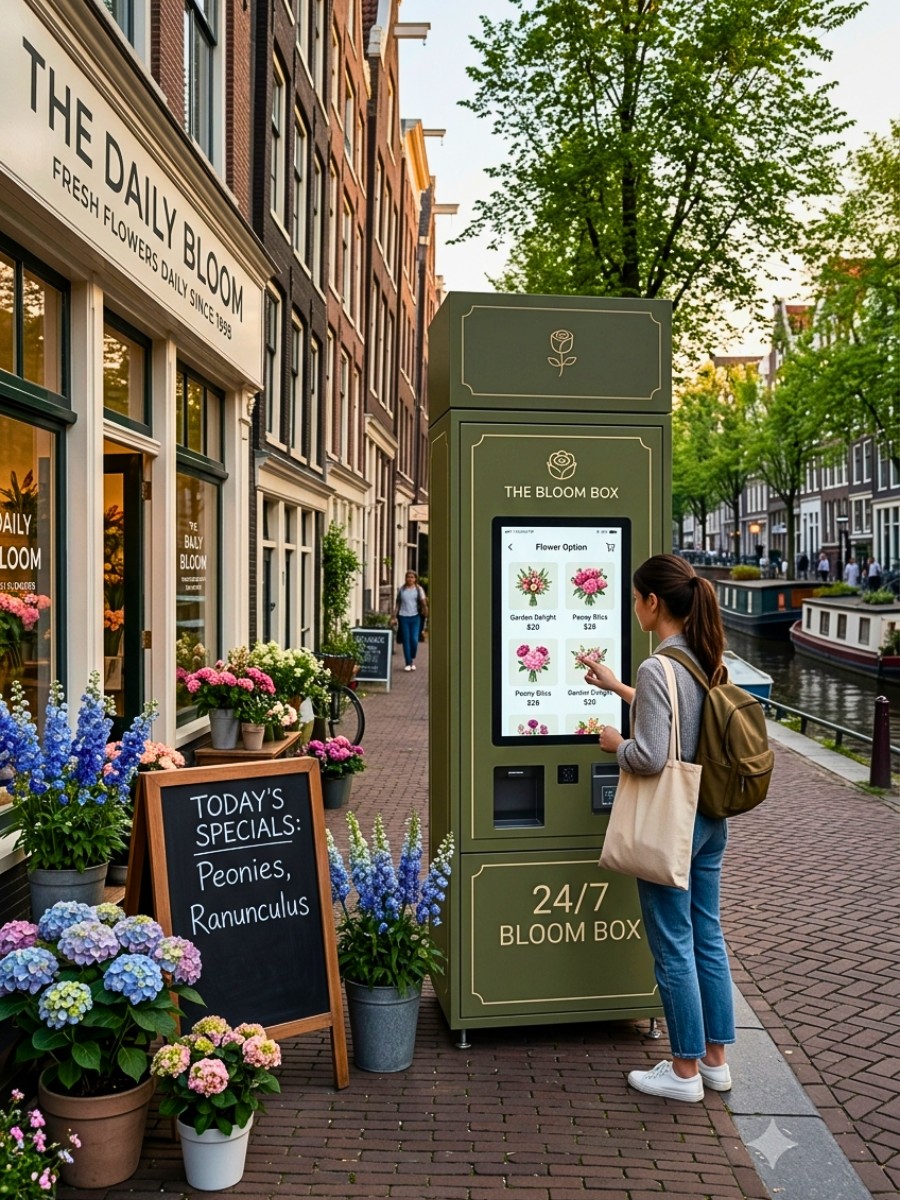
- Development of flower vending machines
The number of self-service flower sales outlets operating 24/7 is rapidly increasing in Poland. Industry forecasts indicate a further increase in the number of such devices in the coming years.
- The growing importance of premium services
Because supermarkets compete primarily on price, traditional florists will increasingly profit from:
- Unique bouquets
- Wedding decorations
- Event arrangements
- Corporate and hotel services
- Personalized arrangements
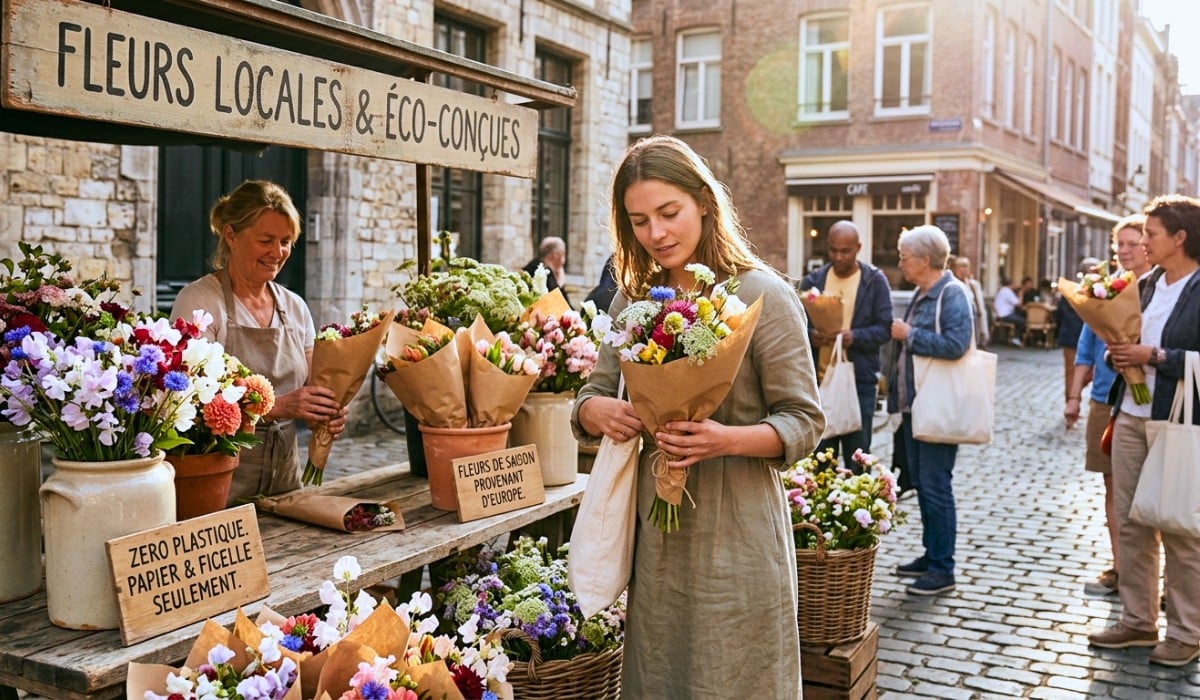
- The growing importance of ecology
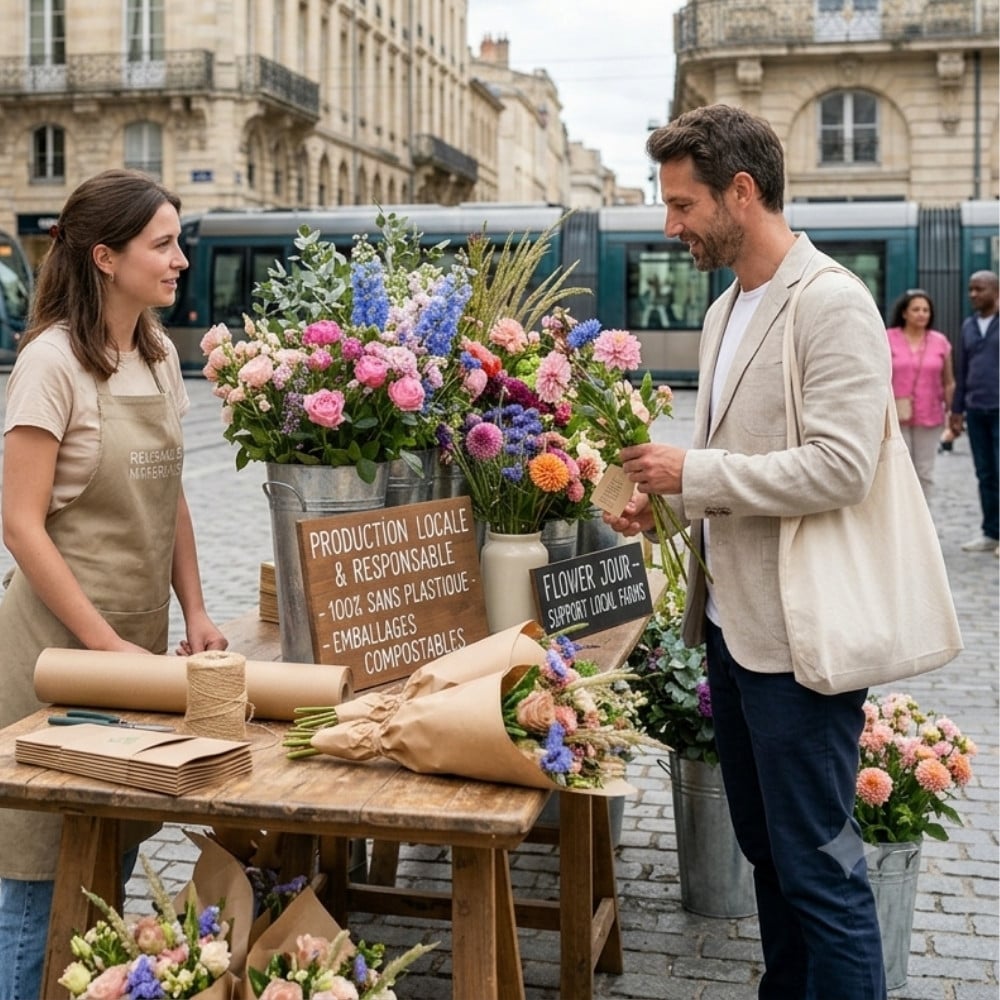
Customers are increasingly paying attention to local flowers, reduced plastic use, and eco-friendly packaging. This trend is visible throughout Europe and is likely to continue.
- Automation and artificial intelligence
More and more systems will emerge to support ordering, inventory management, demand forecasting, and bouquet recommendation to customers.
Threats
- Competition from supermarkets and discount stores
- Rising energy, rental, and labor costs
- Seasonality of sales
- Increasing online competition.
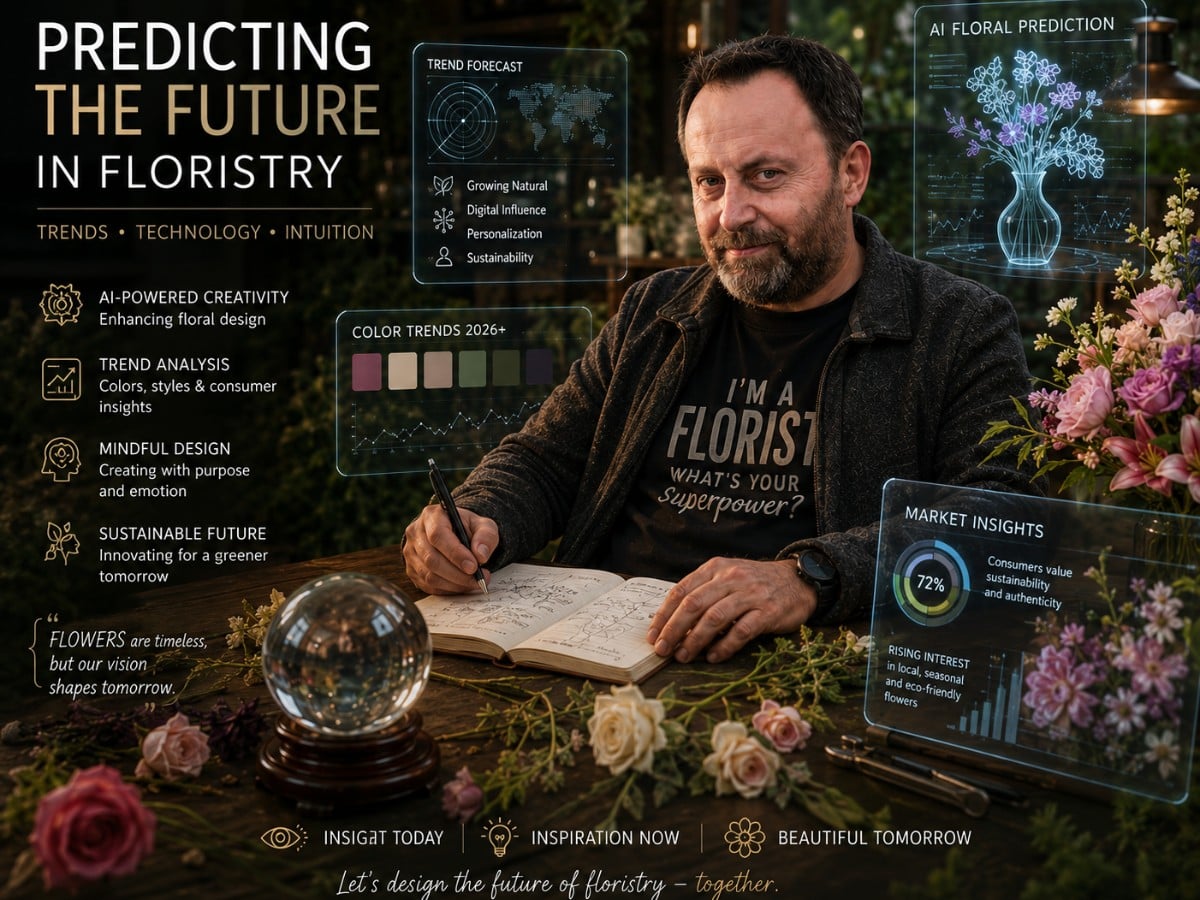
My Prediction for 2030
The greatest opportunities will be for florists who combine:
- Brick-and-mortar sales
- Online stores
- Social media presence
- Premium services (weddings, corporate services, decorations).
However, small florists relying solely on selling individual bouquets ‘off the street’ may find it increasingly difficult. All this is based on a mathematical model. However, flowers are about emotions, not just dry data and graphs.
A Good, Traditional Flower Shop Will Remain the Foundation of Flower Sales
Floristry is, above all, a craft, and sometimes it also becomes an art form. I'm writing this as a florist and flower shop owner with over thirty years of experience – someone who stands behind the counter and talks to people six days a week.
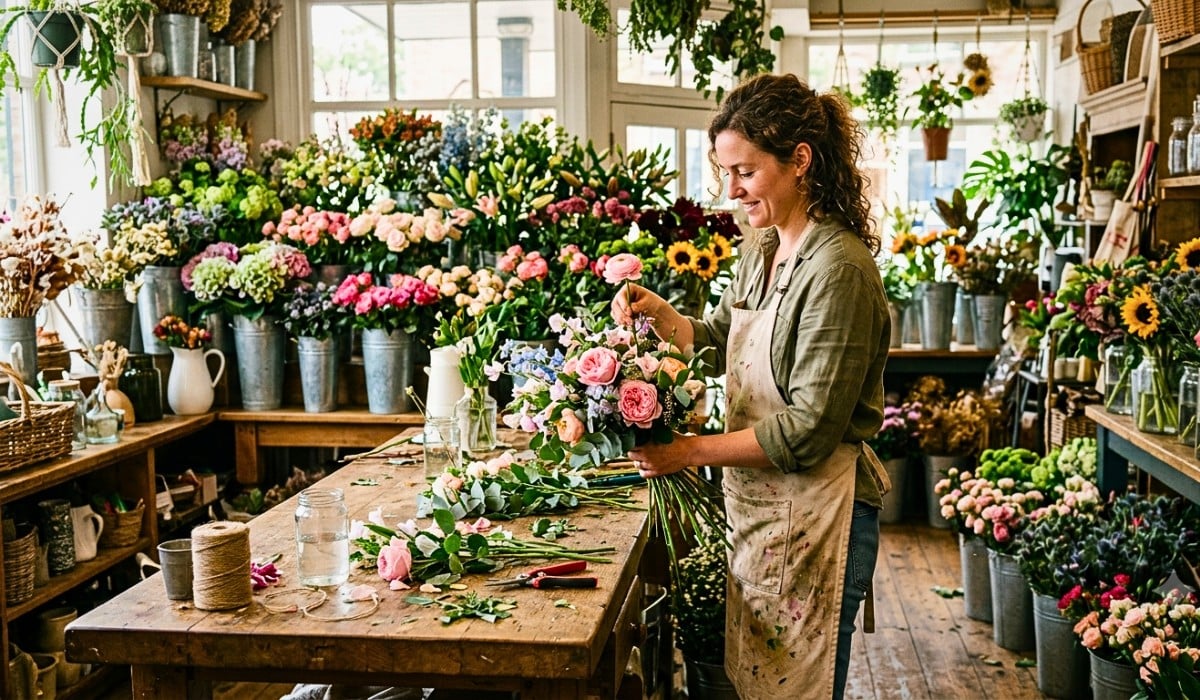
I'm convinced that a good, traditional flower shop will remain the foundation of flower sales for many years to come. I wrote about this in more detail in my previous article. If we truly care about someone, the first step when buying flowers is to go to a florist. We need advice, a human connection, and a product created specifically for that person. We want to be sure that the gift will bring joy.
However, a modern flower shop is not just about flowers. It's about high-quality, in-depth knowledge, talent, empathy, and a unique atmosphere. Ordering online is convenient, but a computer screen doesn't capture the scent, color, or shape of the flowers. It also doesn't create that special tension and that little thrill that we experience, for example, when buying flowers before a date.
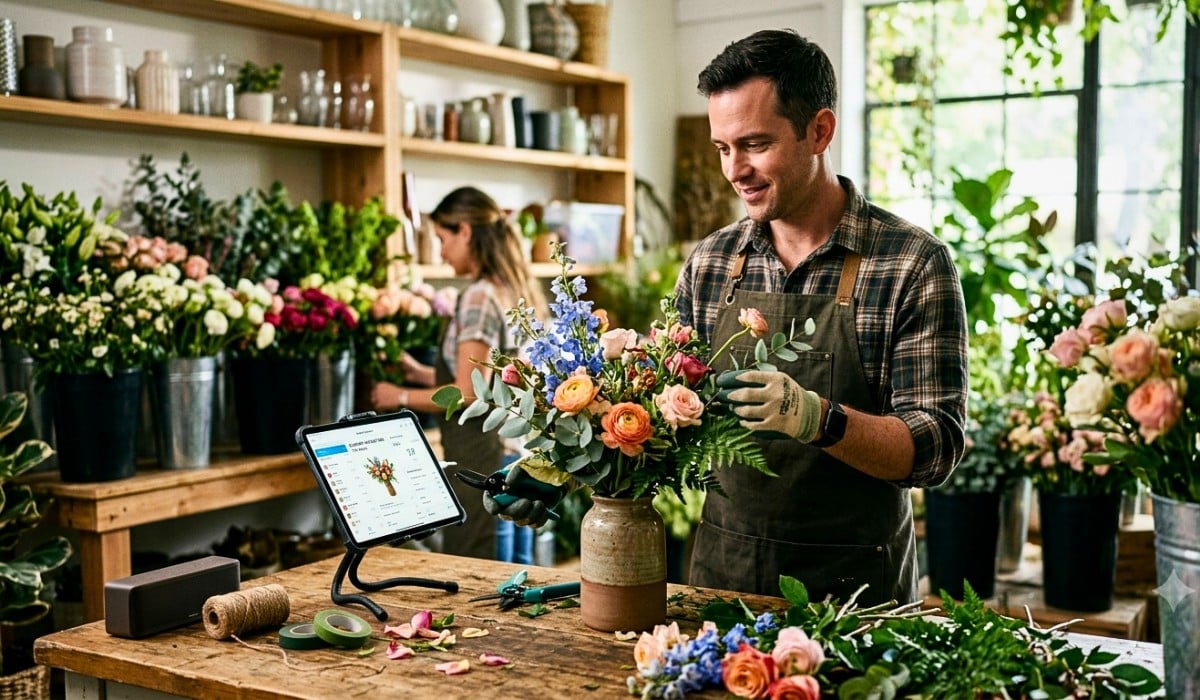
Success will depend on combining all the aforementioned elements. However, the most important thing will remain standing out in the market and building a recognizable personal brand. Finally, I would like to address an issue that many young florists focus on when entering the market – wedding floristry.
The Scale of the Changes
Forecasts of this segment's growing importance may prove accurate in some European countries, but not necessarily in Poland. The number of young people is steadily declining. Fewer and fewer people are deciding to start families, and more importantly, there are simply fewer of them each year.
Let me give you a simple example: in 2005, approximately 206,000 marriages were celebrated in Poland. By 2025, there would be only about 133,000. This illustrates the scale of the changes.
Competition in this segment of floristry is very intense, and it's worth considering. Specialized agencies are handling an increasing number of large events, and there's also strong competition from the informal sector and companies operating on a casual basis.
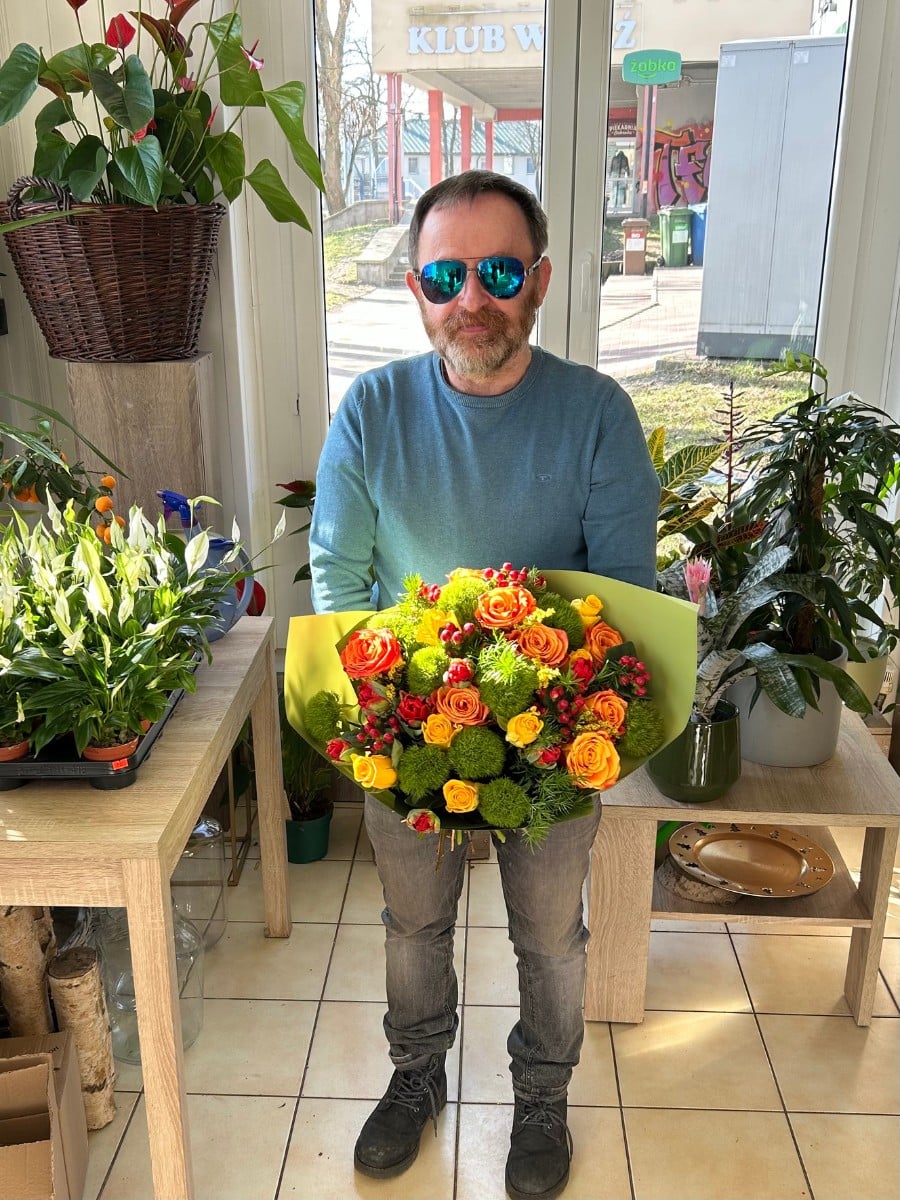
I'm curious if you also use modern IT models when planning the development of your floristry businesses. Such analysis can even be performed for the local market. Modern predictive models can pinpoint the direction of change with great accuracy. And knowledge, innovation, and the ability to predict change always build a competitive advantage.
Additional photos by Michal Bursig.