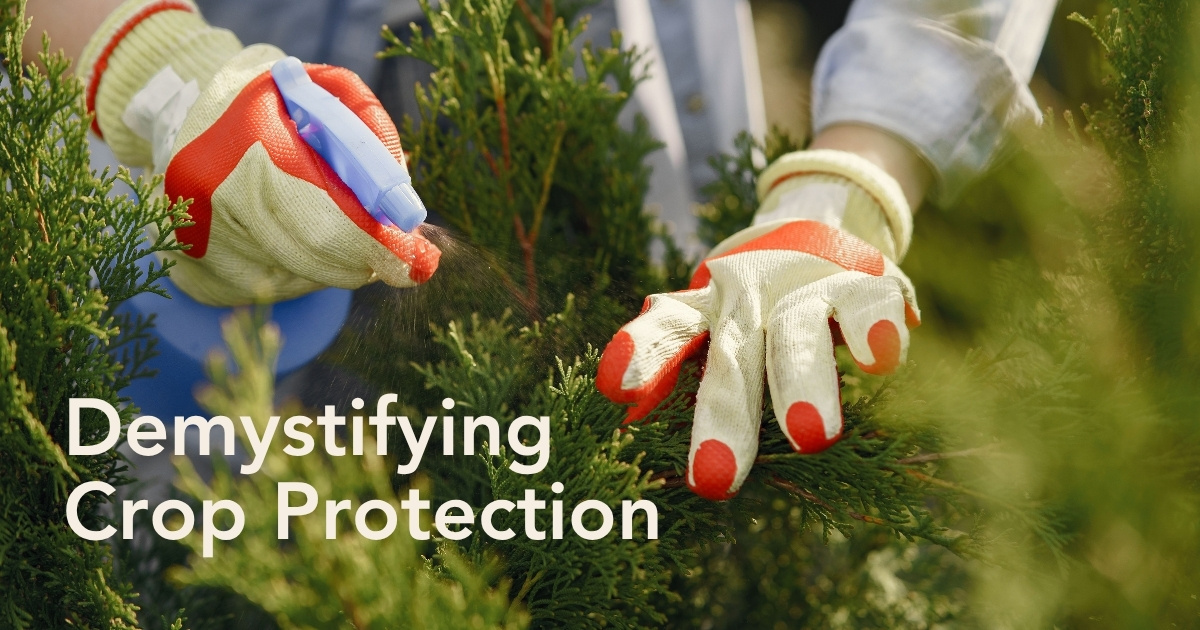
In 1902, the French administrators of the Vietnamese city of Hanoi had a rat problem. They paid for every rat tail handed in. More tails, fewer rats. That was the idea. Until tailless rats started running through the city.
The hunters worked out the system faster than the administration did. They cut off the tail and let the rat live. Kill it, and the payment stopped there. Keep it alive, and it could breed. Breeding paid out again and again. Rat farms appeared. Hanoi ended up with more rats than it had started with. The administration got exactly what it had rewarded.
In the Greenhouse, a Similar Shift Is Already Underway
In Hanoi, the tail replaced the goal. Administrators counted tails and called it progress. In the greenhouse, a similar shift is already underway, just harder to see. Residue is a visible, countable trace of something almost impossible to measure on its own: a crop's real environmental impact.

A grower responds first to the pest itself, within whatever limits the regulations allow. The moment a customer, certification scheme, or government agency starts judging those choices by a single number, that number begins to shape what they do within that framework. A cap on the number of residues factors into every correction. Judge a grower by kilos, and kilos start factoring into every decision. Entirely rational. That's how steering works.
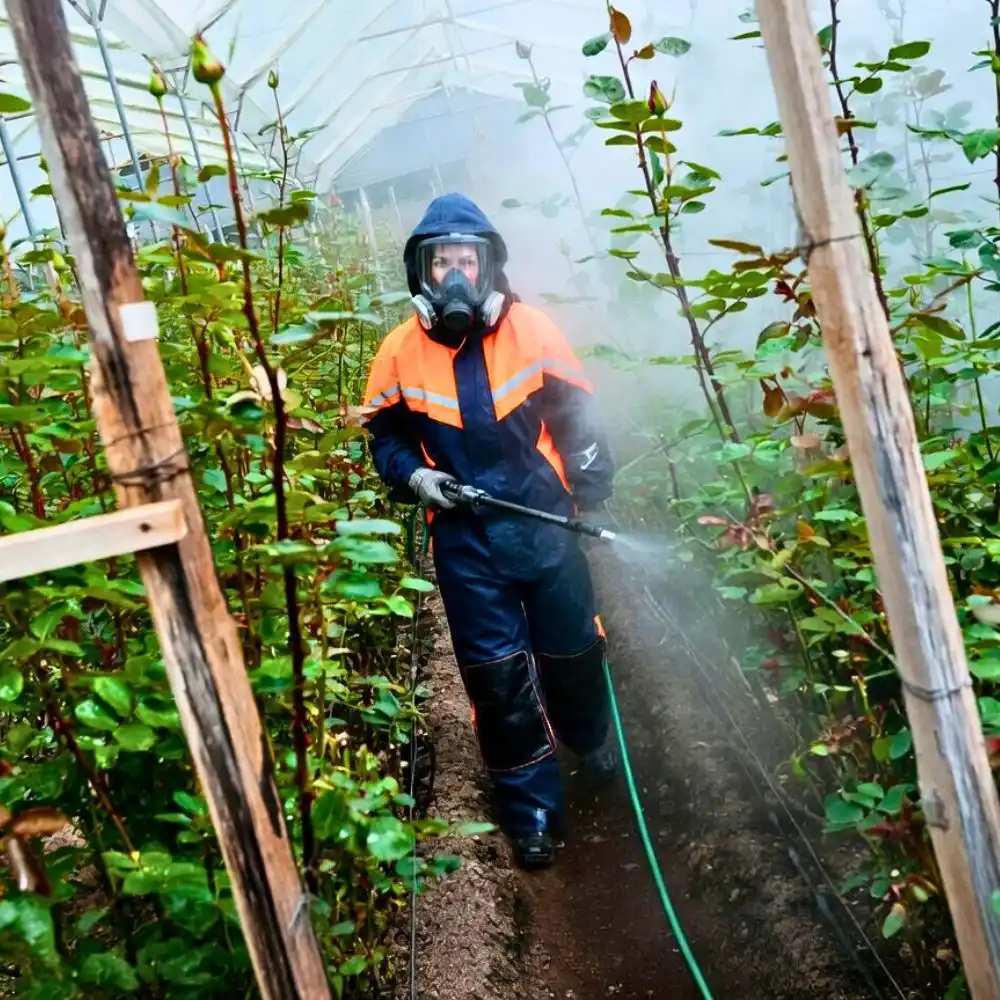
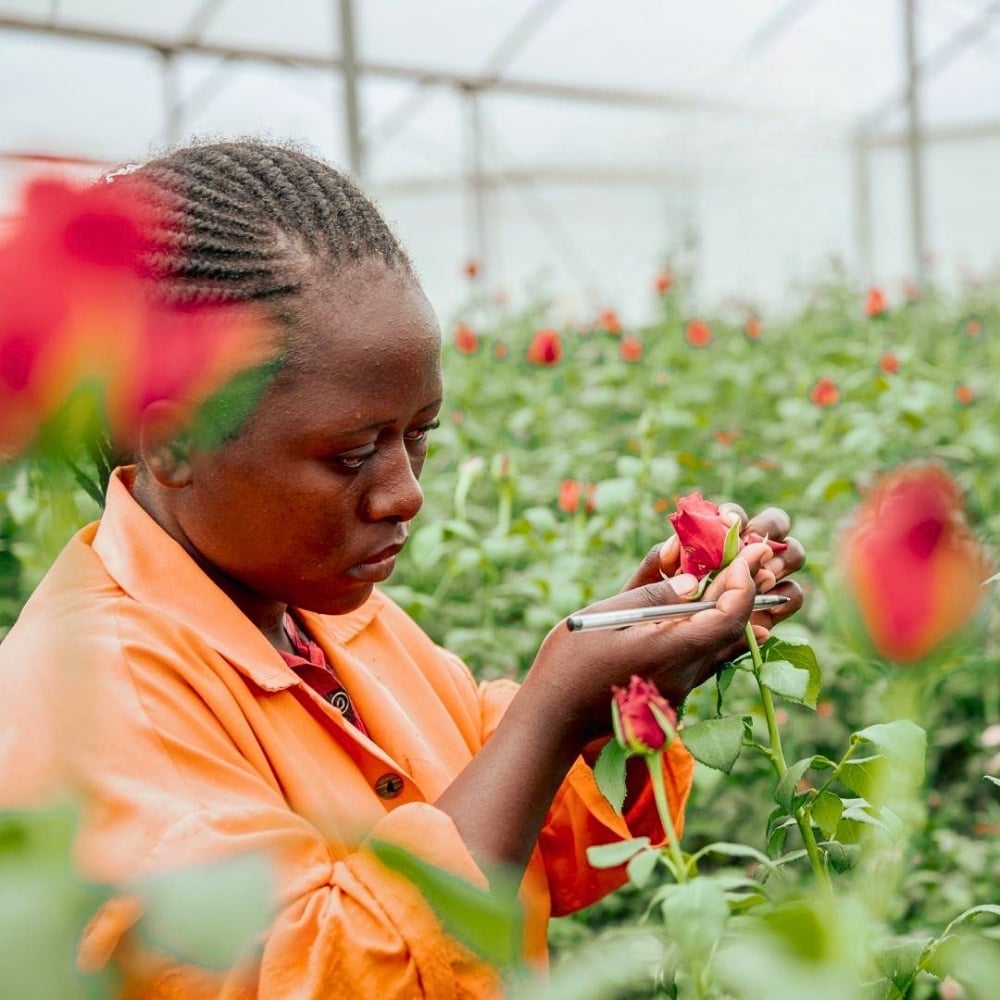
A greenhouse is a poor spreadsheet. A grower spends months building biological control of thrips: scouting, releasing predatory mites, doing nothing for as long as possible. In one section, pressure builds anyway. The sticky traps start catching more, damaged flowers start turning up, and by the time anyone checks, the thrips are already inside them. One targeted correction stops it from spreading. After that, biology gets its space back.
The Assumption That Detectability, Exposure, and Risk Mean the Same Thing
The residue report shows one thing: an extra substance. It doesn't know about the predatory mites, the weeks without intervention, the damage that was prevented. It sees exactly what it was built to see. Useful and blind.
This is where the public debate usually gets stuck: the assumption that detectability, exposure, and risk all mean the same thing. Three separate steps, not one. A laboratory can establish that a substance is present. A claim about risk requires knowing how much a person actually absorbs and how that exposure compares to what the substance can do.
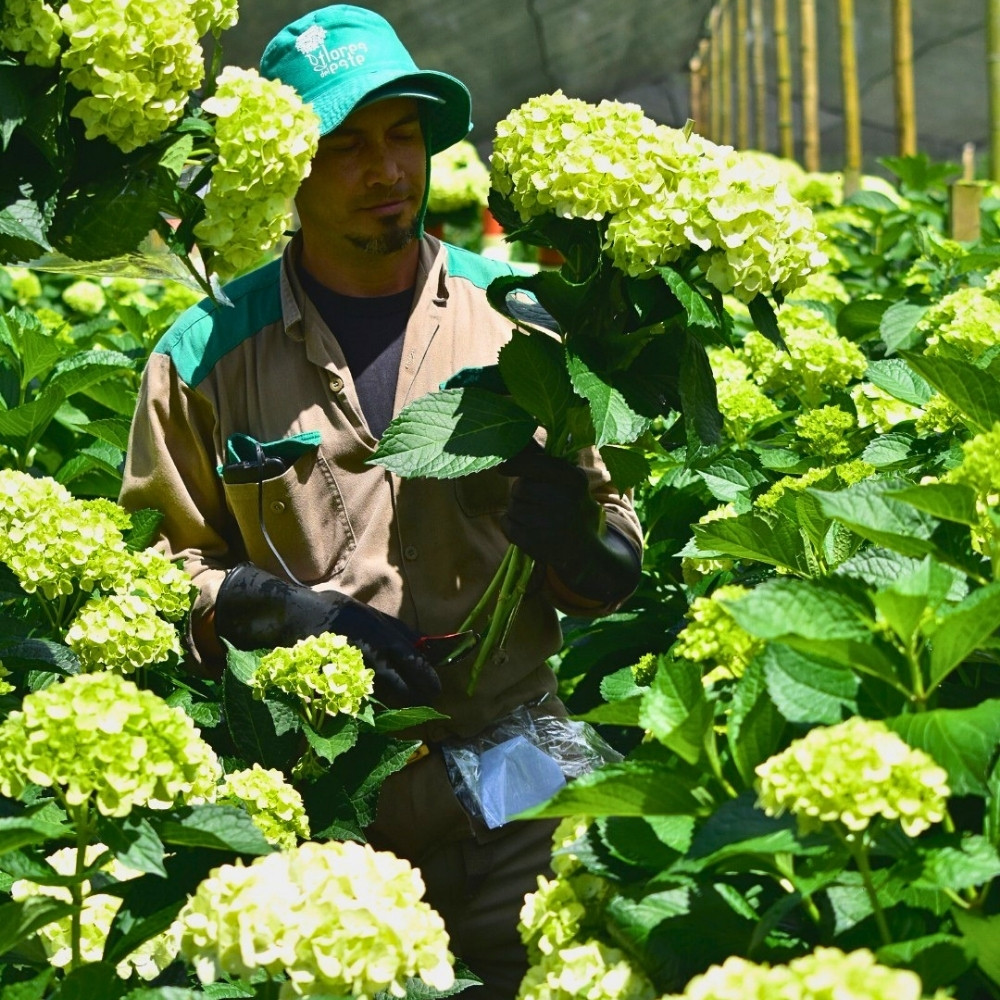
The RIVM, the Dutch national institute for public health, tested crop protection products on imported roses this year and could not rule out a health risk for several substances. Presence alone wasn't enough to rule that out: the researchers also needed to know how much ends up on the skin.
Floriculture Has Built up a Whole Collection of Yardsticks
Floriculture has built up a whole collection of yardsticks: number of substances, number of applications, kilos of active ingredient, environmental impact points, retailer exclusion lists. Each one tries to put a number on something that is really hundreds of small decisions. Decisions made by someone already walking through the greenhouse at six in the morning. And every instrument has the same effect: it registers behavior and then starts warping it.
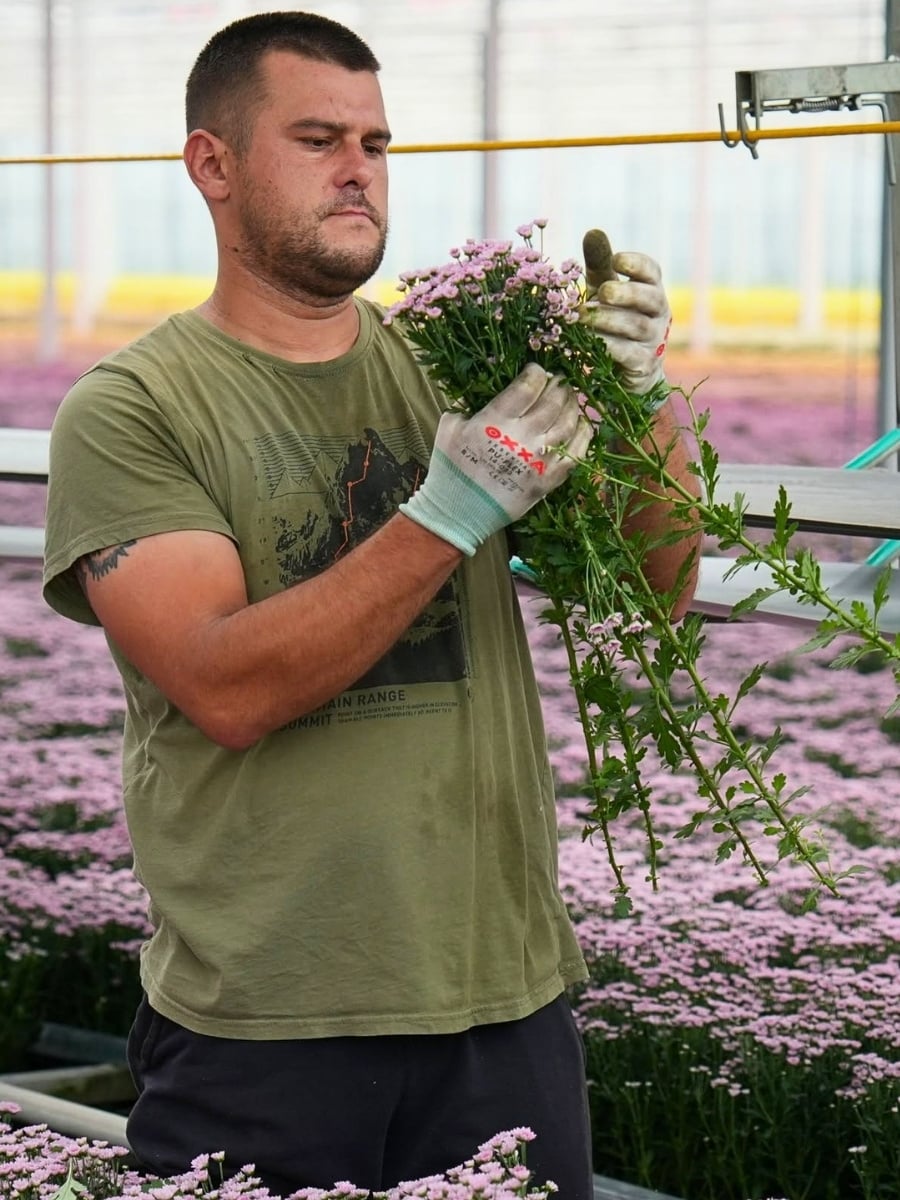
A retailer that sets a limit of three substances doesn't mean to, but that number still becomes part of its suppliers' growing plans. That requirement doesn't stop at the border. A German or British exclusion list weighs just as heavily on a rose grower in Naivasha or Bogotá as it does on a business in the Westland. It happens the moment a number becomes the price of entry to a market. Just as no one in Hanoi set out to breed rats until there was money in it.
What Isn’t Measured Naturally Loses Weight in the Decision
A product applied in grams can score well as long as only kilos are counted, and it says nothing about how it breaks down or what it does to aquatic life. A flower with no detectable residue reveals little about what ended up in the water during cultivation. The figures are real. Their meaning is smaller than the conclusion usually attached to them.
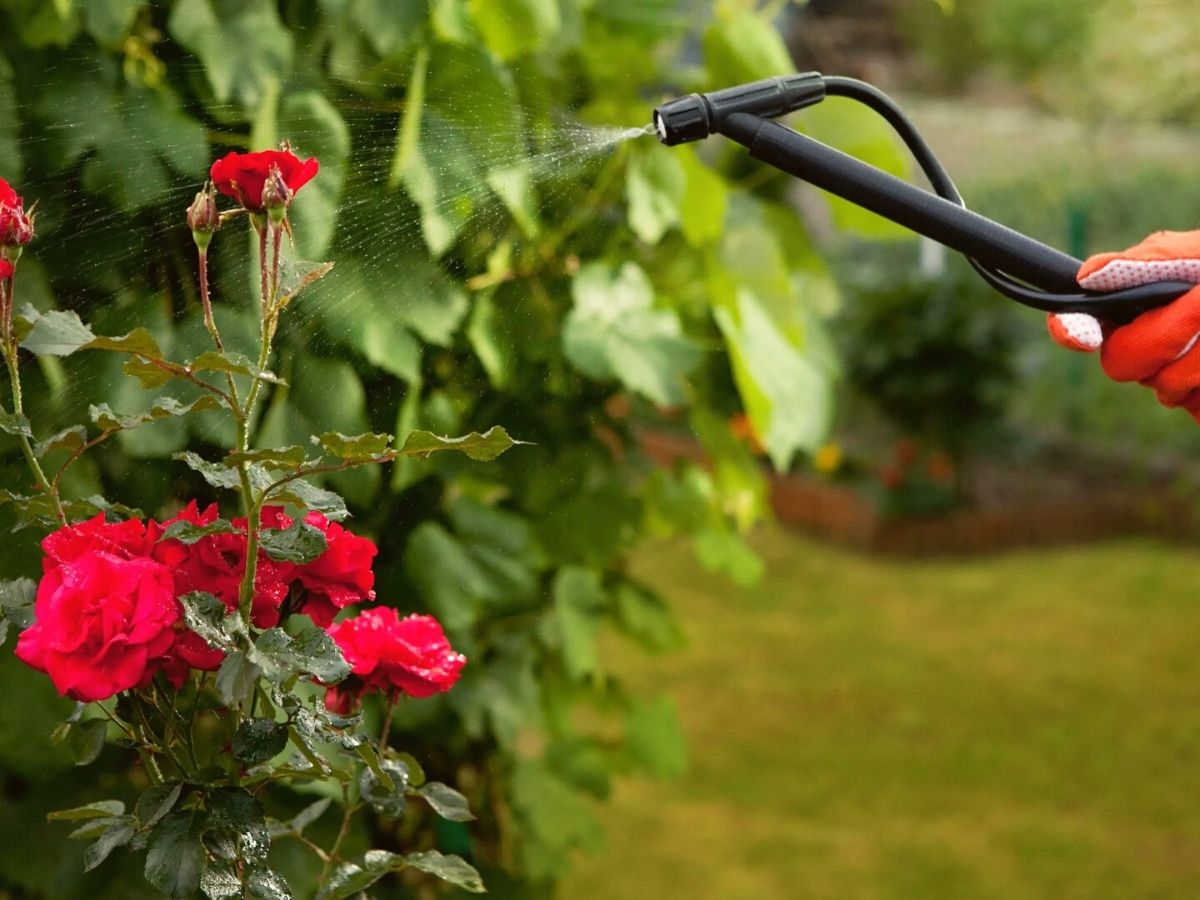
That doesn't make measurement itself suspect: without numbers, every party simply declares its own progress. But prevention is the hardest thing of all to count. A pest that never breaks out, thanks to hygiene, monitoring, or biology, never appears as an application avoided. What isn't measured naturally loses weight in the decision.
Still Counting Rat Tails?
The coming years will bring more data than ever. That gives us the chance to finally reconstruct a crop's history with real precision. It also gives us, with far more precision than before, the chance to hold ourselves to exactly the wrong number.
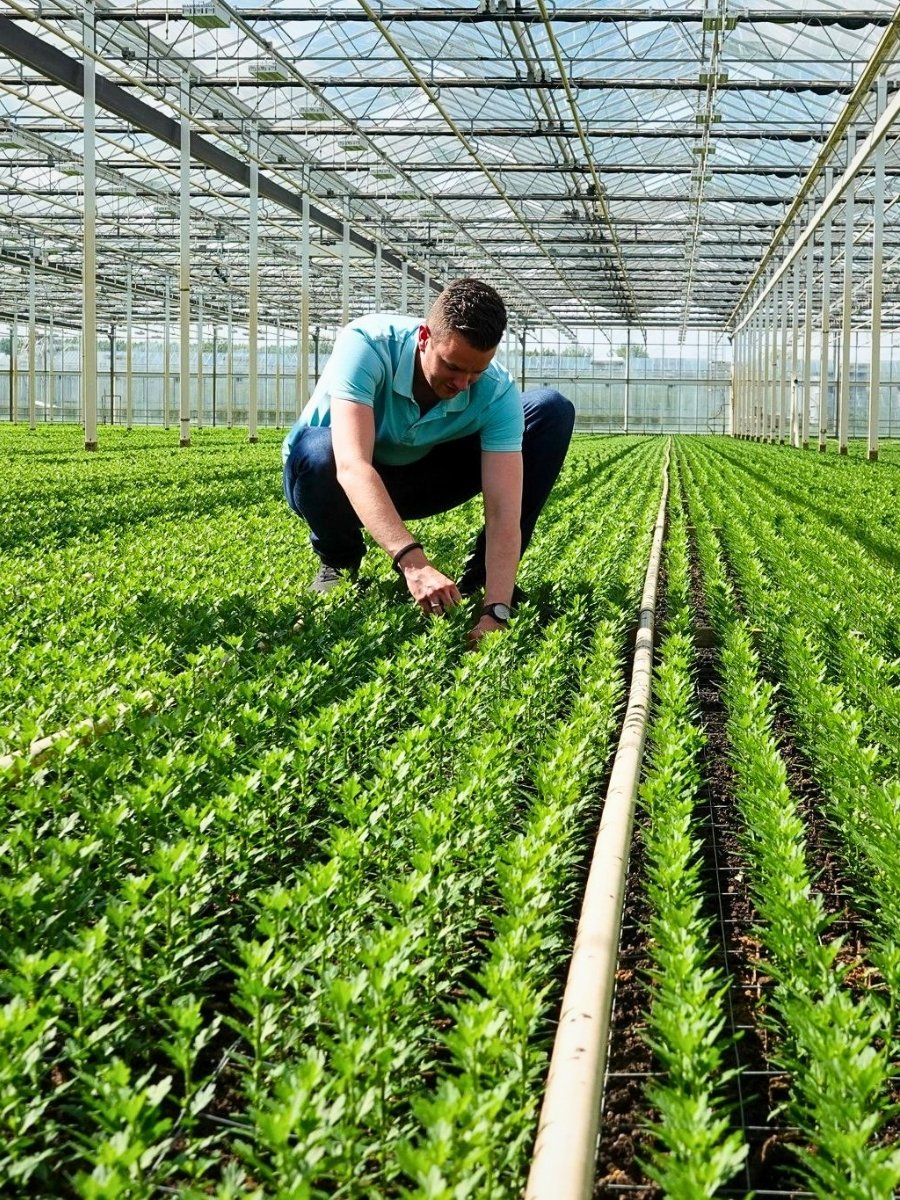
The French administrators of Hanoi wanted fewer rats and counted tails. Deciding what a flower gets judged by sets a similar mechanism running. Somewhere, in a greenhouse right now, the same kind of rat farm is operating, and no one calls it that.
I'm afraid we don't yet know what we're breeding.
Featured and header image: Gustavo Fring.