There is a conversation happening in floriculture that most of us prefer to avoid. It is uncomfortable, it touches on politics, and it requires us to do something that does not come naturally to many growers and florists: speak up loudly and in public when something is simply wrong.
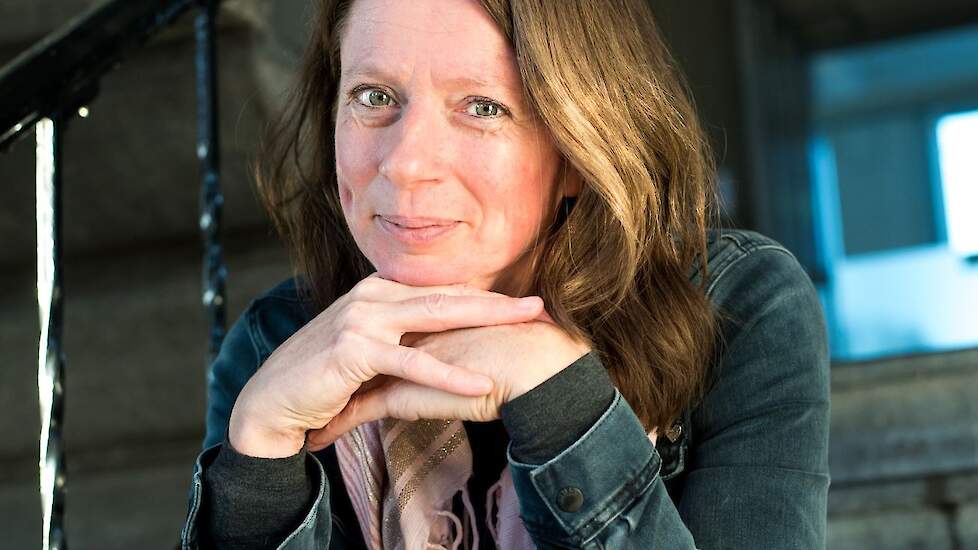
I recently sat down with Geesje Rotgers, investigative journalist and co-founder of AgriFacts, for episode 59 of my podcast, Goede Bloemen en Goede Planten. What she shared in that conversation has stayed with me. It changed how I think about the responsibility our sector has – not just to grow beautiful flowers and plants, but to defend the truth about how we do it.
The Old Advice Was Wrong
For years, the prevailing wisdom in Dutch ornamental horticulture was captured in a single phrase: "Als je geschoren wordt, moet je stilzitten." Roughly translated: "When you are being sheared, stay still and let it happen." Do not react. Do not engage. It will blow over. I always felt this was the wrong approach, and Geesje's response to that advice is direct. It is wrong. And the evidence, she argues, is everywhere. And I agree.
.png?1775671457769 "Goede Bloemen en Goede Planten Podcast")
When false or exaggerated claims about pesticide residues, water contamination, or crop protection practices go unanswered, they harden into public narrative. They shape policy. They end up in legislation that restricts what growers can do, without any meaningful scientific basis behind the original claim. By the time the sector musters a response, the damage is already done. Her core recommendation is simple: when something is factually incorrect, say so. Quickly. By name. With evidence.
What Silence Actually Costs
Geesje shared several cases from her research that illustrate just how expensive silence can be for the agricultural and ornamental growing sectors.
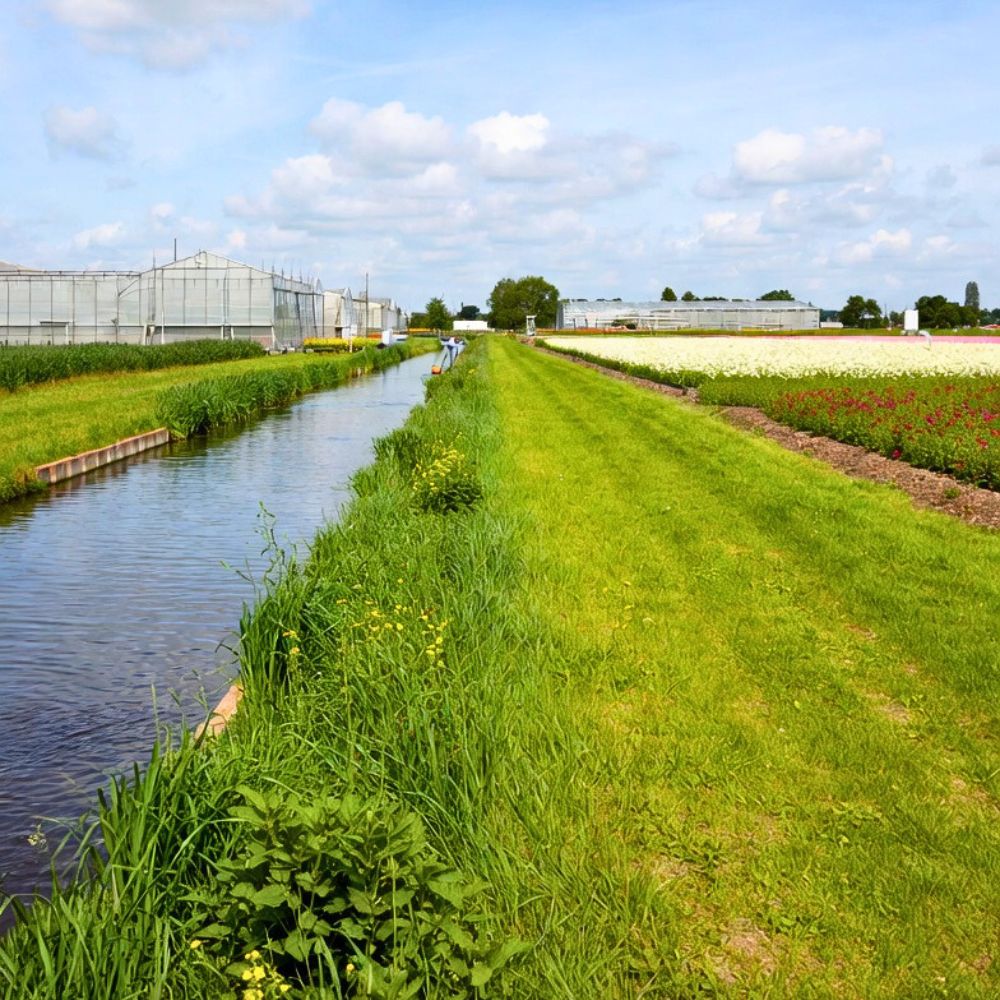
One of the most striking involved water quality measurements and buffer strips. Since 2023, Dutch growers have been required to maintain buffer zones along waterways, a measure introduced to reduce fertilizer and crop protection product runoff. AgriFacts gathered measurement data from multiple water boards covering 2023 and 2024. The result: no measurable improvement in water quality. The national policy had been rolled out across the entire country without small-scale testing, and the RIVM, the Dutch national health and environment institute, found no effect.
Growers had been asking their local water boards what impact the buffer strips were actually having. They received no answer. The policy remained. The costs remained. The public narrative remained intact.
This pattern, Geesje explains, is not accidental. It is structural.
How the System Works Against the Sector
The dynamics that Geesje describes will feel familiar to many in the British and European floriculture industry. NGOs, she explains, are expert communicators. Nuanced stories do not raise donations. Clear villains do. A headline that says a bouquet of tulips contains traces of a restricted substance travels far faster and further than a careful explanation of context, thresholds, or the difference between trace presence and meaningful risk.
Research funding follows the same logic. Studies framed around public concerns attract money. Studies that complicate or challenge those concerns do not. Researchers who challenge a politically convenient narrative have found themselves marginalized, pressured, or quietly defunded.
Media budgets are shrinking. Investigative capacity is thin. Fast, simplified stories win the news cycle. And by the time a careful rebuttal is published, the original story is already three news cycles old. None of this is a conspiracy. It is a system. And the flower and plant sector, for the most part, has been playing entirely outside it.
What Good Response Looks Like
Geesje is not asking for aggression or defensiveness. She is asking for speed, specificity, and persistence. When a claim appears in the media that is factually incorrect, contact the editor, the journalist, or the program directly. Name the specific error. Explain what is actually true. Ask for a correction. If the claim was made by a named individual, address that person by name in the response. This is not confrontational. It is honest and necessary.
She points to LTO, the Dutch agricultural association, as a positive example. They respond to misinformation within two days. Not two months. Two days. That speed matters. It signals that the sector is watching, engaged, and will not let errors stand. Over time, it changes behavior. Journalists and commentators become more careful when they know a well-resourced, rapid rebuttal is likely.
She also makes a point that is worth sitting with: the first year of pushing back is the hardest. The criticism is fierce. The pressure to stop is real. But organizations and individuals who persist through that first year find that the volume of attacks decreases. The message gets through: this sector will no longer stay silent.
What This Means for Florists
If you work on the retail or design side of floriculture, you might wonder what any of this has to do with you. You are not a grower. You did not apply any crop protection products. You just sell the flowers.
But you are the face of the industry to the public. When a consumer reads a headline about pesticides in bouquets and then walks into your shop, they bring that headline with them. The reputational damage does not stay at the farm gate. It travels all the way to the florist's counter.
That is why the response Geesje is calling for needs to be a collective one. Growers, exporters, wholesalers, trade associations, retailers, and yes, florists, all have a stake in how the sector presents itself. When a false claim goes unchallenged, every link in the chain absorbs some of the damage.
The global floriculture industry is not immune to these dynamics. The conversations about pesticides, sustainability narratives, and public image in the Netherlands are already beginning here. And the choice is the same: respond with facts and speed, or stay quiet and let others define your industry for you.
A Sector That Tells Its Own Story
What I took away most strongly from my conversation with Geesje was not a feeling of alarm, but a feeling of possibility. The floriculture sector has a genuinely strong story to tell. Enormous progress has been made in sustainability, certification, crop-protection innovation, and responsible sourcing. That progress is real. It is documented. It deserves to be communicated.
But good work, done quietly, in greenhouses that the public never visits, does not generate its own narrative. Someone has to tell the story. And when false stories appear, someone has to correct them. Geesje Rotgers has spent more than a decade doing exactly that, largely alone, with a small team and a great deal of determination. Her message to the sector is not to hand that job entirely to journalists like her. It is to show up, speak up, and stop assuming that silence is safety.
It is not. And we can do better.