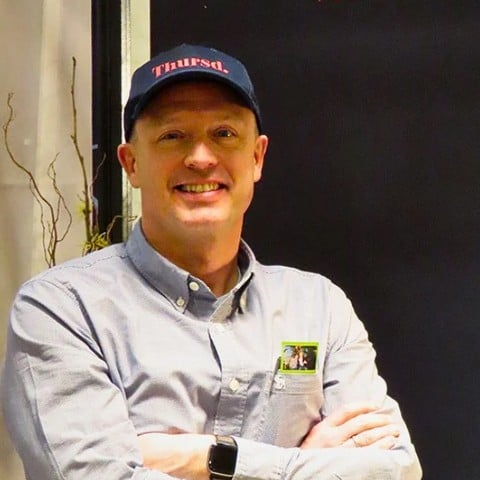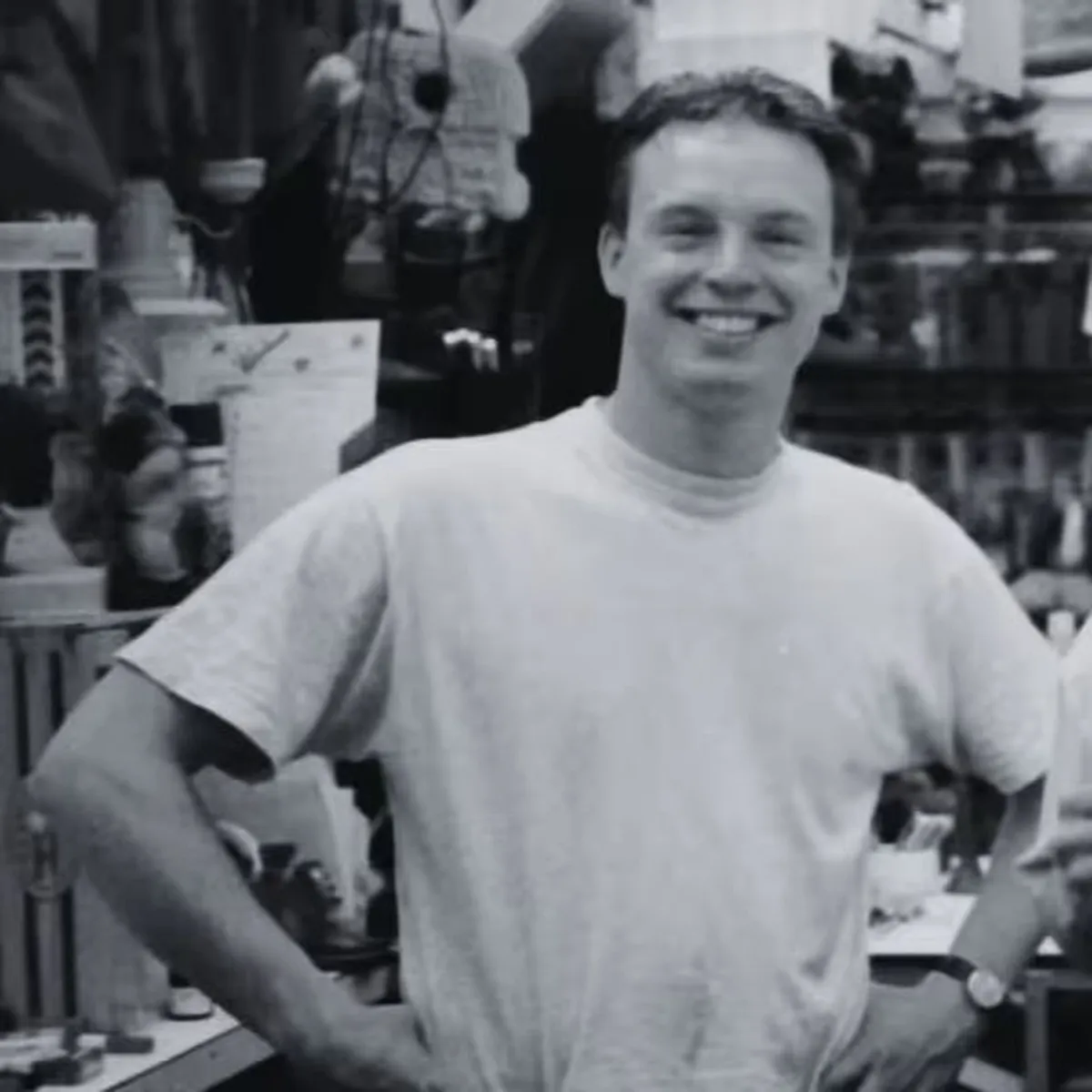
Bob Leenders was nineteen when his father died. Fifty-four years old, a grower of Primula, Cyclamen, Poinsettia, and Geranium. On Saturdays, the family burned the polystyrene crates, and Bob thought the black smoke was beautiful. He did not know any better. His father sprayed pesticides without a mask, because a mask did not look tough. Nobody talked about grower health then. We do not talk about it much now either.
Years later, he worked with Intratuin, the Dutch garden center chain, which wanted to convert its kitchen garden department to organic. Bob was asked to make the case to 300 people. The store managers would have preferred he did not. One manager stood up for him: Bob had worked it all out; he could give the presentation exactly the way he had prepared it.
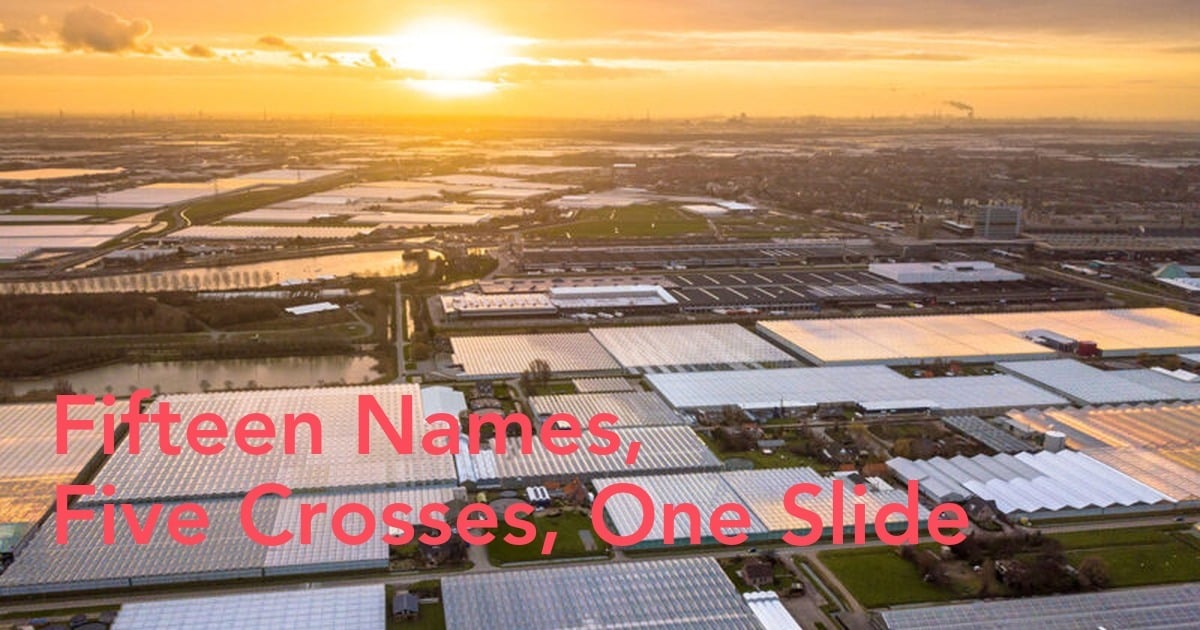
So he put the names of all fifteen growers from his village on the screen. Behind five of them, a cross, and the age next to it. All around fifty. One had grown cut tulips, one fruit, one cucumbers. One was his father. Fifteen names, five crosses, inside five to seven years.
Then he asked whether there were any more questions about why they should go organic.
There were none.
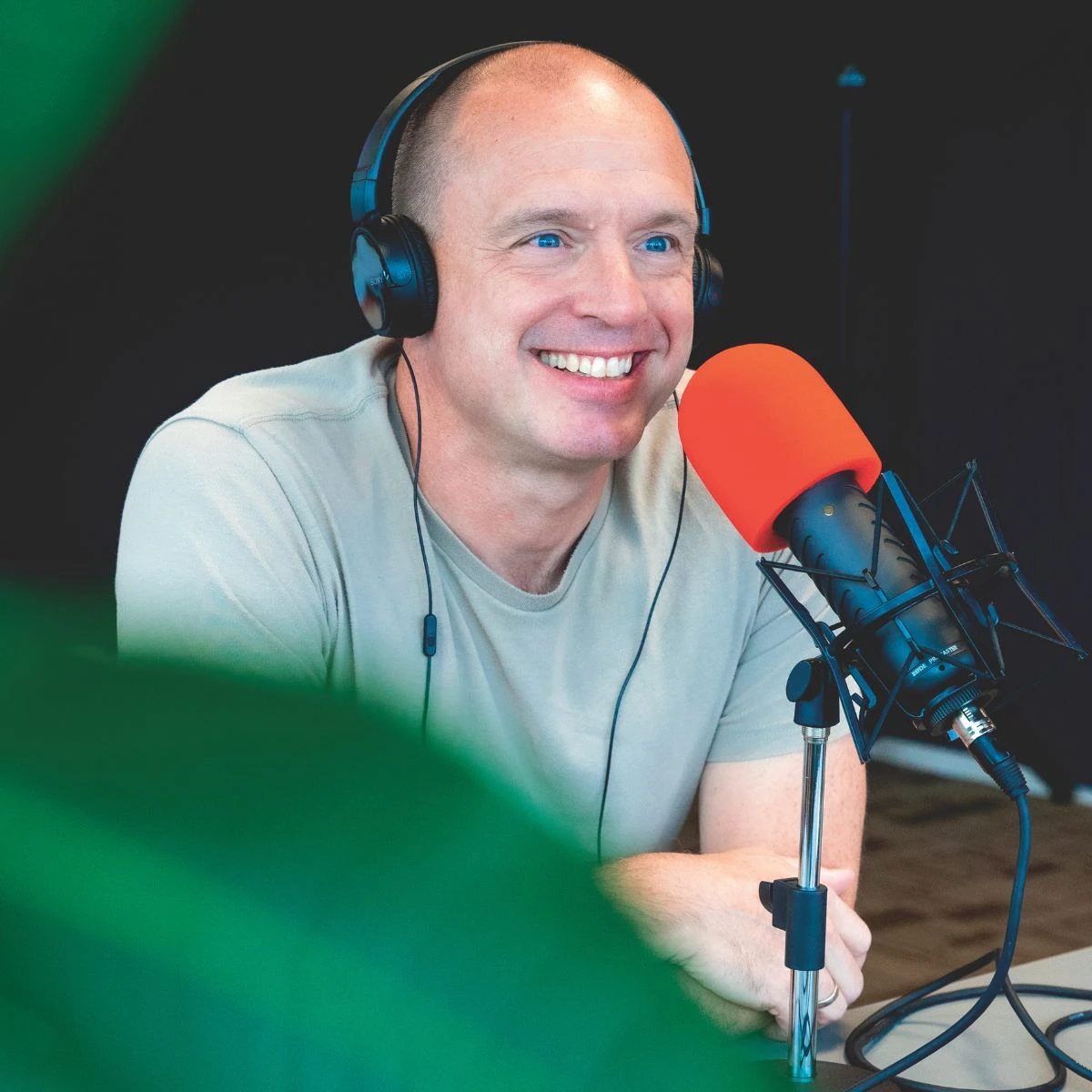
He told me this in August, in episode 68 of my podcast. It is the kind of story that gets used badly by everyone who touches it, so I want to be precise about what it is.
What This Story Is, and What It Is Not
Five deaths among fifteen growers is not evidence of causation. It is fifteen men in one place over one stretch of years, remembered by the son of one of them. No epidemiologist would accept that as a finding, and neither should we. If we hold other people to a standard of evidence when they write about our sector, we hold ourselves to it when the story runs our way.
What is not an anecdote is that the question of grower health was asked, formally, in this country, decades ago.
In 1992, researchers at TNO measured how much abamectin, dodemorph and bupirimate ended up on the hands and forearms of workers in eighteen Dutch rose greenhouses during normal work: cutting, sorting, bundling. Two years earlier, a project at the University of Amsterdam had developed methods to trace captan, pirimicarb, zineb, maneb and the soil fumigant dichloropropene in the urine of flower bulb workers, and for the fumigant it found a clear relationship between what a worker was exposed to and what came out. In 2007, TNO published exposure profiles of Dutch greenhouse workers, 116 different active ingredients across the group, as groundwork for a study on reproductive effects, funded by the Ministry of Social Affairs and Employment and the Dutch research council NWO.
None of that is fringe material. It is ordinary occupational health research, done here, on our crops, paid for in part by our own government. The citations are at the end of this piece, and I would like every grower who reads this to know they exist.
We Made Part of This Picture Ourselves
Halfway through the conversation, I said something to Bob I have said before, mostly to myself. We cannot explain what we do. So the picture that exists of this industry is, in part, one we made ourselves.
Bob did not argue. He said we drifted. His region started with tobacco and grapes, then came the war, mass production, peat, crop protection, greenhouses full of plants and an economy growing underneath them. We all went up together, in his words. Nobody, I would add, stopped to write down what it cost.
He is not a comfortable witness for anyone. Just under thirty percent of his turnover is organic. The rest he does for conventional growers, exporters and garden centers, in the Netherlands and in Germany. He is as tired of "poison-free" used as a catch-all as he is of growers who still live in the old structure and act as if nothing changed. Nobody is objective, he says, but he tries to be. The truth, in his words, is a long way in the middle, and that is where the conversation has to happen.
The commercial end of his story is what I want every grower to hear. Intratuin did not put organic next to conventional and wait. It converted the whole department in one go, and according to Bob, it is still one of the best growing and best performing departments in its plant business today. He did not win that room with reassurance. He won it by telling what it had cost.
The First Half of the Story
Ask any grower how their crop protection program changed in twenty years, and you get a real, detailed, genuinely impressive answer. Ask them to say it in public, with their name on it, and watch what happens.
Thomas Kern of Royal Brinkman wrote on this site that the word pesticide flattens a whole greenhouse into one question. He is right, and one reason it can is that we left the space empty. We never told the first half of the story. What it used to be like. What it cost, in some villages in the most literal sense. What we changed, and what changing cost us. A sector that has said that out loud earns the right to be believed on the rest. A sector that only ever produces reassurance does not.
Geesje Rotgers said on this same author page in April that silence is not safety; it is a choice. The debate about residues and grower health is being had right now by consumer groups, regulators, and journalists, mostly without us in the room, and every time we walk in we start in the second half, sounding defensive, because the first half was never told. Our numbers are good. Our story is missing.
For a grower, this is not a public relations question. It is a hiring question and a succession question. The generation being asked to take over a family business reads what is written about it, and most of that was not written by anyone who has stood in a greenhouse. A grower who can describe honestly what changed between their father's practice and their own is a more credible employer than one who says the topic is settled.
One request, and it is not a campaign. If you are a grower, or the son or daughter of one, and you can describe what changed between the previous generation's practice and yours, what it cost in money and in grower health and what it bought, I want to read it. Thursd publishes it under your name, in your words, through the author program, and I will help you get it right. That is how the first half gets told.
No flowers, no future. But only if we are willing to say out loud what the last generation paid for the one we have now.