In the Western world, the idea of fall is often associated with changing leaf colors, cooler temperatures, harvesting crops, and shorter daylight hours. But a long time ago, even before the autumn season became synonymous with pumpkins and falling leaves in the West, Japan already had in place a complete poetic tradition that focused on seven particular plants that marked the fall season.
Known as aki no nanakusa, or the seven flowers of autumn, this grouping dates back roughly thirteen hundred years and still defines how the season is depicted in Japanese art, poetry, and garden design today. Yet unlike their spring counterparts, meant to be cooked and eaten, these seven flowers of autumn are there solely for the purpose of being seen and admired. But what’s the idea behind them?
How the Tradition Came to Be
The origin of the idea of the seven flowers of autumn traces back to the 8th century, in Japan’s oldest poetry anthology, Manyoshu (also Man'yōshū), compiled during the Nara period. The Nara-era aristocrat and poet Yamanoue no Okura composed a short verse describing how he counted seven kinds of flowers blooming in the autumn fields on his fingers, followed by a second verse naming each one. This is said to be the origin of the aki no nanakusa tradition.
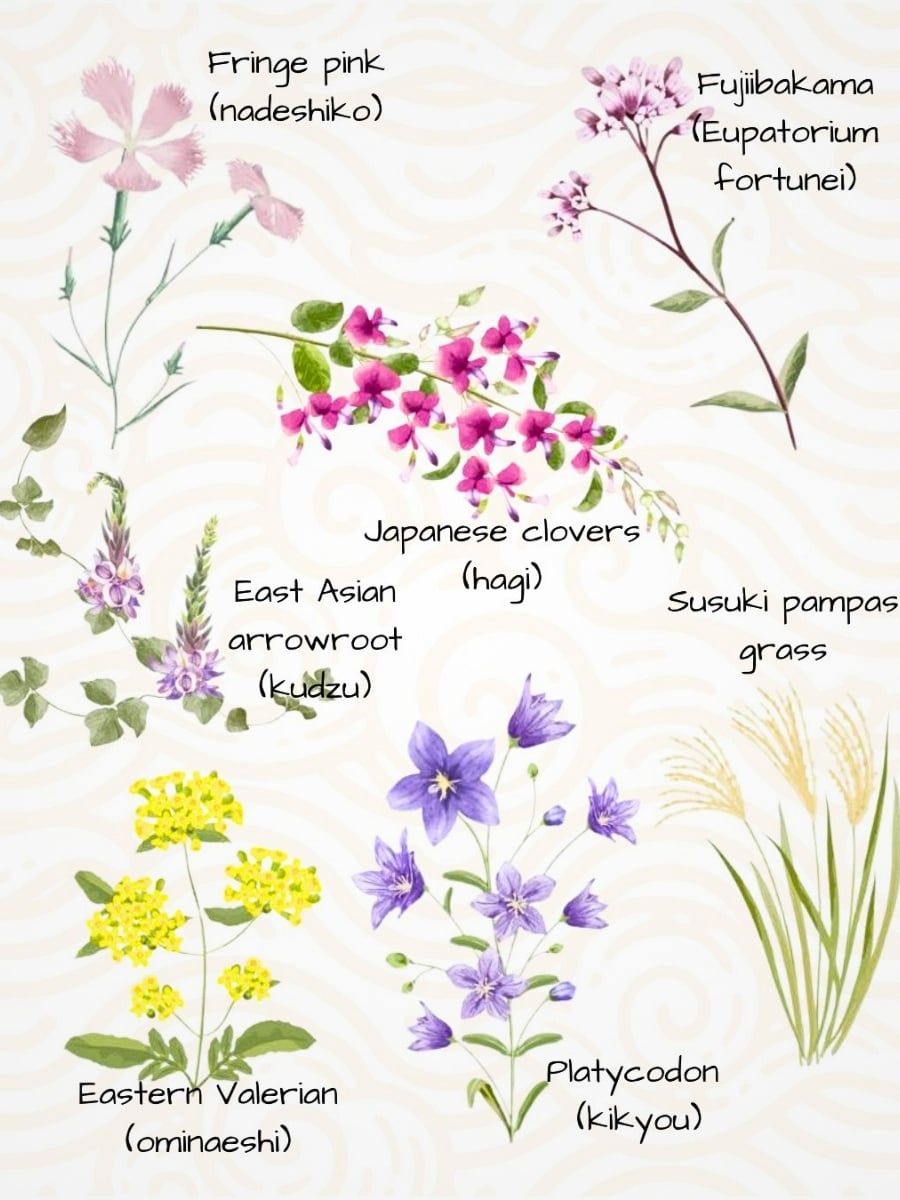
But there was more to this idea. The flowers he spoke about are symbolic of the Japanese sensibility of cherishing seasonal change. But what is even more remarkable is that the pairing of poems with flowers has echoed through Japanese art, textiles, and garden design for well more than a millennium, showing how much Japanese society revered flowers. So which are these seven flowers of autumn?
1. Hagi
Hagi, or Japanese bush clover (Lespedeza thunbergii), announces the arrival of autumn and is generally considered the most representative of the seven, appearing more often than any other plant in the Manyoshu. A shrub with small blossoms that gently bend the branches, this plant is loved for its butterfly-shaped flowers that bloom in shades of red, purple, and white on delicate, weeping stems from late summer into fall.
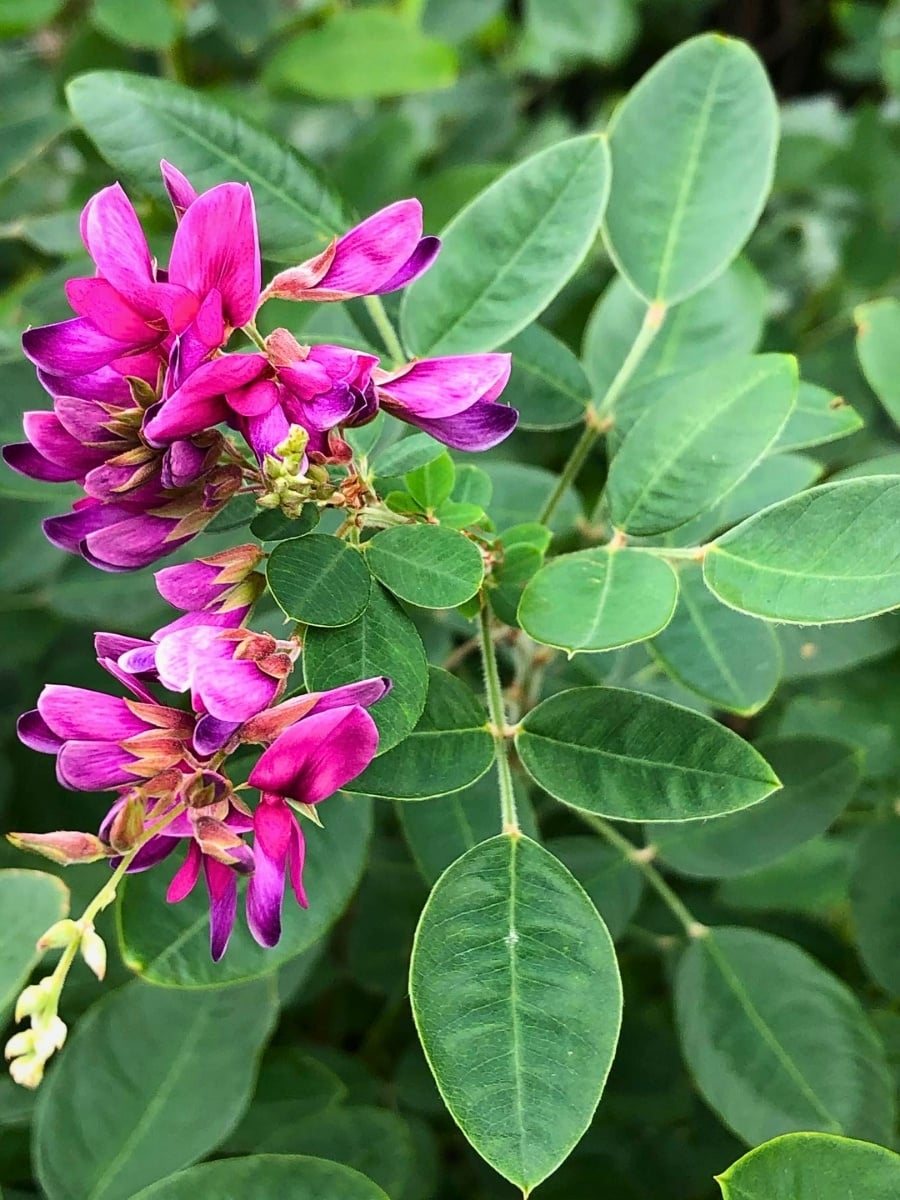
The connection with Japanese society is deep enough that ohagi, a rice cake coated in sweet red bean paste traditionally eaten during the autumn equinox, takes its name right from the flower.
2. Susuki
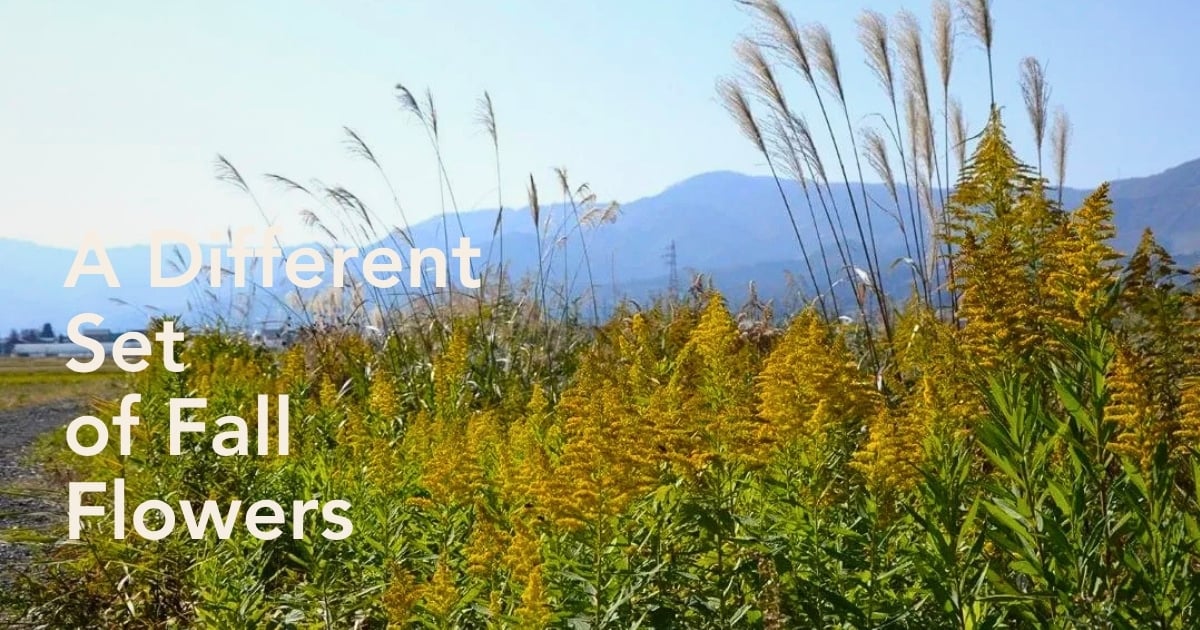
Susuki, also called obana, is Japanese pampas grass or silver grass (Miscanthus), and it plays a starring role in otsukimi, the traditional autumn moon viewing festival. This plant has tall plumes that turn a radiant gold in the autumn sunlight.
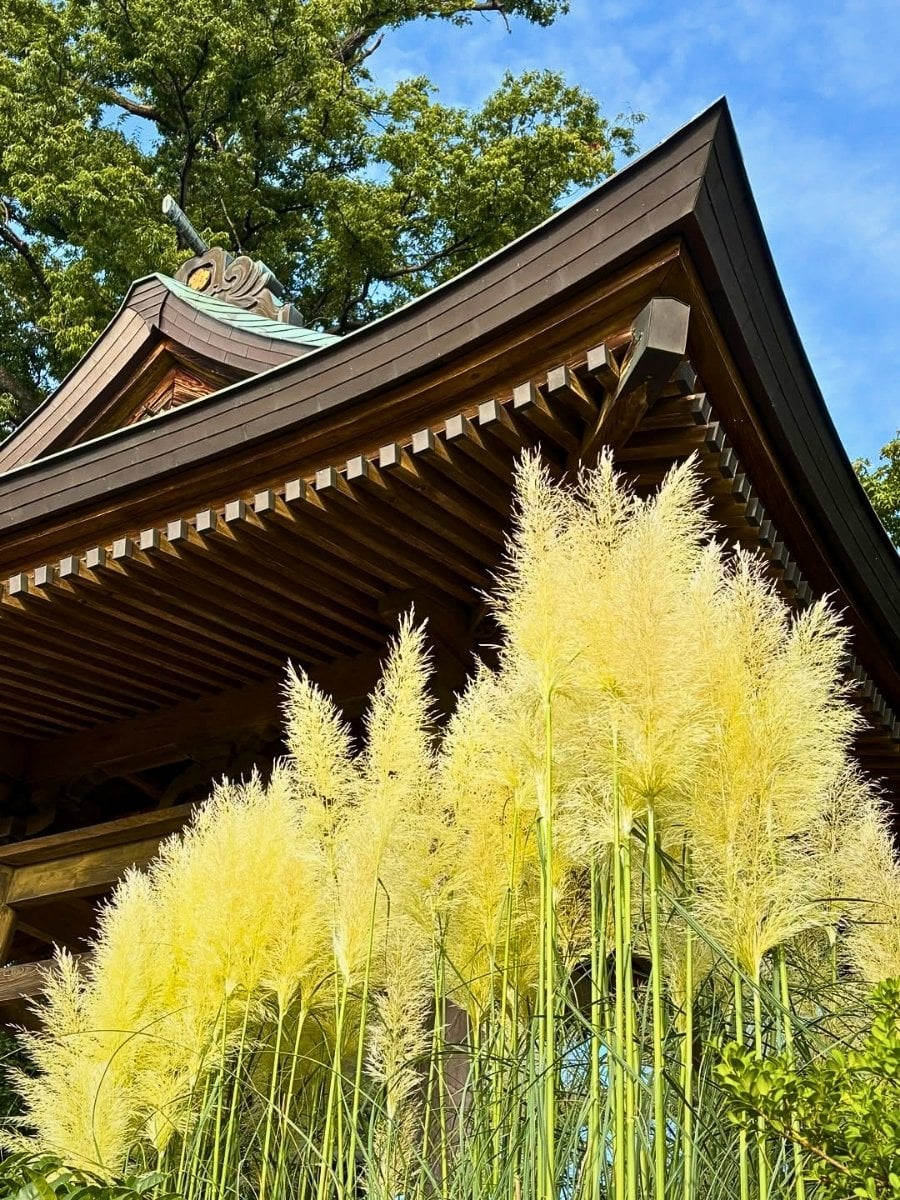
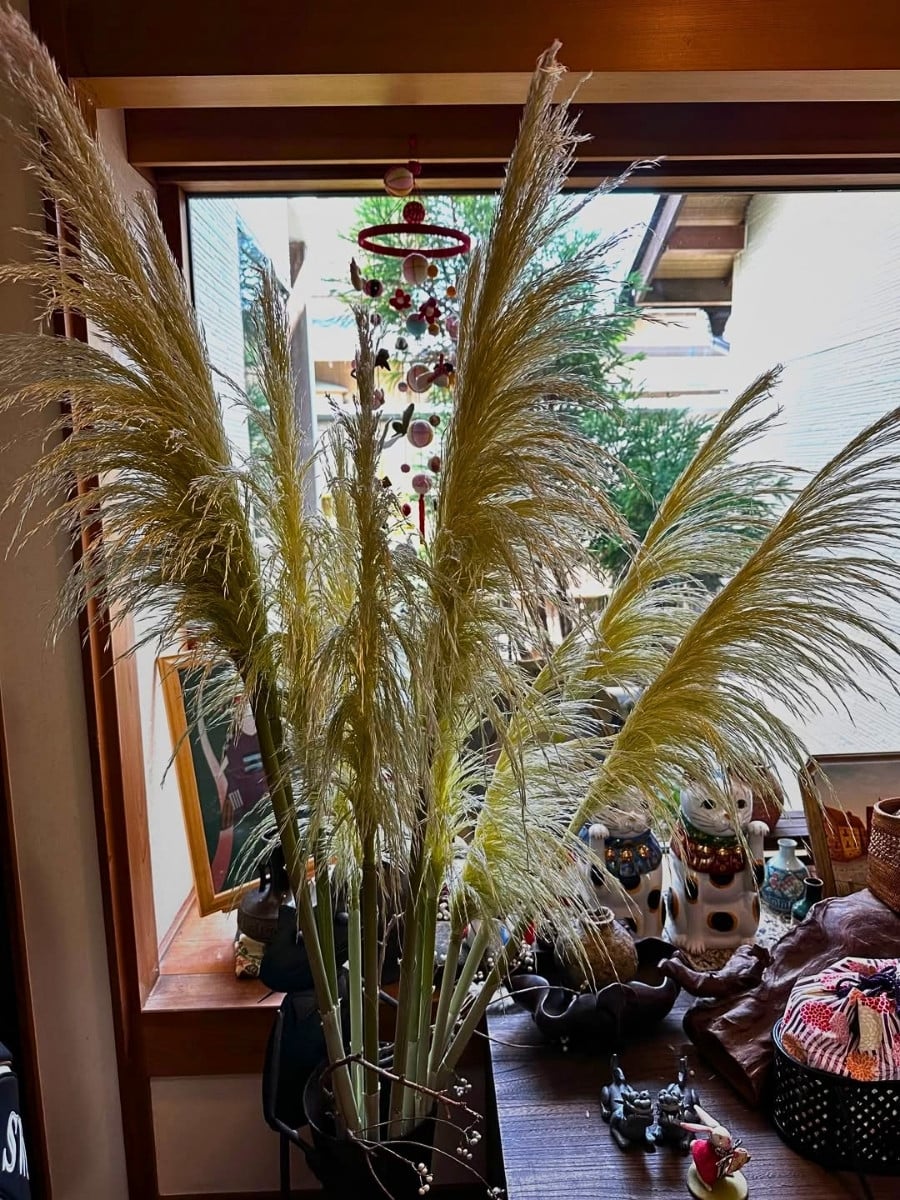
Displaying stalks of susuki alongside rice dumplings and seasonal produce is generally considered essential to the ritual, since the grass is believed to ward off evil spirits and protect the year's harvest. Its feathery plumes catching moonlight have made it a regular image in Japanese poetry and paintings for ages.
3. Kuzu
Kuzu, better known in English as kudzu, might be the most surprising flower on this list for Westerners, since its plant is widely regarded as an aggressive, invasive weed throughout the southeastern United States. In essence, it is a vigorous climbing vine bearing sweet-smelling, reddish-purple or pink flowers with deep cultural roots in traditional medicine.
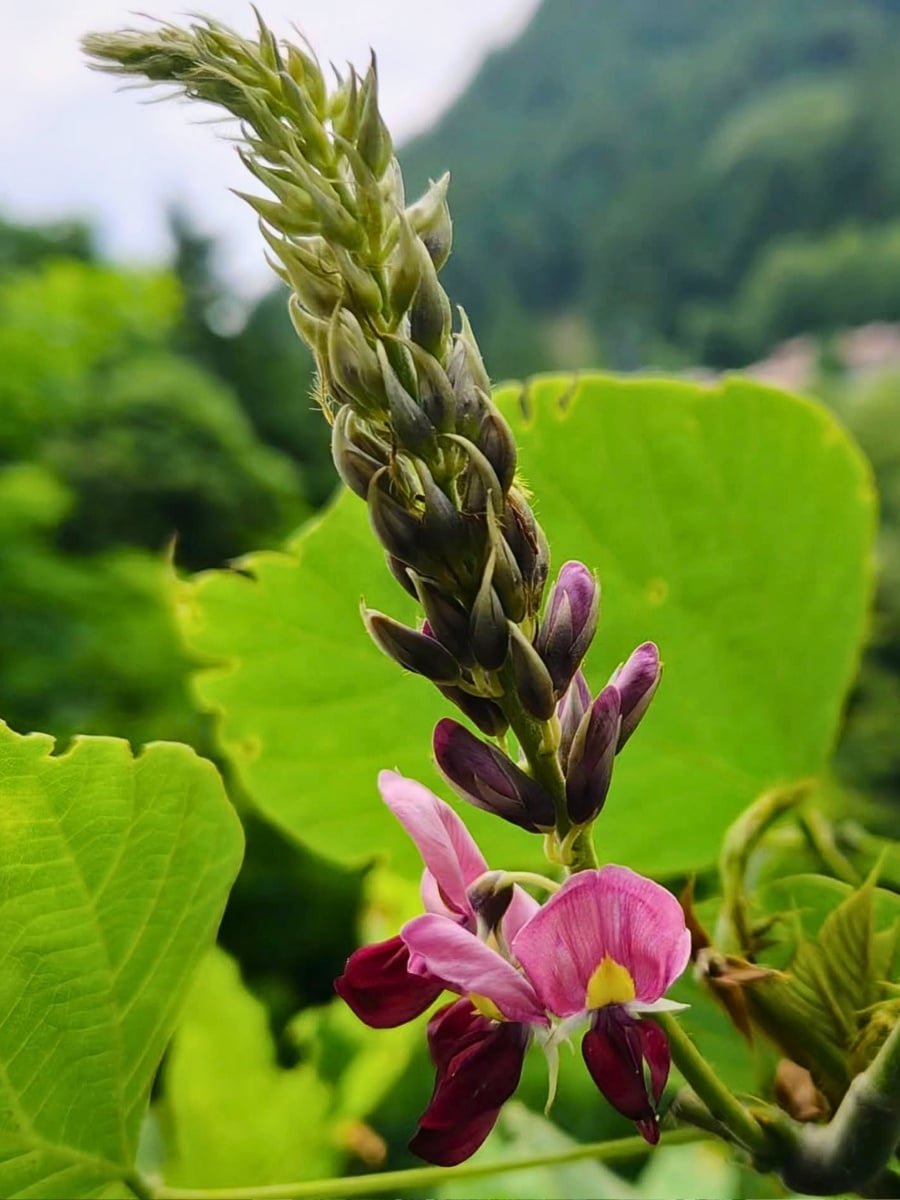
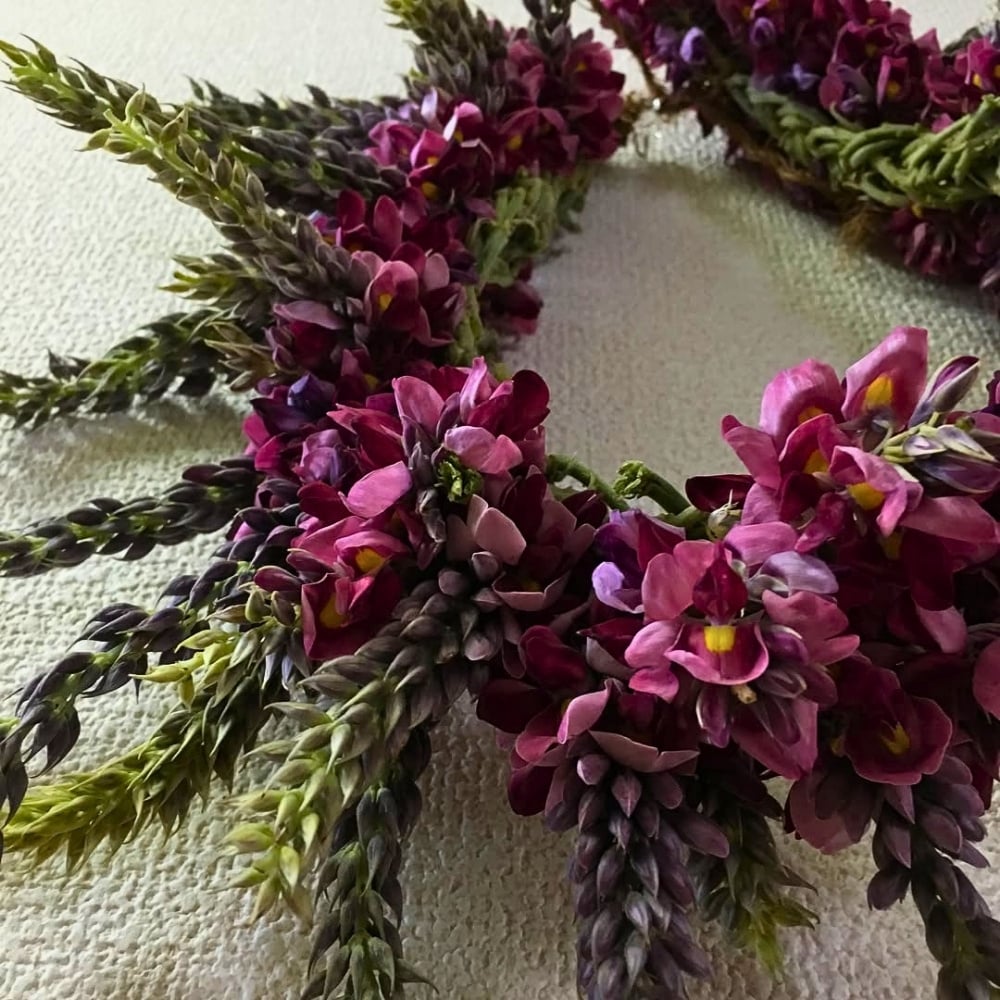
In its native Japan, however, kuzu has always been valued equally for its trailing purple flower clusters and for its starchy root, which is dried and ground into kuzuko, a traditional thickening agent used in cooking and wagashi (Japanese confectionery).
4. Nadeshiko
Nadeshiko, also called Japanese carnation or wild carnation (Dianthus superbus), is a dainty and delicate pink frilled Dianthus that has become so closely associated with graceful femininity in Japanese culture that the phrase Yamato nadeshiko is used as an idealized description of Japanese womanhood. The name was later adopted by Japan's celebrated women's national soccer team.
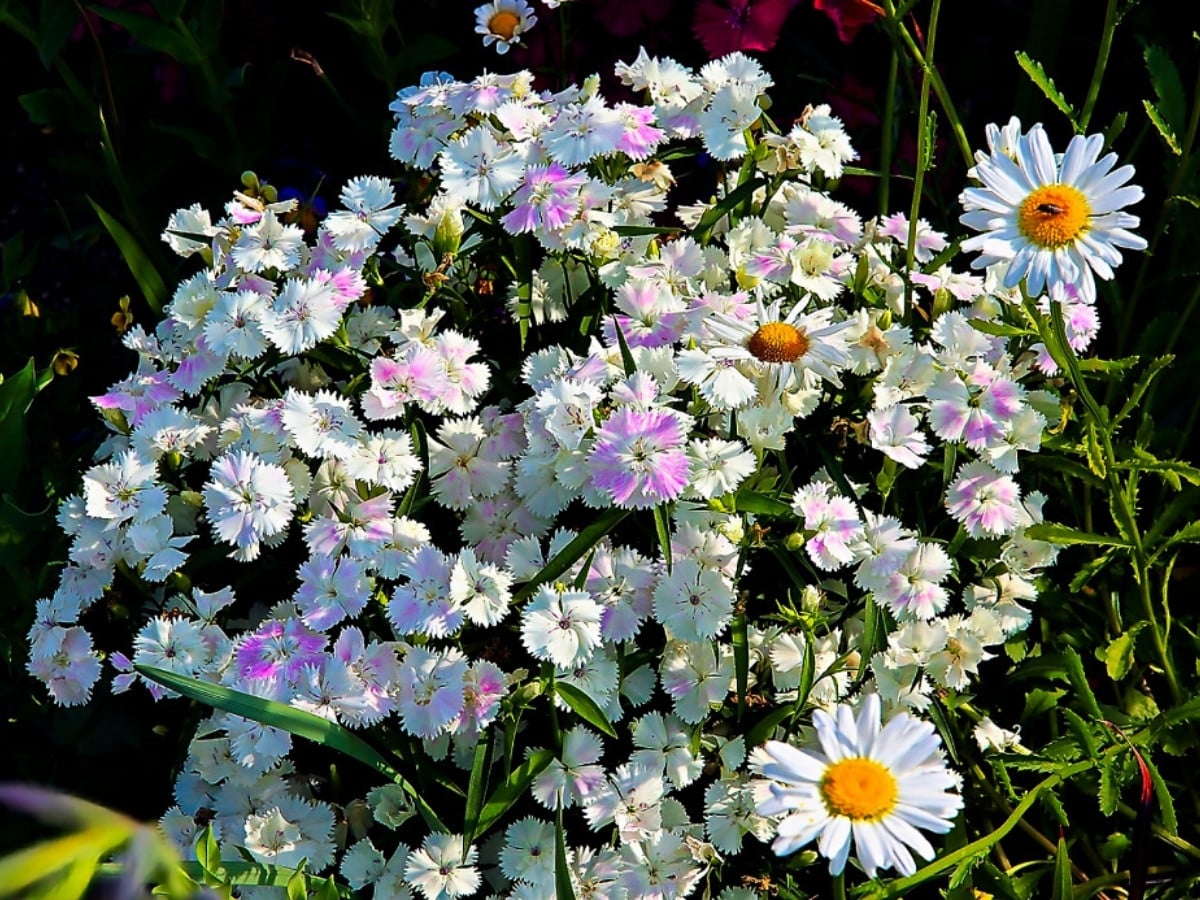
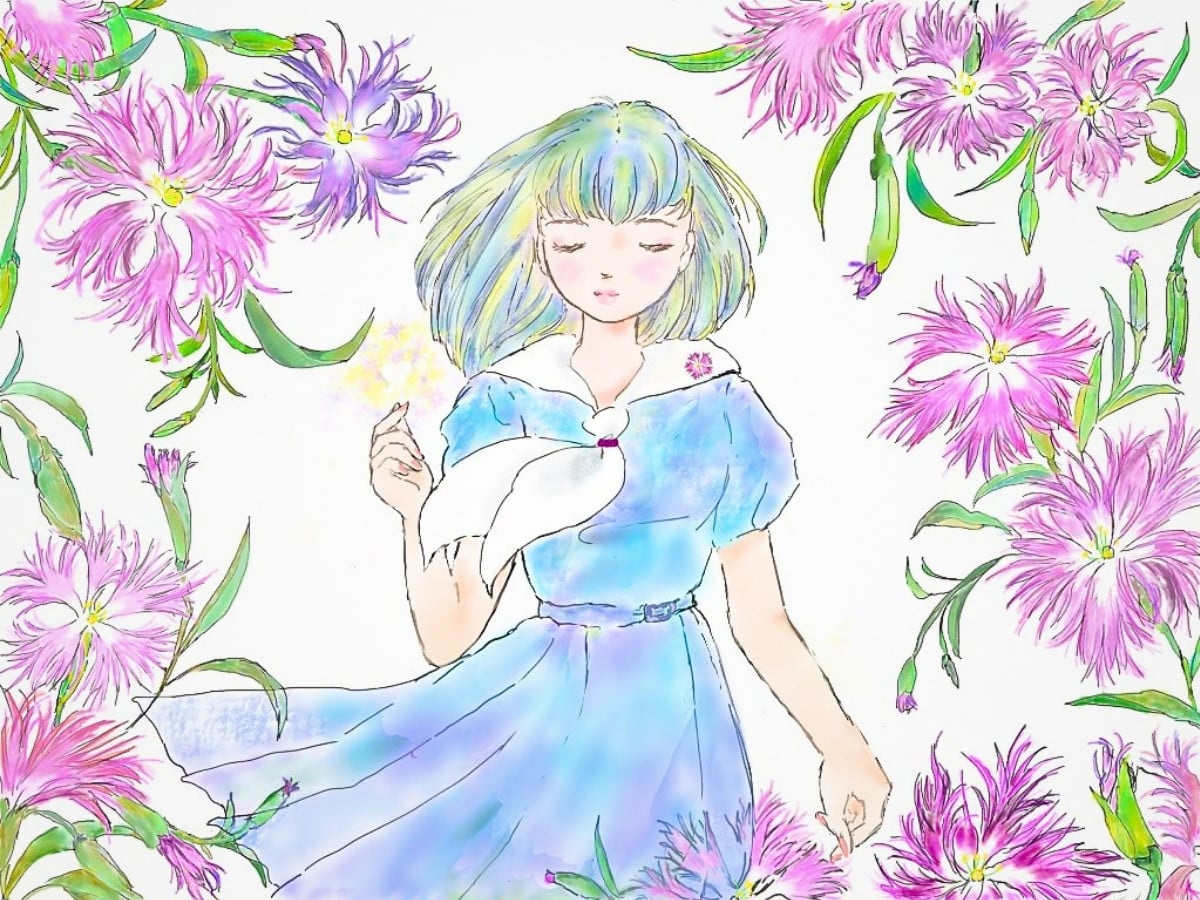
The flower is considered a symbol of pure love and innocence, while its name has often been used to describe a modest, poised Japanese lady. The flower appears in Heian period literature as well, including a mention in Sei Shonagon's The Pillow Book, emphasizing just how long its cultural reputation has been.
5. Ominaeshi
Ominaeshi, or Golden lace (Patrinia scabiosifolia), produces clusters of small bright yellow flowers, and its name translates roughly to ‘flower that outshines a beautiful woman,’ an allusion to how striking its bloom was once considered. This flower’s name contrasts with otokoeshi (Patrinia villosa), a related plant with white flowers.
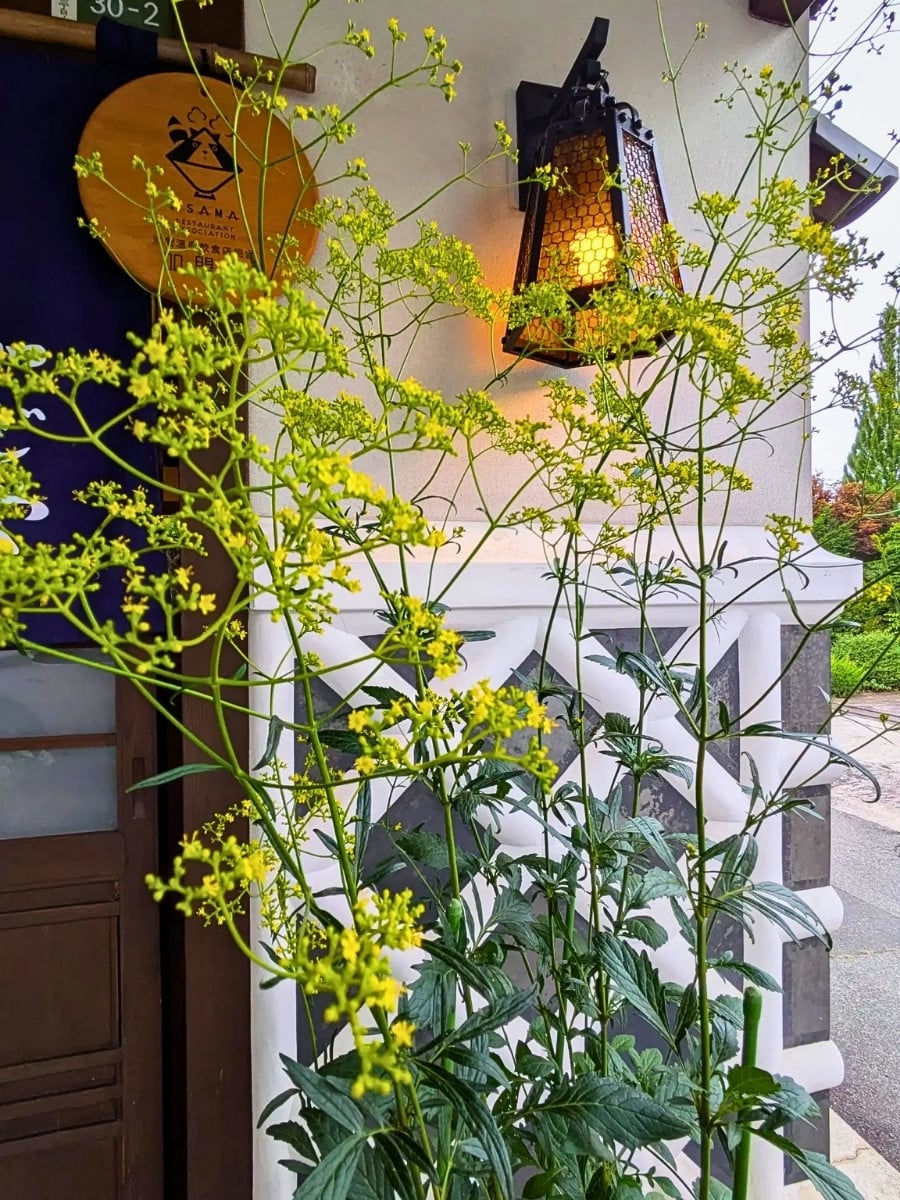
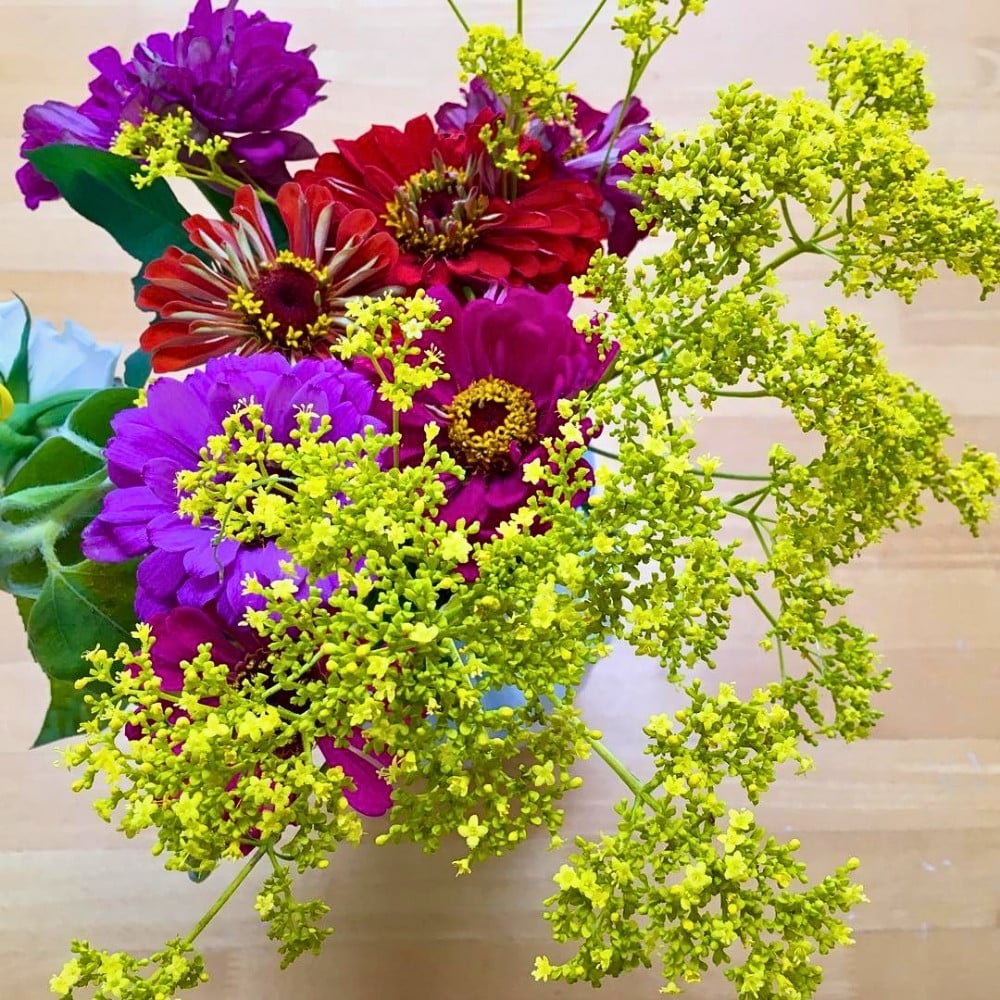
Ominaeshi’s upright bunches of tiny flowers were often celebrated in classic works. Still, today, the flower is admired for its modest and delicate elegance in Japanese poetry, literature, and art. But even more than that, the roots of the plant itself have historically been used in traditional herbal medicine.
6. Fujibakama
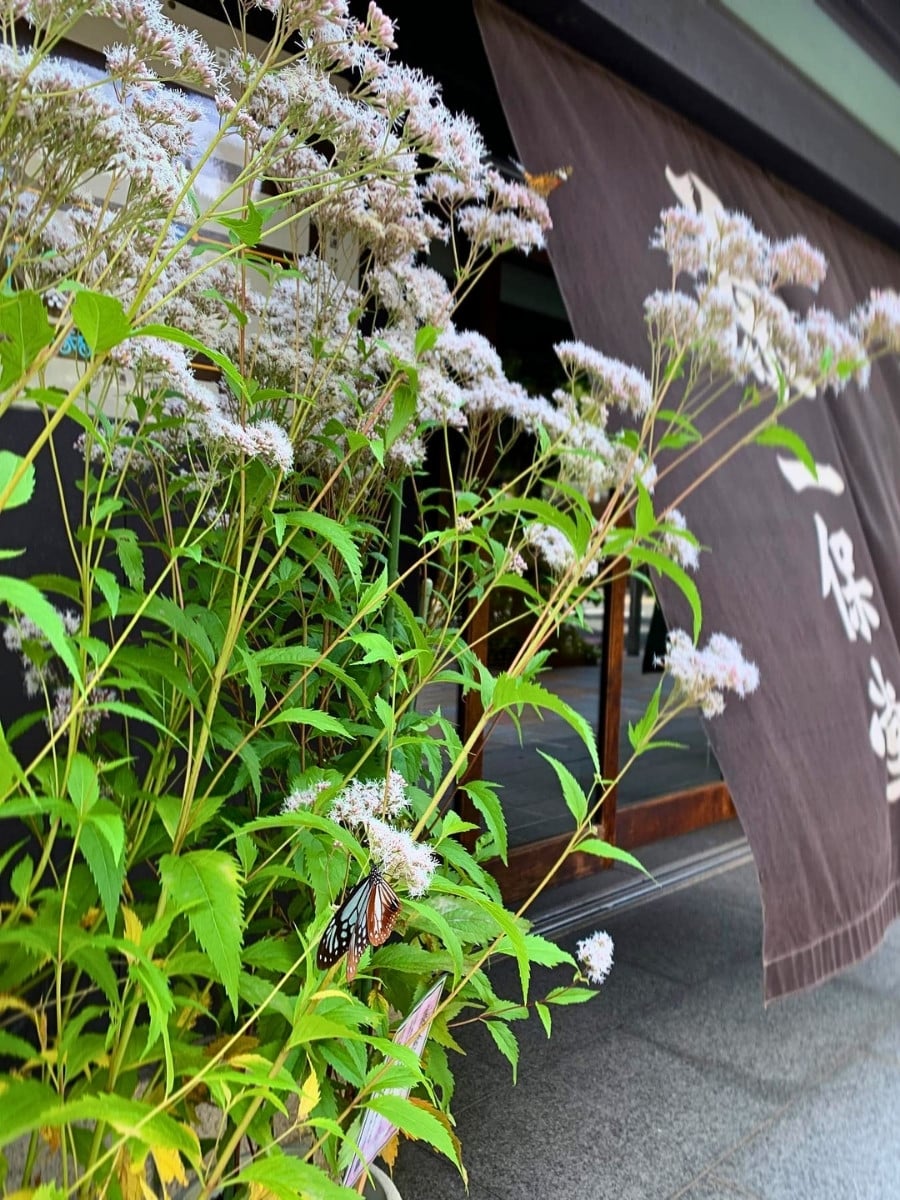
Fujibakama, also called thoroughwort or fragrant eupatorium (Eupatorium japonicum or Eupatorium fortunei), is a pale purple, fragrant flower belonging to the Daisy family. It often complements Ominaeshi with its clusters of pale purple flowers and a faint vanilla-like scent that intensifies as the plant dries. This quality made it a popular choice for scenting clothing and hair in earlier periods.
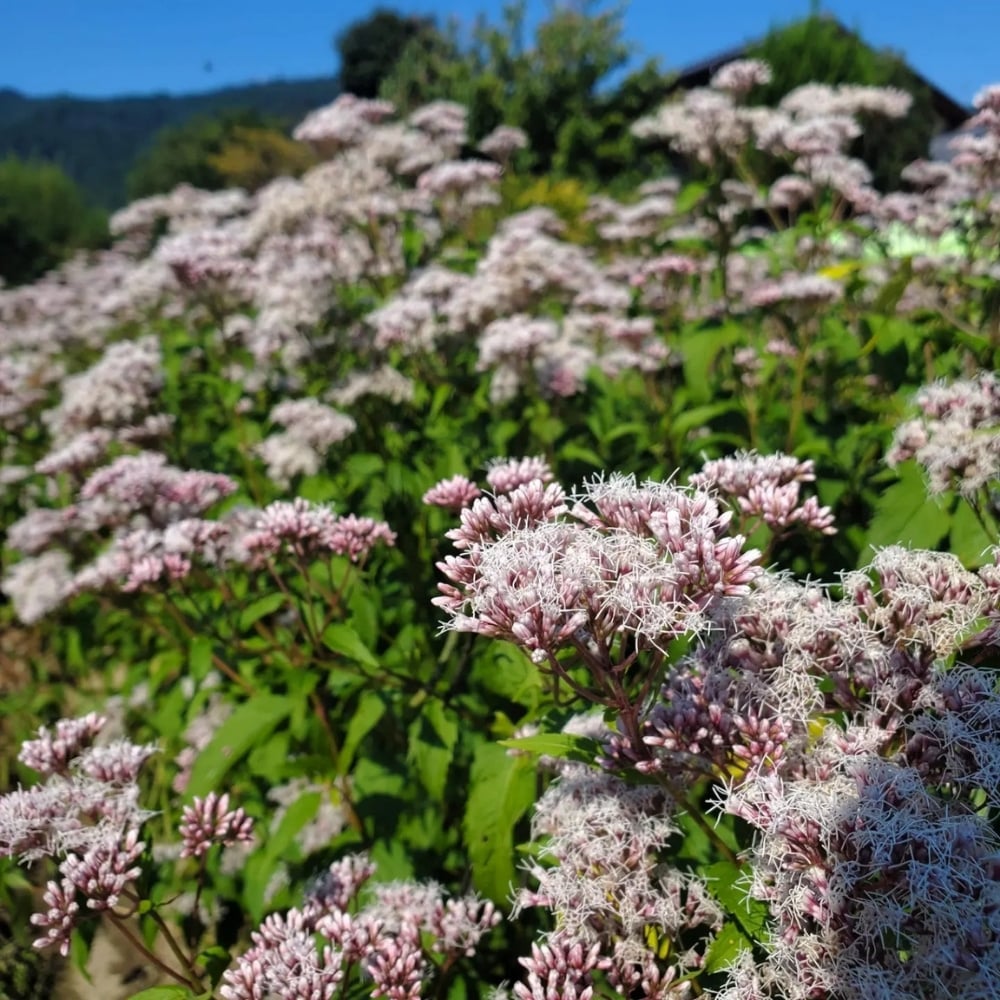
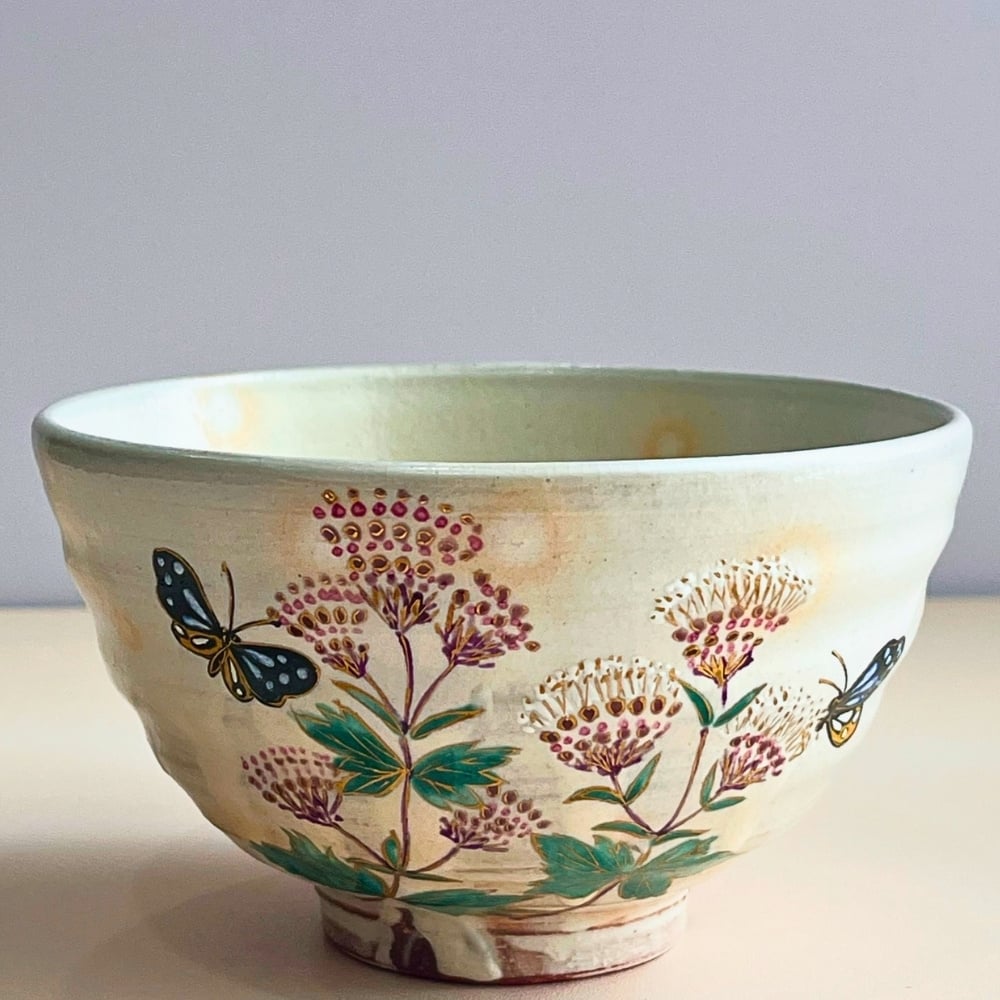
The two flowers (alongside the Ominaeshi) are habitually depicted together in traditional paintings of autumn fields, and are both celebrated in classic Japanese literature like the Manyoshu and The Tale of Genji.
7. Kikyo
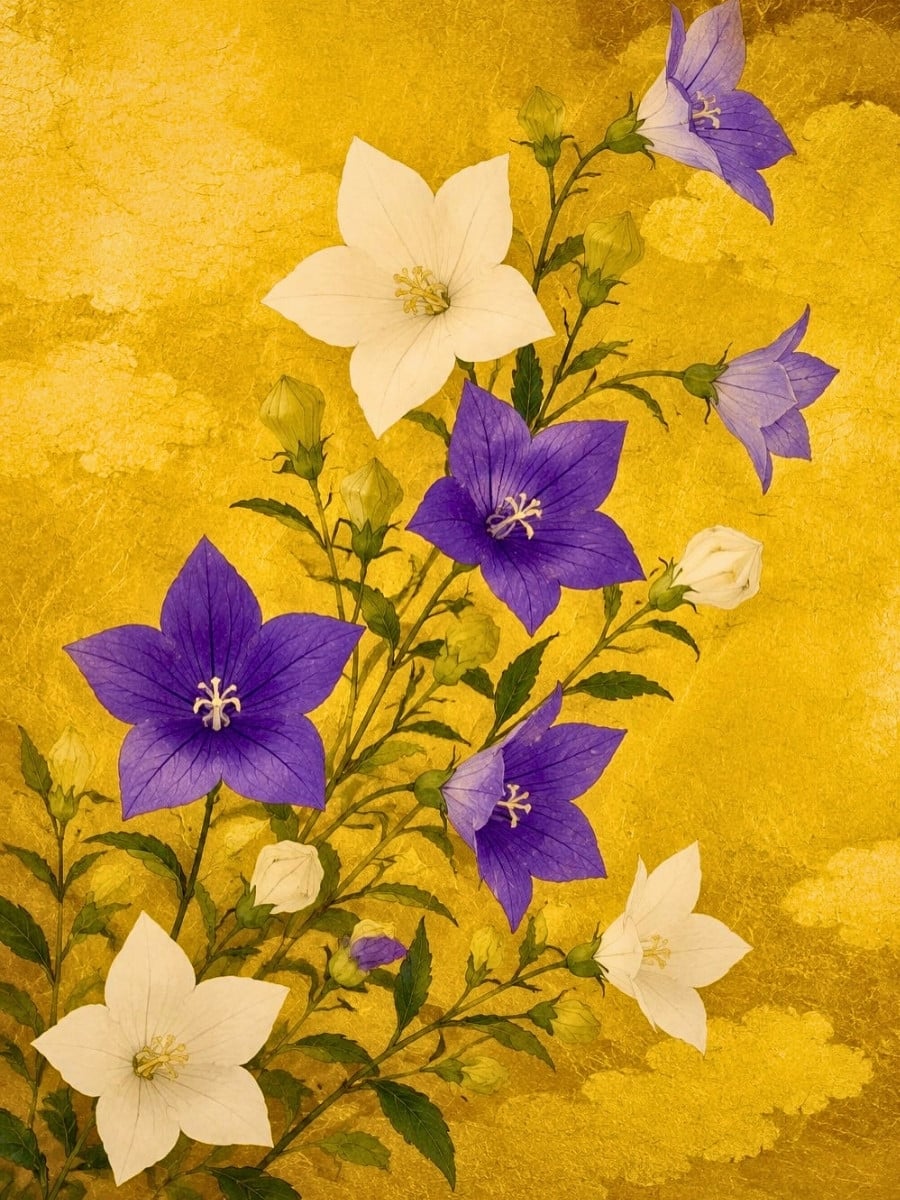
Kikyo, also called the Chinese bellflower (Platycodon grandiflorus), in the aki no nanakusa, has perhaps sparked the most scholarly debate. Okura's original poem uses the word asagao, which in modern Japanese refers to the morning glory, yet most scholars agree he was, certainly, describing kikyo, the balloon flower or Chinese bellflower.
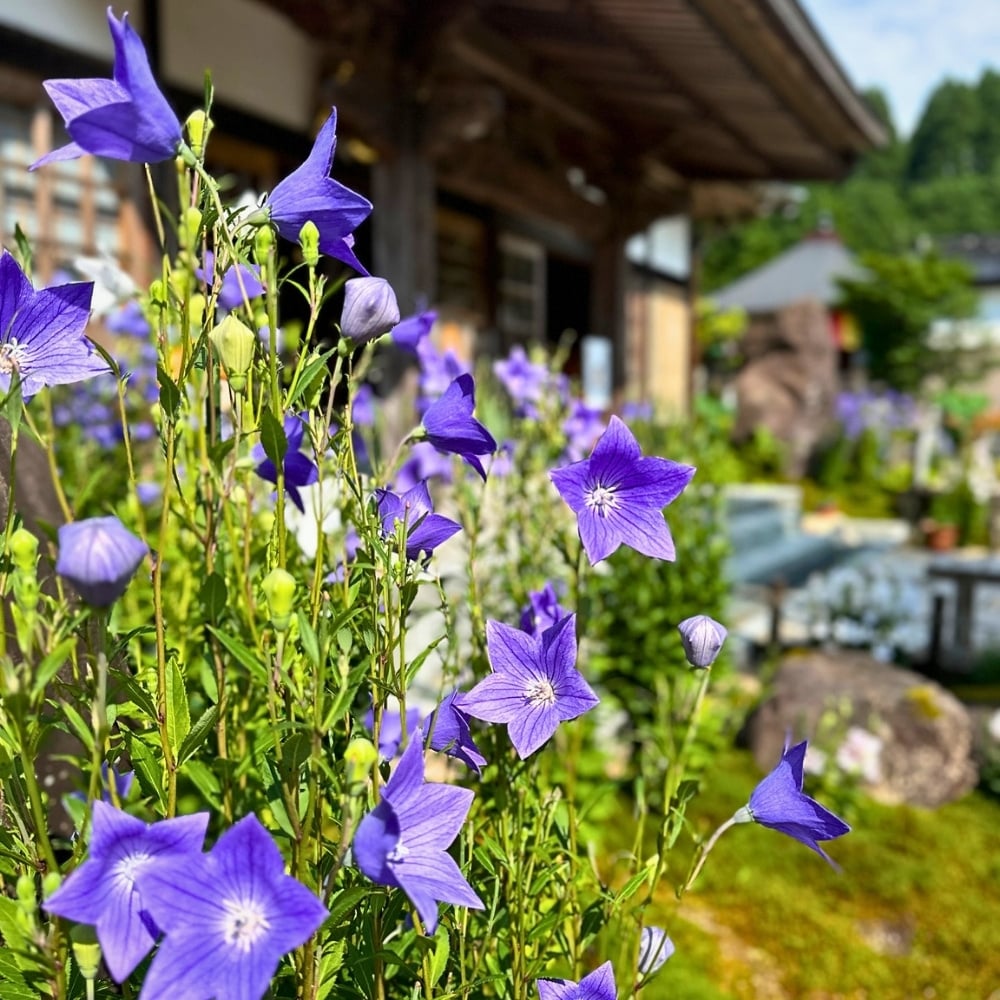
Its distinctive five-pointed, star-shaped bloom that swells up like a balloon before opening into deep purple, blue, white, or pink star- or bell-shaped petals was later adapted into a family crest, the Kikyo mon, which became widely used by samurai clans during the Sengoku period.
Regardless, this flower is often featured heavily in traditional autumnal hair ornaments (kanzashi) worn by Kyoto's geisha and maiko, and is still associated with dignity and long-lasting devotion. It also represents honesty, unchanging love, and obedience in various Asian traditions. The flower's deep bluish purple shade, known in Japanese as Kikyo iro, is one of the country's traditional named colors.
Flowers Meant to Be Seen (Not Eaten)
The seven flowers of aki no nanakusa are only meant to be seen and admired. But there are the seven herbs of spring which are, by contrast, often simmered into a rice porridge eaten in January to promote health for the year, which makes the autumn set's purely ornamental role unique and even more obvious.
None of the seven autumn flowers plays a role in any comparable ritual meal. They just mark the season through beauty alone, appearing in poetry, textiles, lacquerware, and garden design as a way of noticing autumn's arrival.
Such a seasonal awareness is closely linked to the general Japanese concept of appreciating the year's changing flowers, from spring's plum and cherry blossoms through autumn's Chrysanthemums.
Featured image: @kyukamuratakeno. Header image: @monoarte.