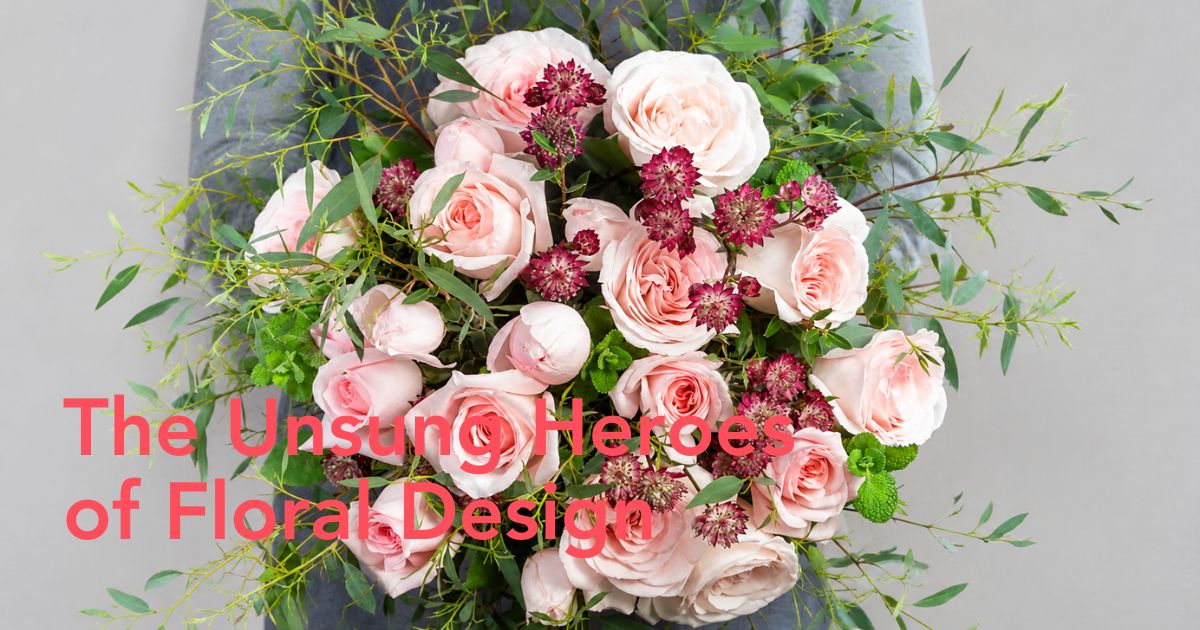
In Kenya, when people think about a beautiful bouquet, the conversation usually starts and ends with the flowers; Roses, lilies, chrysanthemums, carnations, and other familiar varieties take center stage, while the herbs and foliage surrounding them are often treated as little more than supporting characters.
Yet foliage and herbs can be just as important to a bouquet's personality as the flowers themselves. They add movement, texture, fragrance, and structure; remove them, and the flowers can look very different.
Why Greenery Gets Overlooked
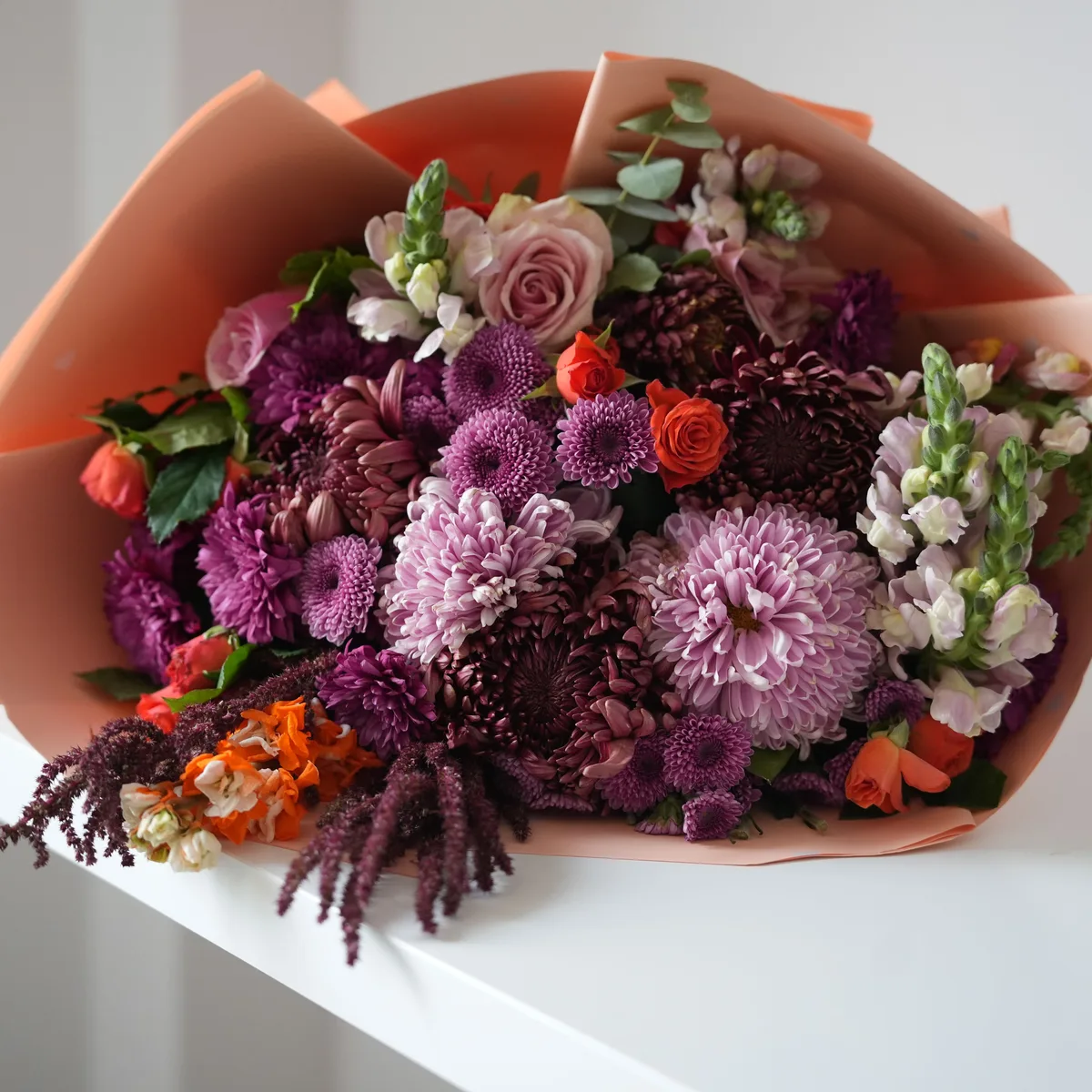
Walk into many flower shops or browse bouquets online and a familiar formula shows up: a generous number of flowers surrounded by a few stems of greenery, doing little more than filling the gaps. Part of this comes down to consumer expectations. When someone pays for a bouquet, they often want to see what they paid for, and more flowers can seem like better value, while foliage is treated as padding.
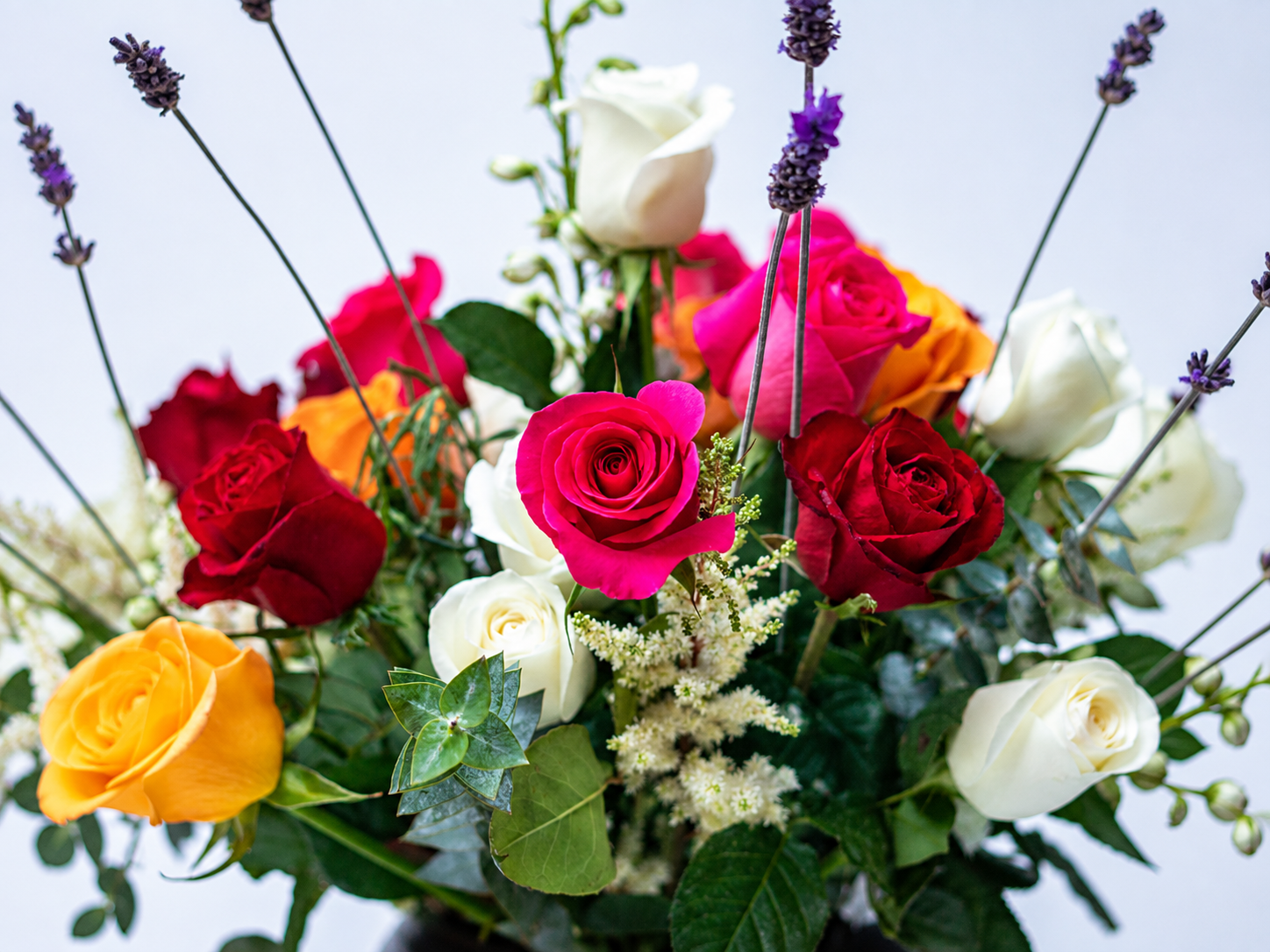
That overlooks what good foliage actually does. Eucalyptus can give an arrangement a soft, contemporary feel. Ruscus can provide clean lines and structure. Olive foliage can create an understated, natural character, while more delicate stems introduce movement and airiness. Two bouquets with the same flowers can feel completely different depending on the foliage used around them, which is a distinction most consumers never get the chance to notice. Herbs add something else entirely: scent.
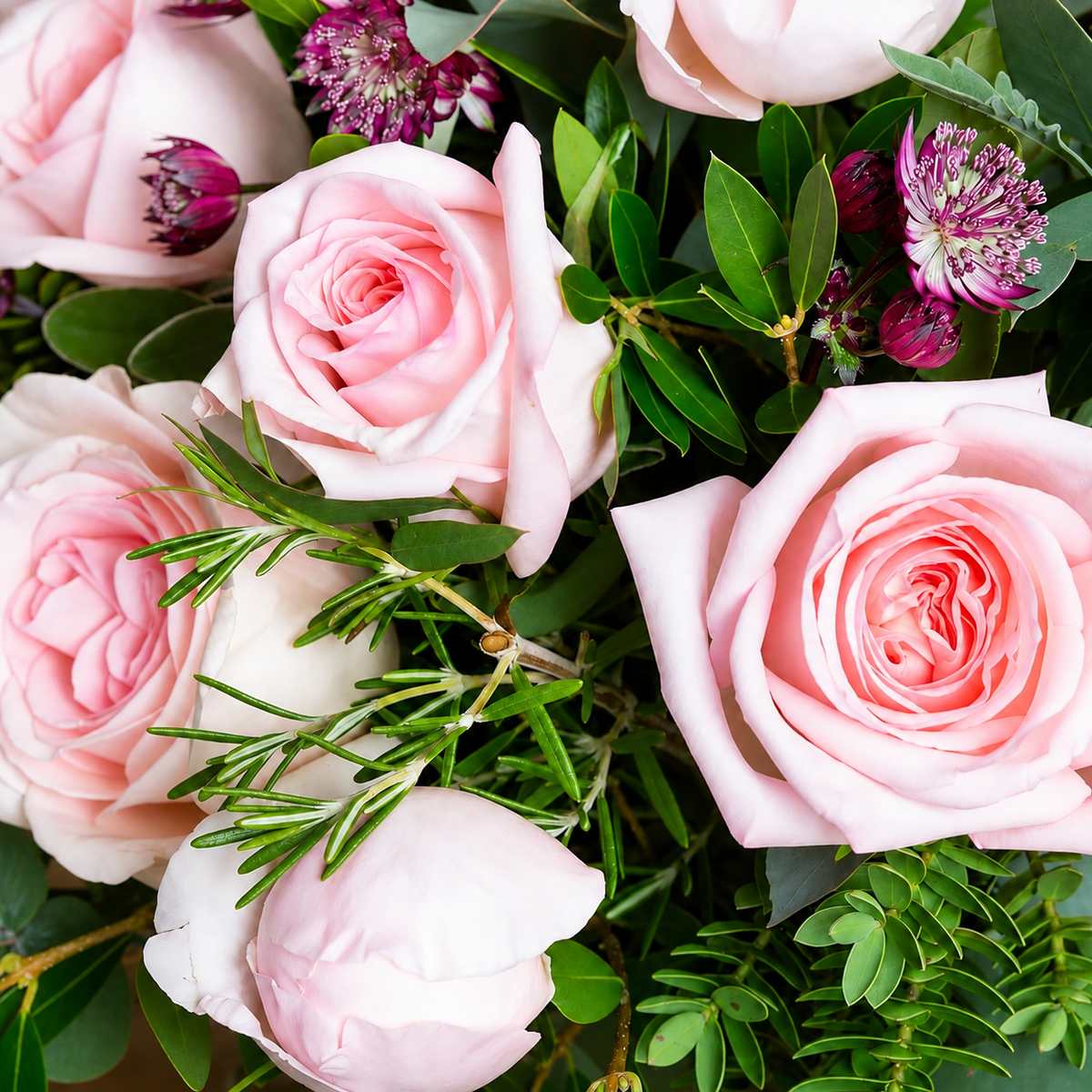
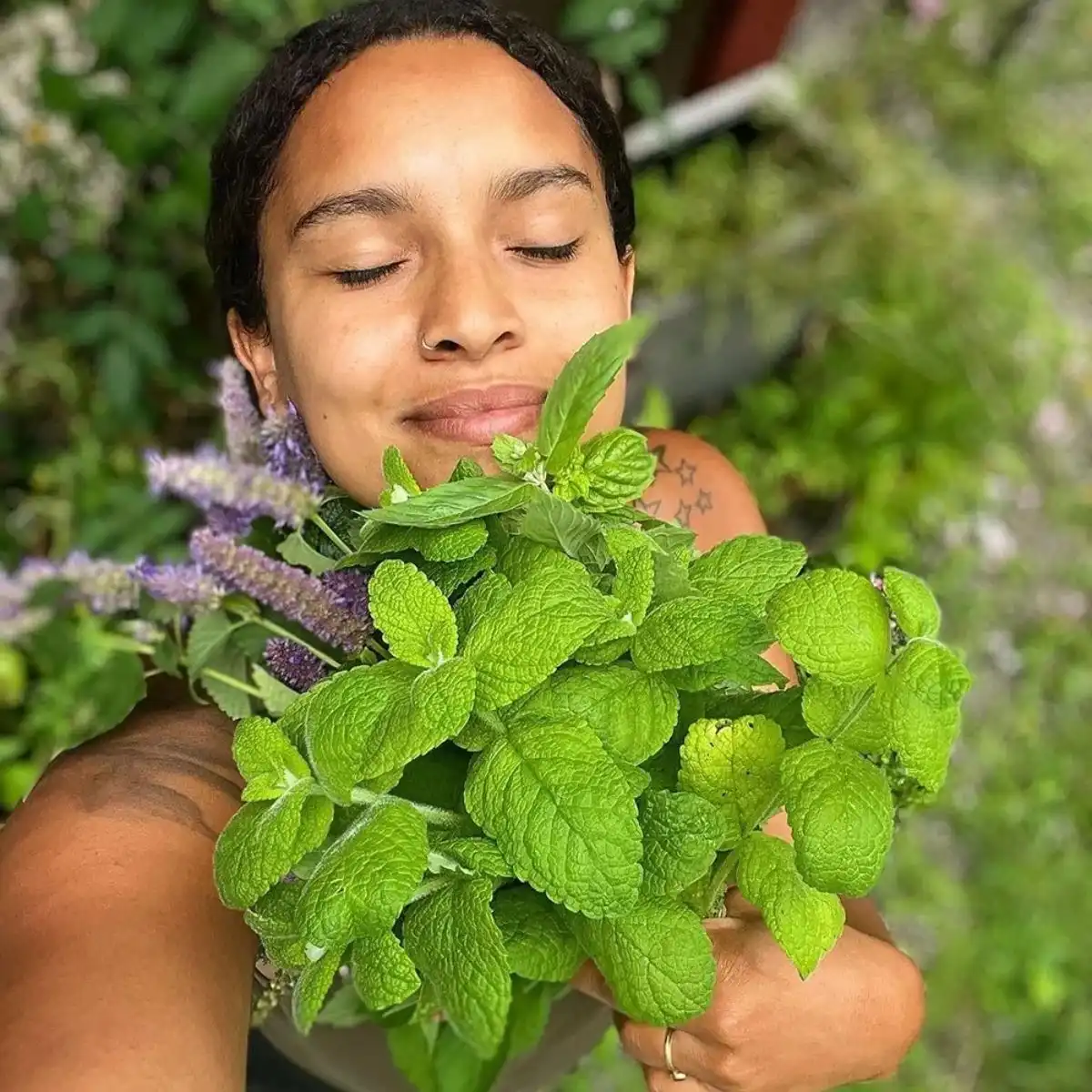
Rosemary, mint, lavender, scented Geranium, and other aromatic plants can turn a bouquet into a sensory experience rather than just a visual one. That opens up a different way for florists to design, building around fragrance and texture rather than color and flower variety alone.
The Opportunity for Kenya
This is particularly interesting in Kenya, a country with an already impressive horticultural industry and an enormous variety of plants that could inspire floral design. Kenyan floristry does not have to rely exclusively on imported ideas about what a premium bouquet should look like. There is room to explore locally available foliage, herbs, and botanical ingredients and bring them into contemporary arrangements: commercial cut flowers paired with aromatic herbs, interesting branches, and textured foliage. The result could feel less like a standard flower shop arrangement and more like something with a distinctly Kenyan identity.
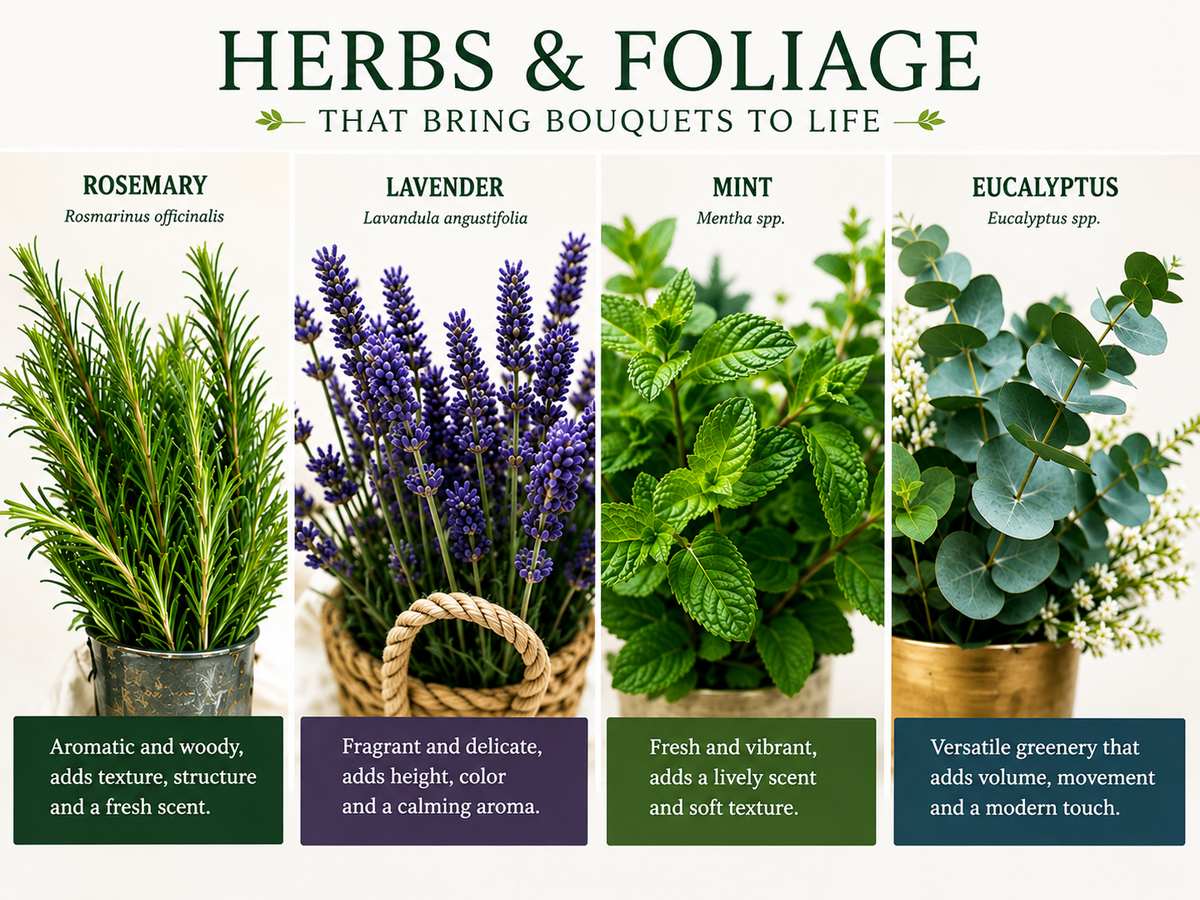
The challenge is that consumers need to understand why foliage deserves a place in the bouquet. If a customer sees a stem of eucalyptus and wonders why they are paying for leaves when they asked for flowers, florists will keep prioritizing what customers already recognize and value. This is where education matters. Florists and flower businesses have an opportunity to explain the role foliage plays rather than simply adding it without context: a certain herb adds fragrance, a certain leaf creates movement, a particular branch gives an arrangement structure. Once customers understand that, they tend to see the bouquet differently.
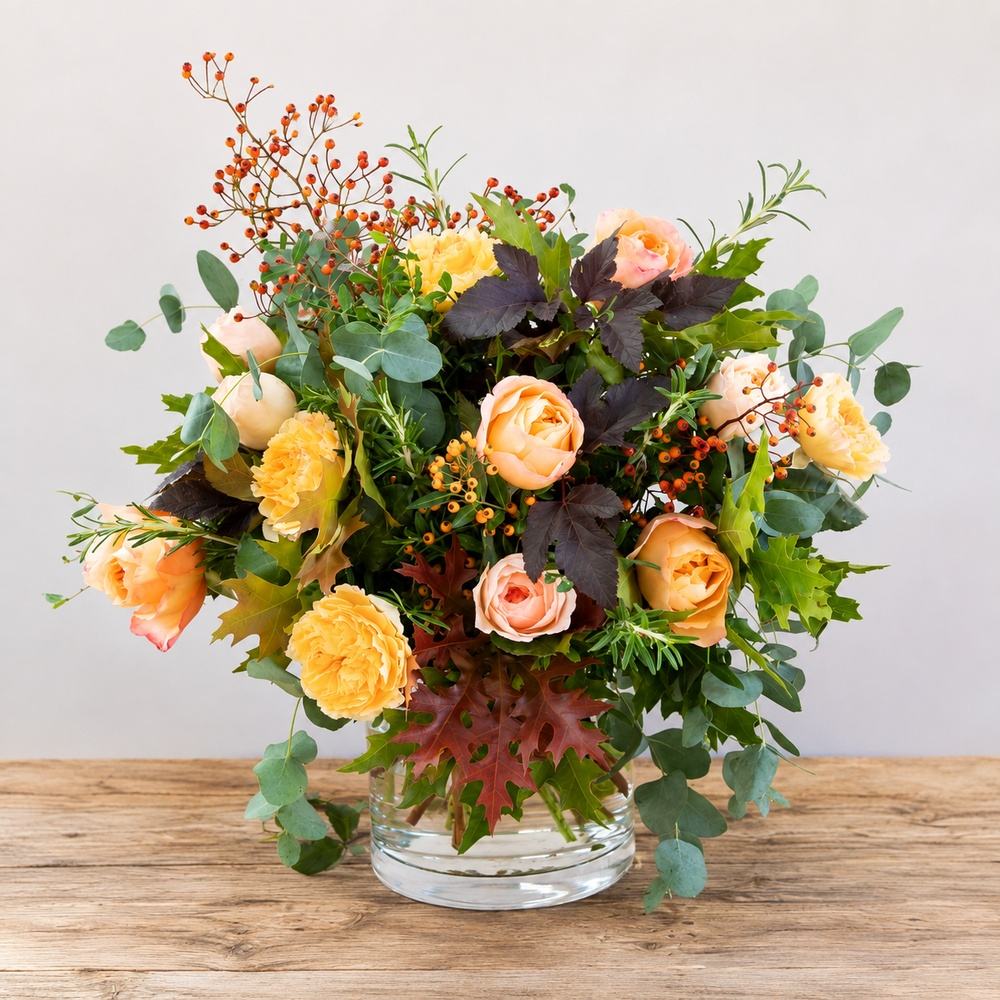
Kenya already has the flowers. The next opportunity may be paying more attention to everything that surrounds them, not because greenery needs to compete with flowers for attention, but because it can give arrangements a stronger identity and create an experience that goes beyond color and quantity. So perhaps the real question is not whether Kenyan bouquets have too much greenery, but whether the industry has spent too long treating it as something that fills the space between the flowers.
Because sometimes, the leaves, herbs, and stems are not the supporting cast. They are part of the story.