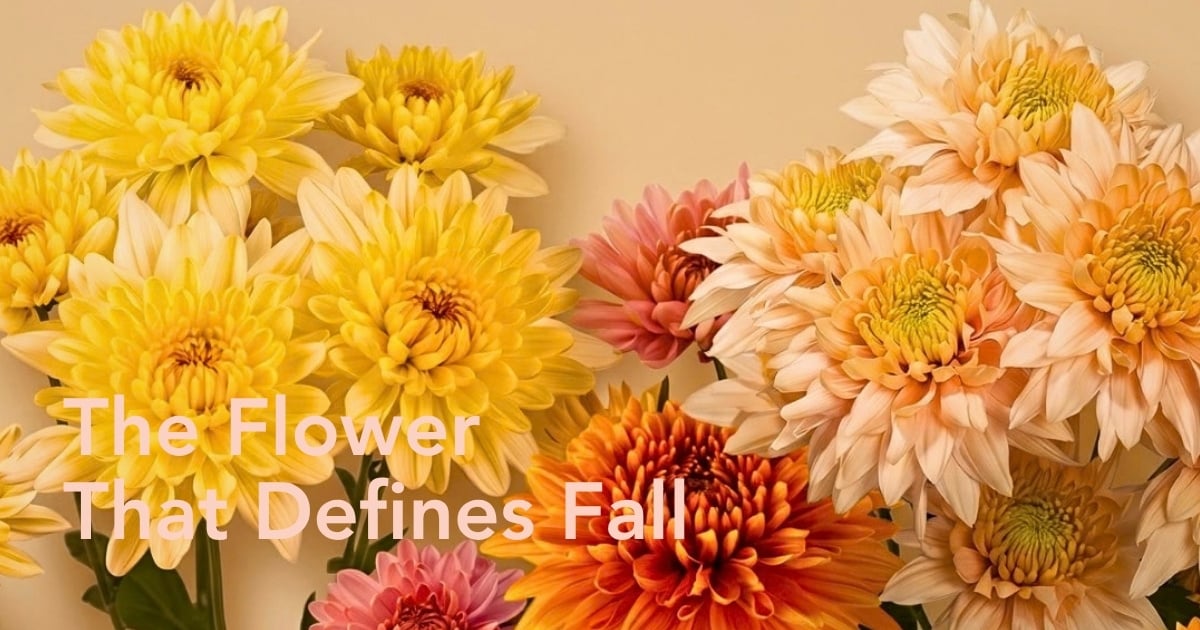
Chrysanthemums are the flowers that complete autumn. Their rust, burgundy, bronze, and gold tones easily mirror the changing color of leaves in fall, while their dense, layered petals have the weight that thin summer flowers often do not have. In designs, they anchor fall season bouquets and table settings, and in a garden, they keep the warm color going even after the first frost.
These flowers, therefore, hold a unique position in autumn culture and floriculture, being the undisputed centerpiece of late-season decor and celebrations. And more, their fall season significance spans historical myths, spiritual rituals, and seasonal traditions across Asia, Europe, North America, and elsewhere. But why is the chrysant the ultimate symbol of the fall season? Why are mums important in autumn?
Ancient Roots and Imperial Prestige in East Asia
To understand why Chrysanthemums are revered in autumn, first look to their ancient origins in East Asia, where people have cultivated them for more than 3000 years. In ancient China, the flower was first grown as a valued herb, its leaves and petals used in traditional tonics and teas believed to promote health and longevity.
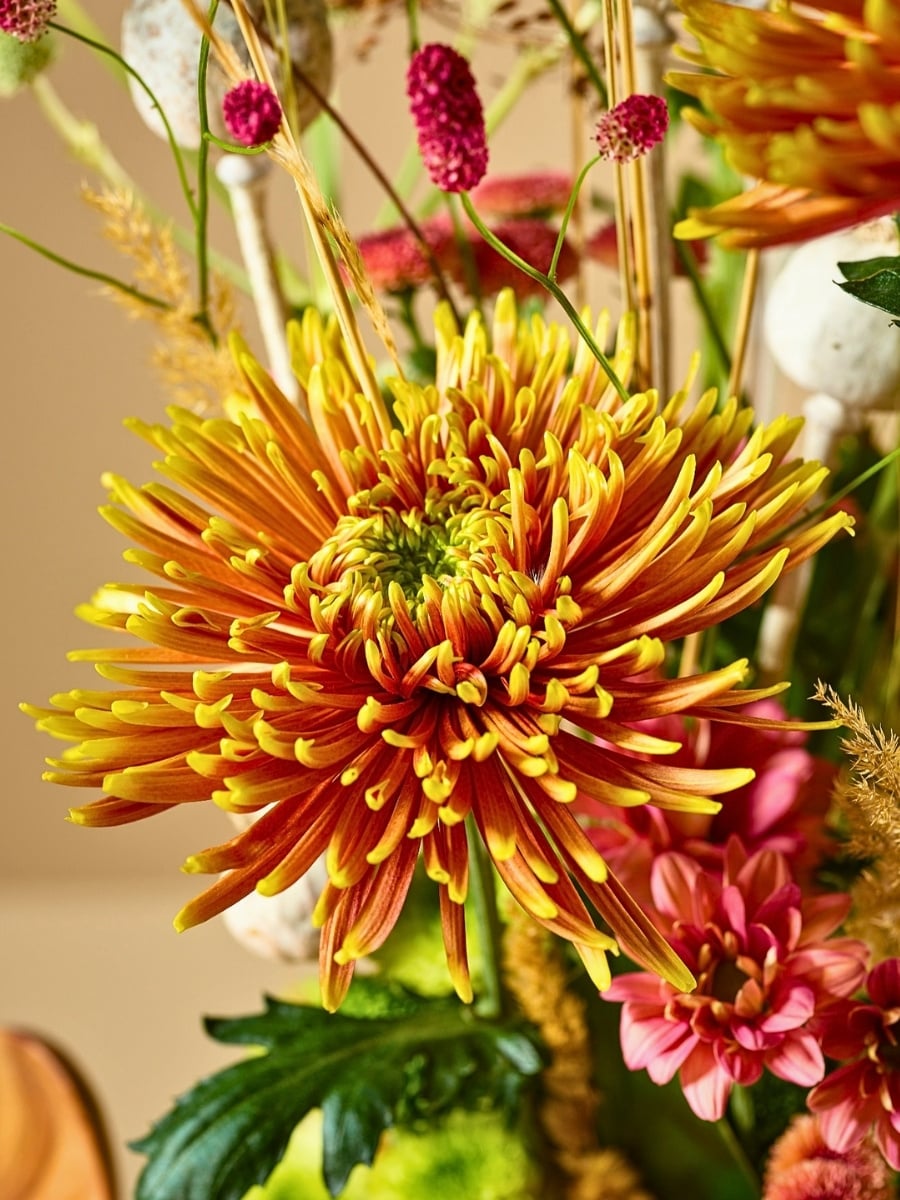
Chinese poets even praised the mum as one of the Four Gentlemen of art, representing moral integrity and endurance because it flourishes courageously in the cold autumn air when other plants perish. In Japan, the flower was introduced during the eighth century and went on to achieve royal distinction.
Adopted as the official seal of the Japanese Emperor, the sixteen-petaled crest symbolizes the sun and imperial authority, earning the monarchy the title of the Chrysanthemum Throne. Japan even celebrates Kiku no Sekku, or National Chrysanthemum Day, an ancient festival where people honor the flower, drink Chrysanthemum-infused wine, and pray for long life and renewal.
European Remembrance and American Harvest Traditions
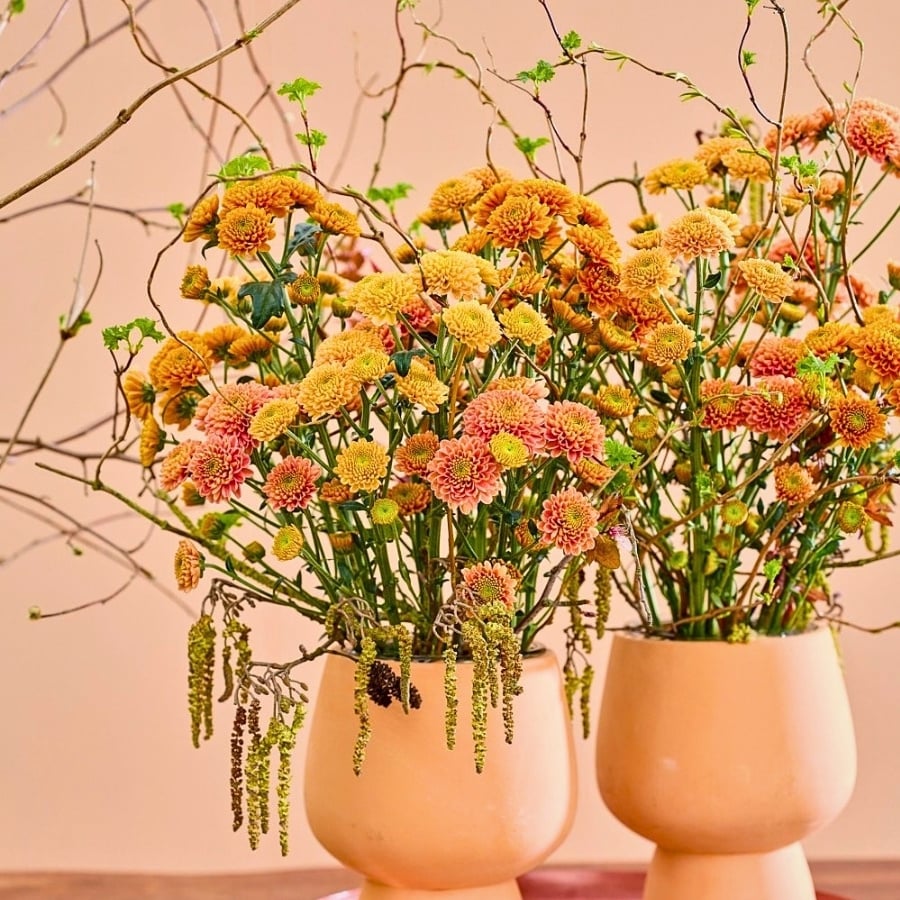
Chrysanthemums spread along global trade routes to Europe and the Americas during the seventeenth and eighteenth centuries, and different cultural traditions emerged around their late-season display. In many continental European countries, including France, Italy, Spain, and Poland, they became intensely linked to remembrance.
Because they remain fresh during cold weather, millions of colorful potted mums are placed on family graves for All Saints' Day and All Souls' Day in early November. In this context, the flower acts as an affectionate, lasting tribute to departed loved ones.
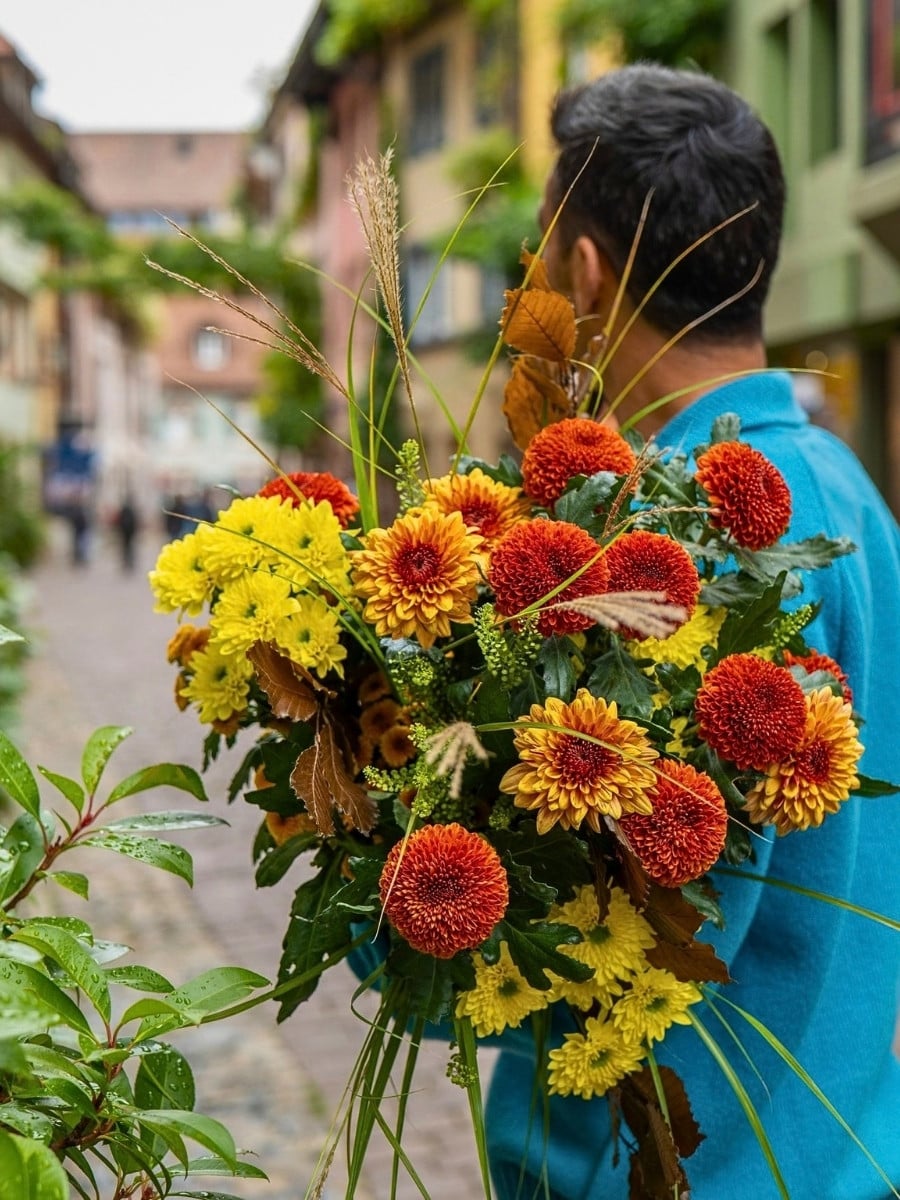
Across North America, Chrysanthemums convey a decidedly joyful connotation, representing warmth, hospitality, and harvest abundance. They mark the official birth flower of November, bridging the transition between late autumn and early winter. From college homecoming parades to Thanksgiving table centerpieces, these flowers symbolize the warm comfort of home and family gatherings.
They Also Come Right on Time
Chrysanthemums are short-day plants, which means they set buds when nights lengthen rather than when temperatures drop. In most of the United States, this switch flips in late summer, and the buds open as October comes. The timing is why mums reach full color just as tomato vines collapse and Petunias sprawl.
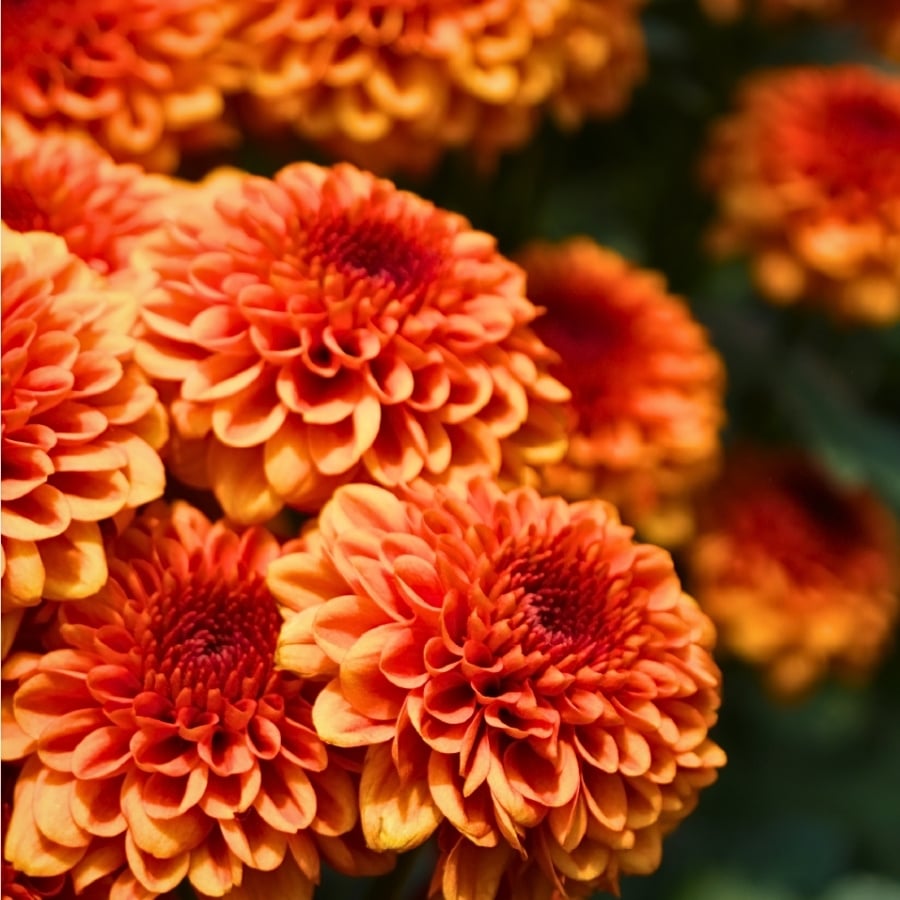
Some growers even use this same trigger in greenhouses, pulling blackout cloth over the crops to mimic autumn evenings. Such control lets growers like those of the Dutch Decorum brand offer mums year-round. Arcadia Chrysanten, for example, produces about 50 million stems a year, while Kwekerij Chrywijk grows at least 12 Santini varieties throughout the year, so the autumn look is often available even before fall colors take over.
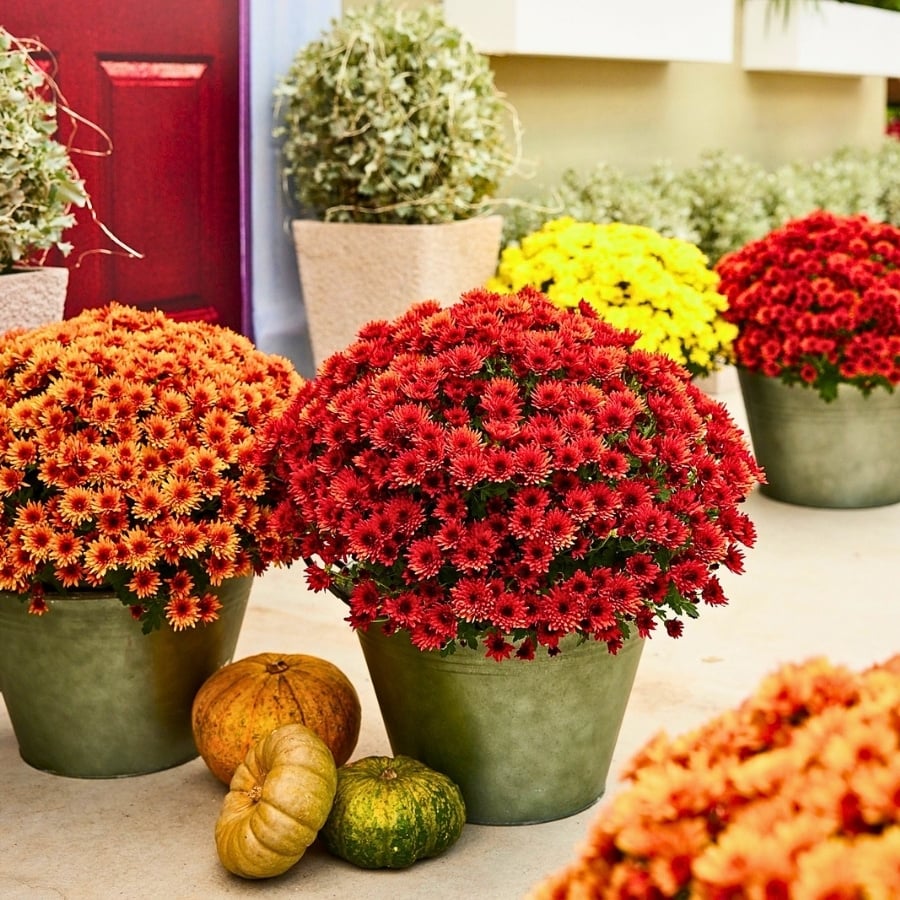
Complementing this unique timing is the flower's impressive frost tolerance. Garden mums handle light frosts with ease, maintaining their structure and rich color past the season's first cold snaps. While delicate summer flowers drop off at the first temperature drop, Chrysanthemums remain strong, providing reliable outdoor color well into late autumn. Furthermore, their dense, rounded growth habit creates a full visual presence that anchors autumn porch displays alongside pumpkins and decorative gourds.
Their Palette Is Largely Borrowed From the Season
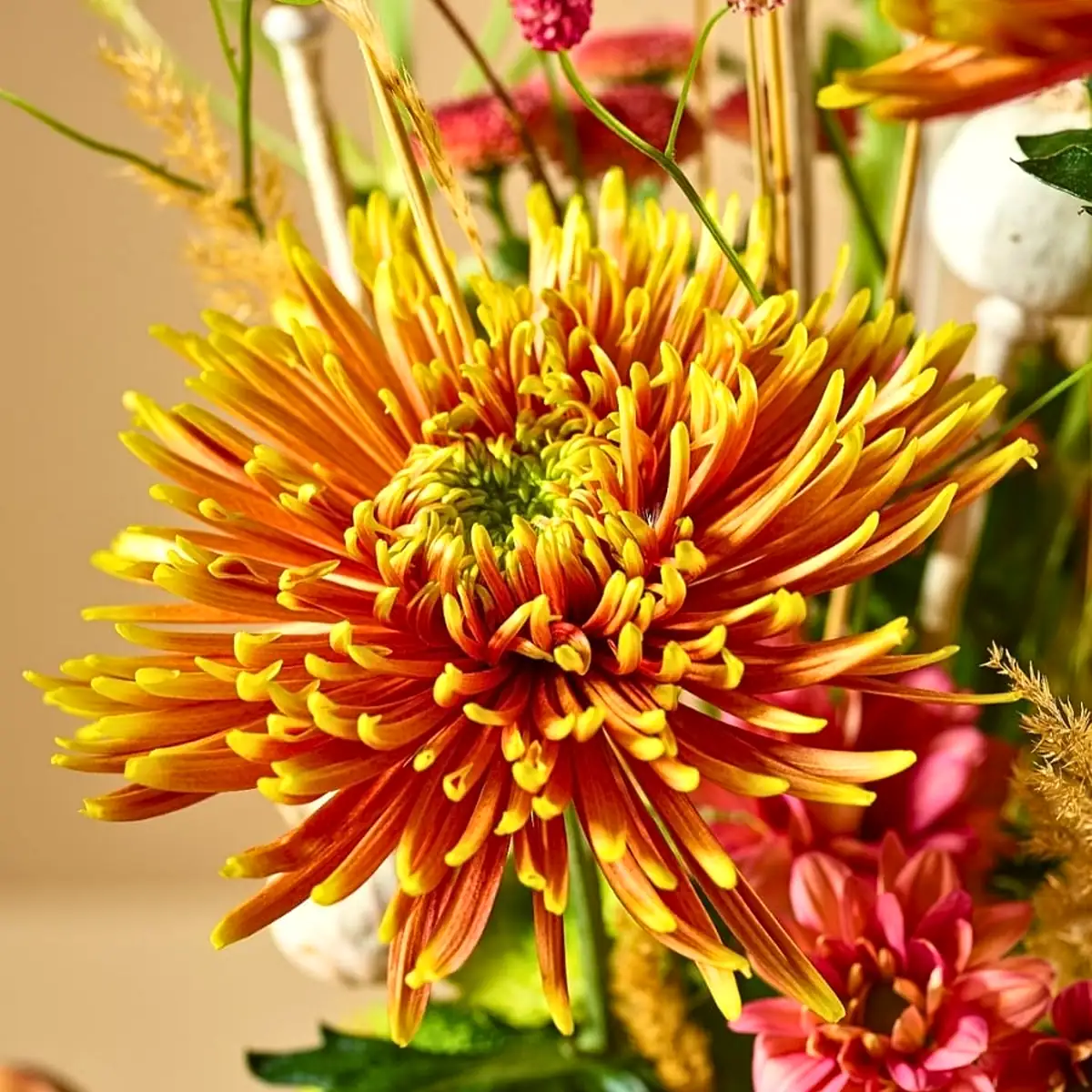
In any autumn landscape, you will find the colors that Chrysanthemums always have: rust, orange, gold, wine red, bronze, and deep purple. Under cool autumn light, these shades look deeper and richer than they do in summer sun.
Breeders have also added soft pinks, creamy whites, yellows, and lime greens, which give both landscape and floral designers room to incorporate calm or bold schemes. That is another important reason florists and home decorators favor Chrysanthemums in autumn, since their rich color palette naturally mirrors the changing autumnal foliage.
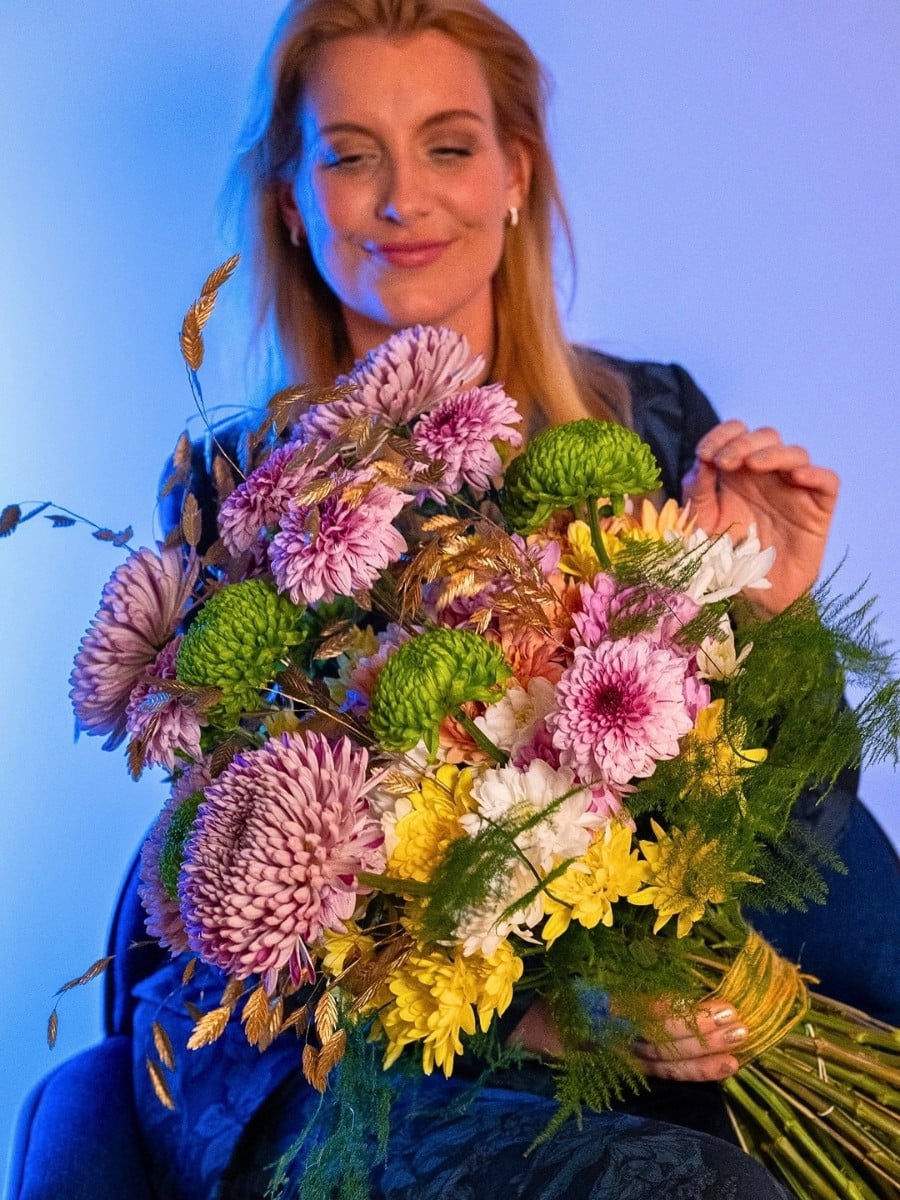
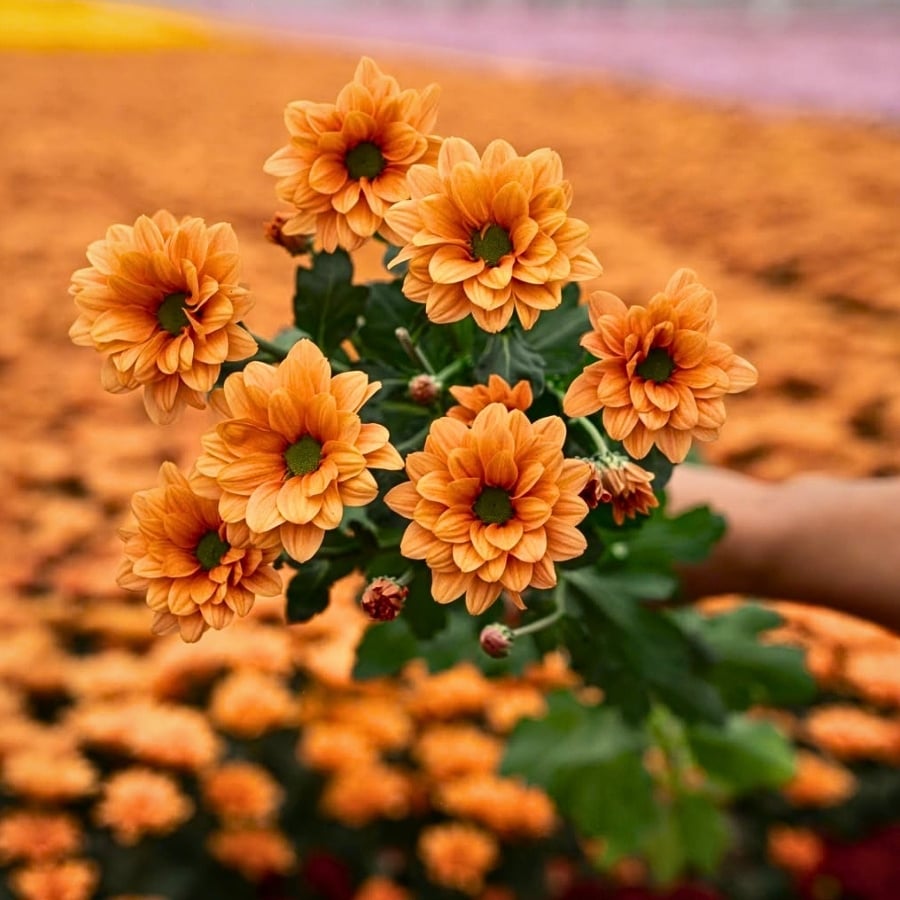
Since these flowers come in warm tones like gold, bronze, terracotta, rust, wine red, plum, and deep purple, these shades allow designers to create seamless visual harmony with autumn leaves, wooden textures, and natural harvest elements. But a wide variety also has a touch of green (often the center) that keeps the flower from looking heavy. Chrysanthemum Midnightsun, a spray type, fades from light to dark orange like a sunset, with a green heart that makes the petals seem to glow.
For a cooler counterpoint, the white-green Chrysanthemum Louis Germ or the rounded white Chrysanthemum Evidence bring clean light to an arrangement full of copper and burgundy. The same green-hearted look is the signature of the Chrysanthemum Chic, a white spray mum grown by Vitaflor, one of the Dutch growers supplying through Decorum. Floral designers often combine these elements to enhance autumn centerpieces and commercial displays.
Mums in Autumnal Bouquets and Floral Design
Florists often treat Chrysanthemums as the structure. A large disbudded stem or one flower head on a strong stalk works as a focal point; some are big enough to anchor a centerpiece on their own. Spray types, which have several smaller flowers per stem, also easily fill space and add rhythm without overshadowing the design. And because they last long, designers rely on them for installations that need to look and remain fresh for long.
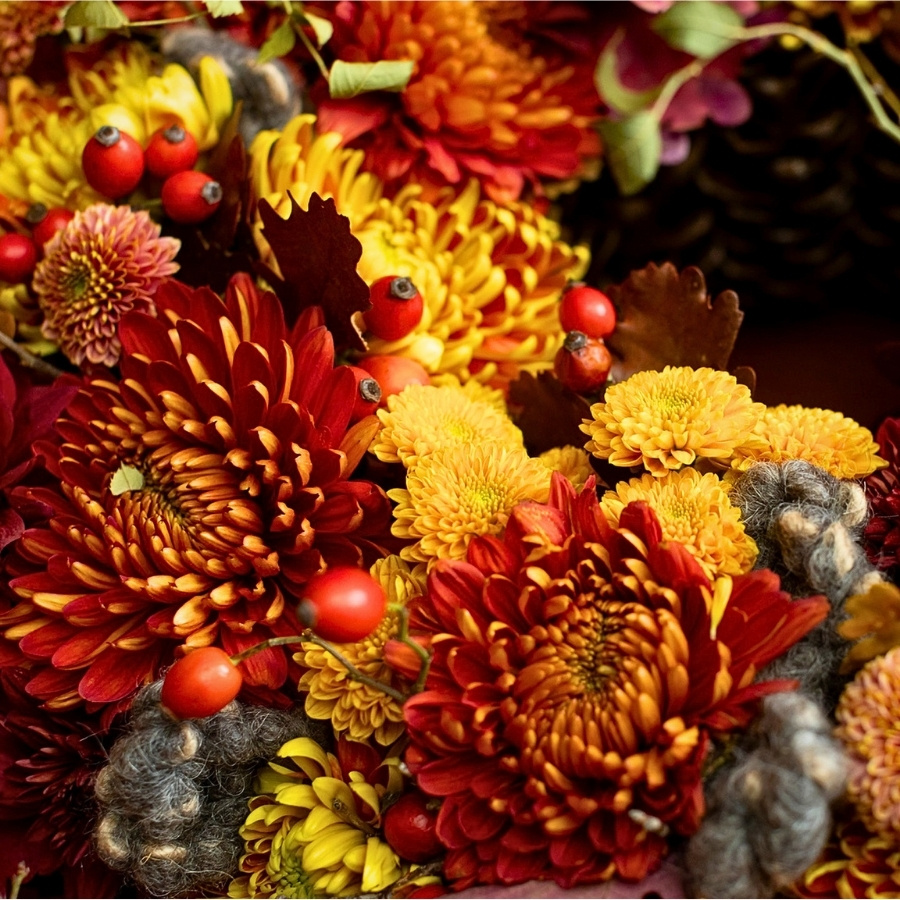
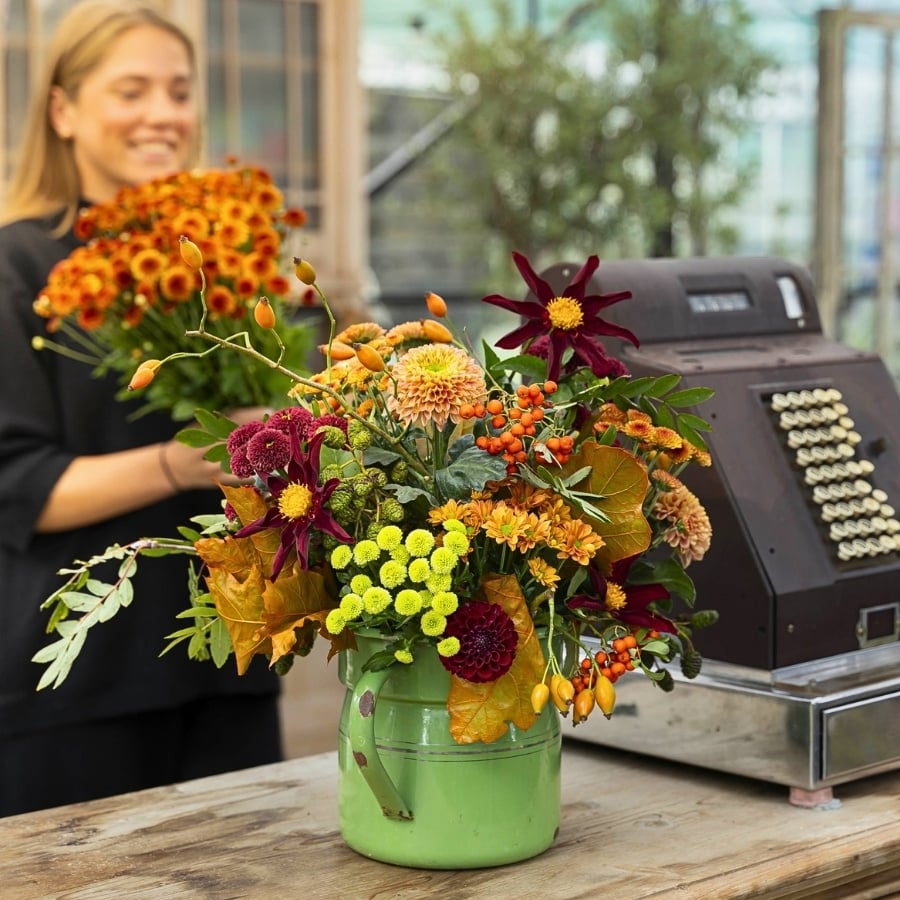
Autumn palettes also look good when they have texture. Pairing mums with Dahlias, Rudbeckia, Celosia, amaranth, and berry branches, and adding dried grasses, seed heads, oak leaves, or Eucalyptus (for movement) helps achieve this. Equally, a tone-on-tone bouquet, moving from cream to apricot to rust, looks refined with little effort. For wreaths and table runners, tight pompon types maintain their shape well, and a few pumpkins or gourds finish the look. Even a plain jar of mums easily looks seasonal.
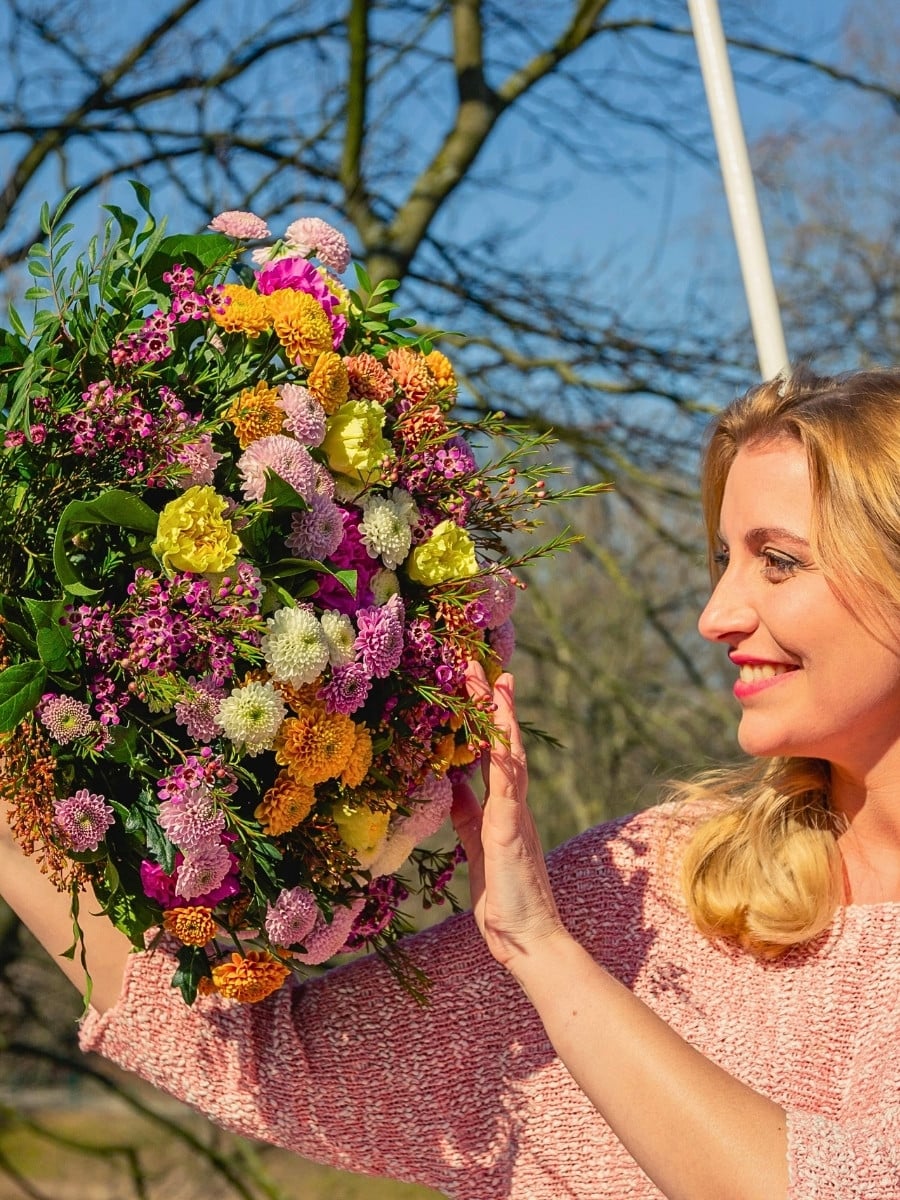
Mums in the Autumn Garden
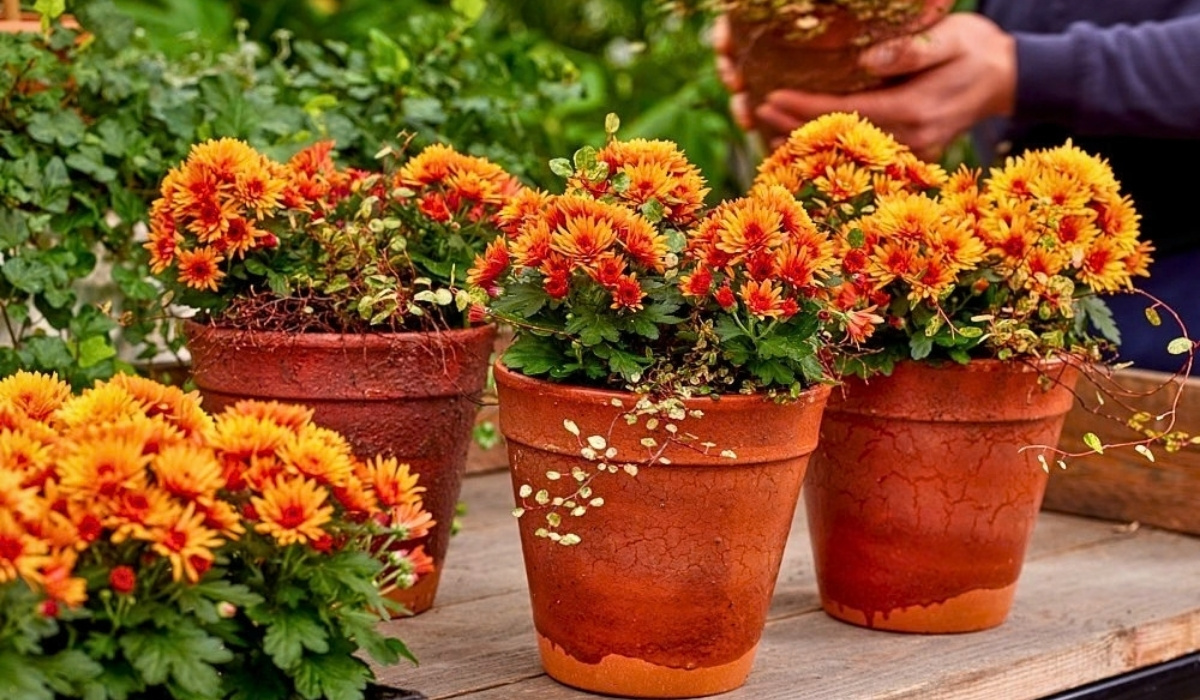
In the garden, mums play their autumnal role well, too. You plant them in drifts along a border, and they cover the gaps left by spent flowers like daylilies and coneflowers. If you set them in pots by the front door, just a few of them would fully adorn the whole entrance.
They pair well with other fall plants and ornamental grasses like fountain grass and little bluestem, whose feathery plumes soften dense floral mounds. Sedum, Asters, Japanese anemones, ornamental kale, and pansies also share this autumnal mood.
However, for effectiveness, choose the flowers by purpose. Florist mums bought in full flower are best regarded as seasonal color. Hardy garden mums, planted in spring, summer, or very early fall, have time to root, grow, and bloom and often return the following year in many climates. Just give them enough sunlight, well-drained soil, and a layer of mulch just before winter.
Also, gardeners who pinch the flower tips in early summer get compact, bushy plants covered in flower heads, while those who skip pinching get leggy stems that flop. Plus, daisy-form types with open centers usually offer pollen and nectar to bees and hoverflies in the season when not many other sources remain.
In Porches, Tables, and Weddings
In autumn, a porch grouped with three sizes of potted mums, a hay bale, and a few pumpkins welcomes visitors without much fuss. On a Thanksgiving table, a low arrangement of bronze and cream mums leaves the perfect room for conversations across the table.
Autumn weddings also often use these flowers in arches, aisle markers, and bridal bouquets, where their burgundy, auburn, and gold look beautiful against fading light. Their dense petals, too, hold up in cool evening air, which delicate summer flowers rarely do.
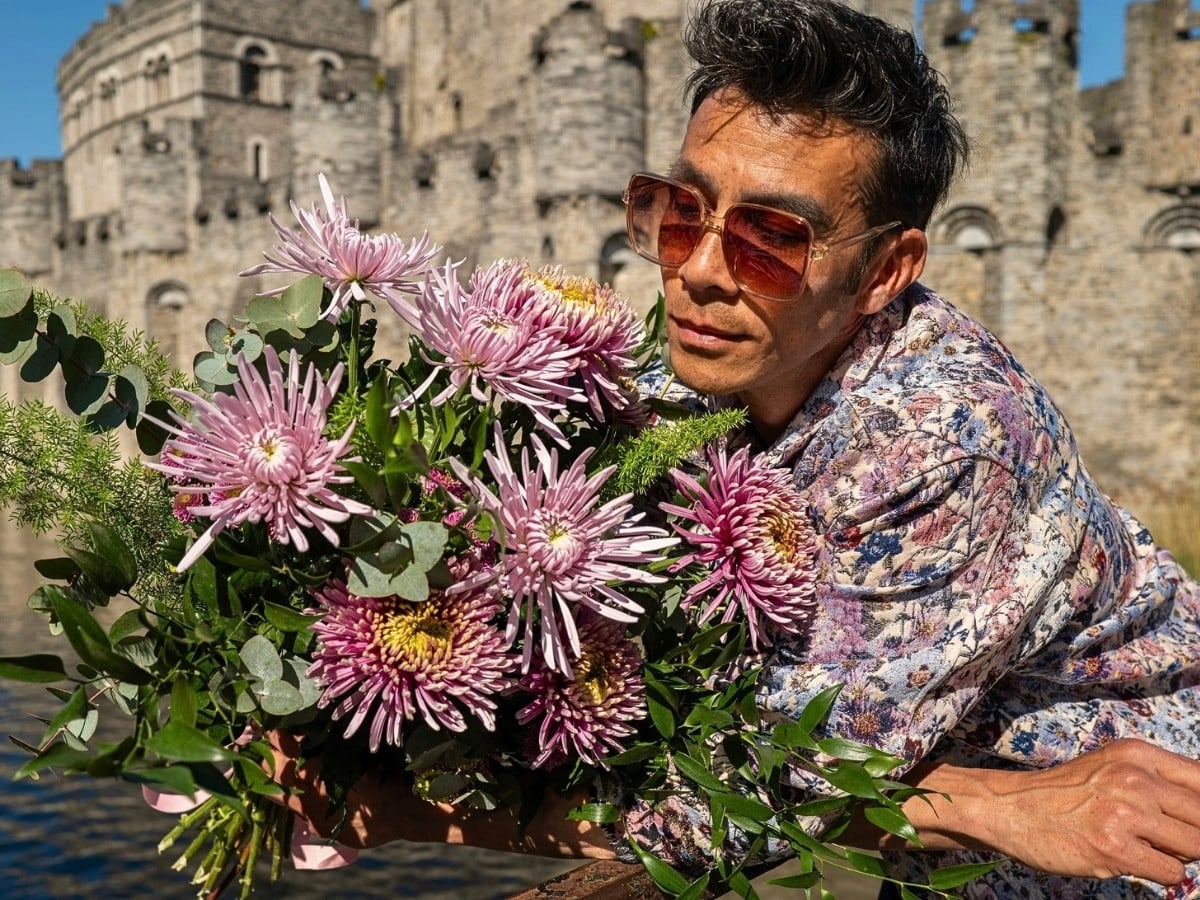
Essential Care for Long-Lasting Autumn Mums
Ensuring that autumn chrysanthemums remain fresh throughout the season requires a few simple care steps. For potted garden mums displayed on porches, consistent soil moisture is essential, as their shallow root systems dry out quickly in crisp autumn winds. Watering directly at the base of the plant prevents water from lingering on dense flower heads, which can cause premature decay.
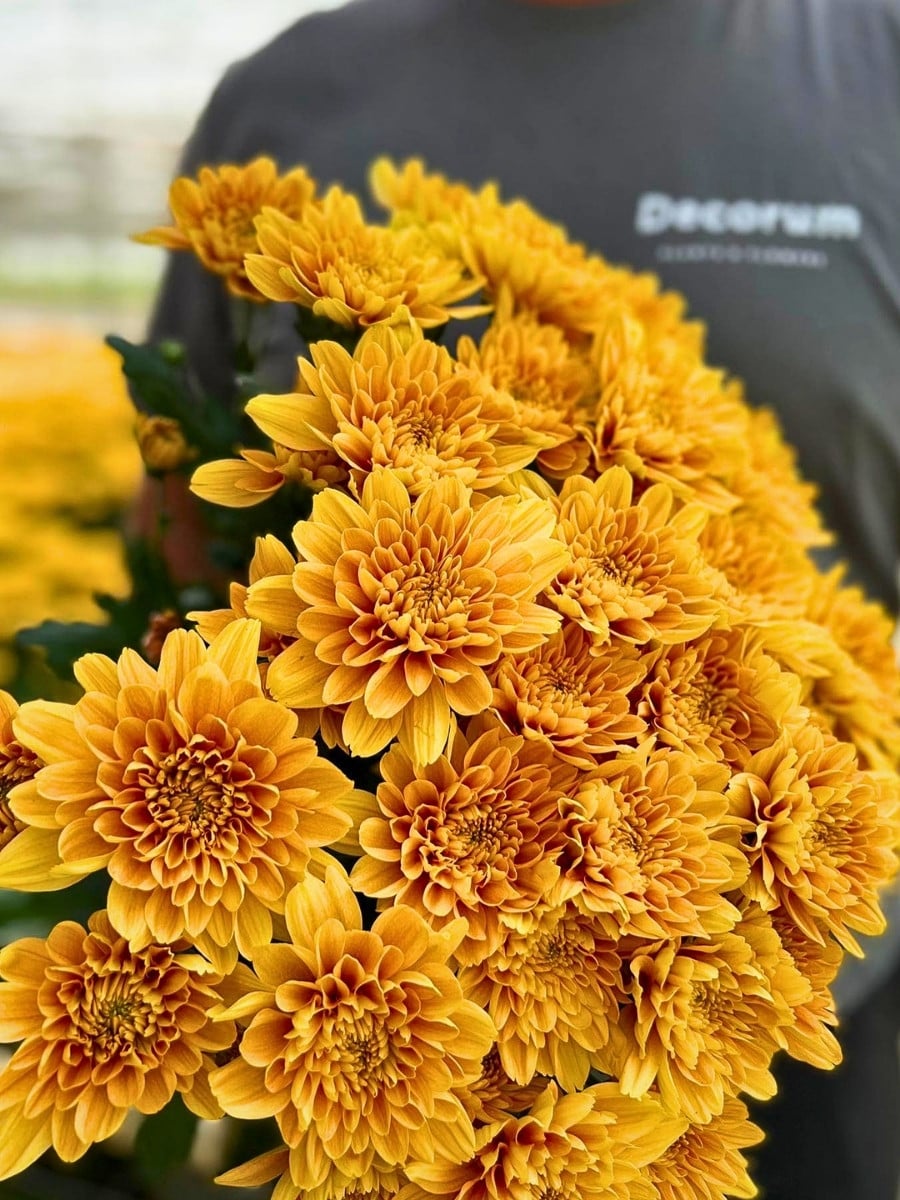
For cut Chrysanthemums used in indoor arrangements, re-cutting the stems at a slanted angle and removing foliage that sits below the waterline encourages steady water absorption. Adding commercial floral food keeps the water clean, allowing the cut mums to maintain their fresh appearance in a vase for up to three weeks.
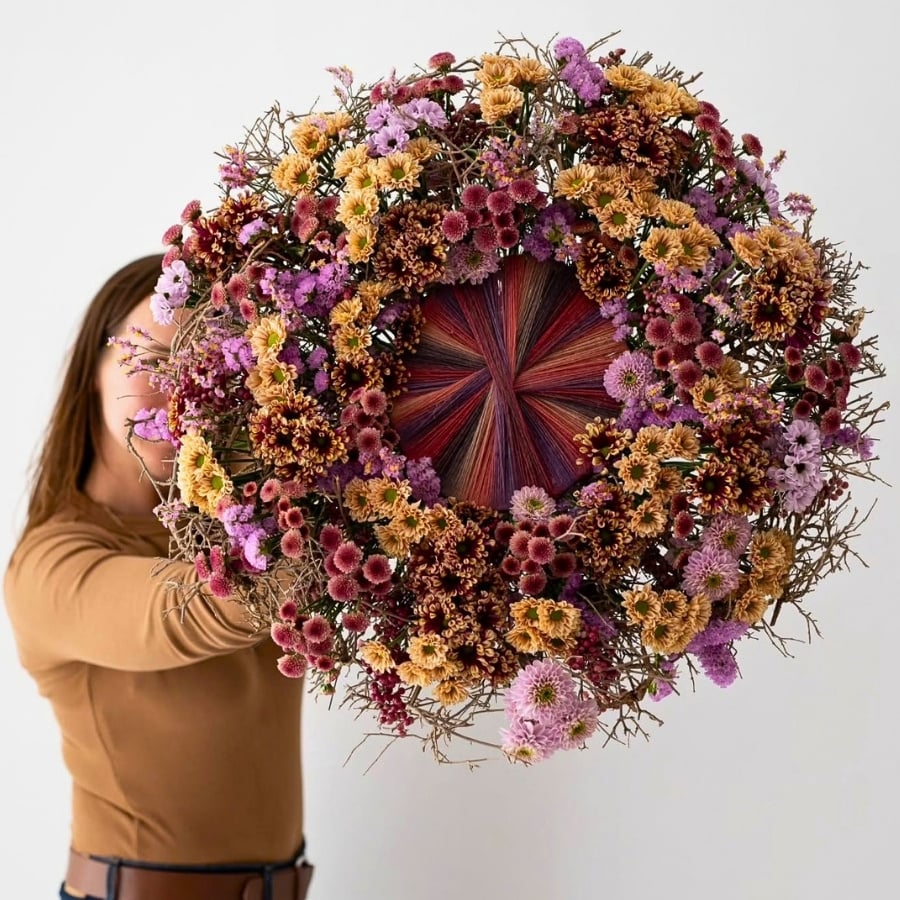
Their exceptional vase longevity makes them one of the most reliable choices for autumn entertaining. Of note, however, whichever way you look at them, Chrysanthemums always seem to announce that the fall season is here.
Featured image: @madiba.flowerpower. Header image: @imaginemoreflowers.