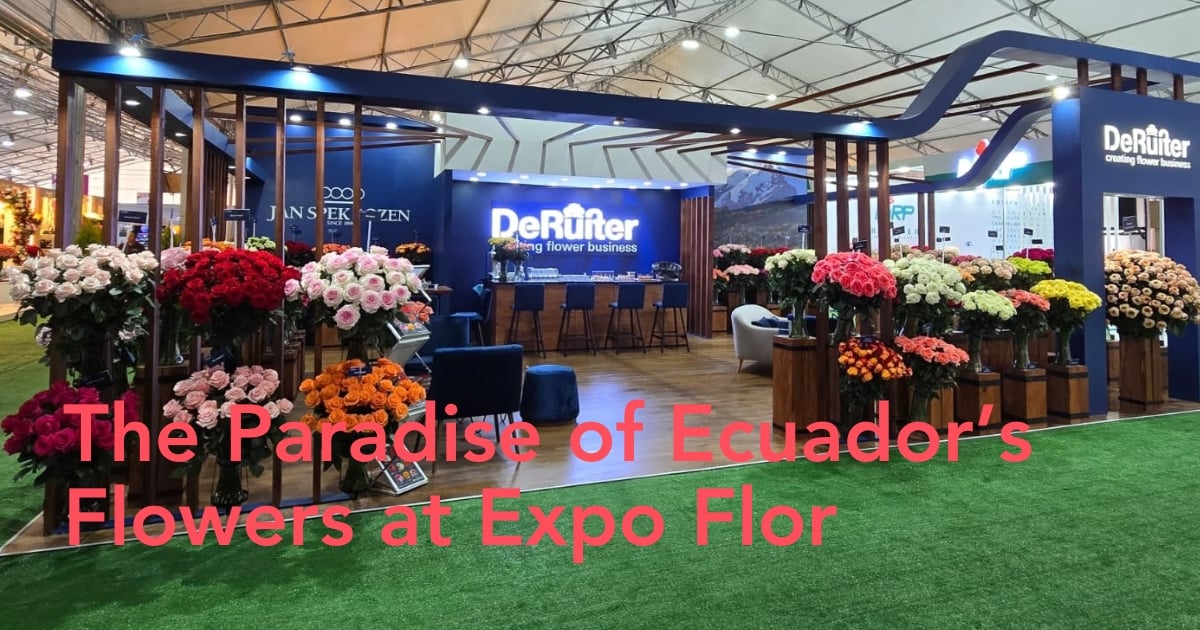
Expo Flor 2026 will bring De Ruiter Ecuador together with growers, florists, wholesalers, and other professionals from across the flower industry. For the team, the fair is a chance to present its work, meet with long-standing customers, and listen closely to what is happening across the market. That exchange is important because the development of a rose does not end when a new variety is introduced. At this biennial event, visitors can get closer to the varieties behind the numbers, discover what is driving the breeder's latest selections, and speak directly with the team about what growers and the market are looking for next. Make sure to visit them at booth D-09 in Quito's Metropolitan Convention Center from October 6–8, 2026.
Meet the Varieties Behind a Growing Market at Expo Flor 2026
Ecuador's flower industry has expanded considerably over the past six years, with the country's export volume nearly doubling as worldwide demand has grown across events, supermarkets, wholesalers, and other channels. Within this growth, De Ruiter's market participation has also increased. The company attributes part of that progress to varieties that respond to several demands at once: high productivity for growers, good performance during maritime transport, and characteristics that make the flowers attractive to buyers.
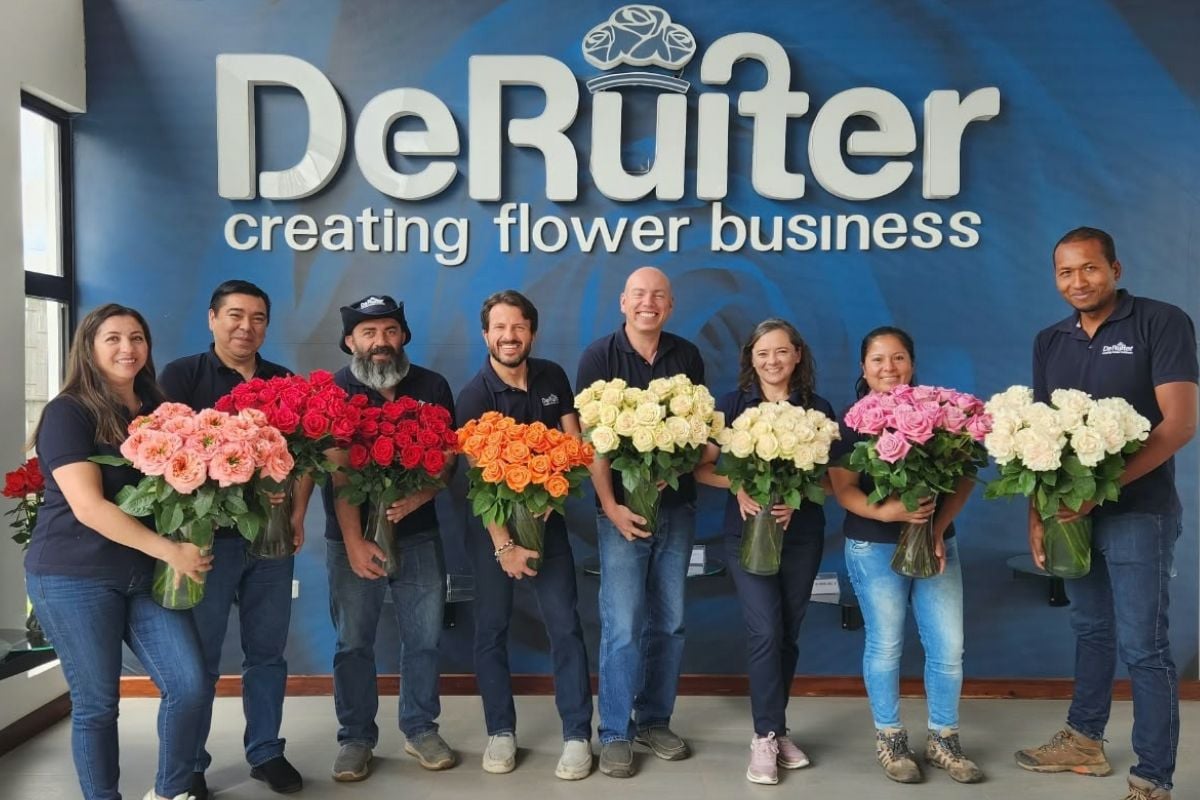
Those qualities will be part of the main stage at Expo Flor. For the team, the fair is an opportunity to show what is already performing in the market while staying close to the people who will determine what succeeds next.
An Event That Gives the Breeder a Direct View of the Market
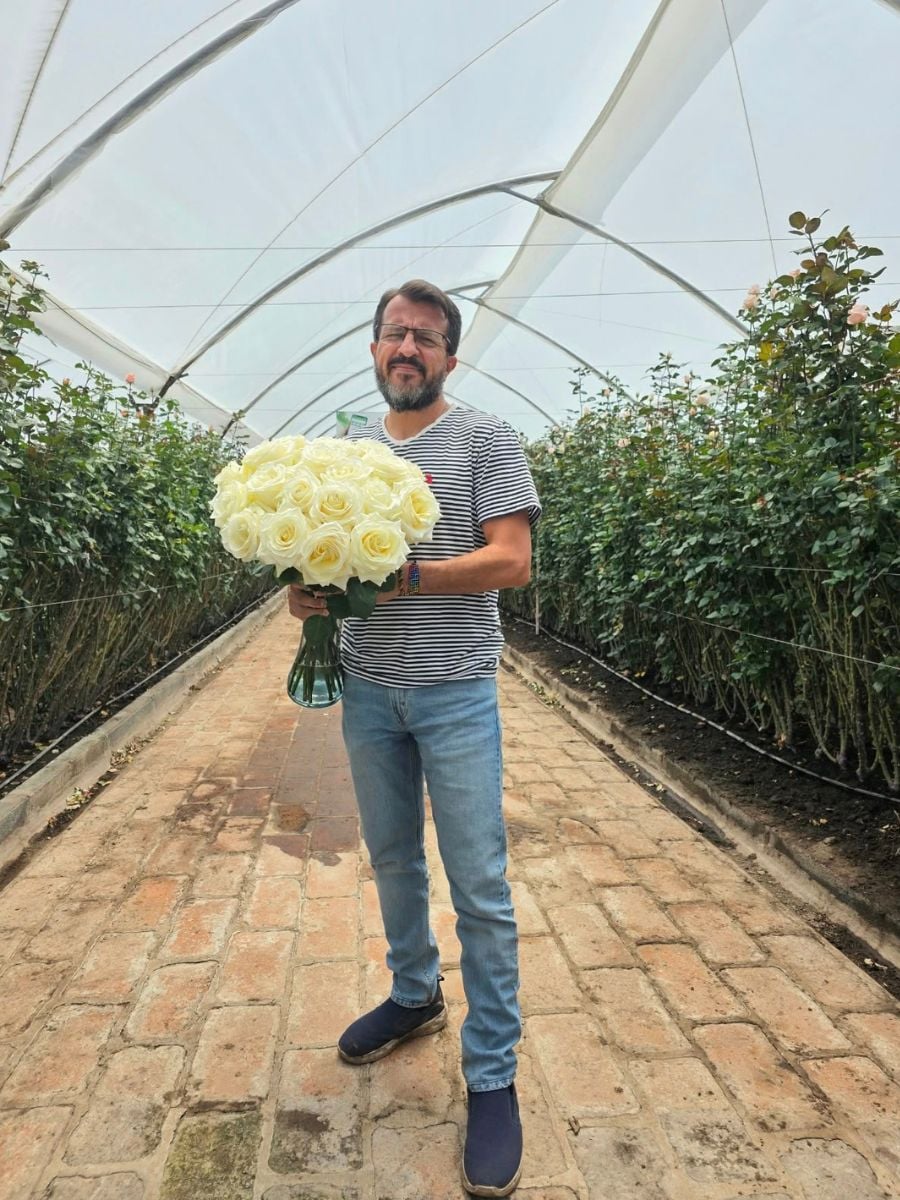
A flower fair can tell a breeder a lot before a new variety has even reached full commercial potential. At this event, the experts from the Ecuadorian De Ruiter team will speak directly with growers, florists, wholesalers, and other important figures across the flower chain. Their reactions and feedback provide information about changing tastes, emerging trends, and opportunities in different markets.
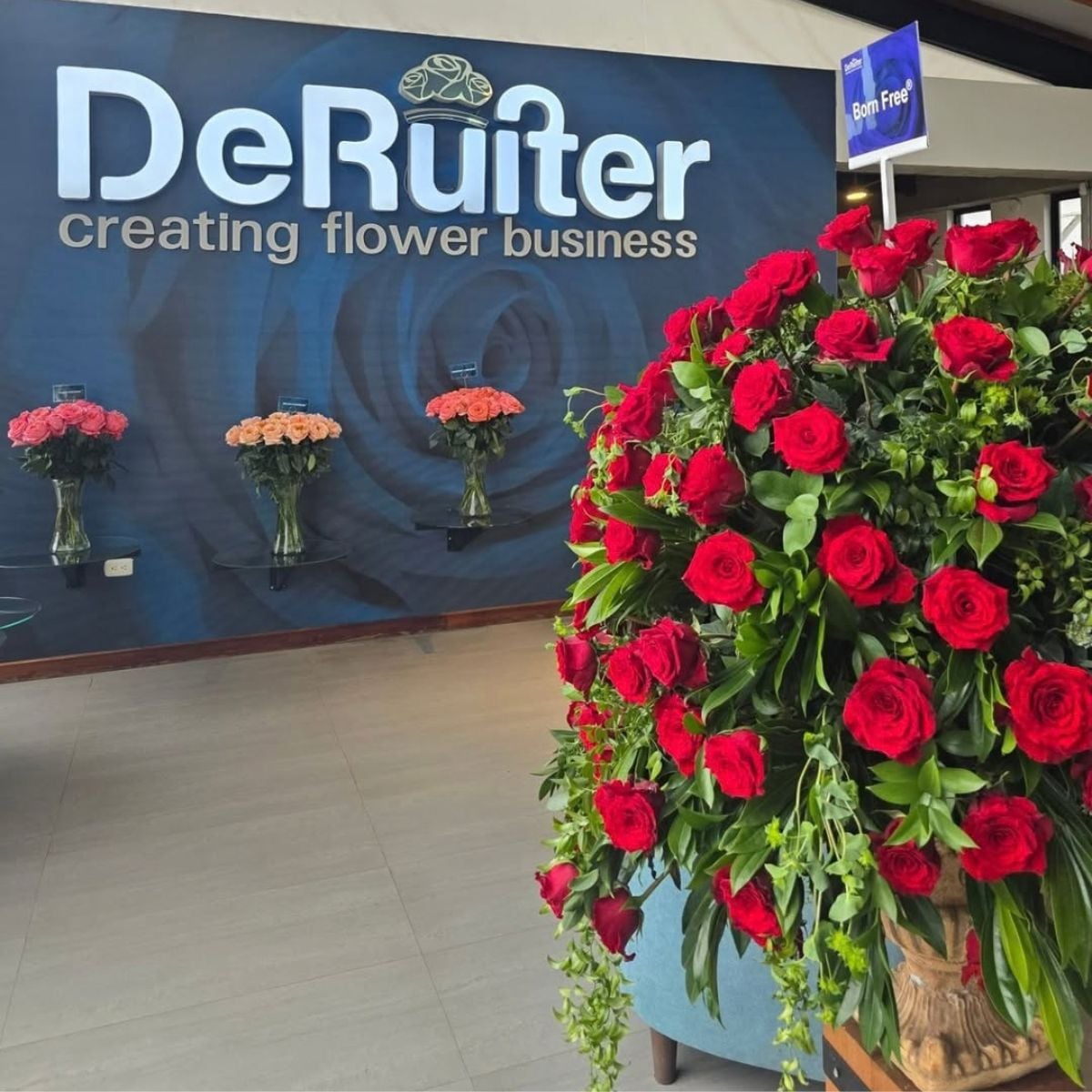
The team shares:
“We must be attentive to how the market evolves, both in tastes and trends and in the opportunities that arise in new markets."
That information goes back into the selection process. Feedback from growers is particularly valuable because it comes from real production environments and can be supported by their own data and commercial results. For a breeder, this creates a direct connection between what is happening at the fair and what may eventually happen in the breeding program.
What Growers Can Expect Beyond the Booth
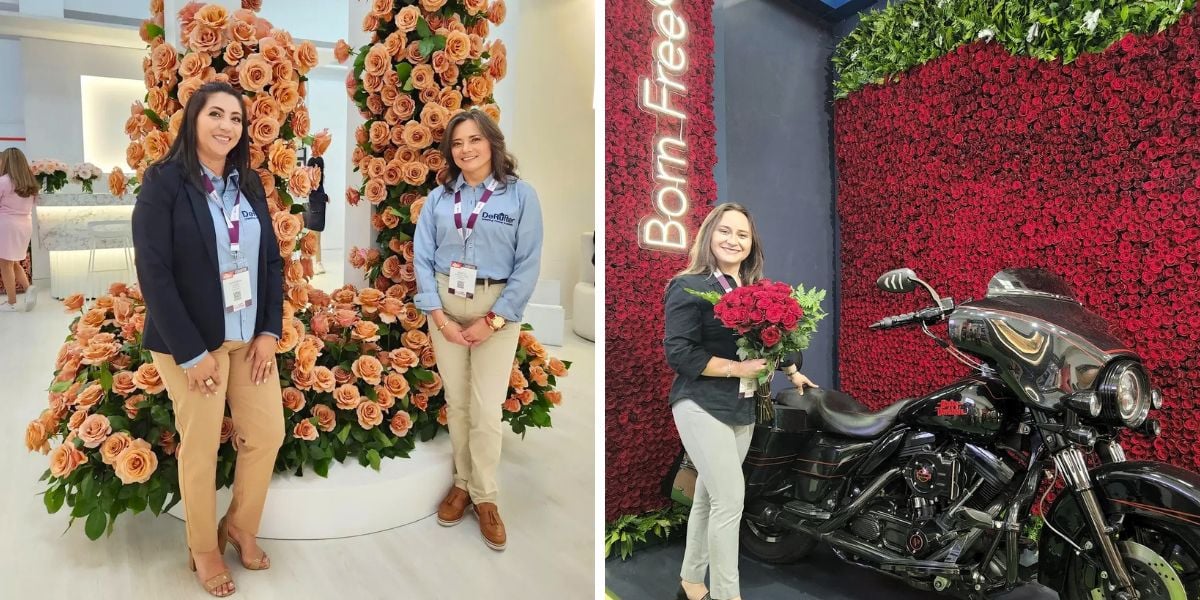
The relationship with a grower does not end with the sale of a variety. The Ecuadorian team maintains close contact with producers and makes periodic visits to support plant management and postharvest processes. This local presence allows the team to understand the conditions of individual farms and help address technical issues that can affect yield, quality, or vase life.
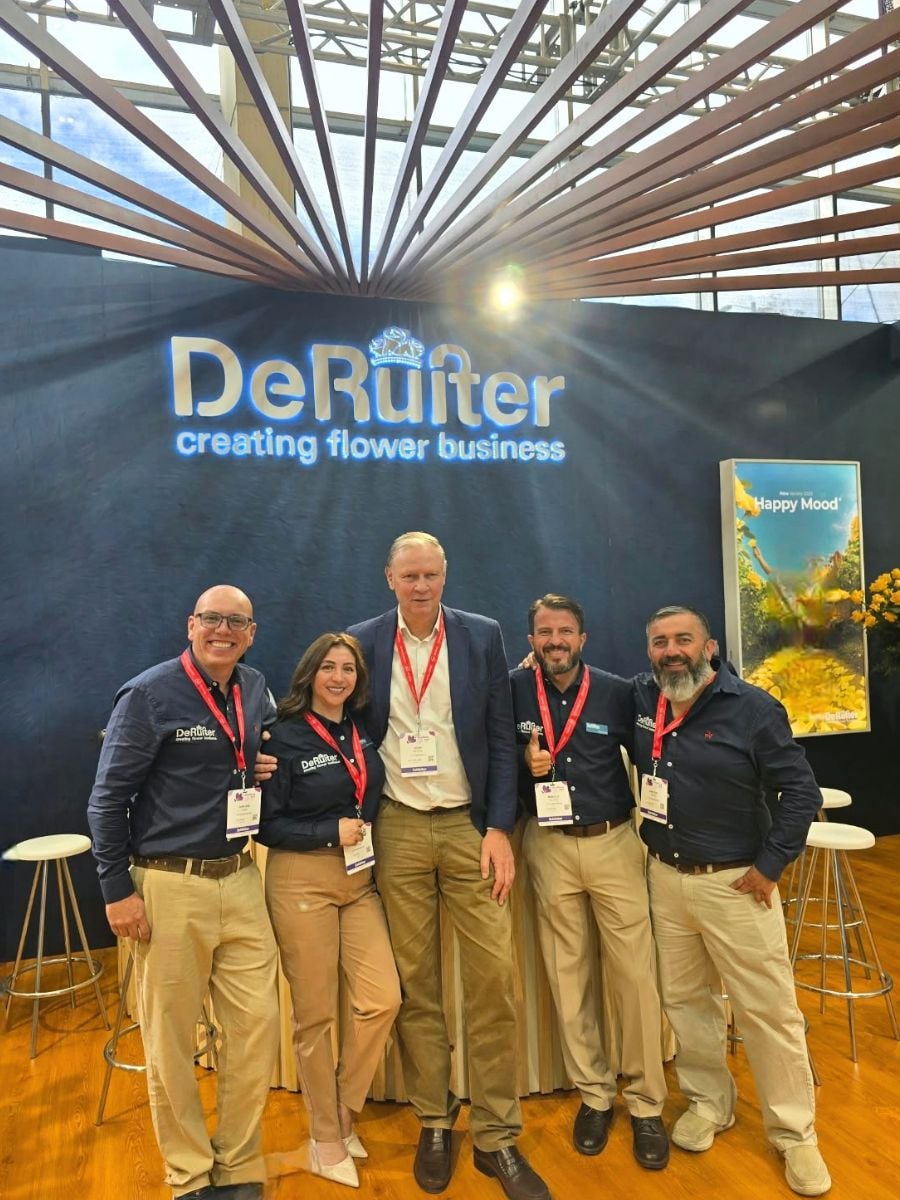
That proximity is also part of how the company approaches the risk involved in planting a new code. Its selection system has been developed over years of evaluation, with almost 10 people involved in the process and more than 50 varieties or codes commercialized each year. The company places particular importance on providing accurate production information to growers, who are ultimately the ones committing years of investment when they decide to plant a new variety.
The Customer Feedback Behind New Varieties
For De Ruiter, meeting customers at these types of international events is one part of a relationship that develops over many years. Long-standing growers bring something the breeding team cannot get from trials alone: knowledge of their own markets, production experience, and commercial results. International fairs can offer an early indication of how a new variety may be received, while continued feedback from producers helps the team decide whether to keep developing it, adjust its direction, or stop the process when the commercial potential is not there.
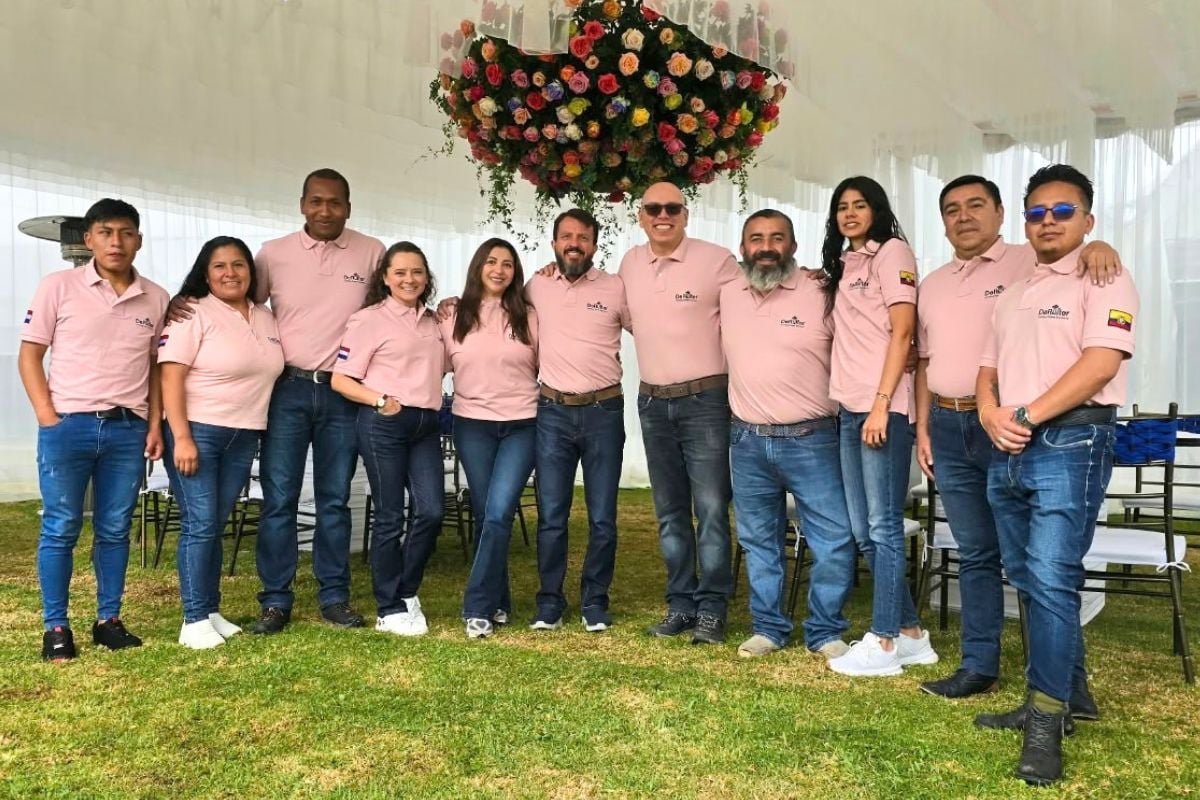
That distinction is important because a variety that performs well technically does not always have the same potential in the market. Growers can provide concrete production data, while florists, wholesalers, and other industry professionals can offer insight into what buyers are responding to. For the breeding team, these perspectives help connect technical performance with actual commercial demand.
Technology can help analyze production and market information, but years of working with customers also build a level of experience that cannot be reduced to data. That is why seeing customers face to face, at Expo Flor and throughout the year, remains a practical part of the breeding process.
For visitors, that is one reason to stop by De Ruiter at booth D-09 from October 6–8. They can see the varieties firsthand, meet the Ecuadorian team, and hear directly from the breeder about what growers are asking for and how those needs are influencing the roses being selected for the future.
Ecuador is waiting for you!
All photos, including the header and featured image, by De Ruiter.