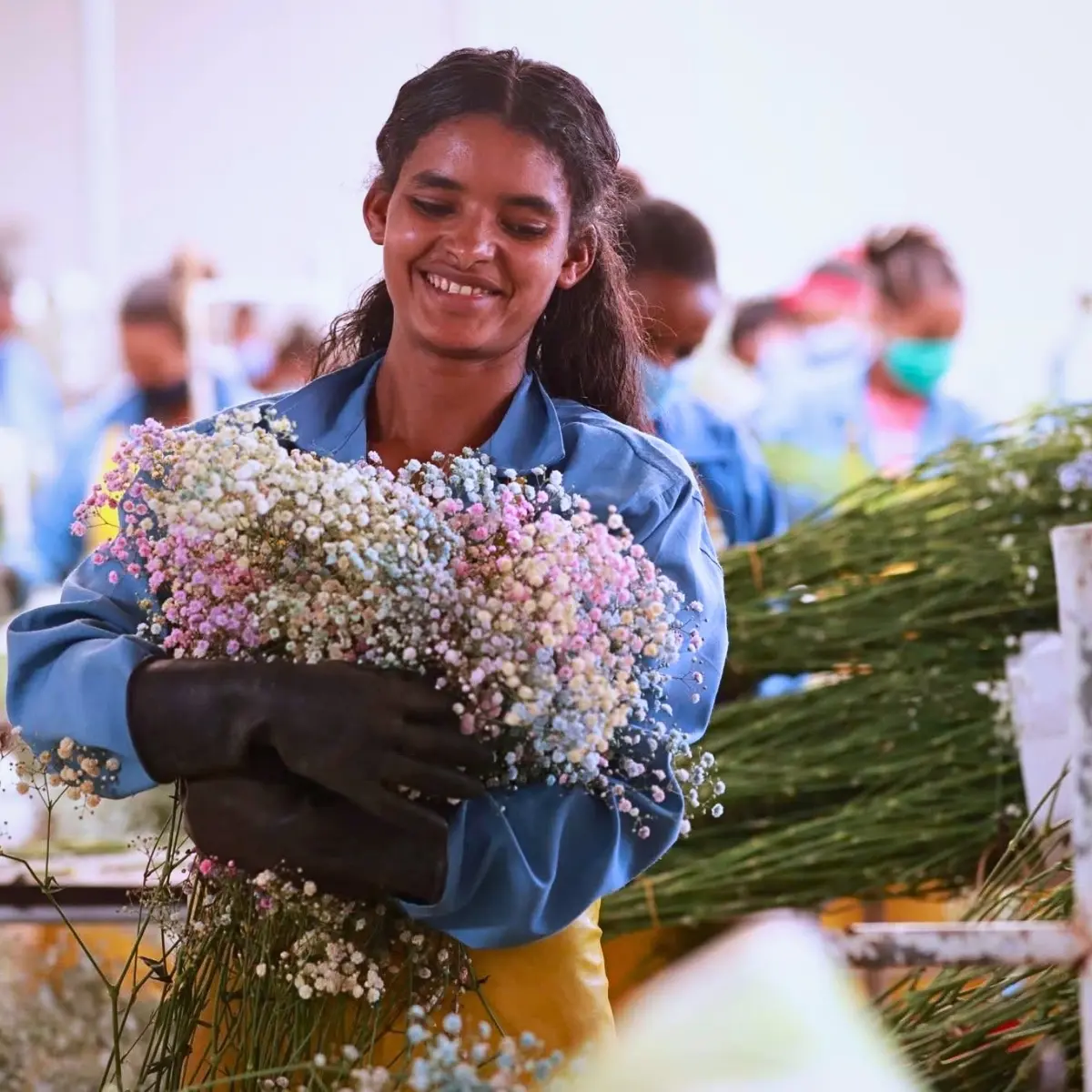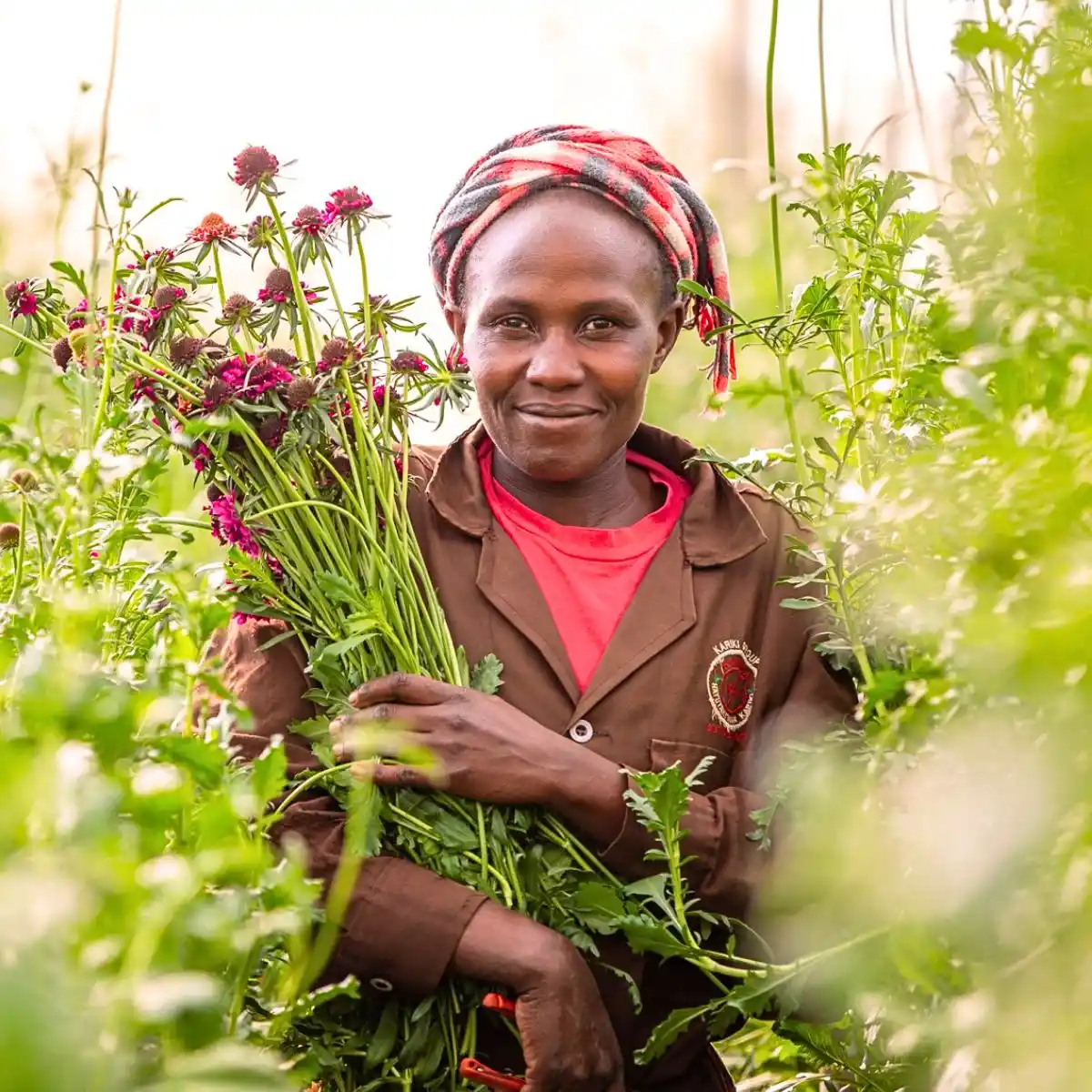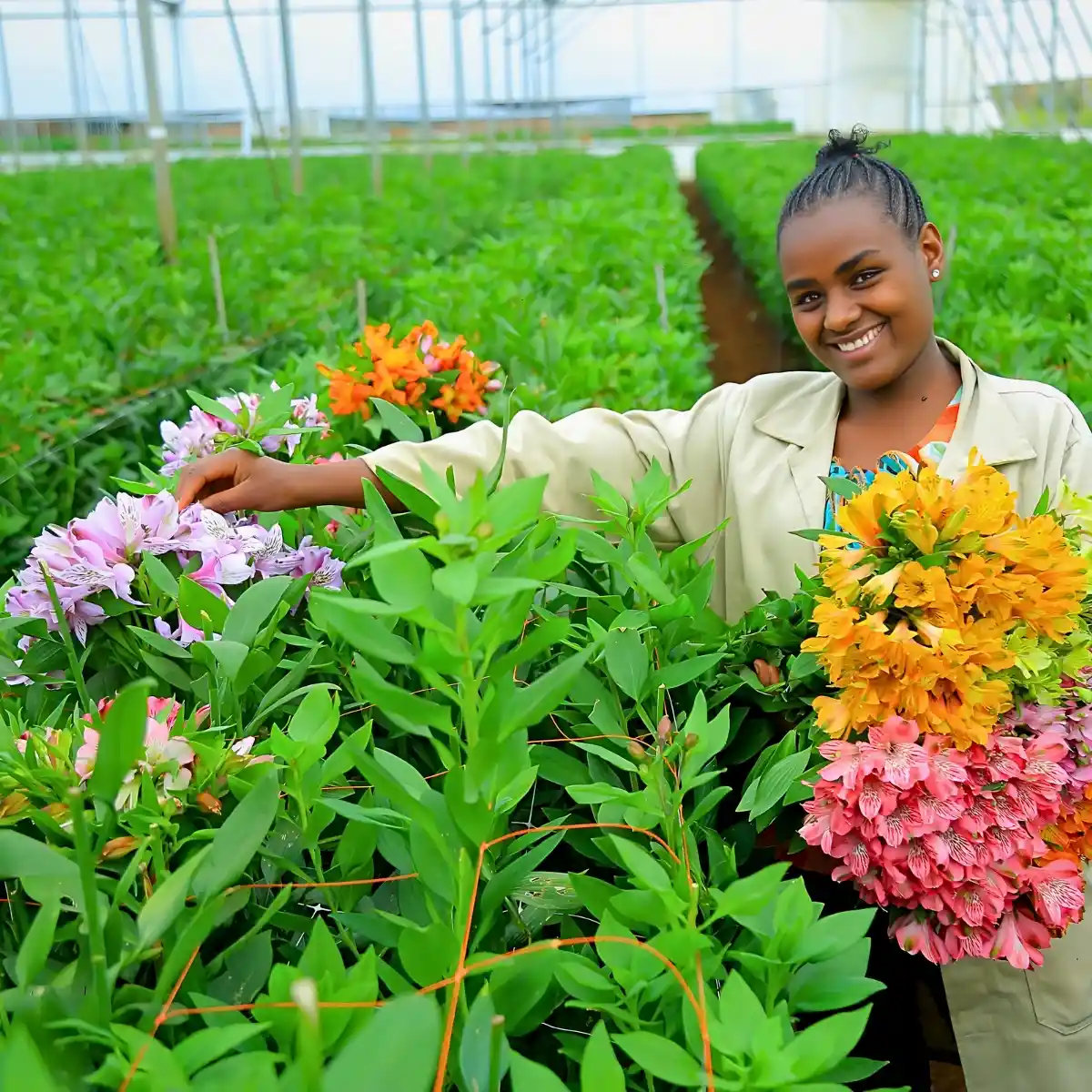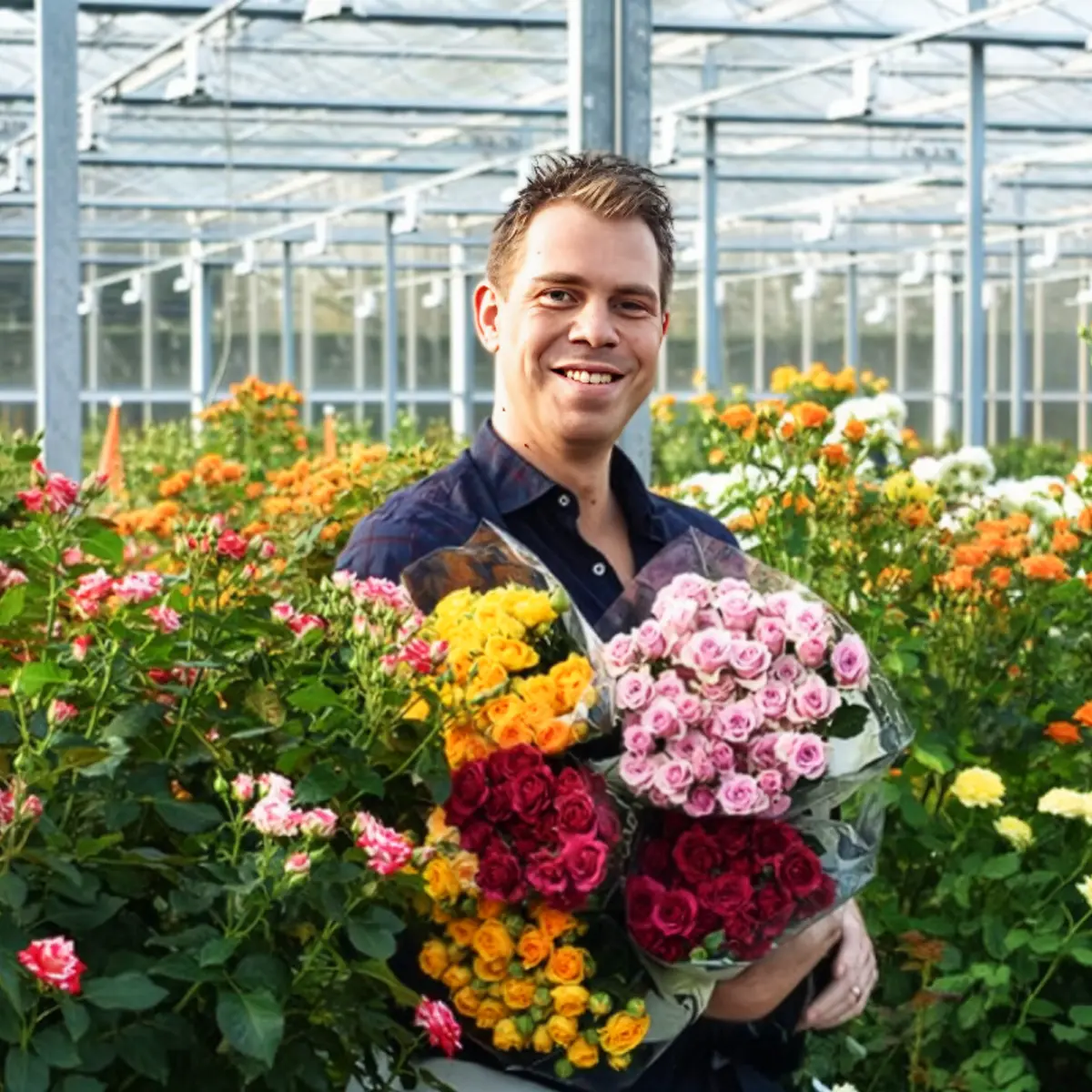
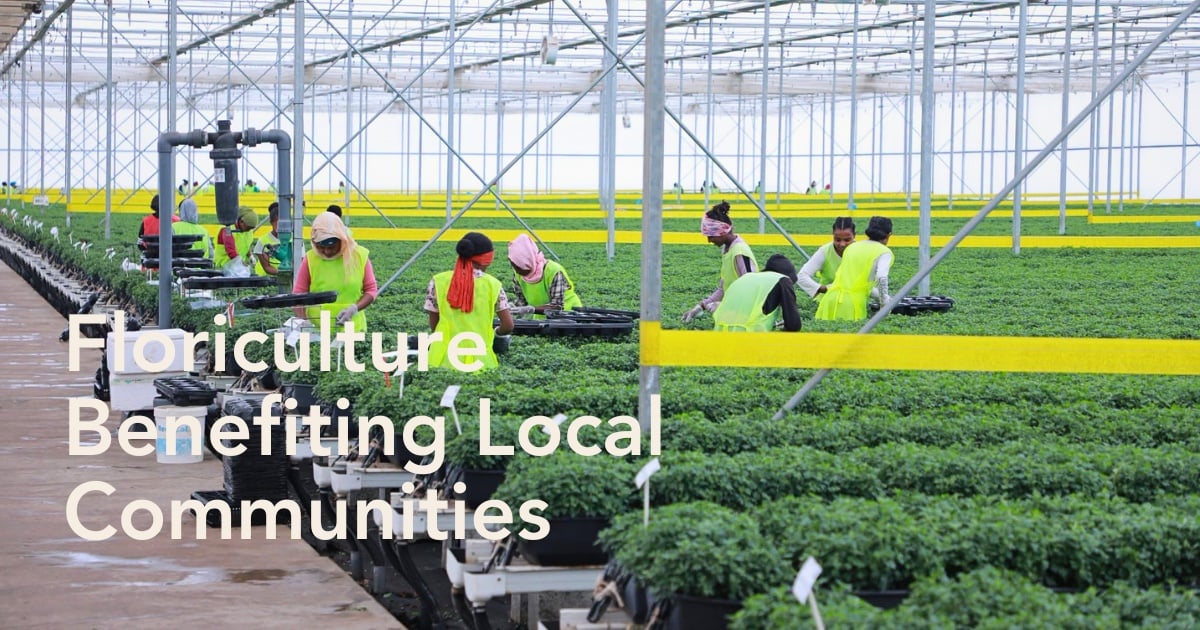
Ethiopia’s floriculture success story is often told from an angle of high-altitude flower farms, year-round equatorial sunshine, and high-quality flowers produced in regions with rich volcanic soils (ideal for different flowers) in clusters around Addis Ababa, Ziway (Batu), Debre Zeit (Bishoftu), Hawassa, Holeta, and Sebeta, among others. By all means, all these are factual. They, however, do not paint the whole picture of the industry.
While much attention has focused on export volumes and international market access, the impact on surrounding communities tells a more complete story. Coordinated community development initiatives, spearheaded by the Ethiopian Horticulture Producer Exporters Association (EHPEA) partnering with its member farms, have yielded projects benefiting the communities around the flower clusters.
EHPEA’s Community Development Framework
EHPEA represents members engaged in producing and exporting cut flowers, fruits, vegetables, herbs, cuttings, and seeds. The association approaches community development through numerous channels. Through advocacy, training, and capacity building, it contributes to the growth of the flower sector. But more than that, it also ensures member farms embrace practices that do good for communities around; promoting corporate social responsibility programs.
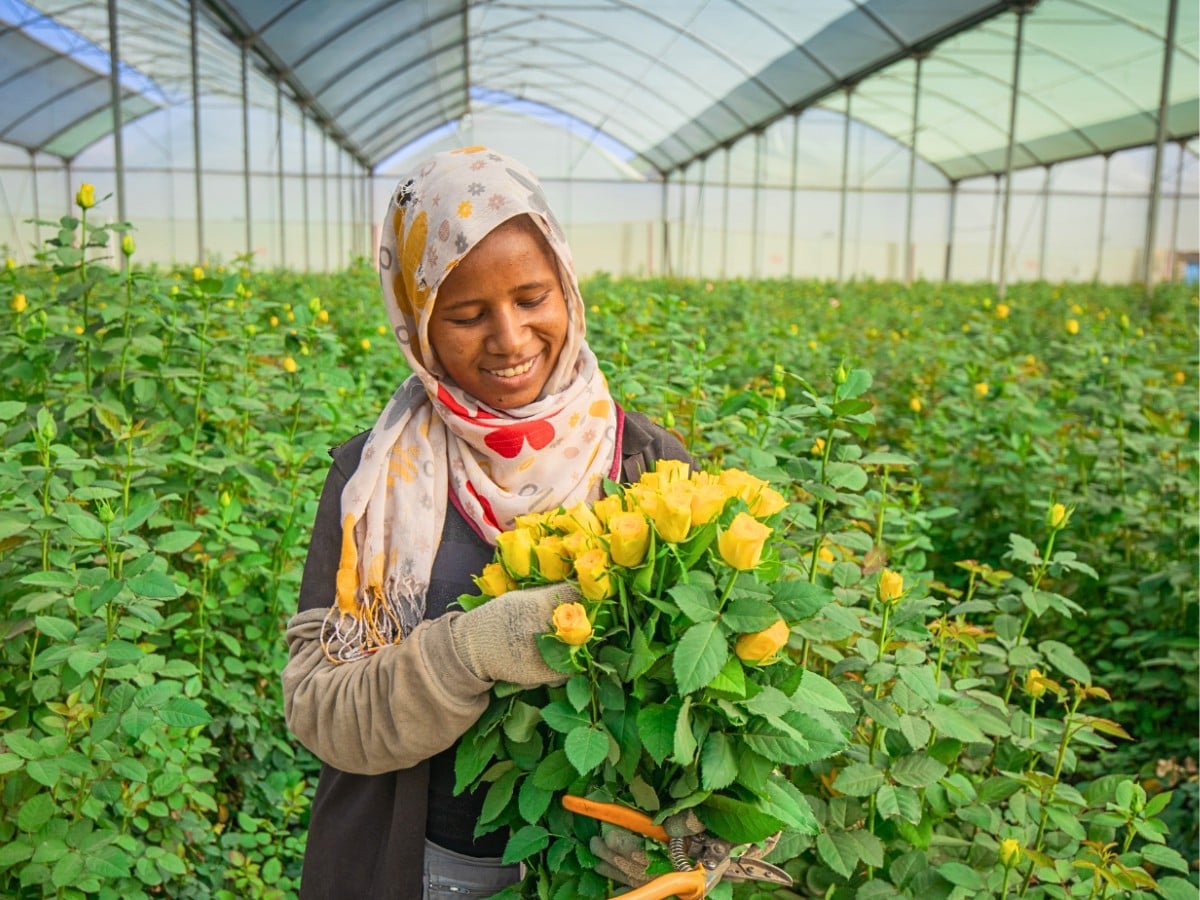
EHPEA's Code of Practice is the basis for many community-focused initiatives. The multi-tiered certification framework addresses social standards alongside environmental and good agricultural requirements. Member farms that achieve higher certification levels show commitment to worker welfare and community engagement. They create incentives for sustained investment in social infrastructure.
These member farms have, as a result, built schools, healthcare facilities, and infrastructure that serve both workers and neighboring residents, and sparked a whole lot of development projects around the flower clusters. Such projects point to a development model where commercial agriculture and social investment converge to address rural poverty while building human capital. There are numerous examples of these initiatives.
Growing the Economies of Flower Clusters
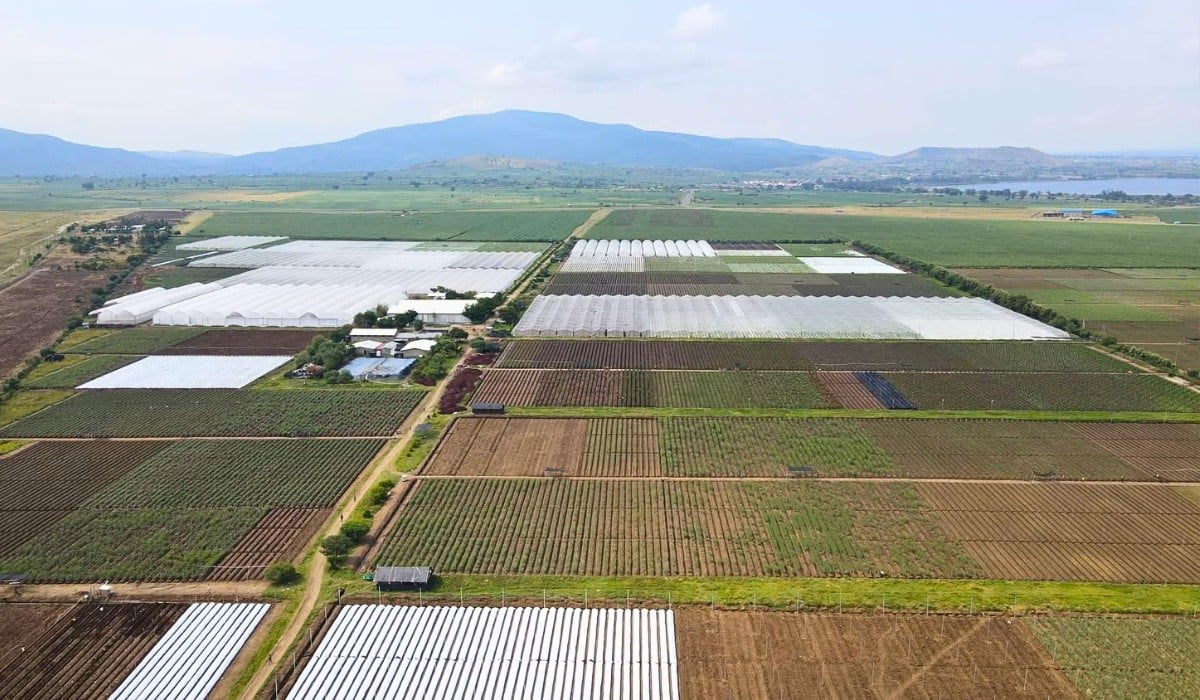
Few examples make this case better than Batu, still widely known by its former name, Ziway. Before the floriculture sector arrived in the early 2000s, the town was mainly a transit rest stop along the route connecting Addis Ababa to southern Ethiopia and on to Kenya. Today, Batu has grown.
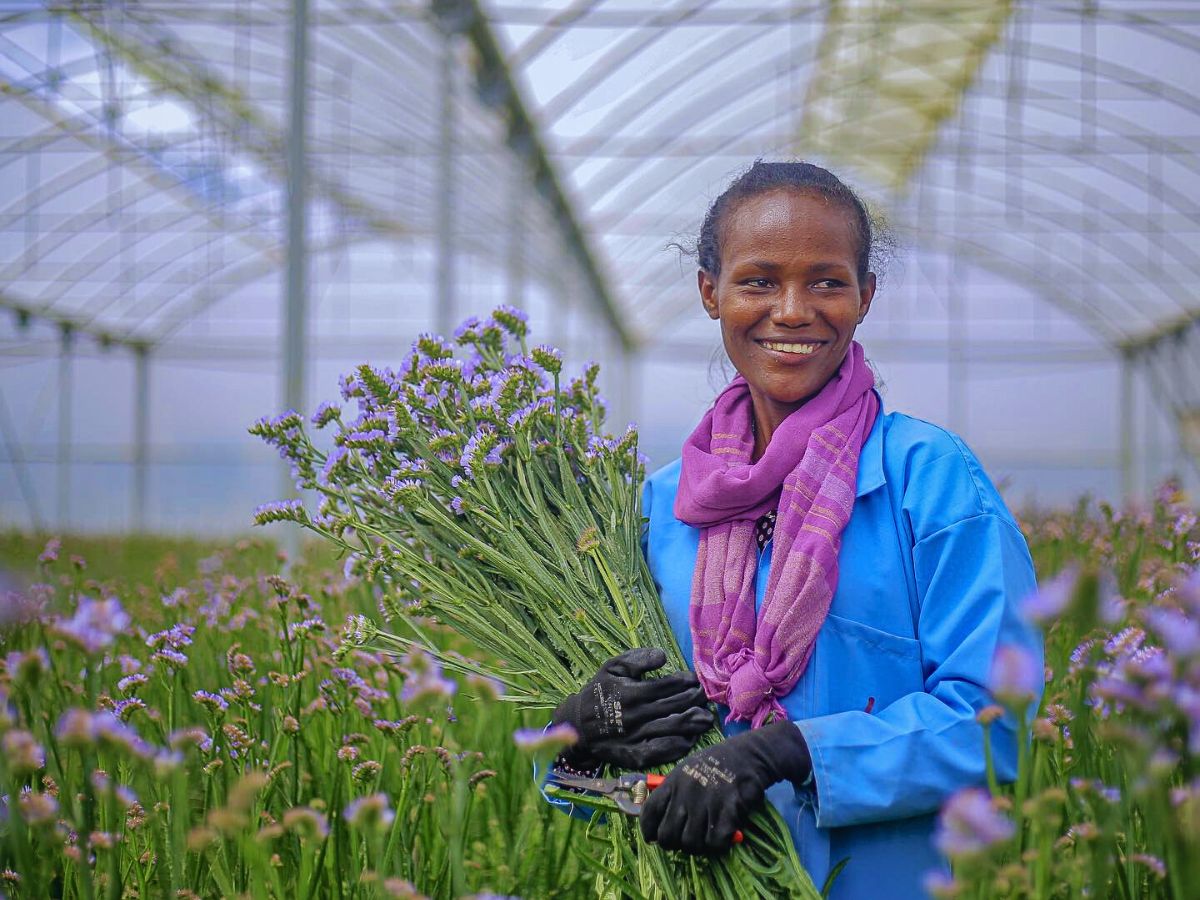
It has modern infrastructure and amenities serving tens of thousands of residents, supported in large part by floriculture operations that employ at least 11,000 people in the area. Far from being just random, this development happened through floriculture export revenue because EHPEA's Code of Practice, the standard that guides member farms on labor, environmental, and social matters, sets expectations around community engagement as one of its pillars.
Flower farms are not just encouraged to consider the towns surrounding their facilities, but compliance with the Code ties community investment to a farm's standing within the association and, by extension, its market integrity.
Educational Infrastructure Around Flower Clusters
Education has also become one of the most visible outcomes of EHPEA’s approach. Member farms across the Ziway, Koka, and Holeta clusters, among others, have funded classroom blocks, furnished libraries, and covered school fees for children of farm workers and neighboring families. In several cases, farms have gone further, constructing entire primary schools from the ground up in areas previously without nearby options, sparing children long walks to the next town.
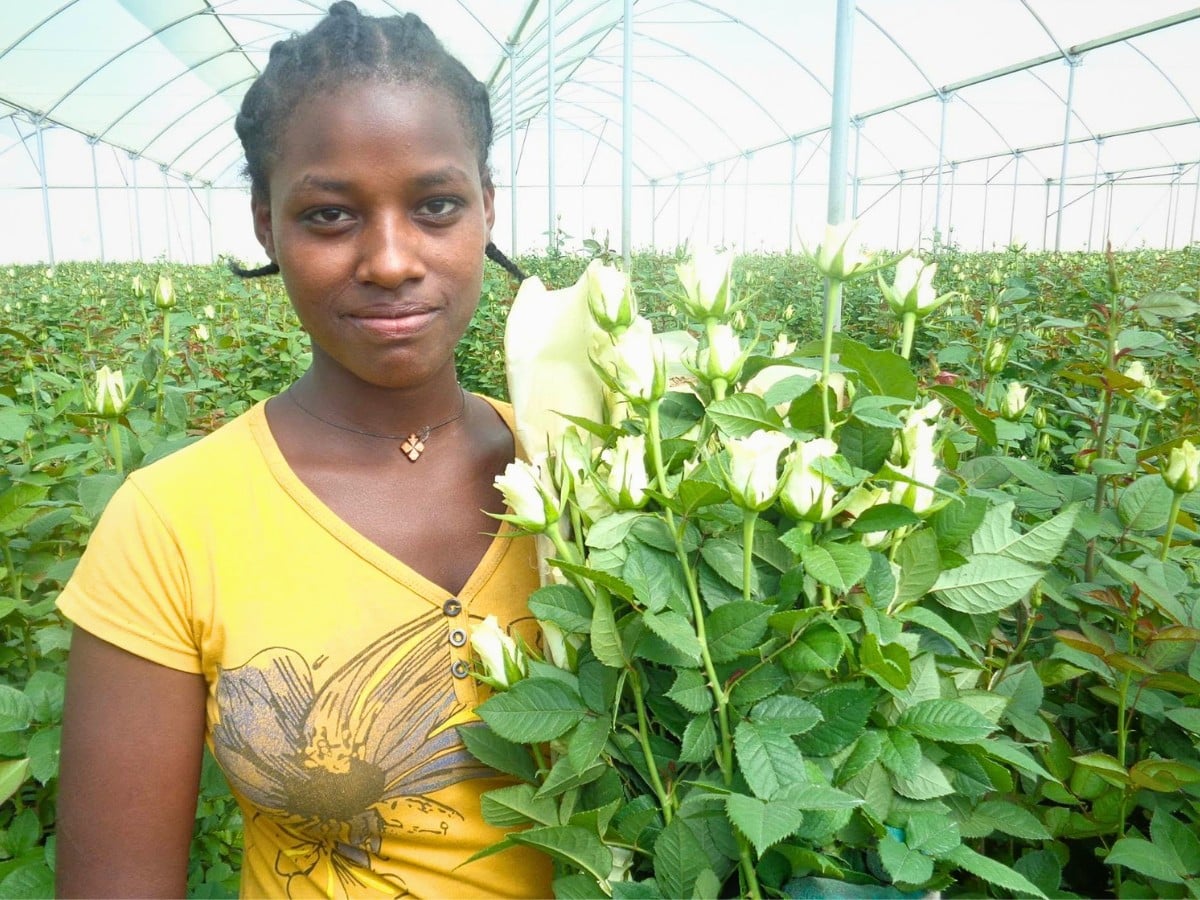
Afriflora Sher, the largest rose farm globally, operates Sher Schools that educate thousands of children across its operational areas, providing them with access to formal education in regions where such opportunities were previously limited.
Herburg Roses, on the other hand, operates a special needs school providing education to children with physical, visual, hearing, or learning disabilities. The facility is an investment in inclusive education, going as far as serving the general community. Nini Daycare, run by the same grower, provides early childhood care and development services.
In Ziway, the presence of floriculture operations has, as noted earlier, changed the local landscape. The area now features modern schools and educational facilities supported by the flower industry. These provide educational opportunities enabling children from farming families to pursue careers outside of subsistence agriculture.
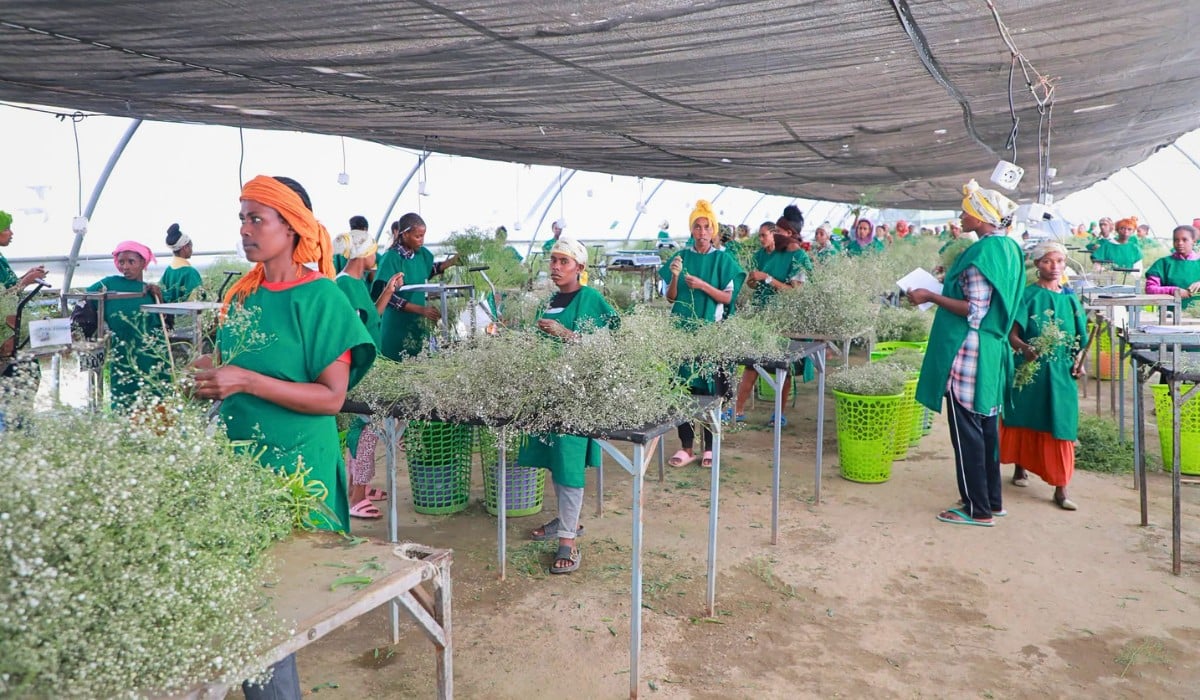
EHPEA’s rationale is based on a business perspective as well as a social one, in that a workforce able to send its children to a nearby school with reasonable hours shows up reliably and stays with an employer longer. As a result, there has been reduced worker truancy and turnover in clusters where farms have invested in local schooling.
Healthcare Facilities and Worker Wellness
Health facilities work almost the same way. Many flower farms have on-site clinics staffed with nurses and, on larger operations, visiting doctors who treat workers for common ailments and refer more serious cases to regional hospitals. Outside the flower facilities, members have funded construction or upgrades of community health posts, supplied basic medical equipment, and supported staffing costs in places where public health infrastructure has struggled to keep pace with population growth.
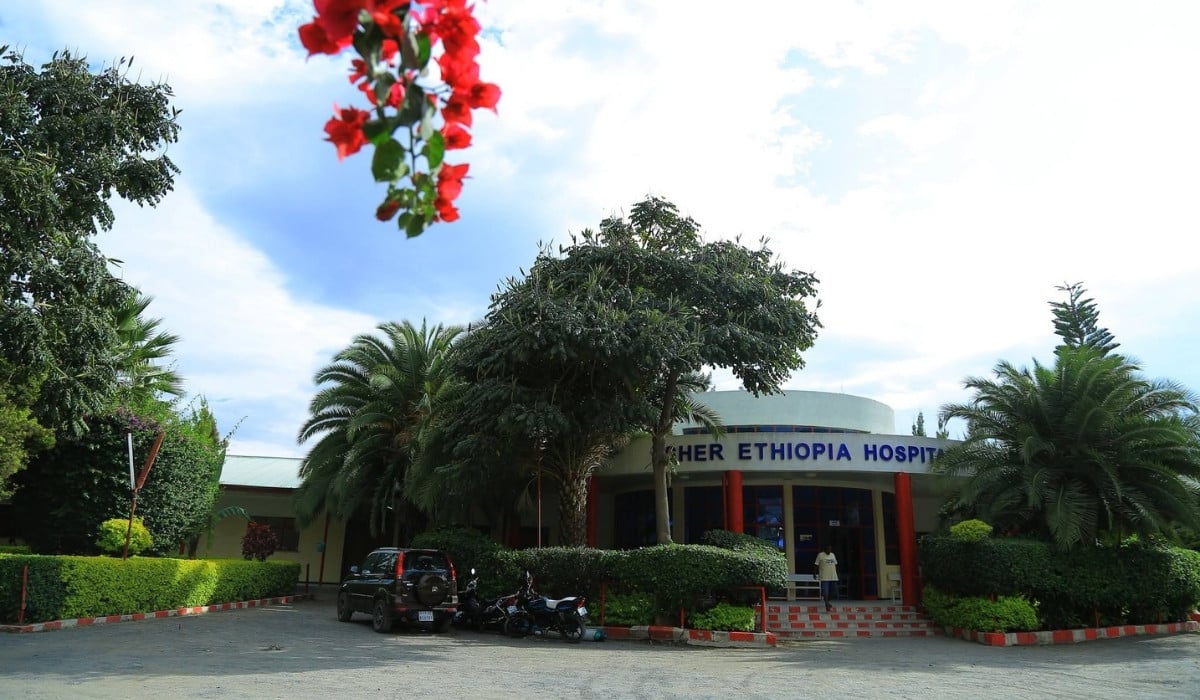
Afriflora Sher operates Sher Hospital, which treats tens of thousands of patients annually, serving employees' families but also residents of the surrounding region. The hospital provides medical care previously unavailable or difficult to access in these rural areas. The Dutch Flower Foundation has documented that thousands of employees and school children receive free care at these facilities. In 2024, Sher Hospital commissioned new laboratory equipment, boosting diagnostic capabilities for the community.
Just as well, EHPEA partnered with the Global Alliance for Improved Nutrition (GAIN) to promote workplace nutrition on horticulture farms, addressing worker health through improved nutrition. This supports productivity and overall well-being. Likewise, member farms have shown leadership in workplace nutrition, improving wages, occupational health and safety, and sexual and reproductive health services.

All these pretty much connect to the Empowering the Source program, run by EHPEA in partnership with organizations like IDH Sustainable Trade Initiative, Business for Social Responsibility, and the Danish Family Planning Association. The program has trained tens of thousands of women and thousands of male workers on subjects ranging from sexual and reproductive health to gender-based violence prevention and workplace grievance handling.
Infrastructure Development and Economic Ecosystems
Schools and health facilities may draw attention because people can point out the facilities. Less visible, but arguably just as important, is the infrastructure keeping flower clusters functioning. These include access roads, water supply lines, and public buildings supporting local governance.
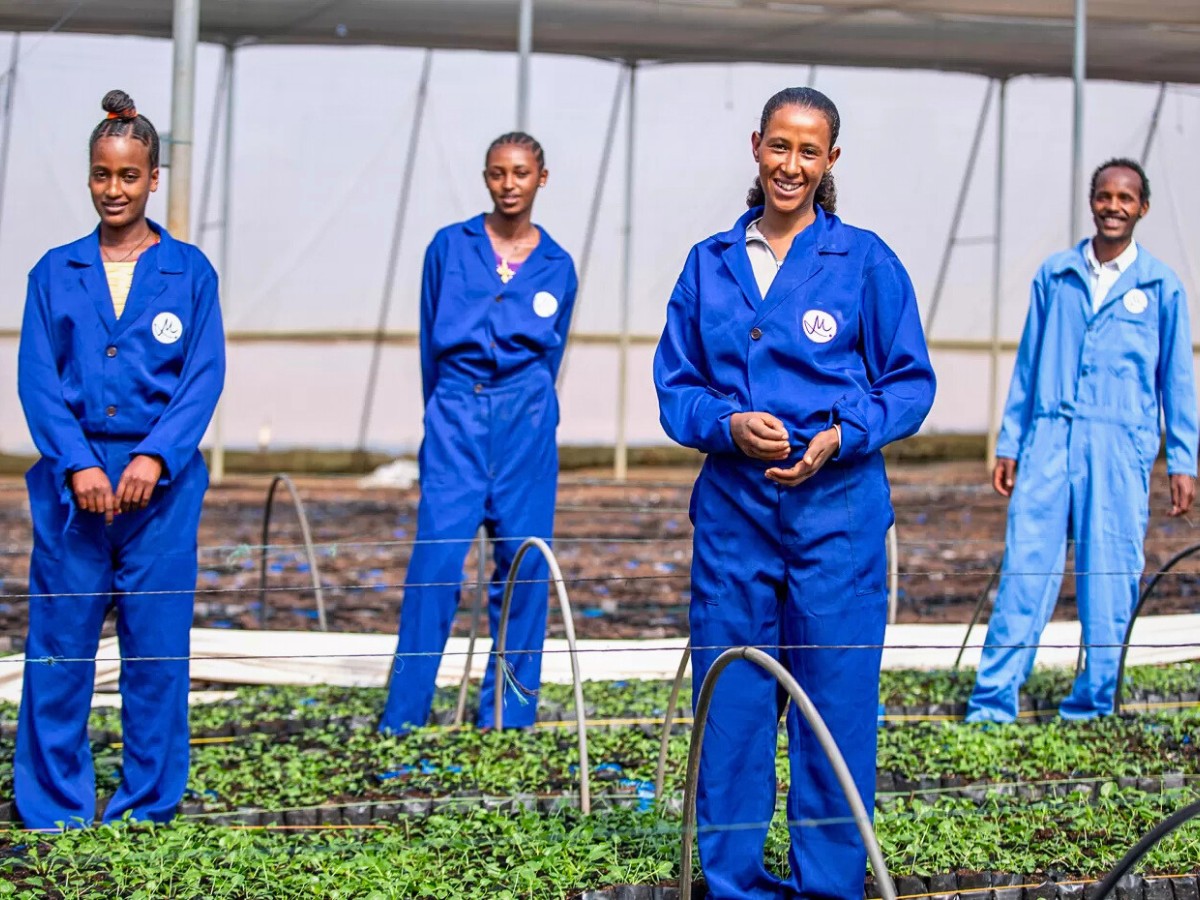
Ziway Roses, for example, funded the construction of the Batu City Administration Customary Court of Appeal, a project inaugurated with regional government officials in attendance. Elsewhere, farms including Afriflora Sher, AQ Roses, Herburg Flowers, and Braam Flowers have supported road improvements and water access projects benefiting residents even outside their workforce.
Dümmen Orange Ethiopia has also contributed to community infrastructure through specific projects including those that support better hygiene and sanitation, while also committing to building a house annually for a vulnerable family within the Koka community. In environmental sustainability matters, the breeder propagates more than 25,000 tree seedlings annually as part of Ethiopia's National Green Legacy Initiative, which boosts reforestation efforts. And to show more involvement in community matters, Dümmen signed an MOU to build the Abba Gadaa Court, acknowledging the Oromo Gadaa system.
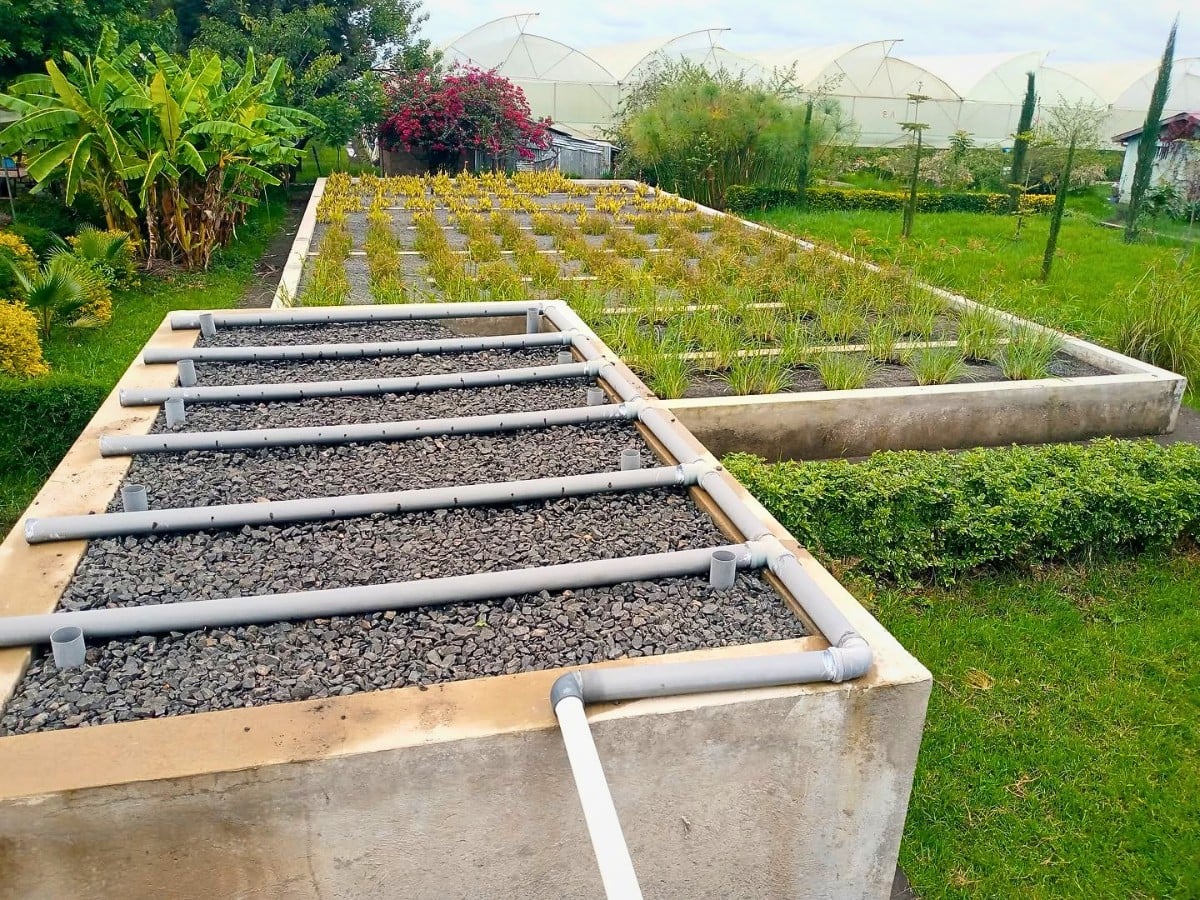
Water also needs to be spoken about, since floriculture is a water-intensive activity and farms draw heavily on the same groundwater and lake resources that surrounding communities depend on for drinking water and irrigation. Flower industry-sponsored community water investment, in this context, addresses a resource tension between the industry and the community. EHPEA's Code of Practice includes environmental provisions on water use and wastewater management and treatment to manage this tension responsibly, while also supporting natural resource conservation.
Economic Empowerment and Skill Development
EHPEA's community development initiatives also include economic empowerment programs, where the association supports tailored agribusiness mentorship and financial literacy training for horticulture producers and cooperatives. These aim to improve market readiness, compliance, and operational performance while developing inclusive, climate-smart, sustainable growth.
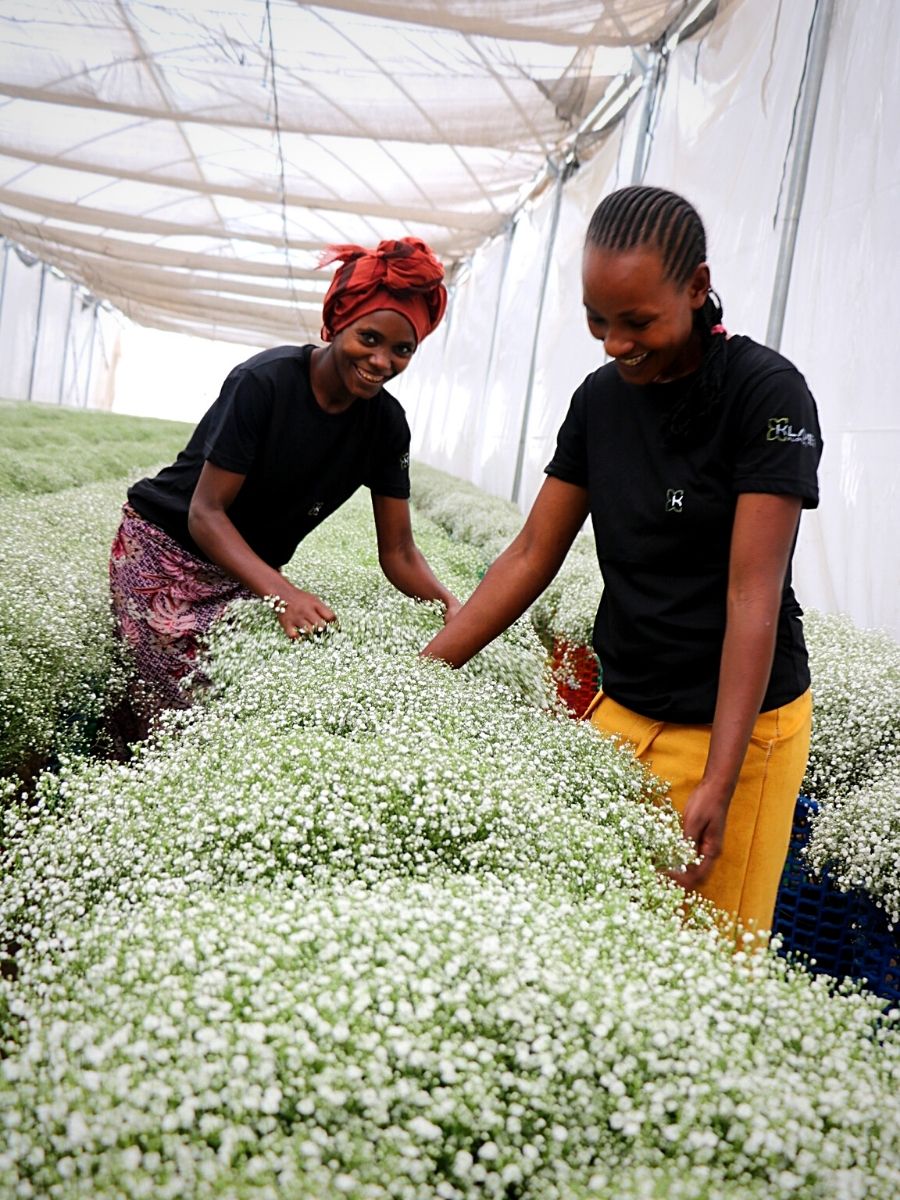
Furthermore, regular salaries from the flower industry enable workers to support their households, cover school fees, rent, and healthcare, while local businesses profit from increased purchasing power in the growing horticultural towns. Plus, EHPEA's capacity-building programs, such as workshops on environmental management, occupational safety and health, and corporate social responsibility, also create employment ladders within the flower value chain, enabling workers to advance in their careers.
A More Complete Picture of What Ethiopian Flowers Give Back to Local Communities
Certainly, these are not exhaustive of what EHPEA promotes for communities around flower clusters. There are more, and they all serve numerous purposes. They address rural community needs, building goodwill and social license for commercial floriculture operations. They also contribute to workforce stability, improve the living conditions of employees and their families, and demonstrate that the industry is a responsible partner in Ethiopia's development.
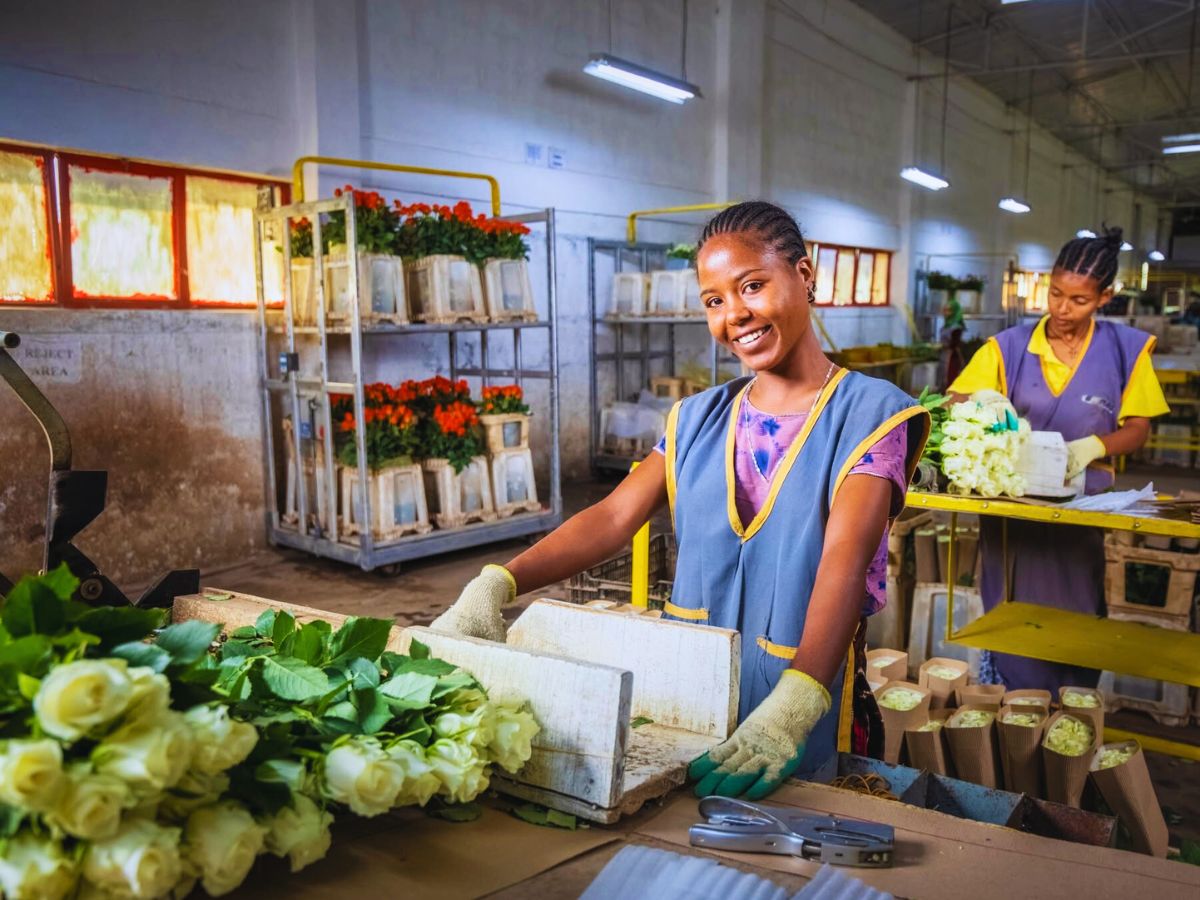
For consumers keen on where their flowers come from, these initiatives offer a solid answer to questions about the supply chain's social footprint, because it is one thing to certify that a farm meets labor standards, but another thing to point to a real functioning school, staffed health facility, or a road built by a flower establishment. Such investments tell a more complete story of what the flower trade gives back to the local communities.