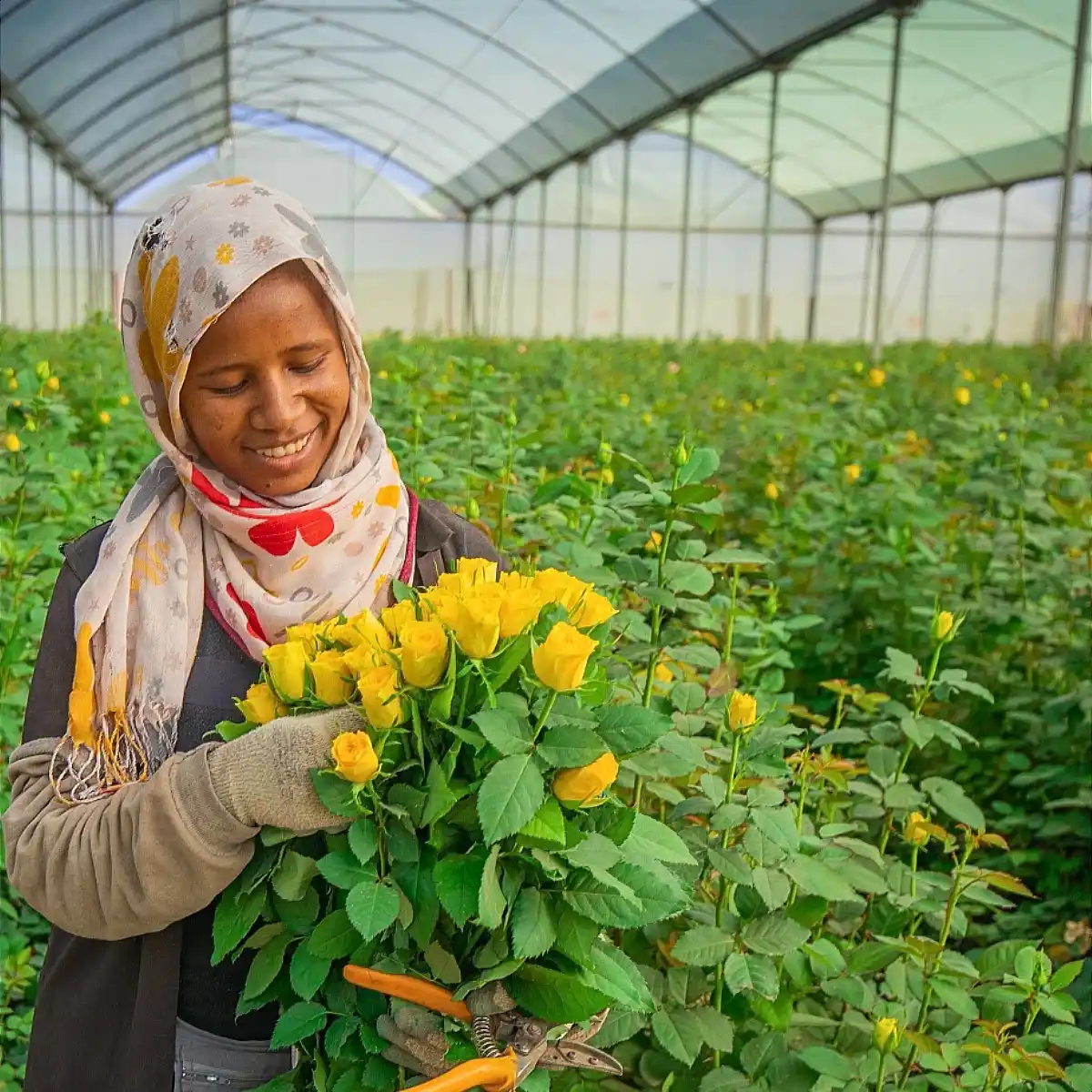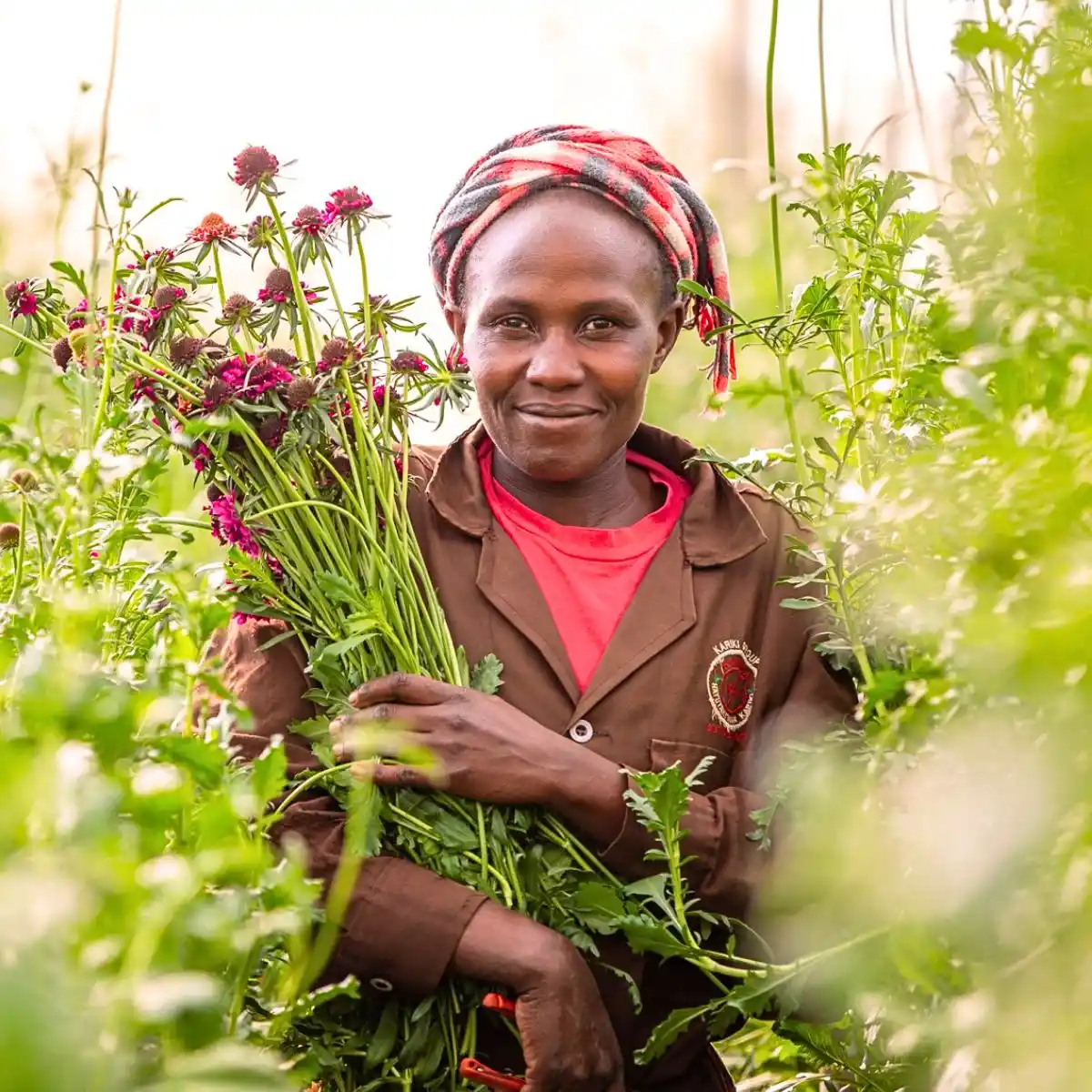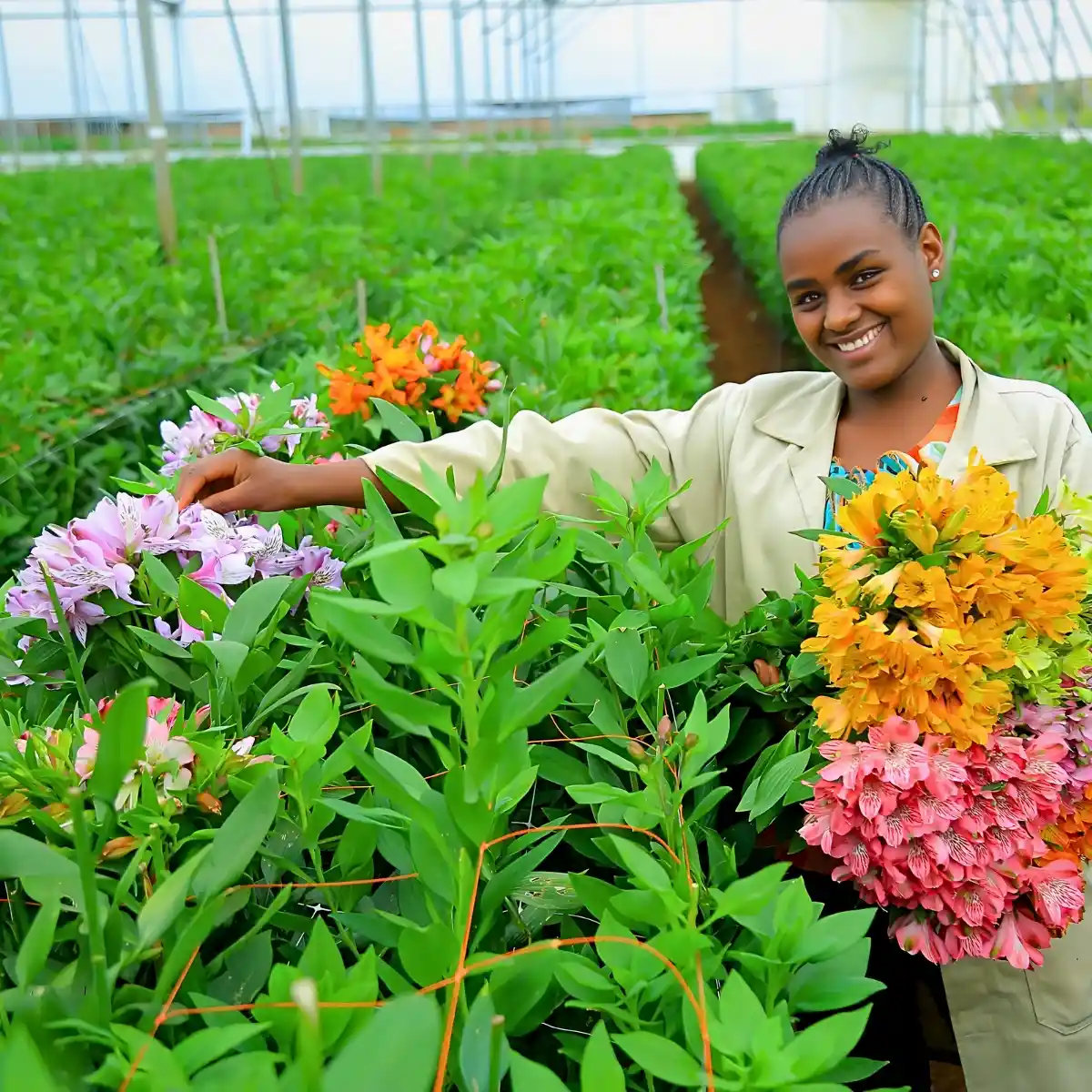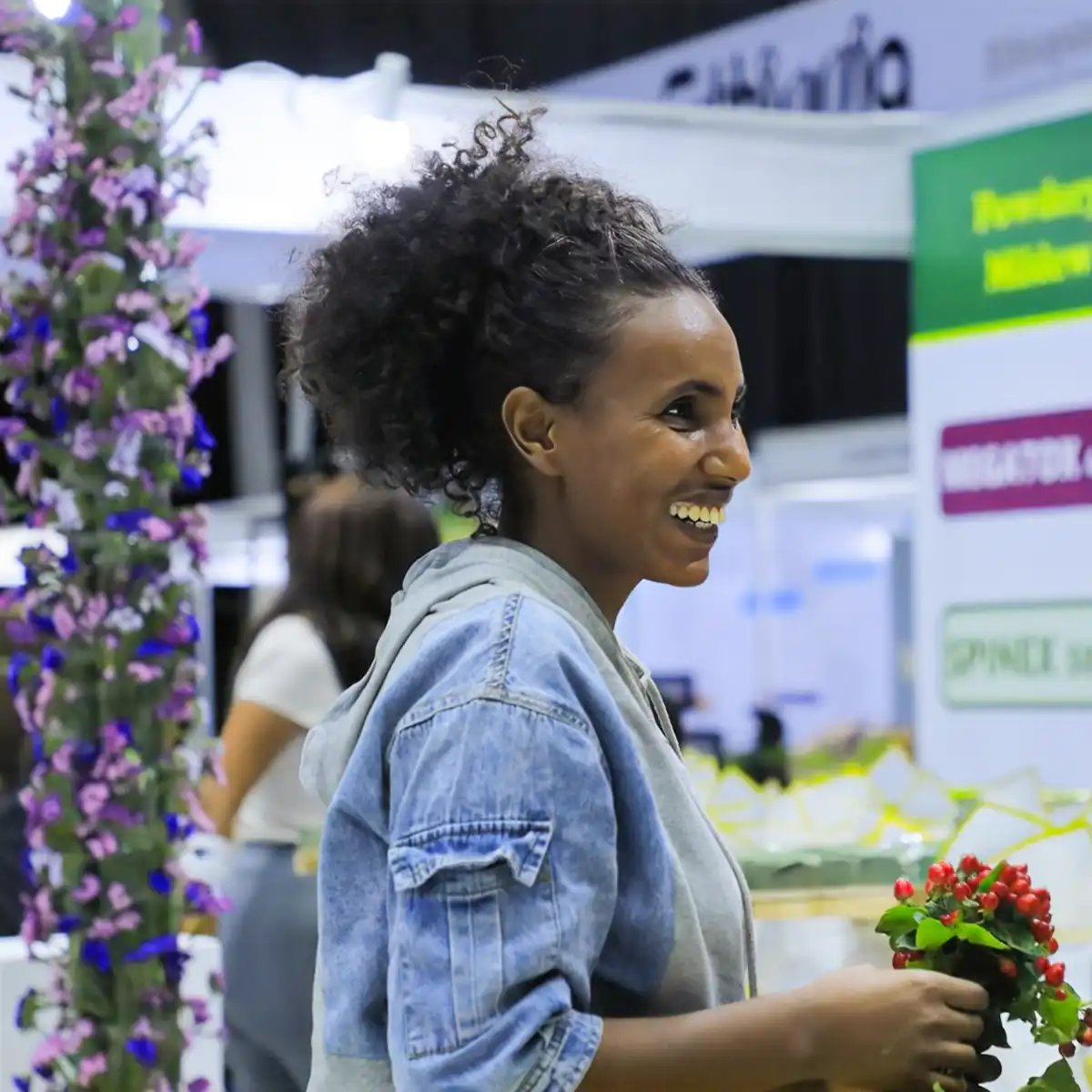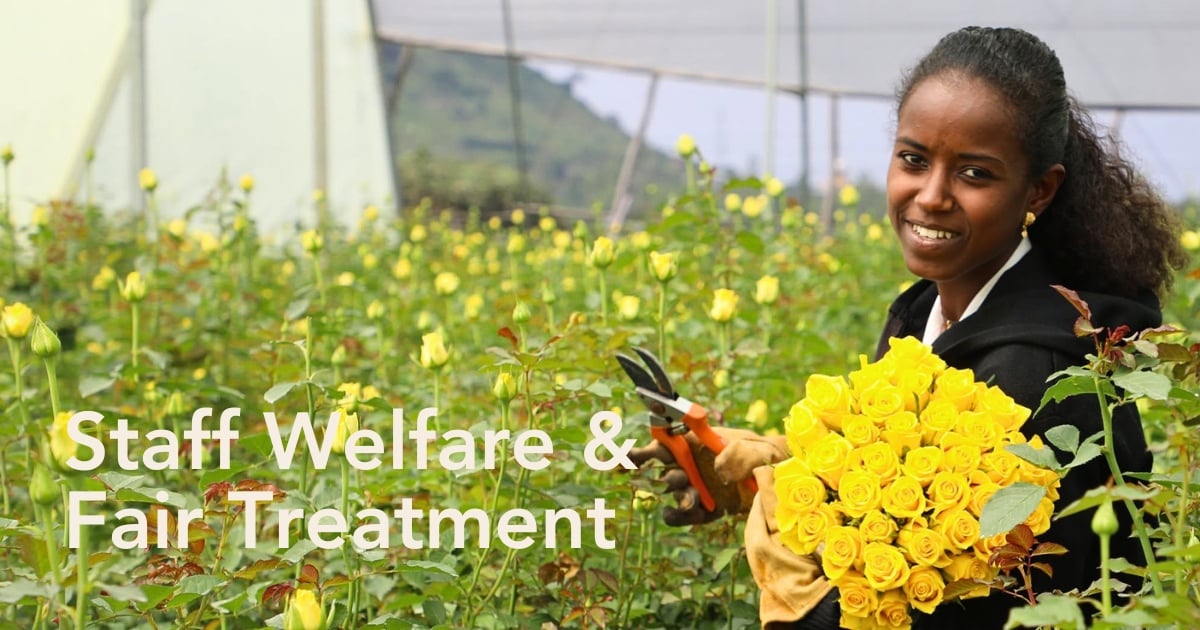
Ethiopia's floriculture industry employs directly and indirectly between 200,000 people, at least 80% of whom are women. The industry, part of the wider horticulture sector, contributes substantially to the country’s GDP through flower exports. But even then, a structured effort, spearheaded by the Ethiopian Horticulture Producer Exporters Association (EHPEA), ensures that flower farm workers, who are the industry's biggest drivers, are protected, treated fairly, and given every opportunity to grow. Perhaps their effort merits a closer look.
EHPEA's Code of Practice Has Workers as the Focus of Its Operation
The basis of EHPEA's approach to worker welfare is codified in its Code of Practice (CoP), a multi-tiered certification framework developed in close collaboration with the Ethiopian Government, the Confederation of Ethiopian Trade Unions, the International Labor Organization, and EHPEA member farms. The Code covers fundamental pillars, including systems and record-keeping, good agricultural practices (GAP), environmental protection, occupational safety and health, and employment practices.
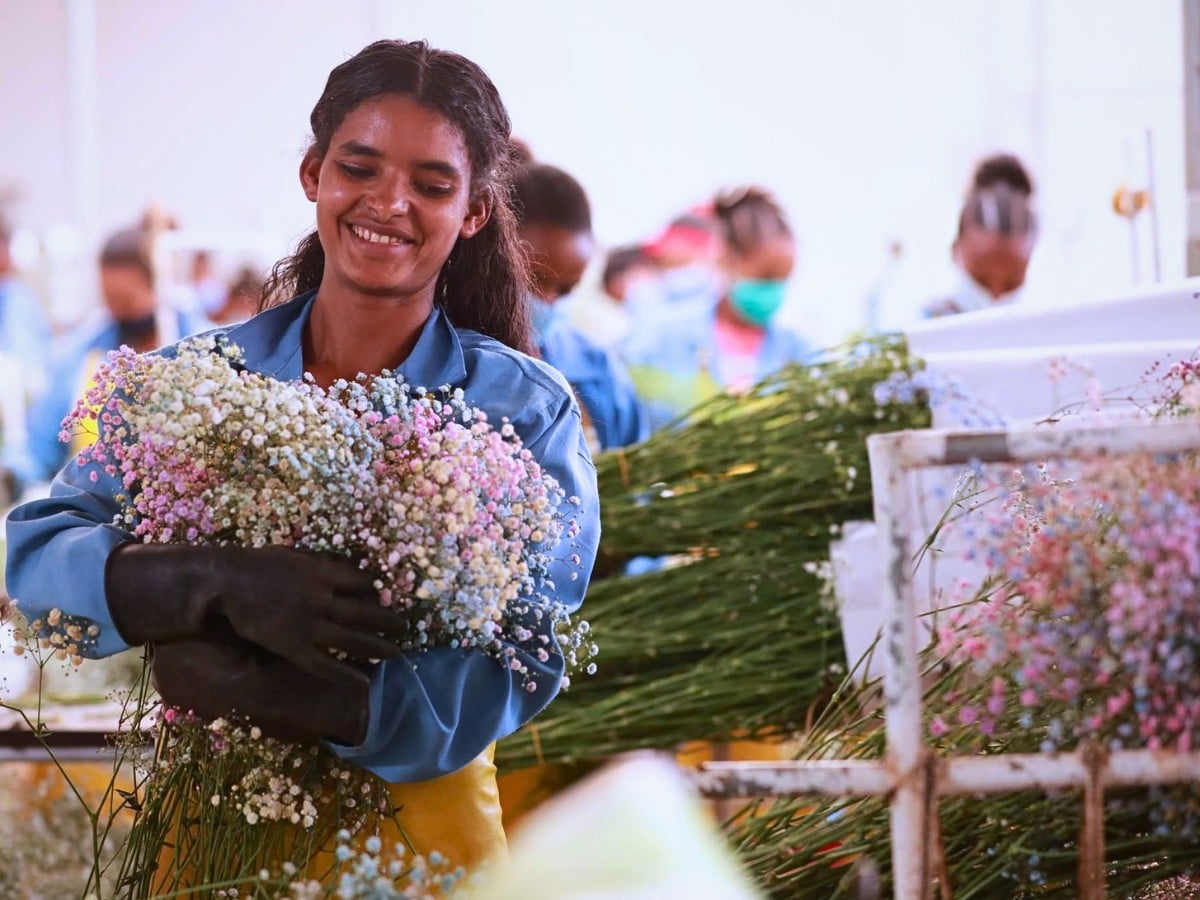
All EHPEA member farms are required to comply with at least the Bronze level as a baseline minimum, which is not optional. The Bronze tier covers basic requirements in worker protection, farm documentation, and environmental management. From there, flower farms can work toward Silver and Gold certifications, each of which is a higher standard of practice.
A growing number of farms have achieved Gold-level certification, which shows a commitment to international standards, environmental responsibility, and worker welfare. The Code is particularly reliable because it was not designed behind closed doors. A multi-stakeholder process involving government ministries, civil society, trade unions, and international bodies created it from the start. And as a result, it echoes the interests of flower workers, producers, buyers, and regulators equally.
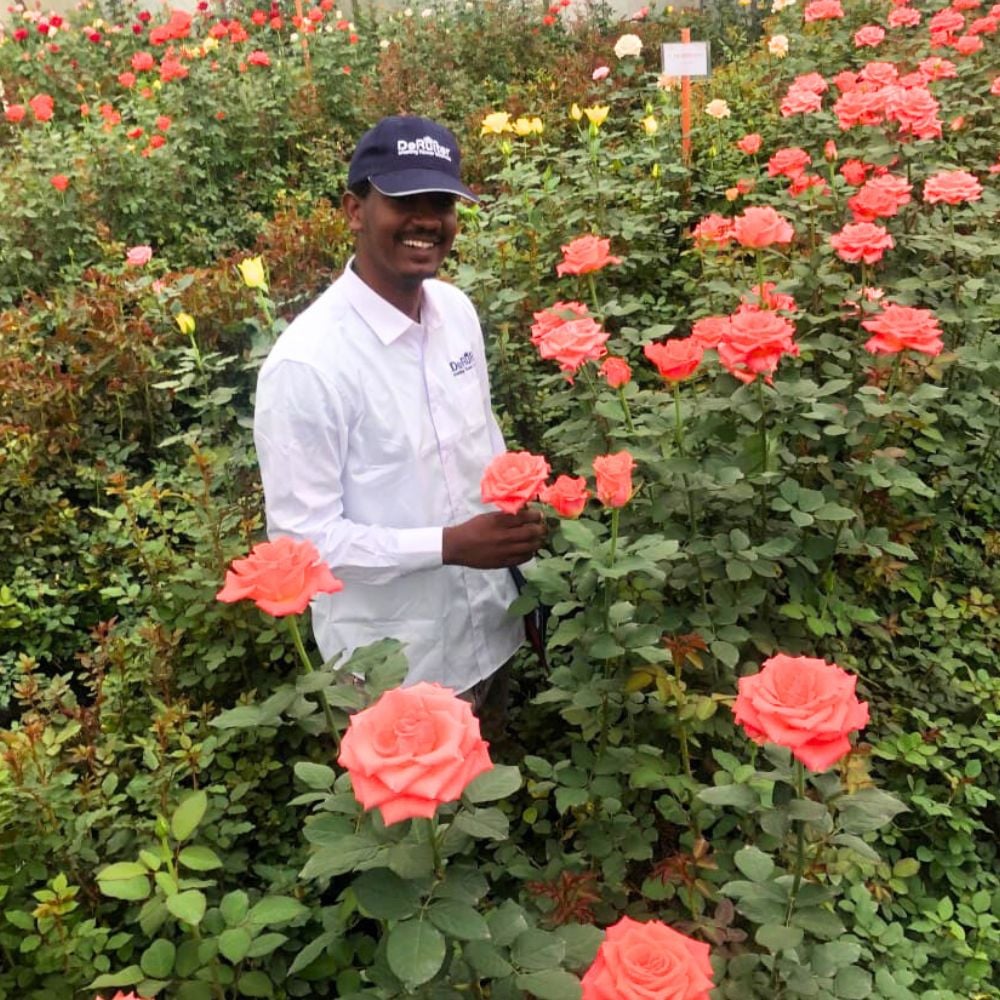
Practical Execution of EHPEA-Mandated Welfare Policies
The practical execution of EHPEA-mandated welfare policies is evident in the operational functionalities at individual production facilities. For instance, at the Afriflower Farm, located in Holeta, management has focused on integrating physical welfare amenities with financial literacy programs to improve overall employee well-being and retention.
The farm provides standard physical infrastructure designed to support a safe working environment, including clean changing rooms, dedicated sanitation facilities, dedicated break areas, and continuous access to potable water. To also address nutritional needs and reduce the daily cost of living for its workforce, the farm operates an on-site canteen and even a dedicated bakery. Plus, the farm has also arranged a housing loan partnership with Zemen Bank for its staff.
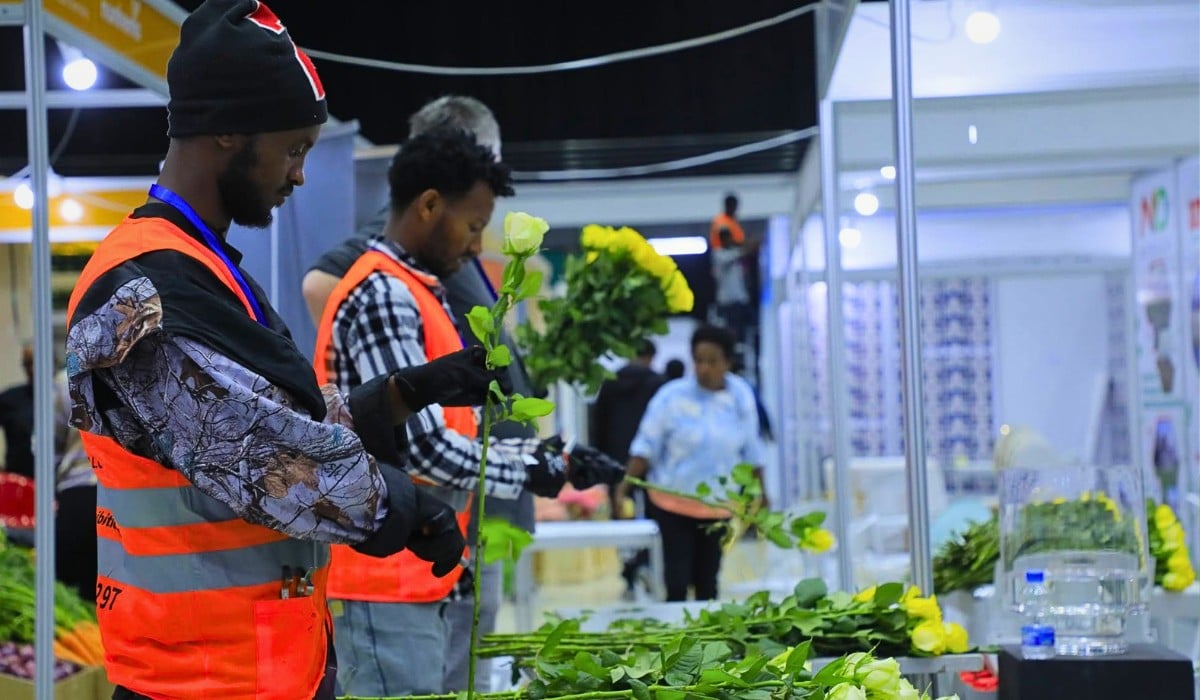
What is more, employee health and safety do not stop at the farm gate, because the flower farm provides health insurance coverage that also covers workers' families. Career development training runs alongside practical sessions on improving livelihoods, and the farm even facilitates loan access to help workers address personal financial challenges.
But there is more. Open communication is a deliberate policy, with workers encouraged to share concerns and ideas, which in turn builds trust and a culture where grievances can be raised and addressed without fear. Satisfied, motivated workers, the flower farm believes, lead to better productivity and cooperation.
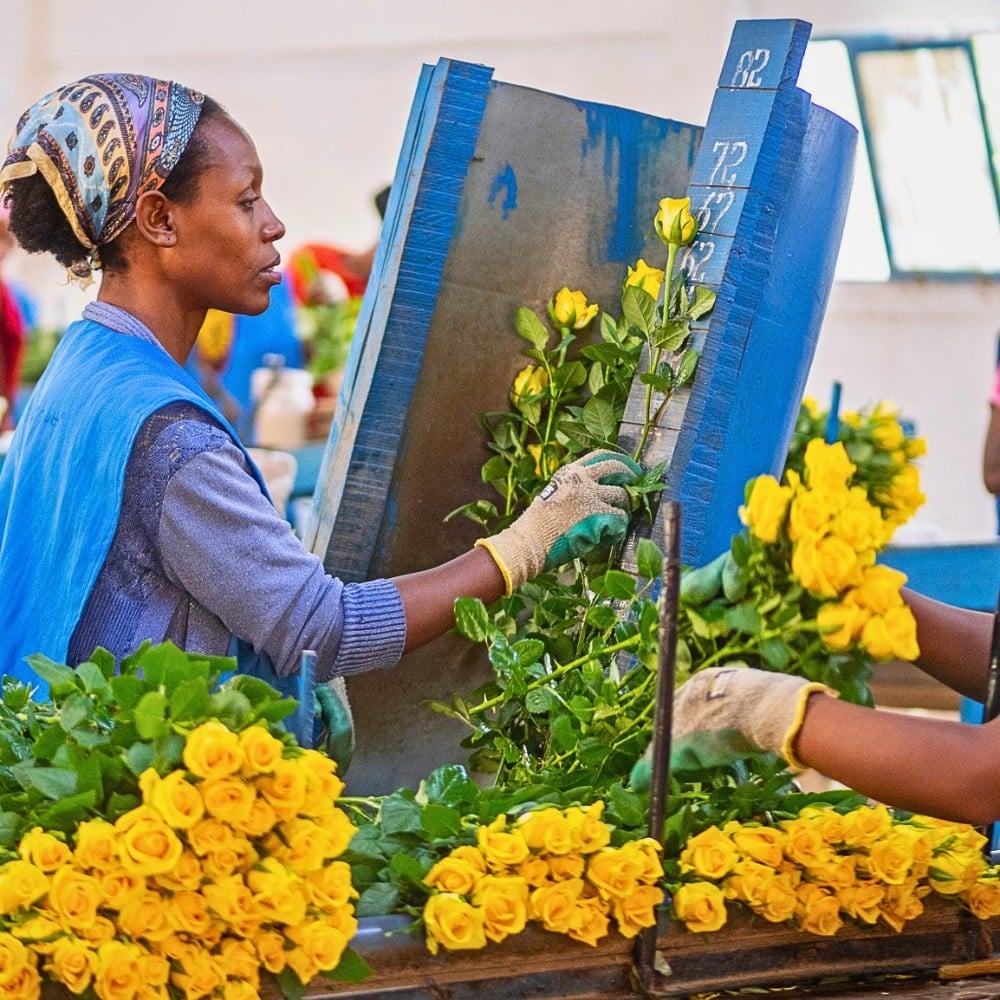
But there are other comparable advancements at other major EHPEA-affiliated production sites. Herburg Roses Ethiopia and Dümmen Orange (operating as Red Fox Ethiopia Plc), among others, run near-similar programs. At Herburg Roses, for instance, targeted protocols addressing maternal health, structured maternity leave, and dedicated breastfeeding breaks have received formal recognition from local community leaders and international compliance bodies.
At Red Fox Ethiopia Plc, the integration of the farm Gender Committee into the operational strategy has proven crucial for achieving compliance certifications. All these investments in worker welfare are not unusual among EHPEA member farms, and remain part of how the Association actively drives through its Code and ongoing capacity-building programs.
Gender Equity as a Business and Social Priority
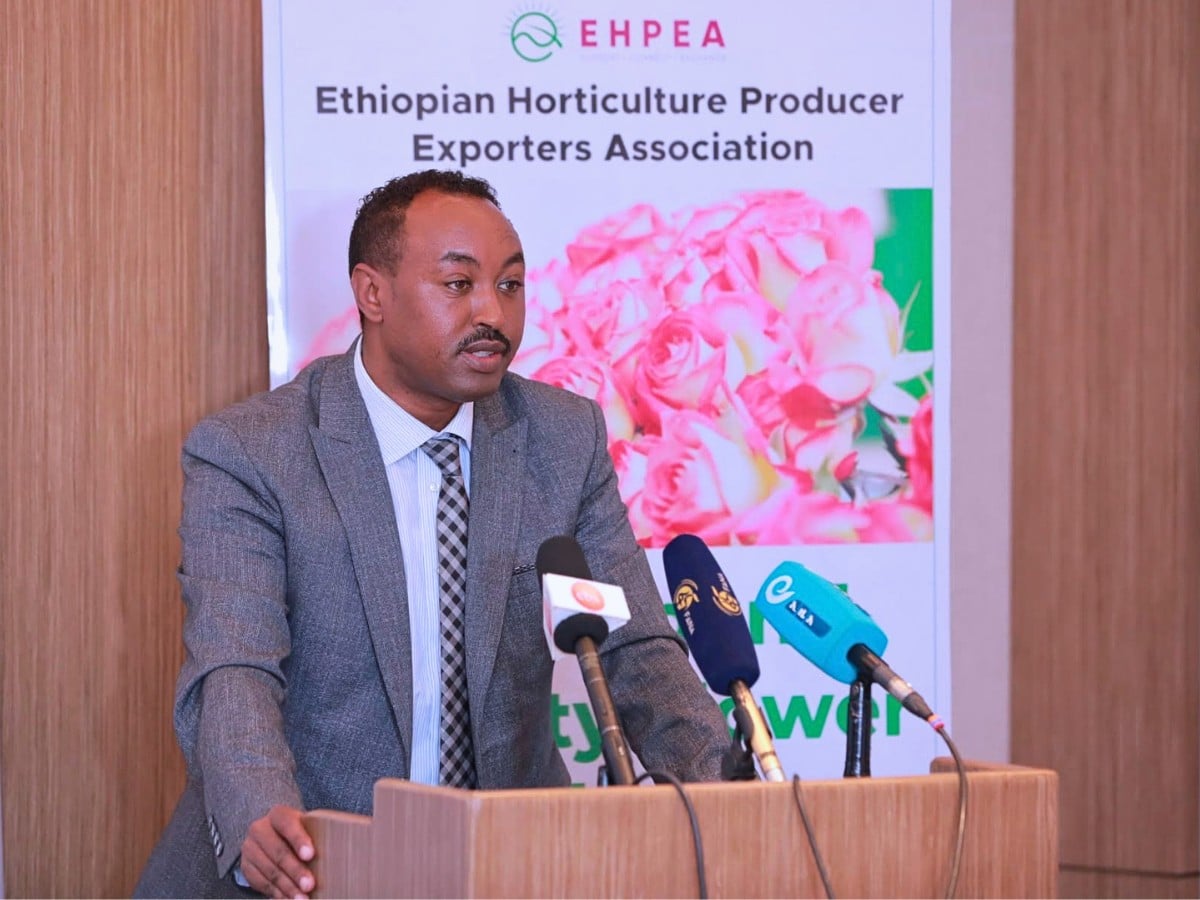
Women make up roughly 80% of the floriculture workforce in Ethiopia, and gender-responsive practices are, therefore, a particular part of the EHPEA's strategy for making the industry more productive, resilient, and sustainable. Executive Director Tewodros Zewdie traces the gender intervention back to a commissioned baseline survey that identified specific gaps related to gender issues in the horticulture sub-sector.
The evidence base shaped a structured response, including the establishment of a dedicated Gender Department within EHPEA's organizational structure, whose interventions were intended not only to build the capacity of men and women workers but also to equip farm management with a gender-aware perspective.
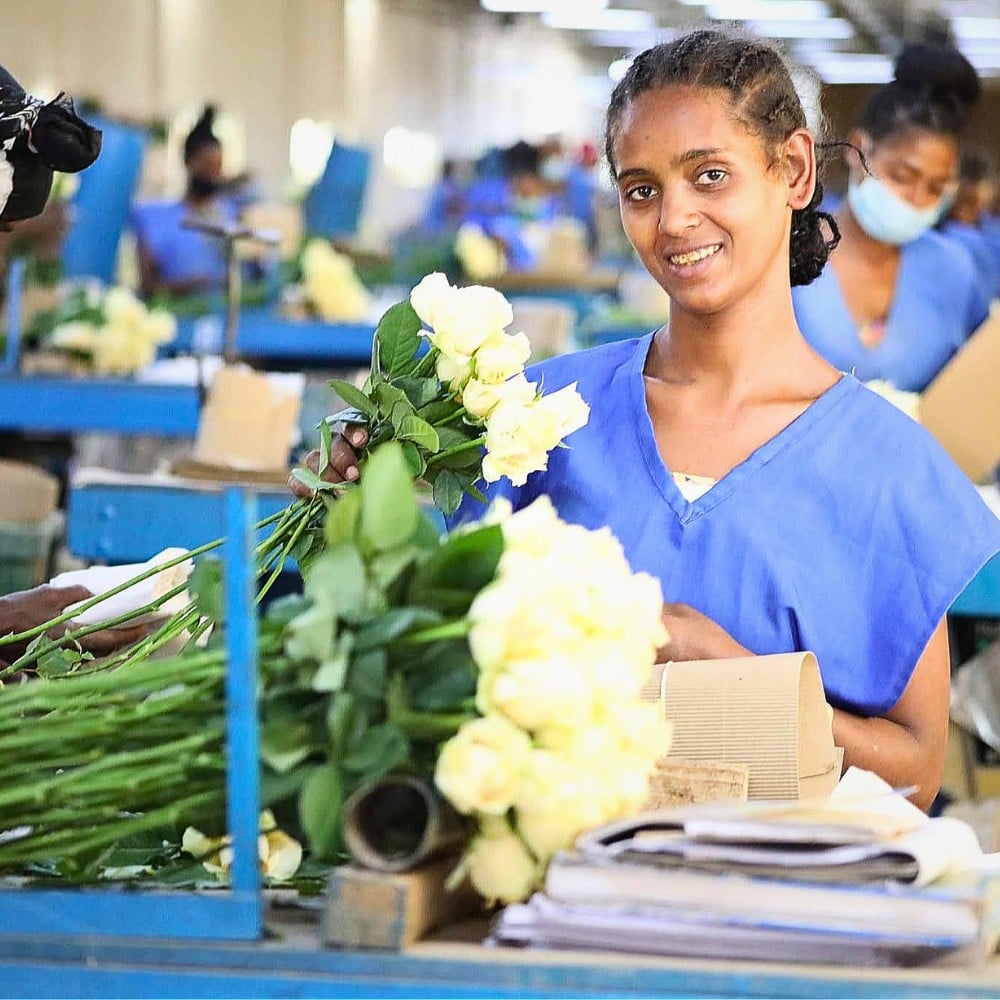
Through strategic initiatives, EHPEA has been working to promote safe working environments, equitable pay, and leadership opportunities for women, while ensuring gender-sensitive services, programs, and facilities are available at the farm level.
The Gender Committee Initiative
The most apparent product of these initiatives has been the farm-level Gender Committee initiative, which responds to crucial gender-related gaps identified at the workplace and worker levels across the horticulture sector. The gender committee members are active across EHPEA member farms, drawn from various groups including workers, health professionals, management, trade union representatives, and general workers. Their selection approach ensures a wide representation and promotes collective responsibility for creating safe and equitable workplaces.
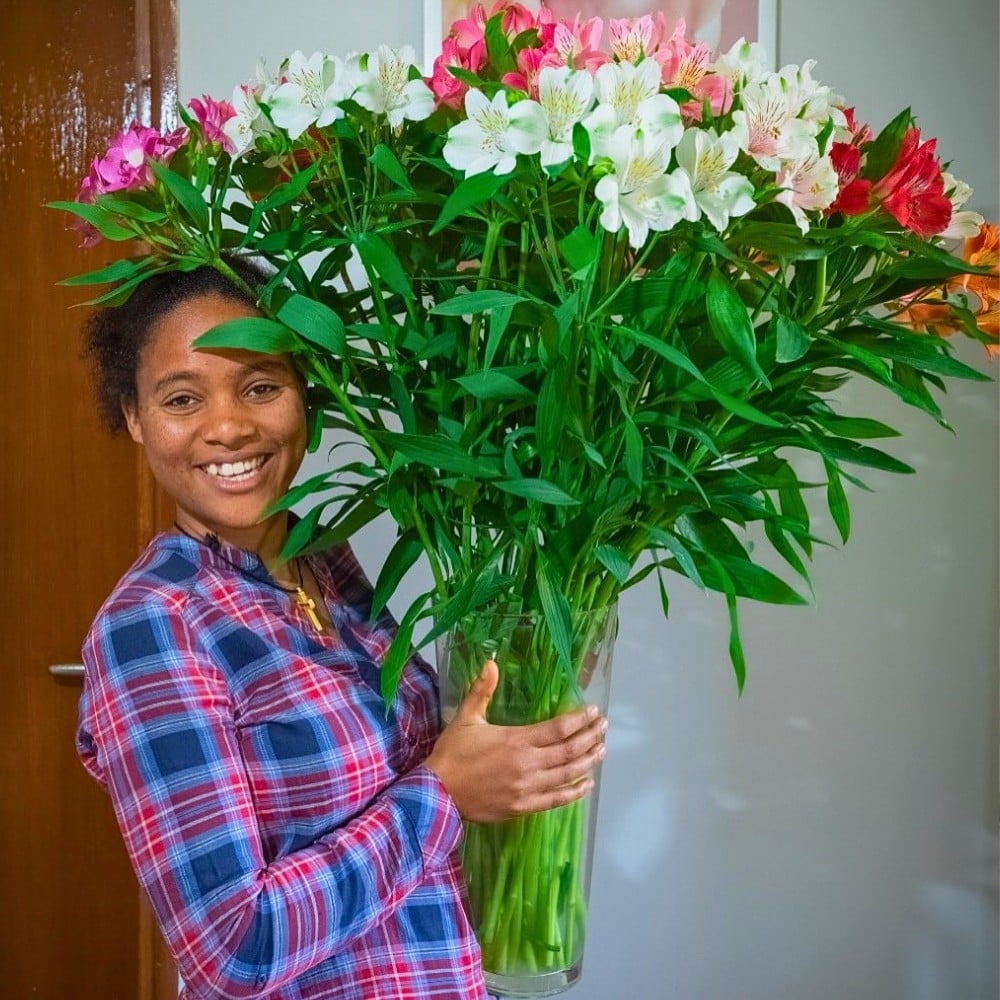
These gender committees manage workplace grievances, support case management processes, and deliver peer-to-peer awareness sessions on gender-sensitive issues, including sexual and reproductive health, gender-based violence, and maternal leave entitlements. They also work on building women's economic and social confidence, helping boost their ways into leadership roles.
Member farms where these committees are active have, in turn, reported improved employee retention, reduced truancy, and better performance in securing local and international compliance certifications. As Tewodros puts it, “the coordinated efforts deployed at the sub-sector level have resulted in concrete gains for the workers and the farms with better productivity and profitability.” Yet EHPEA has committed to continuing this work to address any remaining gaps.
A Culture of Worker Investment
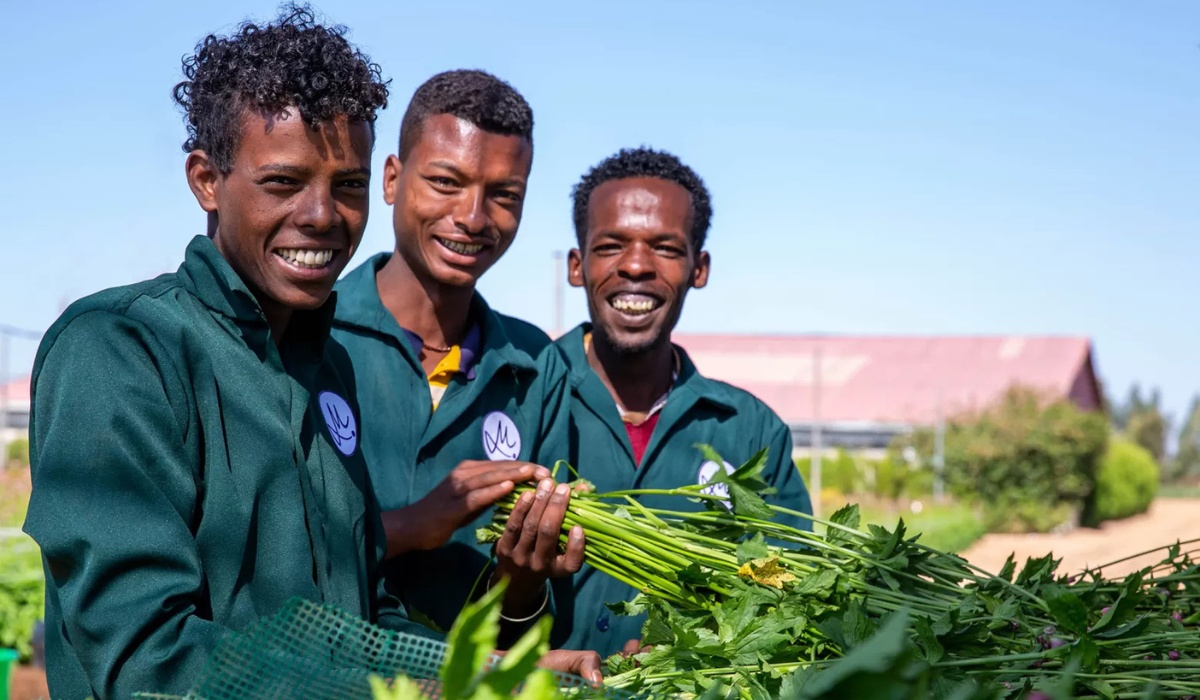
The pattern that emerges across EHPEA member farms shows that they are not just keen on meeting the requirements of the Code of Practice, but also building cultures of worker investment. The EHPEA Code of Practice supports this by giving farms a structured path to improve, where each of their certification tiers drives greater credibility with international buyers and access to more demanding markets.
Farms certified at the Silver level, for instance, benefit from benchmarked equivalence with GLOBALG.A.P. IFA Version 5.2, which is effectively a requirement for supplying major European retail chains. Gold-certified farms go even further.
Additionally, in September 2024, EHPEA submitted the Code for benchmarking under the Consumer Goods Forum's Sustainable Supply Chain Initiative (SSCI), one of the most respected third-party social compliance frameworks in the world. Tewodros described it as a process involving self-assessments, independent expert reviews, audits, and public consultations, aimed at strengthening the international credibility of Ethiopian horticultural products.
Worker Welfare as a Competitive Advantage
One of the less obvious but important practicalities of EHPEA's worker welfare agenda is that it also makes sound business sense. Farms investing in their people see lower turnover, reduced malingering and nonattendance, and stronger productivity. They are also better positioned to secure contracts with buyers who require evidence that their supply chains meet internationally recognized labor and environmental standards.

In practical terms, the alignment between ethical practice and market access is what EHPEA's Code of Practice was designed to achieve, setting sector-wide standards that protect workers, support gender equity, and promote environmental responsibility, which in turn helps Ethiopian flower farms to remain more competitive globally, without compromising the welfare of the people who make flower production efficient and possible.
Featured image by EHPEA. Header image by Maheder Shiferaw.