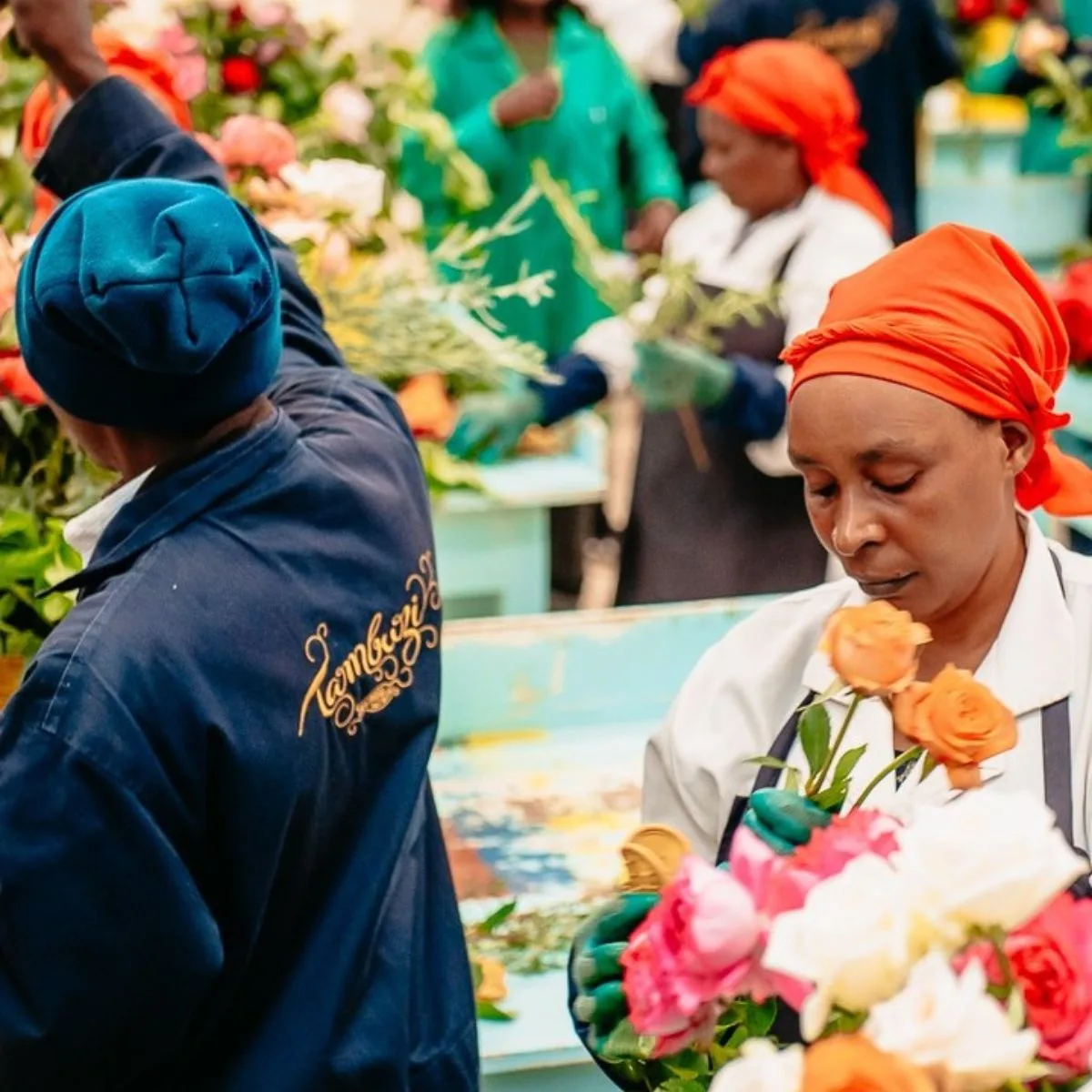

Ask anyone in the floral trade where the world's best wedding roses come from, and the equator will come up fast. East Africa, led by Kenya and Ethiopia, supplies more than a third of the EU's fresh-cut flowers and ranks among the top five floriculture regions worldwide. High altitude, volcanic soil, and near-constant sunshine give the region's roses longer stems, bigger heads, and vase life that outperforms almost anywhere else. It's no surprise, then, that couples across Nairobi, Addis Ababa, and beyond are turning to homegrown flowers for their big day, and that the rest of the world is starting to pay attention to what's trending there.
Here's what's actually walking down East African aisles this season.
Why East African Flowers Are Wedding-Ready
Kenya's floriculture regions, Naivasha, Nakuru, Thika, Isinya, Laikipia, and the slopes around Mount Kenya, sit at altitudes that give roses unusually thick stems and saturated color. At the same time, consistent year-round growing conditions mean brides don't have to gamble on seasonal availability. Just south of Addis Ababa, Ethiopia's high plains around Ziway and Hawassa do something similar for summer flowers, producing statice, Alstroemeria, and Gypsophila with the kind of density and vase life that make them florist favorites well beyond East Africa's borders.

The result is a wedding-flower supply chain most regions can only dream of: premium, farm-fresh stems available locally, at a fraction of the cost and carbon footprint of imported alternatives.
Kenyan Roses Are Having a Moment
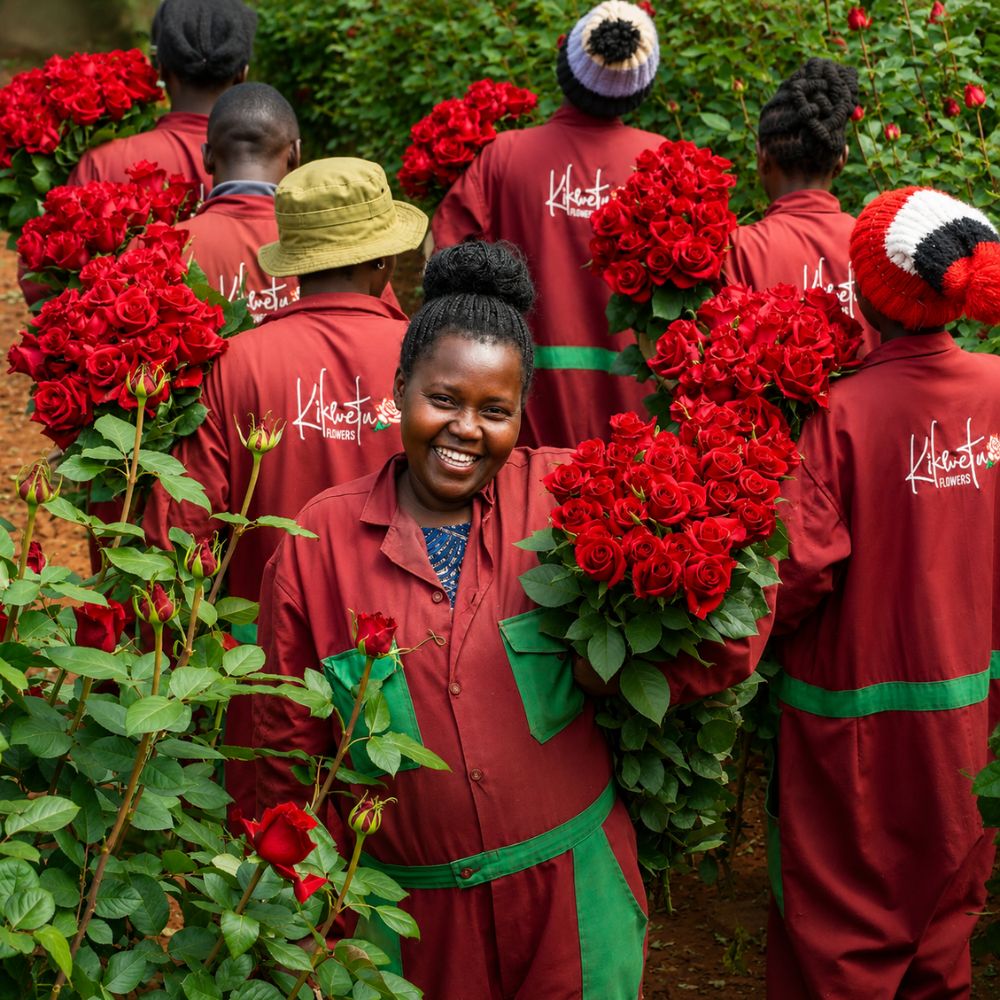
Roses still account for the majority of Kenya's floriculture output, and a handful of varieties are showing up in bridal work again and again.
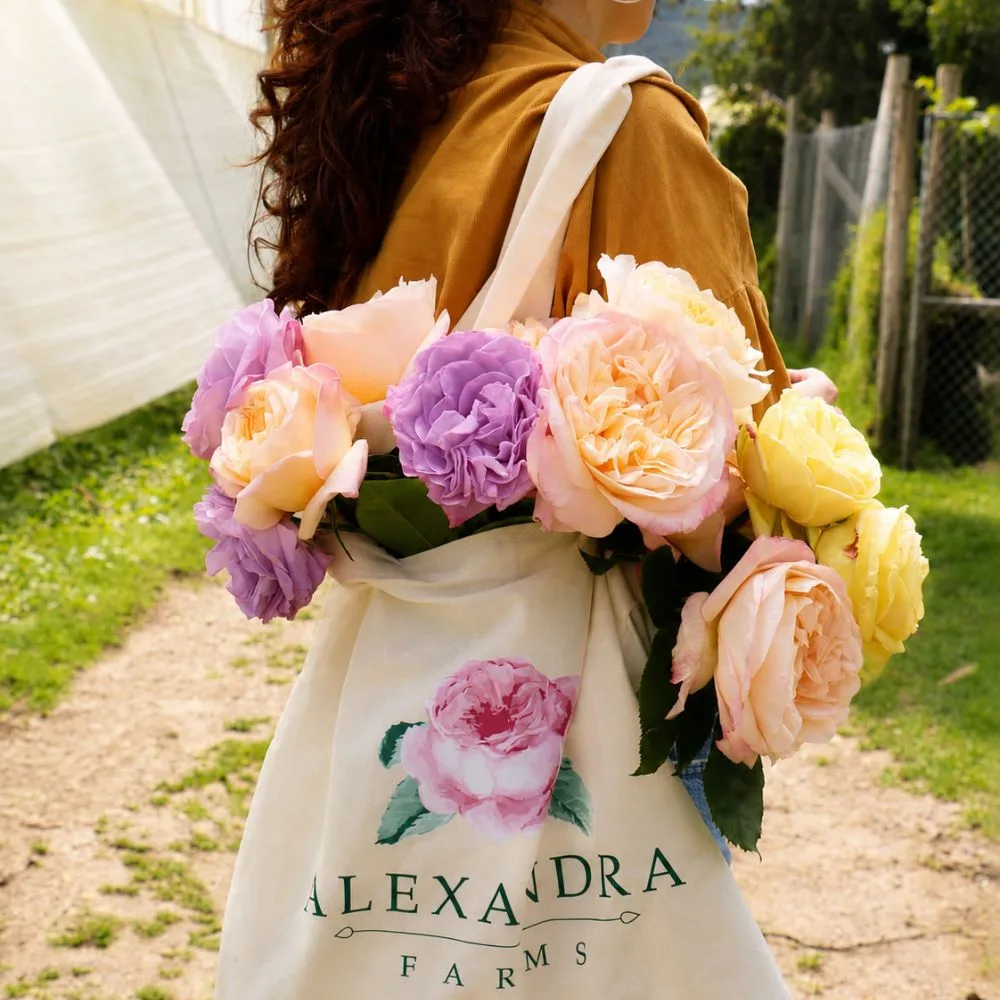
A newer name worth watching is Rose Bahati, a lavender-mauve variety from De Ruiter East Africa grown at Kenya's Azali Roses.
Its soft, dusty tone slots perfectly into the mauve-and-sage palettes currently trending on the wedding circuit, and designers have praised its versatility across bouquets, arches, and tablescapes.
Ethiopia Brings the Texture
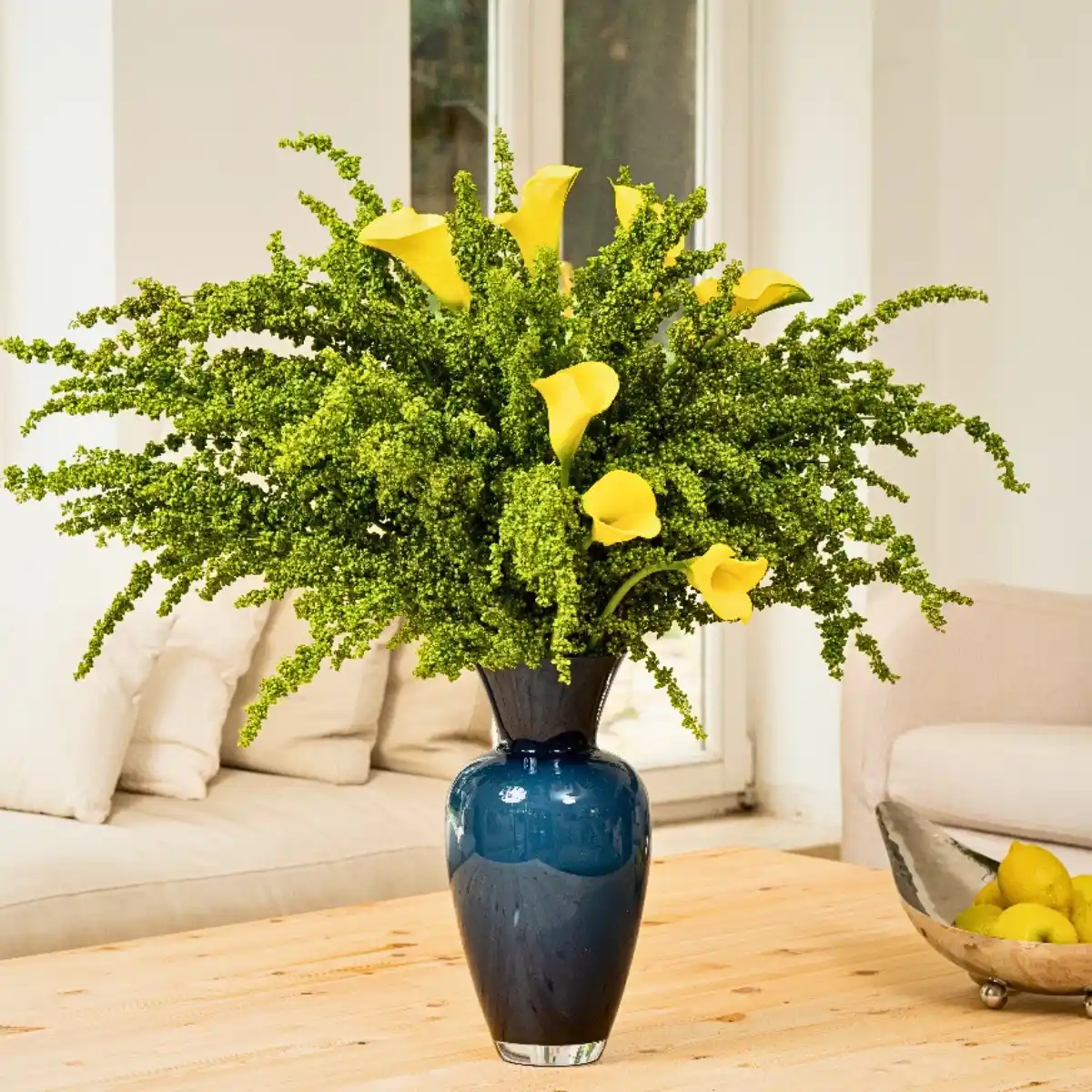
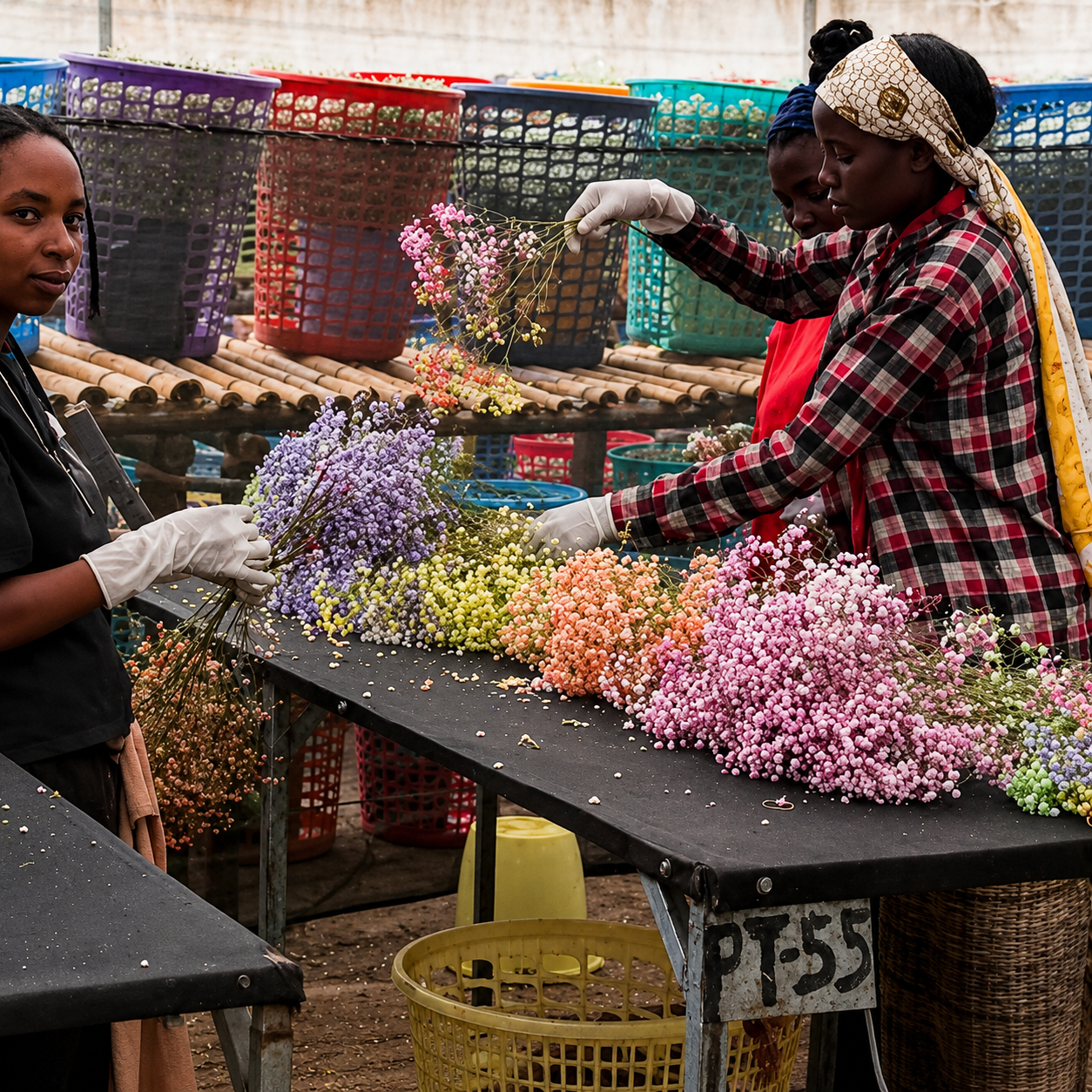
While Kenya leads on roses, Ethiopia's high-altitude farms are the region's quiet powerhouse for texture and filler, the flowers that don't always get top billing in a bouquet, but do most of the work in making it feel finished. Statice, Veronica, Gypsophila, and Alstroemeria grown around Ziway and Hawassa are increasingly finding their way into bridal work, prized for adding movement, softness, and depth to otherwise rose-heavy arrangements. Where roses bring structure, these stems bring air; the loose, garden-gathered look so many couples are chasing right now doesn't work without them.
Part of what makes Ethiopian filler so sought-after is the growing conditions themselves. The high plains around Ziway and Hawassa sit at elevations that rival Kenya's rose belt, and that altitude translates into denser flowers, richer color saturation, and a vase life that holds up far longer than filler grown at lower elevations. For florists building large-scale installations, arches, hanging ceilings, and cascading centerpieces, durability matters as much as the look.
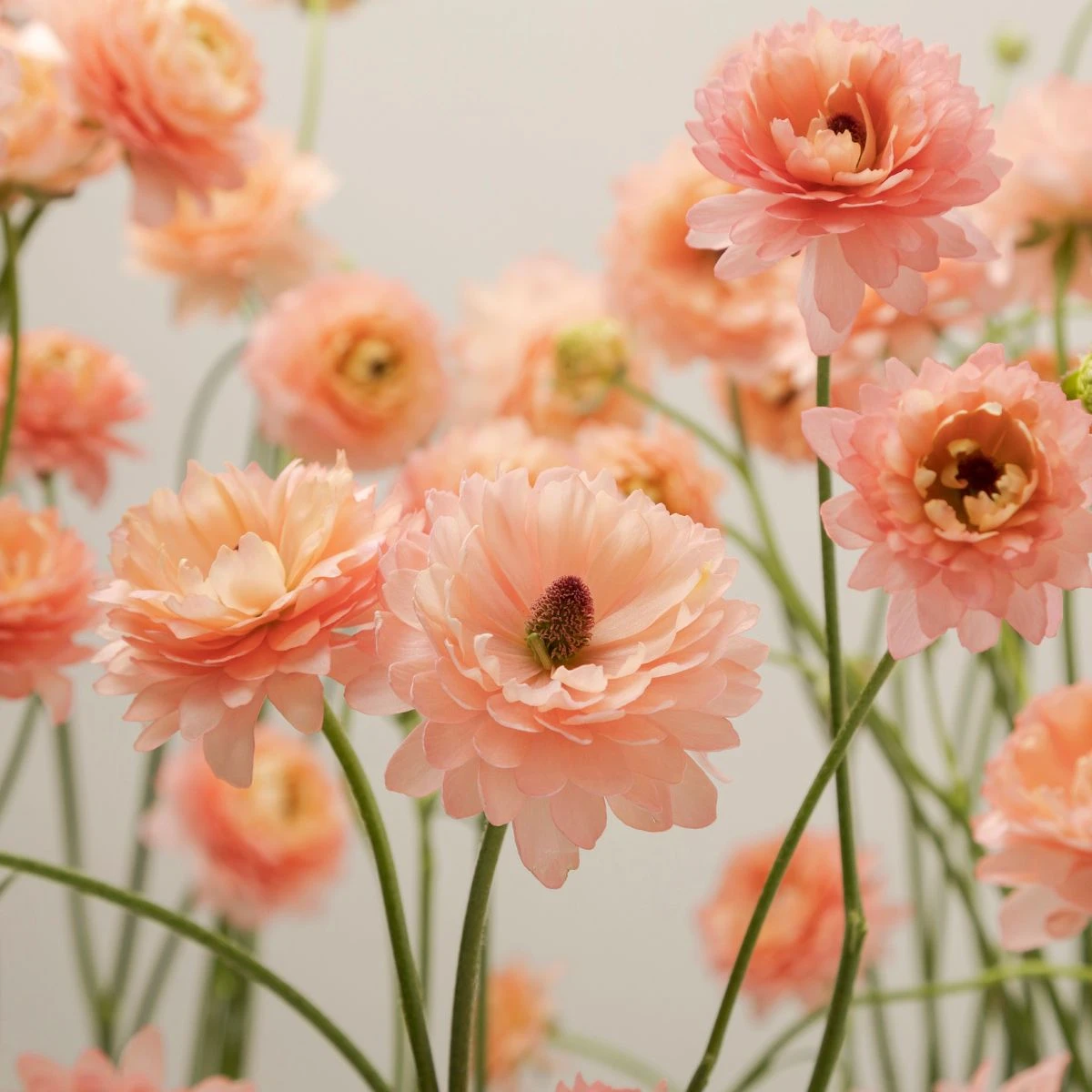
Ethiopian growers aren't standing still on roses either. Farms in the region are increasingly shifting toward intermediate and spray roses with fuller, more romantic heads, a deliberate move away from the tighter, export-standard flowers that once defined the market. It's giving wedding florists more premium, wedding-ready stems to design straight from the farm, and positioning Ethiopia as more than a supporting player in bridal florals, a grower whose roses are starting to hold their own next to Kenya's.
Taken together, it's turning Ethiopia into a genuine dual-threat in the wedding-flower world: the texture farms that finish an arrangement, and, increasingly, roses good enough to anchor one.
Sculptural Bouquets and Statement Installations
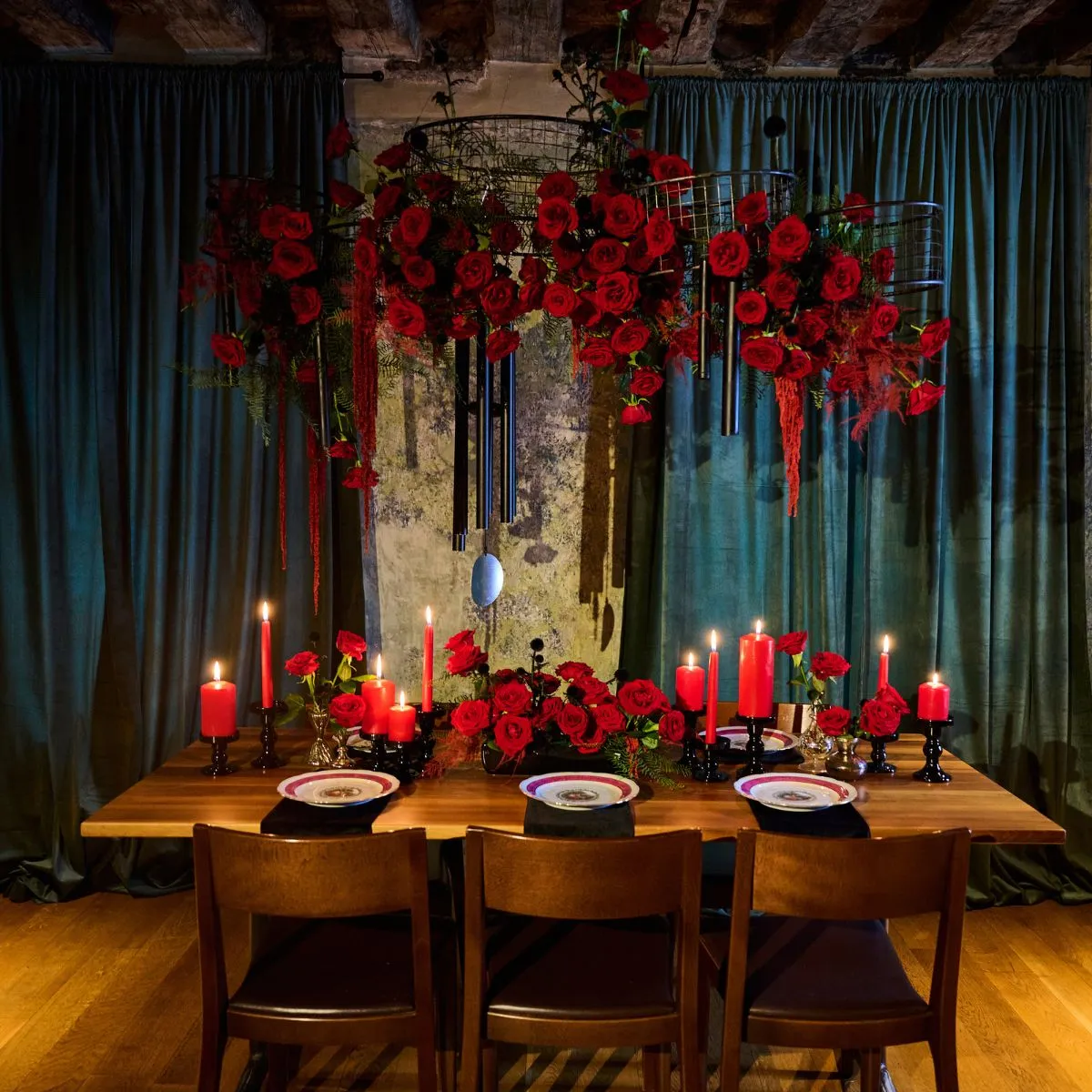
Symmetry is out. Brides are increasingly requesting asymmetrical, textured bouquets with dramatic height and unexpected stem angles, paired with statement floral arches, hanging ceilings, and aisle installations that turn the ceremony space itself into the centerpiece.
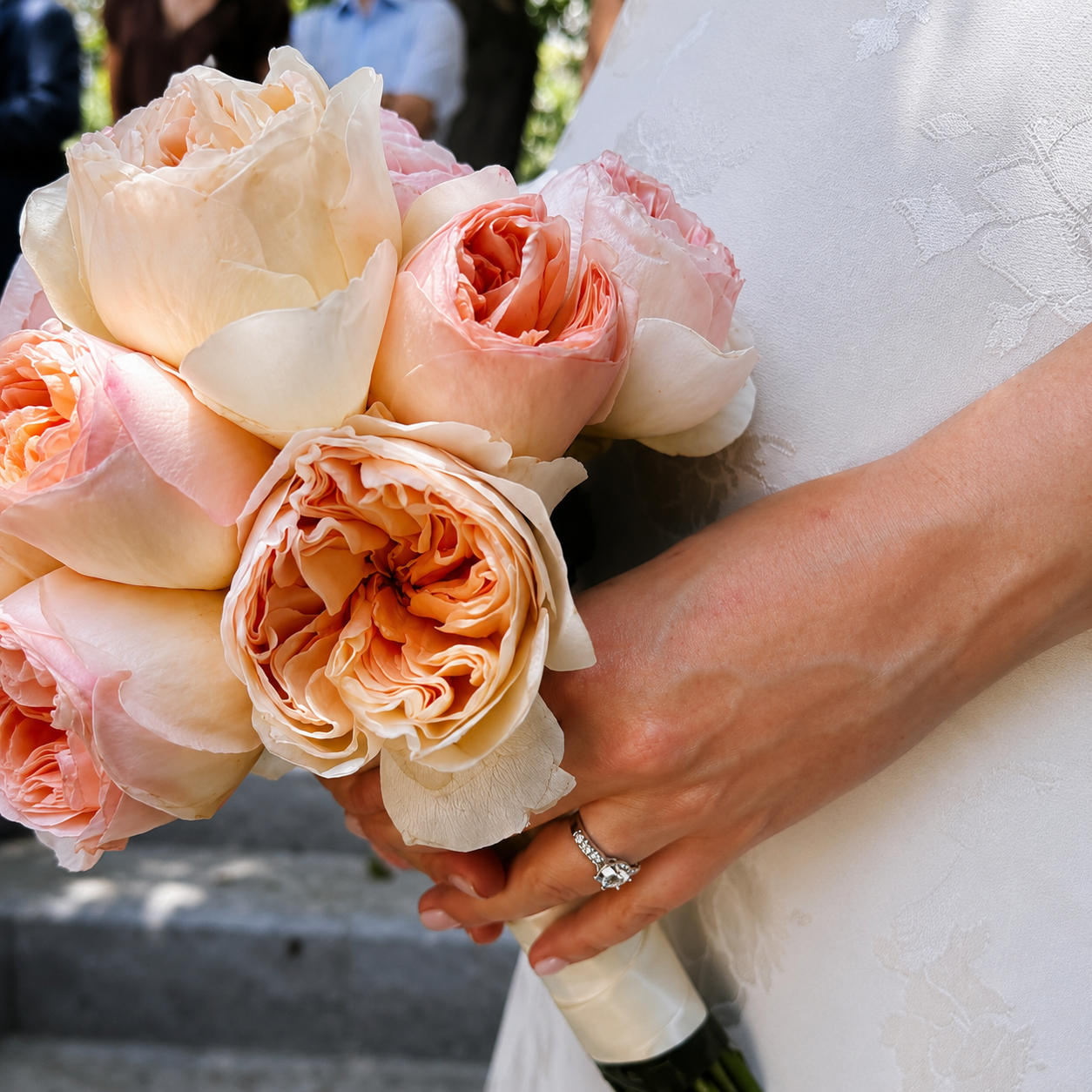
Cascading bouquets are also making a comeback for brides chasing a more traditional, romantic silhouette, proof that East African wedding florals are borrowing from multiple eras at once rather than committing to a single aesthetic.
Sustainability and Local Sourcing Take Center Stage
Increasingly, couples are choosing Kenyan- and Ethiopian-grown stems specifically to support local growers and reduce the footprint of imported flowers, a shift that farms across Naivasha and Ziway are well positioned to meet.
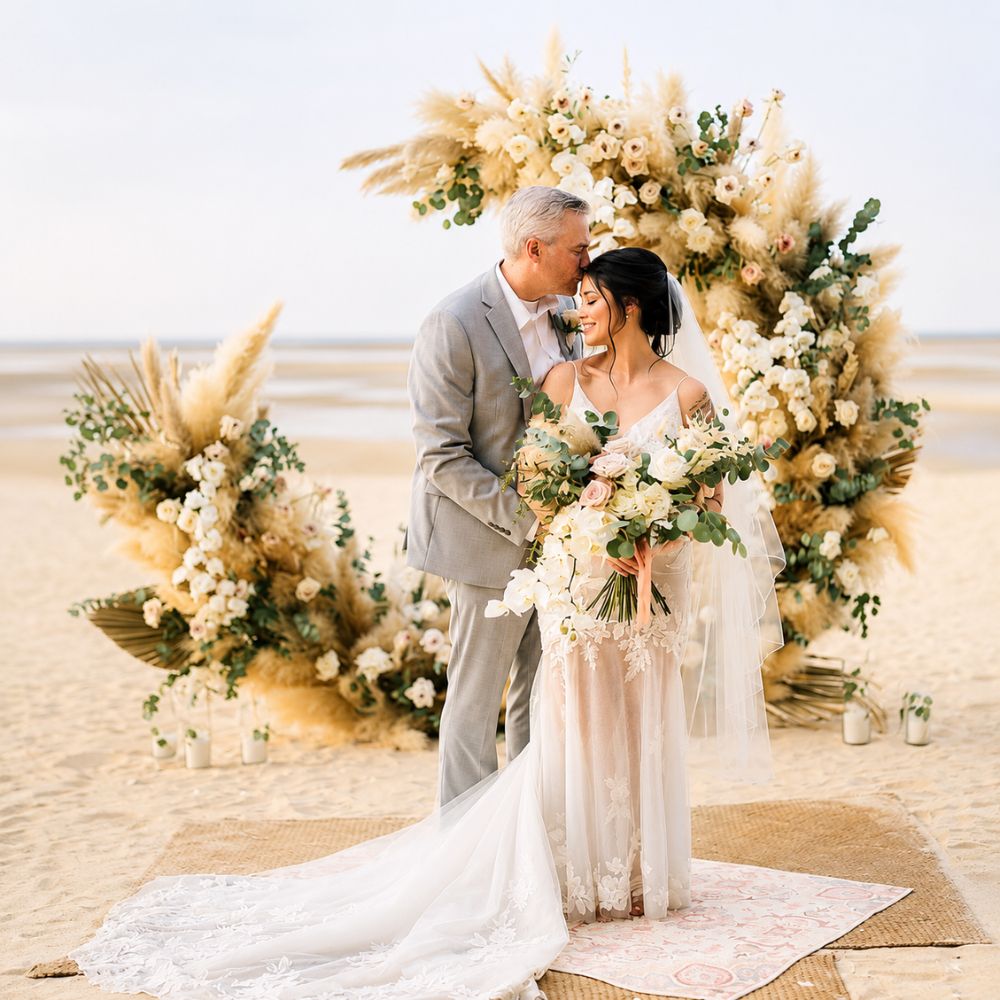
Pairing fresh flowers with dried elements, pampas grass, preserved roses, and palms has also become a favorite way to stretch a floral budget while adding a textural, eco-conscious edge to arrangements.
Local Craft Meets Floral Design
Perhaps the most distinctly East African trend has nothing to do with the flowers themselves. Couples are weaving materials rooted in local craft traditions directly into their floral displays: kiondo (woven Kenyan baskets) as centerpieces, kitenge and Ankara fabrics draped across ceremony arches, and natural textures that pair effortlessly with garden-style, hand-tied bouquets.
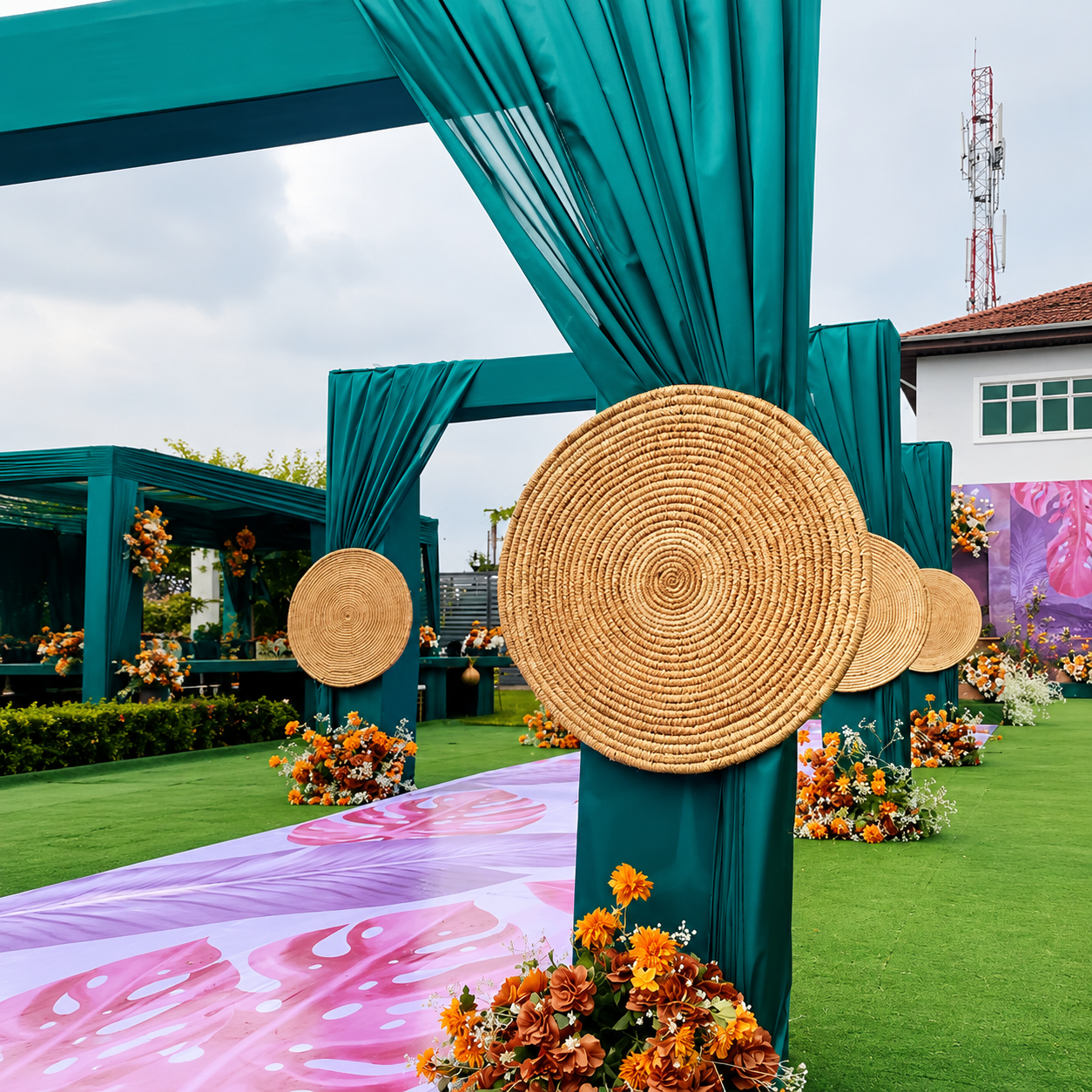
It's a trend that reflects something bigger than florals: a growing confidence that a wedding can be beautiful, modern, and unmistakably East African, all at once.
The Takeaway
East Africa isn't just supplying the world's wedding flowers; it's also creating trends of its own. Between Kenya's rose dominance, Ethiopia's rising summer-flower profile, and a regional aesthetic that pairs bold color with local craft, the flowers walking down East African aisles this year offer a preview of where global wedding florals may be headed next.
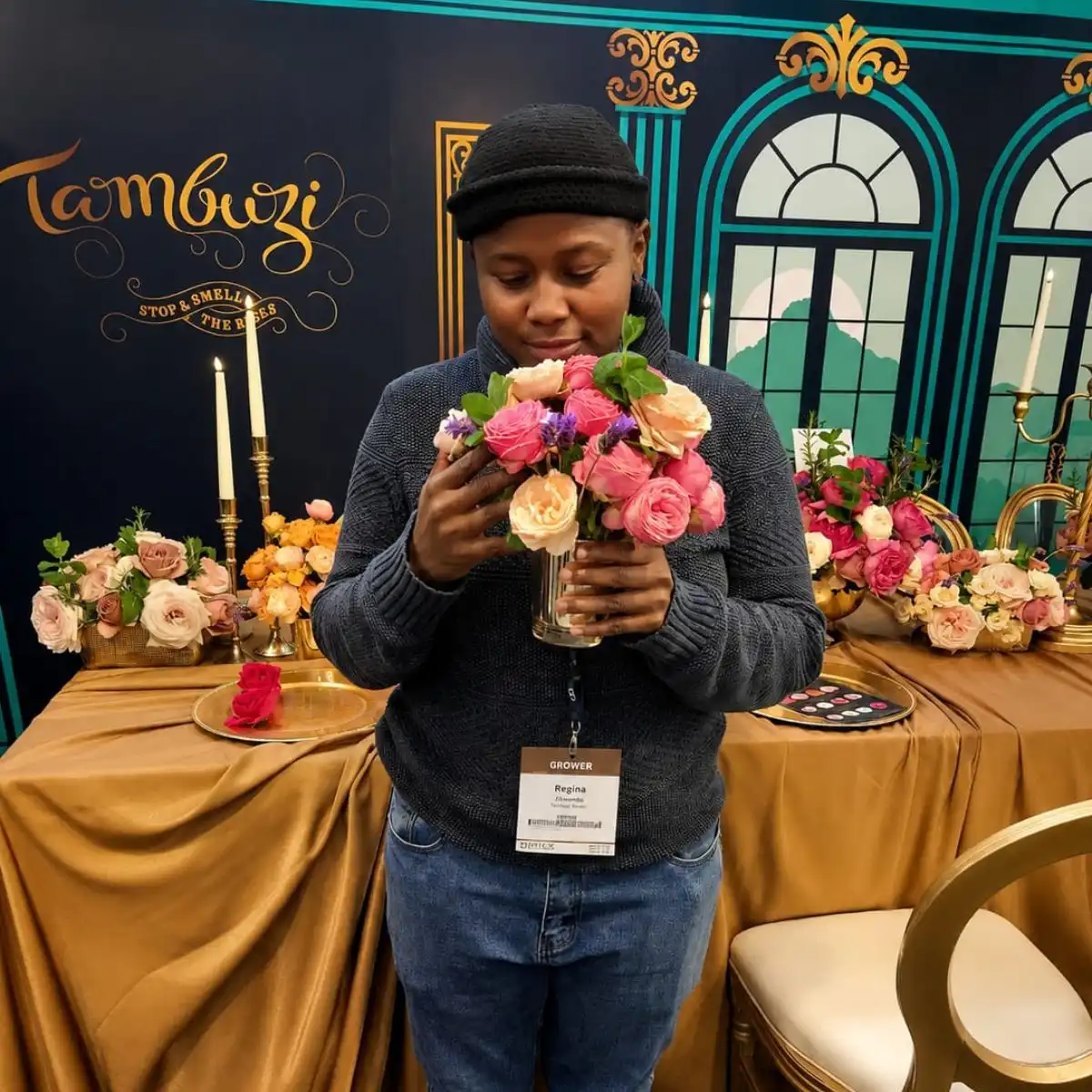
Header image by @Tambuzi Farm