Every year, millions of flowers leave East African farms for auction floors in Amsterdam, supermarket shelves in London, and consumers across Europe, the Middle East, and Asia. Kenya alone has built one of the world's most successful cut flower industries, generating significant export revenue and supporting hundreds of thousands of livelihoods. Yet walk into an average home in Nairobi, Kampala, or Addis Ababa, and fresh flowers are still far more likely to be absent than present. East Africa can clearly grow flowers, at a scale few regions can match. The more interesting question is whether it can convince its own people to buy them.
According to Clement Tulezi, CEO of the Kenya Flower Council, almost 99 percent of flowers grown in Kenya are destined for international markets. The council runs campaigns encouraging Kenyans to buy locally grown flowers, but international buyers remain the industry's dominant customers. An industry that spent decades perfecting how to grow flowers for the world may now have to learn how to sell them at home.
The Export Machine and Its Blind Spot
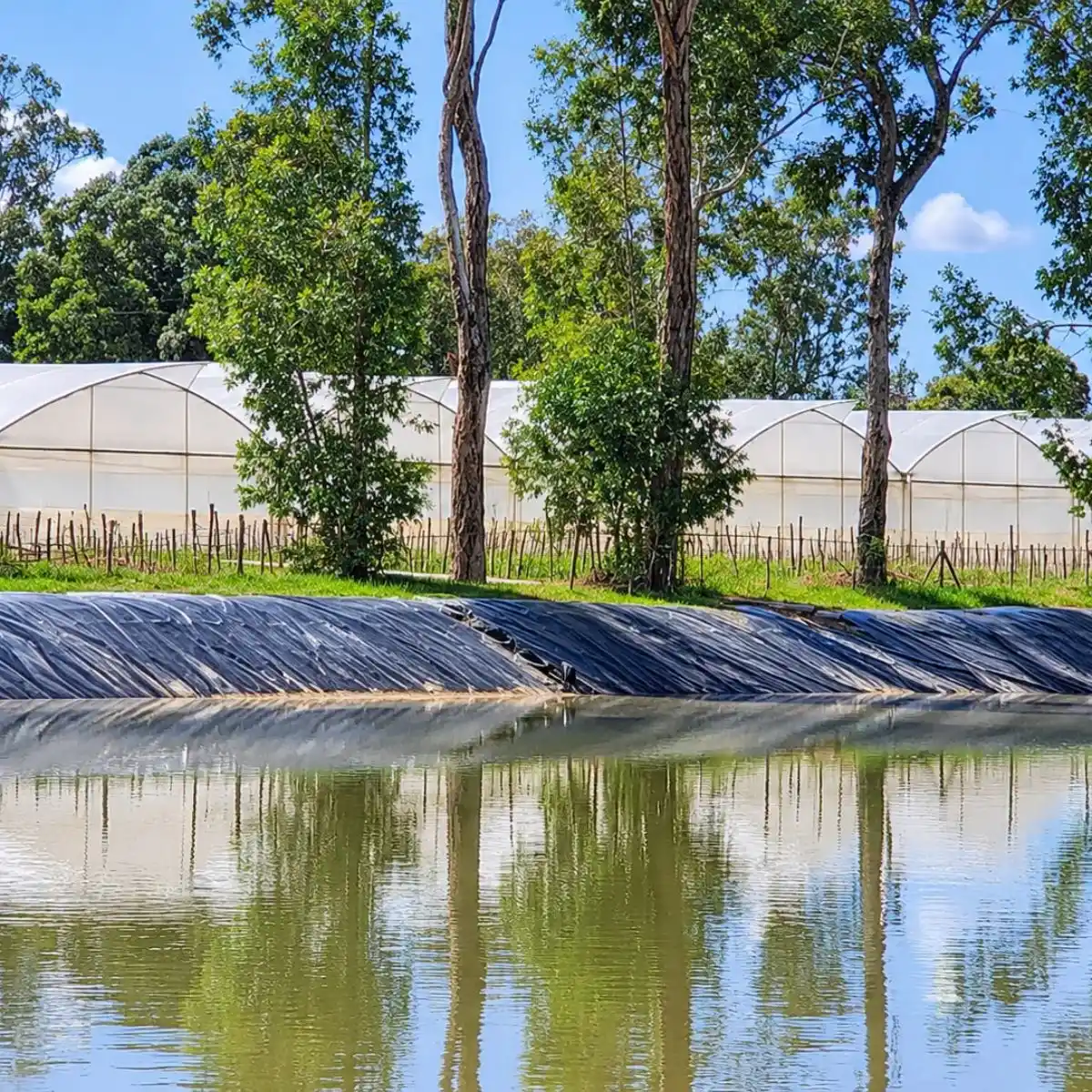
East Africa's flower industry was built around international demand. Cold chain logistics, packhouses, airport cargo capacity, and relationships with overseas buyers are all designed to move flowers efficiently to foreign markets, and it shows: Kenya is a major global exporter, and Ethiopia, Uganda, Tanzania, and Rwanda have all developed horticultural industries of their own.
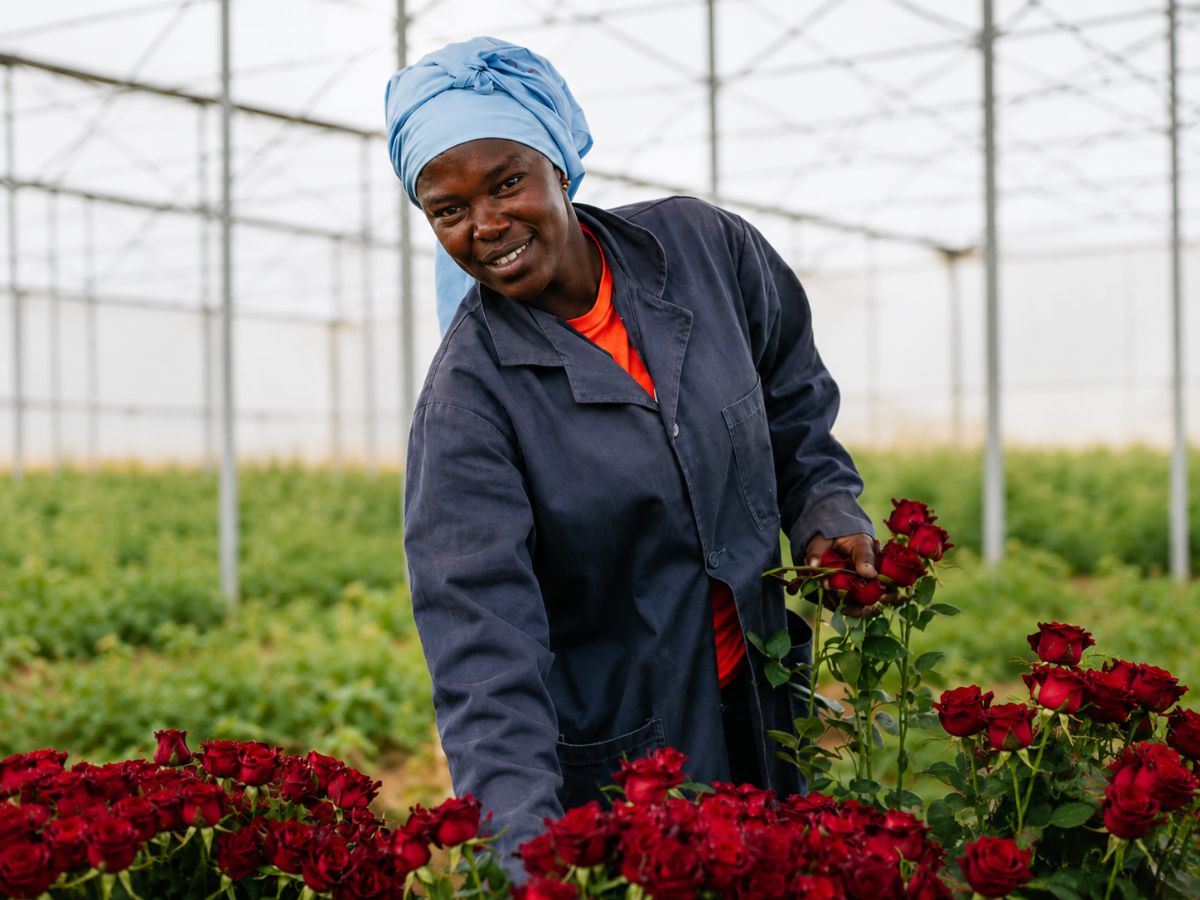
But an export-oriented system does not automatically create a domestic one. A farm built around shipping large volumes to Europe has little incentive to redesign its supply chain for smaller local orders, since the logistics, pricing, and delivery a Nairobi florist needs are fundamentally different from those of an international order. East Africa has an abundance of flowers, but access to them as an everyday consumer product remains limited.
What Local Demand Actually Looks Like
Across much of East Africa, flowers are still strongly associated with occasions: weddings, funerals, anniversaries, corporate events, Valentine's Day. Buying a bouquet simply because it looks beautiful, or because you want something fresh on the table, is a less established habit.

That doesn't mean there is no local market. In Nairobi, flowers move through florists, open-air markets, roadside vendors, supermarkets, and informal traders, at very different price points. But the market is fragmented, and there is a real difference between having access to flowers and having a culture of buying them. In mature markets, the purchase can be spontaneous. In much of East Africa, it is still more likely to be intentional.
Could Supermarkets and Florists Change the Habit?
One of the clearest opportunities may sit inside the supermarket. In established flower markets, a simple display of affordable bouquets near the entrance can turn flowers into an impulse purchase, something consumers see, like, and put in their basket without planning to. East African supermarkets could experiment with the same model, positioning flowers as an everyday product rather than a premium one, through smaller bouquets and individual stems.
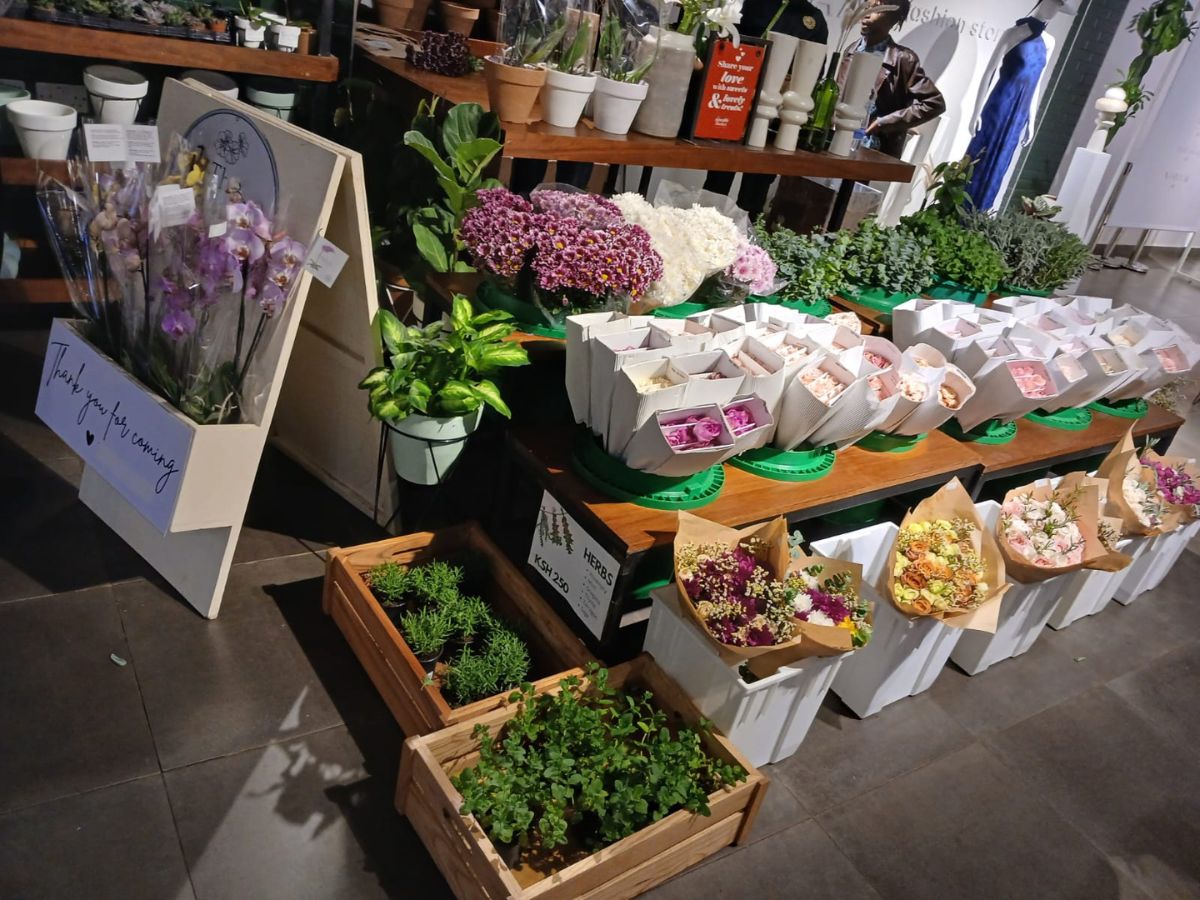
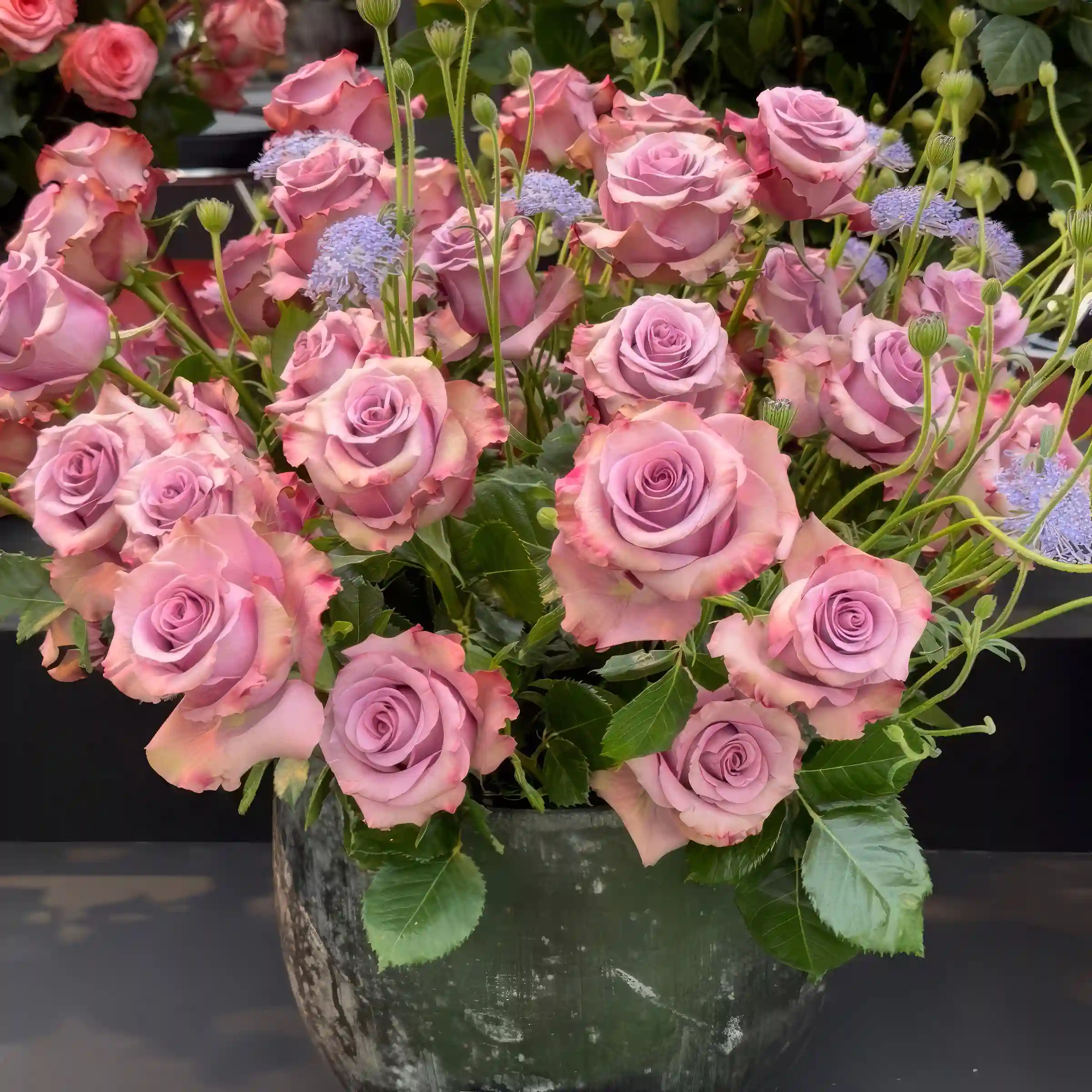
Florists sit even closer to the consumer, but many have built their businesses around events and occasion-based gifting, orders that rise and fall around particular dates. An everyday flower market would look different: smaller purchases, repeat customers, and people buying for themselves rather than for somebody else. That means rethinking bouquet size, pricing, and delivery, making it easier to buy a small bunch on the way home from work. The opportunity is not to replace the existing market, but to build another one alongside it.
The Cultural Perception Gap
Perhaps the biggest barrier is not production or distribution but perception. In many East African households, flowers are still seen as something you buy for someone else, usually for a significant occasion. Self-purchase, the habit that has shaped more established flower markets, is comparatively underdeveloped. Changing that takes more than advertising; it requires repetition, encountering flowers more often, at accessible prices, in places people already shop.
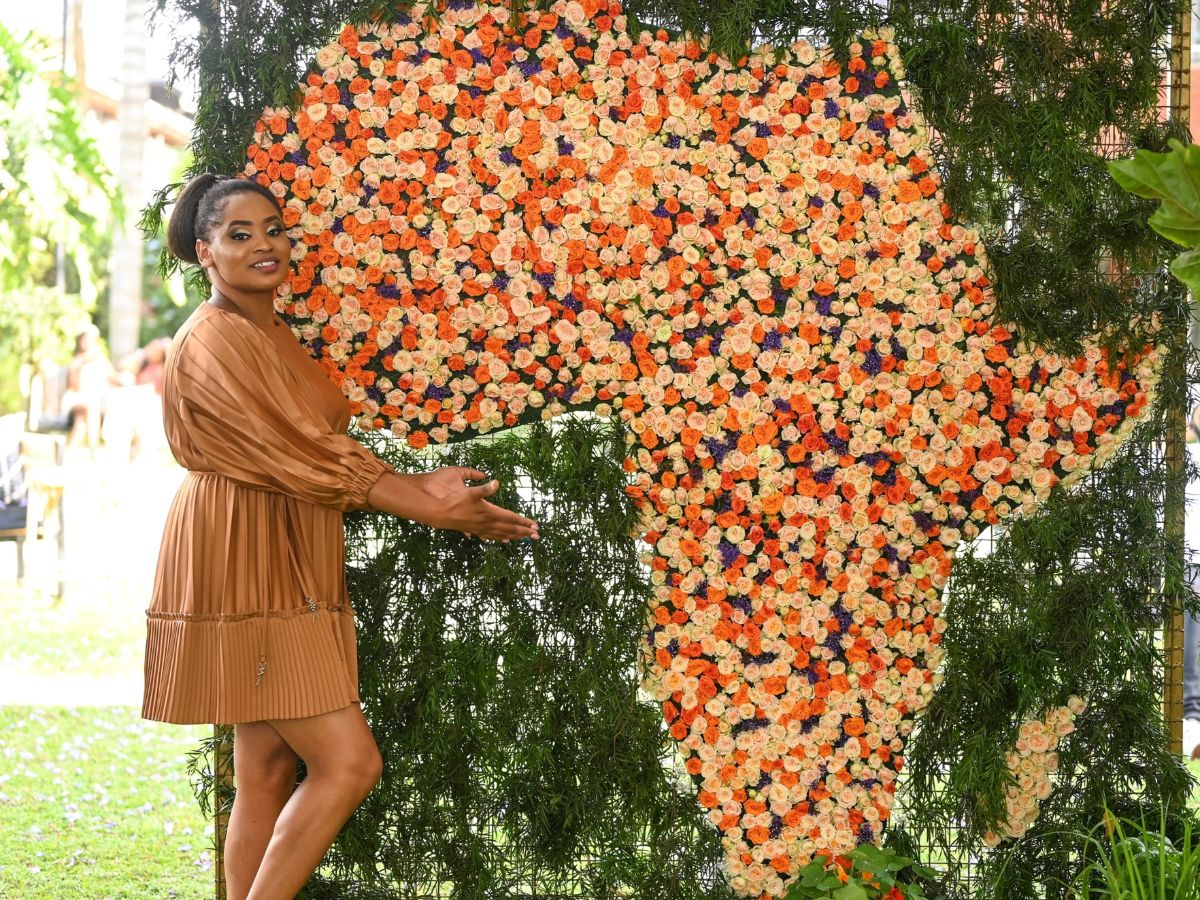
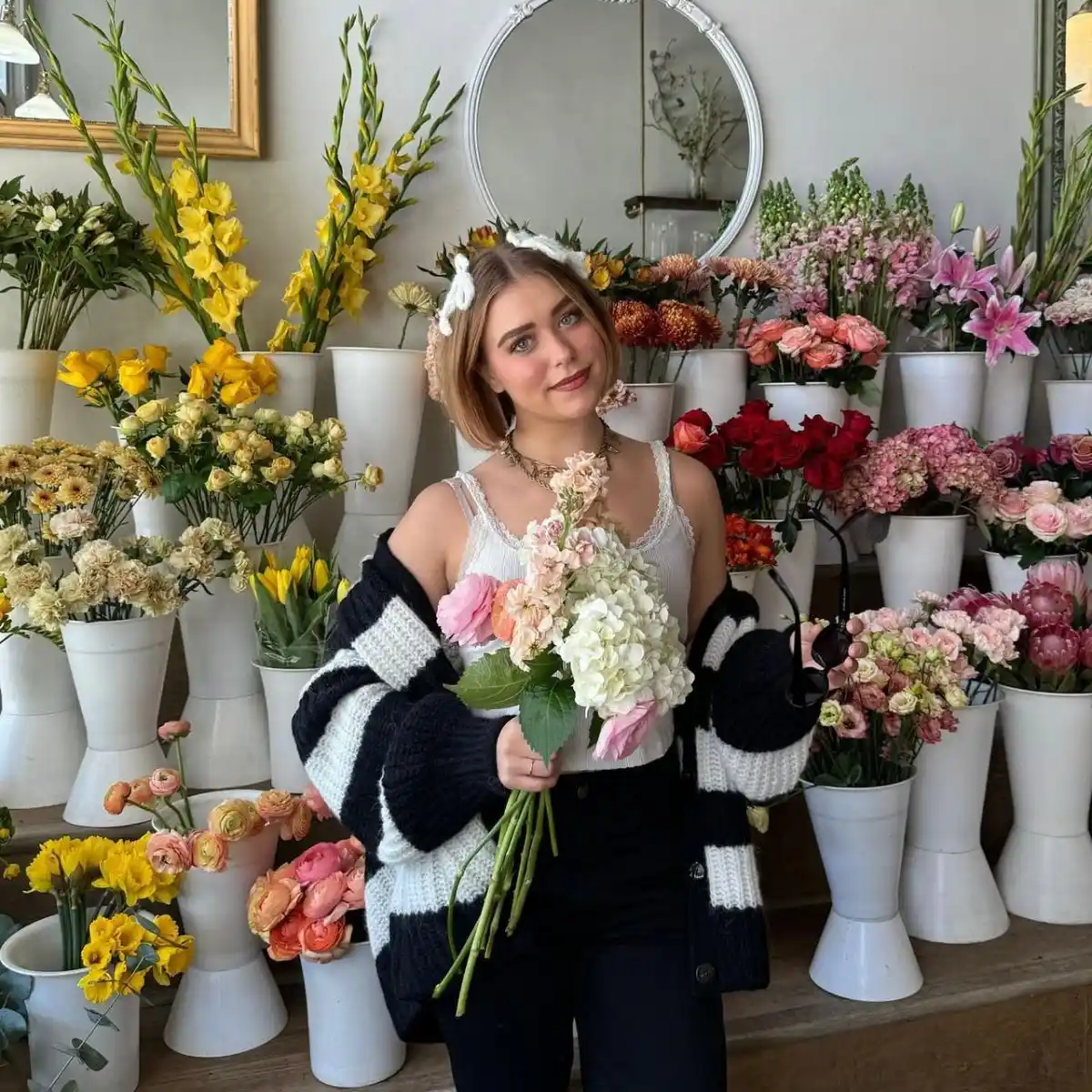
Rosemary Kimunya, founder of the Kenya Flower Festival, has built her event around precisely this idea. KEFFLO's wider purpose is not simply to celebrate the industry but to encourage a domestic culture of flower appreciation, bringing fresh flowers into homes, offices, and everyday spaces. A domestic flower market cannot be built only by selling more flowers. It has to be built by changing how people think about them.
Beyond Kenya
Domestic consumption is a question that extends beyond Kenya's borders. Ethiopia has built a substantial export-focused industry around roses, and Uganda, Rwanda, and Tanzania are developing their own sectors. Each market has its own relationship with flowers. East Africa doesn't need to copy the Netherlands. It can build a distinctly East African flower market, shaped by local purchasing power and cultural tradition.
What Would It Take?
A genuine domestic flower market would require several pieces to align: growers building products for local consumers rather than redirected export stock, retailers giving flowers consistent shelf space, florists reaching beyond events, and consumers learning to buy flowers for themselves, not only as gifts, for a Friday dinner, a new apartment, or simply because the house feels better with flowers in it.
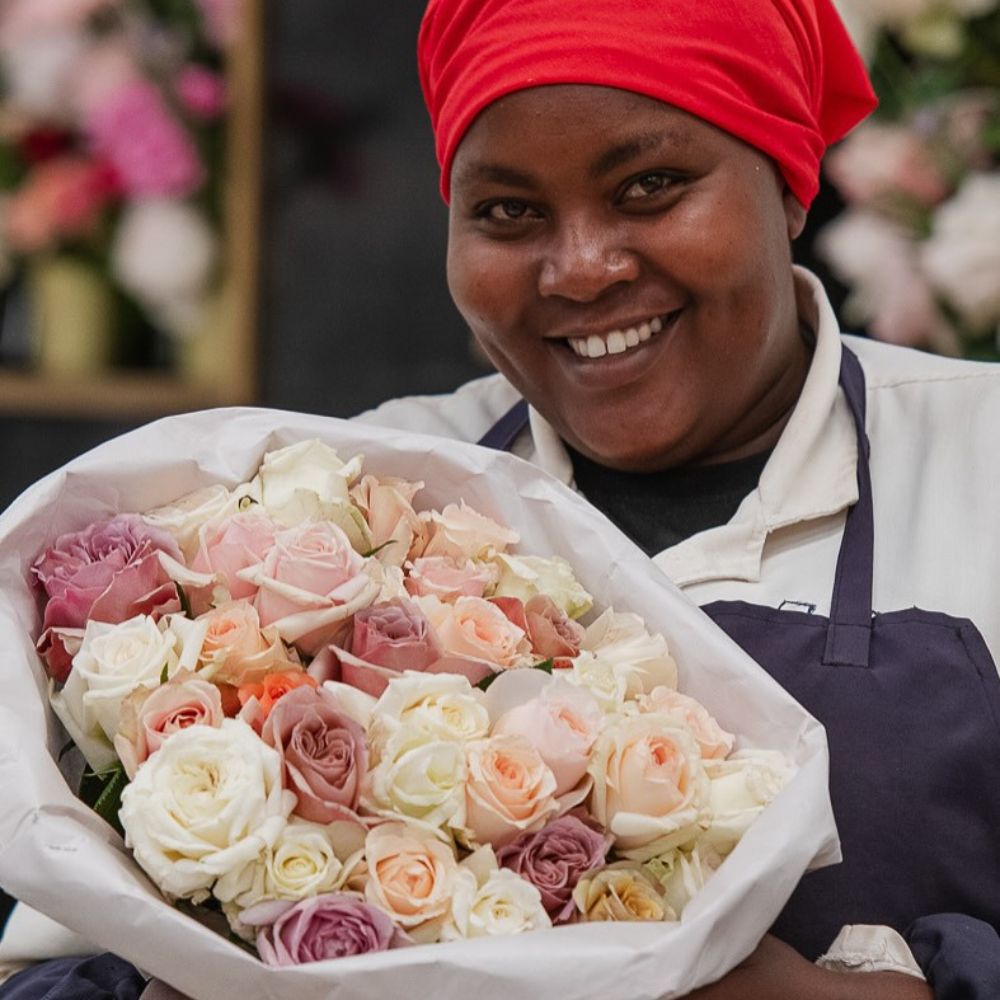
There's an economic argument too. International trade exposes growers to exchange rates, freight costs, and shifting regulations, all factors beyond their control. A stronger local market wouldn't replace exports, but it could provide another revenue stream and reduce that exposure, complementing the export market rather than competing with it.
A Market Waiting to Be Grown
East Africa's flower industry did not become globally competitive by accident. It was built deliberately, over decades, around a clear external market. Building a domestic one would take the same kind of effort, redirected inward. The flowers already exist in extraordinary quantity and quality. What is missing is the habit, the retail presence, and the cultural permission for East Africans to see their own flowers as something worth bringing home, not just something the world buys.
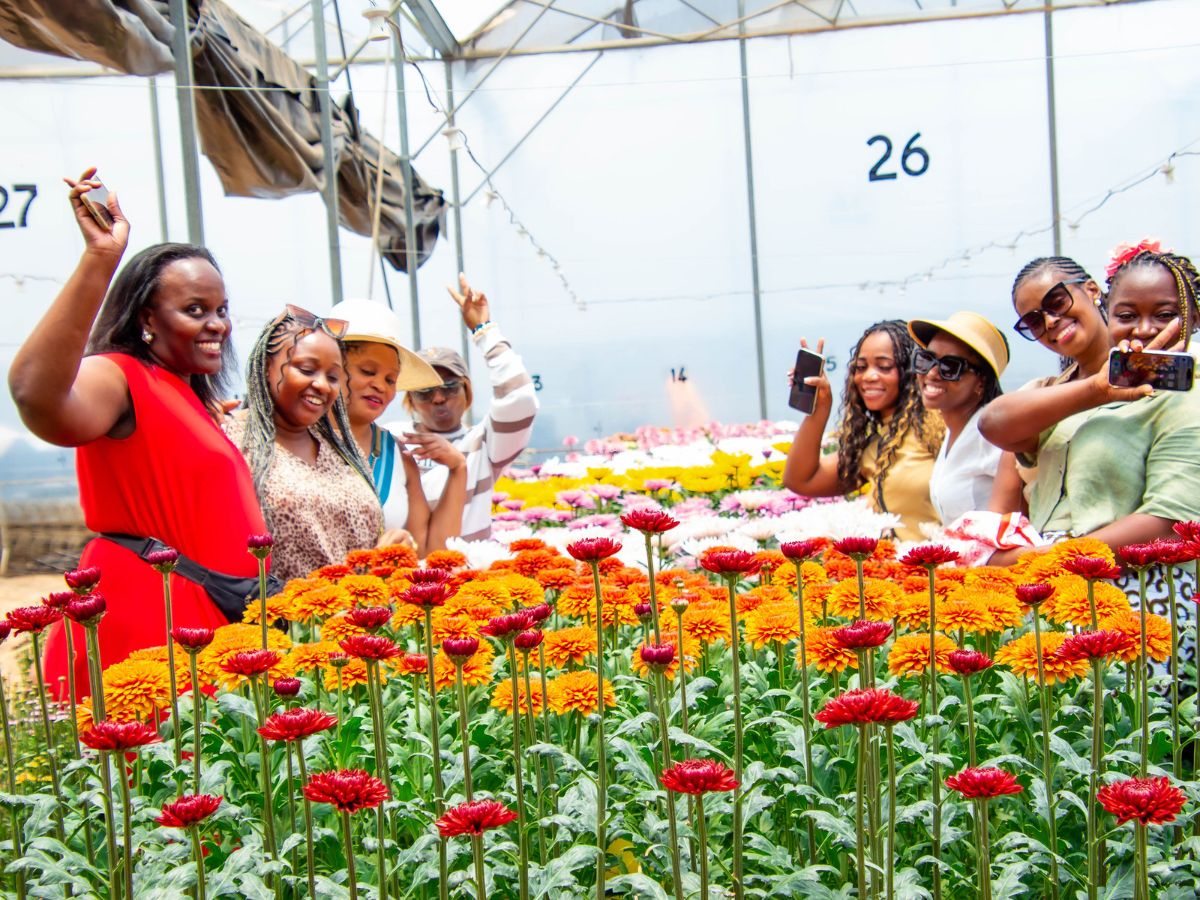
East Africa has spent decades perfecting the art of growing flowers for the world. Perhaps the next chapter is learning how to sell them back home.
Header Image by @KEFFLO