Gerberas are cheerful, daisy-like flowers with petals radiating pure happiness. Imagine flowers so cheery they practically refuse to have a bad day; they seem always to have a way of making you smile. Plus, their bold, vibrant colors and sunny disposition seem so perfect, quite like someone had drawn the ideal flower ever. But these bright beauties carry deeper meanings than their playful appearance might suggest. What are they all about?
The History and Origins of Gerbera
A member of the daisy family, Gerbera jamesonii, commonly called the Transvaal daisy, originates from the grasslands of South Africa. Scottish botanist Robert Jameson first discovered them in 1884, within the country's Transvaal region. Here, these wild Gerberas originally grew, displaying mostly orange and yellow hues.
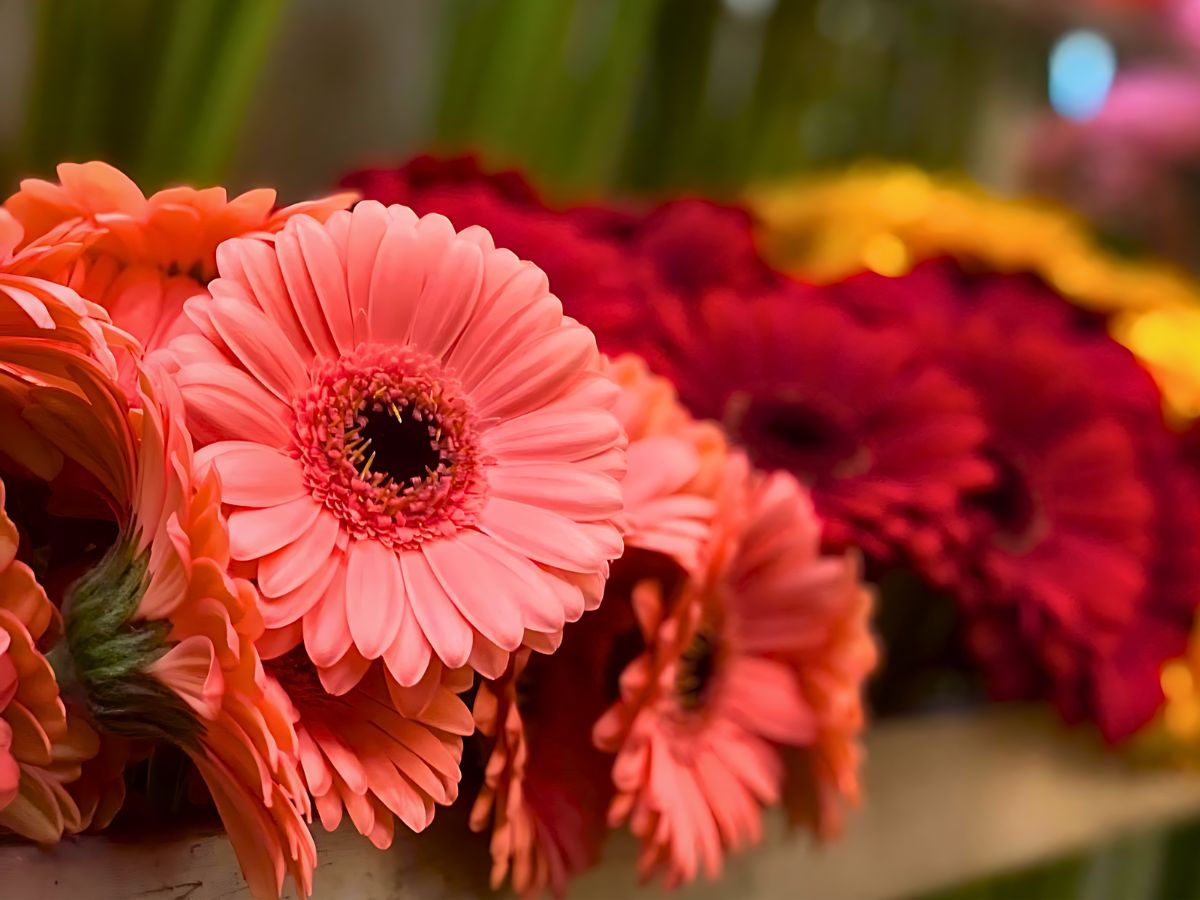
They were not the large, perfectly symmetrical flowers known today. The original Gerbera jamesonii species had smaller blooms and a scruffier appearance; it took breeding programs decades to develop the spectacular varieties available now. These have, since, been cultivated into one of the world's most favorite cut flowers.
Gerbera was named after German botanist and naturalist Traugott Gerber, a friend of Carolus Linnaeus, the father of modern taxonomy. The name honors Traugott Gerber's contributions to botanical science, even though he did not quite see the flower that would carry his legacy.
The genus Gerbera contains about 30 species, but Gerbera jamesonii is the primary ancestor of modern cultivated varieties, which are a result of extensive cross-breeding that began in the early 1900s, particularly in the Netherlands and England. Another species, Gerbera viridifolia, also contributed to these hybrids' development.
How Gerbera Flowers Spread Across the Globe
From its modest beginnings in the South African savannas, the Gerbera spread worldwide through dedicated breeding that expanded color ranges and petal formations. European growers recognized the potential of these South African natives almost immediately.
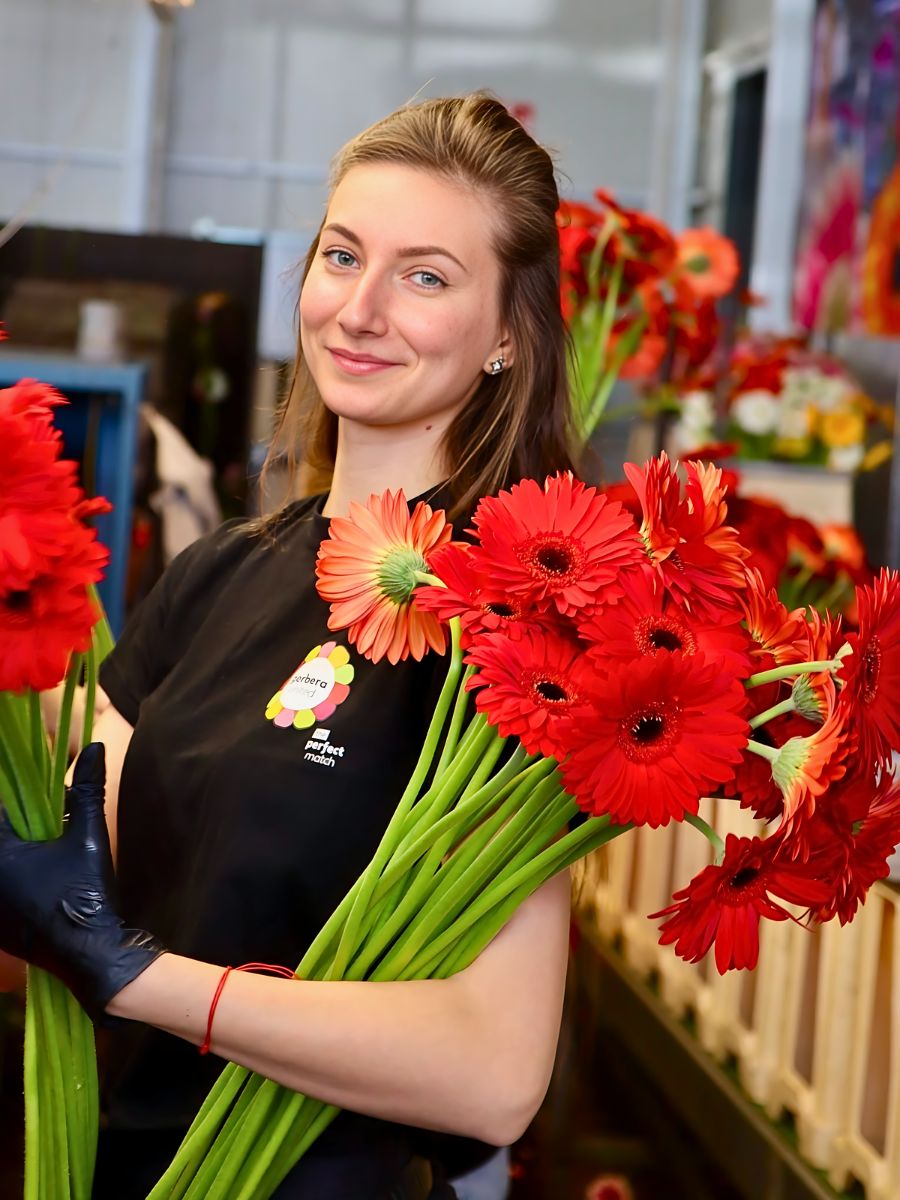
By the early 1900s, Cambridge botanist Richard Lynch had brought their specimens to England, where the breeding programs began in earnest. The flowers' adaptability to greenhouse cultivation made them attractive to commercial growers.
The Netherlands also became the center of Gerbera daisy breeding and cultivation by the mid-20th century. Dutch breeders developed numerous varieties, growing the color palette outside of the original yellows and oranges. They introduced reds, pinks, whites, purples, and even near-black varieties.
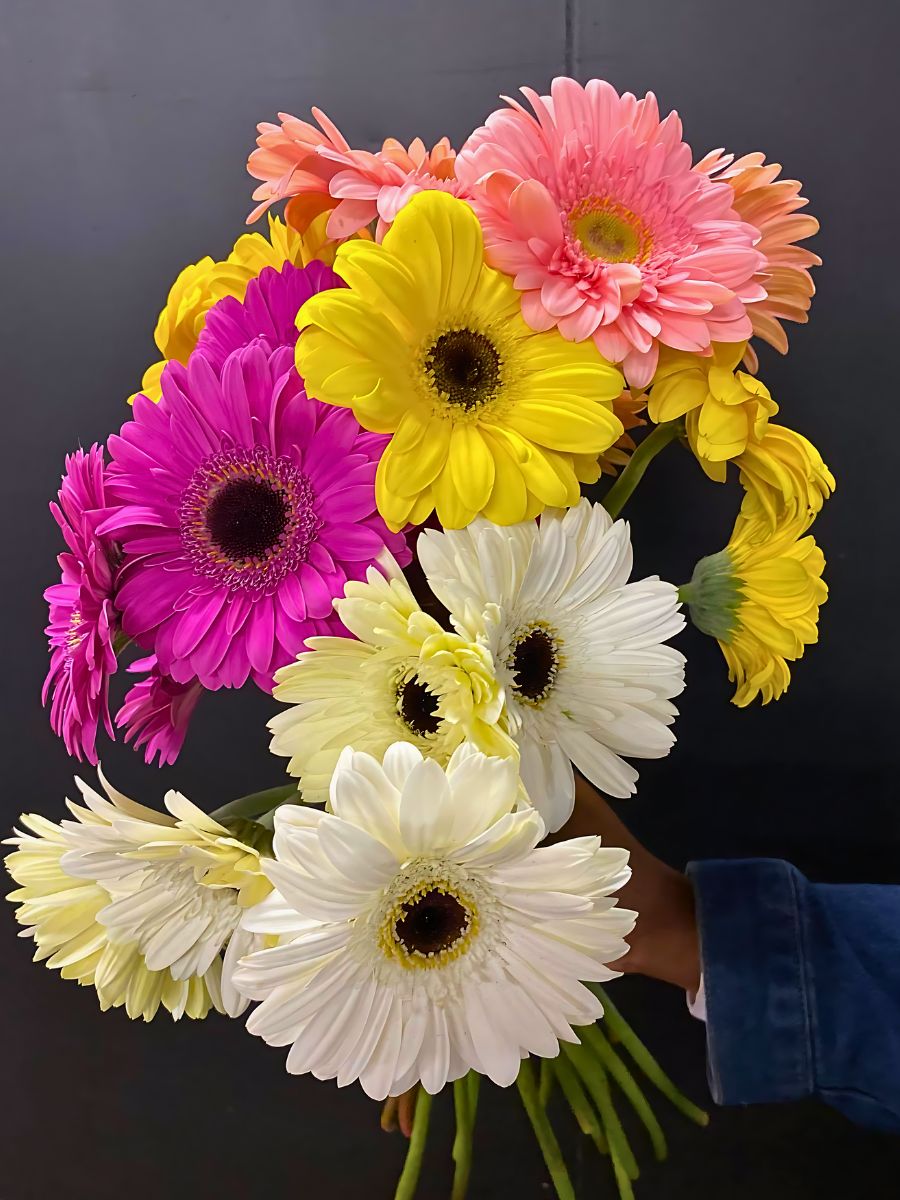
These efforts made Gerberas one of the world's most beloved flower choices and the fifth most popular flower (especially for flower delivery) worldwide, trailing only roses, tulips, Chrysanthemums, and carnations.
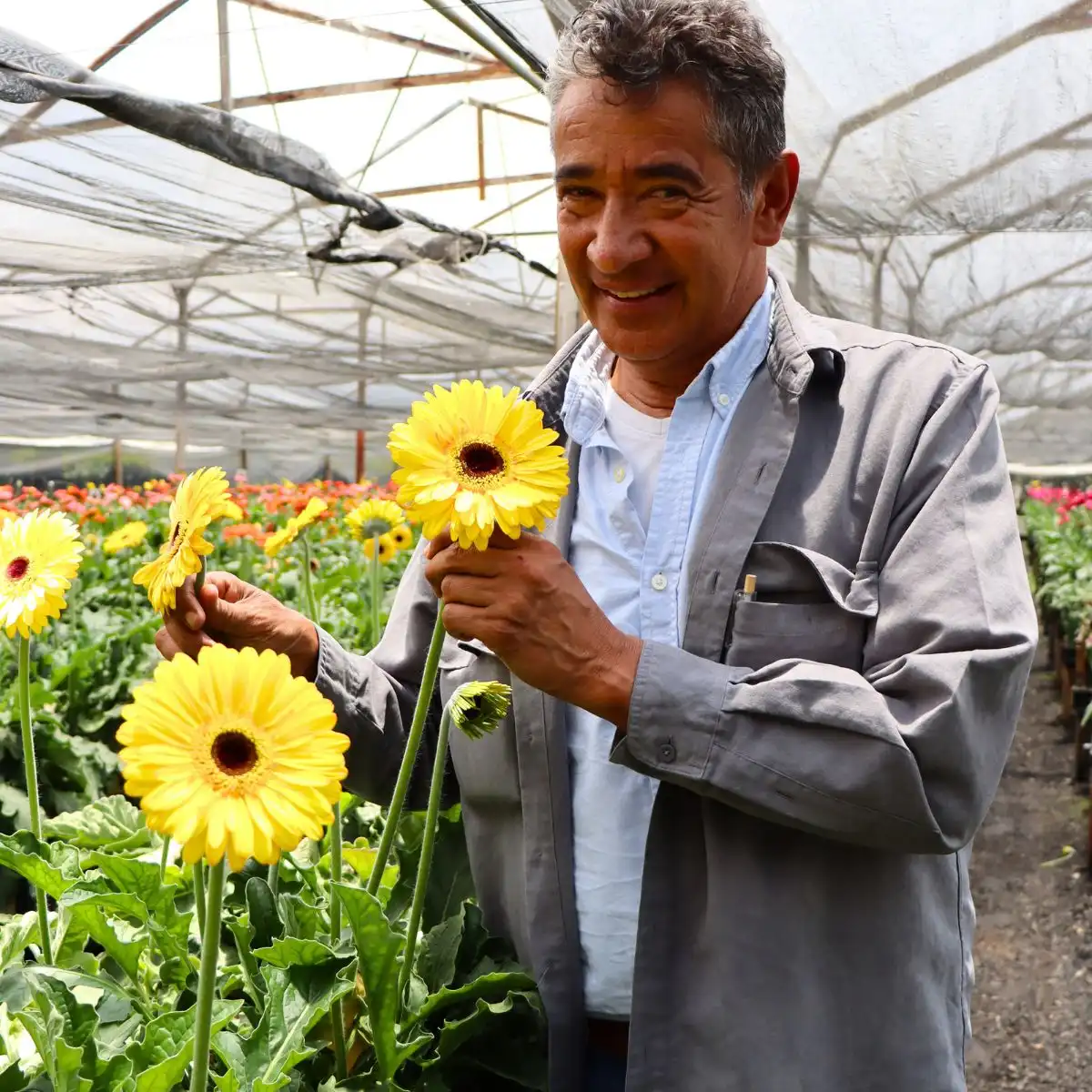
Gerbera flowers reached North America in the 1920s and quickly found fans in California's mild climate. Florida also became a major production area. Today, Gerbera has significant production in the Netherlands, Colombia, Kenya, Ecuador, and Israel. Interestingly, some cultivation also occurs in South America (though the original species hails from Africa), having adapted to grow in various climates, but thrives best in regions with mild temperatures.
Physical Beauty and Gerbera Daisy Color Meanings
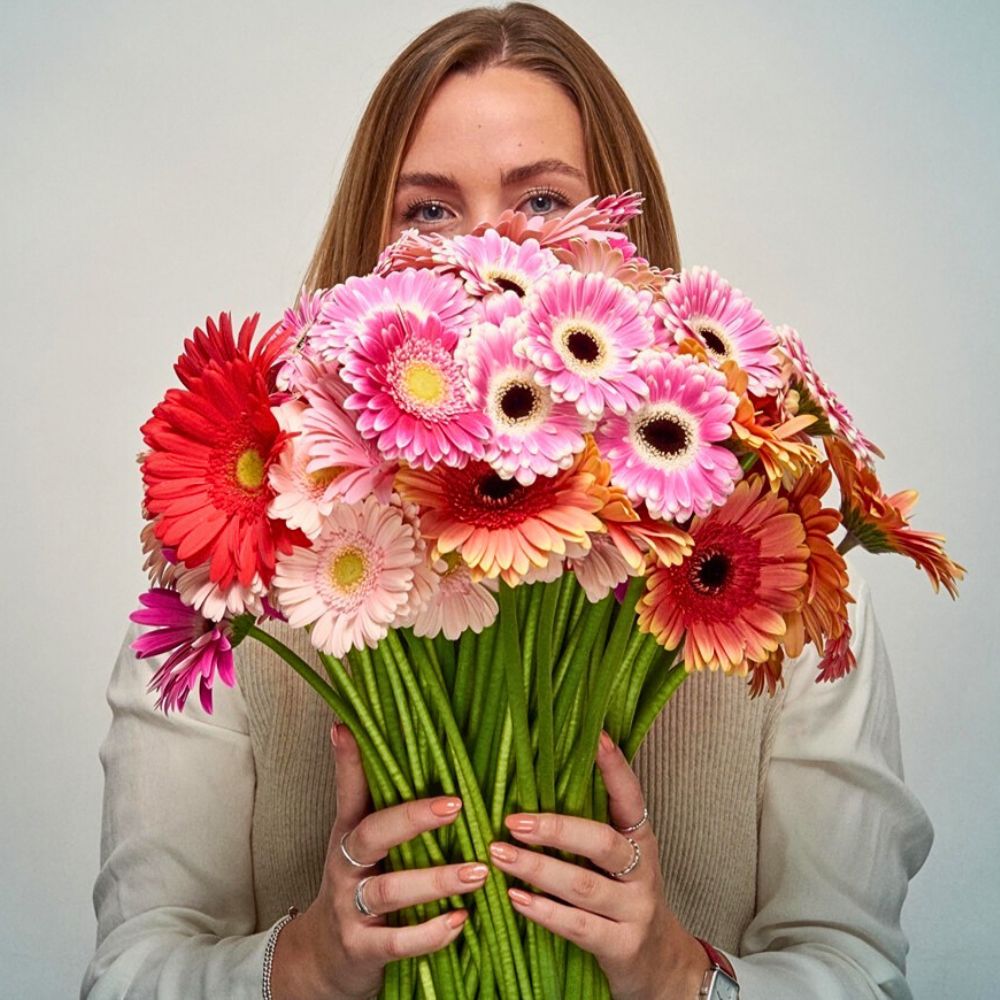
There is so much that makes Gerbera daisies so appealing. Each flower head consists of hundreds of small individual flowers arranged in concentric circles, creating that characteristic daisy shape. The petals can be narrow and spiky, wide and rounded, or anything in between. Some varieties sport double or semi-double forms with layers of petals creating full, large blooms.
Their large, daisy-like flowers typically measure three to five inches in diameter, featuring numerous layers of delicate petals arranged in perfect symmetry, though miniature varieties stay smaller. This daisy family member displays a prominent central disc surrounded by radiating petals that create a stunning focal point in designs.
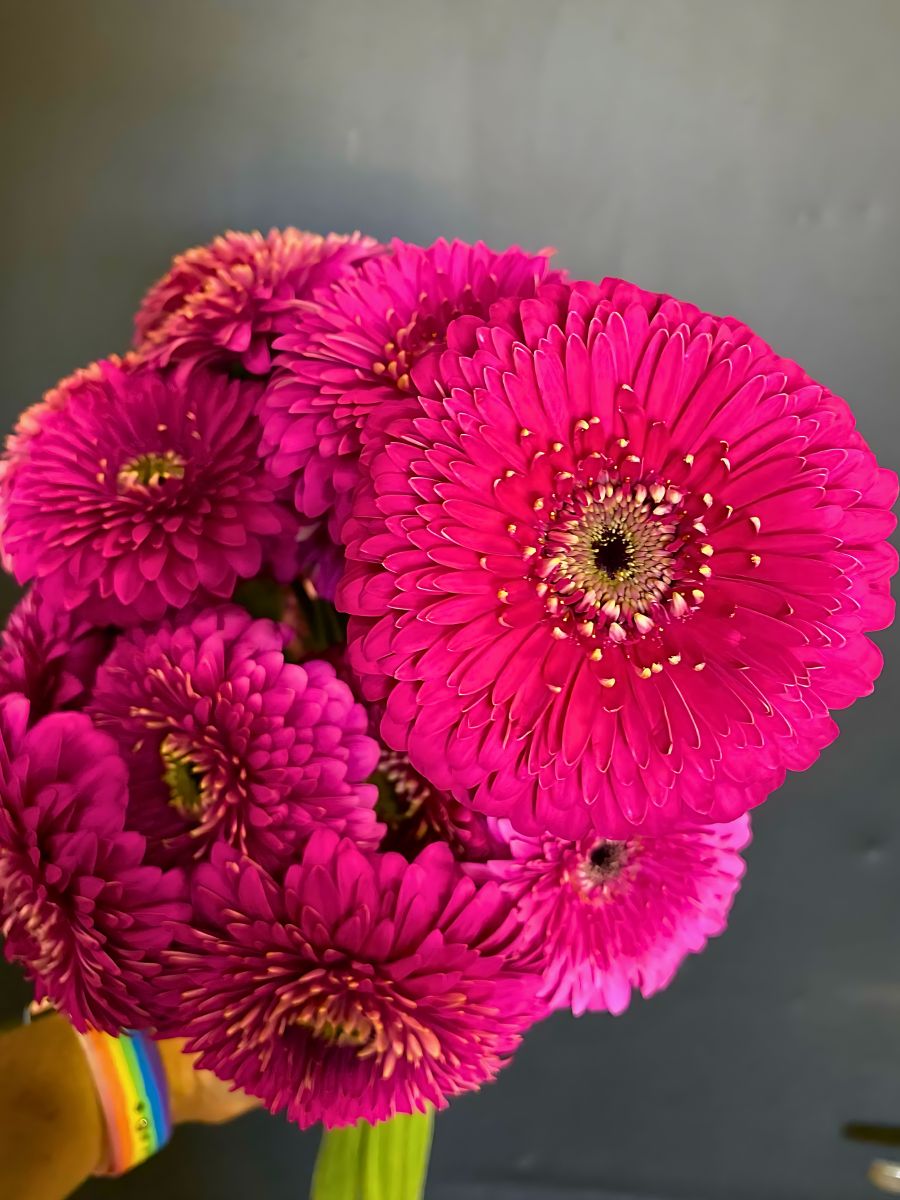
Their stems grow one to two feet tall, strong and relatively straight, making them excellent for flower arrangements. The leaves form basal rosettes with deeply lobed, slightly fuzzy foliage that stays low to the ground.
The Gerbera daisy color range is also exciting. You'll find nearly every shade except true blue, from soft pastels to saturated jewel tones. The palette of available colors seems almost endless for every mood and occasion! Yellow Gerbera daisies radiate sunshine and warmth.
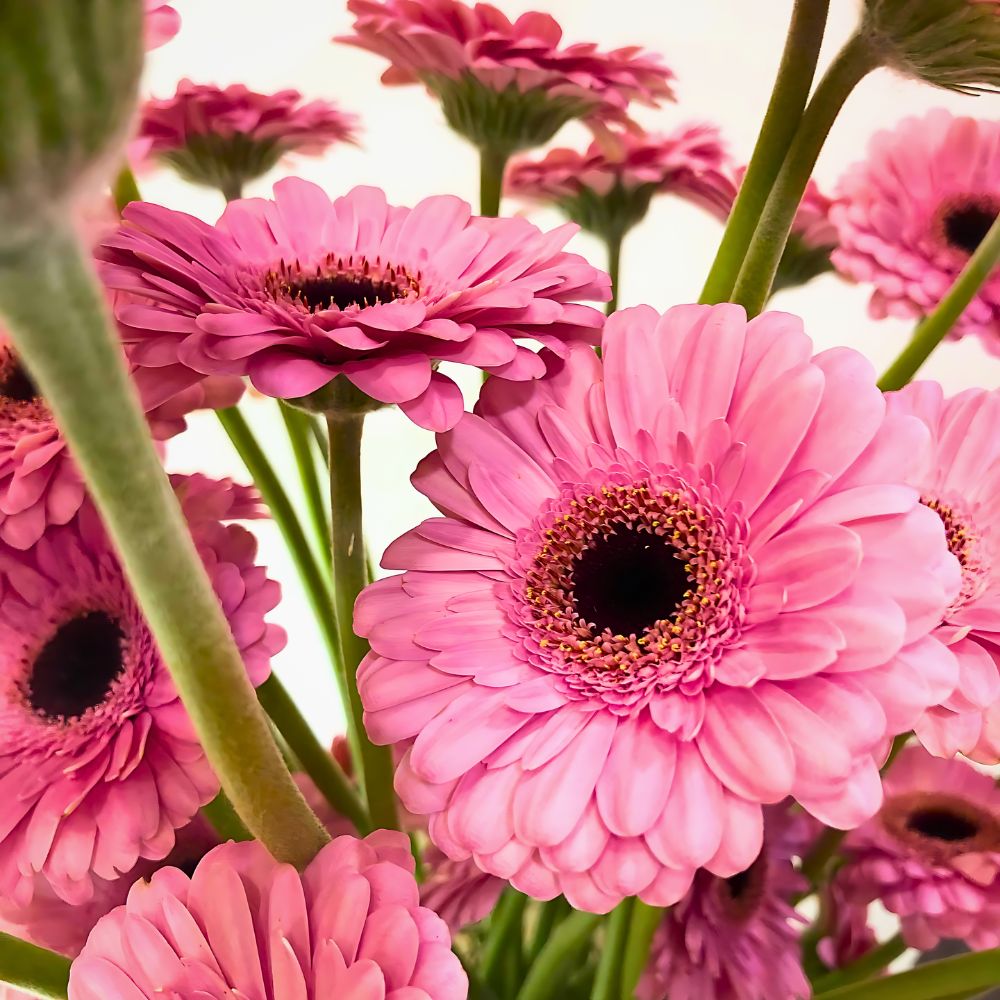
Pink Gerbera daisies express gentle affection and subtle elegance. Red Gerbera daisies convey passionate love and passion, commanding attention with their bold presence. White Gerbera daisies symbolize innocence and purity and provide a classic sophistication. And purple Gerberas suggest elegance.
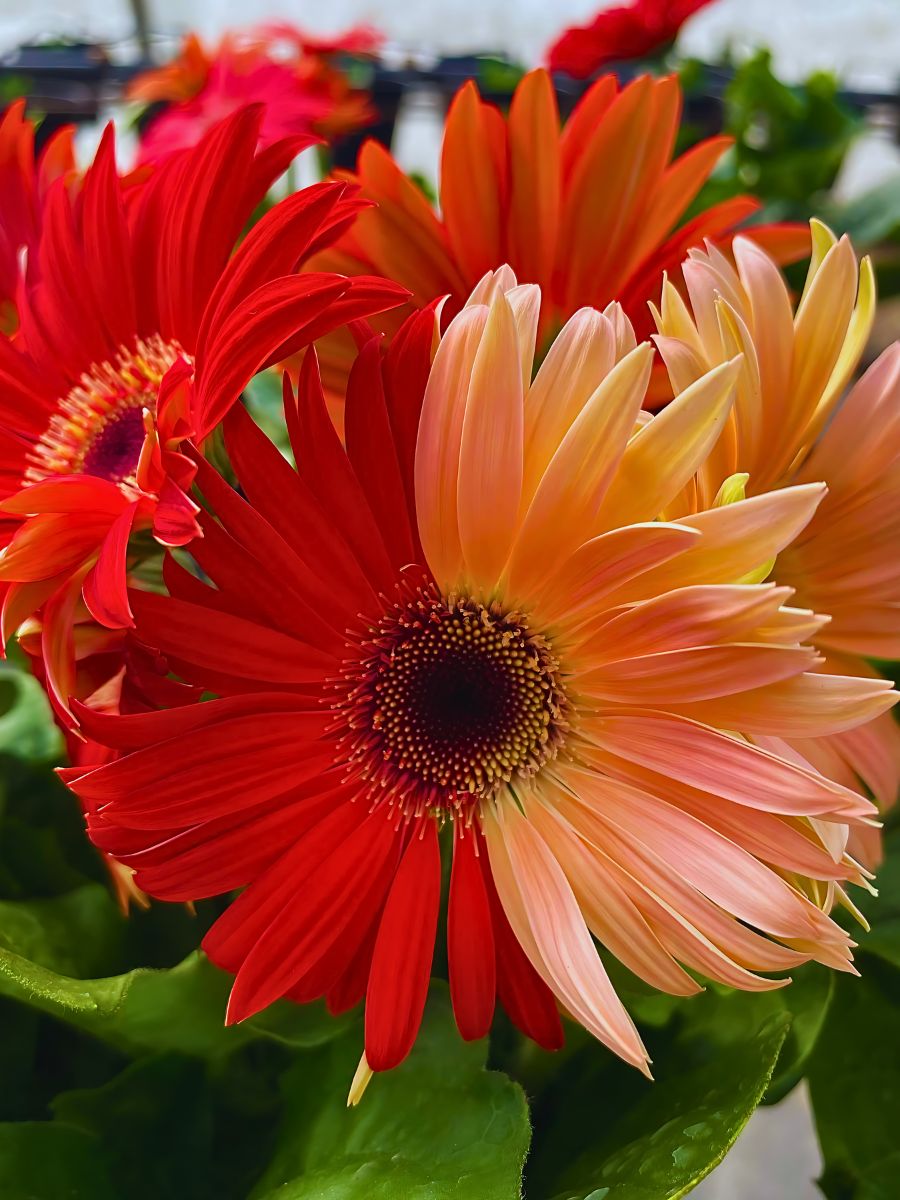
On the other hand, orange Gerberas bring energy and enthusiasm to any arrangement, also adding a tropical flair. Some varieties even display two-tone coloring with dark pink flowers fading to light pink Gerberas at the petal tips, creating stunning visual effects.
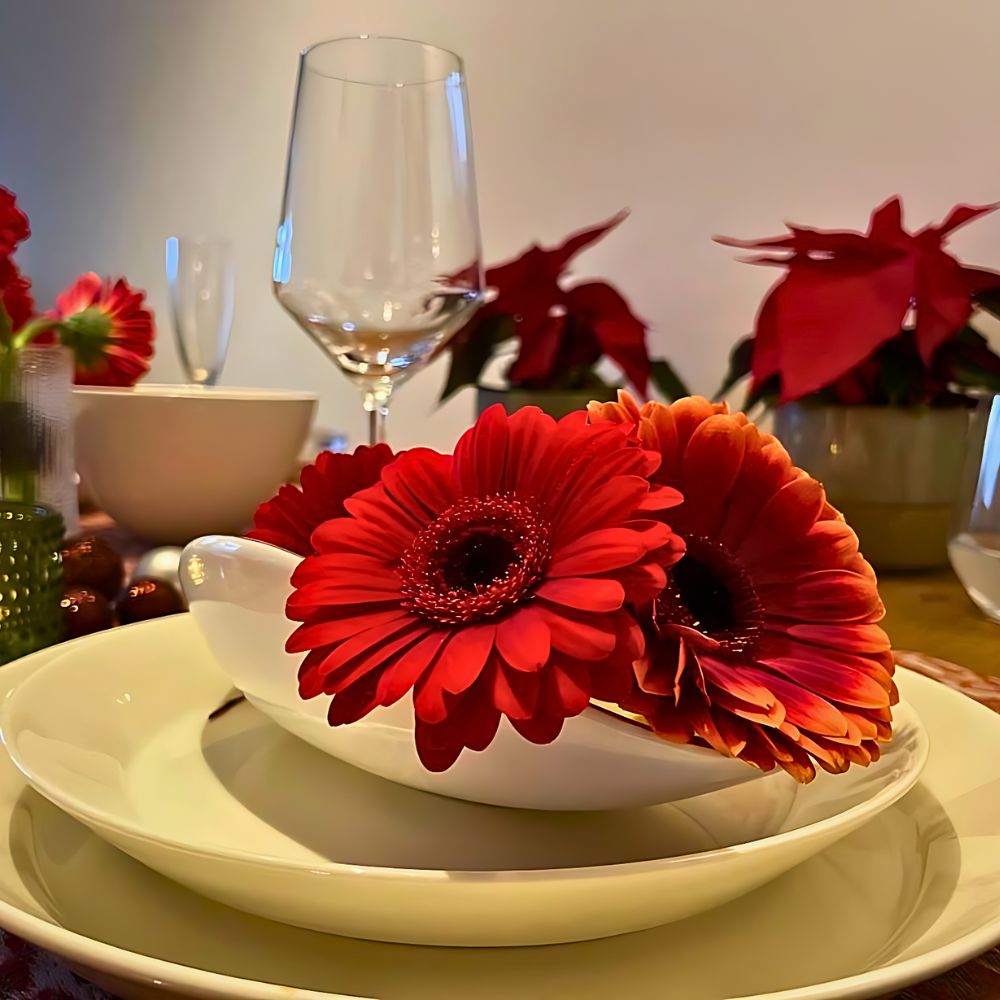
These flowers maintain their cheerful appearance whether freshly cut or displayed for days, a characteristic that makes them particularly valued for flower delivery services and flower arrangements that need to stay fresh for longer.
Understanding Gerbera Flower Meaning and Symbolism
The meaning of Gerbera flowers runs deep, notwithstanding their cheerful appearance. They carry spiritual meaning across cultures and contexts. Generally, however, the Gerbera flower meaning is about joy, innocence, and purity, depending on context, which makes it ideal for celebrating occasions like new beginnings and fresh starts in life. When you give someone a Gerbera daisy, you're essentially saying "your friendship brightens my days" or expressing gratitude for their being there.
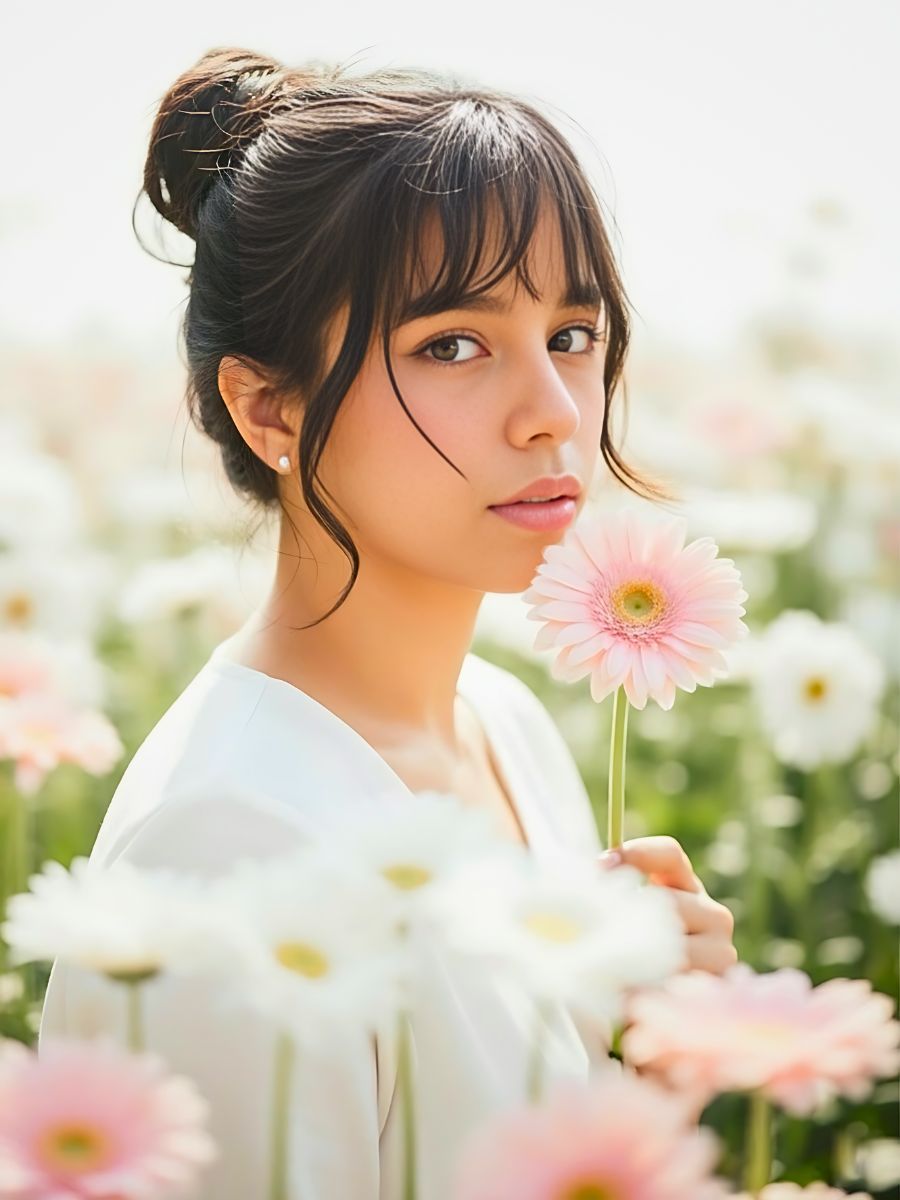
Gerbera Flower Meaning and Symbolism Across Cultures
Universally, the meaning of Gerbera flowers centers on cheerfulness. These vibrant flowers radiate optimism and joy in a way few other flowers match. Their sunshiny appearance naturally connects them to happiness, making them perfect for celebrating good news or helping to brighten someone's day. Gerbera flower meanings also include innocence and purity, stemming from its daisy-like form and beautiful blooms.
In Western culture, Gerbera daisies symbolize beauty and simplicity. Unlike roses, whose complex meanings are layered, they offer forthright positivity, representing loyal love in some contexts, particularly pink Gerberas.
Some interpretations even suggest they symbolize unconscious love, a tender affection that exists naturally. Gerbera daisy meaning extends to appreciation and admiration. They are appropriate for expressing gratitude or showing respect to loved ones.
In Asian cultures, particularly in China, Gerbera flowers represent happiness and are often given during joyous occasions. Their bright appearance aligns with cultural preferences for flowers that bring positive energy. Some traditions associate Gerberas with achieving goals and moving forward optimistically, making them ideal for special occasions and celebrations.
The spiritual meaning of Gerbera daisies in modern contexts connects to spreading positivity and maintaining childlike wonder. They are considered fifth wedding anniversary flowers, signifying the joy and warmth that characterizes a five-year marriage. This tradition acknowledges how the vibrant Gerbera can express love and commitment while maintaining a sense of playfulness.
Color Can Be So Impactful
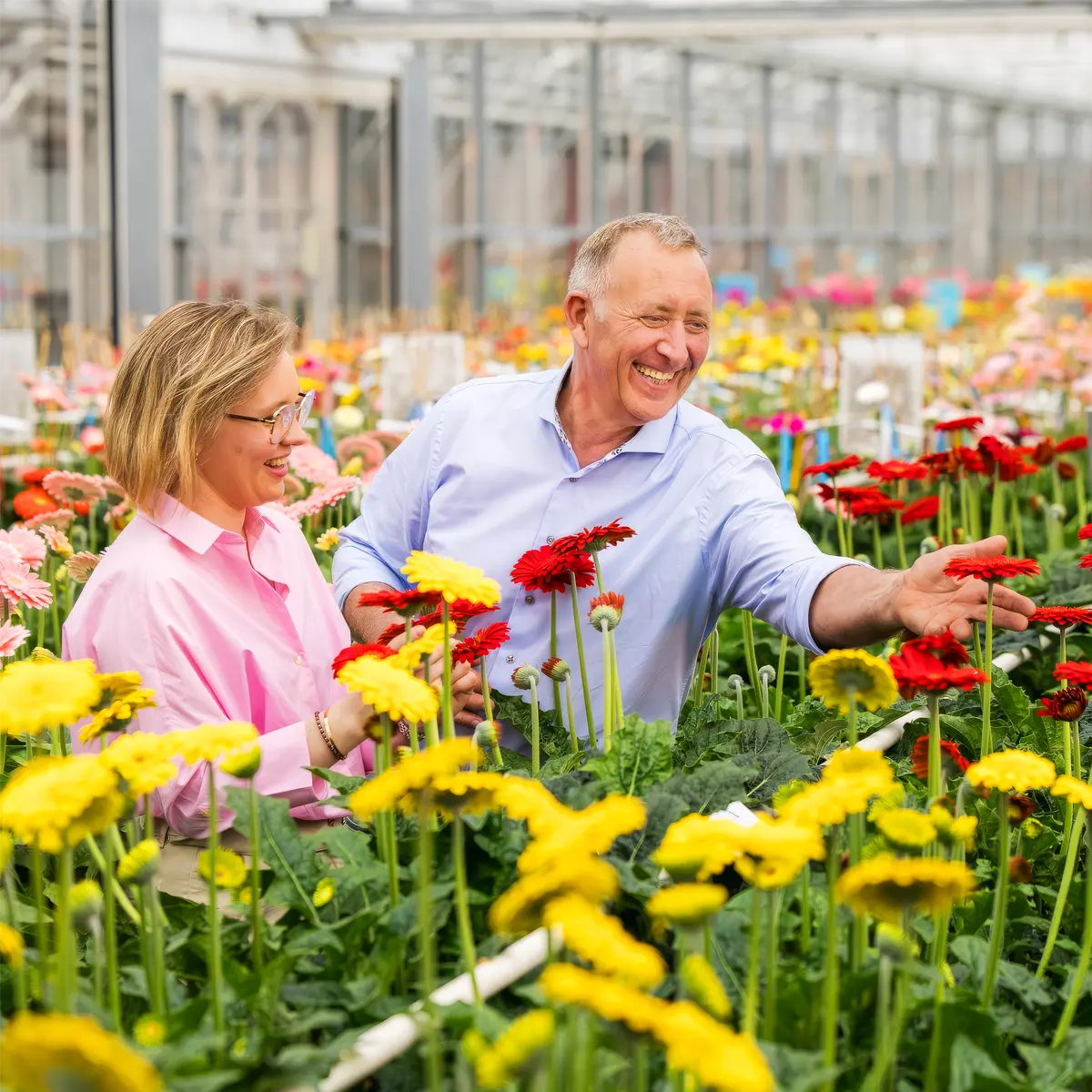
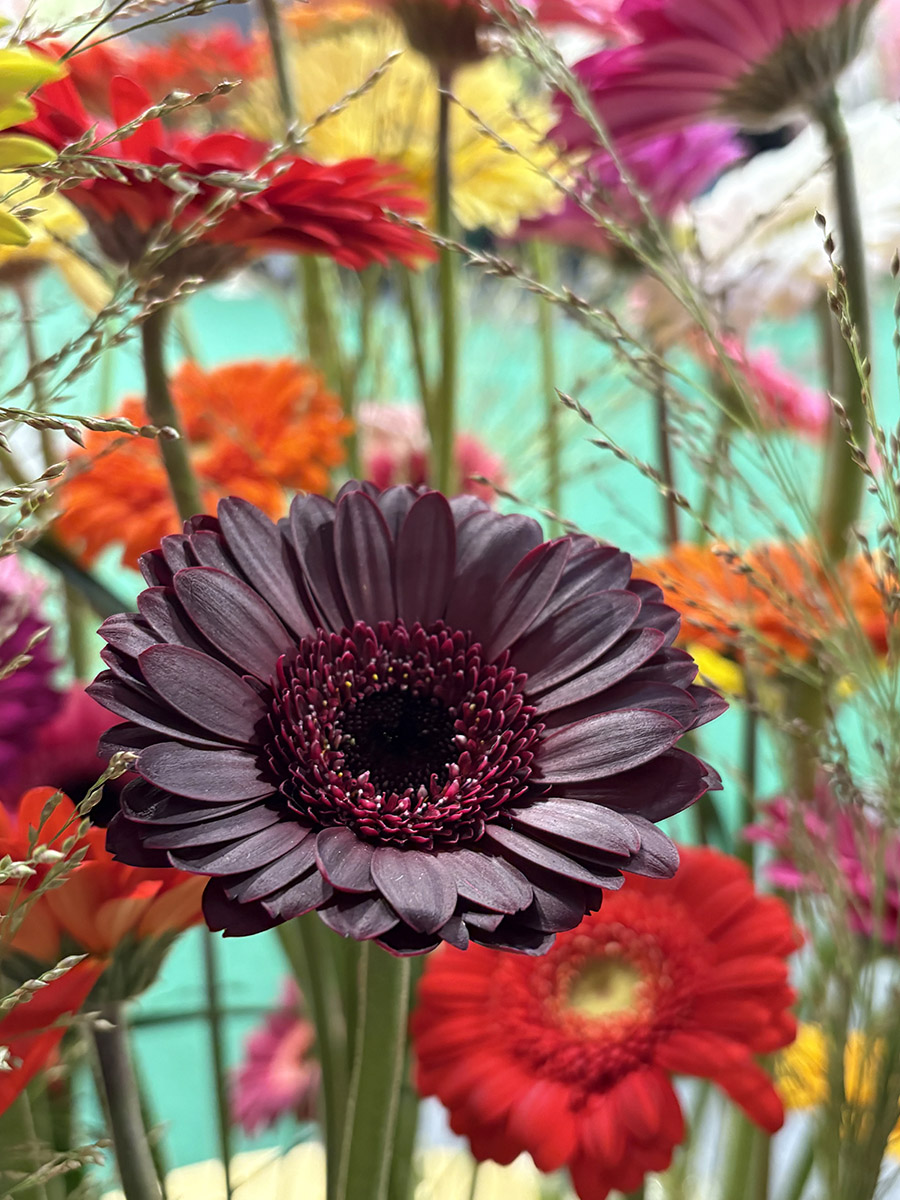
The newest dark gerbera from Holstein adds a layer of depth that feels both contemporary and meaningful within the wider gerbera range. Traditionally, gerberas symbolize joy, gratitude, and positive energy. With its rich burgundy tone, almost leaning into deep wine red, this variety introduces a more layered interpretation of that symbolism. It still carries the optimism gerberas are known for, yet it also suggests strength, confidence, and emotional intensity. Placed among bright yellow, orange, red, and pink gerberas, the dark shade creates natural contrast and balance, allowing lighter colors to shine while giving arrangements greater visual structure. Its tone closely aligns with the Thursd Floral Trend Color 2026, Crimson Nocturne, a color that represents depth, romance, and quiet power. This makes the new Holstein gerbera not only visually striking but also relevant in contemporary floral storytelling, where color choice supports both design impact and symbolic meaning.
In Victorian flower language, Gerberas represented beauty and grace, while modern interpretations also emphasize their role in expressing admiration, gratitude, and spreading joy. Whether sent as an expressive gift conveying heartfelt sentiments to loved ones or displayed in public spaces, these flowers communicate positivity regardless of language or tradition.
Gerbera Use in Floral Arrangements and Designs
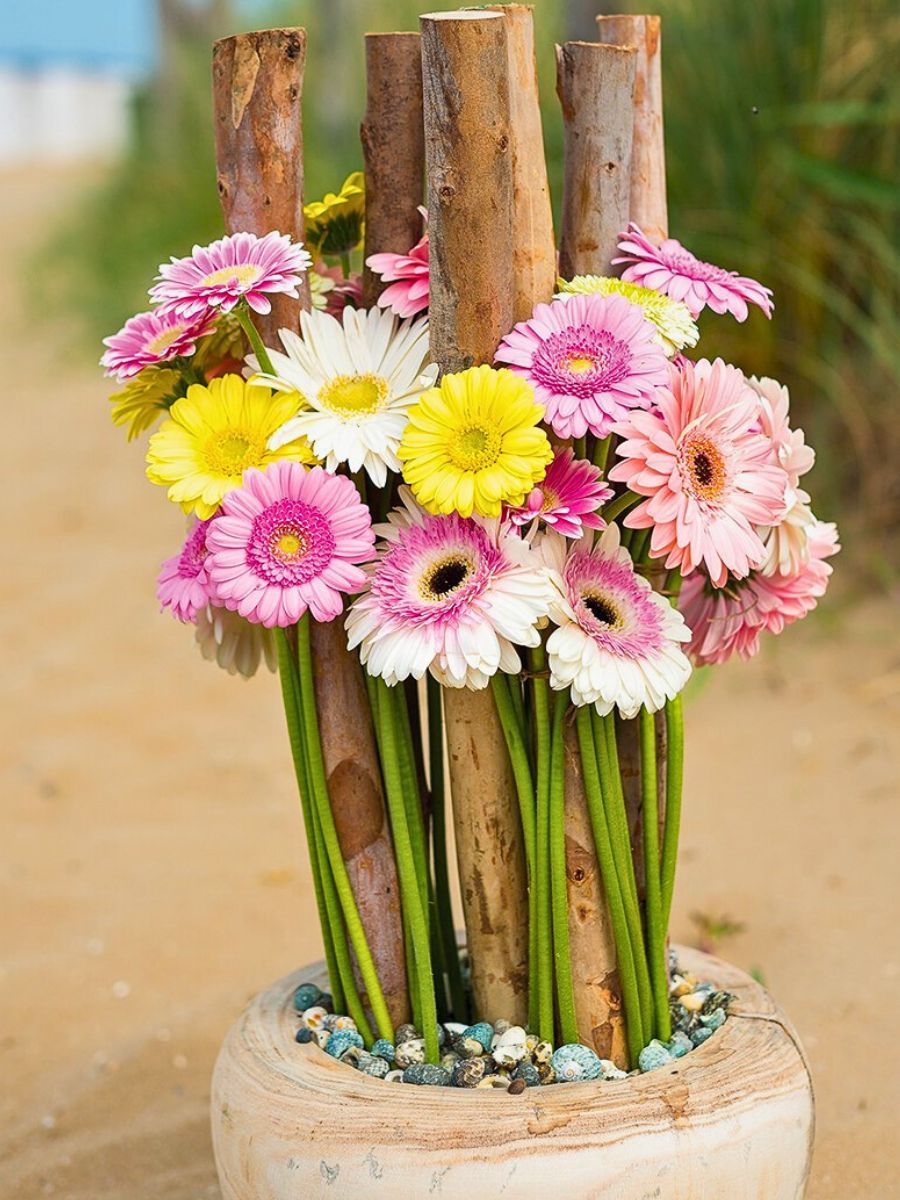
Florists love working with Gerbera daisies for their versatility and impact. Their sturdy stems and long vase life (with proper care) make them reliable. Also, these flowers adapt beautifully to any design aesthetic, while floral arrangements featuring them work well for casual or formal wedding decorations.
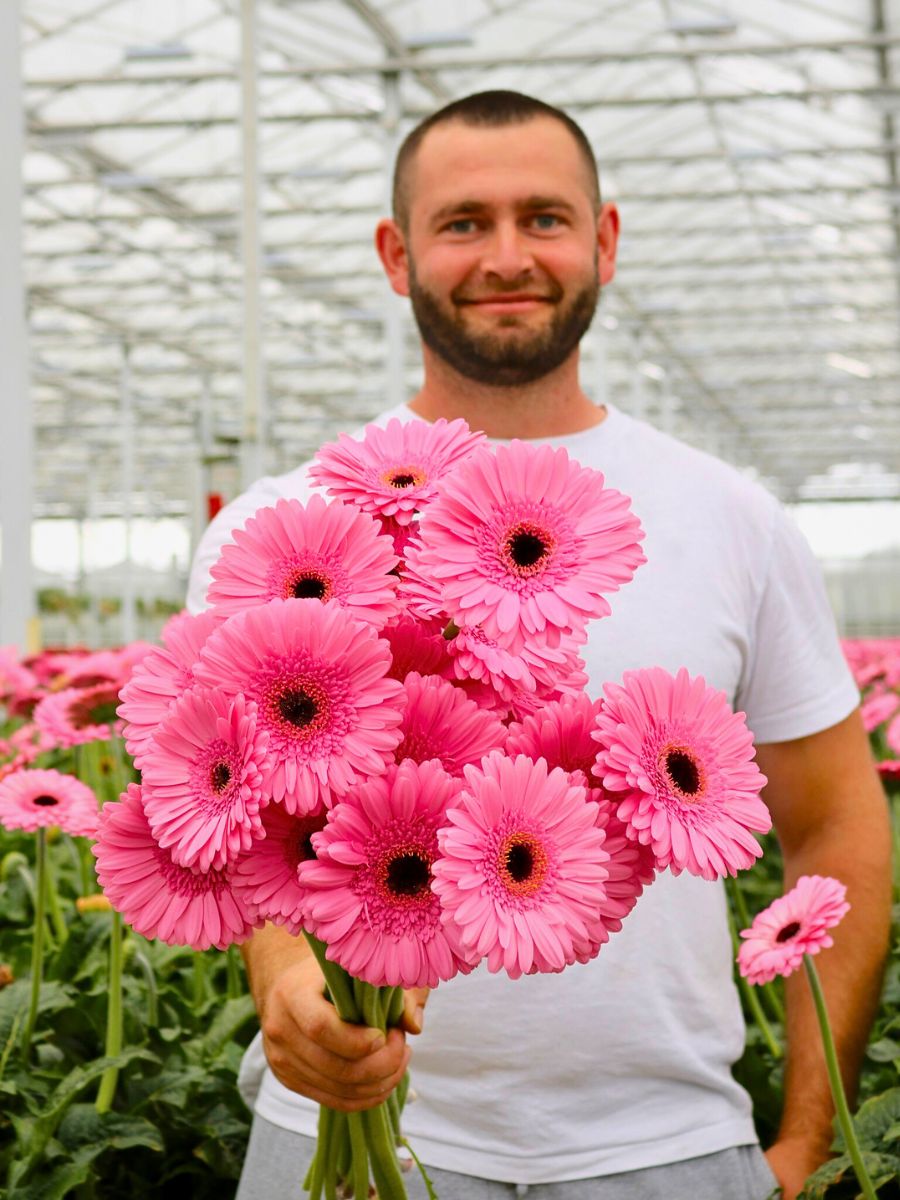
The flowers' bold faces also create an immediate impact in any Gerbera bouquet, whether used alone or combined with other flowers. A simple Gerbera flower bouquet of the same-color specimens in a clear vase makes a clean, modern statement that can brighten someone's day. Gerbera flower bouquets can stand alone or combine with complementary flowers to create layered designs.
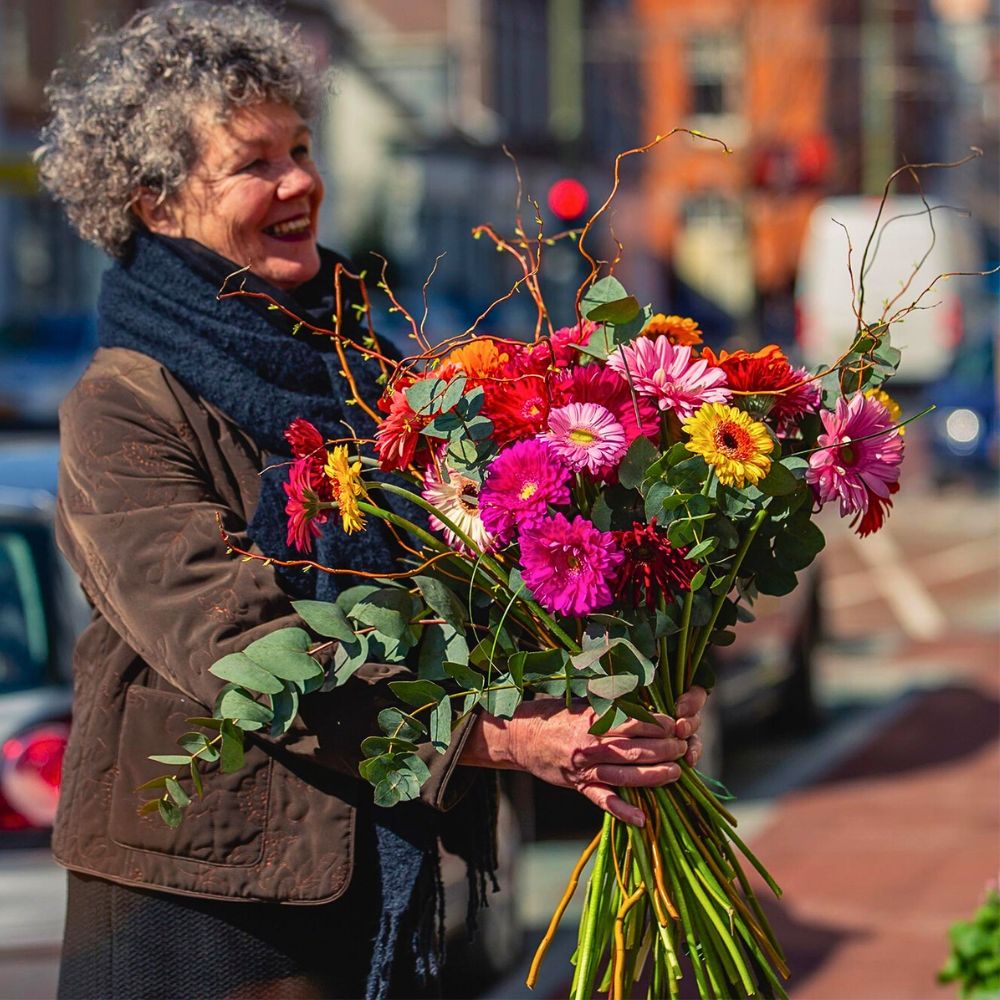
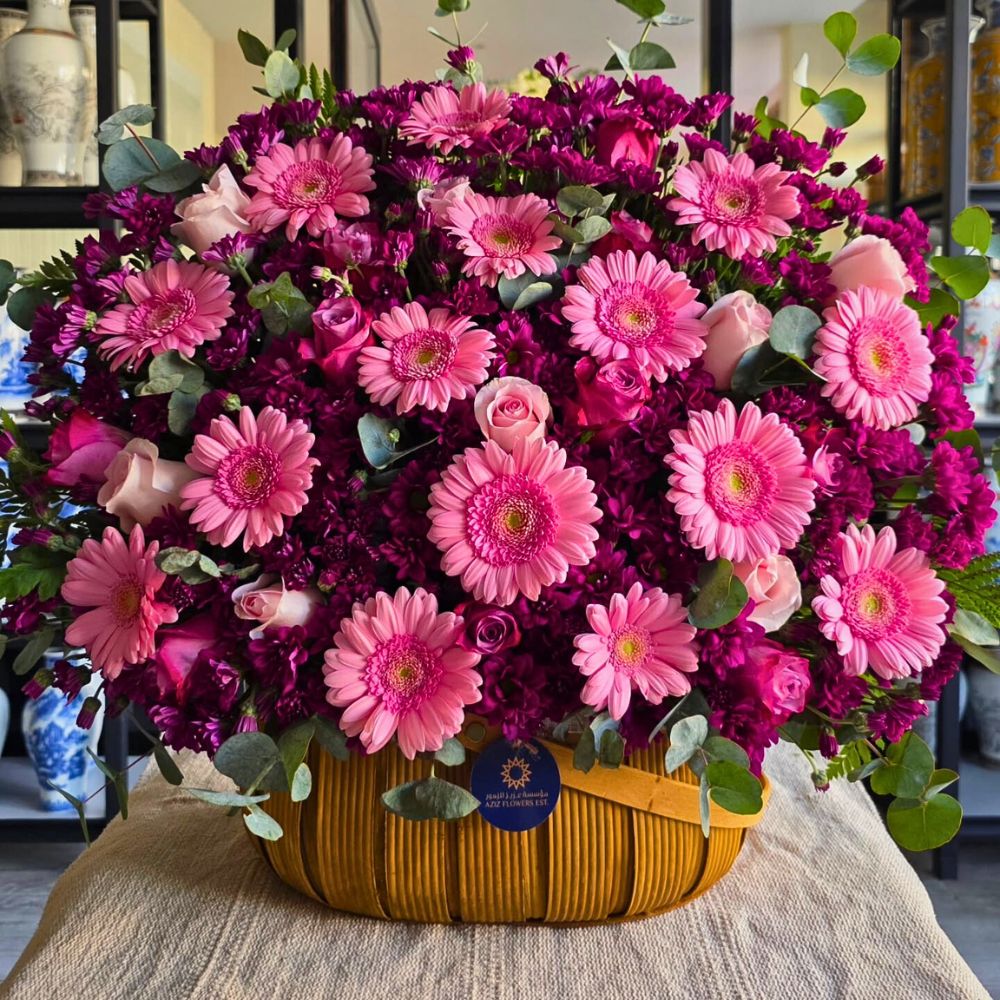
Many florists also pair pink Gerberas with roses for romantic arrangements, or mix red Gerberas with white lilies for dramatic effect. Yellow Gerberas pair wonderfully with orange and red tones for vibrant, energetic displays. Notably, these flowers' ideal vase life means that with proper care, a carefully composed bouquet will provide beauty for longer.
Correspondingly, wedding designers often feature Gerbera daisies in spontaneous, joyful celebrations. Bridal bouquets of mixed-color Gerberas create a fun, relaxed vibe perfect for outdoor or daytime weddings. Such wedding bouquets featuring yellow Gerbera or white Gerberas bring freshness and simple beauty.
Single Gerbera daisy flowers also make charming boutonnieres or bridesmaid flowers. For wedding décor, their affordability compared to other flowers like roses or orchids allows for generous use without breaking budgets.
In mixed flower arrangements, Gerberas provide exciting focal points: large faces that draw the eye, and clean lines that work well in both traditional and contemporary designs, paired with roses, lilies, Chrysanthemums, and greenery. Some designers cut stems short for low centerpieces, while others use their full height for tall arrangements.
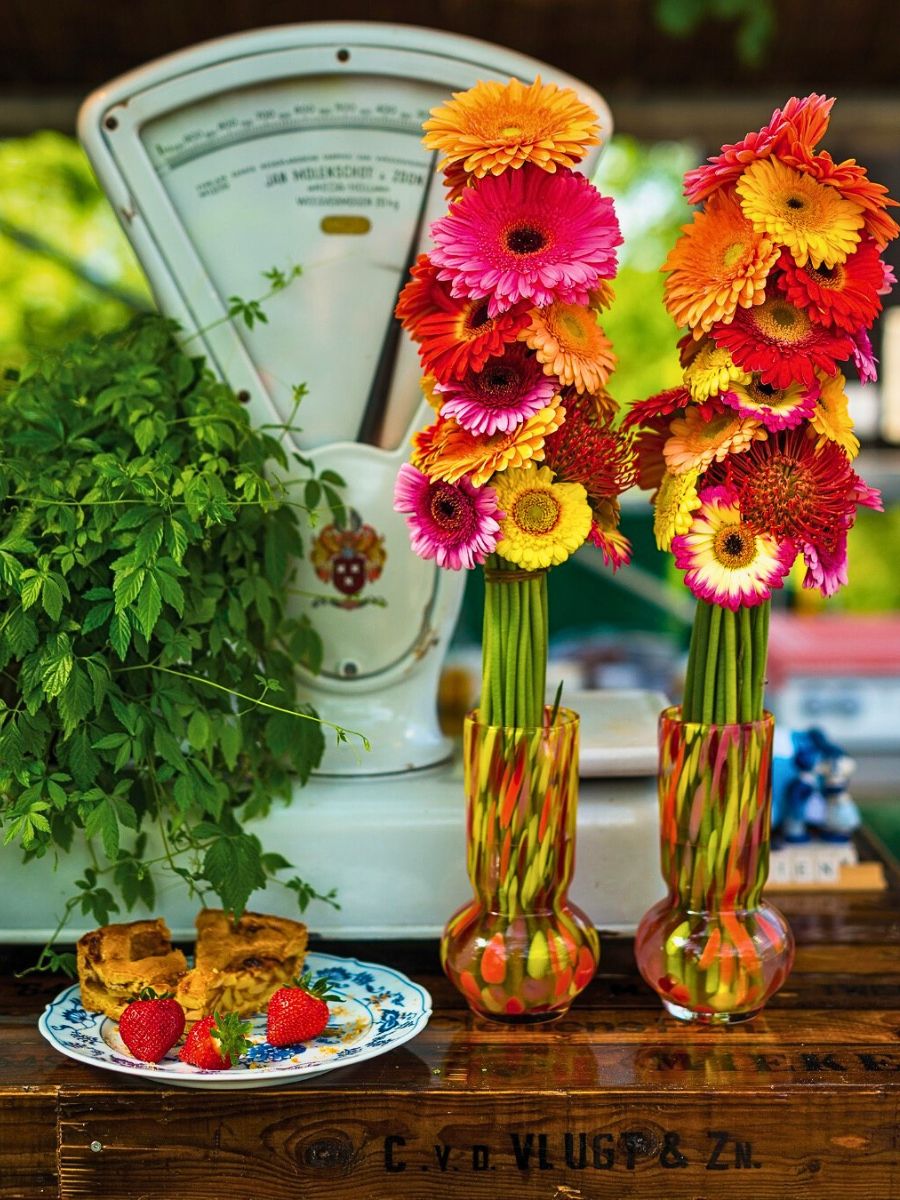
Corporate settings also favor Gerberas for their professional yet friendly appearance. Reception desks and conference rooms often feature these flowers since they project approachability without seeming frivolous. Office workers appreciate receiving Gerbera daisies as thank-you gifts or congratulatory bouquet arrangements as well.
Moreover, get-well arrangements commonly include Gerbera daisies because their cheerful appearance lifts spirits without the heavy romance of roses or the funeral associations of certain lilies. Their meaning as a symbol of positivity makes them ideal for encouraging recovery and boosting moods.
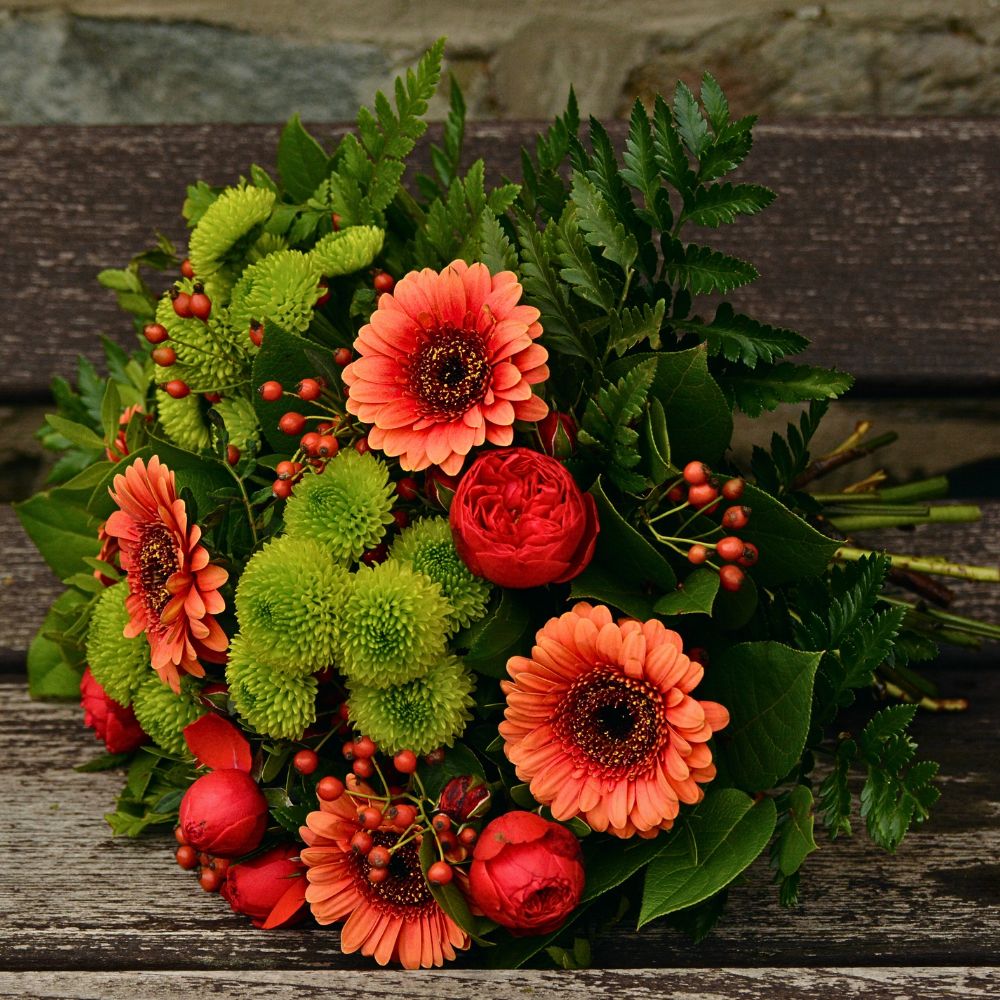
They also spread joy naturally, helping express gratitude for one's well-being. Many get-well arrangements often feature Gerbera daisy orders as people seek expressive gift options that convey heartfelt sentiments.
Cultivation Tips for Gerbera Daisies
Growing Gerbera daisies requires attention. These flowers thrive in areas with direct sunlight, needing at least six hours daily for optimal growth. In frost-free climates, they can live as perennials. Elsewhere, treat them as annuals or grow them in containers that move indoors for winter. They should also be planted in well-draining soil with plenty of organic matter.
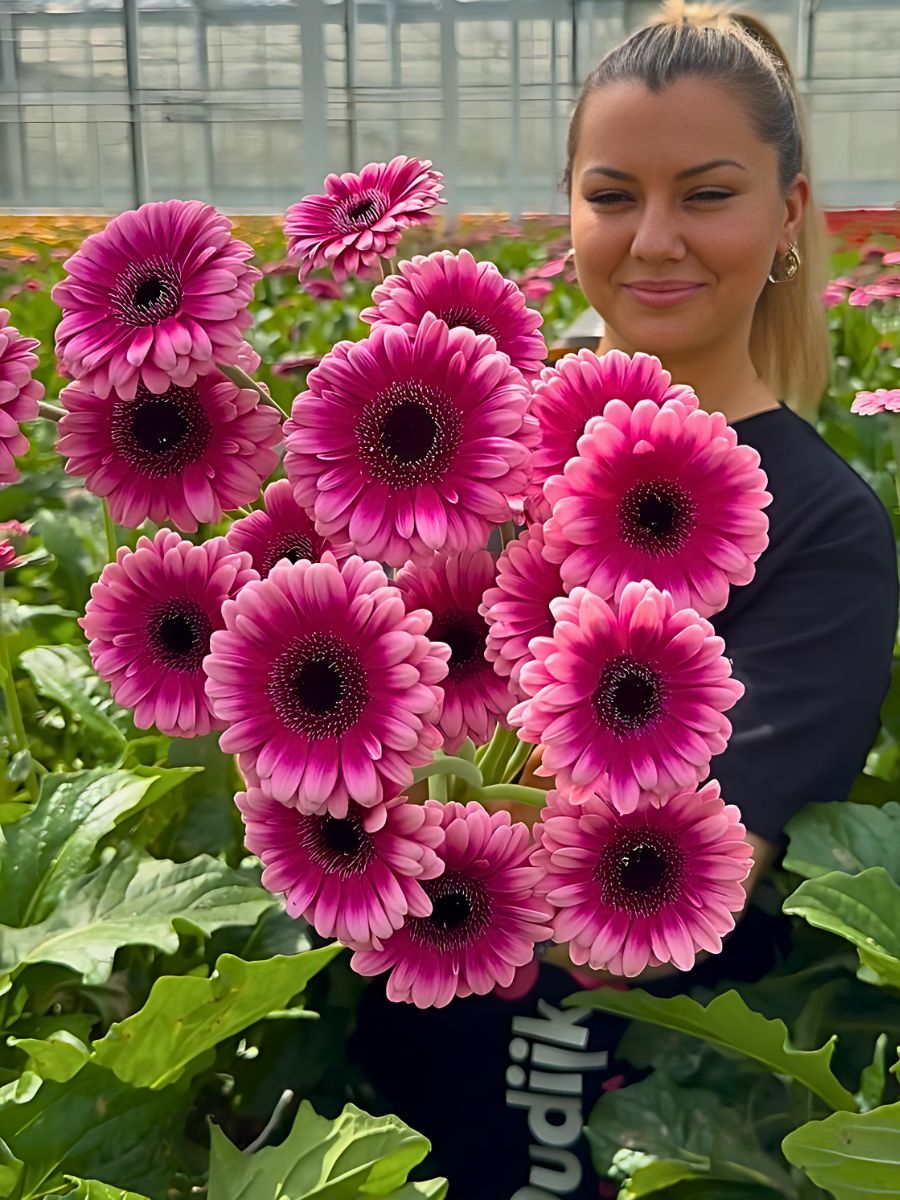
Gerbera jamesonii and related species prefer moderate watering schedules. They need consistent moisture but hate soggy conditions, a balance requiring careful watering. Allow soil to dry slightly between watering, and always water at the soil level rather than overhead to prevent leaf diseases. Their crowns should also sit slightly above soil level to prevent rot, and being fully immersed in water can quickly damage the roots.
Container-grown Gerberas also need excellent drainage. Use pots with drainage holes and quality potting mix. Grown indoors, they need bright light and direct sunlight (in cooler regions) because full sun produces the most blooms. Afternoon shade also helps, protecting them from intense midday rays. Feed them regularly with balanced fertilizer during the growing season, and deadhead spent flowers, cutting stems at the base to encourage continuous flowering. Most varieties produce flowers from spring through fall if deadheaded consistently.
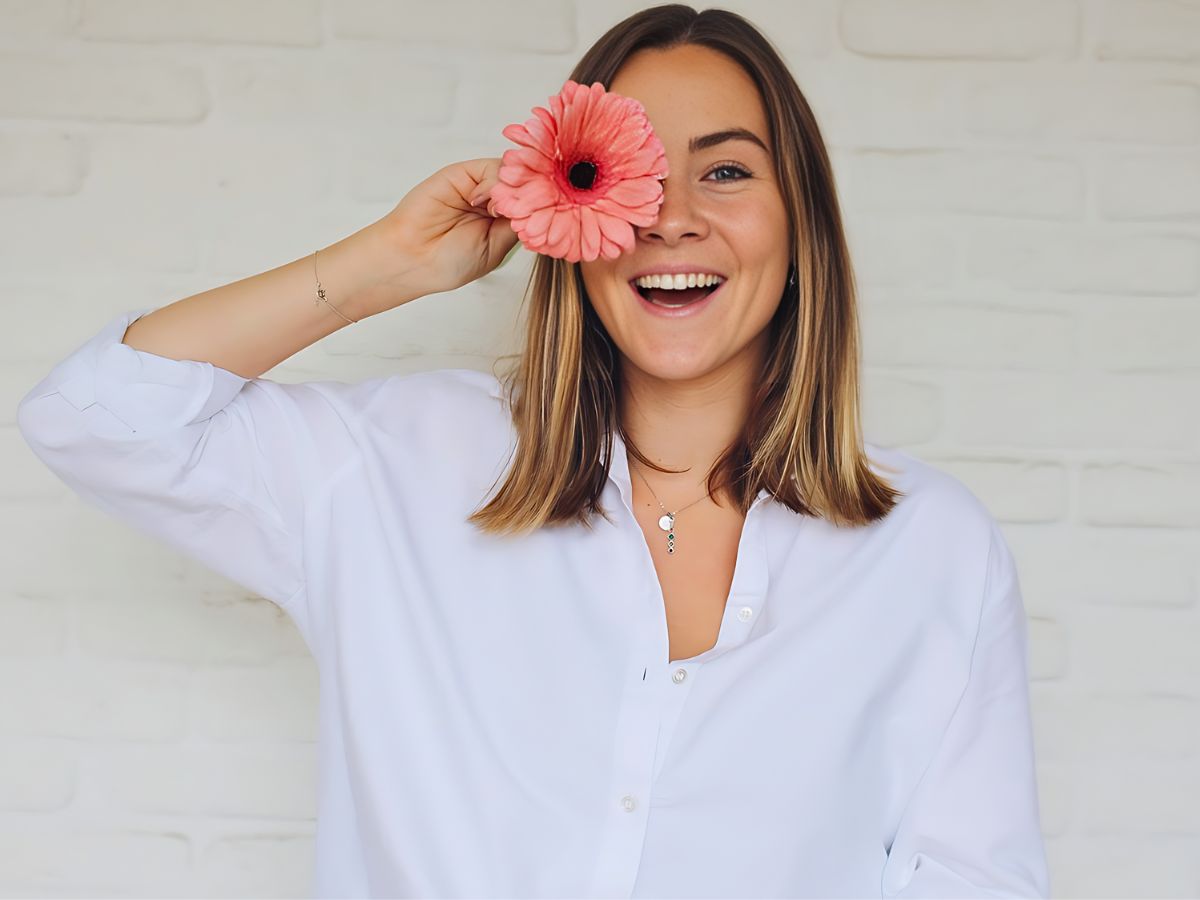
Lastly, watch out for aphids, spider mites, and whiteflies, which love Gerbera flowers. Inspect regularly and treat infestations promptly with insecticidal soap or appropriate pesticides. Powdery mildew and crown rot are also common diseases. Prevent them by ensuring good air circulation and avoiding overhead watering. Essentially, while Gerberas can be fussy as houseplants, they succeed with proper care.
Feature image by Thursd. Header image by congerdesign.