.jpg)
Culinary education is no longer only about knife skills, sauces, and classic kitchen discipline. Modern chefs are learning how to think with the garden in mind. Flowers, herbs, leaves, seeds, and edible botanicals are becoming part of the way students understand flavor, presentation, sourcing, and respect for ingredients.
This does not mean culinary schools are turning every dish into a floral display. It means future chefs are learning that plants can do more than decorate a plate. A nasturtium can add peppery bite. Lavender can bring aroma when used carefully. Calendula can add color and a mild, earthy note. Basil flowers can give a softer version of the herb itself.
Floral ingredients teach chefs to slow down, taste properly, and ask better questions. Is this flower edible? Was it grown for food use? How strong is the scent? Does it help the dish or distract from it? These questions are now part of serious culinary training.
Floral Ingredients Are Teaching Chefs To Respect Details
A chef can hide a weak garnish with too much sauce. But floral ingredients are less forgiving. They are delicate, seasonal, and often used raw. This forces students to work with care.
In culinary schools, students learn that edible flowers cannot be treated like decoration picked at the last minute. They need correct storage, gentle handling, and careful timing. A flower placed too early may wilt. A strong herb flower used too much can overpower a dish. A petal that looks good but has no flavor may not be worth using.
This is why floral ingredients are useful in training. They teach control. They remind students that presentation is not separate from taste.
Safety Comes Before Beauty
The most important lesson is safety. Not every flower is edible. Not every edible flower is safe if it was grown for display instead of food.
Florist flowers are often produced for vase life, transport, and appearance. They may have been treated in ways that make them unsuitable for eating. Culinary schools must teach students to source edible flowers from food-safe growers or trusted suppliers.
This is also why home cooks and young chefs should avoid guessing. If a flower is not clearly labeled for culinary use, it should not go on the plate.
For readers who want a wider starting point on food-safe floral use, Thursd already has a helpful guide on cooking with edible flowers and seasonal herbs.
Flavor Training Goes Beyond Sweet And Savory
Floral ingredients are excellent tools for flavor education because they are rarely one-dimensional.
Some flowers taste peppery. Some are grassy. Some are lightly bitter. Some carry aroma more than flavor. Some work better fresh, while others are better dried or infused.
This helps students build a more precise palate. Instead of saying “this flower tastes nice,” they learn to describe what is actually happening. Is it spicy? Is it herbal? Does it belong in a salad, dessert, drink, or sauce? Does it need acidity, fat, or sweetness to make sense?
This kind of training is useful far beyond edible flowers. It helps chefs understand balance.
Presentation Becomes More Intentional
Many young cooks first think of edible flowers as a way to make a dish look special. That is understandable, but modern culinary education goes deeper.
A flower on a plate should have a reason. It should match the story of the dish, the season, the region, or the flavor. If it does none of these things, it becomes decoration without purpose.
Good floral plating is often simple. A few petals placed with care can be stronger than a plate covered with too many colors and textures. Culinary schools can use floral ingredients to teach restraint, spacing, and visual rhythm.
This is especially useful for chefs who want to work in restaurants, hotels, pastry kitchens, catering, or event dining. A dish must look thoughtful, but it must still be practical to serve.
Herbs And Flowers Connect The Kitchen To The Garden
One of the strongest shifts in culinary education is the move toward garden-led thinking. Students are learning where ingredients come from, how they grow, and why seasonality matters.
Herbs and edible flowers make that connection easy to understand. A student who grows basil, sees the flowers form, and then uses them in a dish learns more than someone who only sees herbs as chopped green garnish.
This garden-to-kitchen mindset can also reduce waste. Leaves, soft stems, herb flowers, and small seasonal plants can be used more thoughtfully when chefs understand the whole plant.
Thursd’s article on edible flowers that taste as good as they look is a useful internal link for readers who want more examples of common edible flowers and how they can be used.
Floral Ingredients Are Changing Pastry Education
Pastry is one of the clearest places where floral ingredients are shaping training.
Pastry students already work with precision. They measure carefully, think about texture, and pay attention to temperature. Floral ingredients add another layer. A rose flavor can become too strong quickly. Lavender can become soapy if overused. Hibiscus can bring acidity and color, but it needs balance.
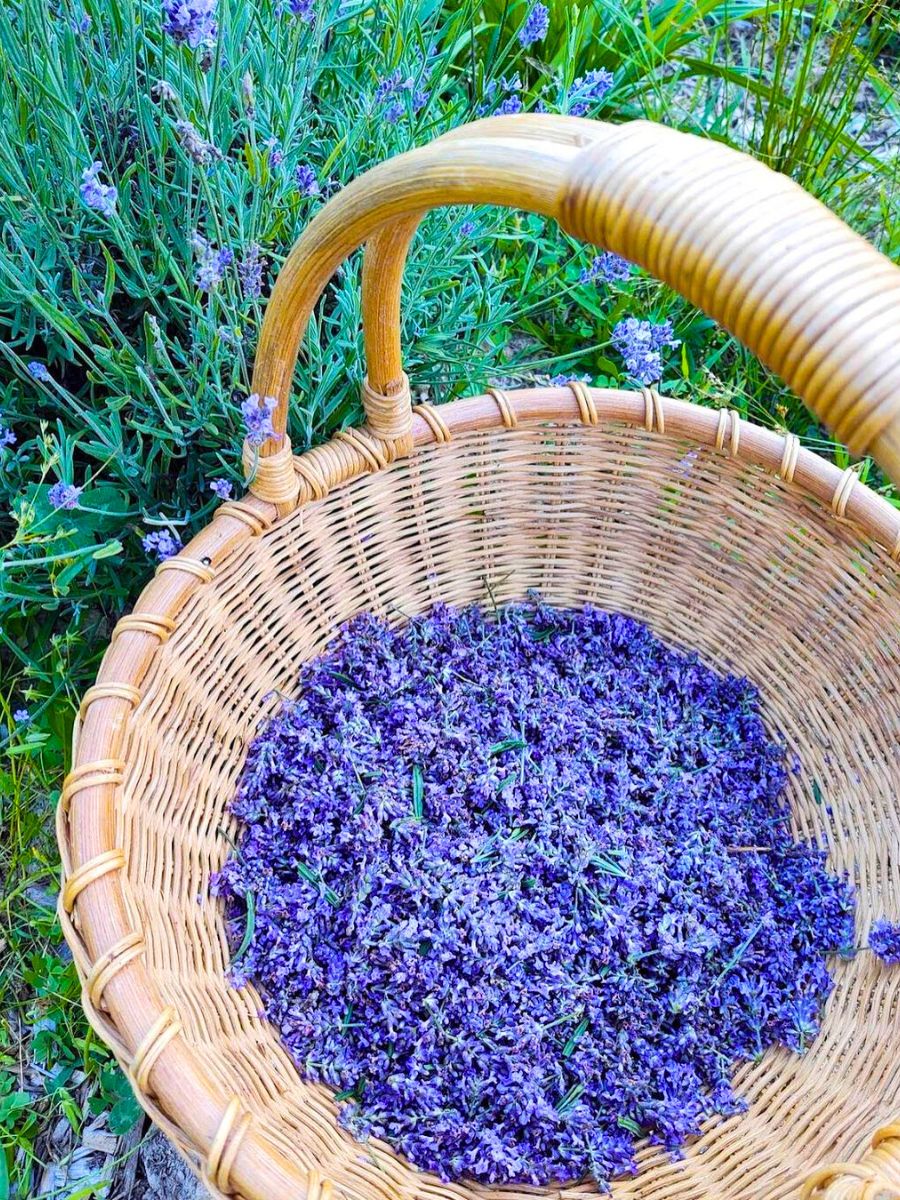
Flowers also help pastry students think beyond sugar. A dessert can be fragrant, tart, herbal, creamy, sharp, or soft. Floral ingredients can help build that range when used with control
This is why floral elements often appear in cakes, tarts, creams, syrups, teas, and plated desserts. They teach patience and restraint
Drinks And Infusions Are Another Training Ground
Floral ingredients are also useful in beverage training. Culinary students who study drinks, mocktails, teas, syrups, and infusions learn quickly that extraction matters.
A flower may taste different when steeped hot, infused cold, dried, crushed, or used fresh. Hibiscus can give color and tartness. Chamomile can bring softness. Rose can be elegant in small amounts but heavy if overdone.
This teaches students how time and temperature affect flavor. It also prepares them for modern hospitality, where non-alcoholic drinks, botanical menus, and tea pairings are becoming more important.
For a more specific drink angle, Thursd’s guide to edible flowers for cocktails and drinks can support internal linking.
Culinary Schools Can Teach Responsible Sourcing
Modern culinary education is not complete without sourcing conversations. Floral ingredients make this especially clear.
- Students should learn to ask:
- Where was this grown?
- Was it grown for food use?
- How was it packed?
- How long will it hold?
- Is it seasonal?
- Can it be grown locally?
- Is there a safer substitute?
These questions matter because edible flowers are fragile. They often have a short shelf life. They must be handled well, stored carefully, and used while fresh.
Responsible sourcing also teaches respect for growers. A chef who understands growing conditions and harvest timing will use floral ingredients more carefully.
Floral Ingredients Help Students Build A Signature Style
Many chefs look for a personal voice. Floral ingredients can help, but only when used with purpose.
A chef may become known for garden-led desserts, herb-forward dishes, delicate plating, or seasonal menus. But the goal should never be to add flowers to everything. The goal is to understand when they belong.
Culinary education should help students build judgment. Sometimes the right choice is a single petal. Sometimes it is a floral vinegar. Sometimes it is a herb flower. Sometimes the best choice is no flower at all.
That is what real skill looks like.
Floral ingredients are shaping modern culinary education because they teach more than presentation. They teach safety, sourcing, restraint, flavor, timing, and respect for the plant.
For chefs, this is valuable training. For florists and growers, it creates new opportunities. Edible flowers, culinary herbs, and garden-led ingredients sit at the meeting point of food, design, and horticulture.
When used well, floral ingredients do not just make a dish look finished. They help chefs think more carefully about what belongs on the plate and why.